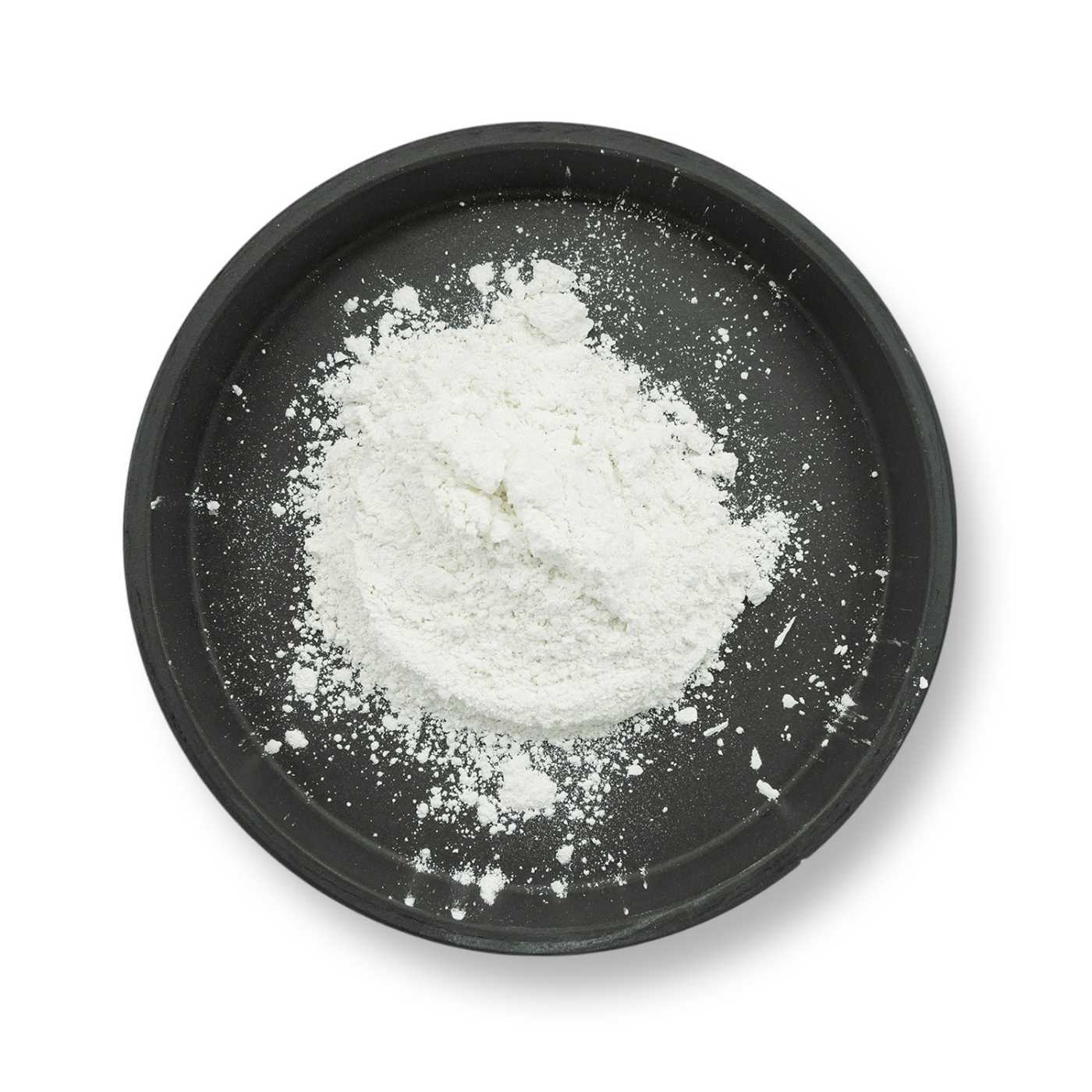
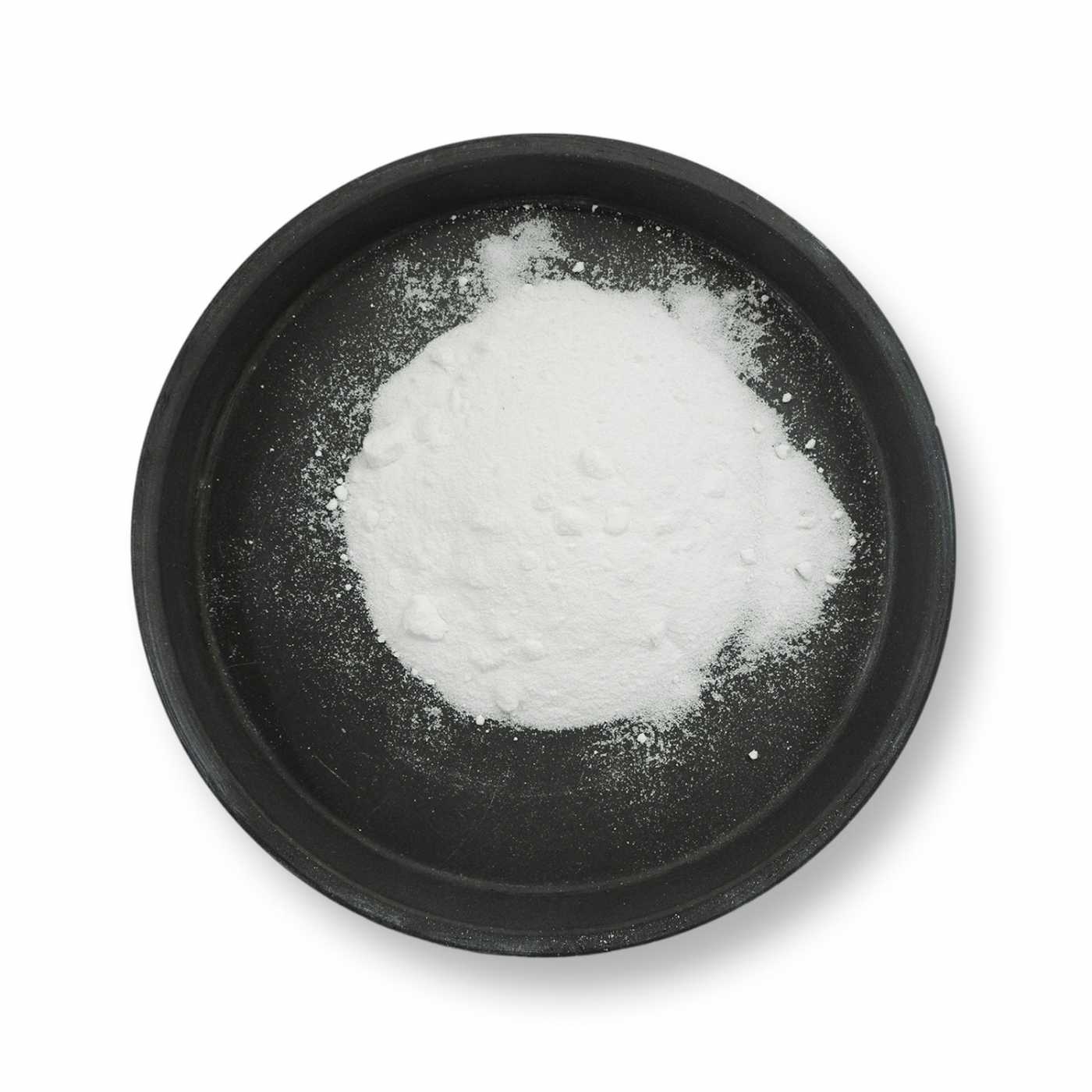
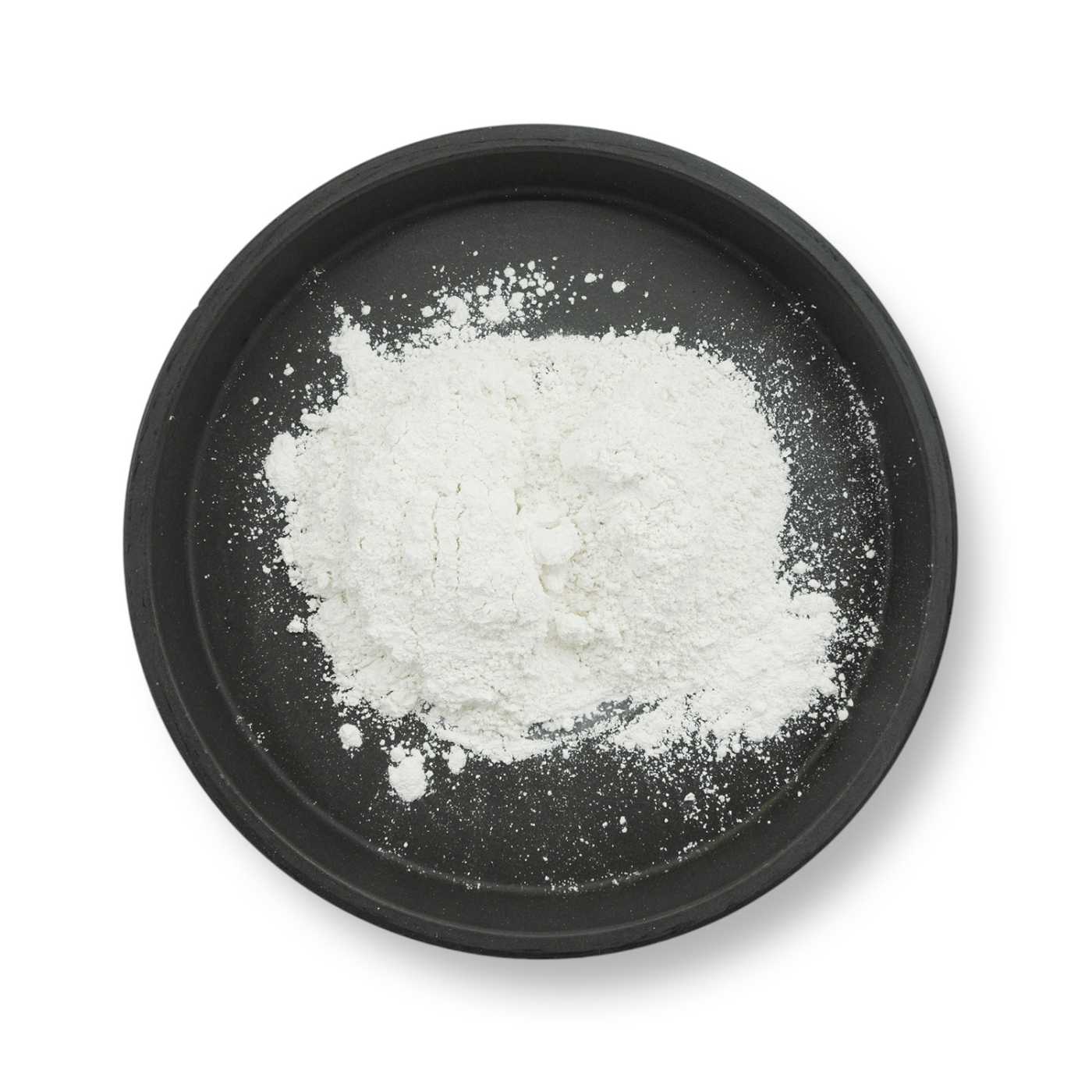
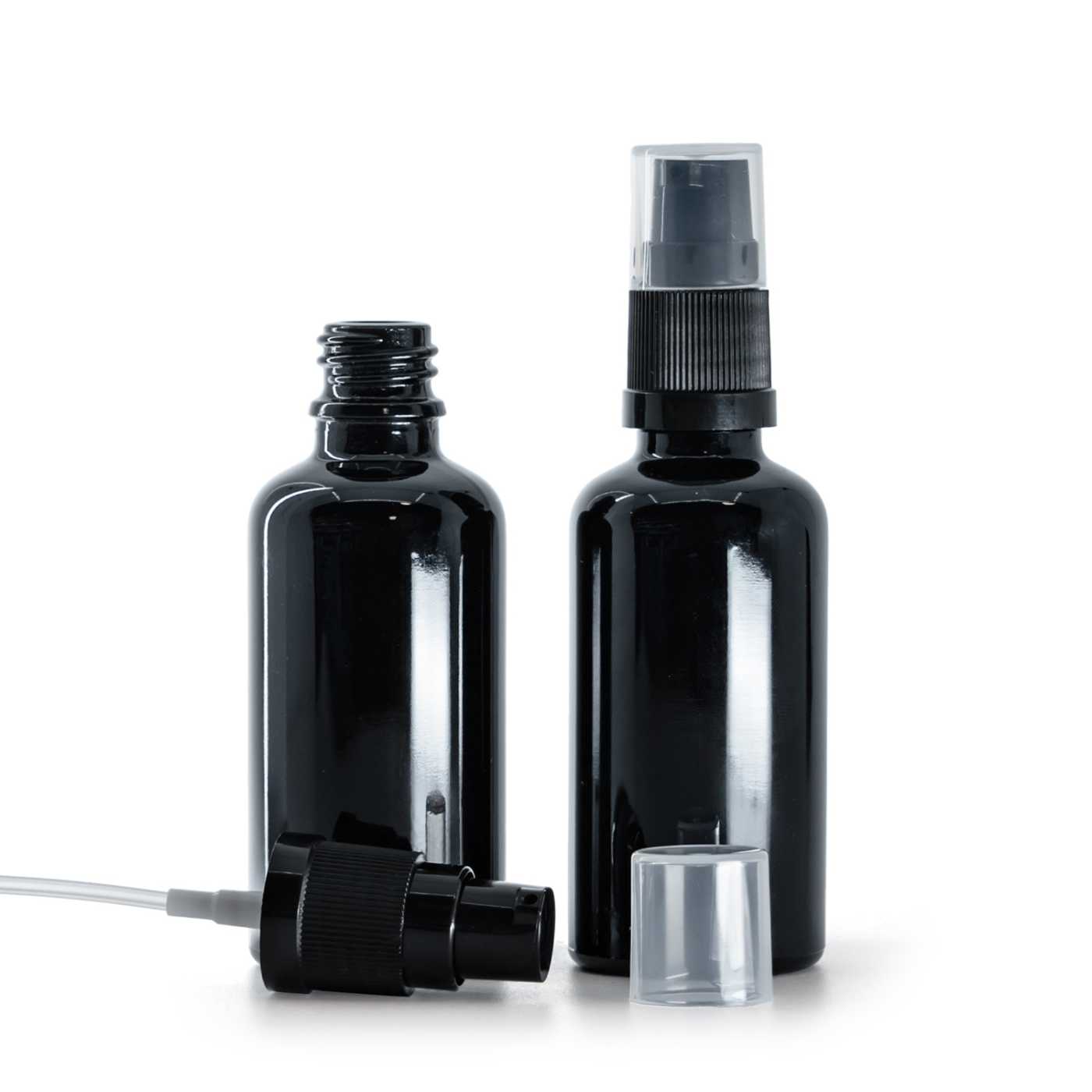
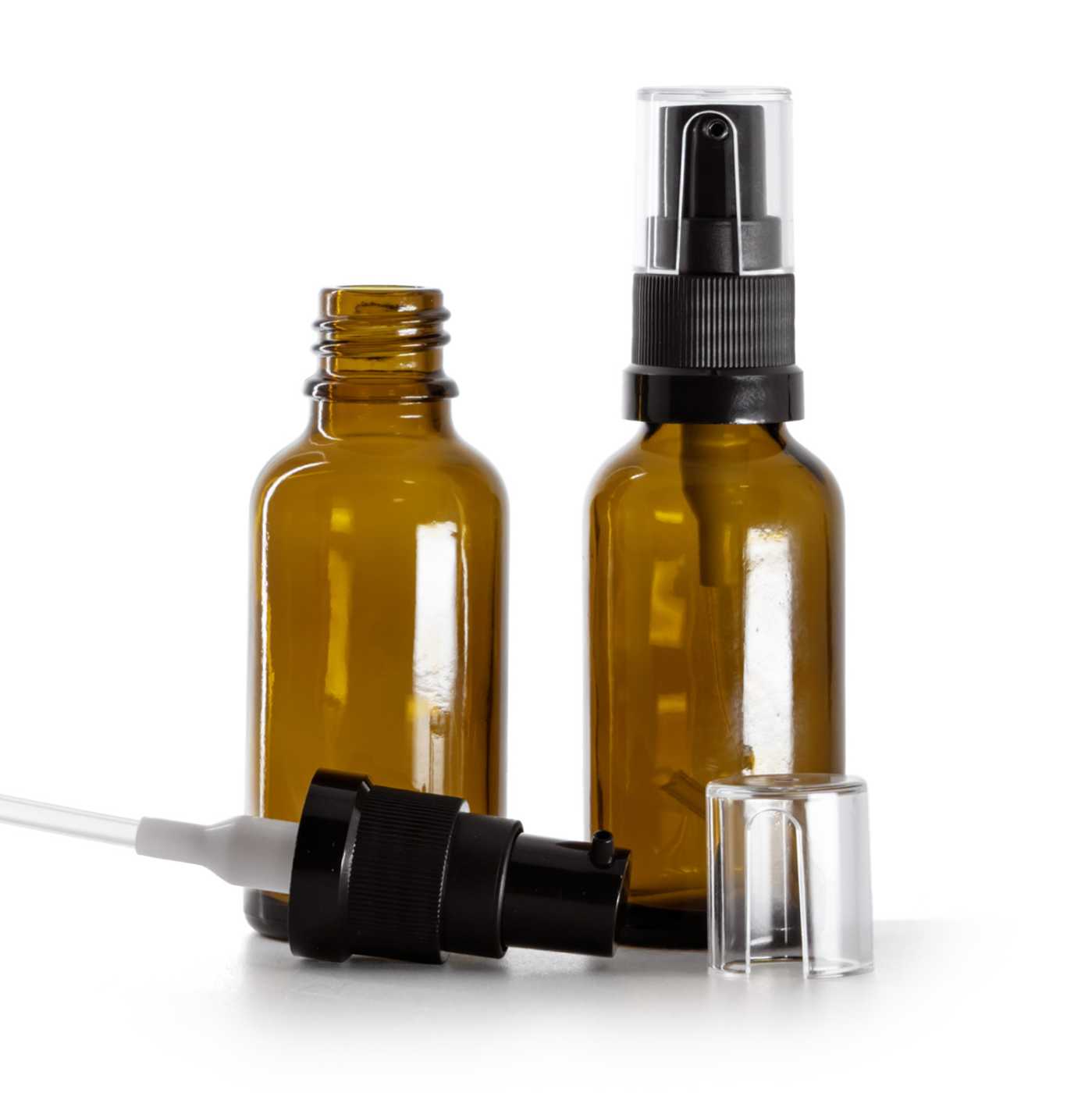
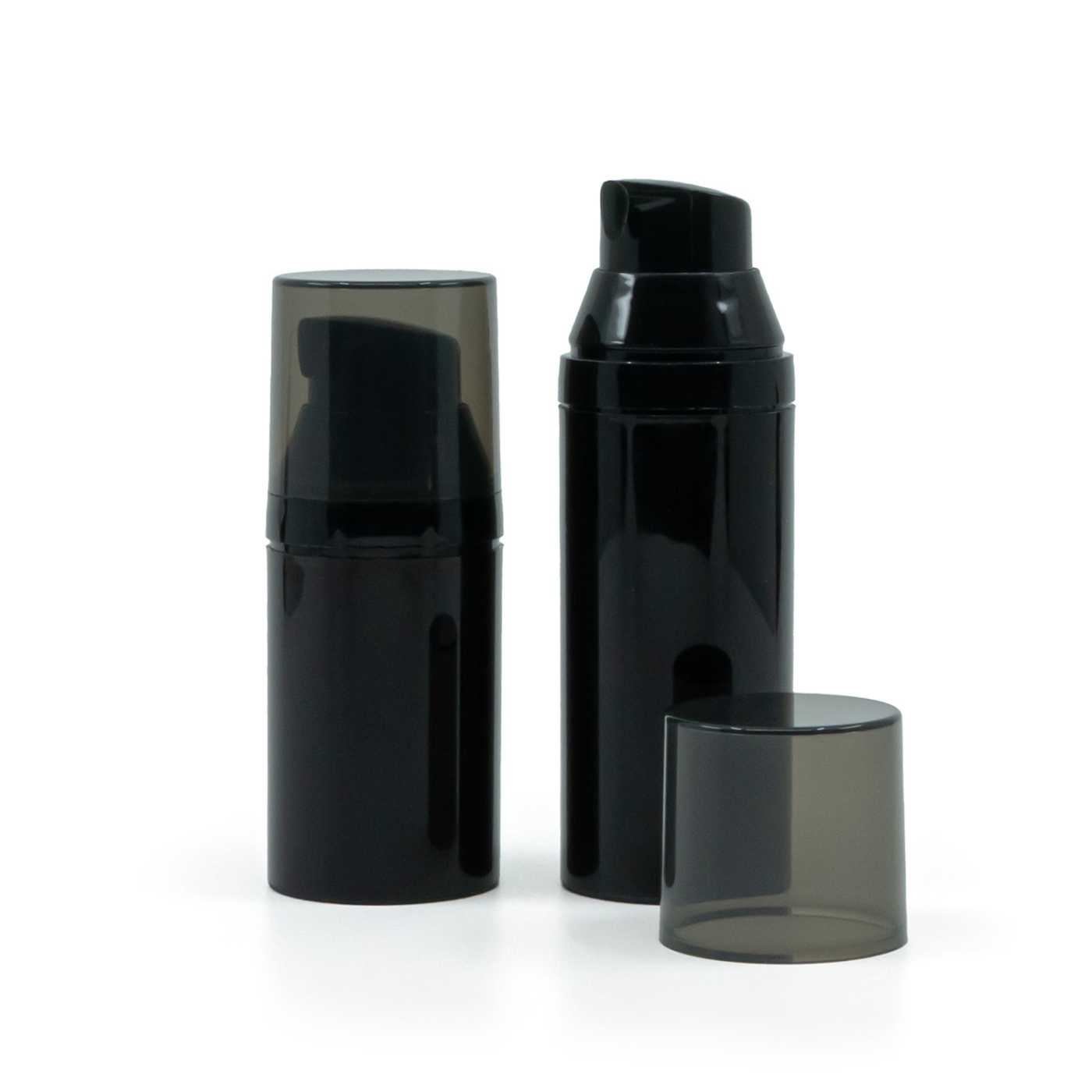
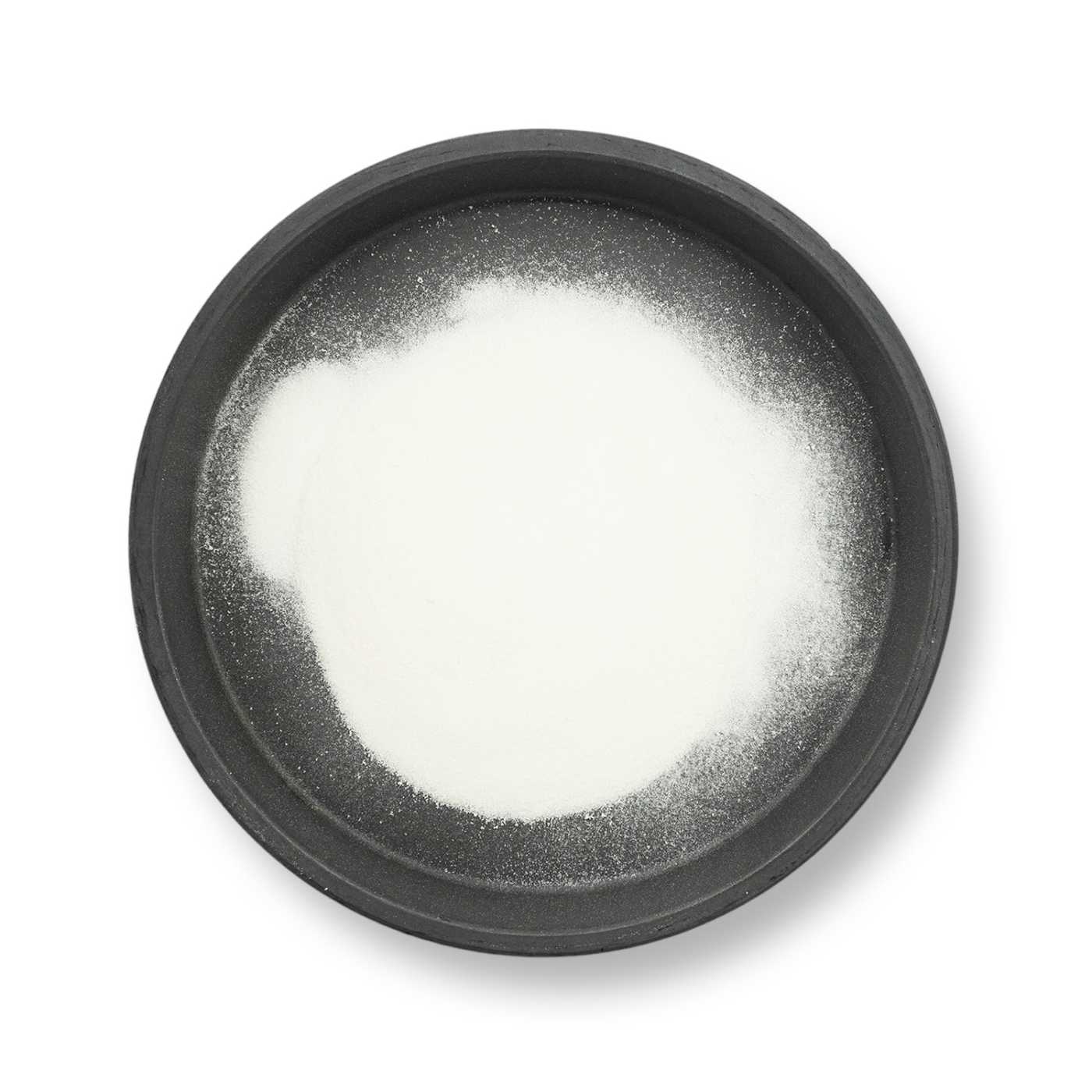
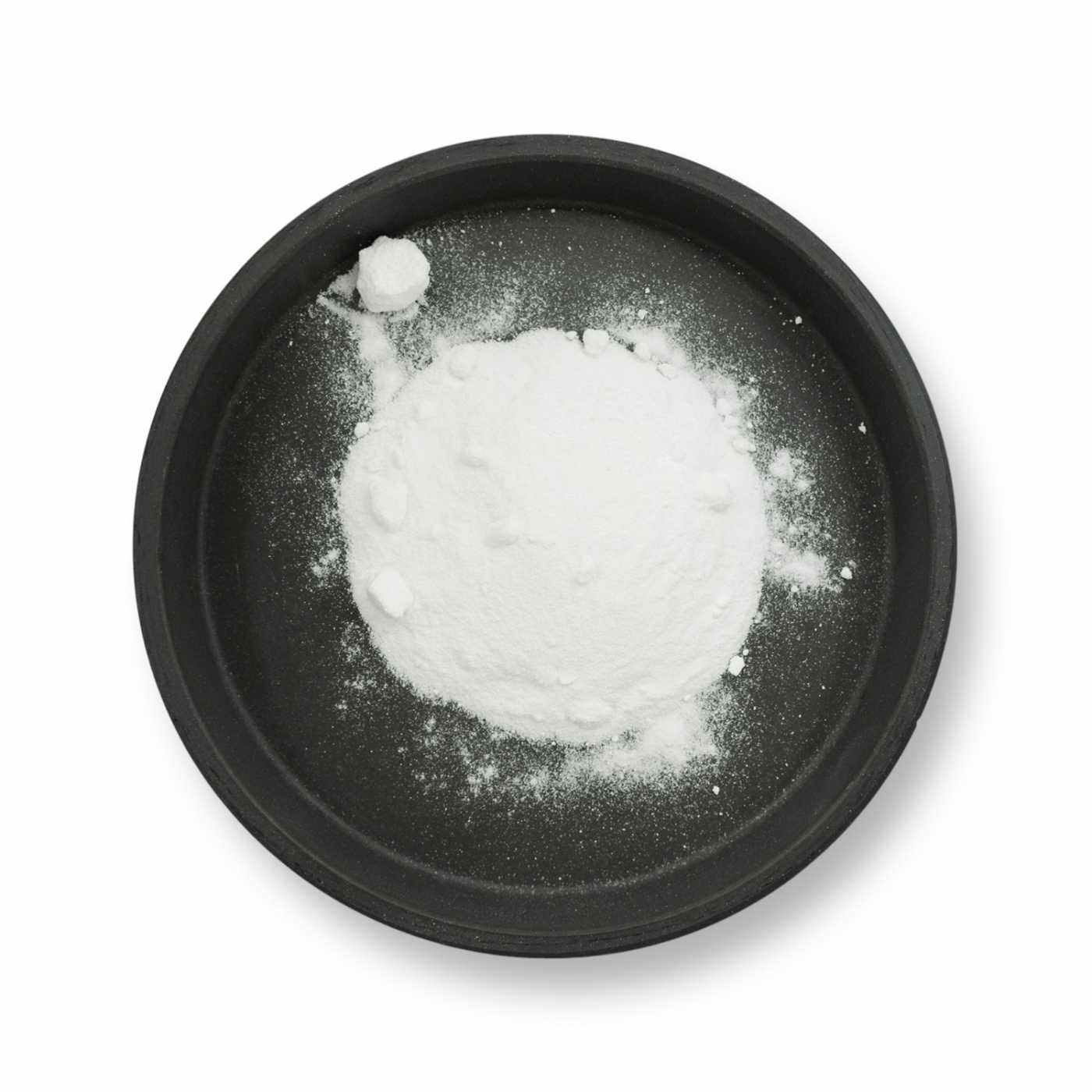
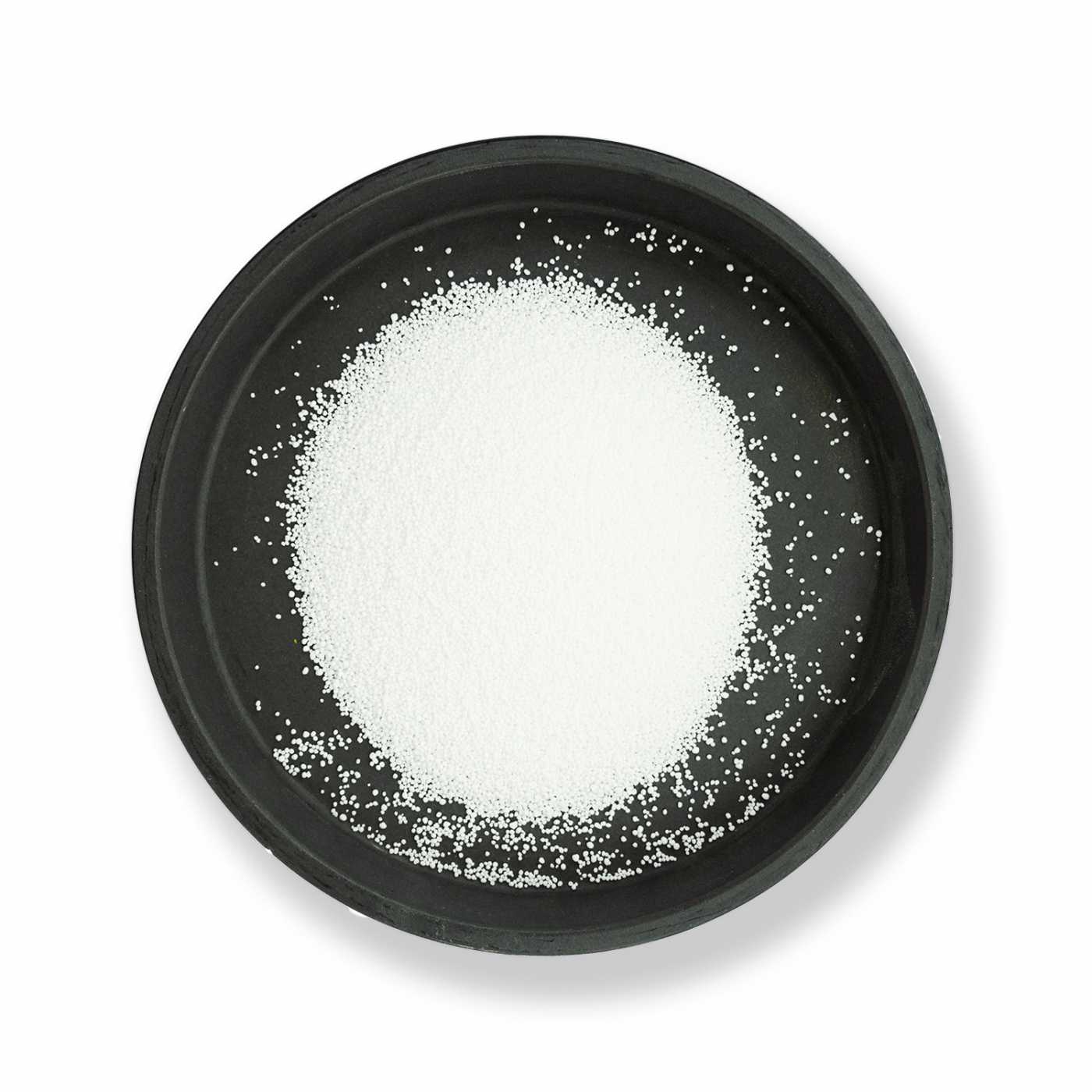
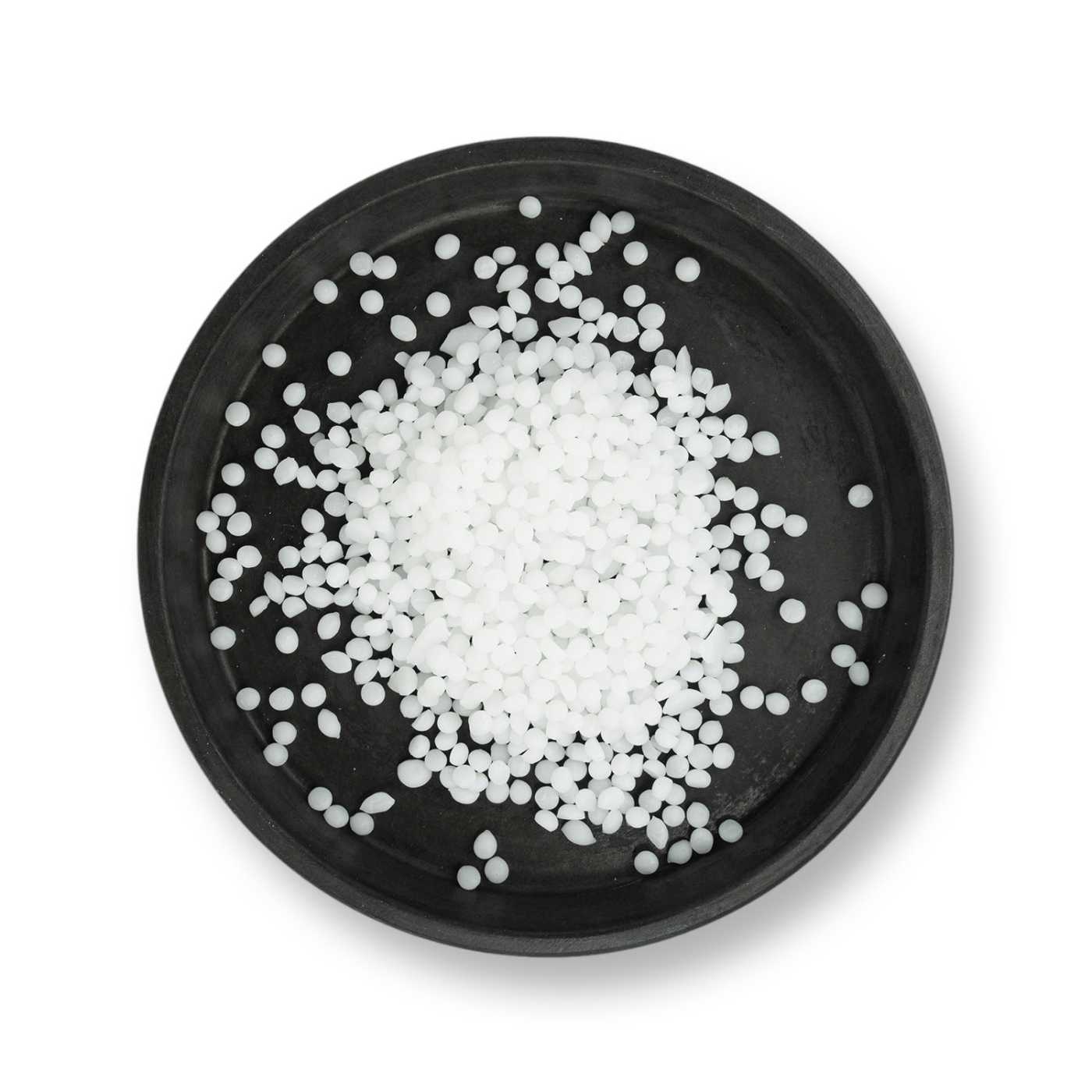
Hyaluronic acid with low molecular weight 10 – 50 kDa is a moisturising active ingredient for the water phase of serums, tonics and light emulsions. According to the manufacturer, short chains penetrate deeper into the skin than high-molecular types, which is why this fraction is chosen where hydration is intended to act below the skin surface. The raw material is produced by fermentation of carbohydrates using an unmodified bacterial strain, without raw materials of animal origin, and is approved for natural cosmetics COSMOS and NATRUE.
The powder dissolves in water and at a dosage of 0.05 – 0.5% only slightly increases viscosity. Serums and tonics thus retain a fluid texture.
What it brings to the formulation
- Deep hydration – the molecule binds a large amount of water. For short chains of 10 – 50 kDa, the manufacturer states high penetration ability into the skin, so the moisturising effect reaches deeper layers as well.
- Smoothing of fine lines – according to the manufacturer, with regular use it can reduce the visibility of fine wrinkles and lines. The result depends on the full formulation and dosage.
- Nourishment of the skin – for this fraction, the manufacturer states a nourishing effect in addition to hydration, making it suitable for regenerating and anti-wrinkle products.
- Minimal impact on viscosity – thickens considerably less than high-molecular types. Suitable for tonics, mists and essences where a light, watery consistency is desired.
- Natural origin and vegan character – biotechnological production without animal-derived raw materials, without palm oil components and without GMO.
Use in formulation
Added to the water phase. The powder is slowly poured into water with intensive stirring until completely dissolved.
If the powder dissolves with difficulty, brief homogenisation at low speed will help.
The recommended dosage is 0.05 – 0.5%. At a concentration of 0.2 – 0.5% in water, the manufacturer states that a clear, slightly gel-like solution forms; at lower doses, it remains fluid. The finished product should have a pH in the range of 5 – 8.
The processing temperature should remain below 40 °C. For emulsions, the solution is therefore mixed into the cooled emulsion, together with other heat-sensitive active ingredients.
The manufacturer offers hyaluronic acid in several molecular weights. The longer the chain, the more water the molecule binds and the more it thickens, but at the same time it penetrates less into the skin. The 10 – 50 kDa fraction is intended for deep penetration, longer chains for surface and long-lasting hydration.
Suitable for products such as
- Moisturising and anti-wrinkle serums – the main application; short chains penetrate deeper and the effect is most pronounced here.
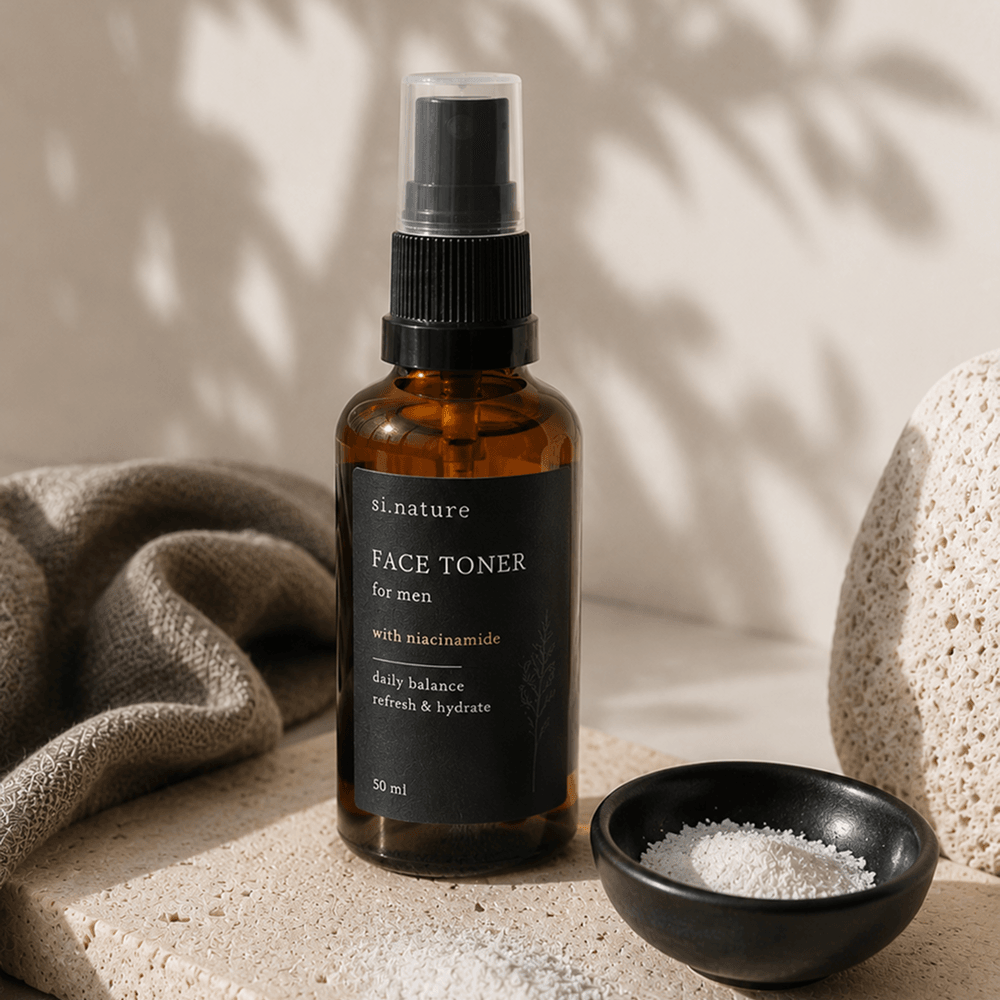
- Tonics, mists and essences – minimal impact on viscosity preserves the fluid consistency, allowing the product to be sprayed with an atomiser.
- Light creams and gel creams – added to cooled emulsion as a moisturising component of leave-on products for face and body.
- Eye creams and serums – for products targeting the delicate skin around the eyes, where fine lines are the focus.
- Hair tonics and leave-on scalp care – hydration of the scalp and hair without weighing them down.
The raw material is intended for leave-on products. It is not suitable for anhydrous products such as oil serums, balms or butters – it requires a water phase.
What is good to know
The solution in water is clear and at standard dosages does not affect the appearance of the product. The raw material is not classified as hazardous, contains no known skin, fragrance or food allergens, and is readily biodegradable. It originates from fermentation, contains no materials of animal origin and has not been tested on animals.
Frequently asked questions
What is the difference between low-molecular and high-molecular hyaluronic acid?
Low-molecular hyaluronic acid (10 – 50 kDa) penetrates deeper into the skin, while high-molecular remains closer to the surface and binds more water. According to the manufacturer, longer chains increase viscosity more significantly, while short chains alter it only slightly. The low-molecular fraction is chosen for serums requiring deeper hydration, high-molecular for surface and long-lasting hydration.
Is LMW hyaluronic acid water soluble?
Yes, the powder is water soluble and is added to the water phase. It is poured in slowly with intensive stirring until completely dissolved. If dissolving is difficult, brief homogenisation at low speed will help. It cannot be used in oils or anhydrous products.
Can hyaluronic acid be added to a cream when hot?
No, the recommended processing temperature is below 40 °C. It is added to the emulsion as an aqueous solution after cooling, at the stage when other heat-sensitive active ingredients and the preservative are also added.
How much 10 – 50 kDa hyaluronic acid is used in a serum?
The recommended dosage is 0.05 – 0.5%. At a concentration of 0.2 – 0.5% in water, the manufacturer states that a clear, slightly gel-like solution forms; at lower doses the product remains fluid. The final dosage is determined by the desired texture and the effect of the complete formulation.
Is low-molecular hyaluronic acid suitable for sensitive skin?
The raw material is not classified as hazardous, contains no known skin or fragrance allergens, and is intended for leave-on products for face and body. The manufacturer does not provide data on tolerability for specific skin types. The tolerability of the finished product depends on the complete formulation, and we recommend testing it on a small area of skin.