+421 950 333 113info@handymade.store−10 %Shop now

Candle fragrance oils

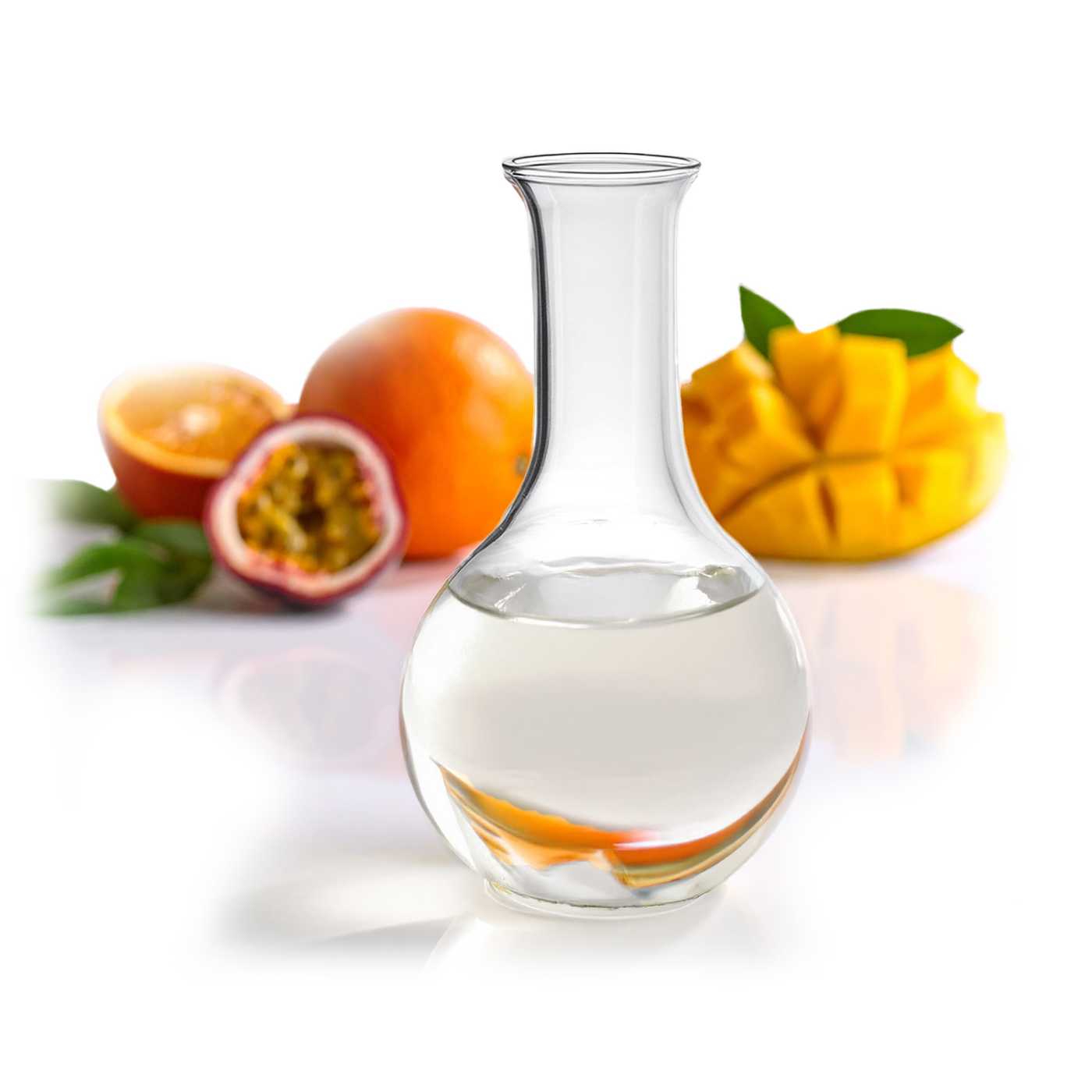
Passion Fruit Martini Fragrance Oil, 500 ml

Pack size10 ml100 ml500 ml1 l

Passion fruit martini fragrance oil gives cosmetics, soaps and candles a fruity scent inspired by a cocktail with passion fruit . full description

AvailabilityIn stock · 10 packs
Product codeVO237_500
Batch20260324SF
Best before03/2028
€51.44incl. VAT€102.88/l

Lowest price in the last 30 days: €51.44

Product description

Passion fruit martini fragrance oil gives cosmetics, soaps and candles a fruity scent inspired by a cocktail with passion fruit. It is a concentrated fragrance composition of cosmetic grade, and its only role in a product is to give it scent. It is a blend of aroma compounds put together by a perfumer and is handled in the same way as other fragrance oils.

You can use it in both rinse-off and leave-on products, from creams and shower gels through soaps and bath bombs to candles, diffusers and household cleaning products.


How it behaves in a formulation

It is oil-soluble and does not dissolve in water. It can therefore be mixed directly into oil-based serums, massage oils, balms or waxes. In emulsions it is added to the finished, already cooled mixture and stirred in so that it disperses evenly in the oil phase. In clear water-based products without surfactants, such as toners or spray waters, it must first be combined with a solubiliser, otherwise it separates and forms oil slicks on the surface.

The recommended processing temperature is below 40 °C. Fragrance compounds are volatile, so the oil is added only in the cooling phase or worked into the finished product afterwards. When making candles and bath bombs, it is added at the end of preparing the mixture and mixed in thoroughly.

It is compatible with anionic, non-ionic and amphoteric surfactants, so it suits shampoos, shower gels and liquid soaps. It is also compatible with alcohol, which allows its use in alcohol-based fragrances and body sprays. It has been tested at neutral pH. In strongly acidic or alkaline systems, we recommend checking the stability of the fragrance on a small sample.

The oil is yellow and clear. In white creams and clear soaps, it is worth checking its effect on the colour.


Usage rate and IFRA limits

The manufacturer does not state a single recommended value. The amount is chosen according to the scent intensity you want to achieve and must never exceed the IFRA limit for the given product type. Limits differ considerably between categories: different ones apply to lip products or the eye area, and others to body creams, rinse-off products, candles or air fresheners.

Before determining the usage rate, open the IFRA certificate in the Product documentation section, find the category of your product and calculate the maximum amount for the whole formulation. The limit applies to the finished product, not to an individual phase.


Suitable for products such as

  • Body creams, lotions and oils – the scent of a fruity cocktail suits summer body care.
  • Shower gels, shampoos and liquid soaps – compatibility with common surfactants makes it easier to incorporate.
  • Bath bombs and salts – the oil is added at the end of preparing the mixture and mixed in thoroughly.
  • Solid soaps – the manufacturer lists them among the recommended uses; we recommend checking the behaviour in your specific formulation on a small batch.
  • Candles, wax melts and diffusers – IFRA category 12 applies to candles.
  • Household cleaning products and hobby products – a fragrance component for soap or cleaning formulations and for art and hobby supplies.

Good to know

The composition contains fragrance allergens listed in Annex III of the Cosmetic Products Regulation, including, for example, coumarin, benzyl acetate and limonene. Take their presence into account when labelling a finished cosmetic product. The specific substances and their proportion are given in the product documentation.

The undiluted oil is subject to classification under CLP and is marked with the pictograms GHS07 (irritant, sensitising) and GHS09 (hazardous to the environment). When handling the concentrate, protect your skin and eyes, do not pour leftovers down the drain and follow the safety data sheet. The product is not classified as carcinogenic, mutagenic or toxic to reproduction.

Always try a new fragrance first in a small batch. The intensity changes after a few days, it may settle differently in emulsions and soaps than in the pure oil, and only the finished product will show whether the chosen usage rate is right.

The oil can be combined with other fragrance oils from our range. The product contains no ingredients of animal origin and has not been tested on animals.


Frequently asked questions

Is Passion fruit martini fragrance oil soluble in water?
No, Passion fruit martini fragrance oil is oil-soluble and does not dissolve in water. It is mixed directly into oils, balms and emulsions. For toners, sprays or other clear water-based products, it must first be combined with a solubiliser, otherwise it separates. In shower gels and shampoos, the surfactants themselves make incorporation easier.
How much Passion fruit martini fragrance oil should I add to a cream or soap?
There is no single universal usage rate; the maximum is set by the IFRA limit for the product category. Different values apply to a face cream, body lotion, soap or lip product. You will find the specific percentages for each category in the IFRA certificate in the product documentation. Usage rates lower than the limit allows are common and are chosen according to the scent intensity you want.
When should I add Passion fruit martini fragrance oil to an emulsion?
The fragrance oil is added to an emulsion only in the cooling phase, when the mixture is below 40 °C. At a higher temperature, part of the volatile fragrance compounds would evaporate and the scent would weaken. After adding it, stir the cream thoroughly once more so that the oil disperses evenly.
Can Passion fruit martini fragrance oil be used in candles and diffusers?
Yes, the manufacturer lists candles, diffusers and aromatherapy among the recommended uses. IFRA category 12 applies to candles and category 10B to hand-held air freshener sprays. Check the amount for the given category in the IFRA certificate. We recommend trying the fragrance in your specific wax or carrier on a small sample.
Does Passion fruit martini fragrance oil contain allergens that must be stated on the label?
Yes, the composition contains fragrance allergens from Annex III of Regulation (EC) No 1223/2009, for example coumarin, benzyl acetate or limonene. Whether and which of them you must state on the label of the finished product depends on their concentration in the final formulation. The documents needed for the calculation are in the product documentation.
What is the difference between Passion fruit martini fragrance oil and an essential oil?
Passion fruit martini fragrance oil is a fragrance composition, that is, a blend of aroma compounds put together by a perfumer, whereas an essential oil is obtained from a plant by distillation or pressing. The scent of a fruity passion fruit cocktail is therefore created by a blend of aroma compounds, not by a plant extract. Its usage rate is set according to the IFRA certificate, and in a formulation it serves solely as a fragrance component.

Parameters

INCI
Parfum
Product colour
YellowClear
Country of origin
European Union
Processing method
Blending
Appearance
Liquid
Free from
parabens
Function in formulation
Fragrance component
Recommended processing temperature
< 40 °C
Application type
Leave-onRinse-off
Volume
500 ml

Product documentation

CoACertificate of Analysis
batch 20260324SFPDF ↓
TDSTechnical Data Sheet
Physical parameters and processingPDF ↓
SDSSafety Data Sheet
Available for purchased products —
Download all (ZIP)

2 PDF files in one archive

Lily20 Aug 2026CS

Verified purchase

It's a very sweet scent. It reminds me a bit of tutti frutti

Translated automatically