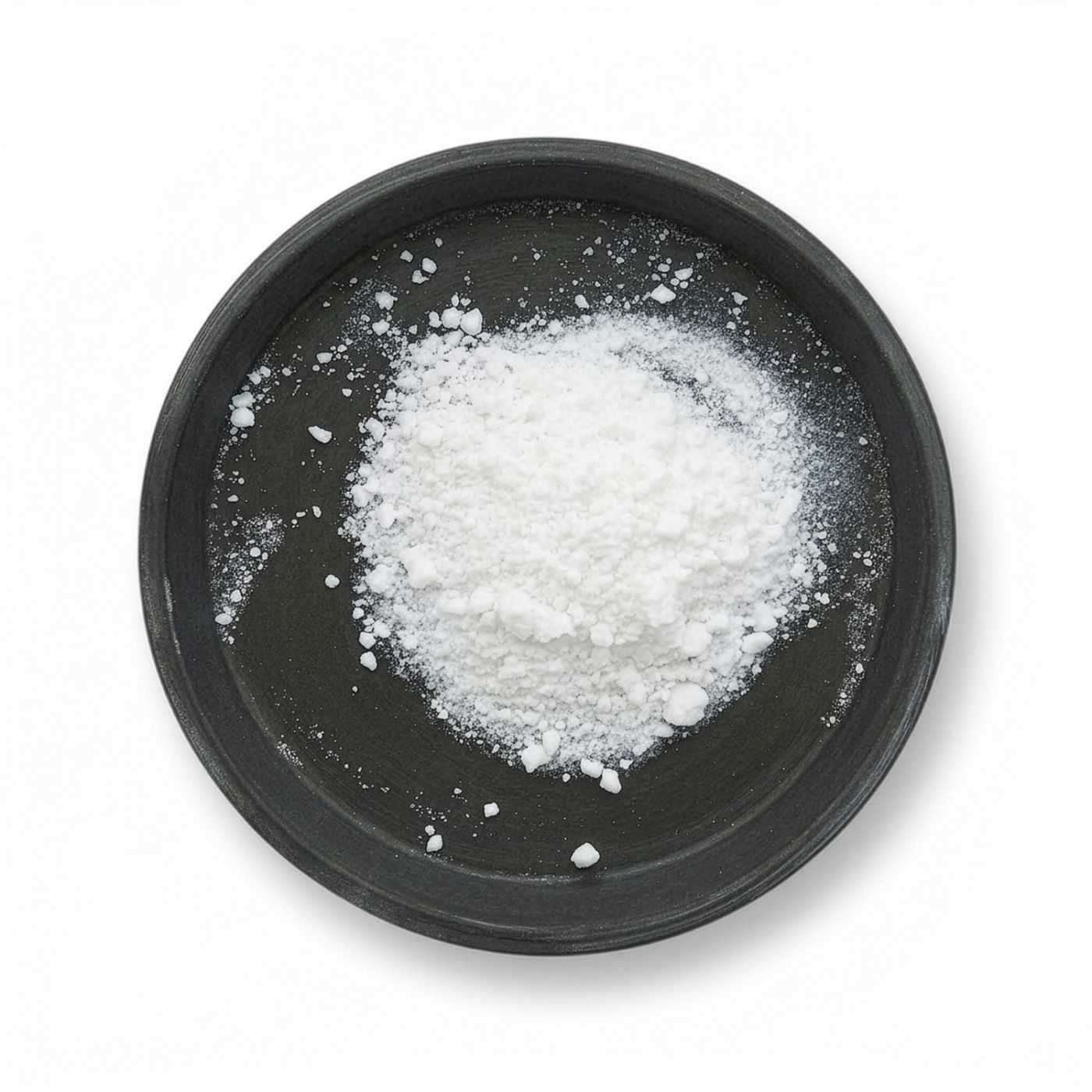
Maltitol, 100 g
Pre-order€1.77(€17.70/kg)

ACTIVE INGREDIENTS
PRODEW 500 is a blend of amino acids with the moisturising components Sodium PCA and Sodium Lactate, developed for hair care products . full description
Lowest price in the last 30 days: €15.99
PRODEW 500 is a blend of amino acids with the moisturising components Sodium PCA and Sodium Lactate, developed for hair care products. It moisturises the hair, makes it easier to comb, supports shine and helps to maintain the colour of coloured hair. It is supplied as an aqueous solution, so you simply weigh it into the formulation and mix it into the water phase or into the cooled product.
It can be used in both rinse-off and leave-on products, from shampoos and conditioners to sprays and styling gels. In facial and body care products it works as a humectant that binds water and supports skin hydration.
Less is known about free amino acids in hair than about those in the skin. When applied externally, however, they act on the hair, which shows as moisturisation, a firmer structure, colour protection and improvement of the damaged hair surface.
Each component of the blend has its own role:
The individual groups of amino acids act differently on the hair. Basic ones improve strength and shine. Neutral ones work well on dry hair, which becomes easier to comb and feels smoother to the touch. Acidic ones make wet hair easier to comb and improve its smoothness.
The manufacturer’s tests were carried out with individual components of the blend, not with the finished solution. They show what each amino acid does on the hair.
The first test looked at the hair surface. Hair was bleached four times and treated with a conditioner containing 0.6% cationic surfactant and 3% cetyl alcohol. The conditioner with 1.5% alanine increased the hydrophobicity of the hair surface compared with the same conditioner without alanine.
The second test looked at strength. Hair bleached four times was immersed for 3 minutes in a 2% aqueous solution of the amino acid and rinsed. Histidine and phenylalanine improved the tensile strength of the hair, measured in water, compared with hair treated with water alone.
The third study concerned colour. White yak hair was dyed with a red semi-permanent dye and treated with a conditioner at pH 3.0. The conditioner contained 2% Sodium PCA, or 1% Sodium PCA with 0.4% arginine. Compared with a conditioner without these components, the red shade developed more intensely.
The solution is freely miscible with water and does not dissolve in oil. It is added to the water phase or only during the cooling phase, when the product is below 40 °C. It does not belong in the oil phase.
The usage rate is 2–5% in both rinse-off and leave-on products.
The raw material contains 47–53% dry matter. This means that roughly half of the amount added ends up in the product as the amino acids and moisturising components themselves. The rest is water, which can be counted as part of the water phase of the formulation.
The solution itself has a pH of 4.0–6.0, and the same range is recommended for the finished product. A slightly acidic shampoo or conditioner therefore usually does not need any significant pH adjustment after it is added.
In the manufacturer’s studies, the amino acids were part of conditioners with cationic surfactants (Steartrimonium Chloride, Cetrimonium Chloride) and cetyl alcohol at a pH of around 3. The raw material is therefore suitable for conditioners and masks used after colouring.
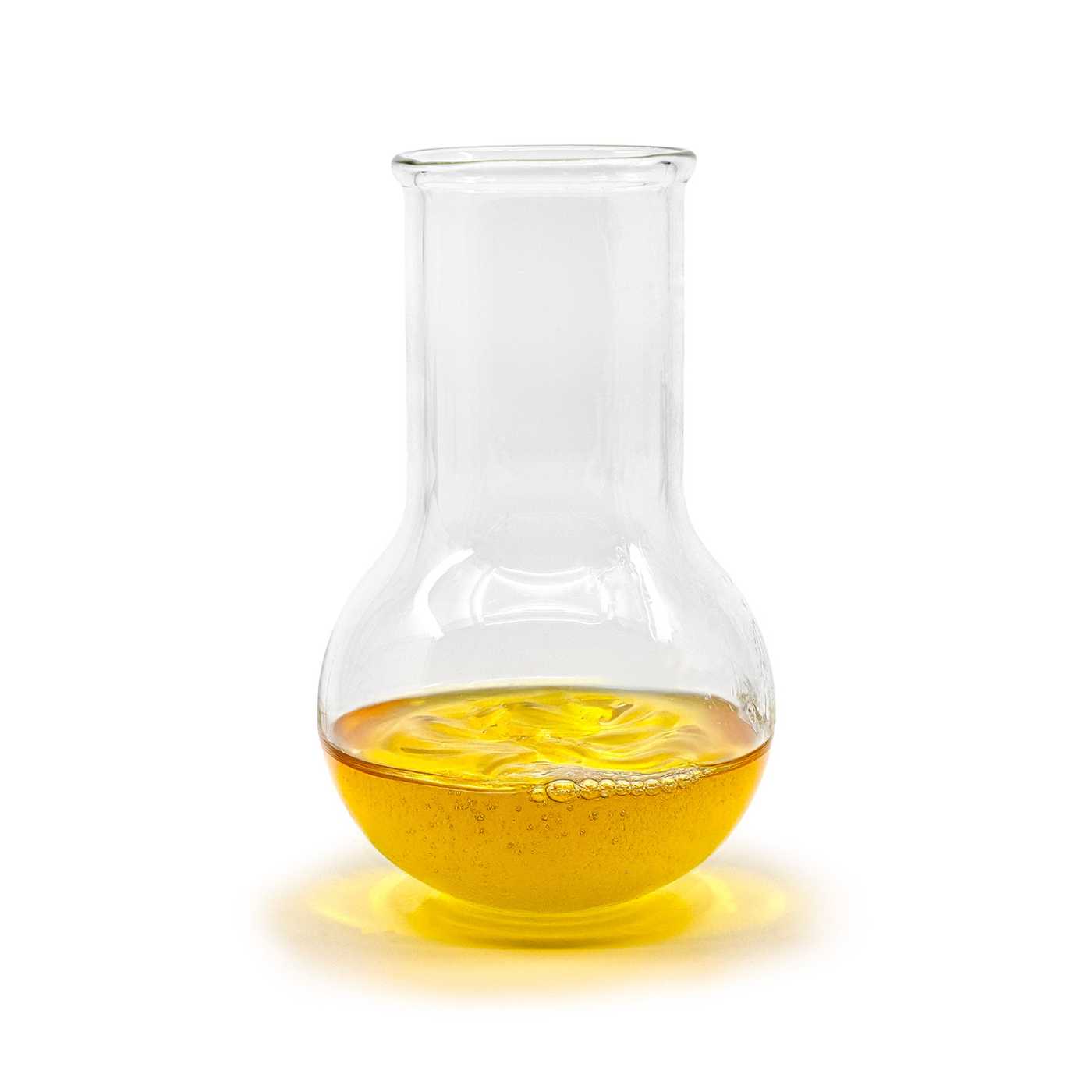
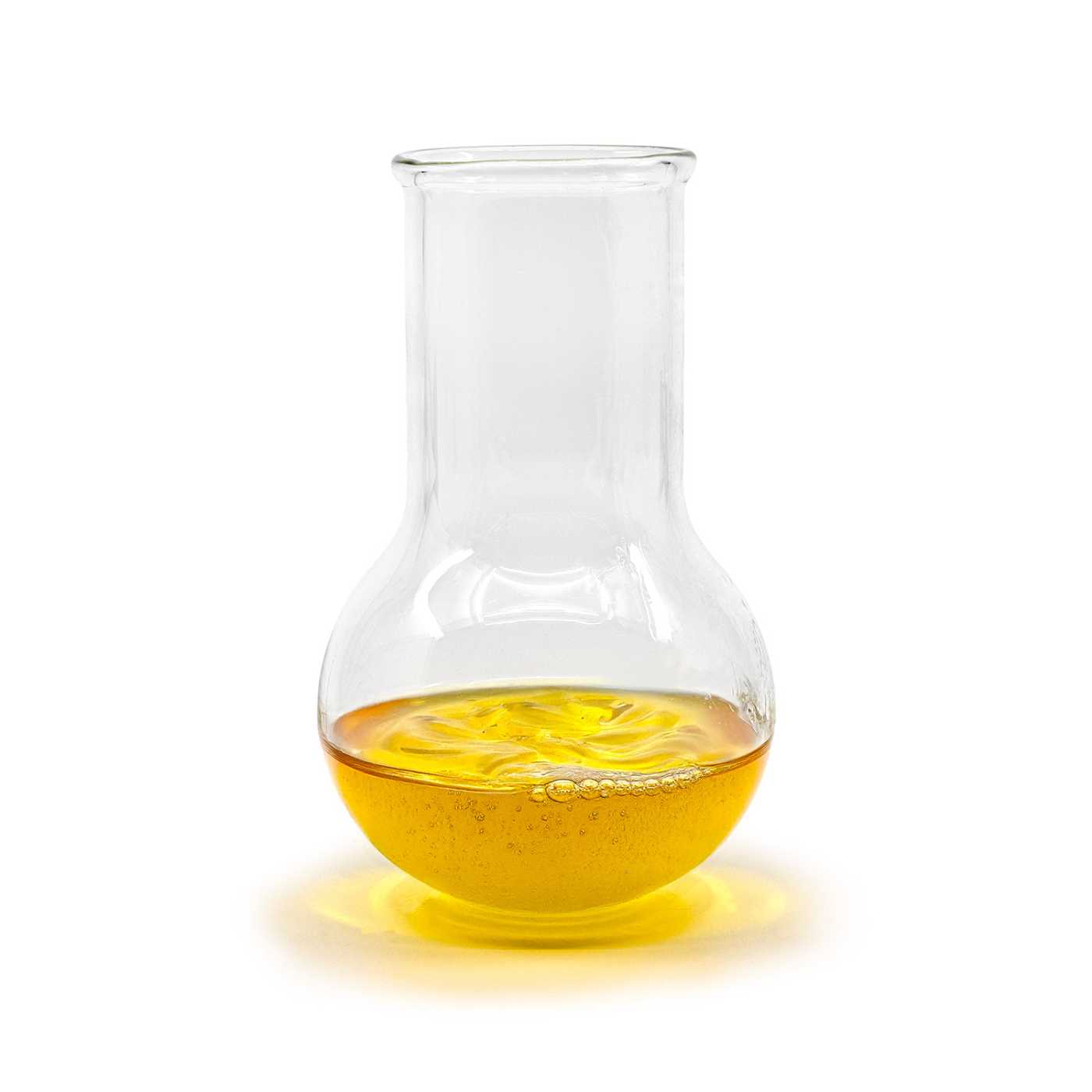
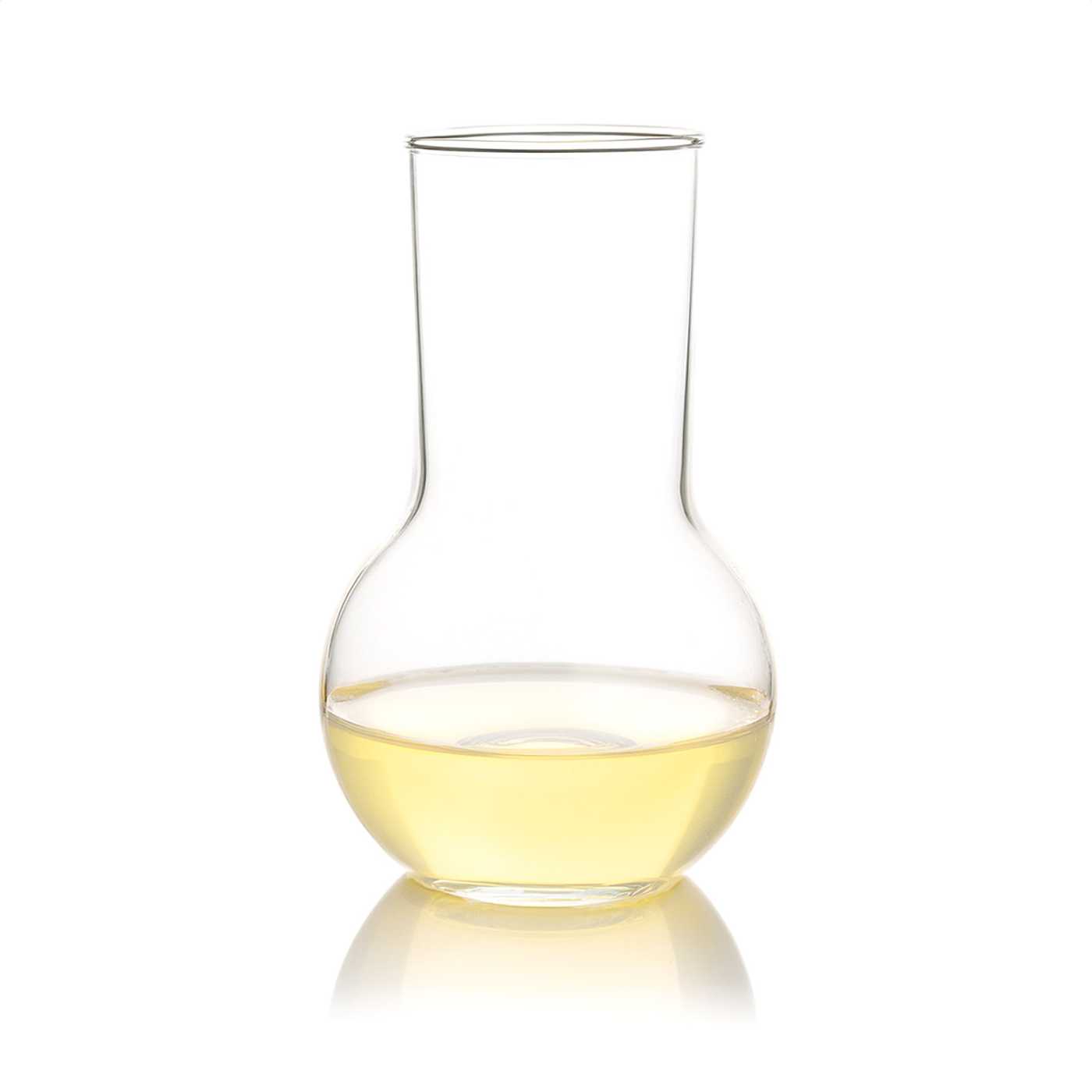
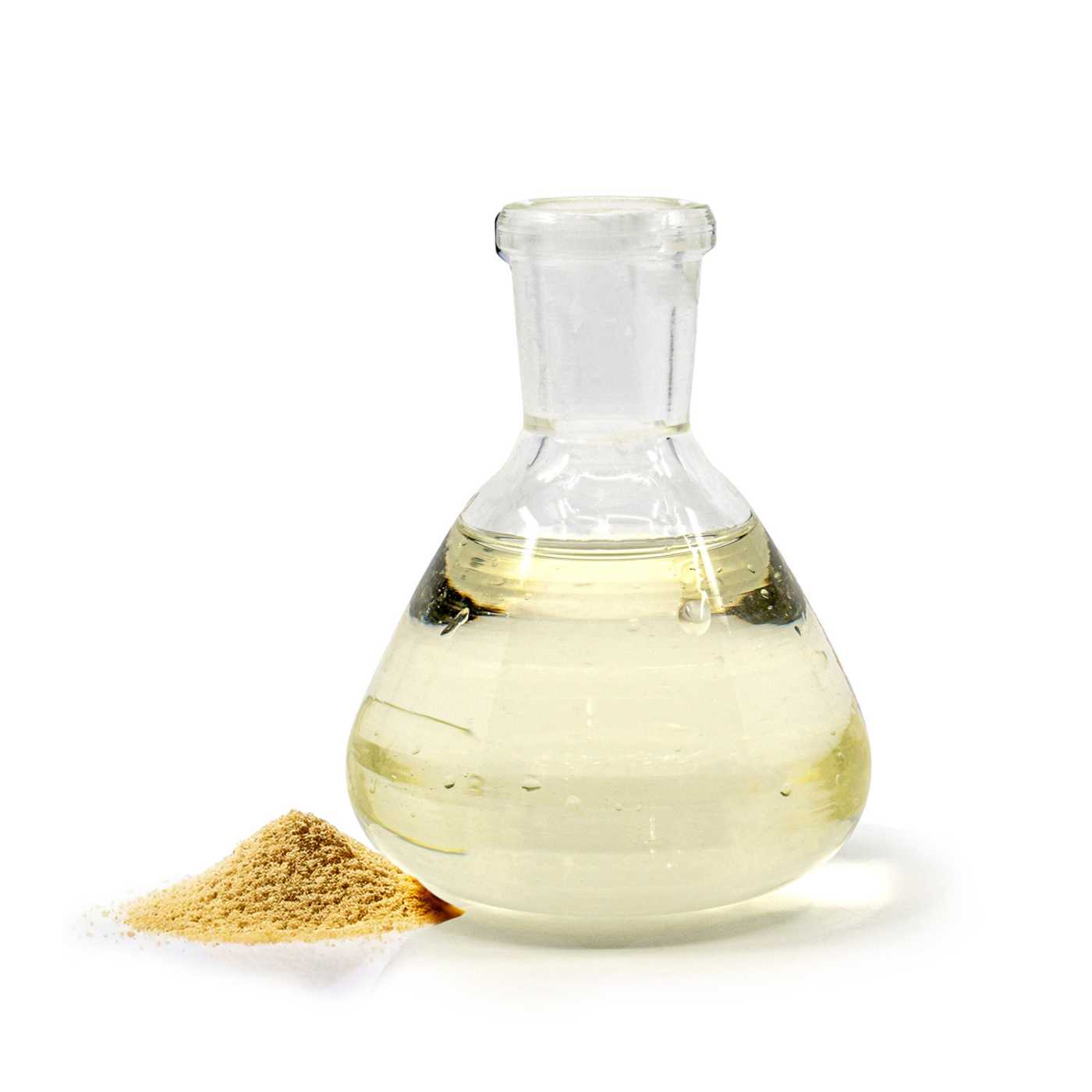
The solution is colourless to light yellow and has a faint characteristic odour. A yellowish tint is normal. The raw material is readily biodegradable and does not contain GMO ingredients.
An aqueous solution of amino acids is a nutrient medium for microorganisms. Work cleanly when weighing, close the container immediately after taking what you need and always preserve the finished product.
When heated in a strongly alkaline environment, the raw material decomposes. Add it to alkaline products only after they have cooled and do not use it in a hot soap base containing alkali. It is also not compatible with strong oxidising agents, for example hydrogen peroxide in bleaches and developers.

Excellent quality and a great addition to my hair care formulations. Very happy with this product and will definitely order again!

Variant: PRODEW 500, aminokyseliny do vlasových produktov, 500 ml

Variant: PRODEW 500, aminokyseliny do vlasových produktov, 100 ml