TENSIDES, SURFACTANT
Sodium Lauroyl Sarcosinate, 100 ml
Sodium Lauroyl Sarcosinate is an anionic surfactant from the group of sarcosinates – it is the sodium salt of lauroyl sarcosinate, formed by reacting a fatty acid (most commonly lauric acid from coconut/palm sources)… full description
Lowest price in the last 30 days: €1.99
Product description
Sodium Lauroyl Sarcosinate is an anionic surfactant from the group of sarcosinates – it is the sodium salt of lauroyl sarcosinate, formed by reacting a fatty acid (most commonly lauric acid from coconut/palm sources) with sarcosine (N-methylglycine), followed by neutralisation to the sodium salt.
In cleansing products it is valued for its good cleansing efficacy while providing a more pleasant skin feel compared to some classical sulfates. It typically produces a rich, mild foam, has good slip, and is often used as a primary or secondary surfactant in modern sulfate-free formulations.
Key benefits
- Sulfate-free anionic surfactant – an alternative to SLS/SLES in milder formulations.
- Excellent foaming – creates a rich, fine foam and improves the “foam feel”.
- Good cleansing performance with a more pleasant feel on skin and hair (compared to many strong anionic surfactants).
- Improves slip – often contributes to easier detangling and a smoother feel after rinsing.
- Synergy in surfactant blends – suitable for combining with amphoteric and non-ionic surfactants.
Suitable for products such as
- Shampoos (liquid and gel) – especially “sulfate-free” types.
- Shower gels and mild body wash gels.
- Facial cleansing gels and foams (rinse-off) – with a properly adjusted formula.
- Intimate hygiene (rinse-off) – in combination with mild co-surfactants and an appropriate pH.
- Exfoliating cleansing gels and products where you need good degreasing with a pleasant foam.
Use in formulation
- Soluble in: water (depending on the supplied form – solution/powder); it is insoluble in oils.
- Mixable with: anionic, amphoteric and non-ionic surfactants; it is often combined with Sodium Cocoamphoacetate, Cocamidopropyl Betaine or glucosides for a milder profile.
- Compatible with: common humectants (glycerin, propanediol), polymeric thickeners for surfactant systems and salt-thickening (the outcome depends on the overall surfactant blend).
- Dosage (guideline): as a primary or secondary surfactant in cleansing products; the aim is to set the desired level of active surfactants in the finished product.
- pH and stability (guideline): sarcosinates are usually formulated in a mildly acidic to neutral range; at very low pH, the stability and clarity of the system may decrease – always fine-tune pH according to the full composition and perform testing.
Safety and storage
- Intended for cosmetic use; avoid contact with eyes and mucous membranes.
- Store in a tightly closed container, in a dry place, away from direct sunlight and sources of heat.
- For sensitive skin and for facial/intimate hygiene products, always test the final formula and adjust pH and fragrance.
Physical properties
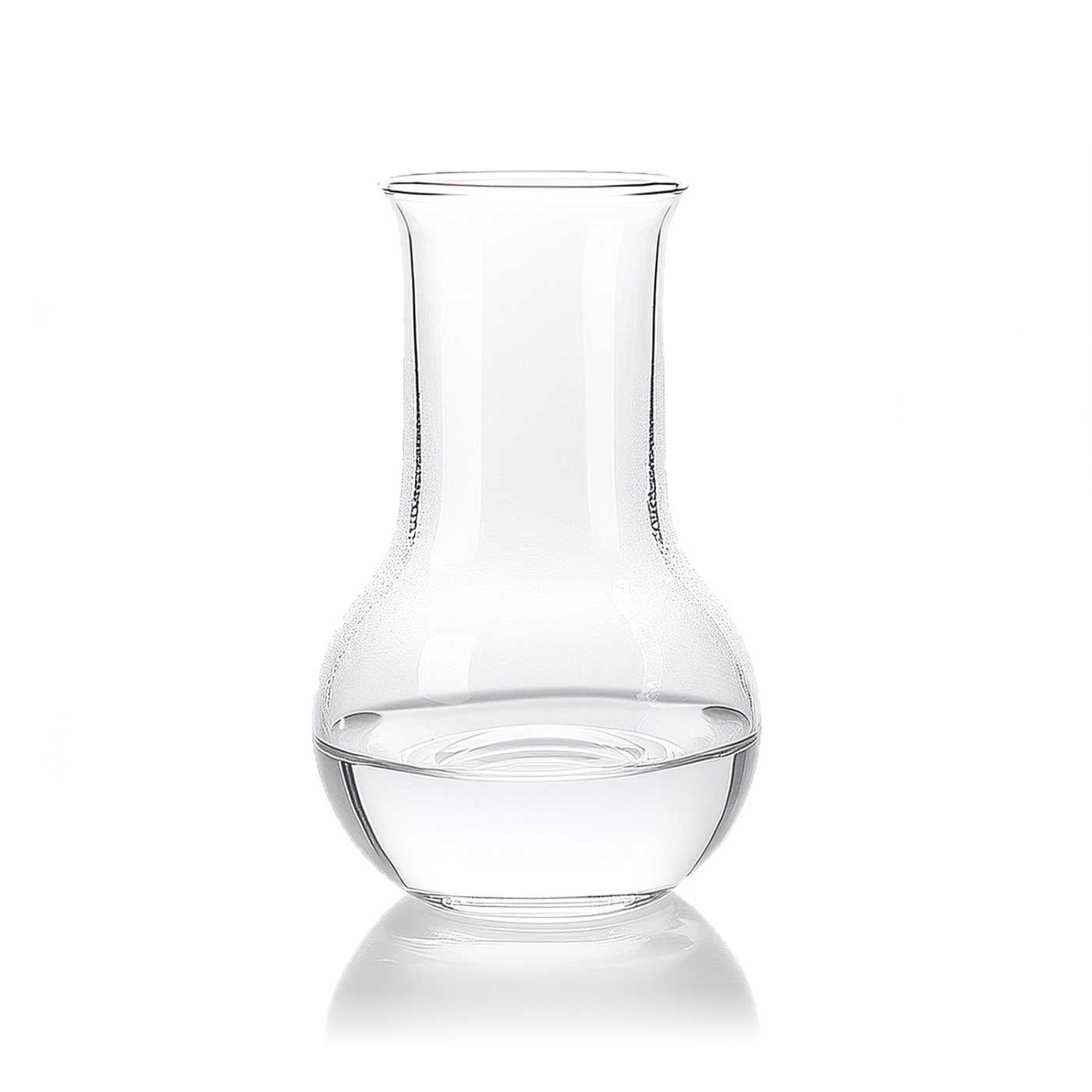
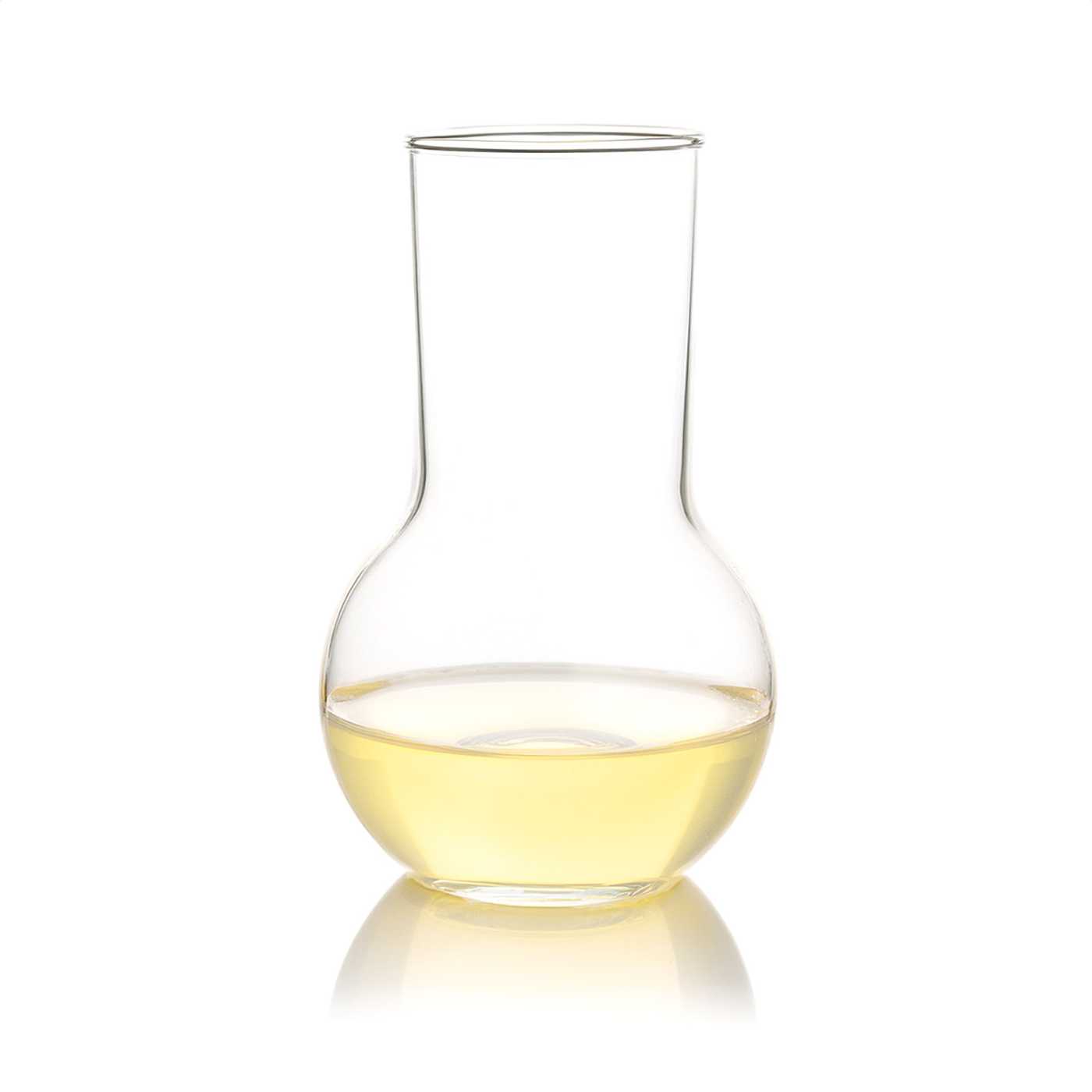
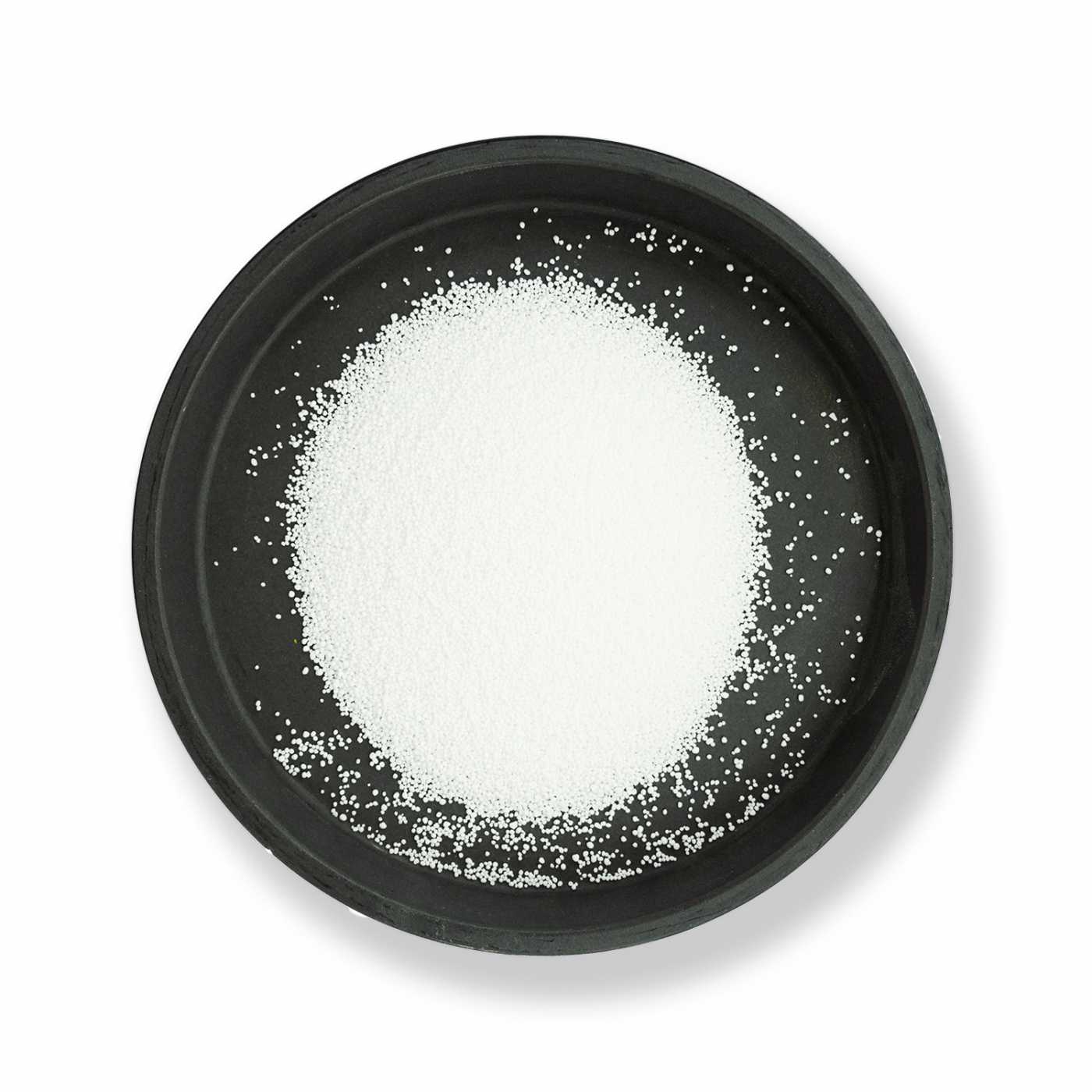
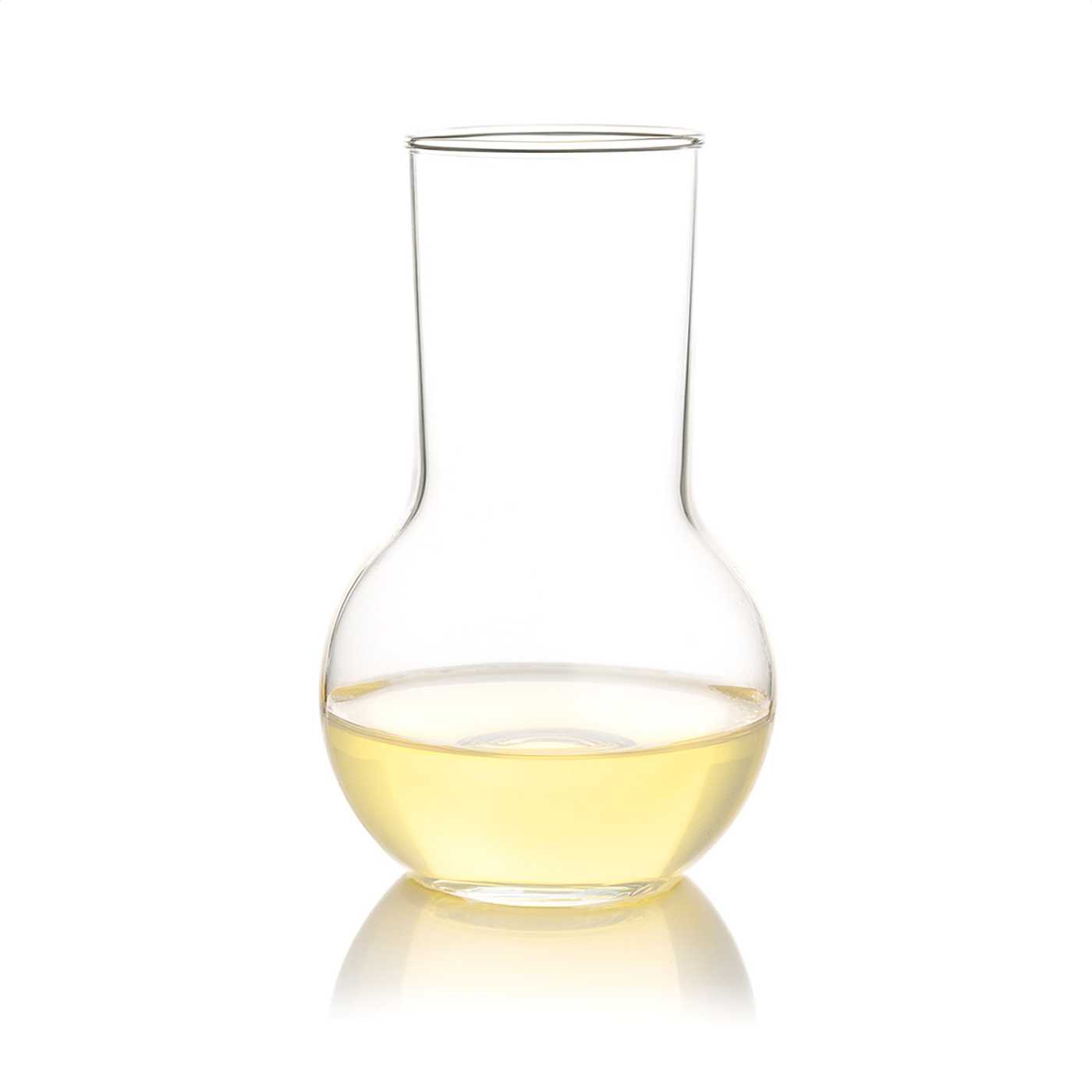
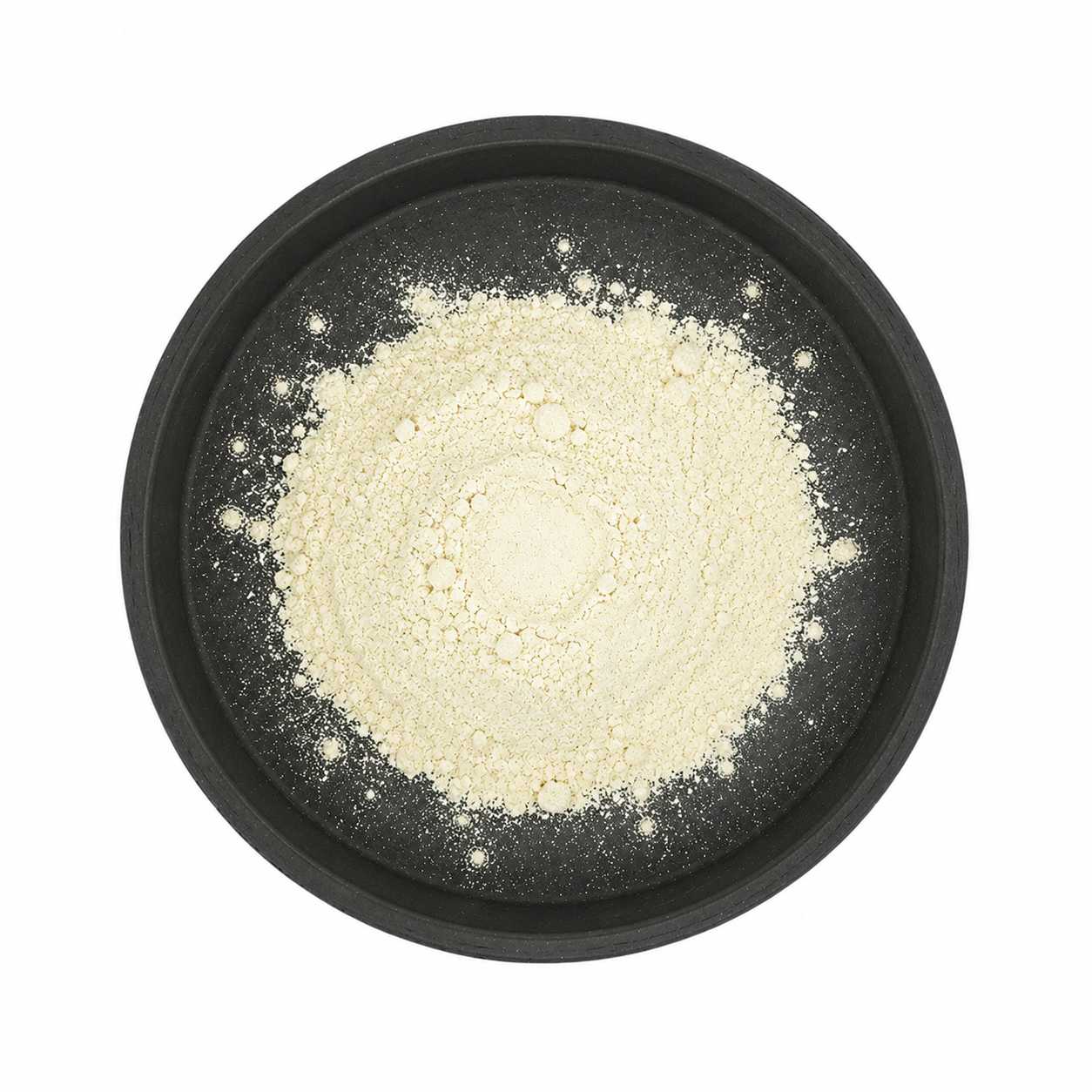
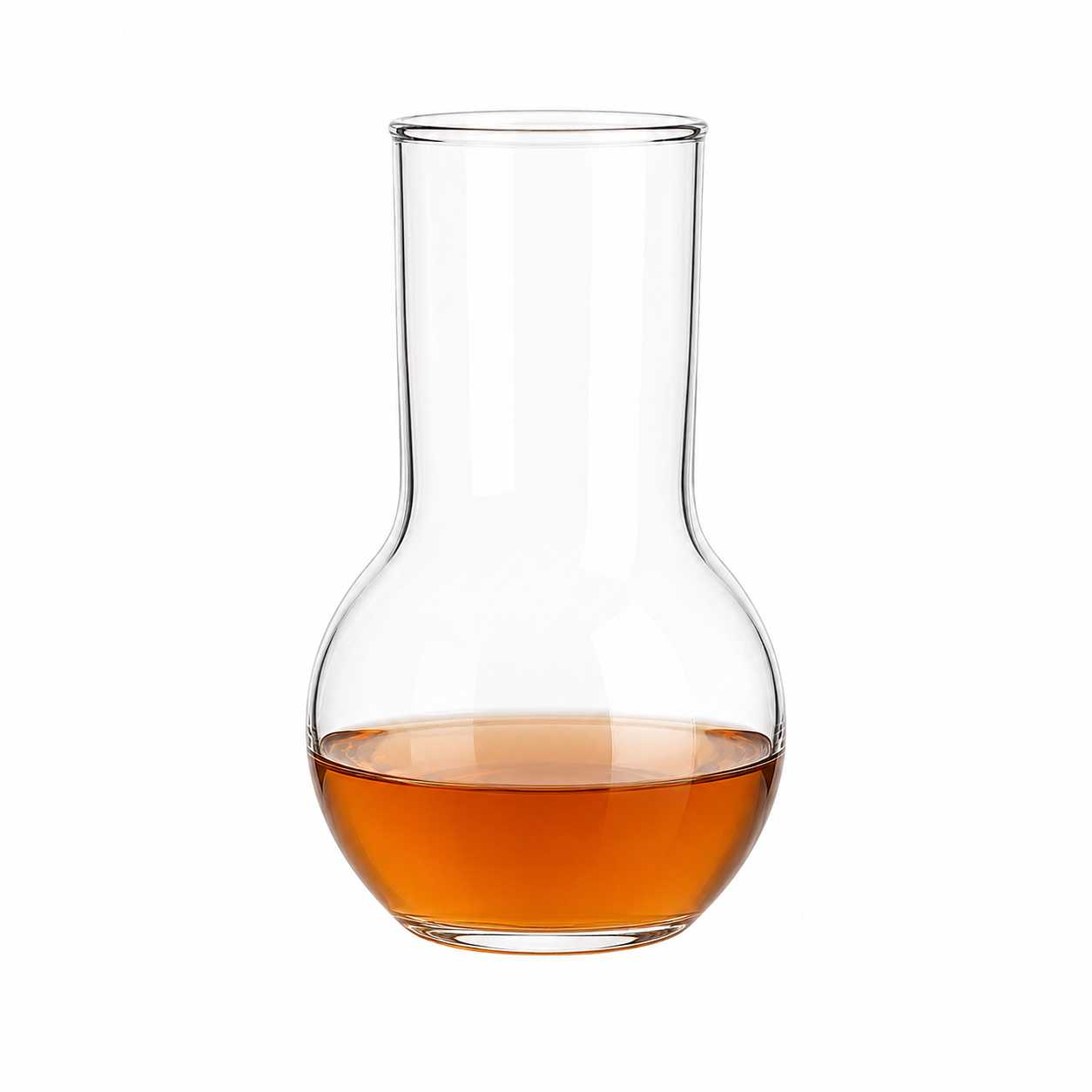
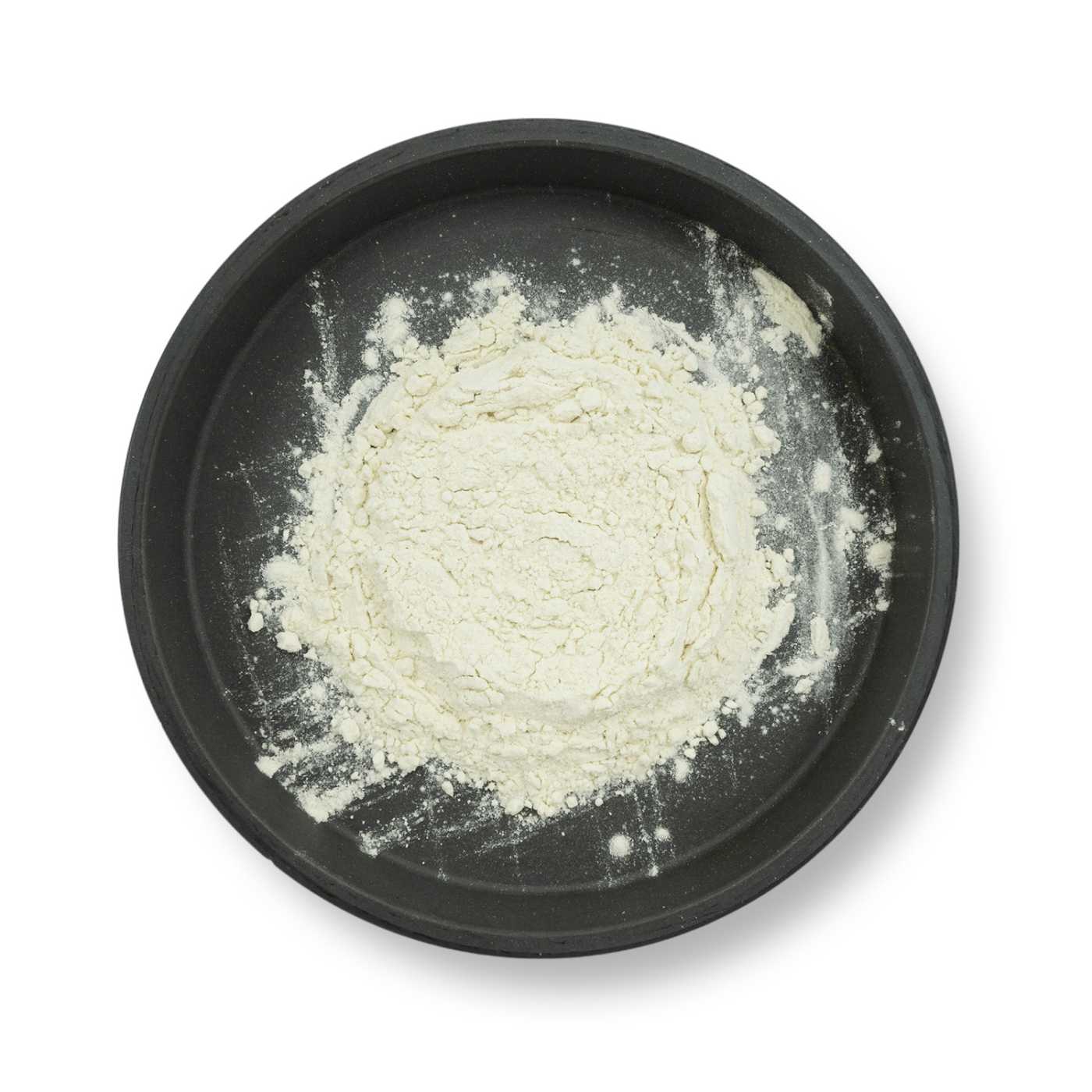
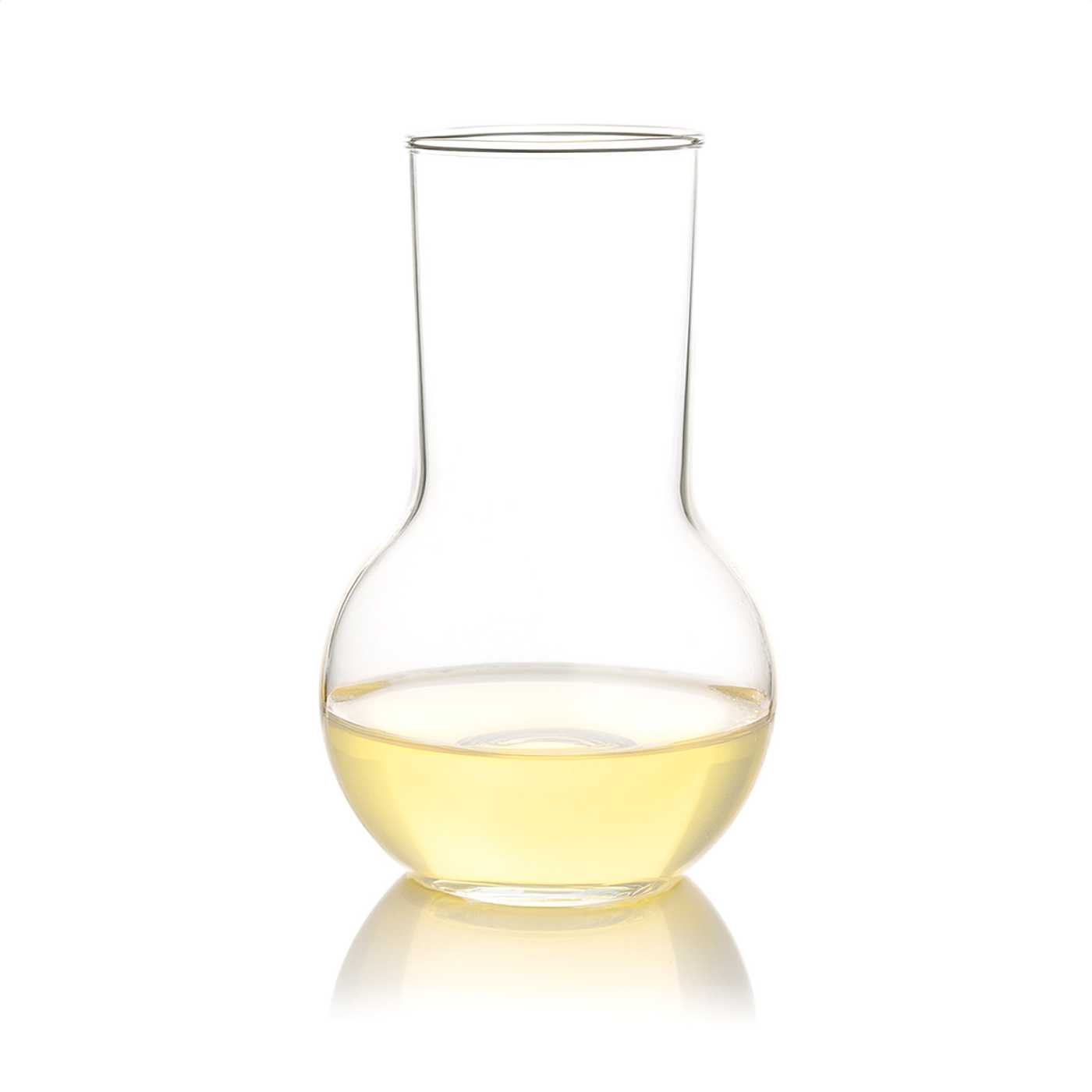
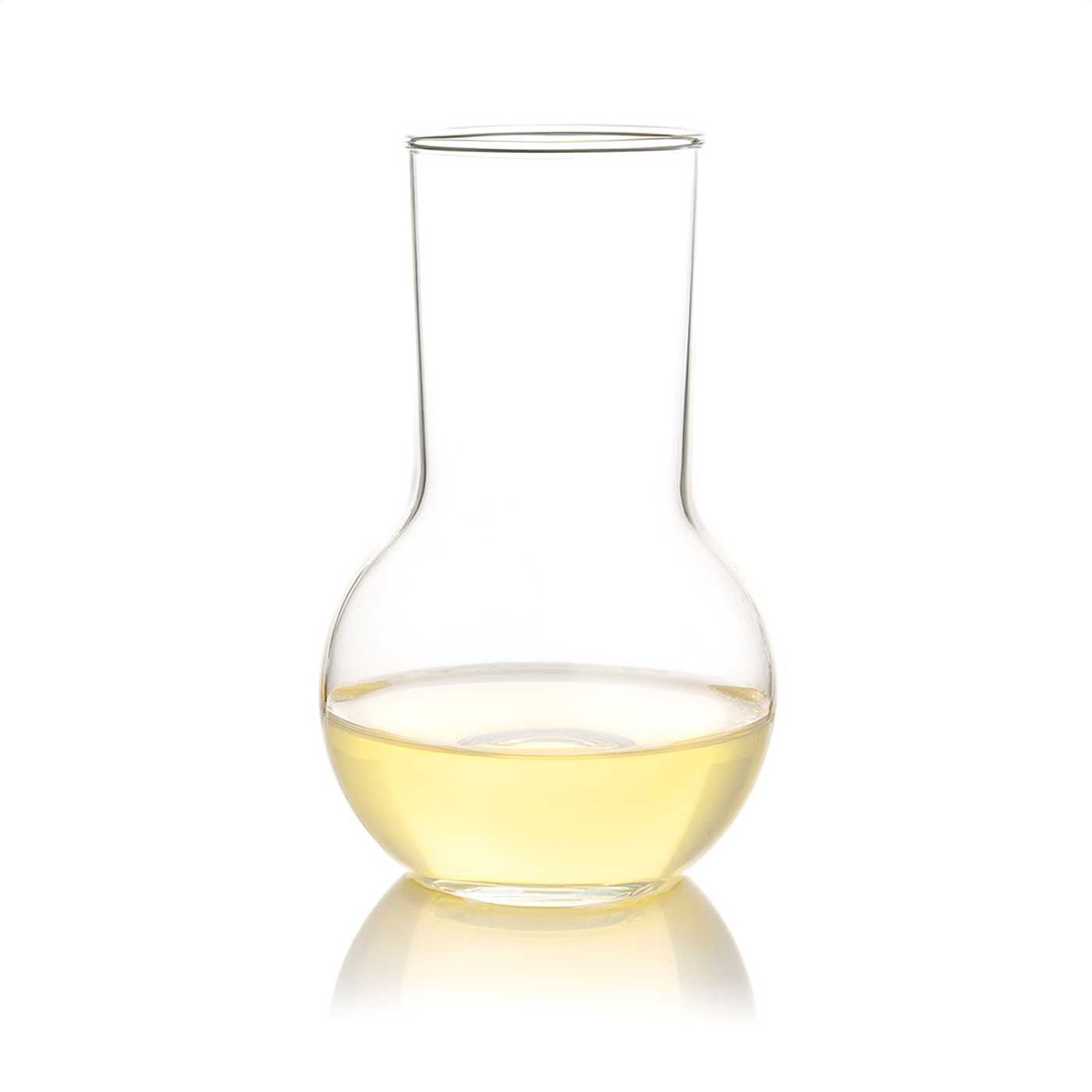
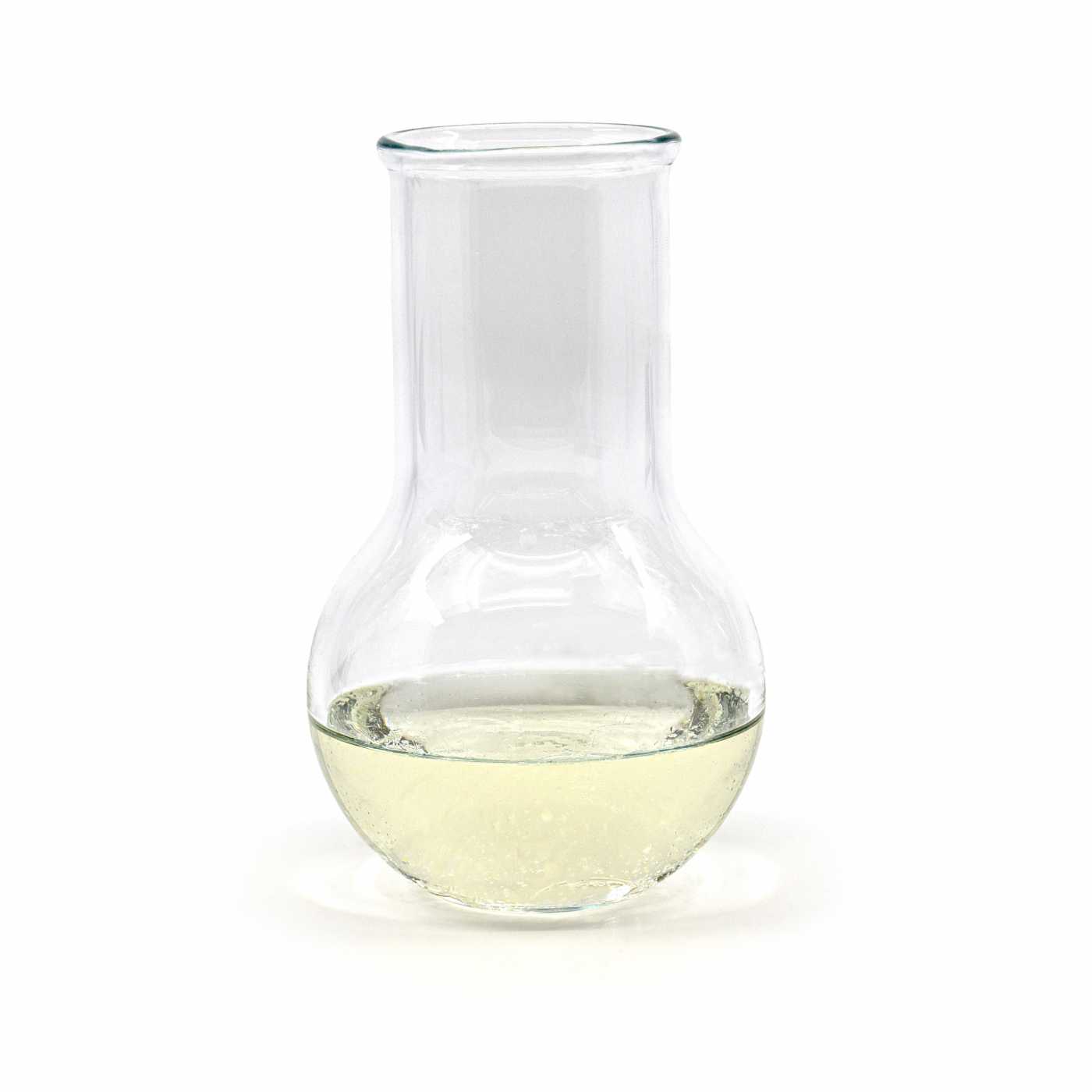
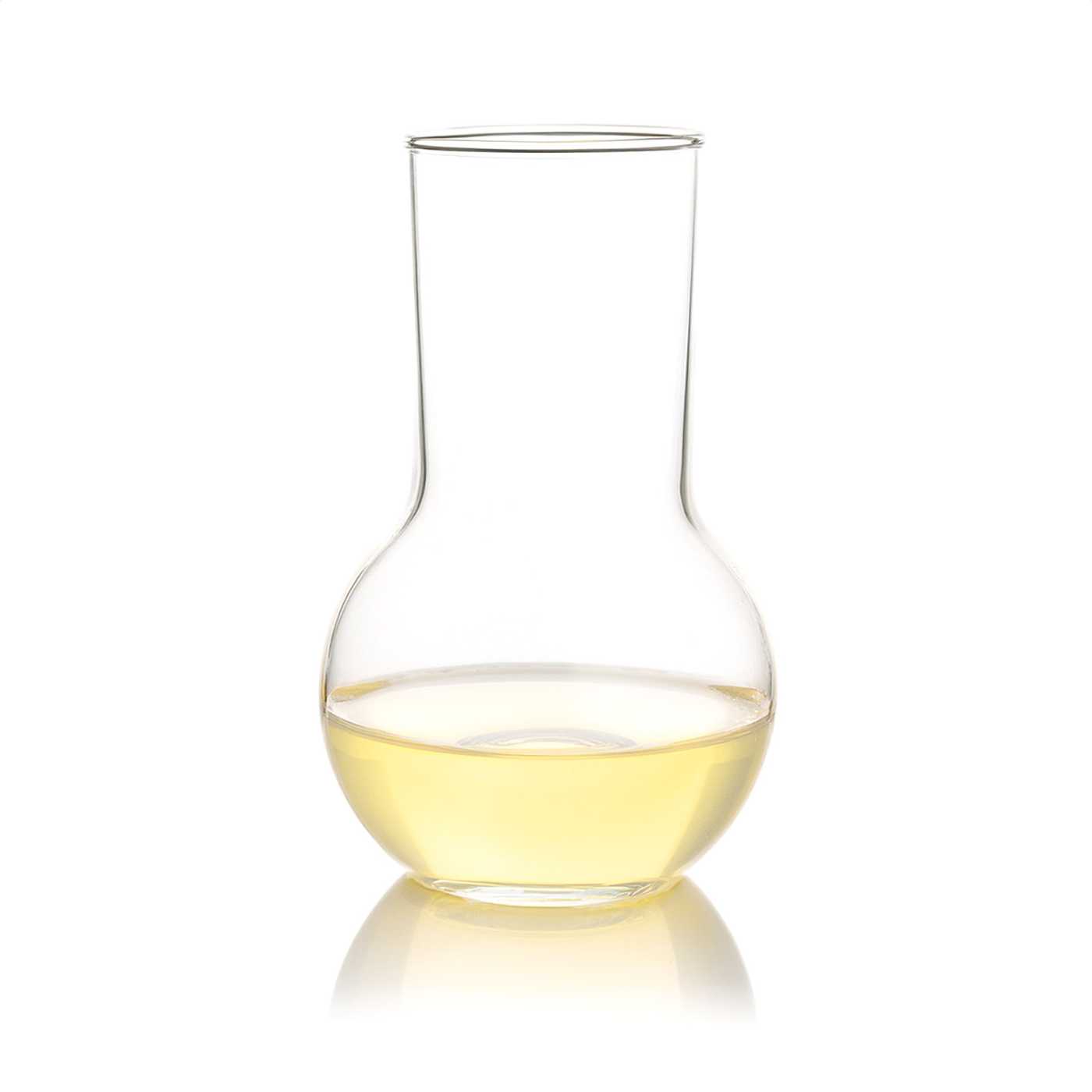
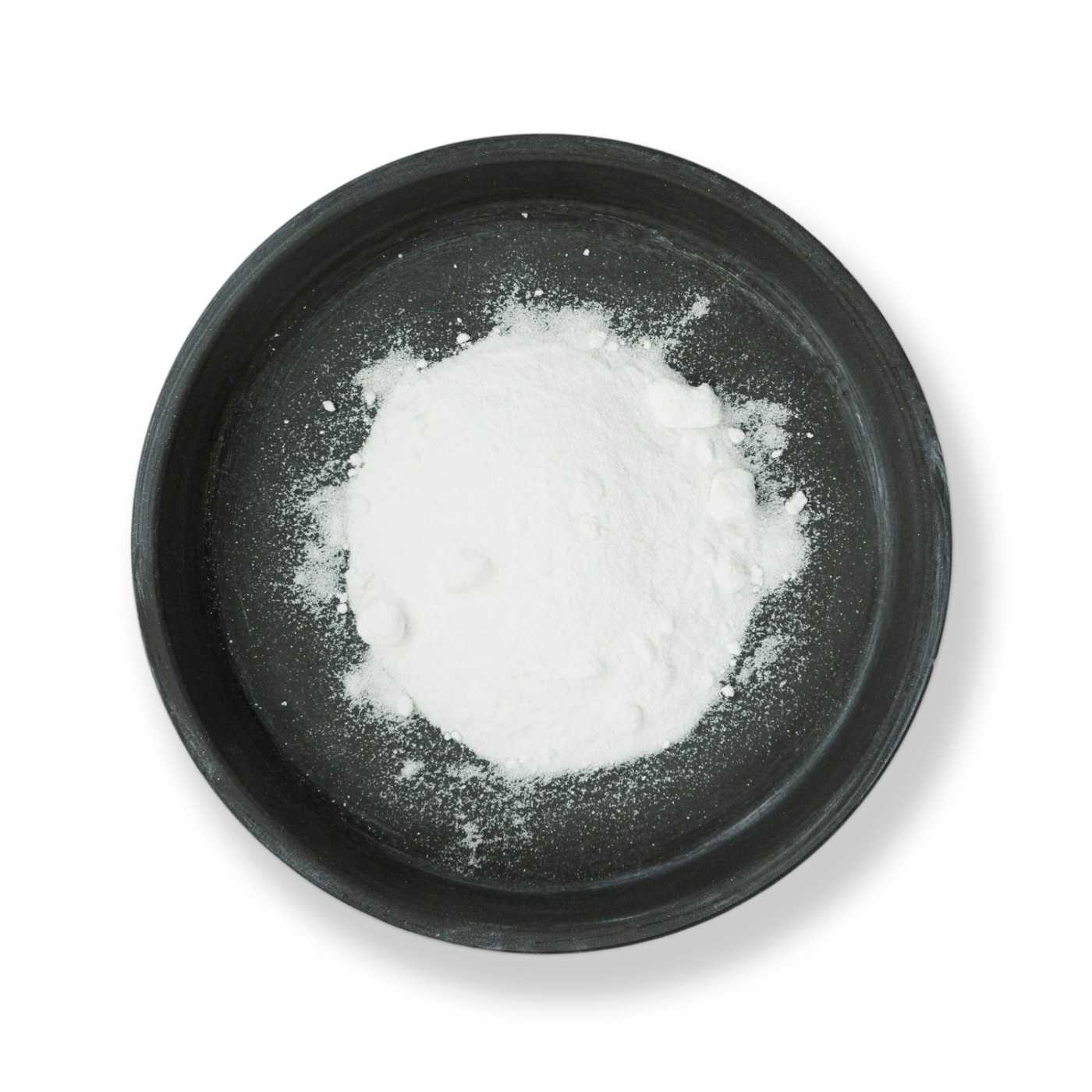
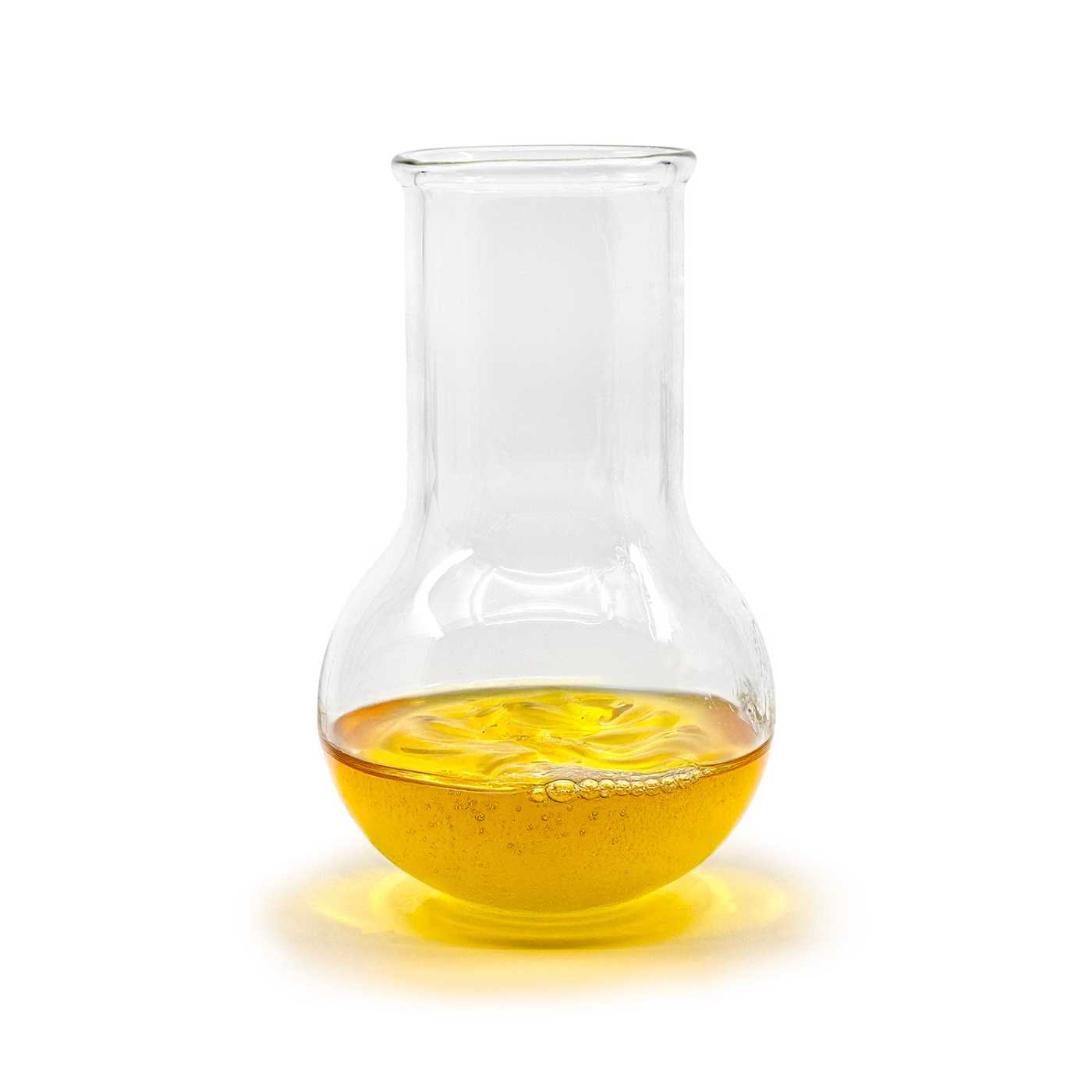
- Appearance: depends on the form – powder or clear to slightly opalescent liquid (aqueous solution).
- Character: anionic surfactant with the ability to form rich foam and improve slip.
FAQ
In practice it is often used in “color-friendly” shampoos, but the result depends on the entire surfactant blend, the pH, and the presence of chelators or conditioning components. For coloured hair, it helps to maintain a mildly acidic pH and use milder co-surfactants.
Surfactant systems often have a “salt curve”: at low additions, salt thickens the system, but after exceeding a maximum, the system can become thinner. It helps to dose the salt in small steps and at the same time monitor temperature, pH and the surfactant ratio.
Yes, but the clarity depends on the surfactant blend, thickening, fragrance and pH. In case of haze, it helps to adjust the solubilisation of the fragrance, change the co-surfactant (e.g. add an amphoteric surfactant) or choose a different thickening system.
If available in powder form, it can be suitable for solid shampoos as part of the surfactant blend. In solution form it is more demanding technologically due to the water and drying; in solid products, powdered surfactants are used more often.
Sarcosinates have a different micellar structure and interaction with the hair fibre, and they often provide a gentler slip and a less “squeaky” feel. For optimum results they are combined with amphoteric surfactants and conditioning polymers.
Also see other surfactants offered by Handymade.sk.

Parameters
- INCI
- Sodium Lauroyl Sarcosinate
- CAS No.
- 137-16-6
- EC number
- 205-281-5
- Product color
- Yellow
- Country of origin
- European Union
- Grade
- Cosmetic Grade
- Processing method
- Chemical synthesis
- Odour
- Charakteristická
- Appearance
- Kvapalina
- Active surfactant matter
- 29,7 %
- Free from
- siliconesethylene oxide (EO)phthalatesPEGEDTAformaldehyde and formaldehyde donorsallergenic fragrance substancesparabens
- Formulation phase
- Water phase
- Recommended processing temperature (°C)
- < 70 °C
- Function in formulation
- Conditioning agentFoaming agentSurfactant
- Application area
- ScalpIntimate careFaceHairOral care / dental careBodyHands
- Recommended dosage range (%)
- 2-30 %
- Solubility
- Water miscible
- Suitable for
- Sensitive skinBaby skin
- HLB value
- 20-23
- Ionic character
- Anionic
- Recommended formulation pH range
- 5,5 - 9,0
- Biodegradability
- Easily Biodegradable (OECD 301)
- Natural Origin Index (NOI ISO 16128)
- 1,00
- Certifications
- RSPO MB (Mass Balance)
- Volume
- 100 ml
Product documentation
Learn how to work with it
From our blogGood product — Great product, exactly what I was looking for. Good quality and fast delivery!