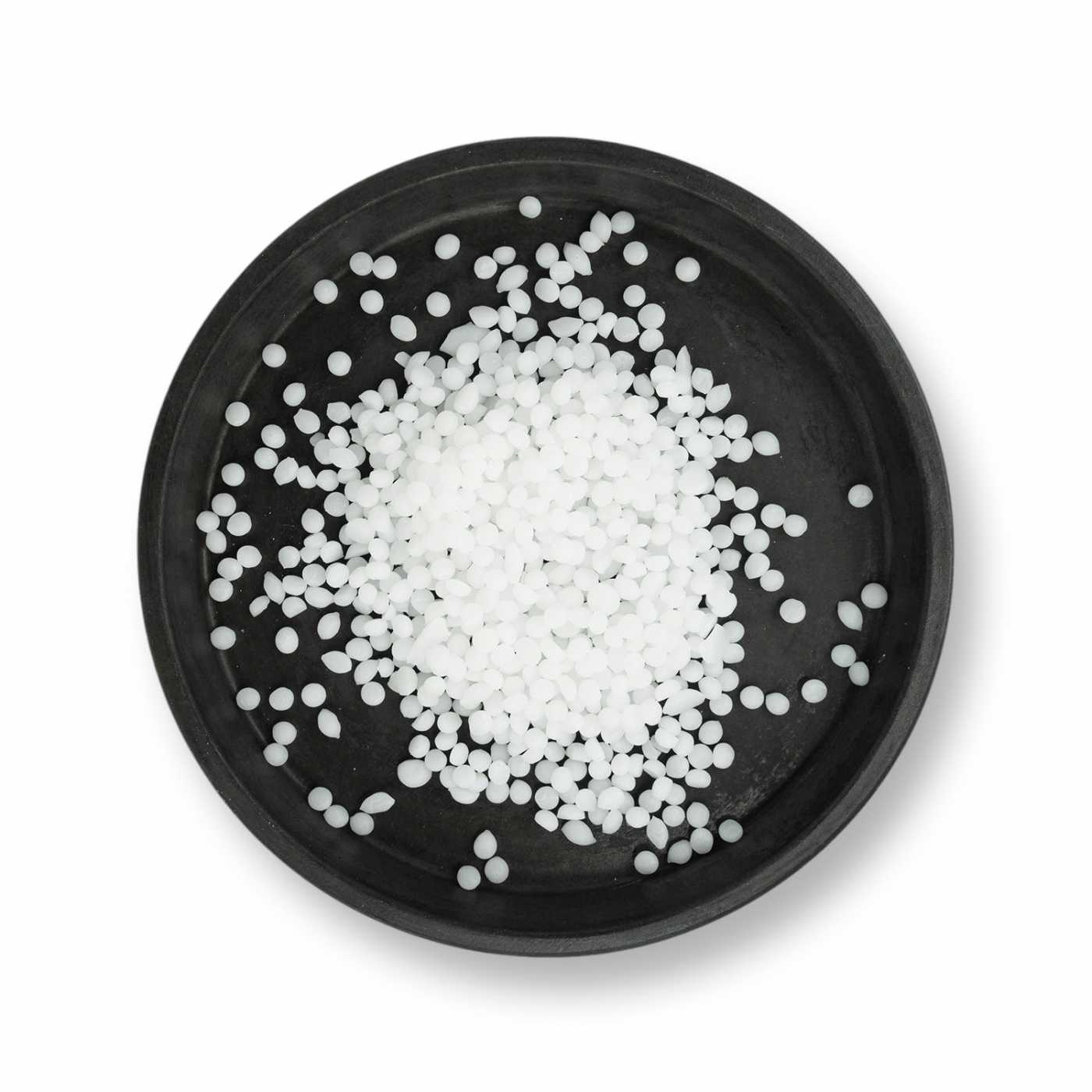
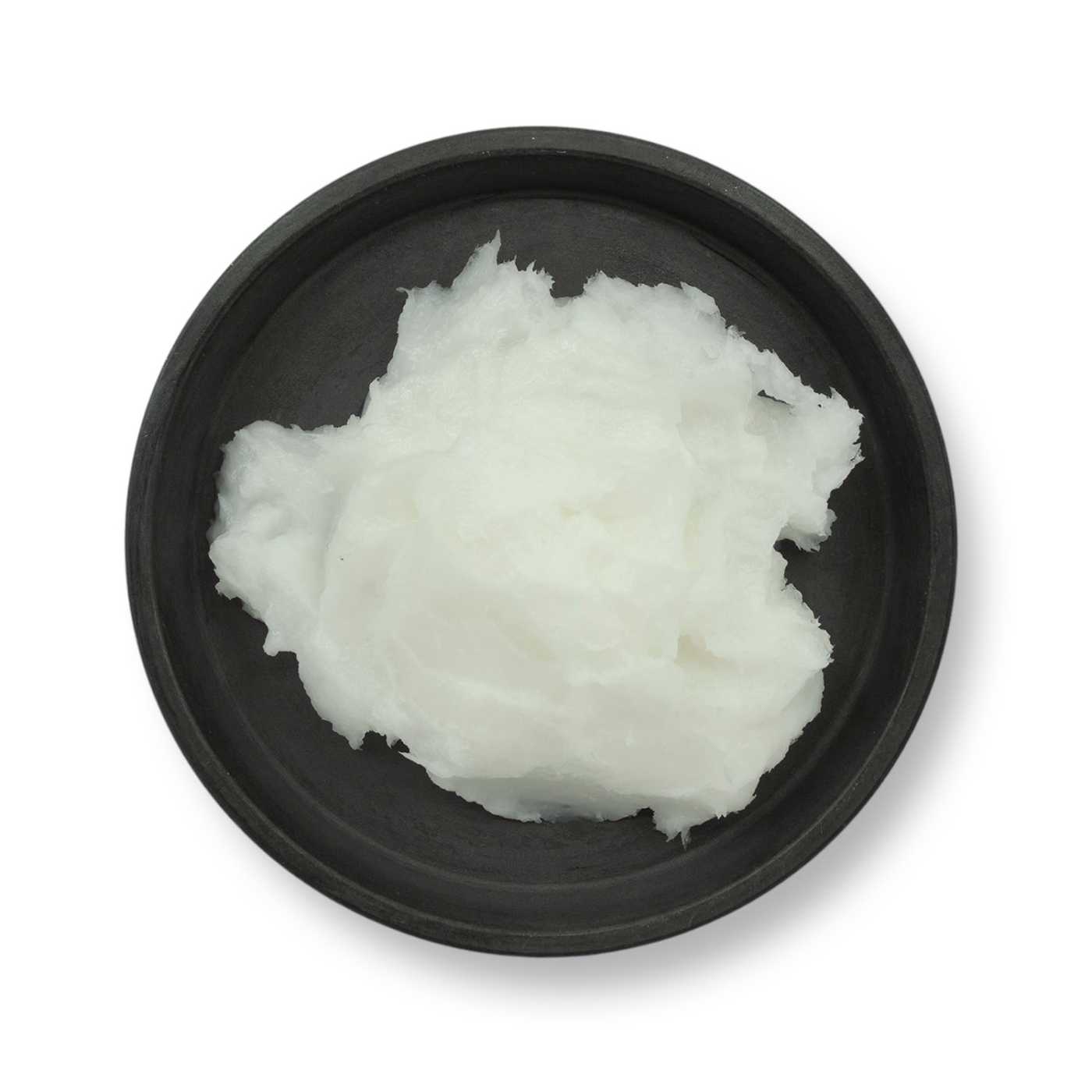
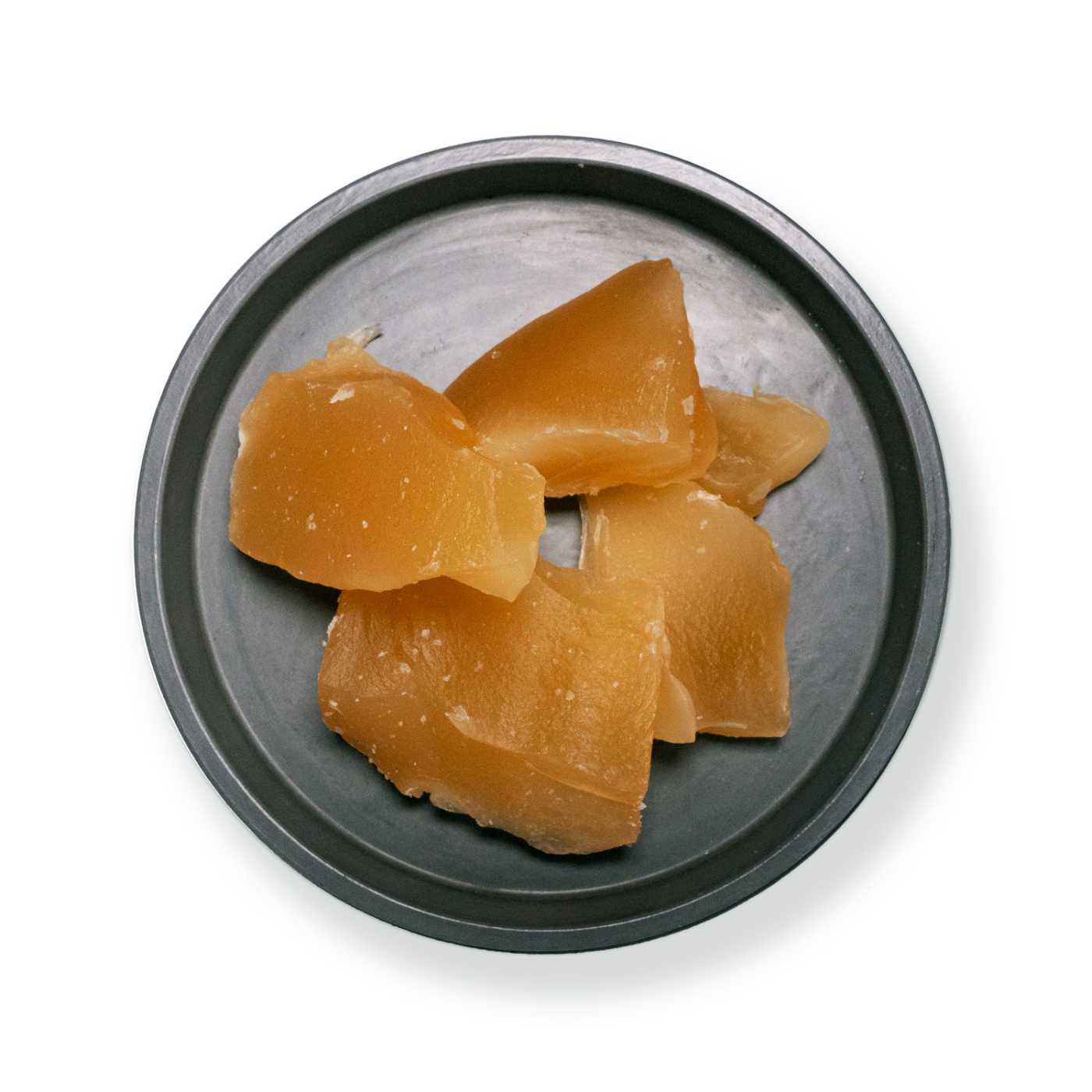
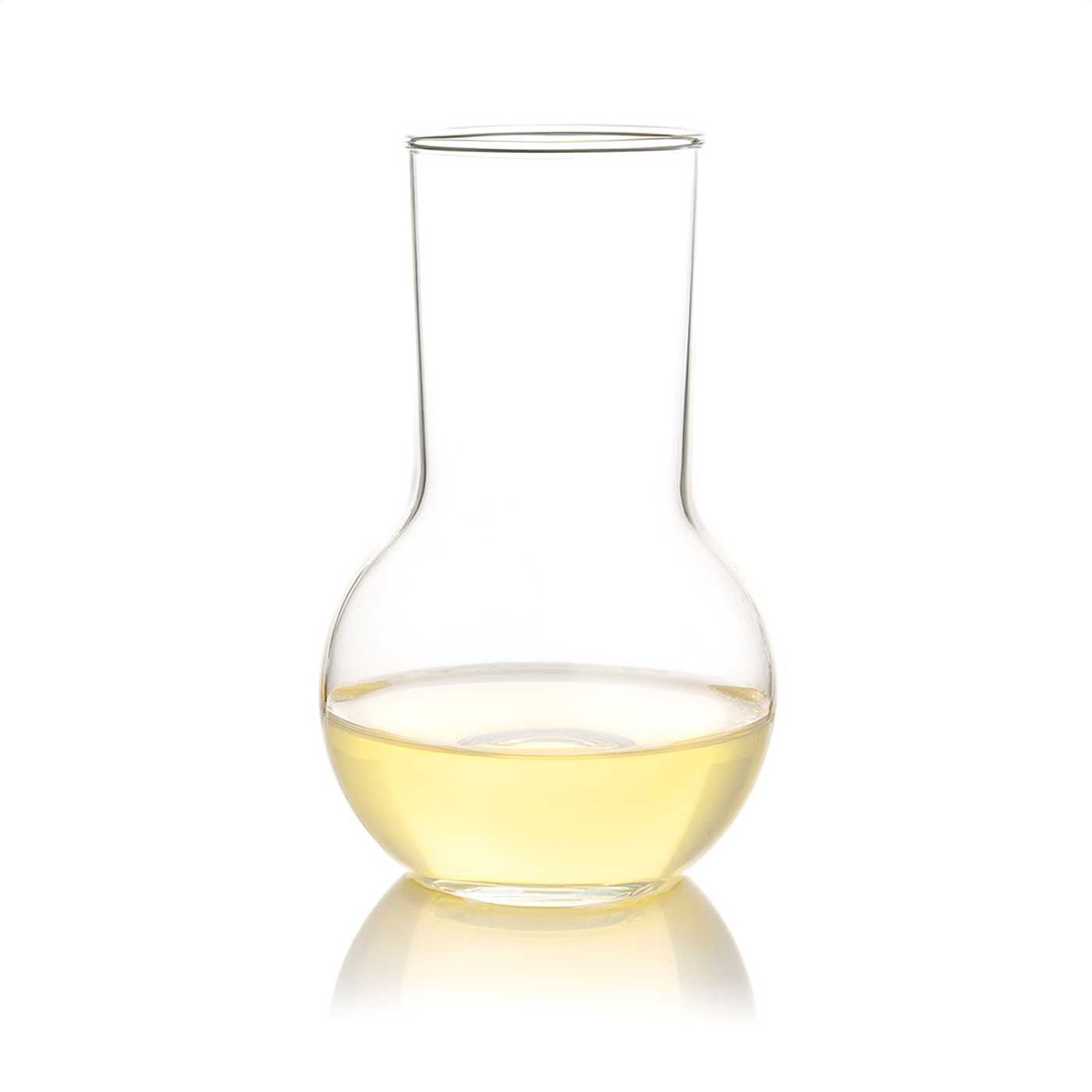
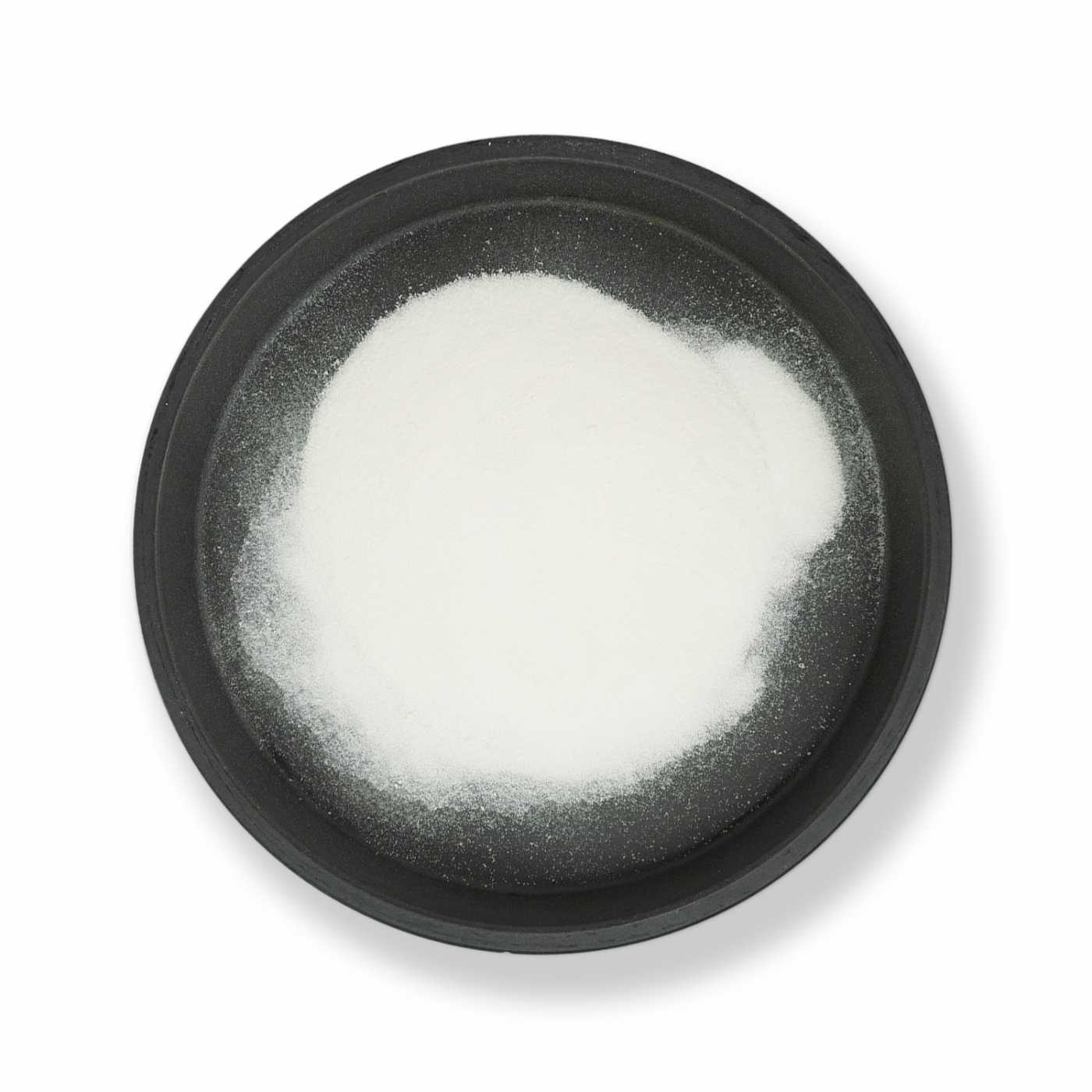
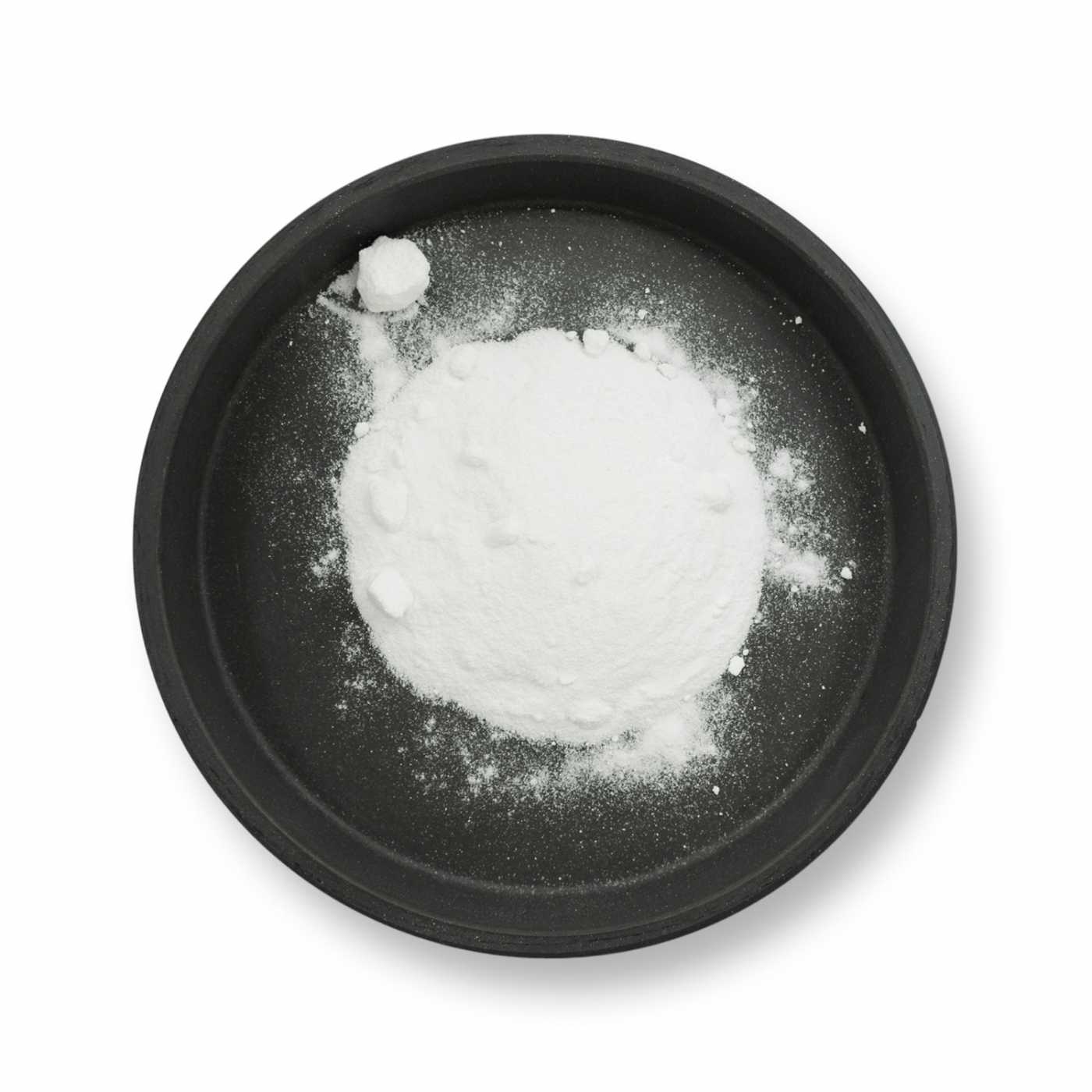
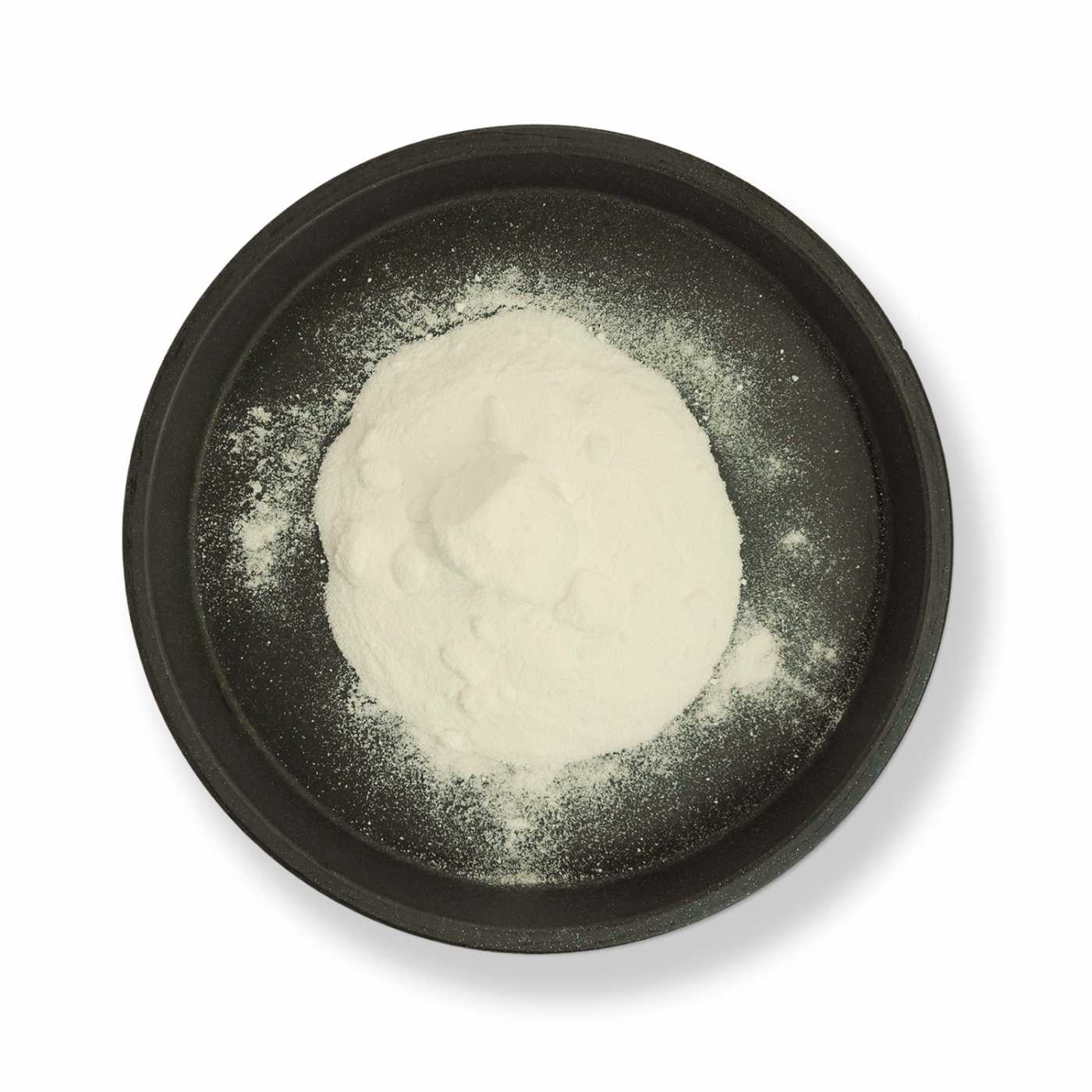
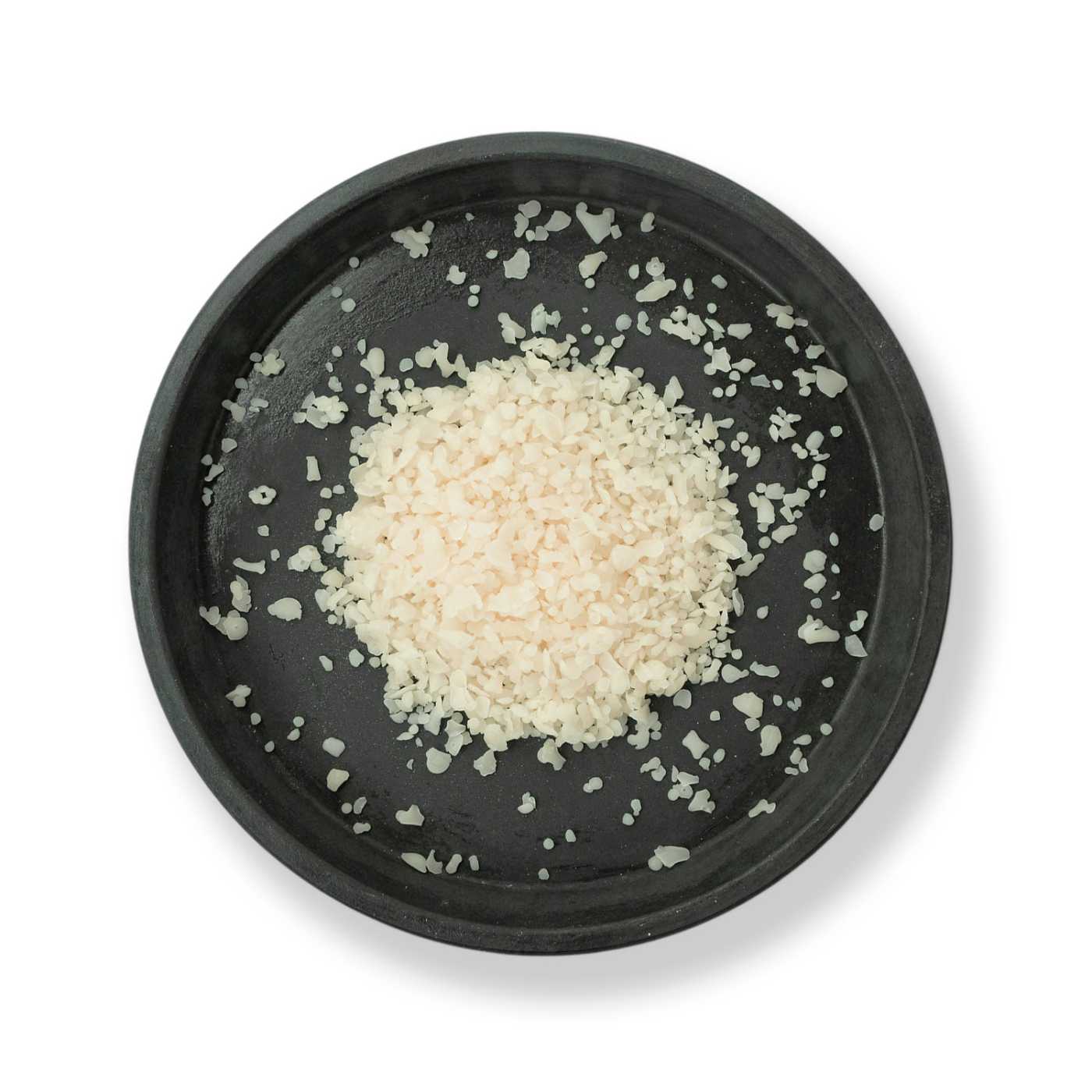
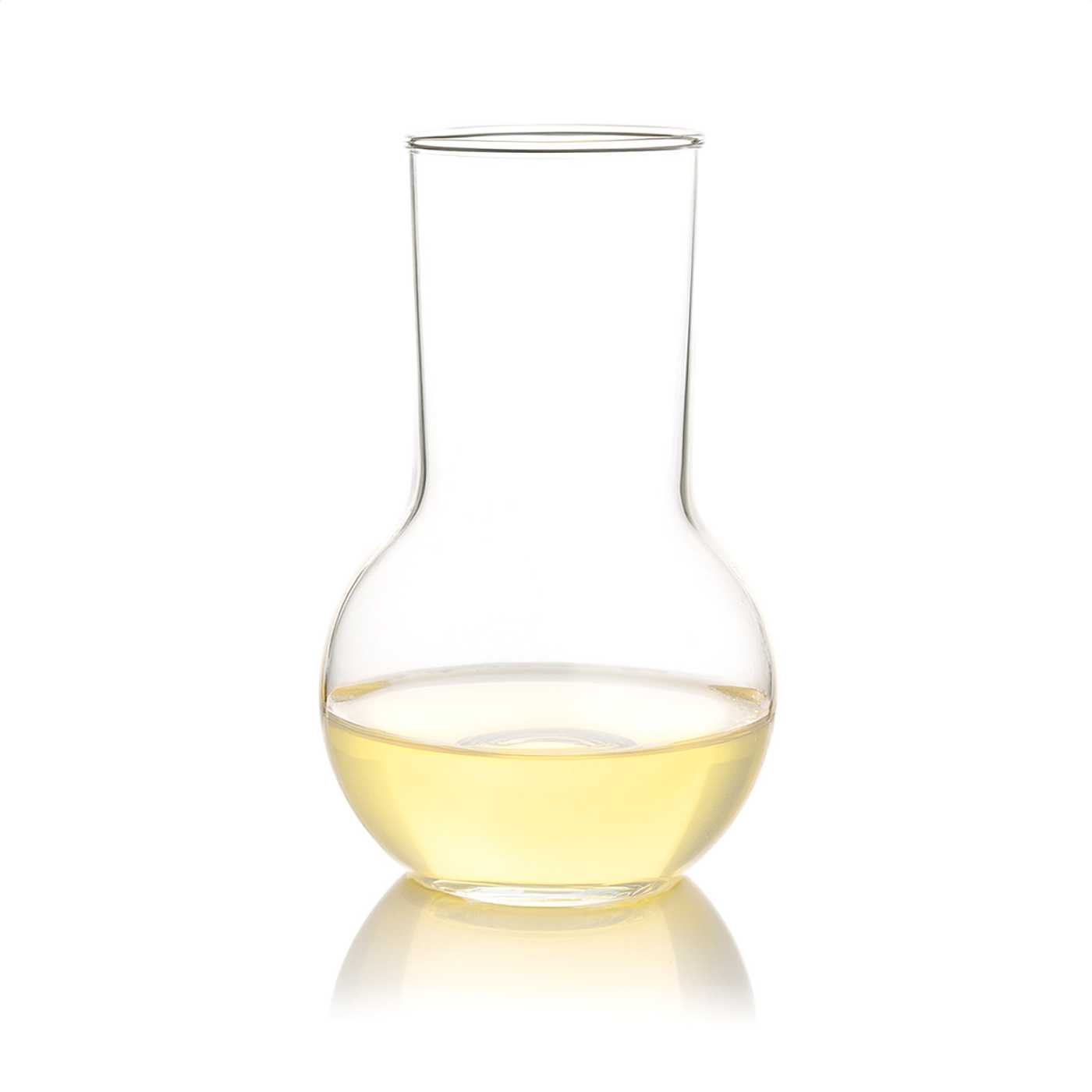
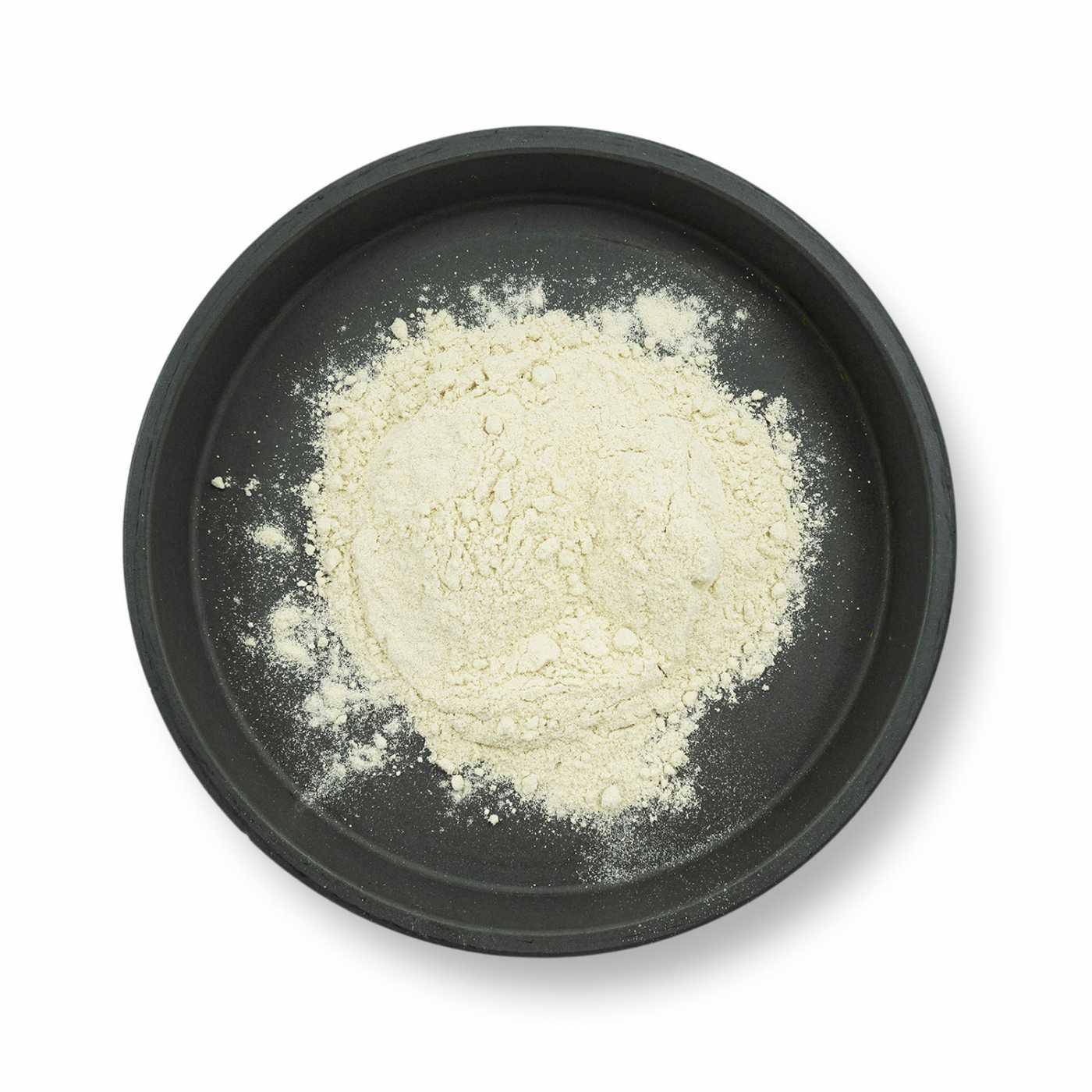
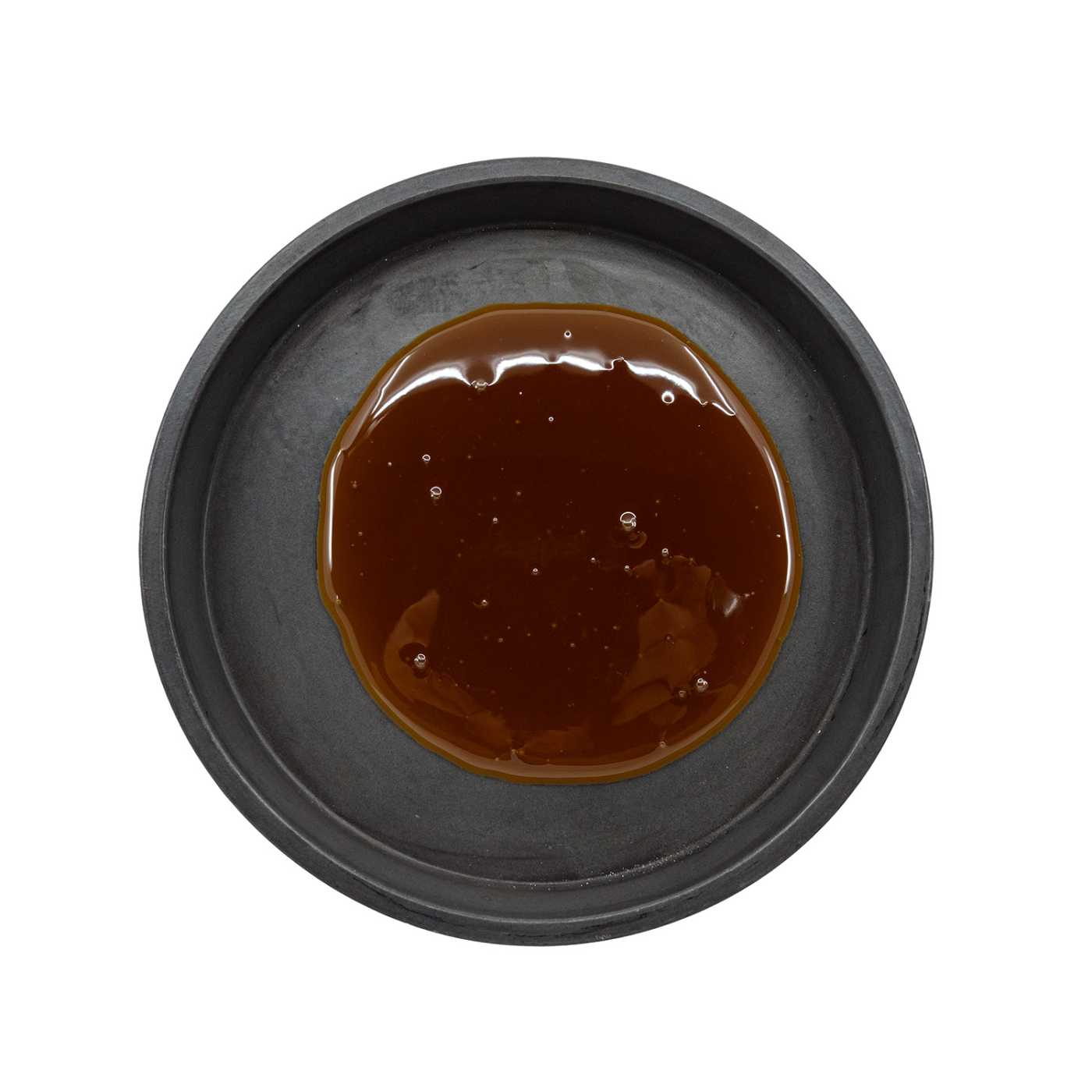
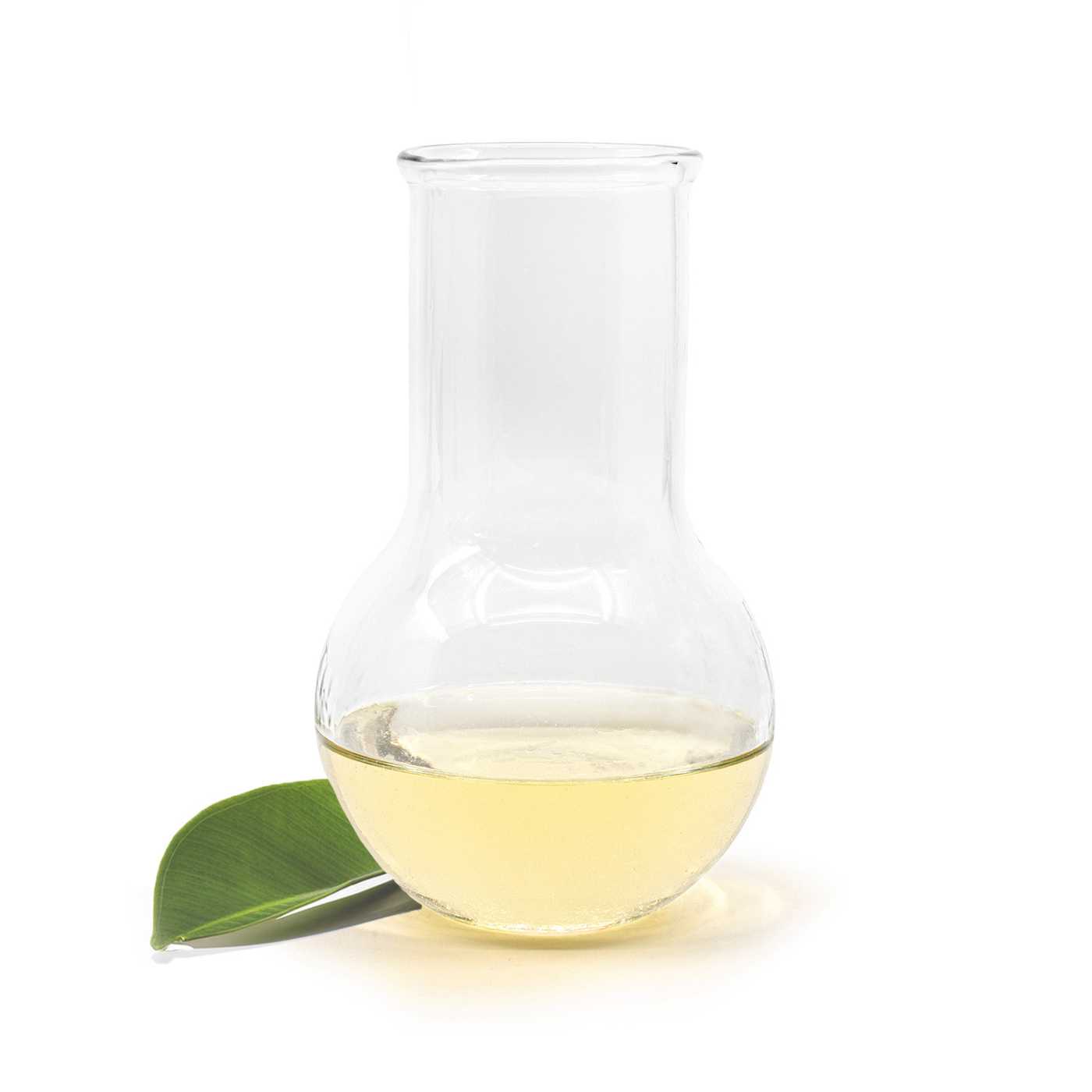
Glyceryl Caprylate/Caprate is a co-emulsifier and emollient of plant origin that also supports the preservation system of the product. In the formulation it serves multiple roles at once: it helps the primary emulsifier hold the emulsion together, softens the skin, and with its antimicrobial activity contributes to protecting the product against microorganisms. It is therefore suitable for creams, lotions, deodorants and preparations for sensitive and children's skin, where every ingredient that lightens the preservation system is valued.
The raw material holds RSPO MB certification (mass balance of sustainable palm oil), contains no PEG, silicones or parabens, and is readily biodegradable.
Key benefits
- Co-emulsifier – with an HLB value of 5 – 6 it belongs among lipophilic co-emulsifiers. It is added alongside the primary emulsifier, where it helps stabilise the emulsion and contributes to its consistency.
- Emollient – in the oil phase it softens and smooths the skin, complementing the plant oils and butters in the formulation.
- Preservation system support – the antimicrobial activity complements the preservative used, so the entire system operates under a reduced load. It does not replace preservation; efficacy must be verified in the finished product.
- Deodorising – effective in deodorants and antiperspirants, where it helps reduce the formation of unpleasant odour.
- Broad compatibility – compatible with anionic, non-ionic, amphoteric and cationic surfactants, with alcohol, electrolytes and fragrance.
Use in formulation
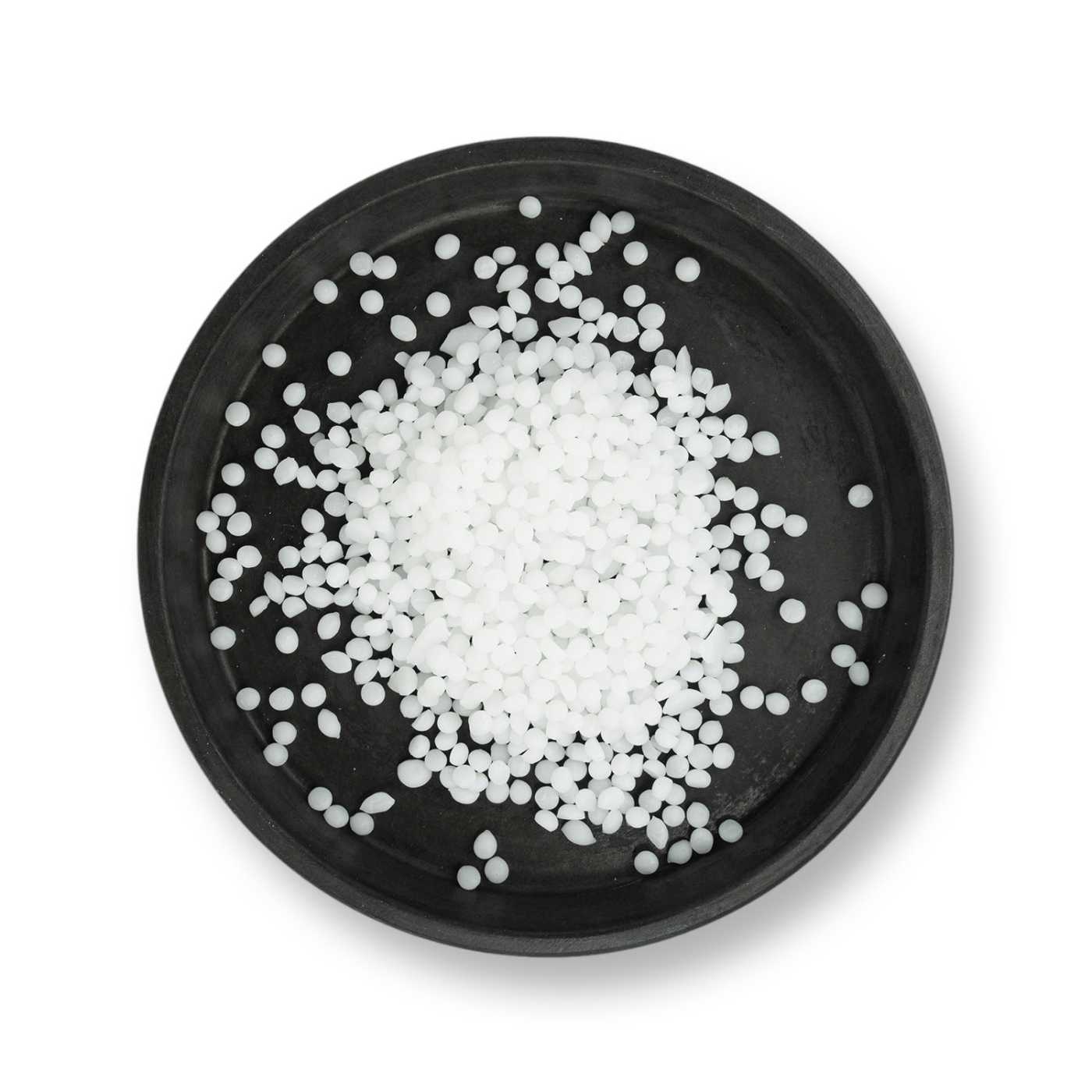
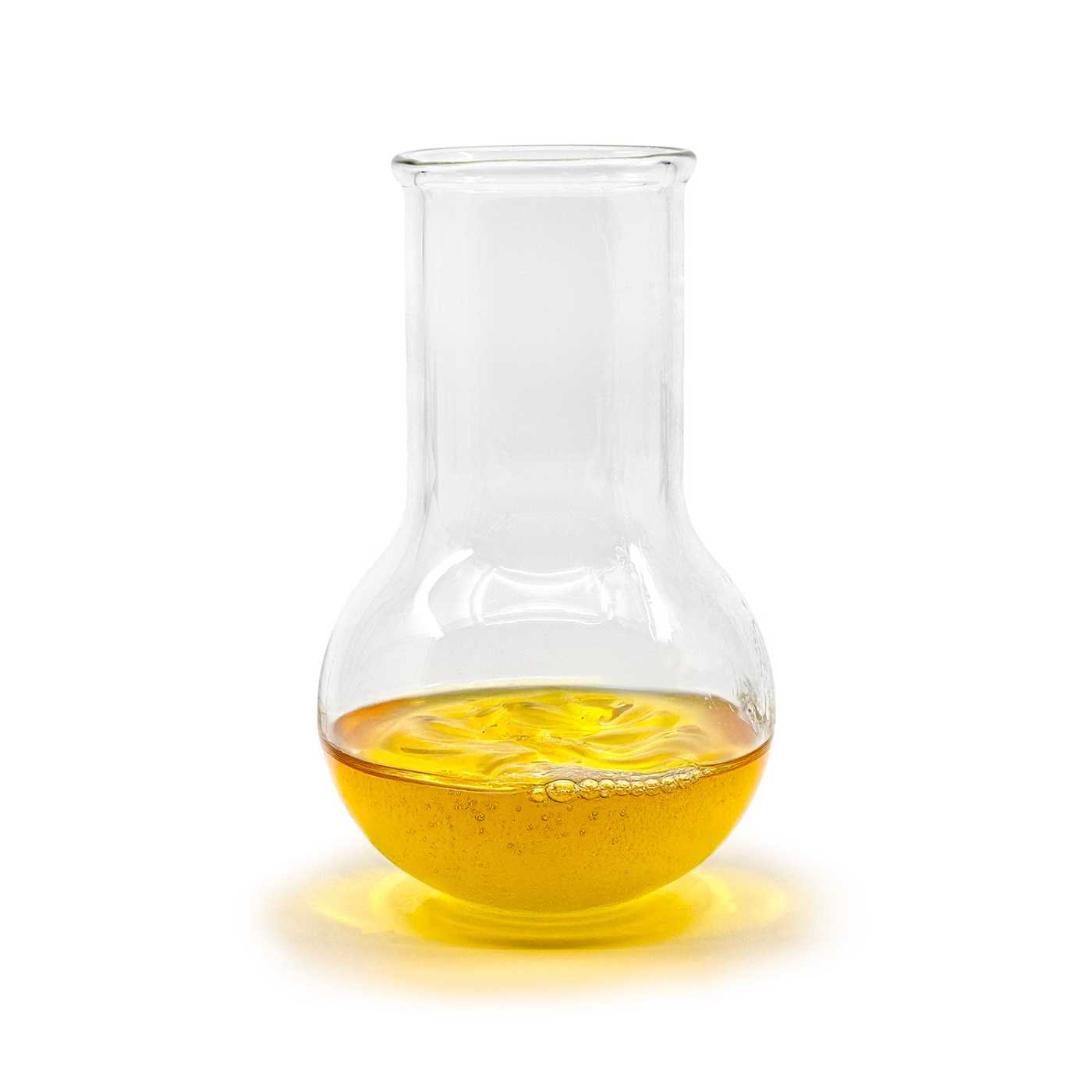
The raw material belongs to the oil phase. It is processed at temperatures up to 80 °C. In emulsions it melts together with the oils, butters and primary emulsifier, then the phases are combined in the usual way. In anhydrous products such as lip balms, body oils or stick deodorants it is added directly to the melt. It dissolves in oils and alcohol; in water it only disperses. Its solubility in alcohol allows use in alcohol-based deodorants and sprays. In purely aqueous formulations without an oil phase, suitability should be verified on a test sample.
The recommended use level is 0.5 – 3 % depending on the role the raw material is intended to fulfil in the formulation. Stability in a specific formulation should be verified.
When the raw material serves a preservation support function, verify the finished product with a preservative efficacy test (challenge test). The mere presence of an antimicrobial ingredient does not mean the product is adequately protected.
In surfactant preparations such as shower gels, bath products or shampoos, the compatibility with all surfactant types and with electrolytes can be utilised. Check the effect on the appearance, foam and viscosity of a specific formulation, especially at higher use levels.
Suitable for products such as
- Facial and body care – creams, lotions and emulsions for face and body, where it acts as a co-emulsifier and emollient while also supporting preservation.
- Baby cosmetics and preparations for sensitive skin – where the preservation system needs to operate under a reduced load.
- Deodorants and antiperspirants – alcohol sprays, roll-on emulsions and anhydrous sticks.
- Lip care and decorative cosmetics – balms, sticks and anhydrous products, where it is added to the oil phase.
- Shower and bath preparations and soaps – as an emollient and complement to the preservation system in surfactant formulations.
- Hair and scalp preparations – the raw material is also designated for this area of application; compatibility with a specific surfactant base is verified in the formulation.
What's good to know
The raw material is suitable for rinse-off and leave-on products and for preparations for all skin types including sensitive and children's skin. It contains no fragrance allergens listed in Annex III of the Cosmetic Products Regulation or known skin allergens. The origin is plant-based; no ethylene oxide, GMOs or materials of animal origin are used in production.
The concentrated raw material is classified under the CLP Regulation with the GHS07 pictogram (irritant, sensitisation, mild toxicity). When weighing and processing, follow the safety data sheet and use protective equipment. Suitability for sensitive and children's skin refers to the finished product at the recommended use level.
The preservation system is always designed as a whole. Glyceryl Caprylate/Caprate can reduce the demands on the primary preservative, but the resulting protection depends on the entire formulation, which is why a preservative efficacy test is part of the development process.
Frequently asked questions
Is Glyceryl Caprylate/Caprate soluble in water?
No, Glyceryl Caprylate/Caprate only disperses in water. It dissolves in oils and alcohol, so it is added to the oil phase of emulsions, to anhydrous products or to alcohol-based preparations. In purely aqueous formulations without an oil phase it is more difficult to incorporate, and suitability for such use should be verified on a test sample.
Does Glyceryl Caprylate/Caprate replace a preservative?
No, Glyceryl Caprylate/Caprate does not replace a preservative; in the formulation it serves a preservation system support function. Its antimicrobial activity complements the preservative used and allows the system to be designed under a reduced load. Whether the finished product is adequately protected must be verified by a preservative efficacy test.
How is Glyceryl Caprylate/Caprate added to a cream?
Glyceryl Caprylate/Caprate is added to the oil phase of the cream, which is heated to a maximum of 80 °C. It melts together with the oils, butters and primary emulsifier, after which the oil phase is combined with the water phase and the emulsion is cooled with continuous stirring. The recommended use level is 0.5 – 3 % depending on whether the raw material is intended to act as an emollient, co-emulsifier or preservation support.
Is Glyceryl Caprylate/Caprate suitable for sensitive and children's skin?
Yes, in the finished product at the recommended use level, Glyceryl Caprylate/Caprate is suitable for both sensitive and children's skin and contains no fragrance allergens. However, the concentrated raw material is classified under CLP as irritant, so when working with it the instructions in the safety data sheet must be followed.
Can Glyceryl Caprylate/Caprate be used in a deodorant?
Yes, deodorants and antiperspirants are among the recommended applications of Glyceryl Caprylate/Caprate. The raw material has deodorising and antimicrobial activity, dissolves in alcohol and is compatible with electrolytes, making it suitable for alcohol sprays, roll-on emulsions and anhydrous sticks. In sticks it is added to the melted oil phase.
Why is Glyceryl Caprylate/Caprate a co-emulsifier and not an emulsifier?
Glyceryl Caprylate/Caprate has a low HLB value of 5 – 6, which is why it belongs among lipophilic co-emulsifiers and cannot form an emulsion on its own. It works alongside the primary emulsifier, helping to stabilise the emulsion and refining its consistency. In a formulation it is always combined with a primary emulsifier chosen according to the type of emulsion.