
+421 950 333 113info@handymade.storeHandymade Days: −10 % on all ready-made productsShop now

Candle waxes

NatureWax C-6, Soy/Coconut Blend, 27 kg

Pack size1 kg5 kg27 kg

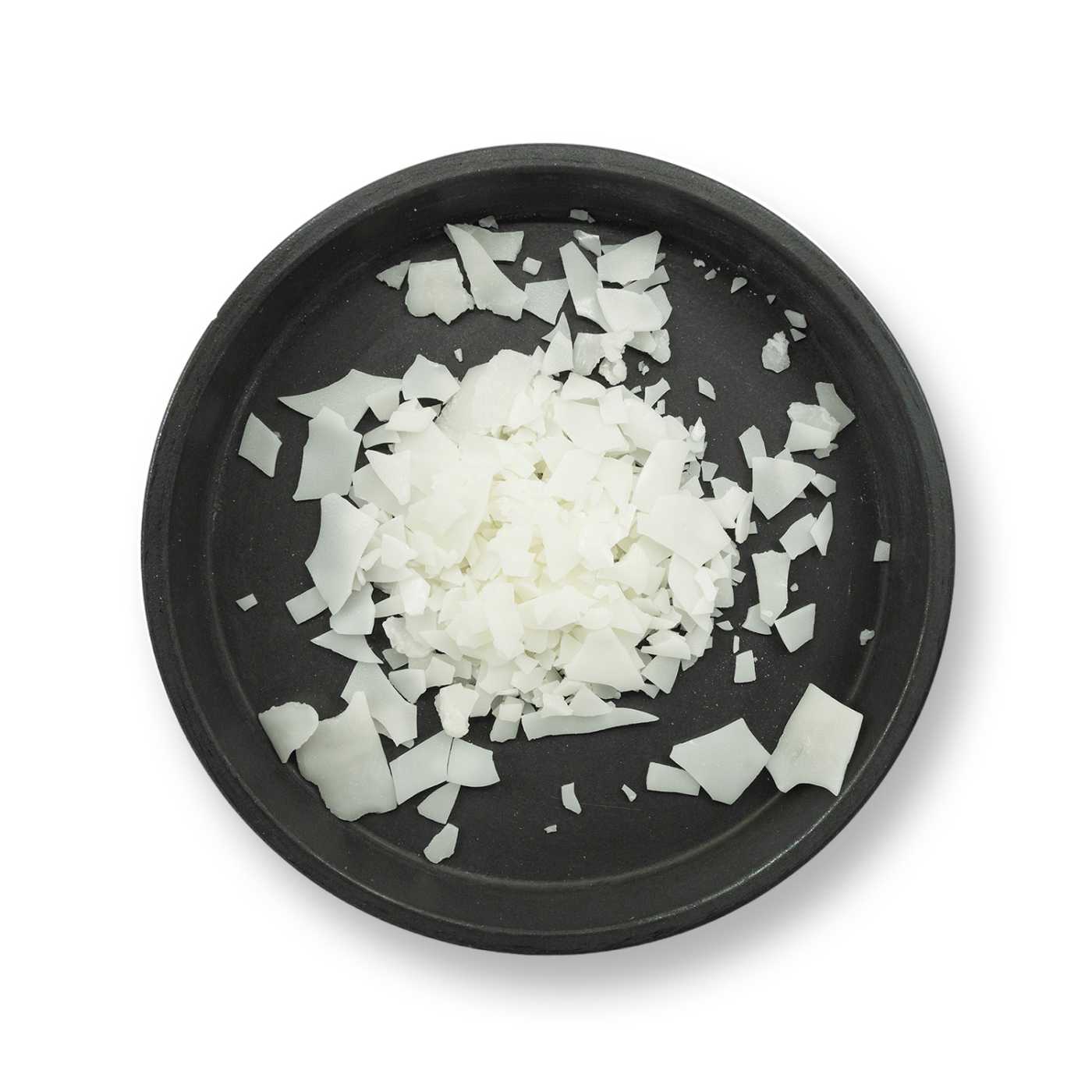
A solid vegetable wax that Cargill supplies as a replacement for paraffin when pouring container candles. Soy/coconut wax NatureWax C-6 is a blend of hydrogenated vegetable glycerides based on hydrogenated soybean oil. full description

AvailabilityPre-order
Product codeSV010_27
€219.43incl. VAT€8.13/kg

Lowest price in the last 30 days: €219.43

Pre-orderThis variant is currently out of stock — your order will be a pre-order and delivery may take longer.

Product description

A solid vegetable wax that Cargill supplies as a replacement for paraffin when pouring container candles. Soy/coconut wax NatureWax C-6 is a blend of hydrogenated vegetable glycerides based on hydrogenated soybean oil. The manufacturer presents it as a vegetable alternative to paraffin in wax applications, primarily as a wax for container candles and as a softener for harder waxes used in freestanding candles.

It suits candle makers who want to work with a vegetable raw material that has no hazard classification. The product is not subject to the CLP Regulation and the manufacturer describes it as a blend of unclassified components.


Key properties

  • Vegetable base – hydrogenated vegetable glycerides based on soybean oil, paraffin-free.
  • Low dropping point – 51–54 °C by Mettler (124–130 °F according to the manufacturer). The wax melts at a lower temperature and gives a softer mass intended for use in a container.
  • Low acidity and low peroxide value – the manufacturer guarantees a maximum of 0.1% free fatty acids (as oleic acid) and a peroxide value of no more than 1.5 meq/kg.
  • Softener for hard waxes – an addition to waxes for freestanding candles, where it reduces the hardness of the base mass.
  • GMO status – the wax is produced from soybeans without segregated origin records, but qualitative PCR tests of NatureWax products give a non-detectable result.

Use in candle making

The main use is the container candle. The wax is supplied in solid form, melted, mixed with fragrance oil and optionally a dye, and poured into glass, a tin or ceramic. The manufacturer does not list it for use on its own in freestanding candles, where it is added only as a softener.

Melting follows the same procedure as for other vegetable waxes. The wax is heated slowly in a water bath or in a melting pot, without overheating. Fragrance oil is added to the melted wax and stirred thoroughly so that it is distributed evenly through the mass.

The manufacturer does not specify the fragrance oil content or the pouring temperature. Follow the fragrance manufacturer’s recommendation and check how the wax behaves with a test candle. Increase the fragrance content gradually and watch whether the oil separates and whether the candle burns cleanly.

As a softener it is added to harder waxes intended for freestanding candles. The suitable ratio is determined by testing with the specific base wax, as the manufacturer does not state a ratio.


Other uses

Besides candles, the manufacturer lists technical applications: surface treatments for paper (for example paper cups), pencils and coloured pencils, wax crayons, ink ribbons, preparations for treating textiles and leather, lubricants for moulds, ropes and metals, and an additive for adhesives and thermoplastic resins. For home and small-scale makers, the most accessible of these are wax crayons and coloured pencils.


Good to know

Always choose the wick by a burn test in the target container. A soft wax with a low dropping point needs a different wick from harder paraffin blends. Choose dyes and fragrance oils intended for candles. Oil-soluble dyes dissolve in the wax, whereas water-soluble dyes do not combine with a fatty mass.

Do not process the wax over an open flame and do not leave it unattended while heating. Overheating accelerates the oxidation of the fat, and the manufacturer recommends protecting the wax from high temperatures.


Frequently asked questions

Is Soy/coconut wax NatureWax C-6 suitable for freestanding candles?
Not on its own. The manufacturer presents it as a wax for container candles and as a softener for waxes used in freestanding candles. The low dropping point gives a soft mass intended for use in a container. In a freestanding candle it is added in a smaller proportion to a harder wax, and the ratio should be checked by testing.
At what temperature does Soy/coconut wax NatureWax C-6 melt?
The Mettler dropping point is 51–54 °C, which the manufacturer gives as a range of 124–130 °F. The wax is melted slowly in a water bath or in a melting pot without overheating. The manufacturer does not specify the pouring temperature or the temperature at which fragrance oil is added; these are determined with a test candle in the target container.
Does Soy/coconut wax NatureWax C-6 contain paraffin?
No. The manufacturer describes it as a blend of hydrogenated vegetable glycerides and unclassified components that replaces paraffin in wax applications. It is based on hydrogenated soybean oil. The product is not subject to classification under the CLP Regulation.
Is Soy/coconut wax NatureWax C-6 GMO-free?
The manufacturer states that the wax comes from soybeans without segregated origin records, so genetically modified soy is also used in cultivation. However, according to the manufacturer, qualitative PCR tests of finished NatureWax products give a non-detectable result. This does not directly mean the product is “GMO-free”; the manufacturer’s statement is the only information available.
Can Soy/coconut wax NatureWax C-6 be used in cosmetics?
The manufacturer’s documents do not mention such use. The wax is intended for candles and technical applications such as paper surface treatments, wax crayons or lubricants. For cosmetic products we therefore recommend raw materials with cosmetic documentation. We cannot confirm any use beyond the manufacturer’s data.

Parameters

CAS No.
8016-70-4
EC number
232-410-2
Product colour
Light yellow
Chemical name
Hydrogenated soybean oil
Country of origin
USA
Processing method
HydrogenationBlending
Free from
paraffin
Formulation phase
Oil phase
Function in formulation
EmollientThickener
Maximum fragrance load
6 %

Product documentation

TDSTechnical Data Sheet
Physical parameters and processingPDF ↓
SDSSafety Data Sheet
Available for purchased products —
Download all (ZIP)

1 PDF file in one archive

Learn how to work with it

From our blog
REVIEWS

Verified by customers.

No reviews yet.

Only customers with a delivered order can write reviews.