10% off all active ingredientsShop active ingredients

+421 950 333 113info@handymade.store

WEDO EKO

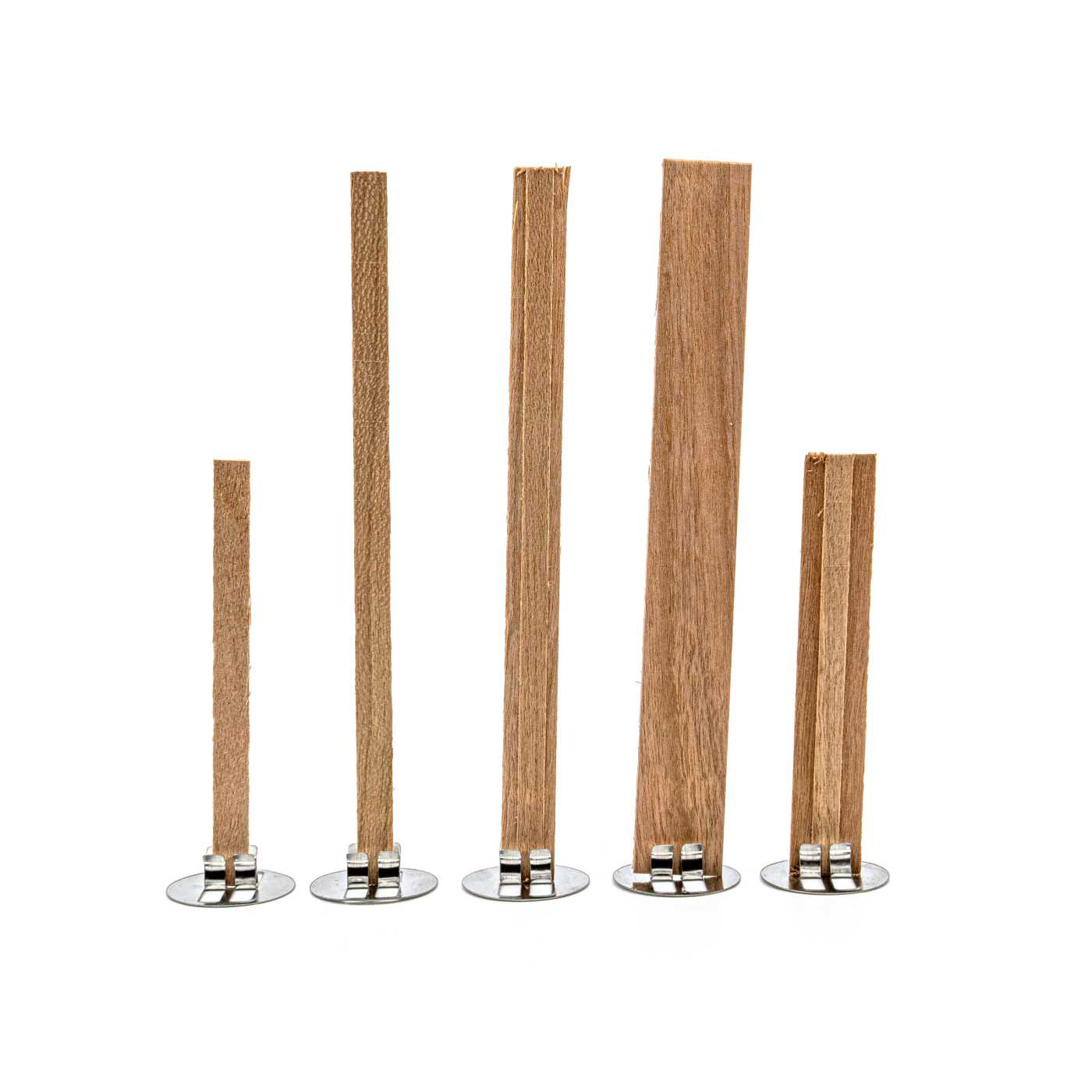
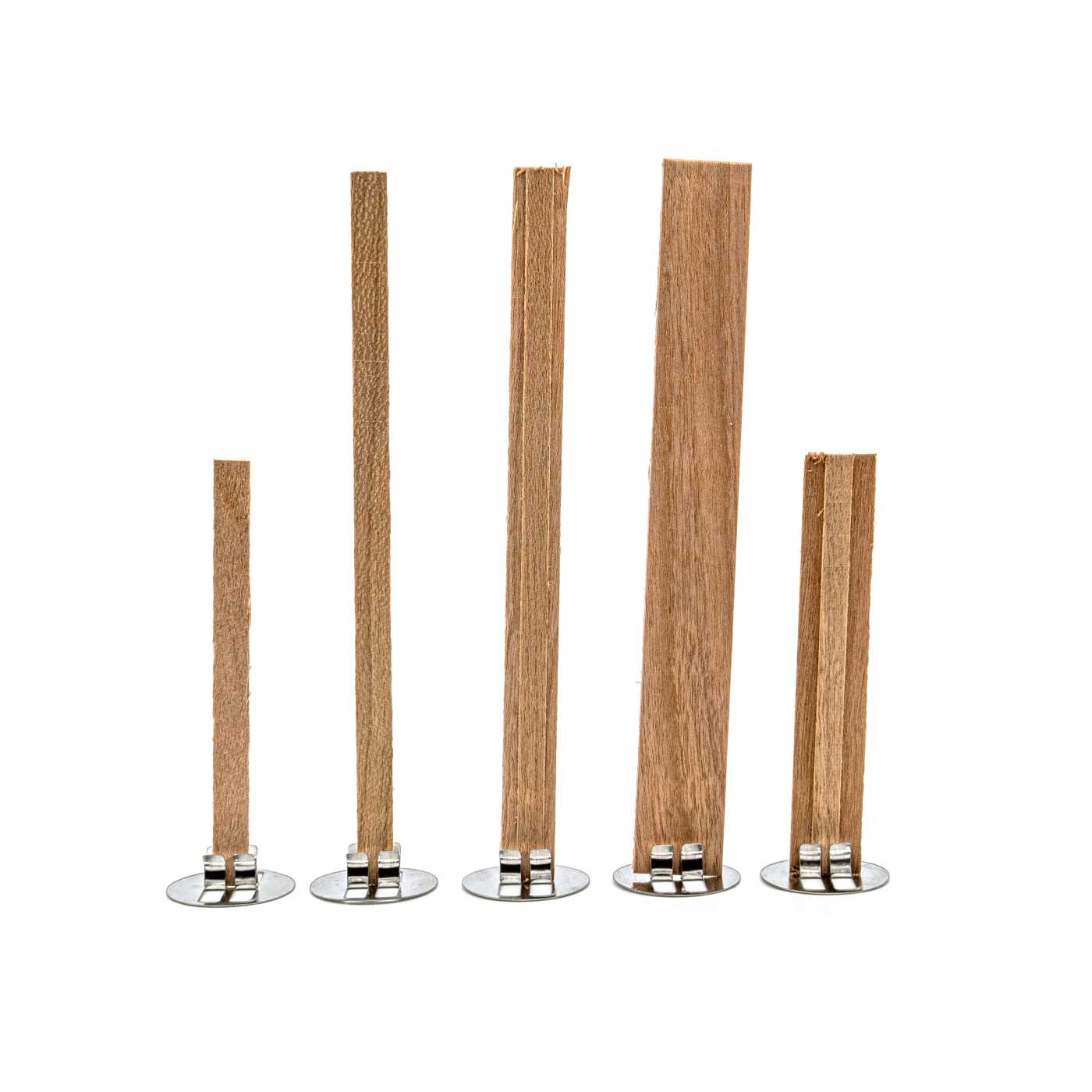
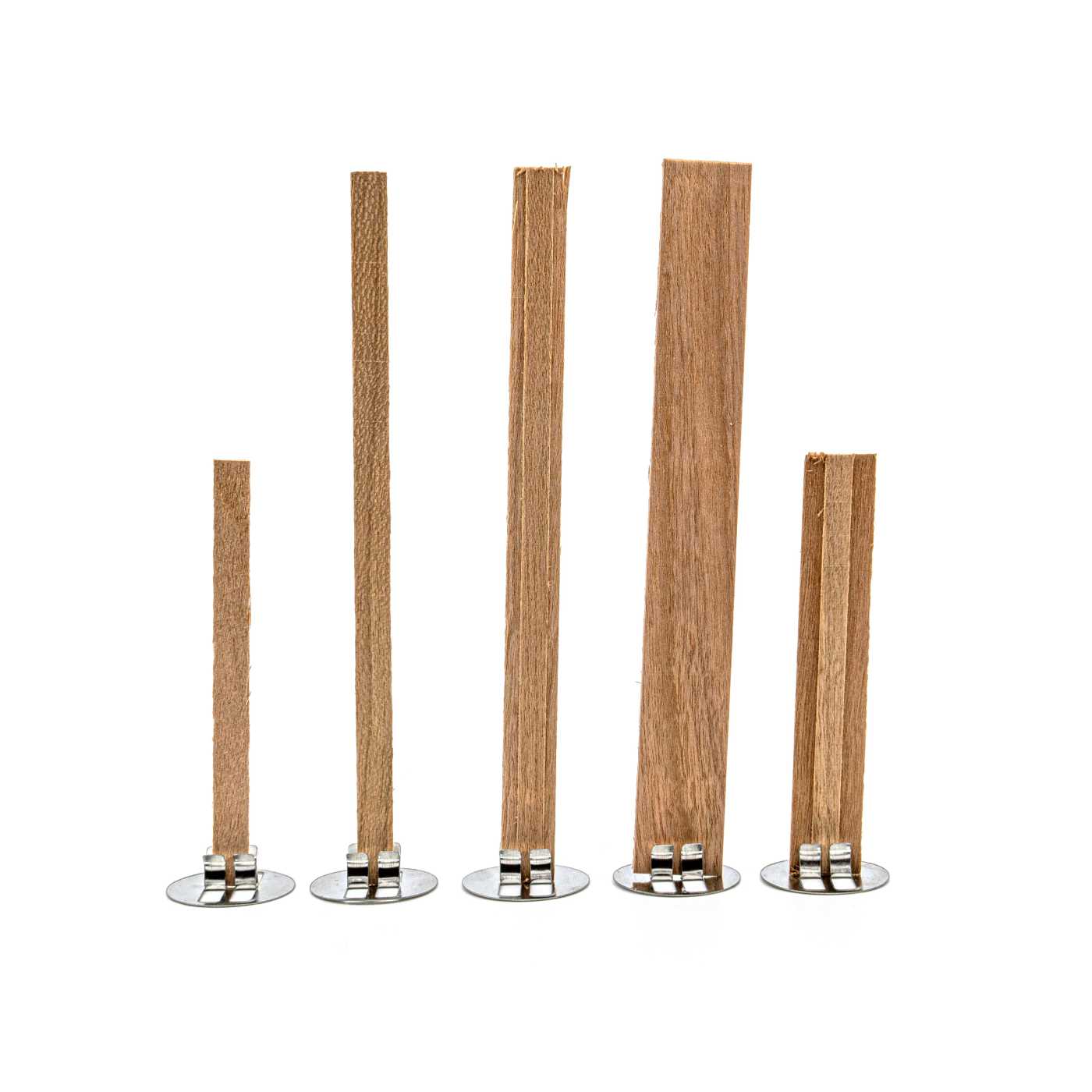
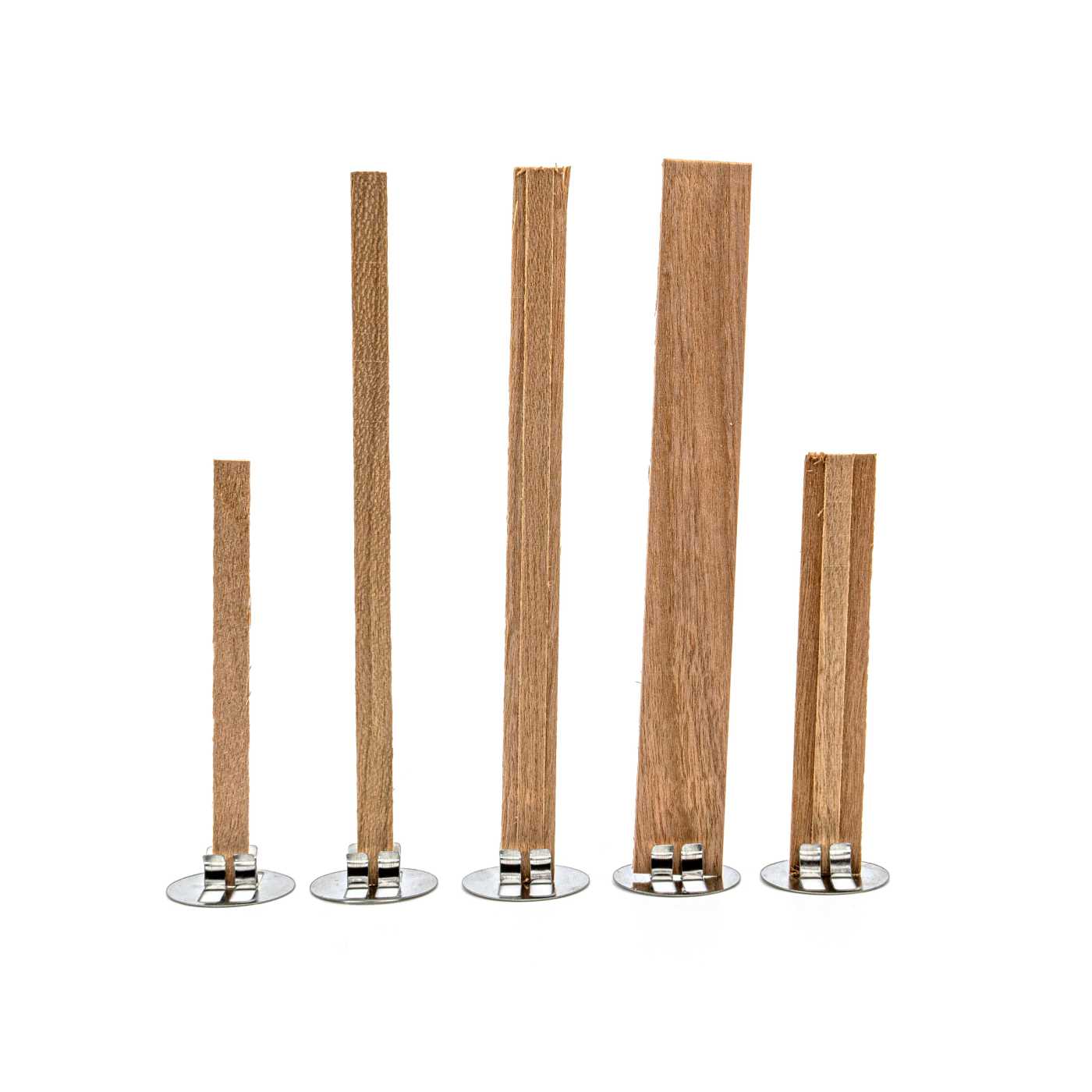
WEDO Wick Eco-10

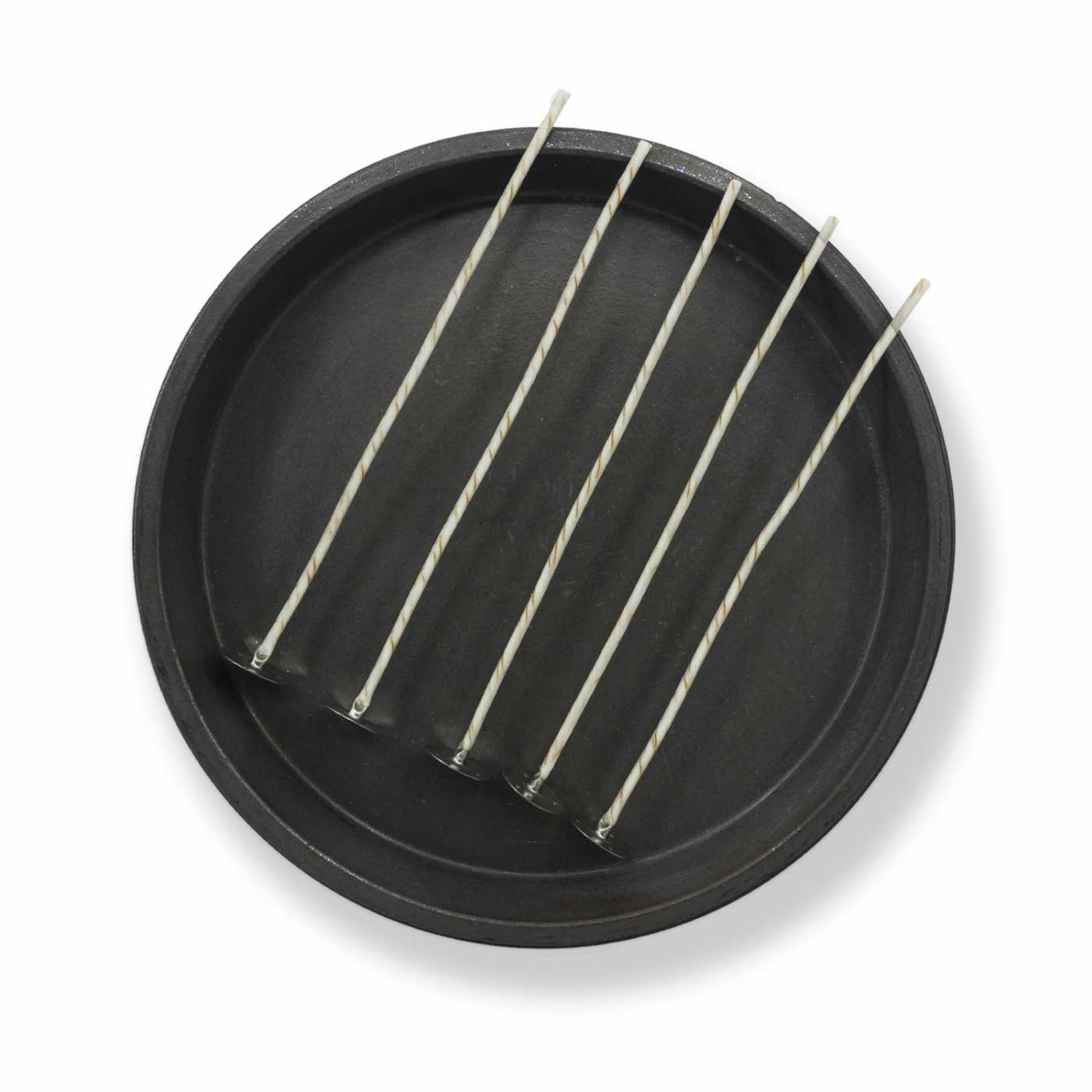
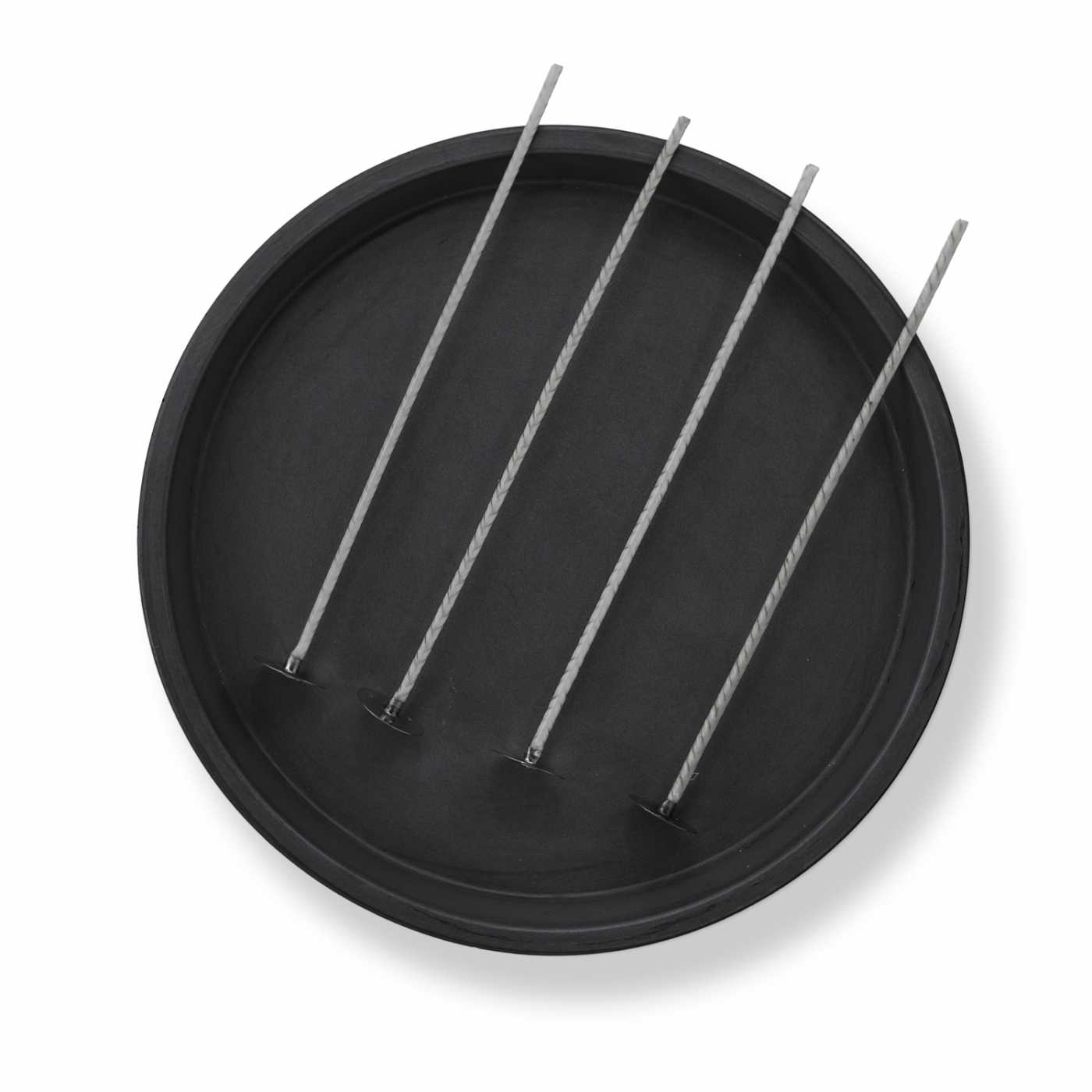
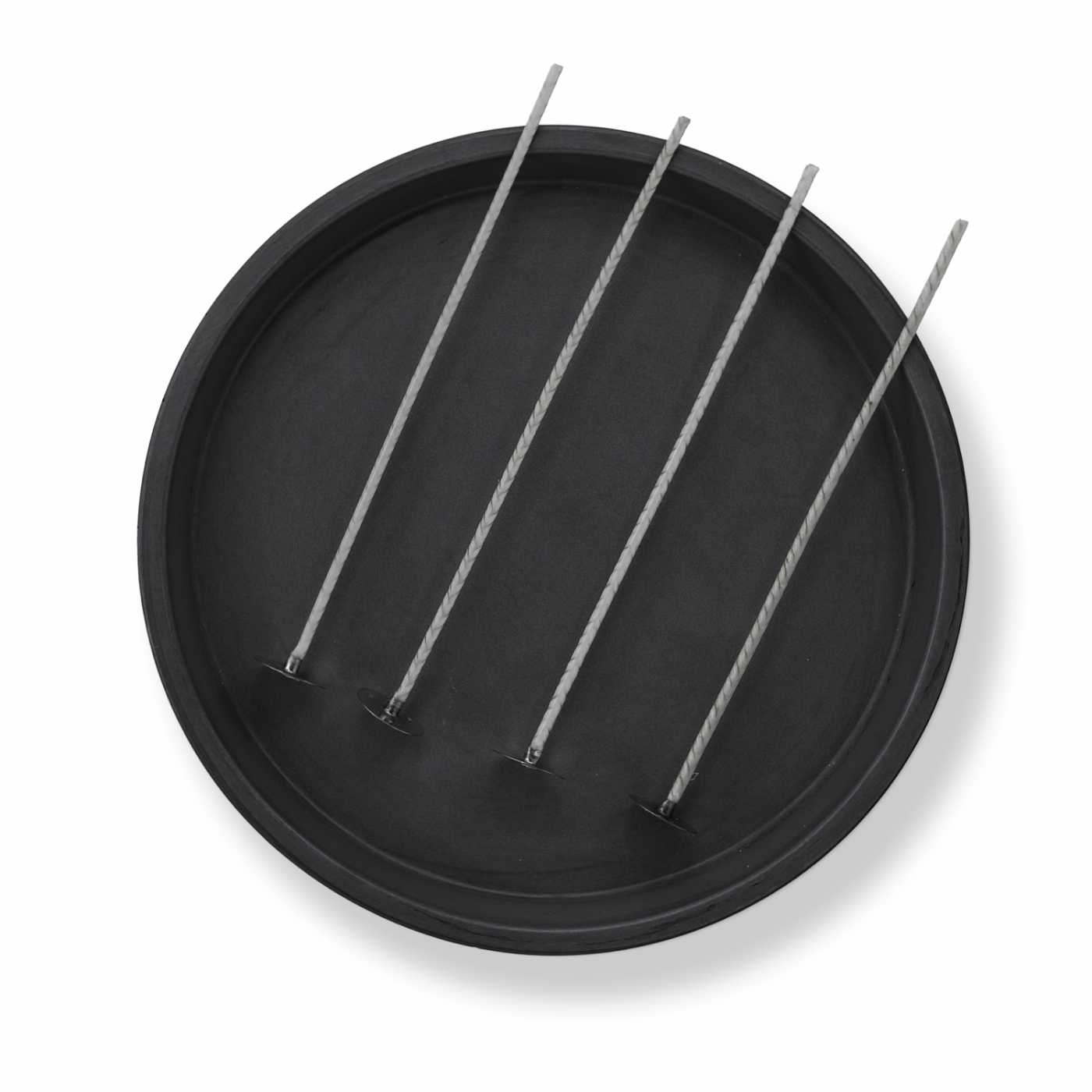
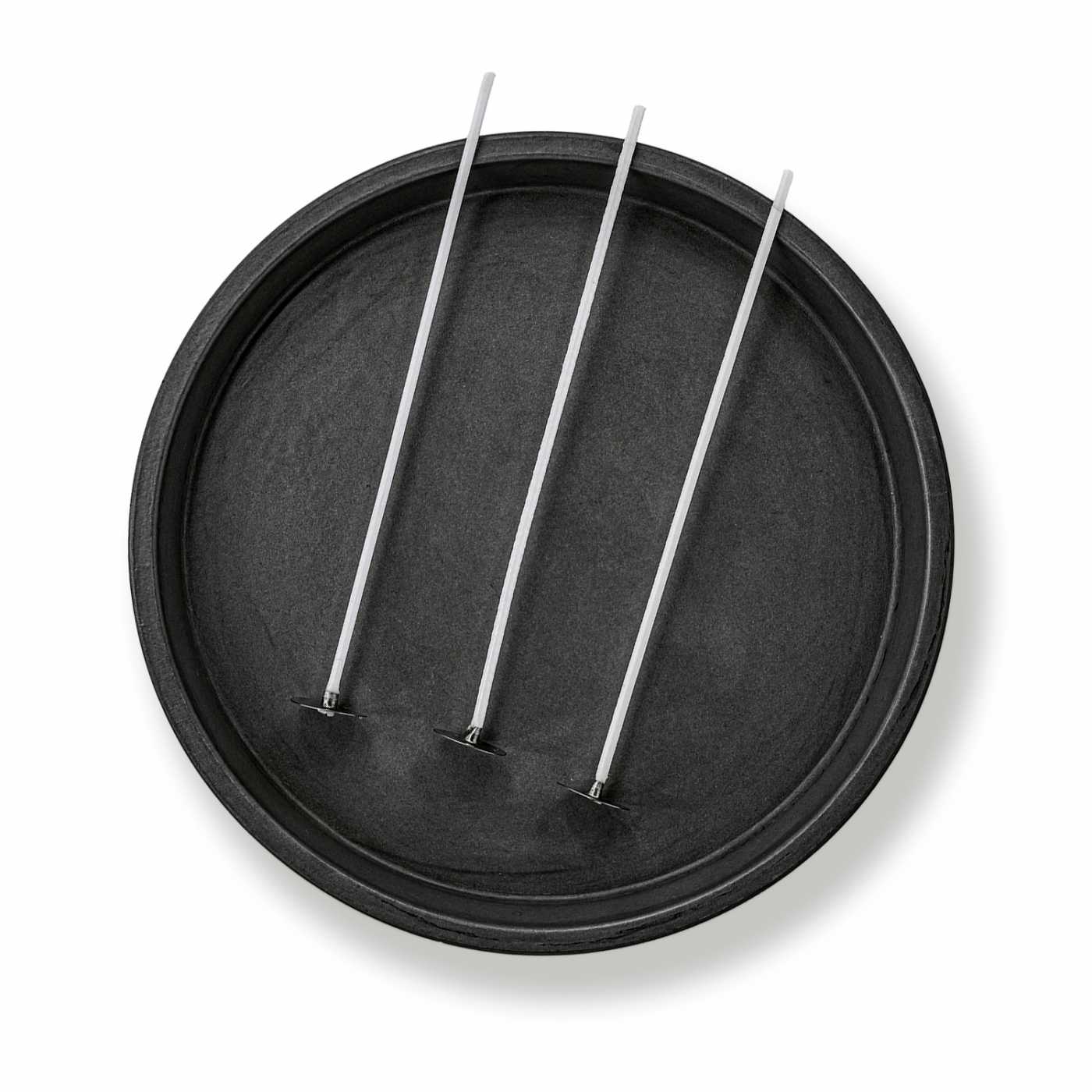
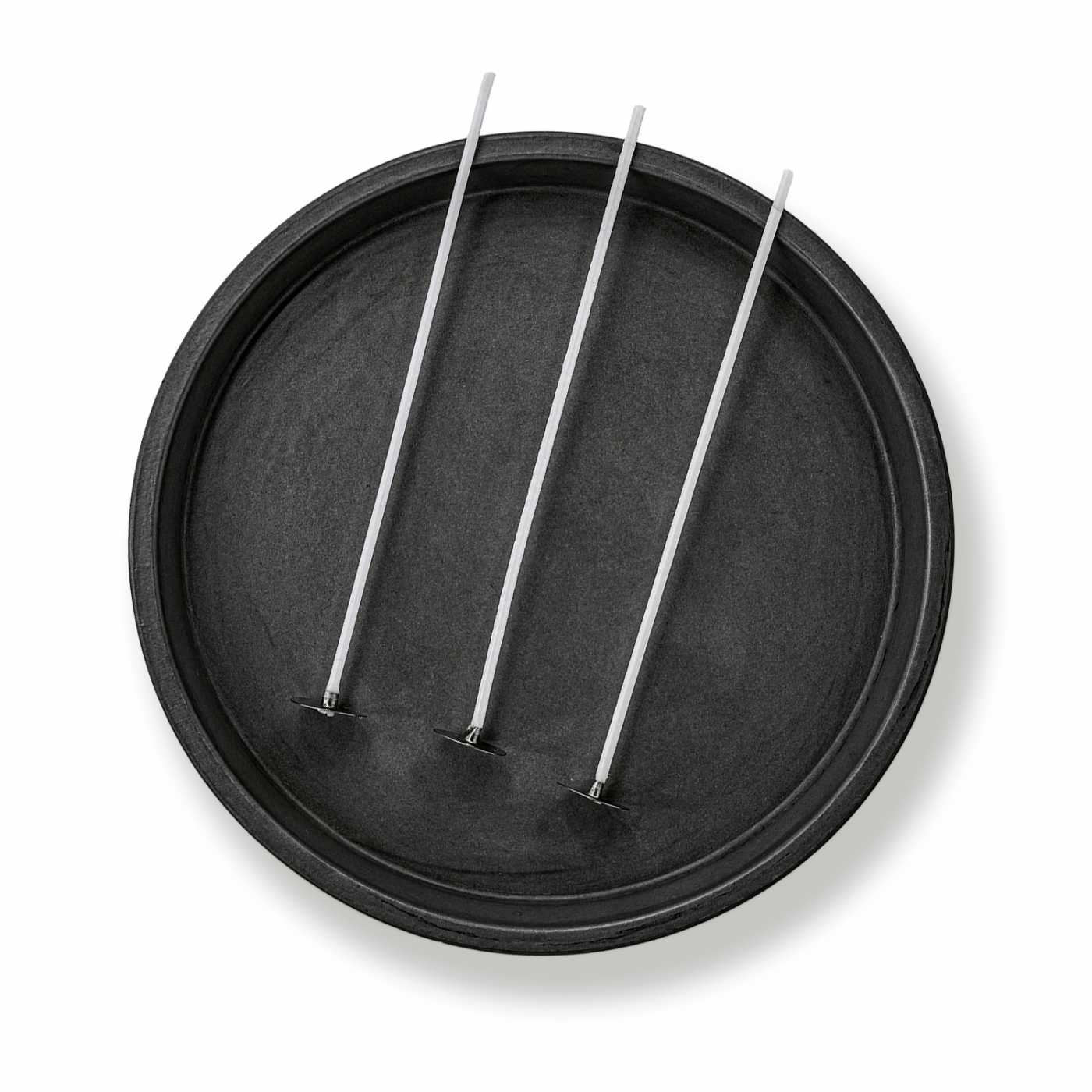
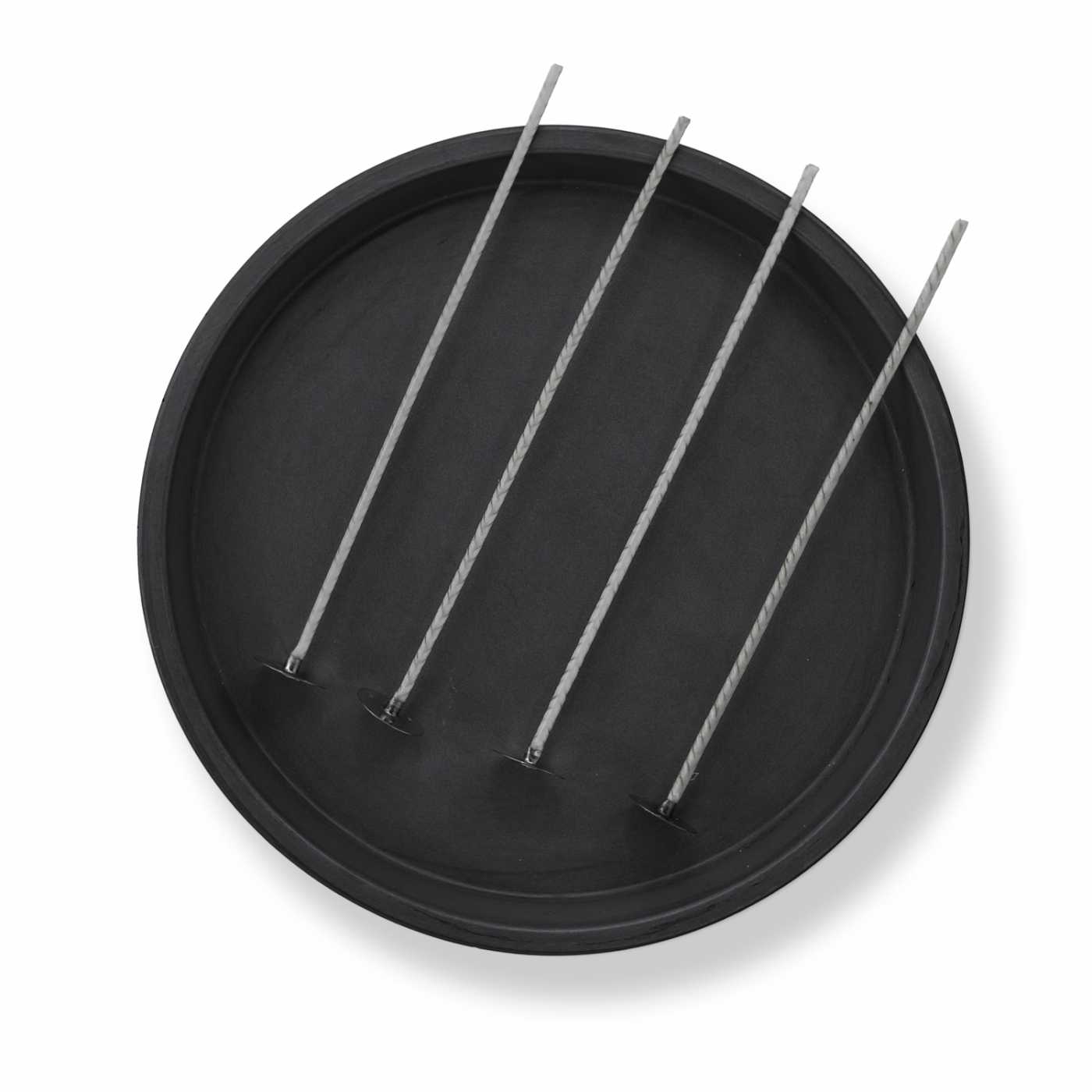
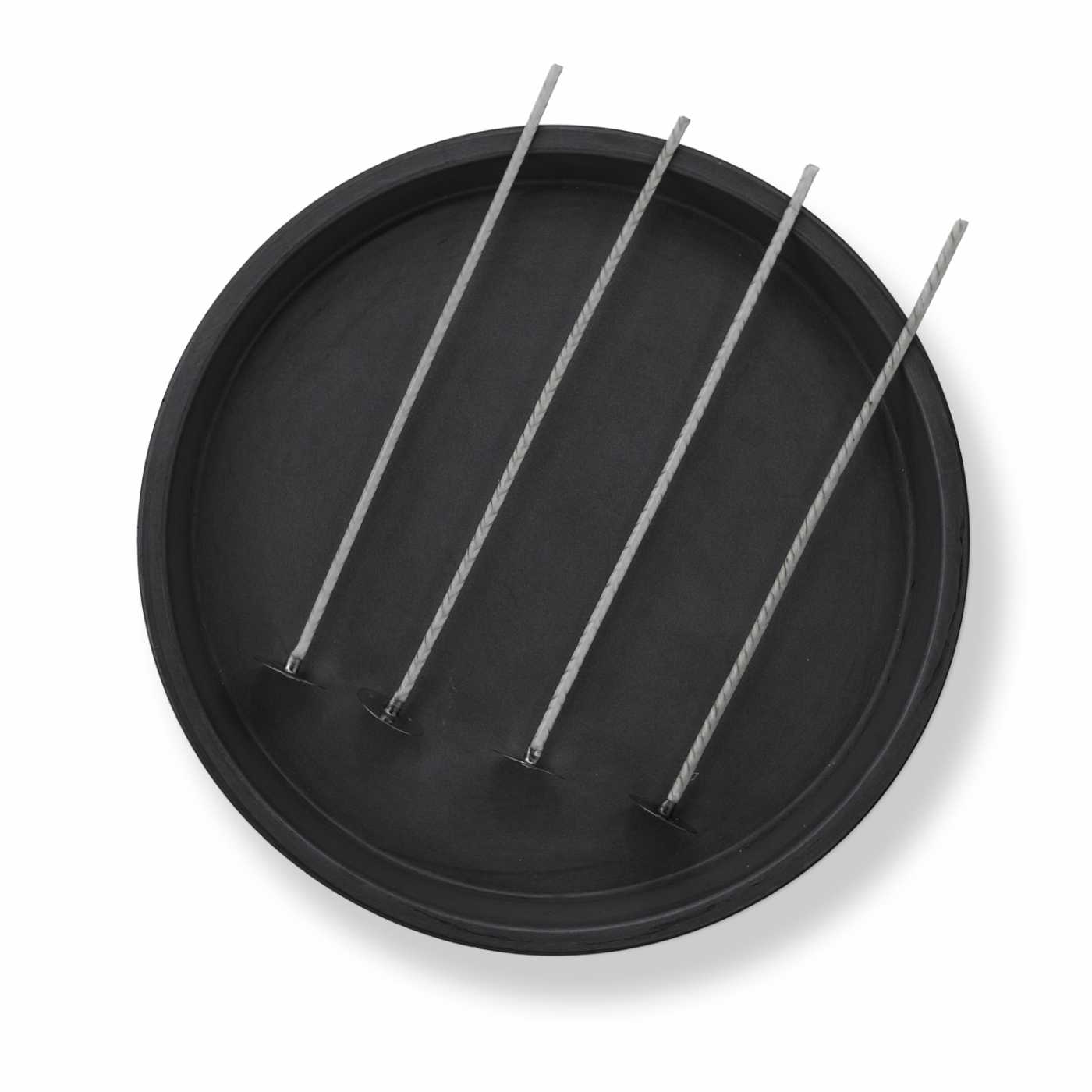
The Eko-10 cotton wick is a braided wick made of cotton fibres for candle making, especially for jar candles. full description

AvailabilityIn stock · 4322 pcs
Product codeSVKEKO10
€0.26incl. VAT

Lowest price in the last 30 days: €0.26

Product description

The Eko-10 cotton wick is a braided wick made of cotton fibres for candle making, especially for jar candles. In a candle it has a single but decisive job: it draws up melted wax by capillary action and carries it to the flame. The choice of wick therefore determines whether the candle burns evenly and without smoking and whether the wax melts across the full width of the jar. The number in the name indicates the size within the Eko wick range – the higher the number, the thicker the wick, the larger the flame and the wider the melt pool. The wick is of European origin and is supplied by the piece.


Key features

  • Cotton fibres without a metal core – the wick burns cleanly, leaves no metal residue and suits candles made from both vegetable and mineral waxes.
  • Braided structure – the tip of the wick curls slightly to the side as it burns, which makes it self-trimming and limits the formation of a carbon deposit (known as mushrooming) at the end of the wick.
  • Stable flame – when the size is chosen correctly, it gives a calm flame without flickering or soot, and the melt pool reaches the edge of the jar.
  • Part of a graduated range – the Eko range offers several sizes, so you can choose a wick precisely according to the diameter of the candle and the type of wax.

Use in candle making

The wick is particularly suitable for jar candles (glass, tin, ceramic), where the melted wax stays in a pool around the wick. It works with soy, rapeseed, coconut and paraffin wax, as well as blends of these. Vegetable waxes are thicker than paraffin when melted, so they usually require a wick one size larger than paraffin in a jar of the same diameter.

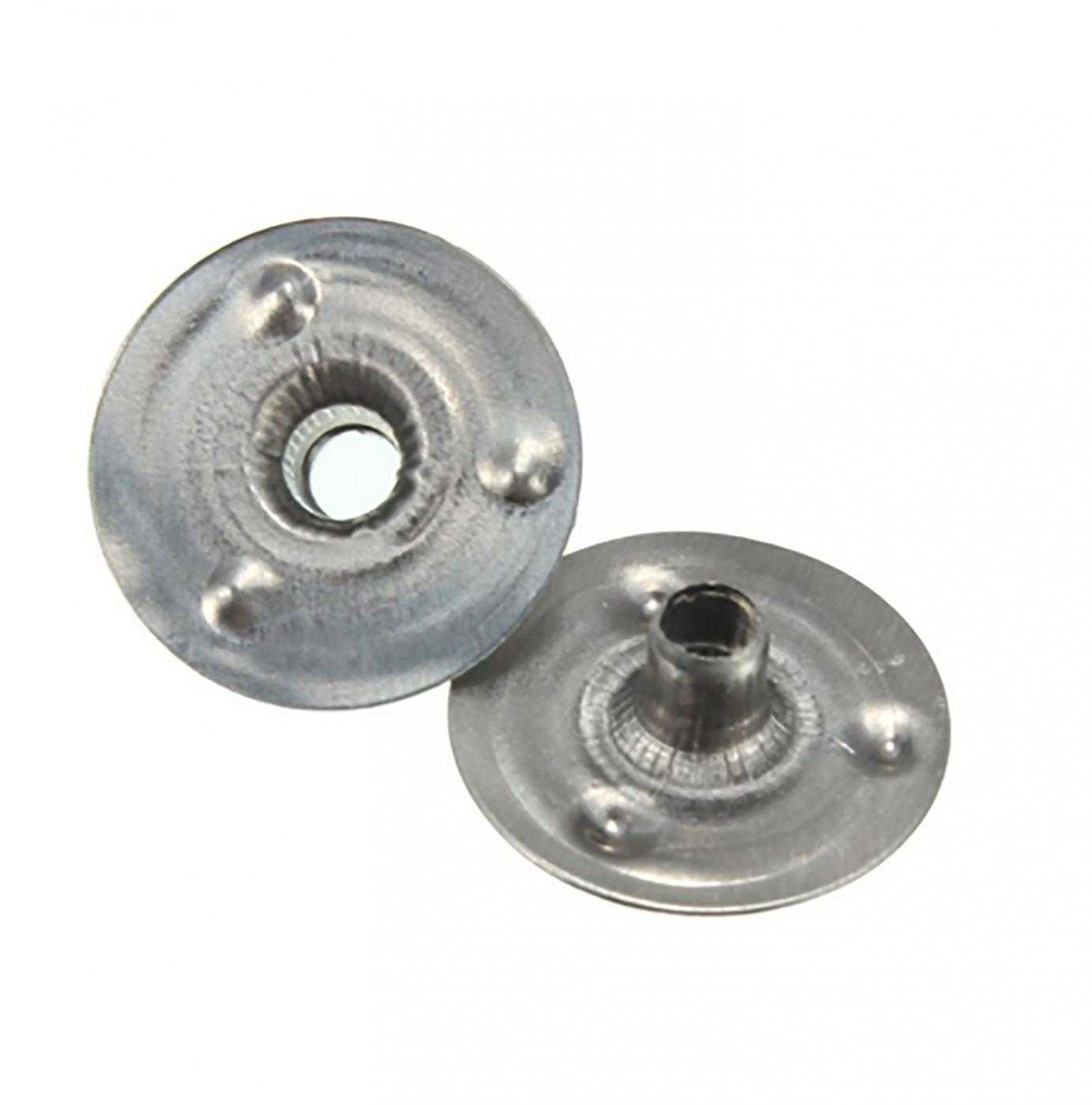
The wick is fixed in the jar with a metal sustainer, which is secured to the bottom with wick glue or a double-sided adhesive pad. Before pouring, the wick is centred and held taut with a wick centring tool (two sticks or a clothes peg will also do) and stays in this position until the wax has fully set. If the wick is not primed with wax, you can dip it briefly in melted wax before inserting it – it holds its shape better and is easier to light.

Before the first lighting, trim the wick to approximately 5 mm, and on the first burn let the candle burn until the wax has melted all the way to the edge of the jar. The candle will then “remember” its full width and will not burn down only in the centre on later burns.


How to choose the right size

The right wick size depends on the diameter of the jar, the type of wax, the fragrance oil content and the dye used. Fragrance oils and pigments make burning more difficult, so a candle with a higher fragrance load often needs a larger wick than the same candle without fragrance. There is therefore no universal chart – it is always advisable to confirm the specific size with a test burn. Make test candles with two or three neighbouring sizes and compare them after several hours of burning:

  • Wick too small – the flame is low, the wax melts only in a narrow ring around the wick and the candle burns straight down (known as tunnelling).
  • Wick too large – the flame is tall and flickers, the candle smokes, mushrooming forms on the wick and the jar heats up excessively.
  • Correct wick – the pool of melted wax reaches the edge of the jar within a few hours, the flame is calm and the walls of the jar stay free of soot.

For wide jars, where even a larger wick does not reach the edge, two or three wicks are used, spaced evenly across the surface.


Good to know

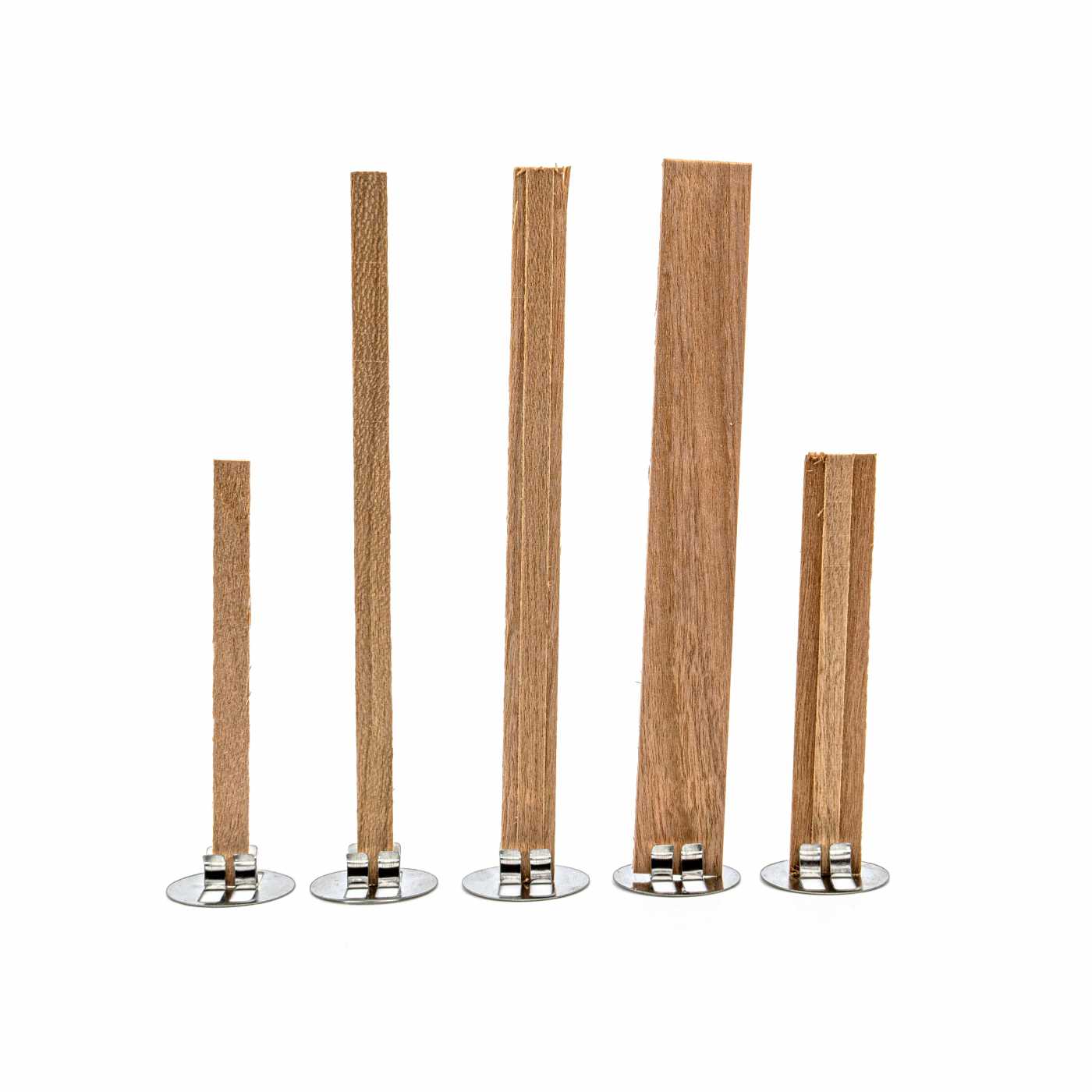
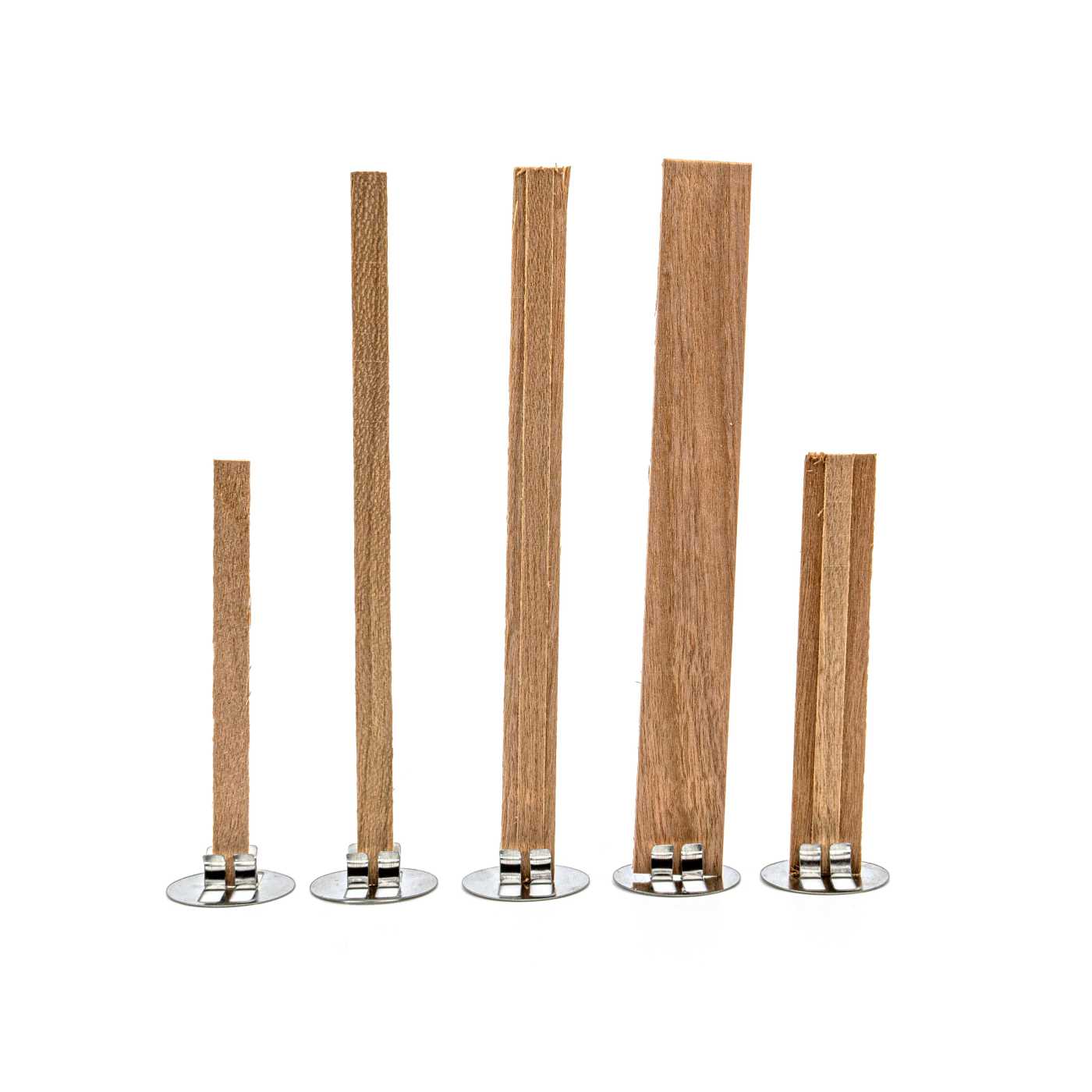
A cotton wick is sometimes confused with a wood wick. A cotton wick burns more quietly, is easier to light and is more tolerant of different waxes. A wood wick crackles, produces a wide flat flame and is more sensitive to the type of wax and the fragrance load. For jar candles made from vegetable waxes, a cotton wick is the more reliable choice for both beginners and volume production.

Soot on the wick or on the glass, when the size has been chosen correctly, usually signals a draught, a wick that is too long or burning for too long without a break. The wick should therefore be trimmed before each lighting.

Never leave a burning candle unattended, and place the jar on a non-flammable surface away from draughts. If the flame grows larger or starts to smoke, extinguish the candle and trim the wick once it has cooled.


Frequently asked questions

What wax is the Eko-10 cotton wick suitable for?
The Eko-10 cotton wick suits soy, rapeseed, coconut and paraffin wax, as well as blends of these. Vegetable waxes are thicker than paraffin when melted, so they may need a wick one size larger. The suitability of a specific size for a given wax and jar is confirmed by a test burn.
How do I know whether the Eko-10 wick is the right size for my candle?
A test burn confirms the right size: the pool of melted wax should reach the edge of the jar within a few hours, and the flame should be calm, without smoke or flickering. If the wax burns down only in the centre, the wick is too small. If the flame flickers, smokes or mushrooming forms on the wick, the wick is too large. If you are unsure, compare two neighbouring sizes from the Eko range.
Why is my candle with the Eko-10 wick smoking or mushrooming?
Smoking and mushrooming at the end of the wick most often mean that the wick is too large for the candle, too long, or that the candle is burning in a draught. A higher fragrance oil and dye content, which make burning more difficult, can also play a role. Trim the wick to approximately 5 mm, remove the draught and, if the problem persists, try a smaller wick size.
How is the Eko-10 cotton wick fixed in the jar?
The wick is fixed with a metal sustainer, which is stuck to the bottom of the jar with wick glue or a double-sided adhesive pad. Before pouring the wax, the wick is centred and held taut with a centring tool and stays in this position until the wax has fully set. A centred wick is a prerequisite for an even melt pool and clean burning.
What is the difference between a cotton wick and a wood wick?
A cotton wick burns quietly, lights easily and tolerates a wider range of waxes and fragrances. A wood wick crackles as it burns, gives a wide flat flame and is more sensitive to the type of wax and the fragrance oil usage rate. For jar candles made from vegetable waxes, a cotton wick is the simpler and more reliable choice, while a wood wick is chosen mainly for its sound and visual effect.
To what length should the wick be trimmed before lighting?
Before each lighting, trim the wick to approximately 5 mm above the surface of the wax. A longer wick gives a tall flame, smokes and forms mushrooming more quickly, while a wick that is too short may drown in the melted wax. On the first lighting, let the candle burn until the wax has melted all the way to the edge of the jar.

Parameters

Country of origin
Germany
Solubility
Water-insoluble
Manufacturer's certificate
ISO 9001RAL-GZ 041

Product documentation

TDSTechnical Data Sheet
Physical parameters and processingPDF ↓
Download all (ZIP)

1 PDF file in one archive

Kristína K.9 Nov 2026SK

Verified purchase

Adriana K.4 Oct 2026SK

Verified purchase

Variant: Eko-10 bavlnený knôt