


Wooden wicks
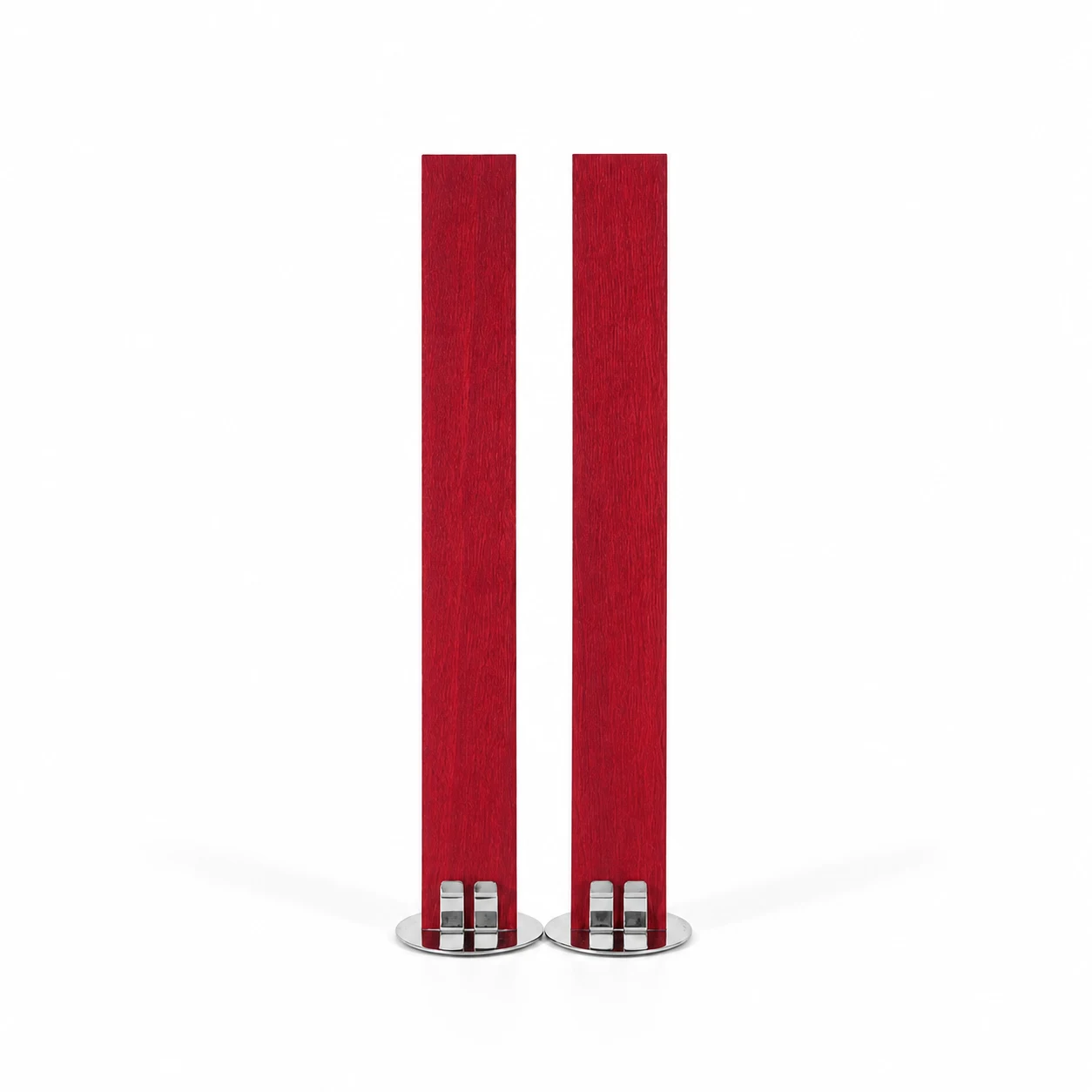
Wooden wick, .02 red, 15.9 mm
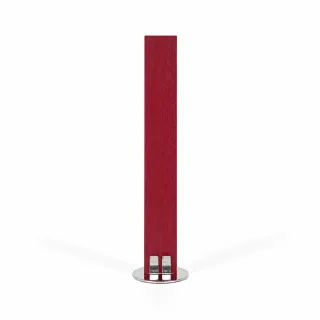
Wooden wick .02 red, 15.9 mm – with holder Wooden wick .02 in red is a flat single-piece wood slat that gently crackles like a fireplace while burning and forms a visible part of the candle's design. full description
Lowest price in the last 30 days: €1.39
Product description
Wooden wick .02 red, 15.9 mm – with holder
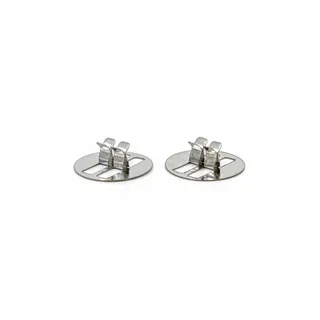
Wooden wick .02 in red is a flat single-piece wood slat that gently crackles like a fireplace while burning and forms a visible part of the candle's design. Compared to a cotton wick, it burns with a wider and lower flame that melts wax evenly across the entire surface. It comes as a complete set with a metal holder that keeps the slat upright on the bottom of the container.
The wood comes from certified sources and the wick is made in the USA. The manufacturer states that it is a natural, biodegradable material free from allergens.
Why choose a wooden wick
- Crackling flame – burning wood produces a soft crackling sound that enhances the candle's atmosphere and is one of the main reasons candle makers choose wooden wicks.
- Wide, low flame – the flat slat produces a flame spread across the width, melting wax across the entire surface. With the right container size, this helps prevent so-called tunnelling, where wax melts only in the centre.
- Red colour as a design element – the coloured slat is visible above the wax surface and can be matched to the colour of the wax, label, or packaging. It suits coloured wax, seasonal editions, or candles in clear glass.
- Single slat – a simple single-layer wood construction that slots into the holder and is ready for pouring straight away.
- Holder included – the round metal base keeps the wick upright during pouring and setting and is also compatible with double and cross wooden wicks.
How to work with the wick
The slat is inserted into the metal peg of the holder, and the holder is fixed to the centre of the container bottom – using a wick sticker, a drop of hot wax, or a glue gun. Before pouring, check that the slat stands upright and does not touch the container wall. Wax is poured in the usual way. The wick does not need to be held in place during setting; the holder keeps it in position.
Once set, trim the wick above the wax surface. A wooden wick needs a considerably shorter trim than a cotton wick, approximately 3 – 5 mm. With a longer wick, the flame grows unnecessarily, smokes, and the slat may break.
Trim the wick before each lighting. Break off the charred end of the slat with your fingers or cut it with wick trimmers. A long or charred wick is the most common reason a wood-wick candle "refuses to burn".
For the first burn, let the candle burn until the entire wax surface has melted to the container walls. Wood ignites more slowly than cotton; the flame is initially smaller and stabilises after a few minutes.
Suitable for products such as
- Candles in glass or tins – the most common application. The flat wick suits containers with a flat bottom where the holder sits firmly.
- Candles made from soy, rapeseed, or coconut wax – softer plant-based waxes with a lower melting point tend to perform better with wooden wicks than hard paraffin blends.
- Coloured and seasonal candles – the red slat pairs well with Christmas, Valentine's Day, or autumn editions and with wax in warm tones.
- Scented candles – the wide flame releases fragrance from the entire melted surface. The suitability of any specific wax and fragrance combination always needs to be verified with a test burn.
Good to know
Always test the wick size. The correct slat width depends on the container diameter, wax type, fragrance oil content, and dye. The size .02 is the manufacturer's designation; a higher number means a thicker slat that burns more intensely. We recommend pouring a few test candles and monitoring the diameter of the melt pool, flame height, and any smoking. If the wax only melts in the centre, the wick is too weak for the container. If the flame leaps high and produces soot, it is too strong.
Wax and wick must work together. Wood burns thanks to the wax drawn up by the slat. An overly hard wax or a high proportion of additives can cause the flame to go out after a while. A shorter wick trim, a longer first burn, or a softer wax can help.
The slat is fragile. Do not bend it, and hold it at the lower edge when inserting it into the holder. If the slat splits when trimming, remove the split piece so it does not fall into the wax.
The holder stays in the candle. The metal base remains on the bottom of the container after the candle has burned down. The glass or tin container can therefore be reused after cleaning.
Maintain a safe level of wax above the holder and do not let the candle burn down to the metal. As with any candle, the container must be heat-resistant and the candle must never burn unattended.
Frequently asked questions
Parameters
Round Metal Sustainer for Wooden Wicks
Wooden wick, .02 red, 15.9 mm
- Product colour
- Red
- Country of origin
- USA
- Grade
- Technical grade
- Processing method
- Drying
- Solubility
- Water-insoluble
- Dimensions
- šírka 15,9 mm, hrúbka .02
- Product material
- Wood
Product documentation
Verified by customers.
No reviews yet.
Only customers with a delivered order can write reviews.