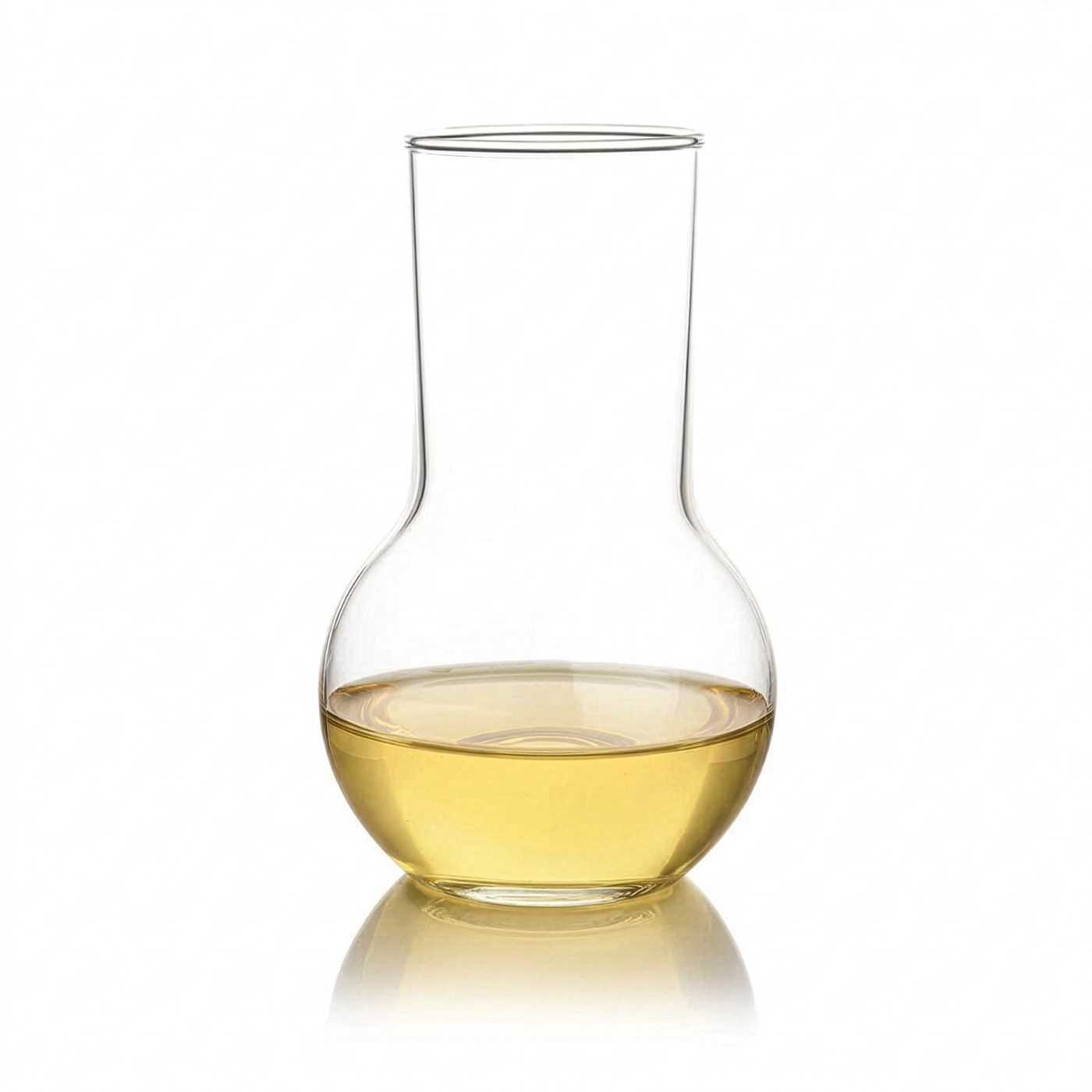
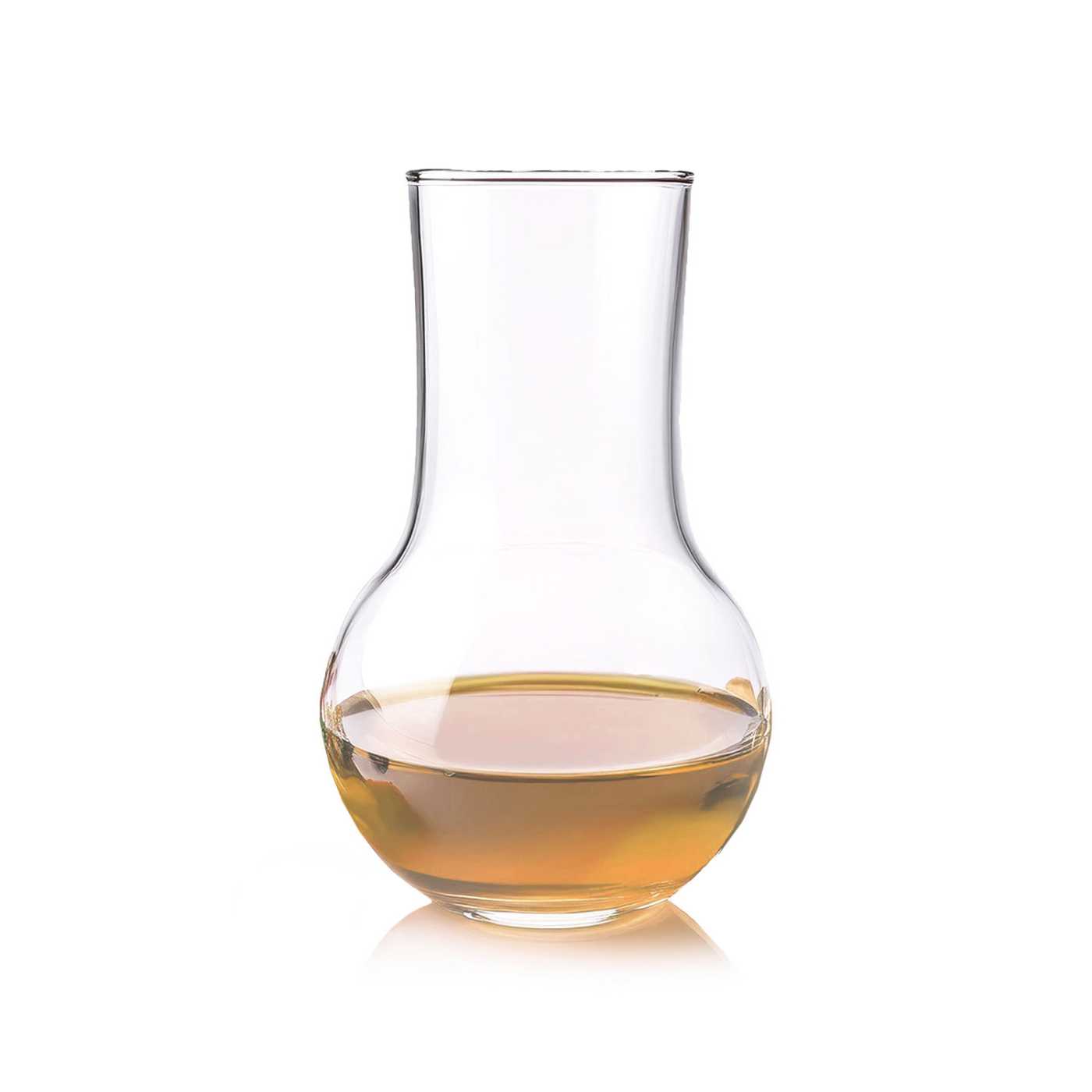
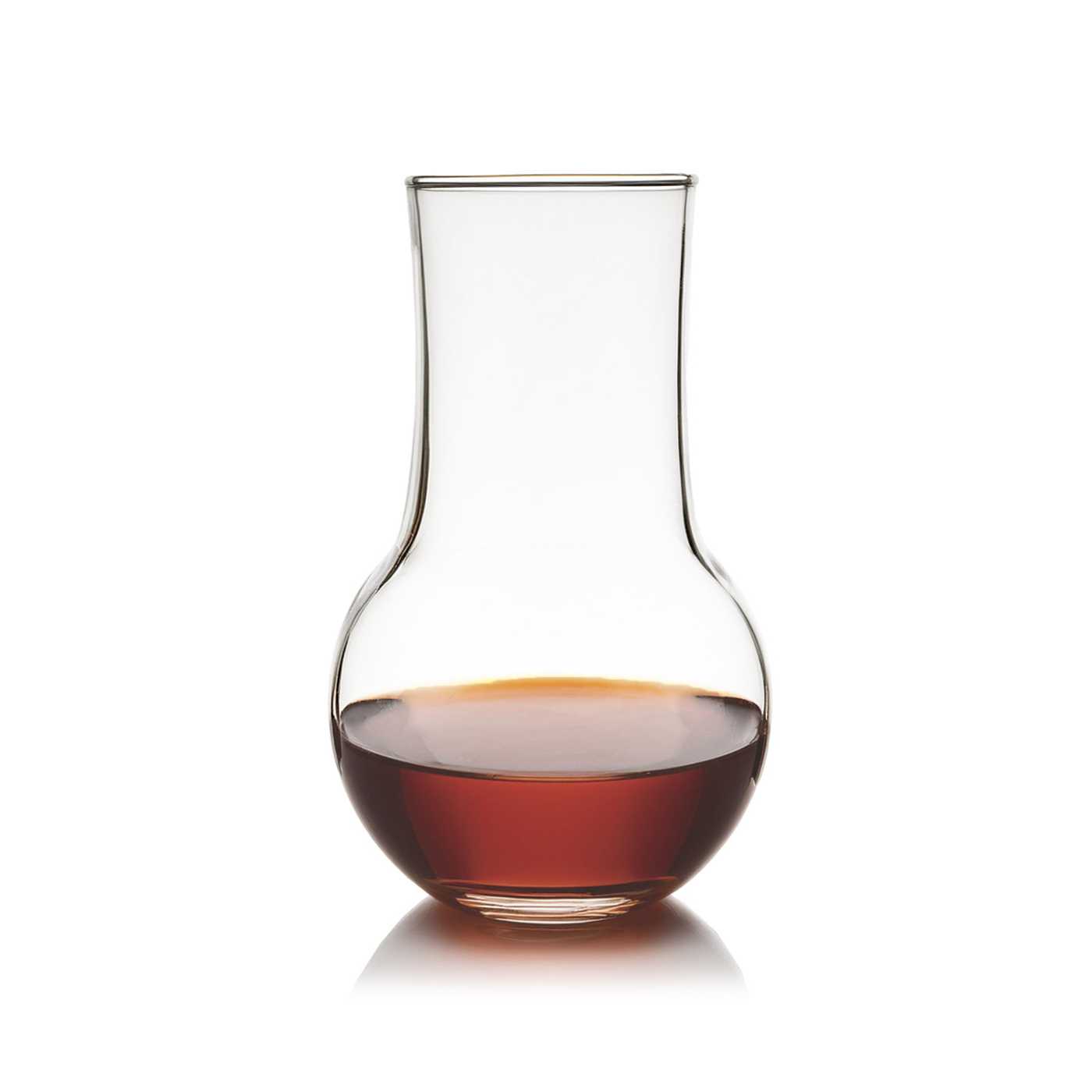
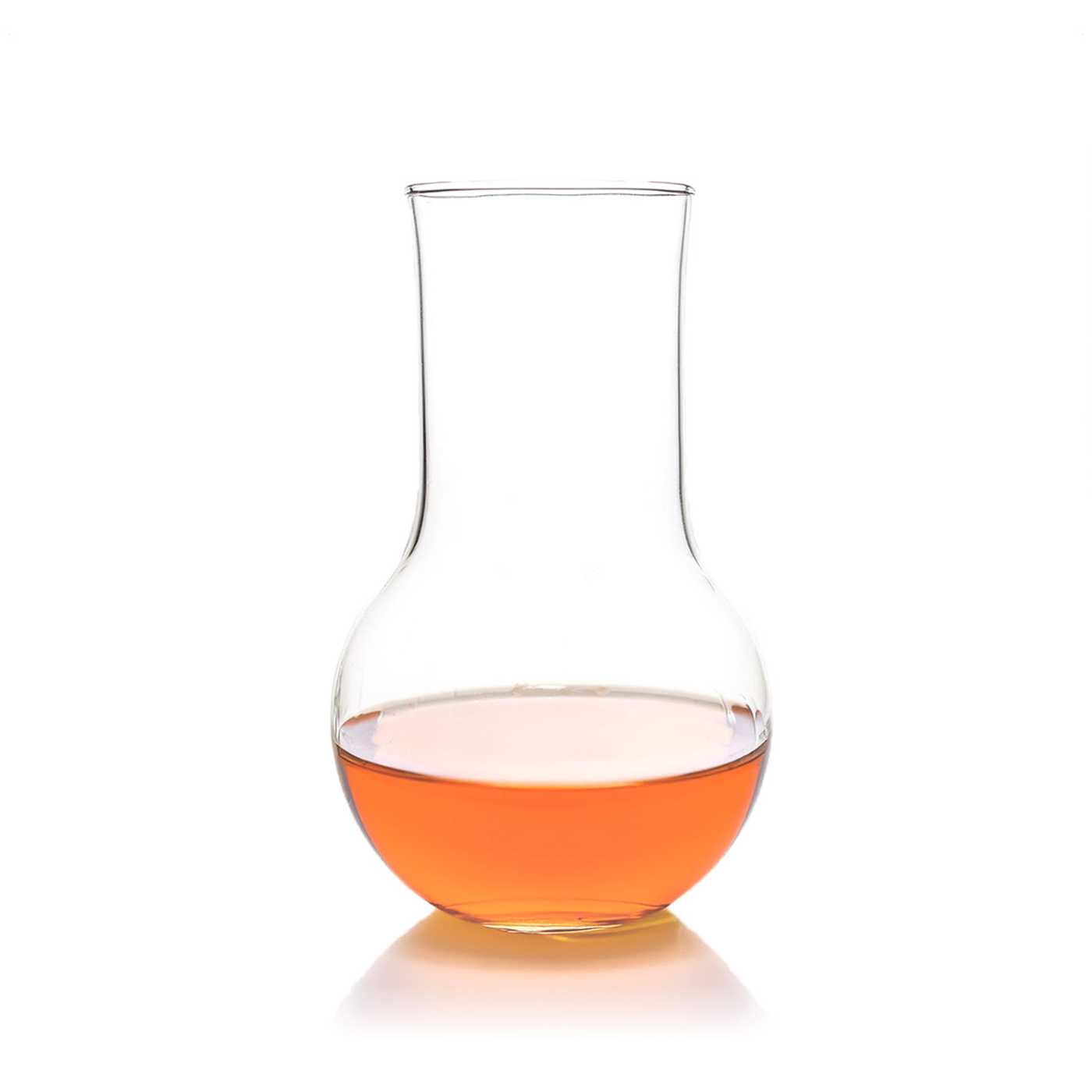
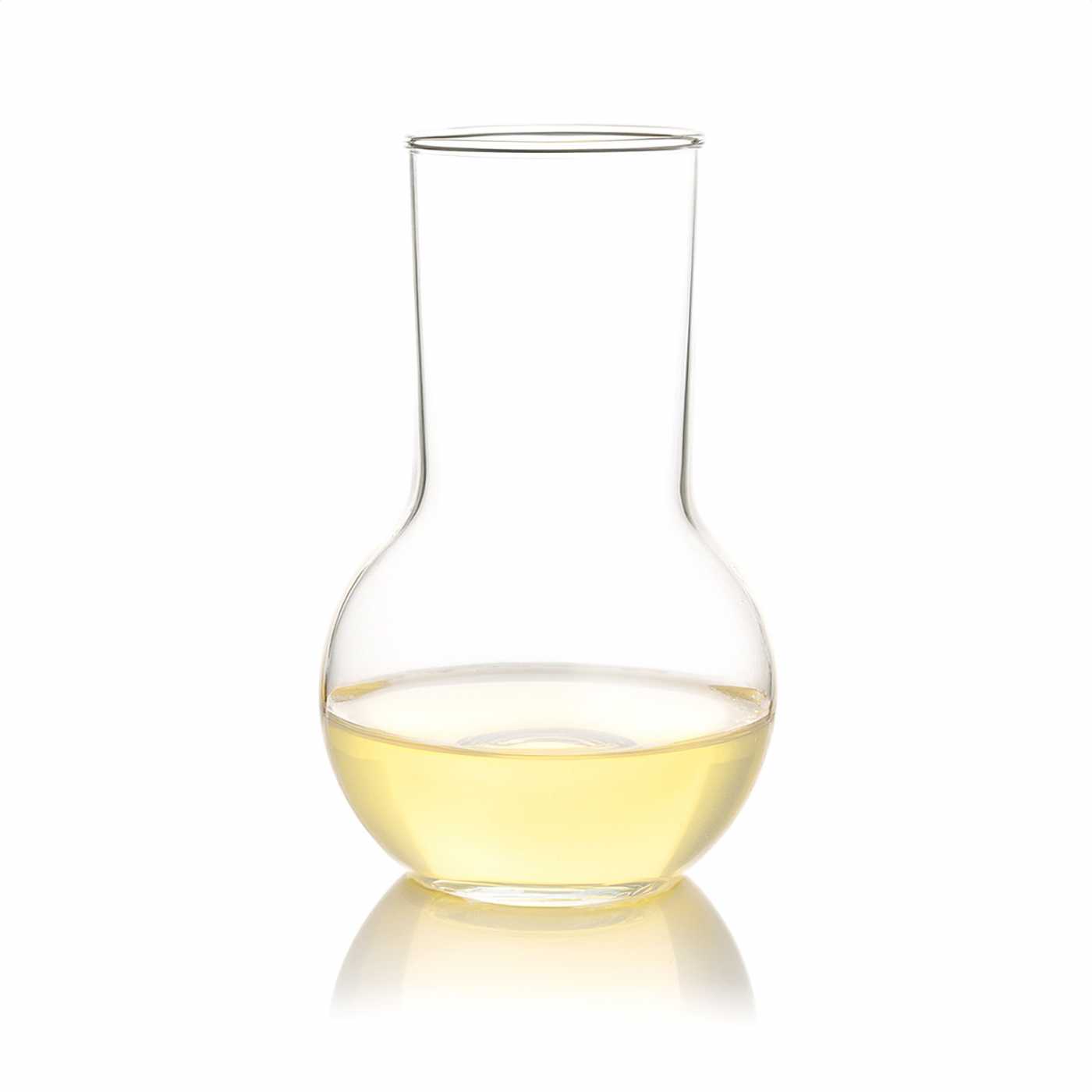
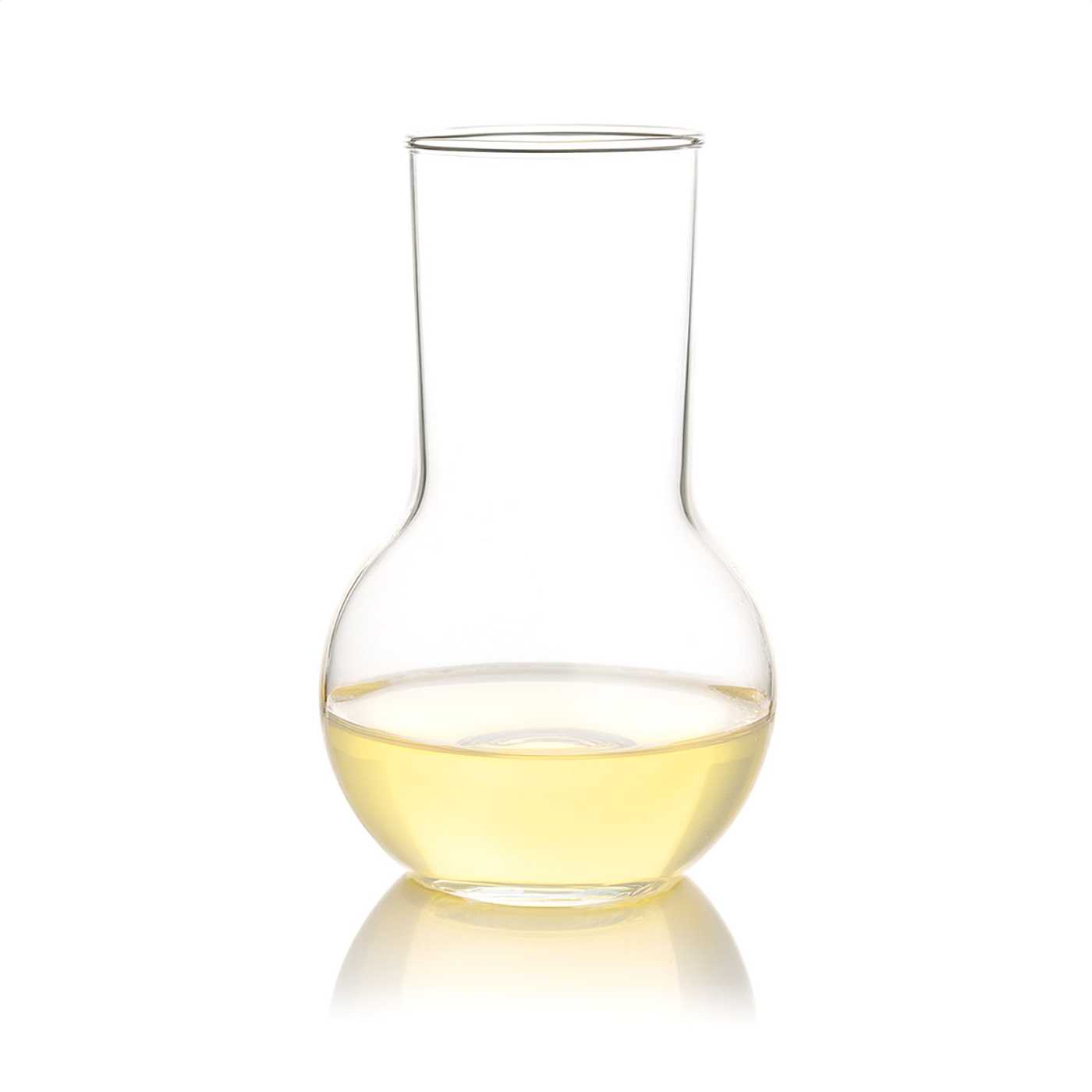
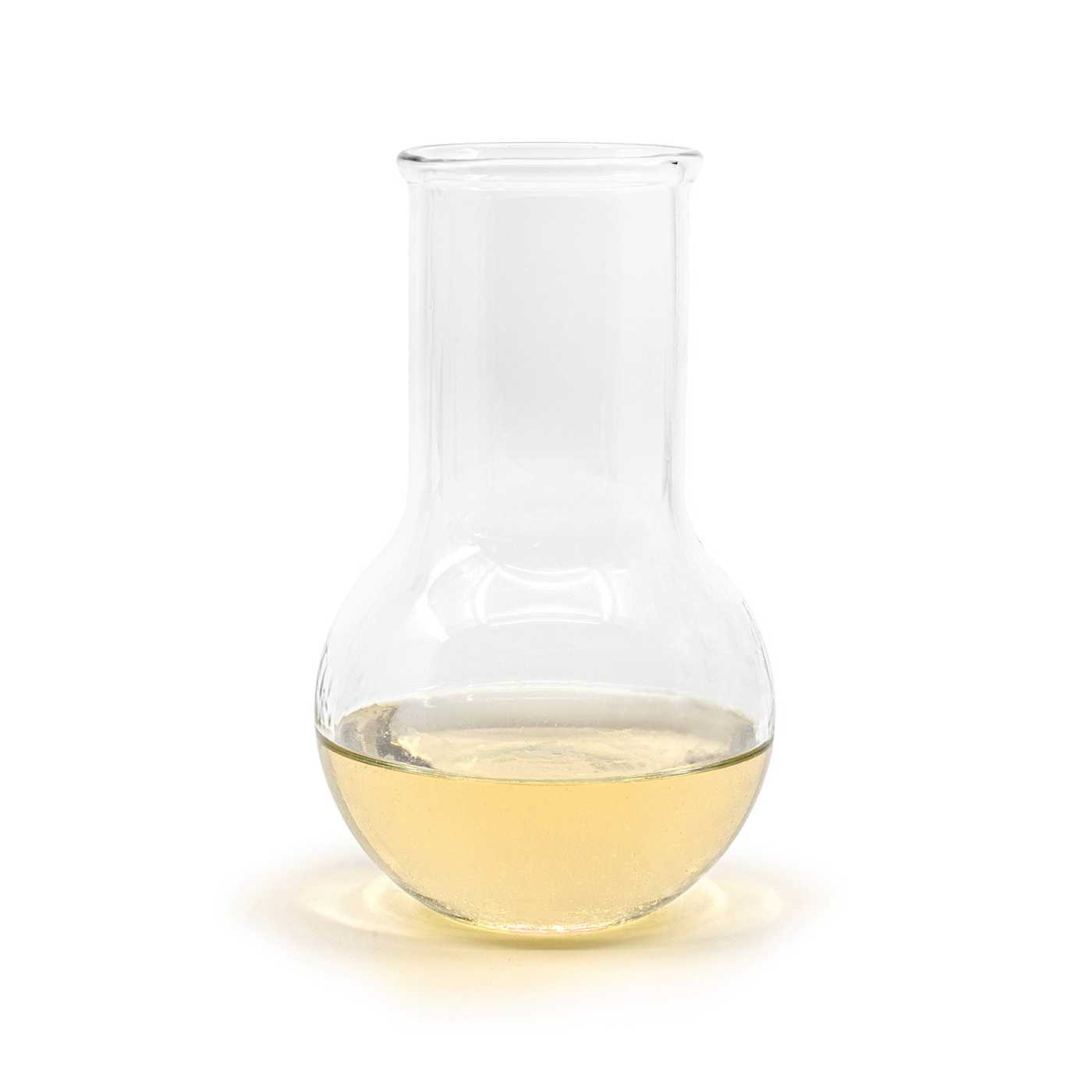
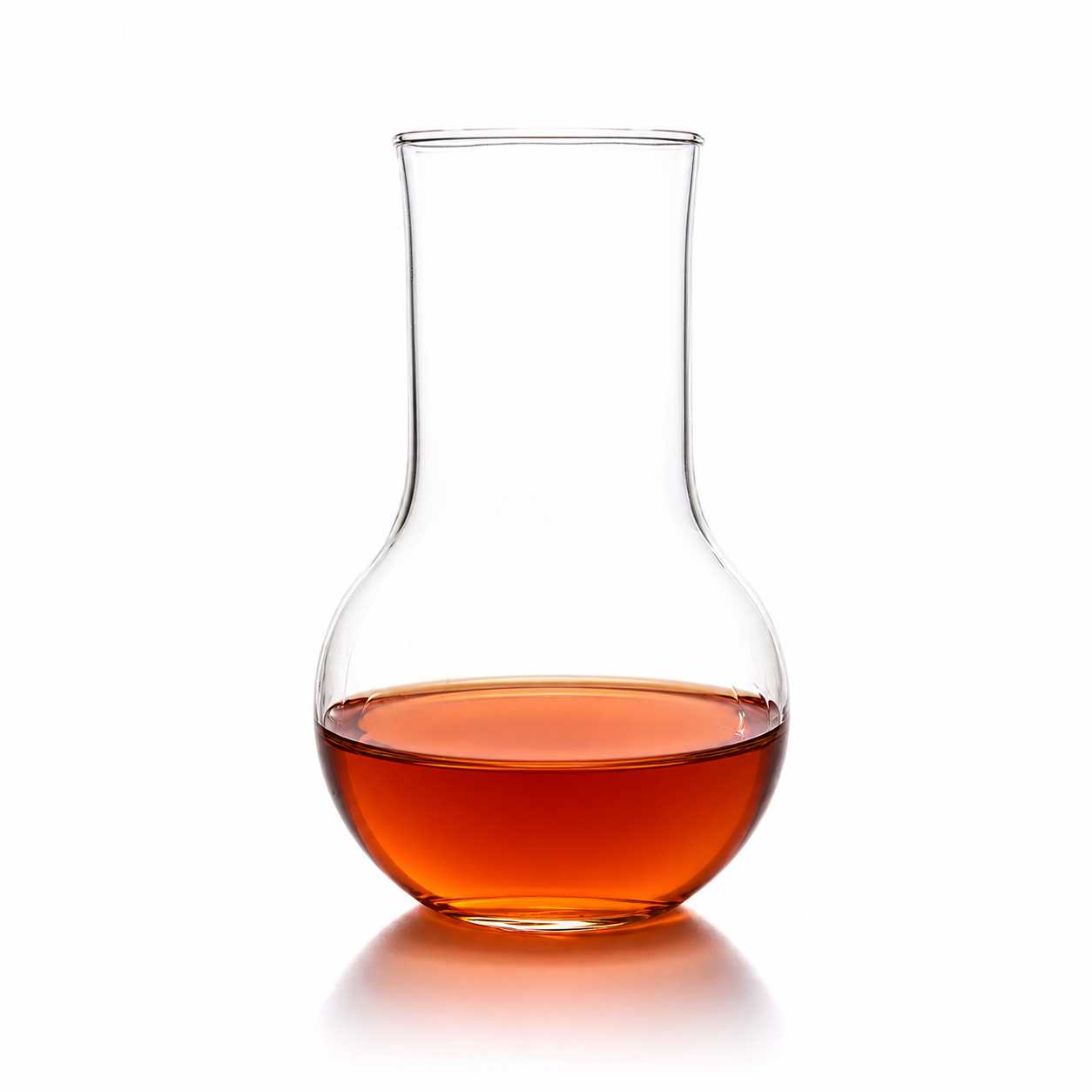
Aquaguard NK12 is an aqueous preservative system composed of sodium benzoate and potassium sorbate, prepared as a ready-to-use liquid blend for easier dosing into cosmetic formulations. It is produced by dissolving and stabilising these two preservatives in water, resulting in a clear yellow to brown liquid with a precisely defined content of active components. Both active substances are of synthetic origin and in the finished product they create a practical combination that is particularly suitable for aqueous and emulsion formulations with a more acidic pH, where they help limit the growth of microorganisms and support the microbiological stability of the product. For the formulator, a key advantage is that this is a pre-prepared blend in liquid form, making it easier to work with than individual preservative powders.
Aquaguard NK12 is especially interesting for developing cosmetics where you need a simple, effective and easy-to-incorporate preservative system without fragrance, without parabens and without added organic solvents. Thanks to its water base it is suitable for formulas where good miscibility with the aqueous phase and precise dosing even in small batches are important.
Key benefits
- Ready-to-use liquid preservative system – simple dosing and easy incorporation into the formulation.
- Suitable for aqueous systems and emulsions – performs well wherever water is present and microbiological protection is required.
- Combination of two well-established preservatives – sodium benzoate and potassium sorbate are often used in practice as a complementary system.
- Free from parabens, free from added fragrances and free from added organic solvents.
- Also suitable for vegan formulations.
- Free from added microplastics and nanomaterials.
- Free from PFAS, free from palm-derived ingredients and free from GMO.
Suitable for products such as
- facial toners and facial waters
- cleansing gels and water-based cleansing products
- creams, lotions and emulsions with an appropriately adjusted pH
- shampoos, conditioners and hair tonics with a more acidic pH
- shower gels and liquid soaps, if the formulation is compatible with this type of preservation
- masks, serums and water-based hydrating gels
- rinse-off and also certain leave-on products, provided the final formulation has been verified by a preservative efficacy test
Use in formulations
- Water-soluble and best incorporated into the aqueous phase or into the finished emulsion.
- Compatible with aqueous formulations and emulsion systems in which a suitable, more acidic pH can be set and maintained.
- Miscible with the water phase of the formula; for formulations with a higher content of electrolytes, botanical extracts or challenging raw materials it is advisable to verify both stability and efficacy in the specific formula.
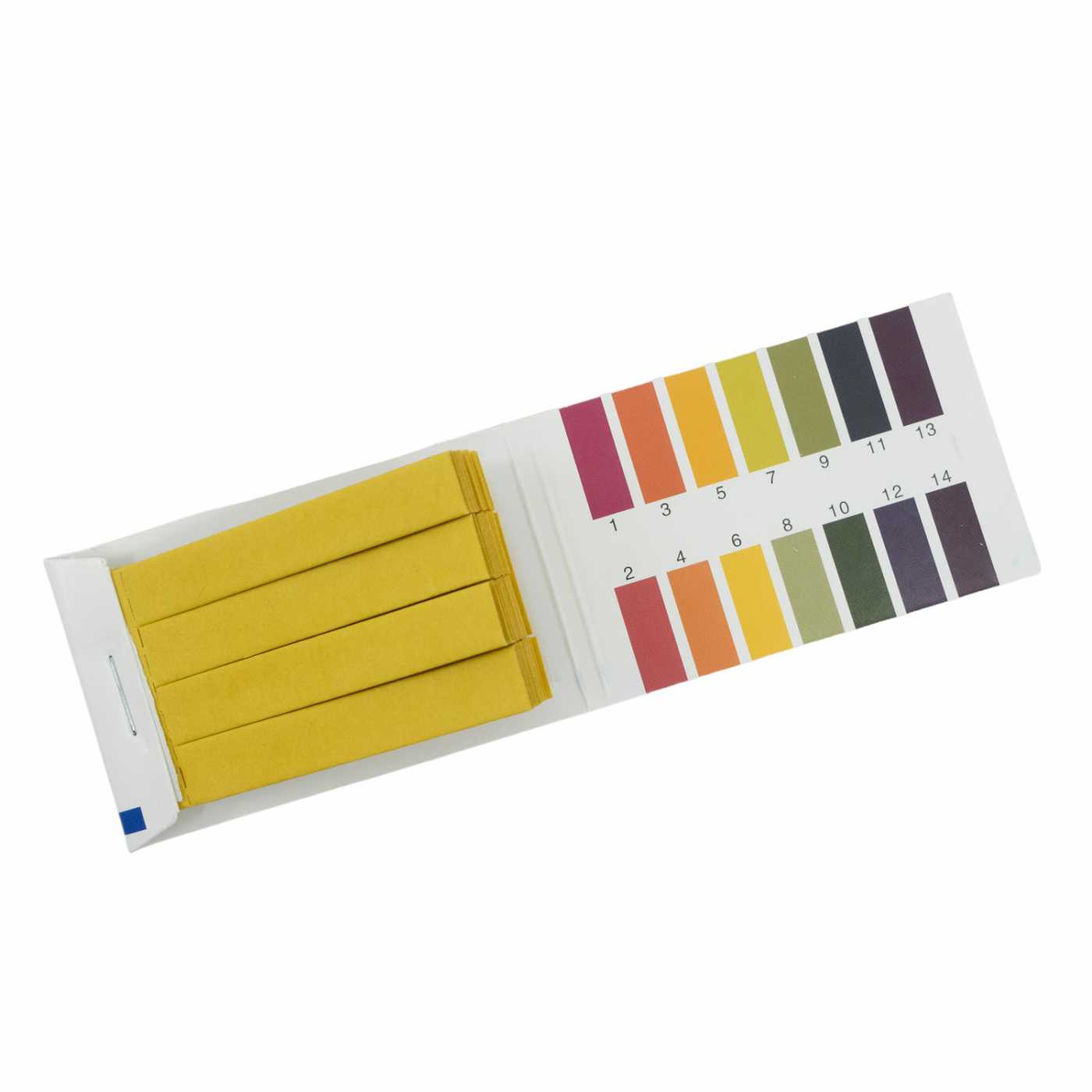
- Performs best in a more acidic environment, therefore, during formula development, monitoring and, if necessary, adjustment of the finished product pH are important.
- It is recommended to add during the cool-down phase (at a temperature below 40 °C).
- Dosage must correspond to the product type, pH, the formulation used and the results of microbiological testing; for leave-on and rinse-off products it is also necessary to respect the regulatory limits for the finished product.
- In professional manufacturing it is always recommended to perform a challenge test, because preservative efficacy is influenced not only by its concentration but also by pH, packaging, contamination during use and the overall composition of the formula.
Safety and storage
- Store in a well-closed container, in a dry place, away from direct sunlight and without exposure to extreme temperatures.
- After opening, ensure clean handling to prevent secondary contamination of the raw material.
- During handling, follow standard principles of good laboratory and manufacturing practice.
- In the finished cosmetic product, applicable regulatory limits for preservatives must be respected and the suitability of use in the specific formulation must be verified.
- The raw material is suitable for vegan formulations; the manufacturer also declares the absence of GMO, PFAS, palm-derived ingredients, intentionally added microplastics and intentionally added nanomaterials.
- The manufacturer also declares the absence of allergens according to the relevant annex of cosmetic legislation and the absence of parabens, fragrances or formaldehyde in the supplied raw material.
FAQ
Why is the pH of the finished product so important with this preservative?
The efficacy of sodium benzoate and potassium sorbate strongly depends on the acidity of the medium. If the pH is too high, the preservative effect can be weaker, therefore, during formula development, it is important to measure pH and monitor it over time, including after stability testing.
Is it more advantageous to use the ready-made Aquaguard NK12 blend or to mix sodium benzoate and potassium sorbate separately?
The ready-made blend simplifies weighing, dissolution and the reproducibility of manufacturing. For smaller batches or routine production it is usually more practical, because it reduces the number of steps and the risk of errors when dosing individual components.
Can this preservative system affect the scent or colour of the finished product?
Under normal use it is not typically strongly aromatic, but as it is a yellow to brown liquid, in very light or completely transparent formulations it can influence the final shade. Therefore it is advisable to conduct a trial on a small sample before full-scale production.
Is following the recommended dosage sufficient to ensure the product is automatically safely preserved?
No. Actual efficacy is determined by the entire system: pH, packaging, hygiene during manufacturing, raw materials used, how the product is used and its viscosity. Therefore, for the final product, a microbiological challenge test is the most reliable verification.
For which types of formulations is this type of preservative usually not suitable?
It tends to be less suitable for higher-pH formulas or for systems in which a more acidic environment cannot be stably maintained. Caution is also advisable with atypical formulations containing a high proportion of problematic plant-derived components or with products that carry a high risk of contamination during use.
Why is it worth monitoring the compatibility of the preservative with the packaging as well?
The type of packaging influences how often the product comes into contact with air, fingers or water. A product in a jar is more exposed to contamination than a product in an airless container, so the packaging can have a direct impact on preservation requirements.
If you would like to learn more about the benefits and use of preservatives in cosmetics, read our article
Konzervanty v kozmetike.
You can also explore other
konzervanty available from Handymade.sk.