−10 % with codePre-orderSold out
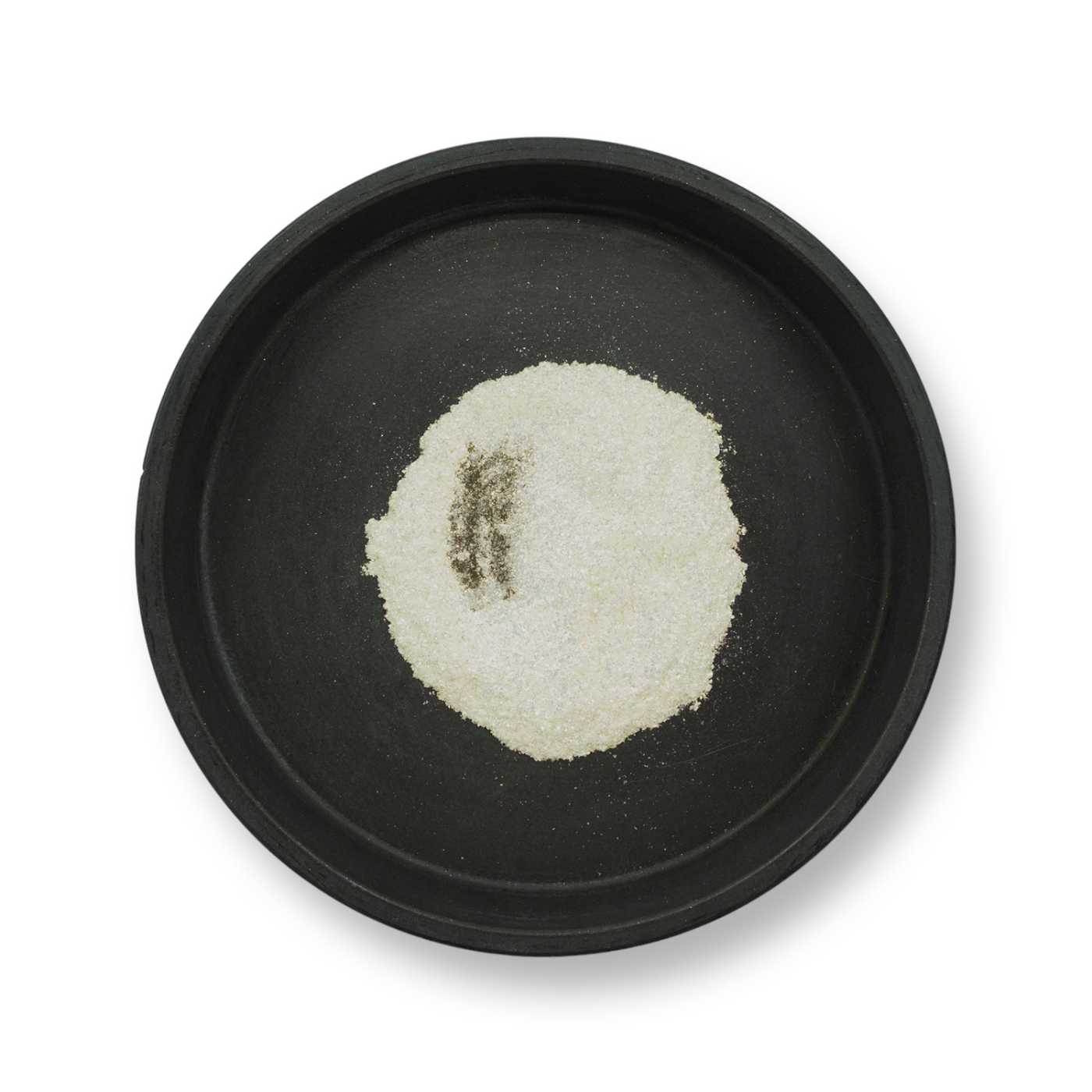
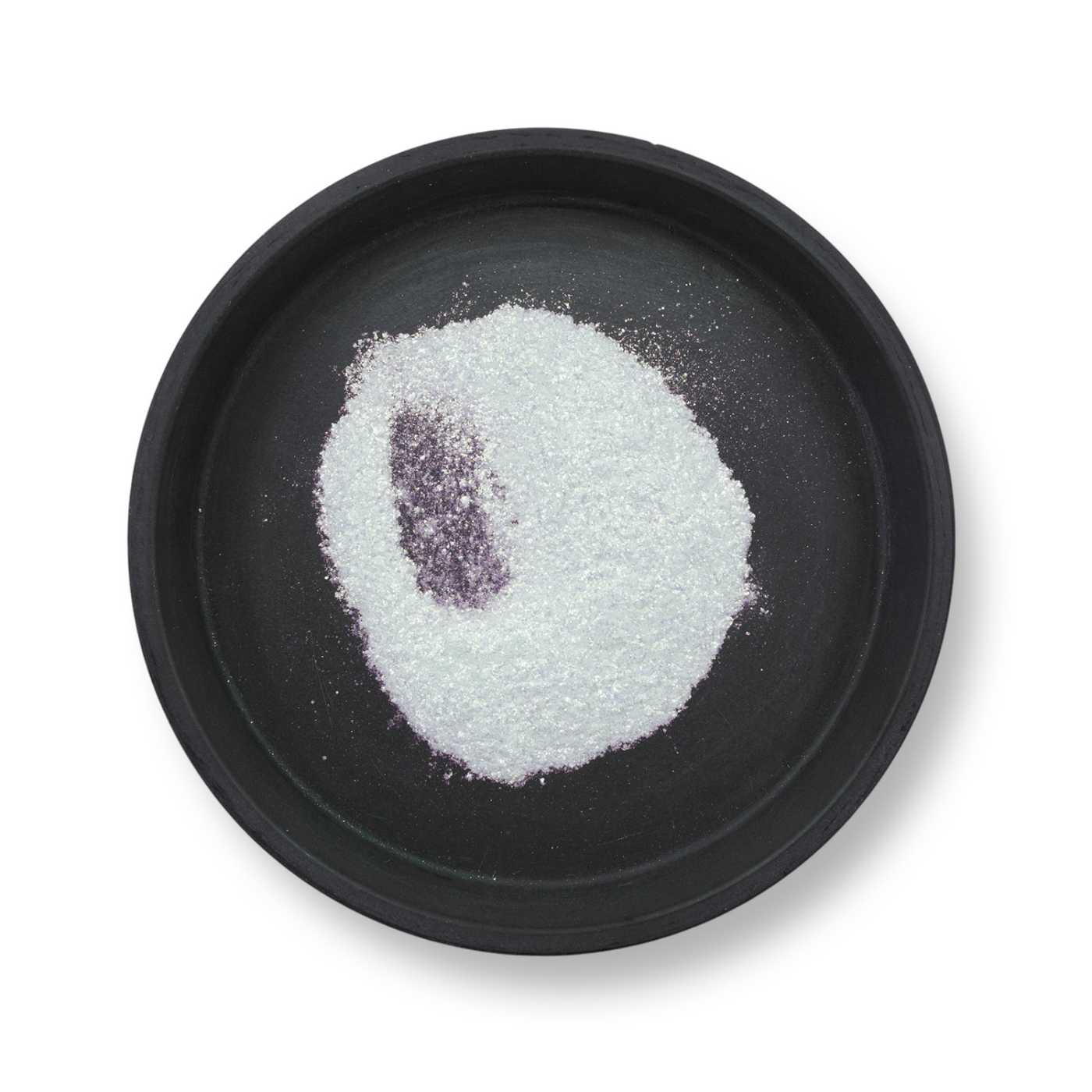
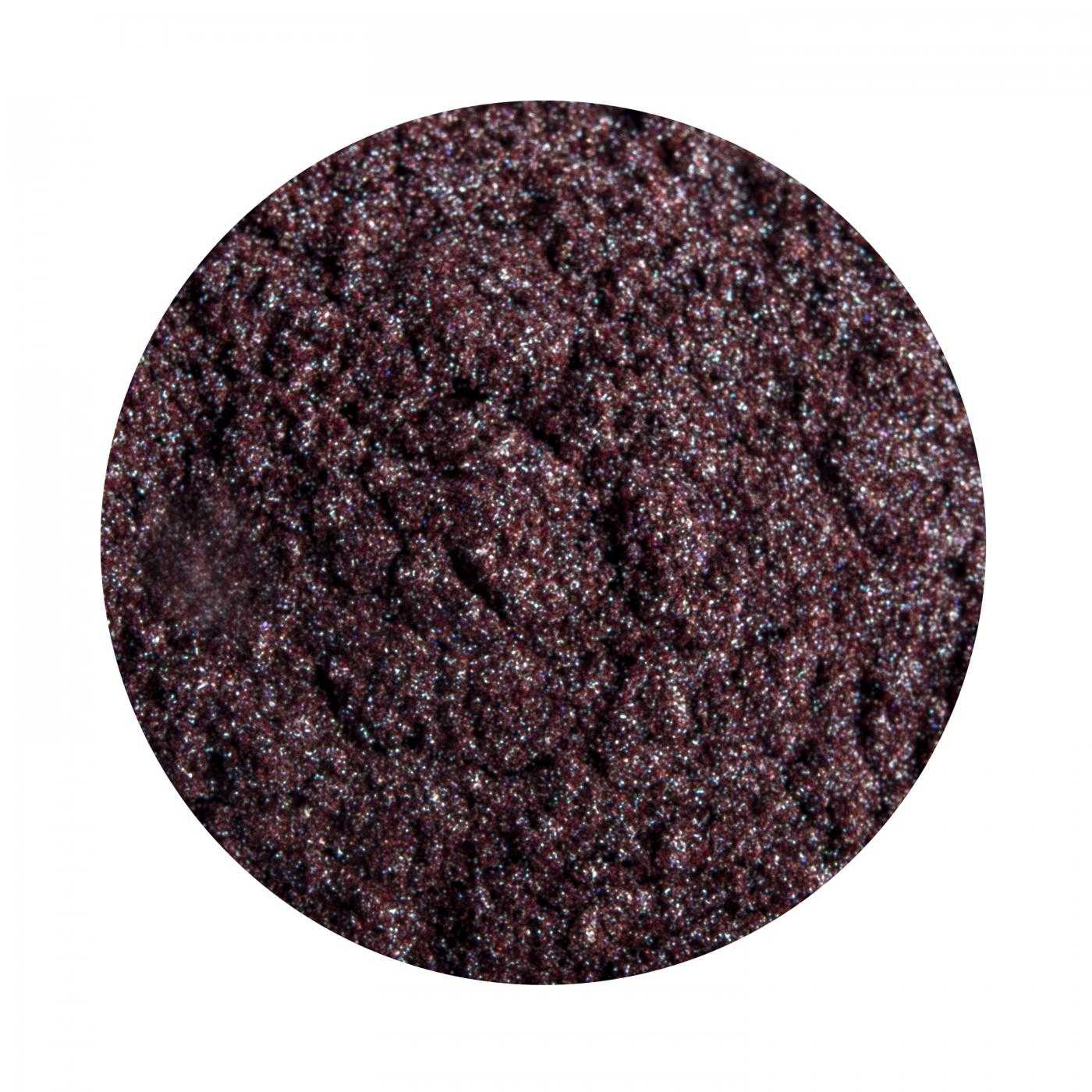
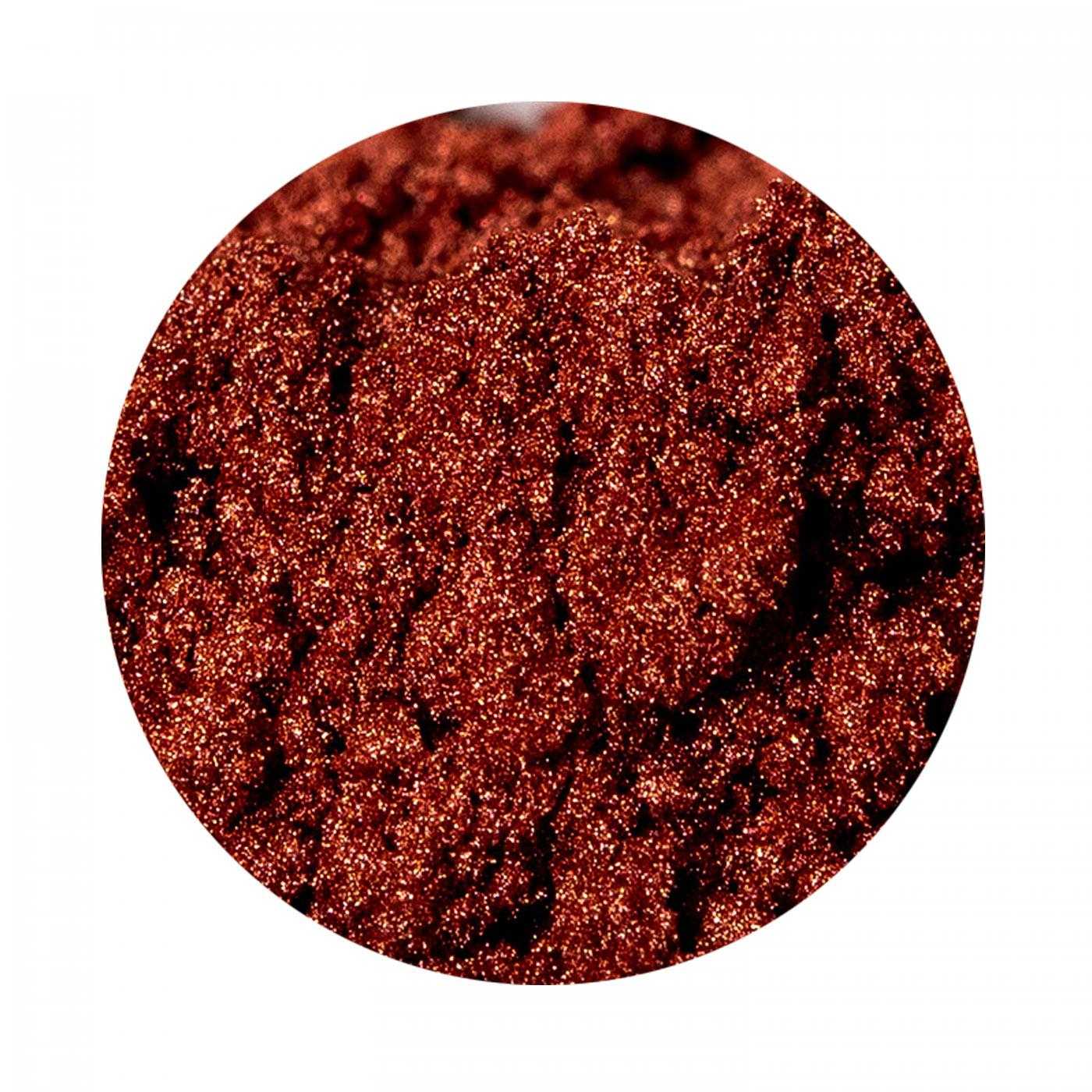
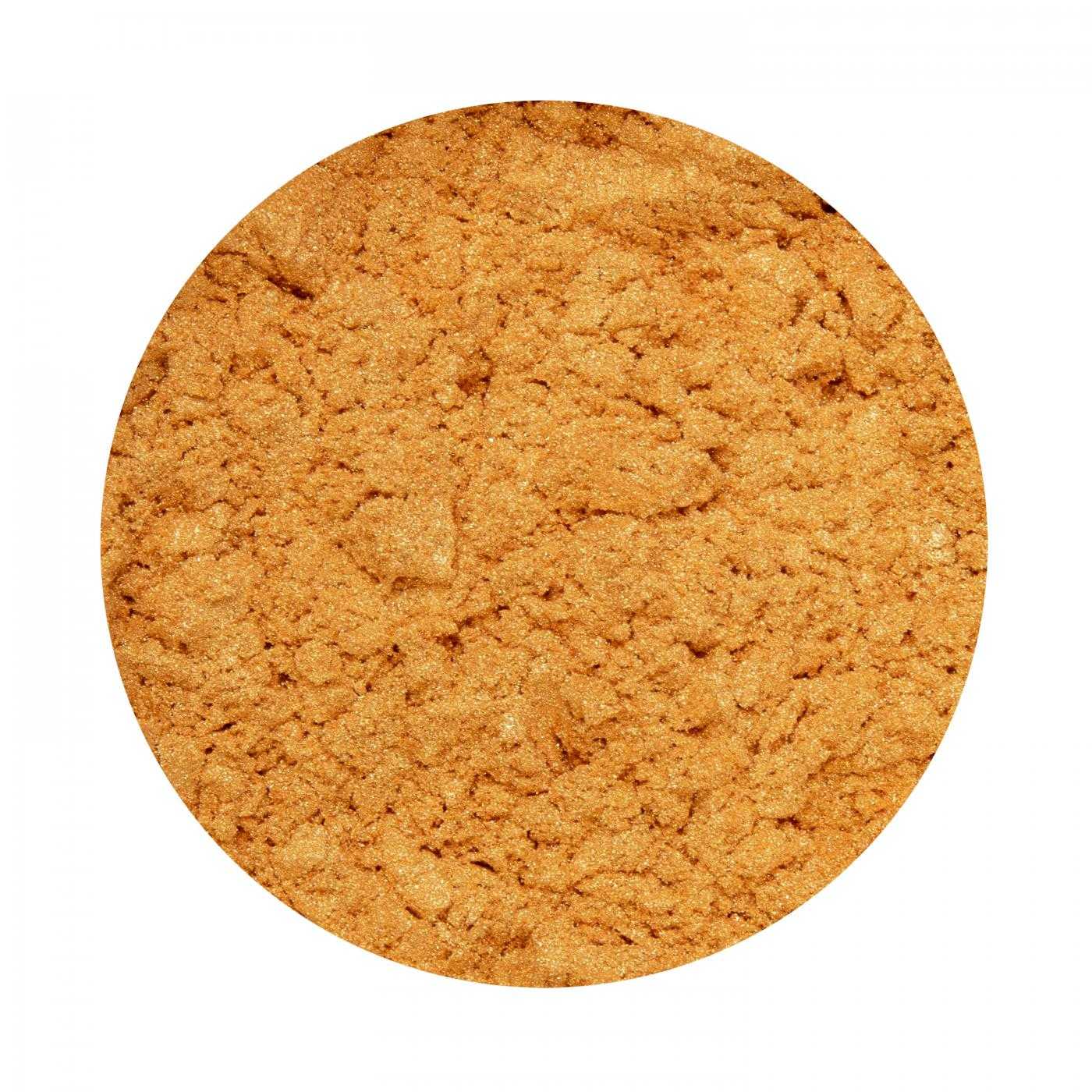
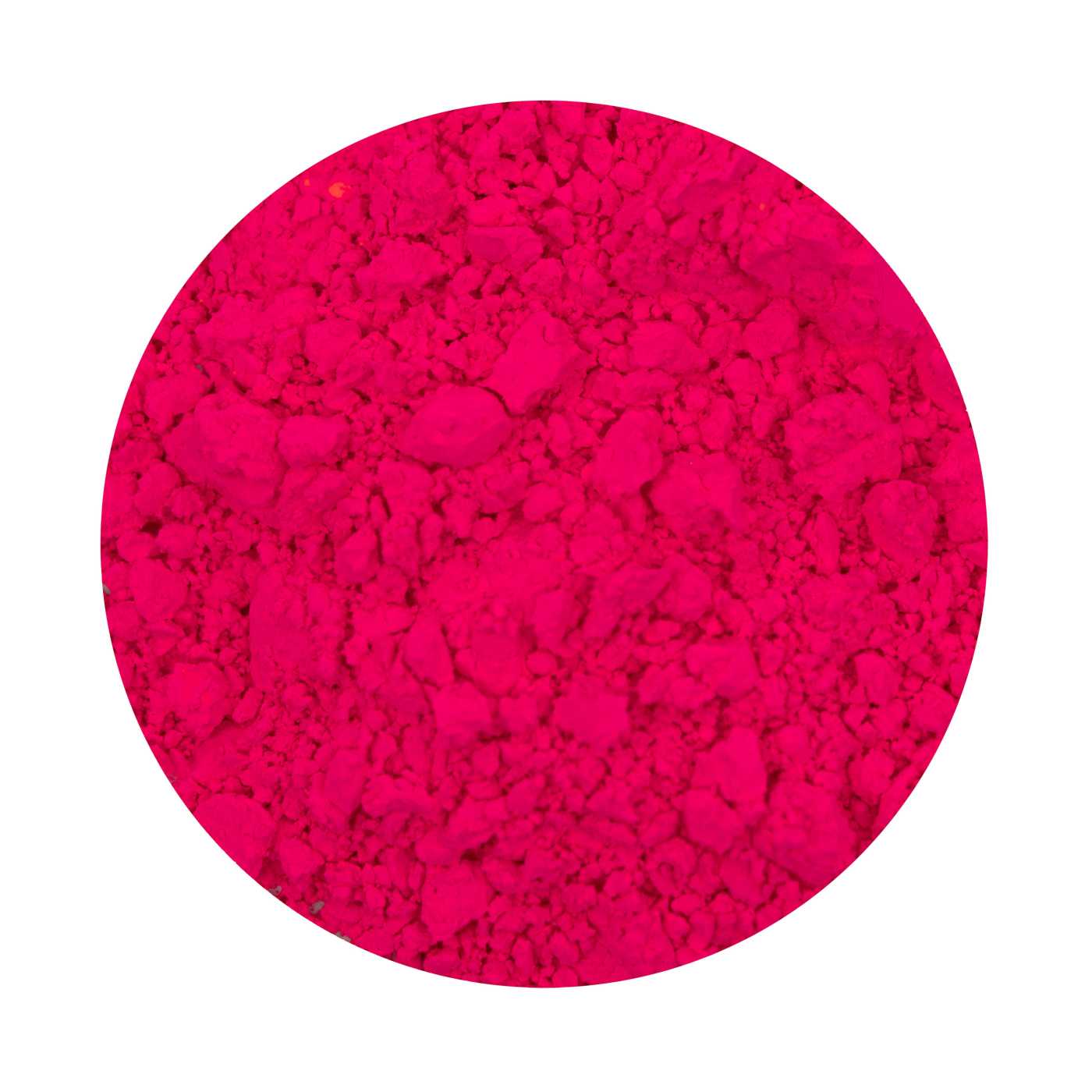
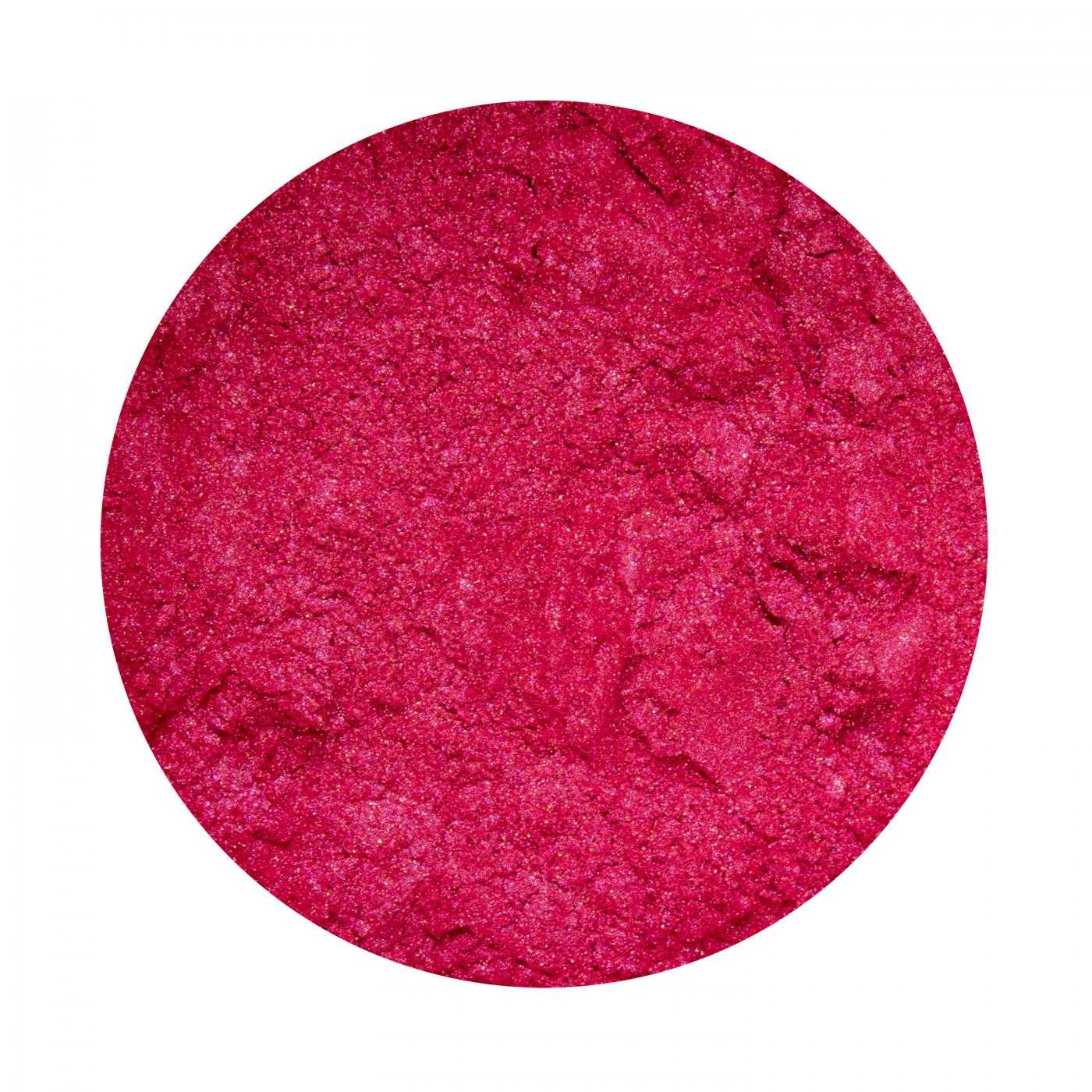
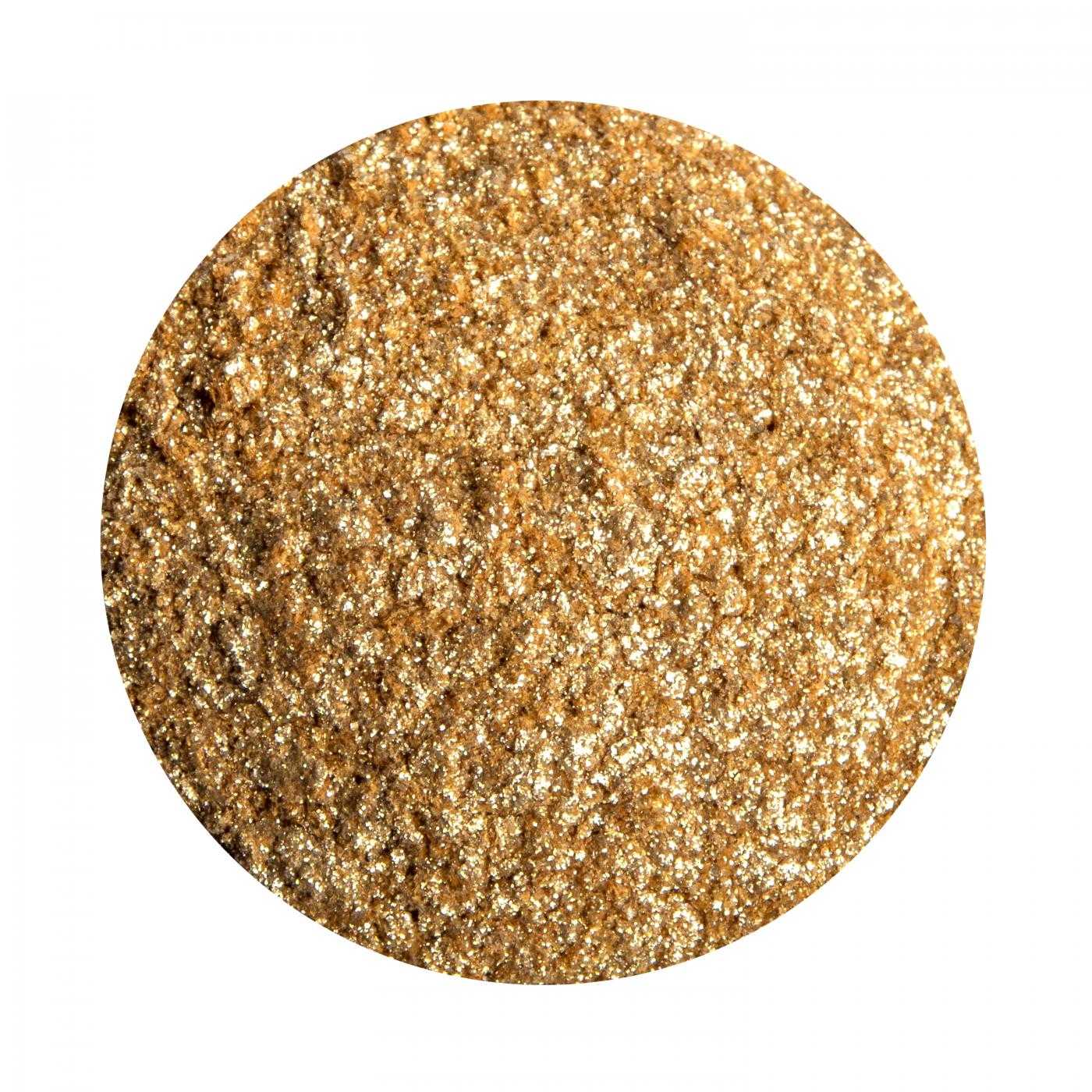
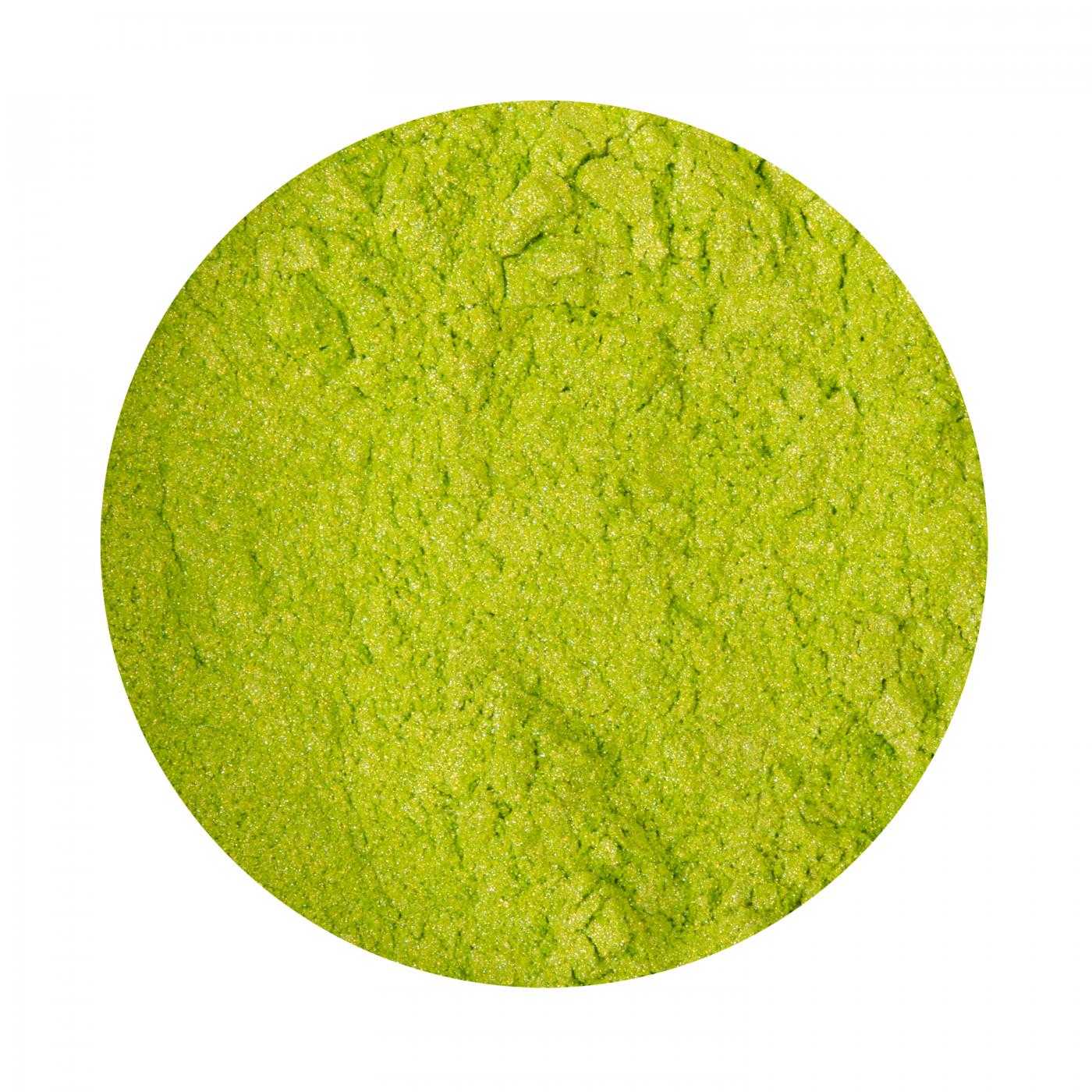
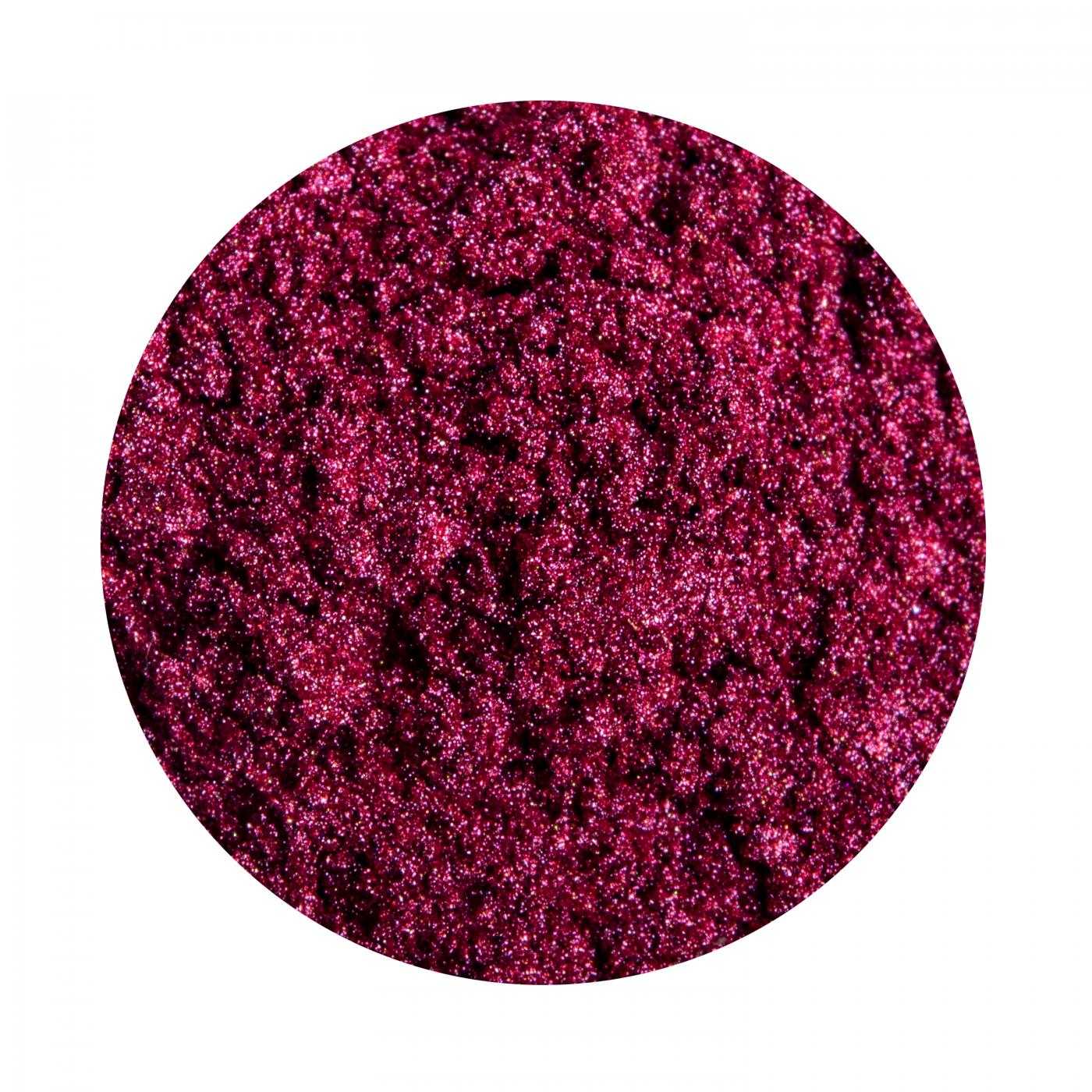
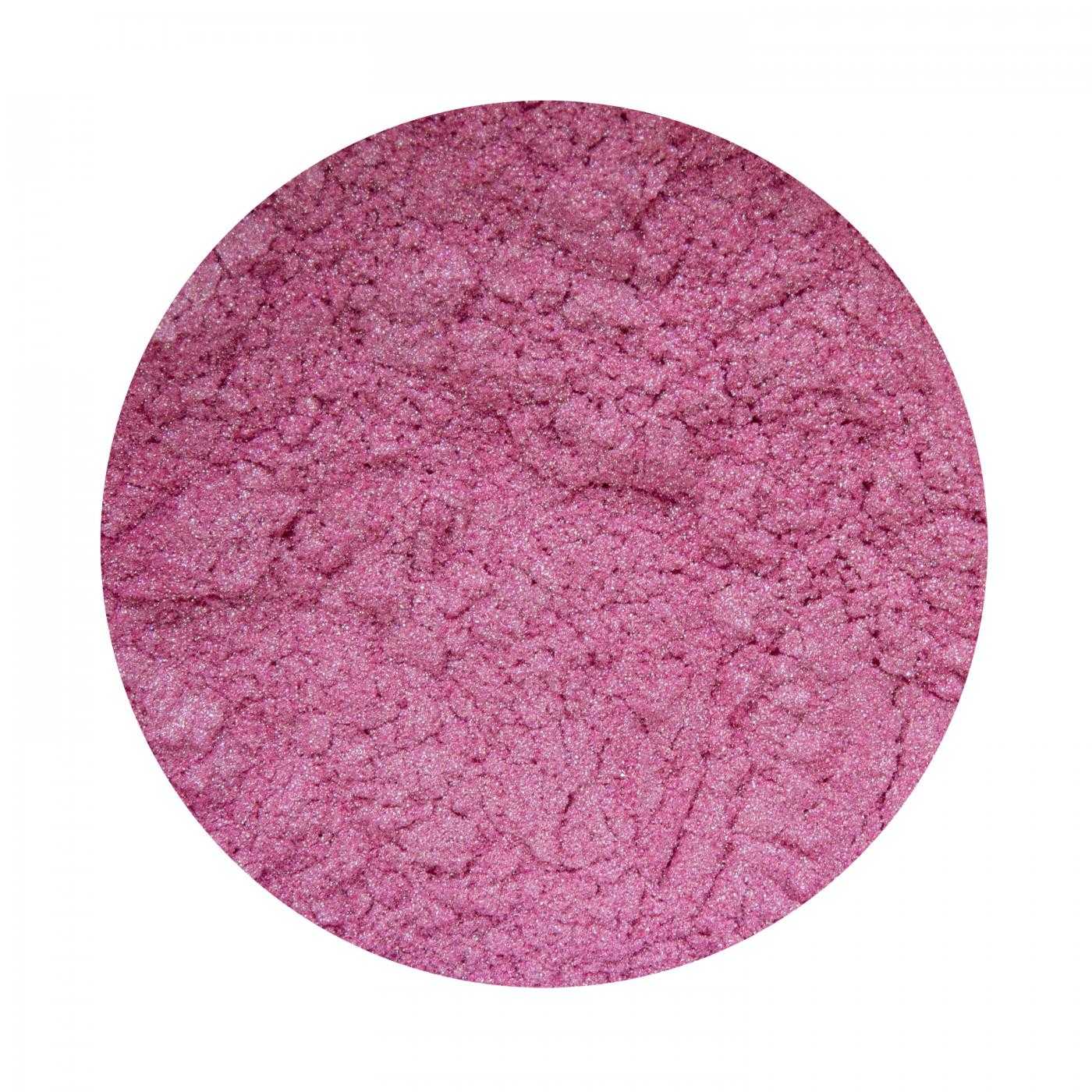
EcoSparks Reflection Dual-Color Pigment, Gold, 10 g
€3.14(€314.00/kg)

COSMETIC GLITTERS

Pack size10 g100 g
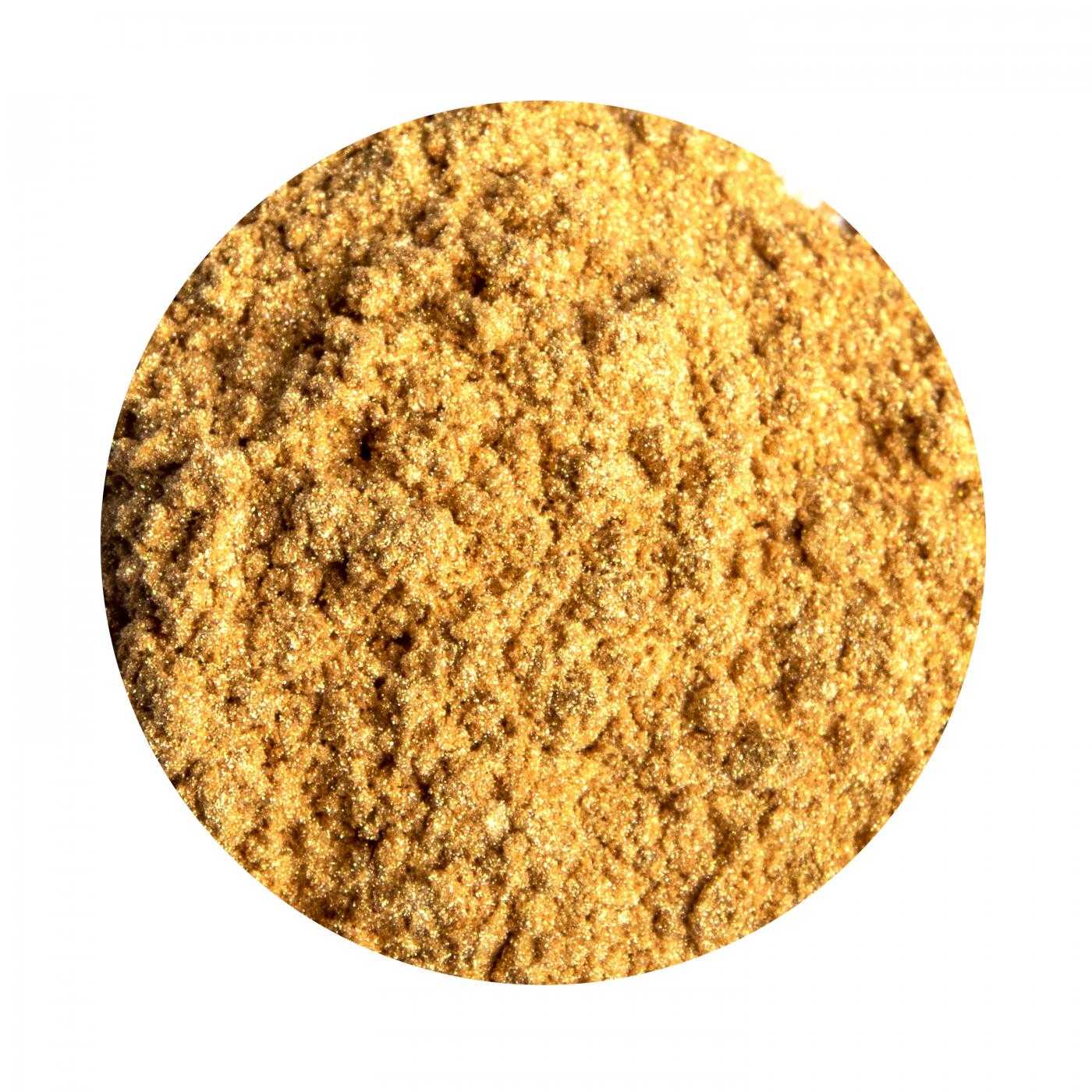
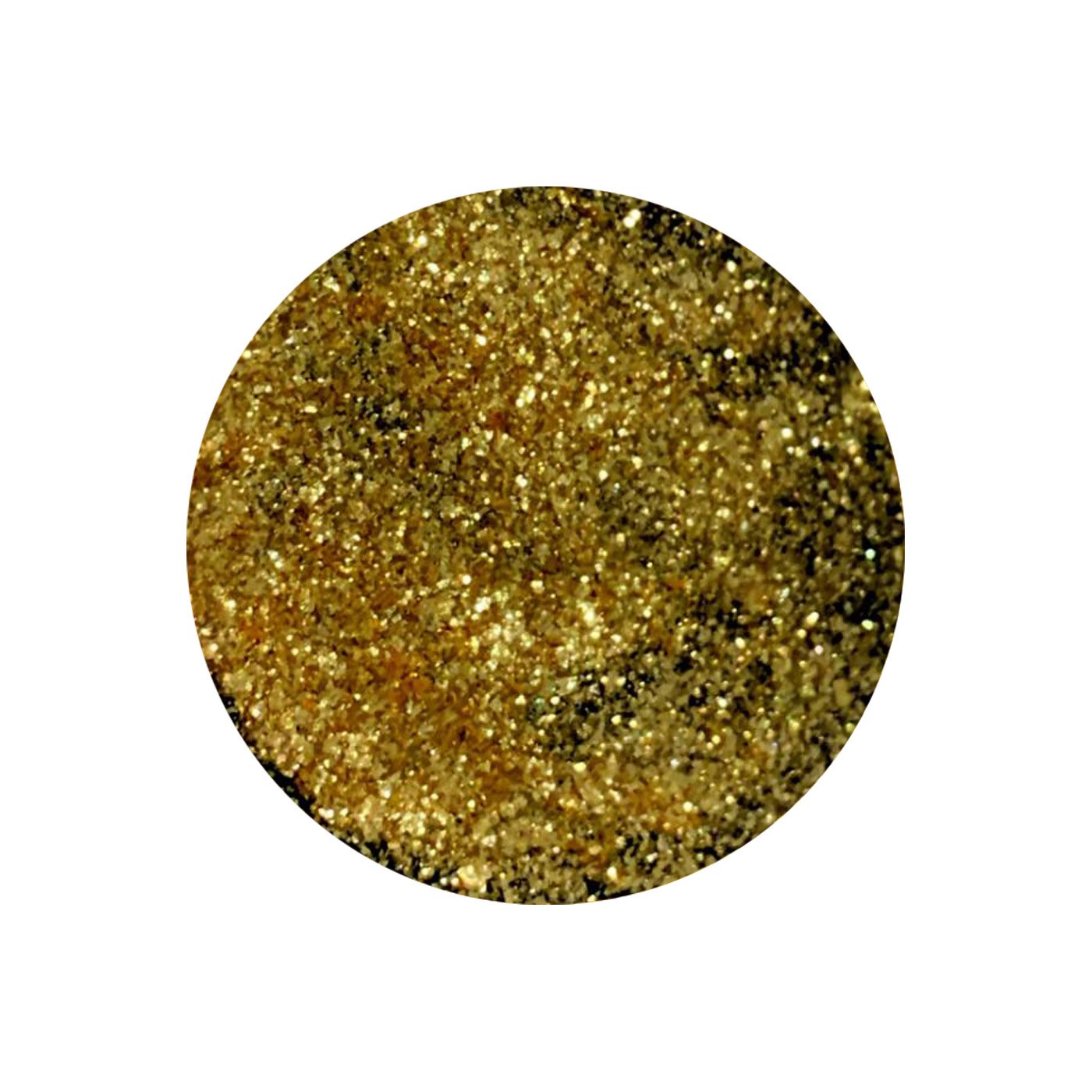
Gold cosmetic glitter is mineral glitter of European origin. In a product it creates clearly visible gold sparkles and is used in decorative cosmetics for the face and lips. full description
Lowest price in the last 30 days: €26.24
Gold cosmetic glitter is mineral glitter of European origin. In a product it creates clearly visible gold sparkles and is used in decorative cosmetics for the face and lips.
The base is synthetic fluorphlogopite, a synthetic mica that makes up 85–95% of the raw material. Its flat platelets carry a thin surface layer of titanium dioxide and red iron oxide. Light is reflected from these layers, and the platelets glint with every movement. The gold shade comes from the combination of both oxides.
The character of the effect is determined by particle size. On average it is 80–400 µm, which is considerably more than in pearlescent pigments. Once spread, the glitter forms a metallic, glossy gold layer on the skin, with individual sparkles glittering above it.
The glitter is a dry, free-flowing, odourless powder and does not contain nanomaterials.
The glitter does not dissolve; it only disperses. It is dispersible in oil, in water and in glycols, so it can be incorporated into anhydrous balms and glosses, gels and emulsions. It is added during the cooling phase or afterwards to the finished product. Stir until it is evenly dispersed.
The temperature during production does not damage it. Thermal stability reaches up to 800 °C, which is far above the temperatures at which waxes and butters melt or emulsion phases are heated.
In water-based products it is worth monitoring the pH. The recommended pH range of the finished product is 6.0–9.0. In more acidic formulations, check the appearance and stability on a small sample.
The glitter has an oil absorption of 65–85 g per 100 g of powder. In anhydrous balms and lip glosses, at a higher usage rate it may bind part of the oil and slightly thicken or dry out the texture. Take this into account when adjusting the recipe.
The glitter is suitable for all skin types. It also works well in glycerine soap; in cold process soap, first check the colour stability on a small batch.
The dye meets the requirements of Annex IV of Regulation (EC) No 1223/2009, including the purity criteria and heavy metal limits. The product is not classified as hazardous under the CLP Regulation.
The raw material is supplied microbiologically clean, with a total microbial count below 100 CFU/g. When mixing it into the finished product, therefore work with clean tools so that no contamination is introduced afterwards.
Do not inhale the dust when weighing and transferring the powder. Use a dust respirator and eye protection, and wash your hands before and after work.
Only customers with a delivered order can write reviews.