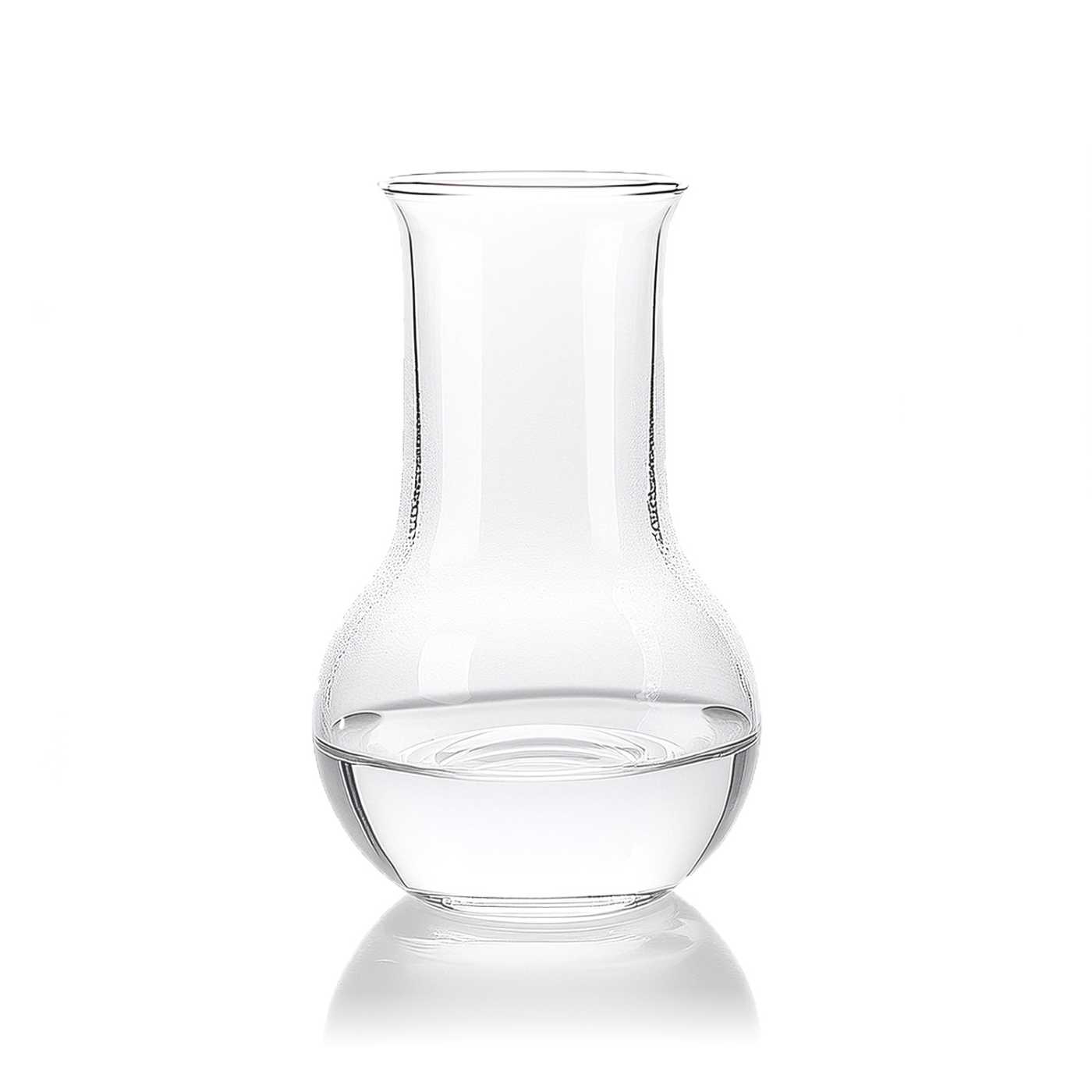
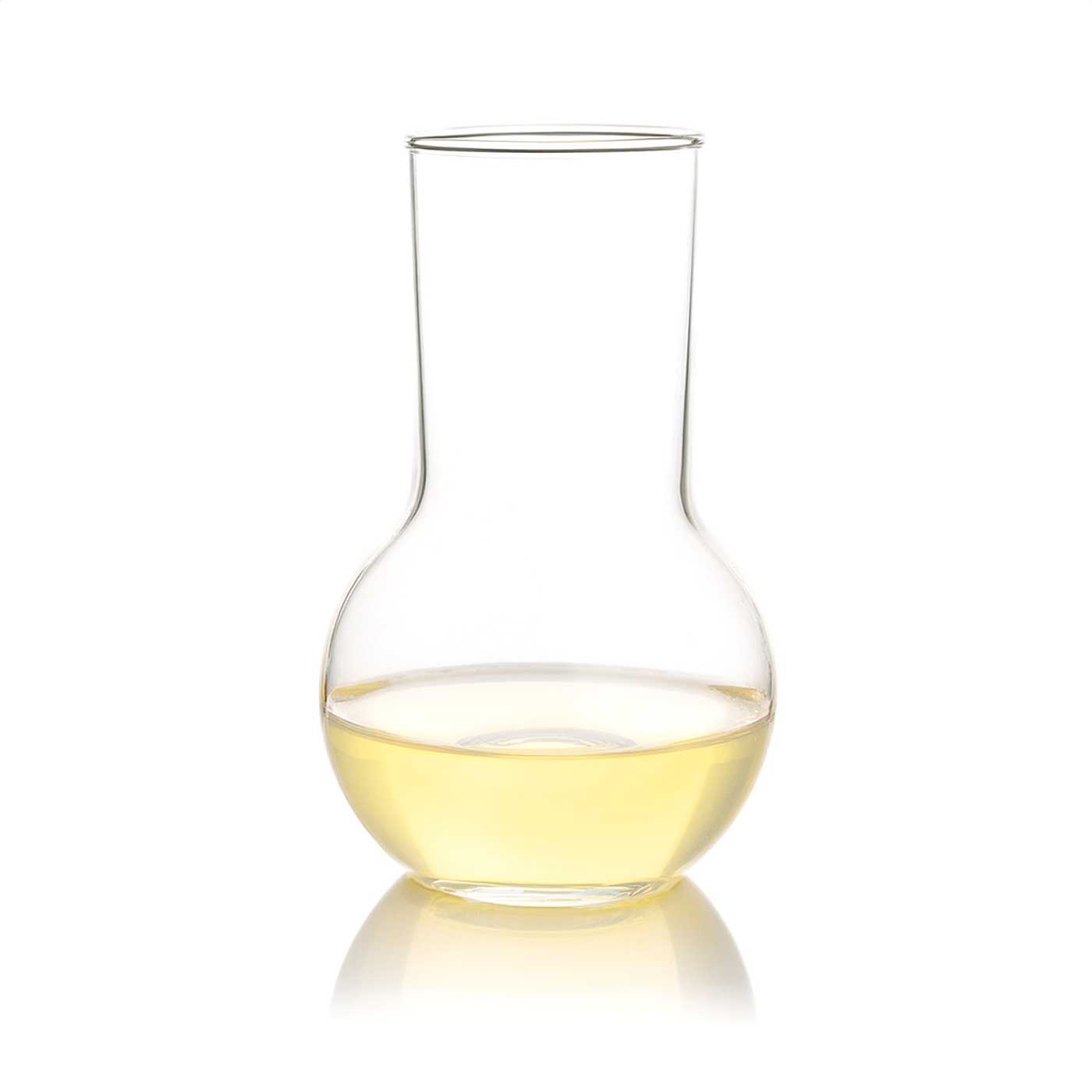
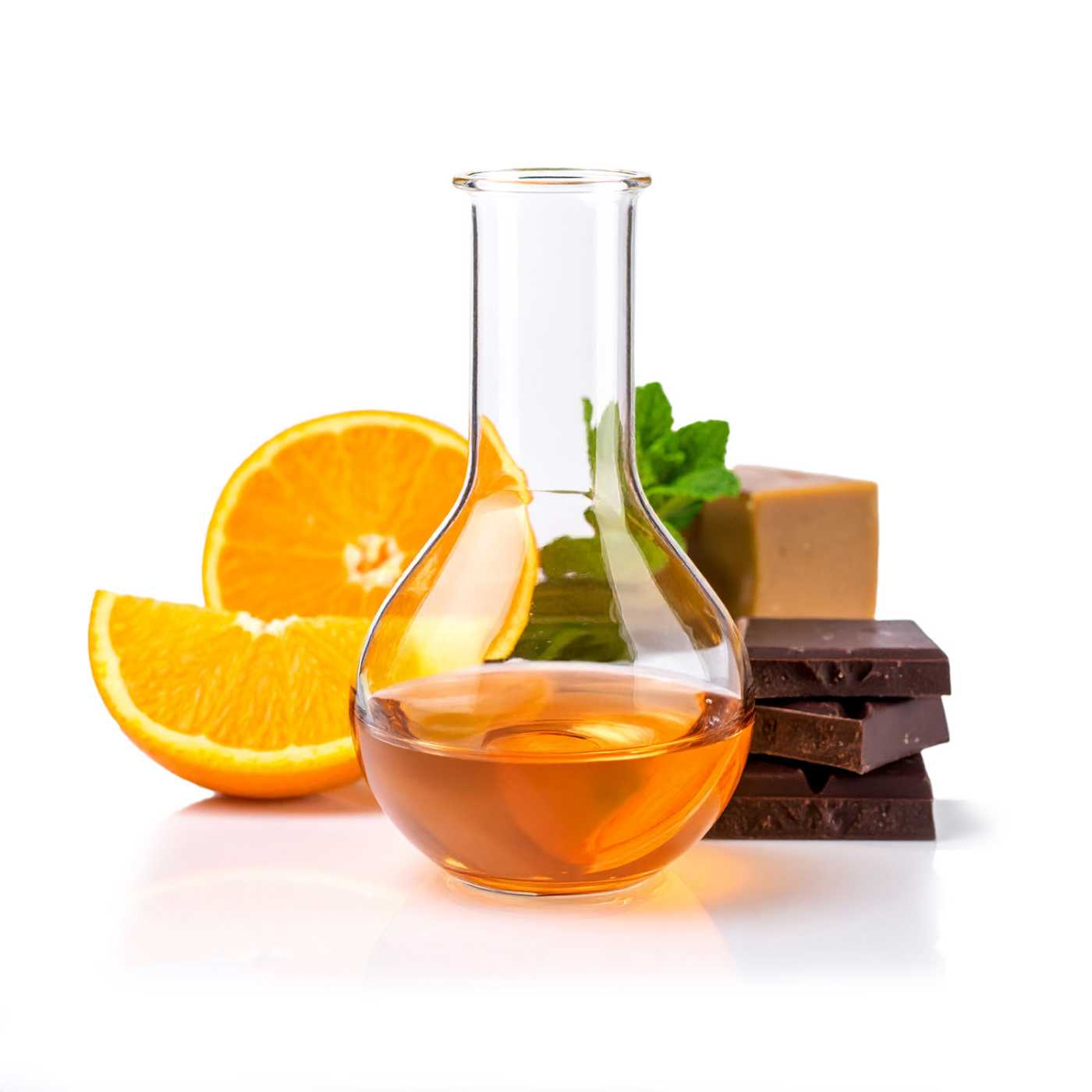
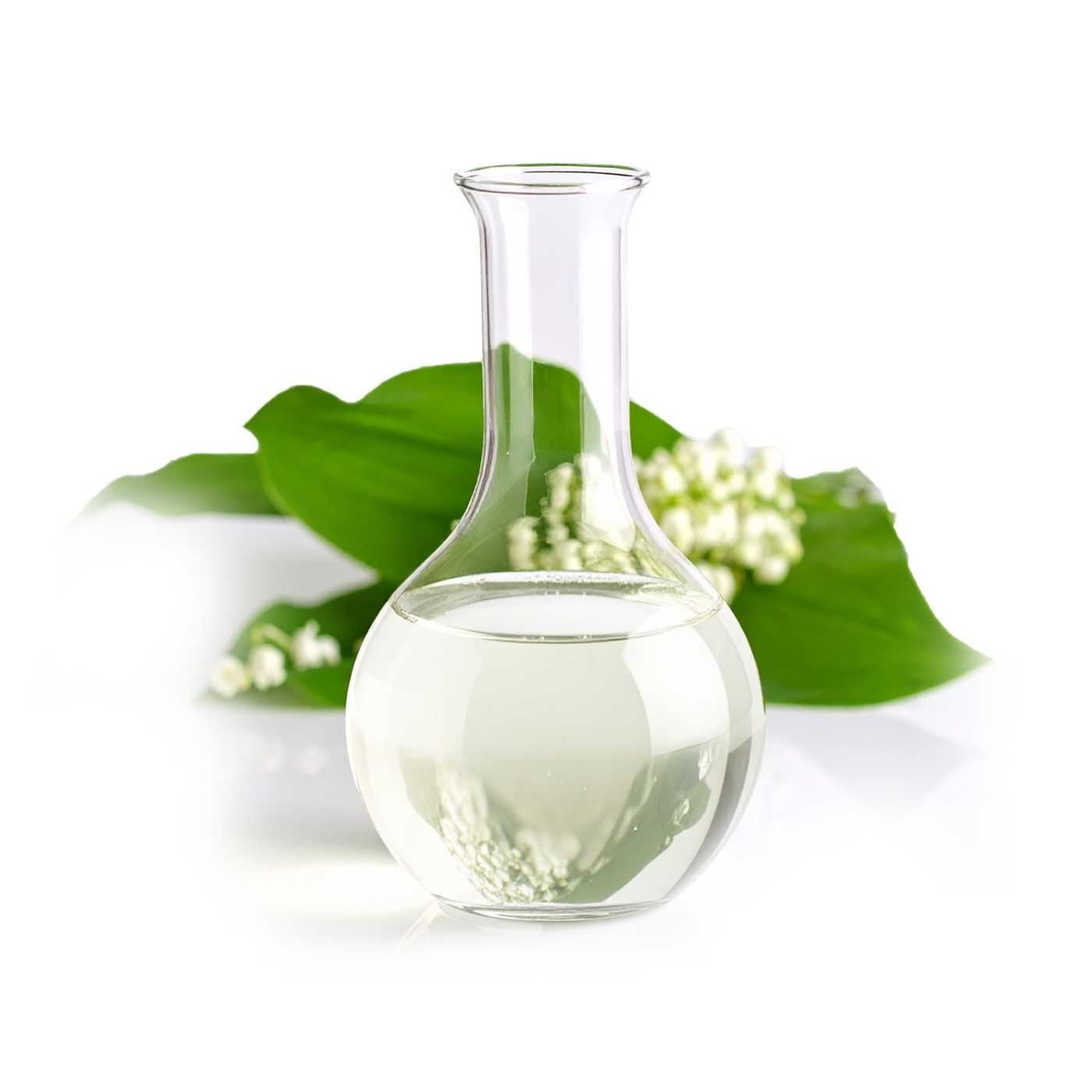
Dipropylene glycol (dipropylene glycol) retains moisture in a formulation and at the same time dissolves components that are otherwise difficult to dissolve in water on their own. In cosmetics it works as a humectant, in fragrance blending as a carrier for perfume compositions and fragrance oils. In a formulation it therefore serves three roles at once: binding water, diluting and carrying active and fragrance components.
It suits manufacturers thanks to its low volatility, nearly neutral odour and miscibility with both water and alcohol. Dosage ranges from 1% to 50%, making it useful as a minor addition to the water phase as well as the main diluent component for fragrance oils in diffusers.
Key properties
- Stable moisture in the product – maintains the water content of the preparation at a consistent level regardless of temperature and humidity fluctuations. Creams, lotions and tonics dry out less and support skin hydration.
- Solvent and carrier – dissolves perfume compositions, fragrance oils and active ingredients that would otherwise be difficult to incorporate into a water base. It serves the same purpose in deodorants, antiperspirants and lip products.
- Low volatility and virtually no odour – does not mask the scent of the finished product and evaporates more slowly than ethylene glycol.
- Lower hygroscopicity – attracts less moisture from the air compared to diethylene glycol and ethylene glycol.
- No CLP classification – the substance is not classified as hazardous, is readily biodegradable (OECD 301) and is suitable for vegan cosmetics.
Use in formulation
It is added to the water phase: in emulsions before emulsification, in cold-process manufacturing directly into the water part of the formula. It tolerates processing at temperatures up to 80 °C, making it suitable for hot-process creams as well as cold-mixed products. The recommended pH range for the formulation is 5.0 – 7.5.
The recommended dosage is 1 – 50%. The lower end of the range corresponds to the role of humectant in creams, tonics and lotions. The upper end is reserved for diluting fragrance compositions for diffusers and fragrance sprays, not for facial emulsions.
When diluting fragrance oils, start with a smaller proportion of fragrance and observe whether the mixture remains clear. Aliphatic and terpene hydrocarbons do not mix or only mix to a limited extent with dipropylene glycol, so verify the solubility of a specific fragrance on a small sample.
In W/O (water-in-oil) emulsions it also acts as a solubiliser. It is compatible with common cosmetic raw materials without restriction and, being colourless itself, does not affect the shade of the product.
Suitable for products such as
- Facial care – tonics, serums, creams and lotions, where it retains moisture and facilitates the incorporation of active ingredients.
- Diffusers and aromatherapy – diluent for fragrance oils in reed diffusers and fragrance sprays.
- Deodorants and antiperspirants – carrier of active ingredients and fragrances in sticks and roll-on products.
- Shower and bath products – water phase supplement in shower gels and foaming bath products.
- Soaps – helps incorporate fragrance components into the mass.
- Lip care and decorative cosmetics – solvent and humectant in balms, glosses and pigmented products.
Good to know
Dipropylene glycol is a synthetic raw material. Chemically, it is produced by condensation of 1,2-propylene glycol and is supplied as a mixture of isomers. It is therefore not suitable for formulations intended to meet natural cosmetics requirements.
The raw material is free of preservatives, parabens, phthalates and palm oil and contains none of the fragrance allergens listed in Annex III of the cosmetics regulation. It holds Kosher and Nordic Swan Approved certifications, opening it up to formulations with eco-labelling requirements.
Frequently asked questions
Is Dipropylene glycol soluble in water?
Yes, Dipropylene glycol mixes with water in any ratio. It also mixes well with alcohol and common organic solvents. It does not mix, or mixes only to a limited extent, with aliphatic and terpene hydrocarbons, so for fragrance oils with a high terpene content we recommend verifying solubility on a small sample.
What is Dipropylene glycol used for in cosmetics?
Dipropylene glycol serves as a humectant, solvent and carrier. It retains moisture in creams, tonics and lotions, dissolves perfume compositions and active ingredients and transfers them into the water base. It is also used in deodorants, lip products, soaps and as a diluent for fragrance oils in diffusers and fragrance sprays.
What percentage of Dipropylene glycol is added to a cream?
Dipropylene glycol is added to creams and lotions at the lower end of the recommended range, where it acts as a humectant. The total recommended dosage range is 1 – 50%. The upper limit is mainly used for diluting fragrance compositions and diffuser bases, not for facial emulsions. It is used in the water phase at pH 5.0 – 7.5.
Can Dipropylene glycol be added at elevated temperature?
Yes, Dipropylene glycol tolerates processing up to 80 °C. It is added to the water phase before emulsification or, in cold-process manufacturing, directly into the water part of the formula. It has low volatility, so it does not evaporate significantly from the phase during heating and the water content of the formulation remains stable.
Does Dipropylene glycol require a safety data sheet?
No, Dipropylene glycol is not classified as a hazardous substance under the CLP regulation, so a safety data sheet is not required for it under Article 31 of the REACH regulation. The substance is registered under REACH, is not listed among SVHCs and has no CMR classification. The manufacturer nevertheless has a safety data sheet available.
Is Dipropylene glycol suitable for natural cosmetics?
No, Dipropylene glycol is a synthetic raw material and is not suitable for formulations with natural composition requirements. It is, however, vegan, free from GMOs and palm oil, not classified as hazardous under CLP and readily biodegradable according to OECD 301. It also holds Kosher and Nordic Swan Approved certifications.