Spend over €100 for discounted shipping!

+421 950 333 113[email protected]

THICKENERS

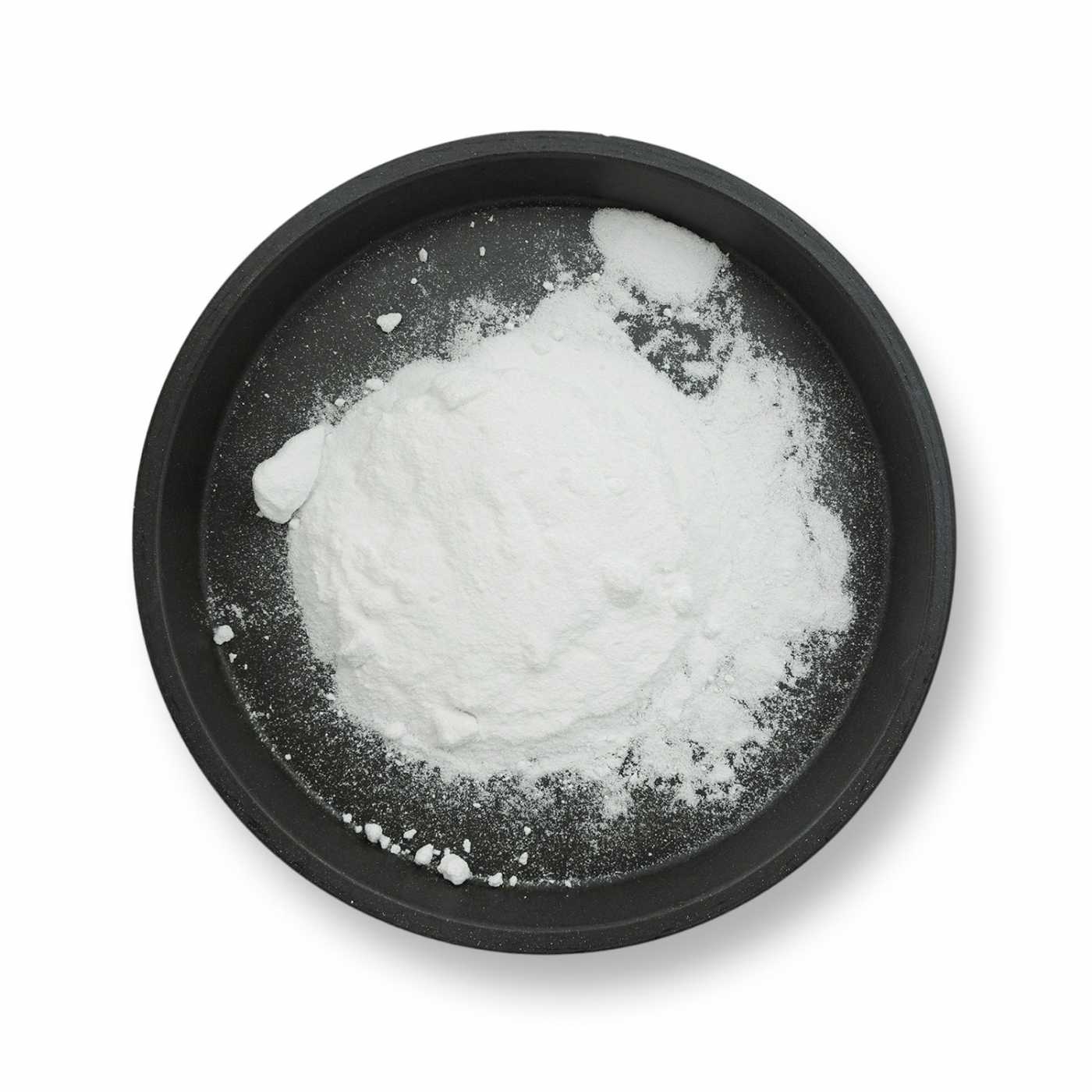
Hydroxypropyl Methylcellulose, 50 g

Pack size50 g100 g500 g1 kg5 kg

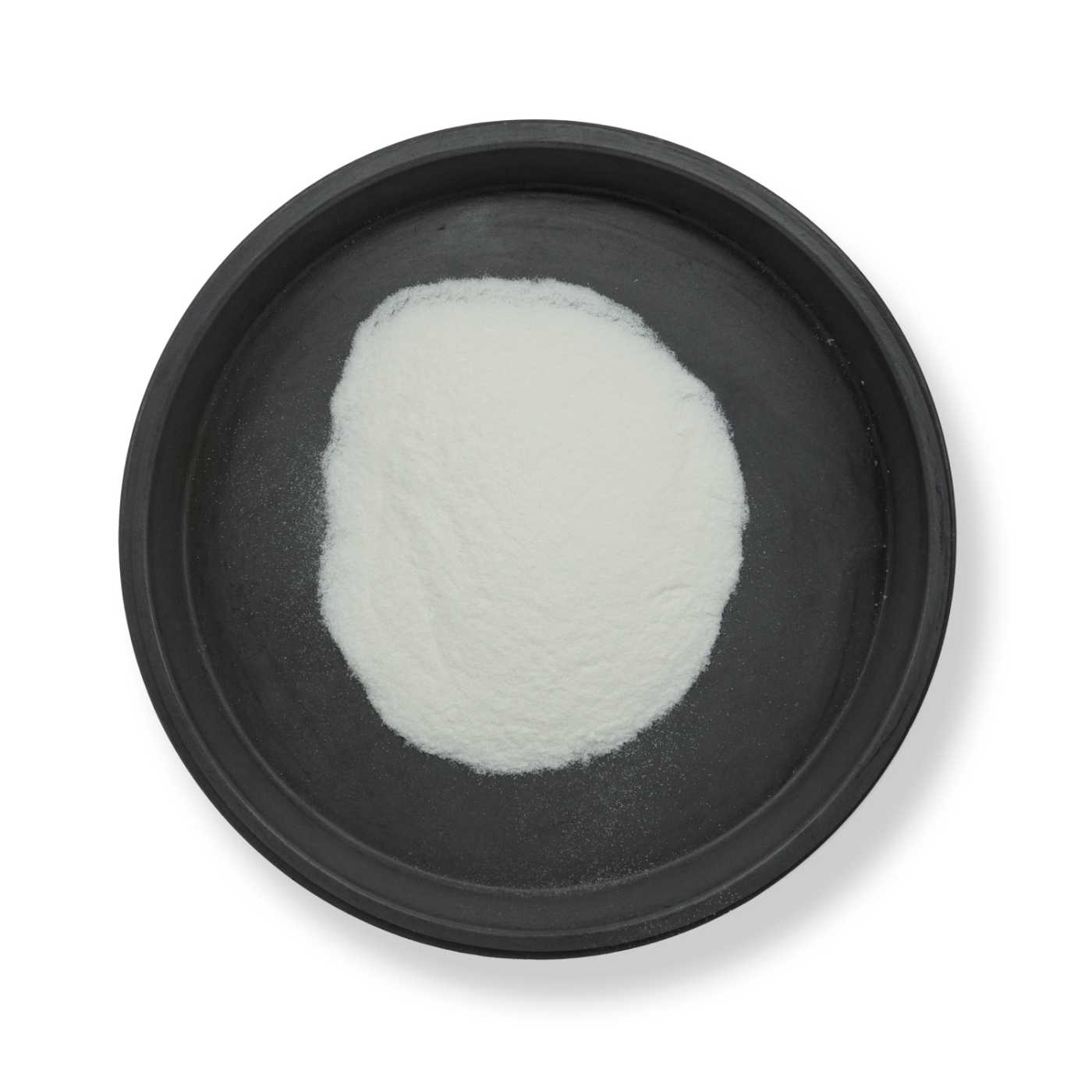
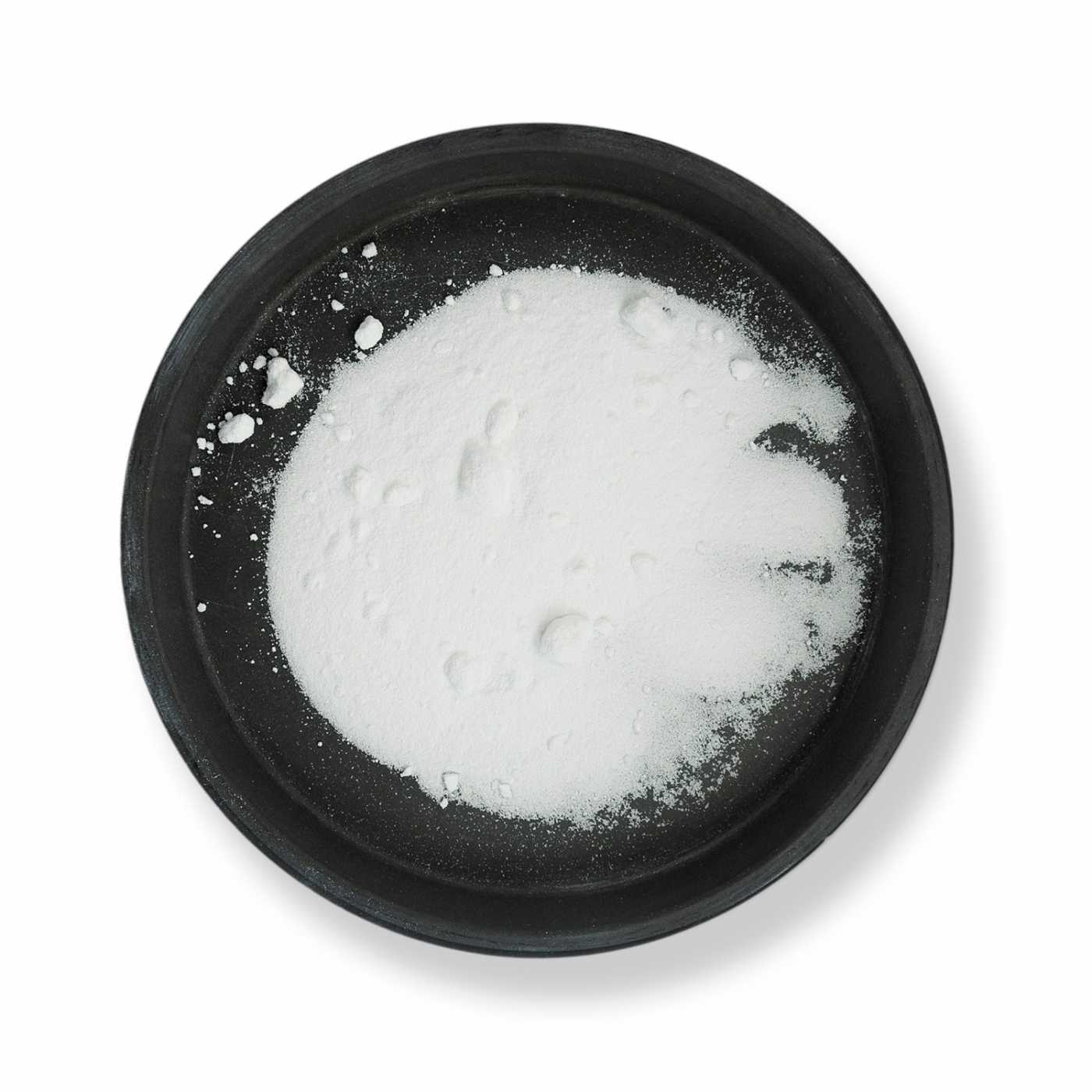
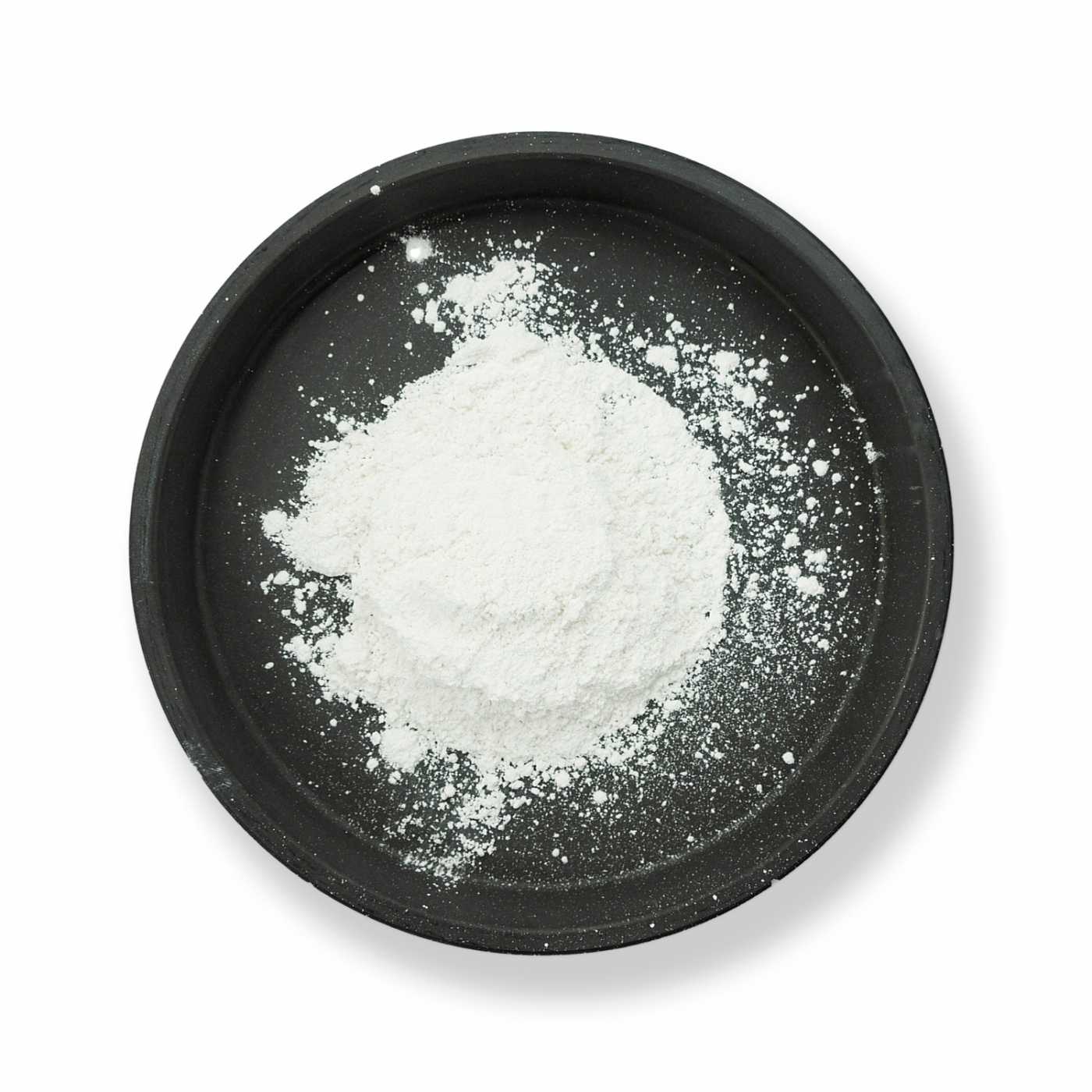
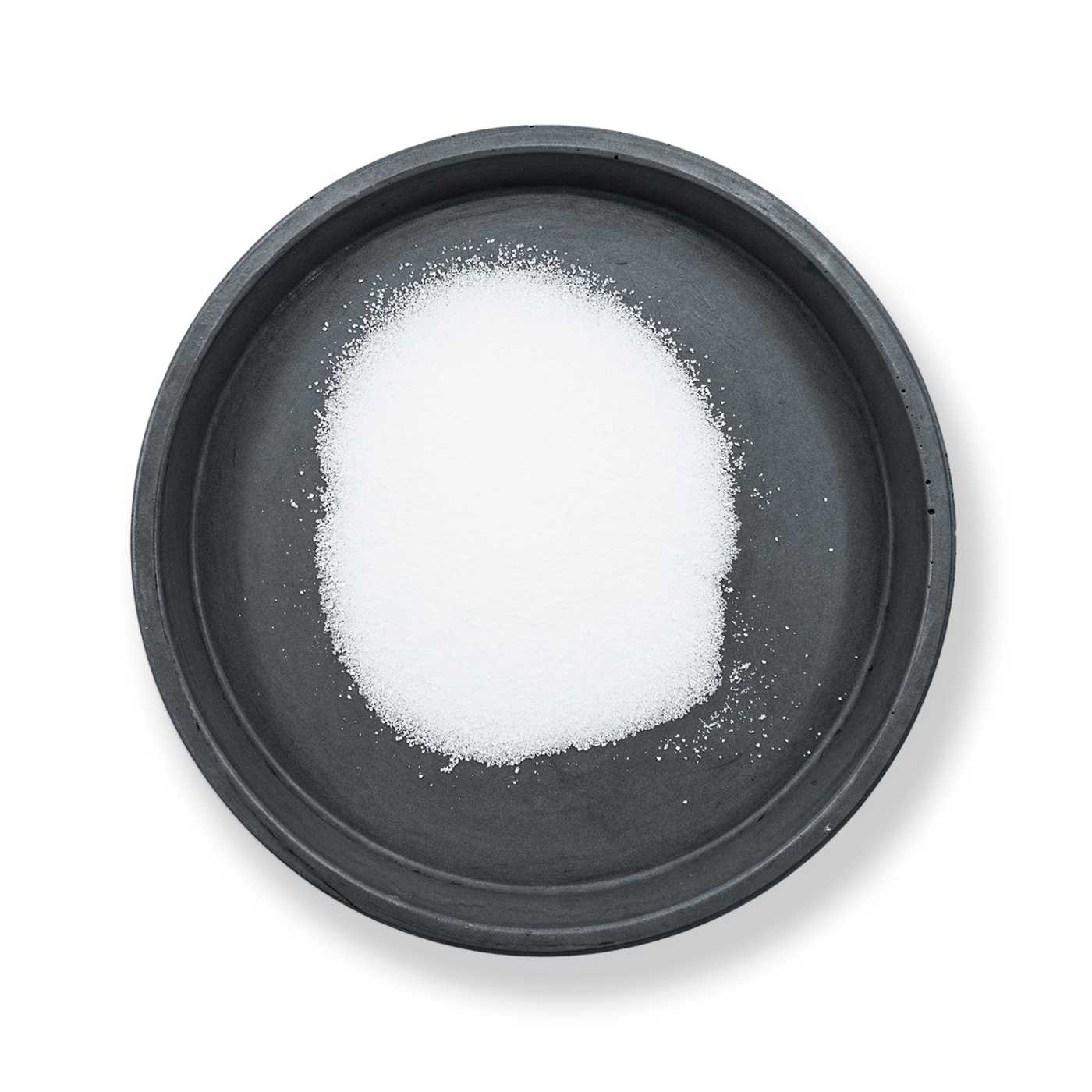
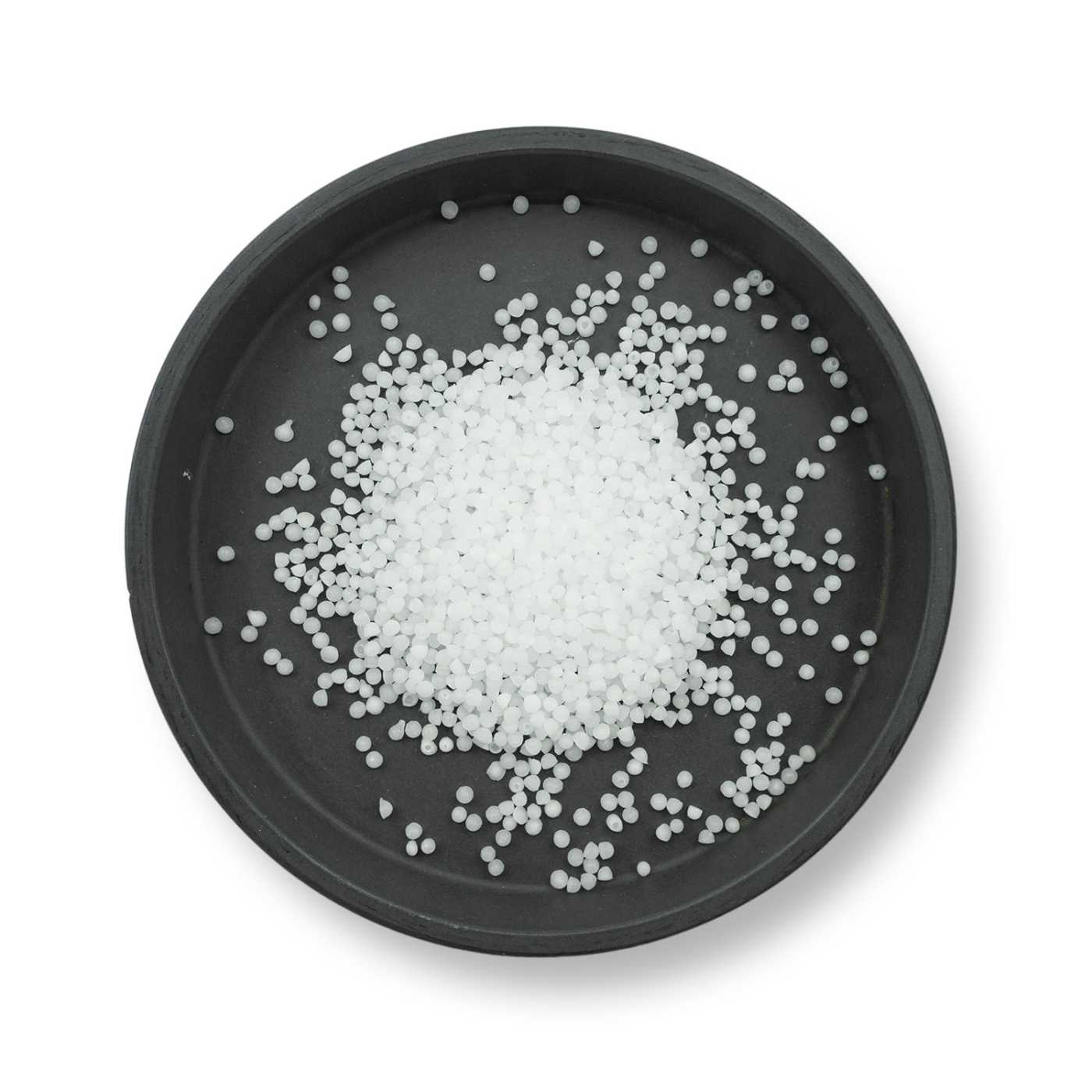
Hydroxypropyl methylcellulose (abbreviated HPMC) thickens aqueous formulations and gives them a smooth gel consistency. full description

AvailabilityIn stock · 228 packs
Product codeSTA014_50
Batch2309626
Best before06/2029
€4.69incl. VAT€93.80/kg

Lowest price in the last 30 days: €4.69

Product description

Hydroxypropyl methylcellulose (abbreviated HPMC) thickens aqueous formulations and gives them a smooth gel consistency. In a formulation it acts as a thickener and consistency stabiliser: it holds the gel in shape, slows down dripping and helps keep the other ingredients evenly dispersed. It works without neutralisation, so viscosity does not depend on pH adjustment with a base as with carbomers.

Suitable for thickening tonics, facial gels or aqueous carriers for active ingredients, where the formulation should remain light yet hold its shape.


Key properties

  • Thickening without neutralisation – viscosity develops through dissolution in water alone; no pH adjustment or additional activating ingredient is required.
  • High efficiency – a 2 % aqueous solution reaches a viscosity of 10 000 – 20 000 mPa·s, so a low usage level is sufficient for noticeable thickening.
  • Stability across a common pH range – the recommended formulation pH range is 5.0 – 8.0, covering most facial care recipes.
  • Not classified under CLP – the substance is not classified as hazardous under the CLP Regulation.

Use in formulation

Hydroxypropyl methylcellulose belongs in the aqueous phase. The recommended usage level is 0.5 – 3 % depending on the desired consistency. The lower end is sufficient for slightly thickening a tonic or spray; the upper end gives a thick gel that holds its shape in a jar.

When dissolving, the most important thing is to prevent lumps from forming. The powder must not be poured all at once into standing water. The proven approach is to sprinkle it slowly into water while stirring continuously and vigorously, or to pre-mix it first with glycerin or another non-aqueous ingredient in the formulation, and only then add water. Once dispersed, the solution is left to rest until the cellulose swells fully and the viscosity stabilises. Assess the final thickness only after hydration is complete, not immediately after mixing.

If lumps form during dissolving, pre-mix the powder with glycerin or another non-aqueous ingredient in the formulation and add water gradually while stirring.

The thickened base can be further combined with water-soluble active ingredients and hydrolates. Verify compatibility with specific surfactants, electrolytes and preservatives in the finished formulation to confirm that the gel viscosity remains stable after their addition.


Suitable for products such as

  • Facial gels and gel serums – carrier for water-soluble active ingredients, where thickening makes application easier without dripping.
  • Thickened tonics and hydrolate gels – a low usage level gives a liquid tonic slight body so it does not run off the palm.
  • Gel masks and wraps – a higher concentration creates a thick gel that stays on the skin during the treatment time.
  • Aqueous bases for diluting further ingredients – a gel base into which extracts or water-soluble dyes can be mixed.

Good to know

Hydroxypropyl methylcellulose works only in an aqueous environment. It does not dissolve or thicken oils, butters or anhydrous formulations. Anhydrous products require a different type of thickener.

A gel thickened with this ingredient contains water and therefore requires a preservation system like any aqueous cosmetic product. The preservative is added to the finished gel according to the manufacturer's instructions, and it is always checked whether it has altered the viscosity.

Assess the viscosity and stability of the gel only after the cellulose has swollen fully, not immediately after mixing. The thickness continues to change after mixing.

Unlike carbomer, it does not require neutralisation and works even in a mildly acidic environment from pH 5.0. The choice of thickener depends on the desired texture and the other ingredients in the formulation.

Frequently asked questions

Is hydroxypropyl methylcellulose water-soluble?
Yes, hydroxypropyl methylcellulose dissolves in water and forms a gel. The powder is added to the aqueous phase slowly with continuous stirring to prevent lumps, and full viscosity develops only after complete swelling. It does not dissolve or thicken oils or anhydrous formulations.
How much hydroxypropyl methylcellulose is added to a gel or tonic?
The recommended usage level is 0.5 – 3 % of the total formulation weight. The lower end of the range is sufficient for slightly thickening a tonic or spray; a thick gel for a jar forms at the upper values. A 2 % aqueous solution already has a viscosity of 10 000 – 20 000 mPa·s, so start at a lower amount and adjust the dose according to the result.
Does hydroxypropyl methylcellulose need to be neutralised like carbomer?
No, hydroxypropyl methylcellulose is not neutralised. It thickens through dissolution and swelling in water alone, without the addition of a base. The formulation can therefore be kept at a naturally mildly acidic pH; the recommended range for this ingredient is pH 5.0 – 8.0.
Why do lumps form when dissolving hydroxypropyl methylcellulose?
Lumps form when the powder is poured all at once into standing water. You can prevent them by adding the powder slowly with vigorous stirring, or by pre-mixing the powder with glycerin or another non-aqueous ingredient in the formulation, to which water is then added. Leave the dissolved gel to rest until the viscosity stabilises.
Is a hydroxypropyl methylcellulose gel suitable as a carrier for active ingredients?
Yes, a hydroxypropyl methylcellulose gel is a suitable base for water-soluble active ingredients, hydrolates and extracts. Active components are mixed into the finished gel. For ingredients with a higher salt content or for preservatives, verify that the gel viscosity remains stable after their addition.

Parameters

INCI
Hydroxypropyl Methylcellulose
CAS No.
9004-65-3
EC number
618-389-6
Product color
White
Country of origin
MexicoGermany
Appearance
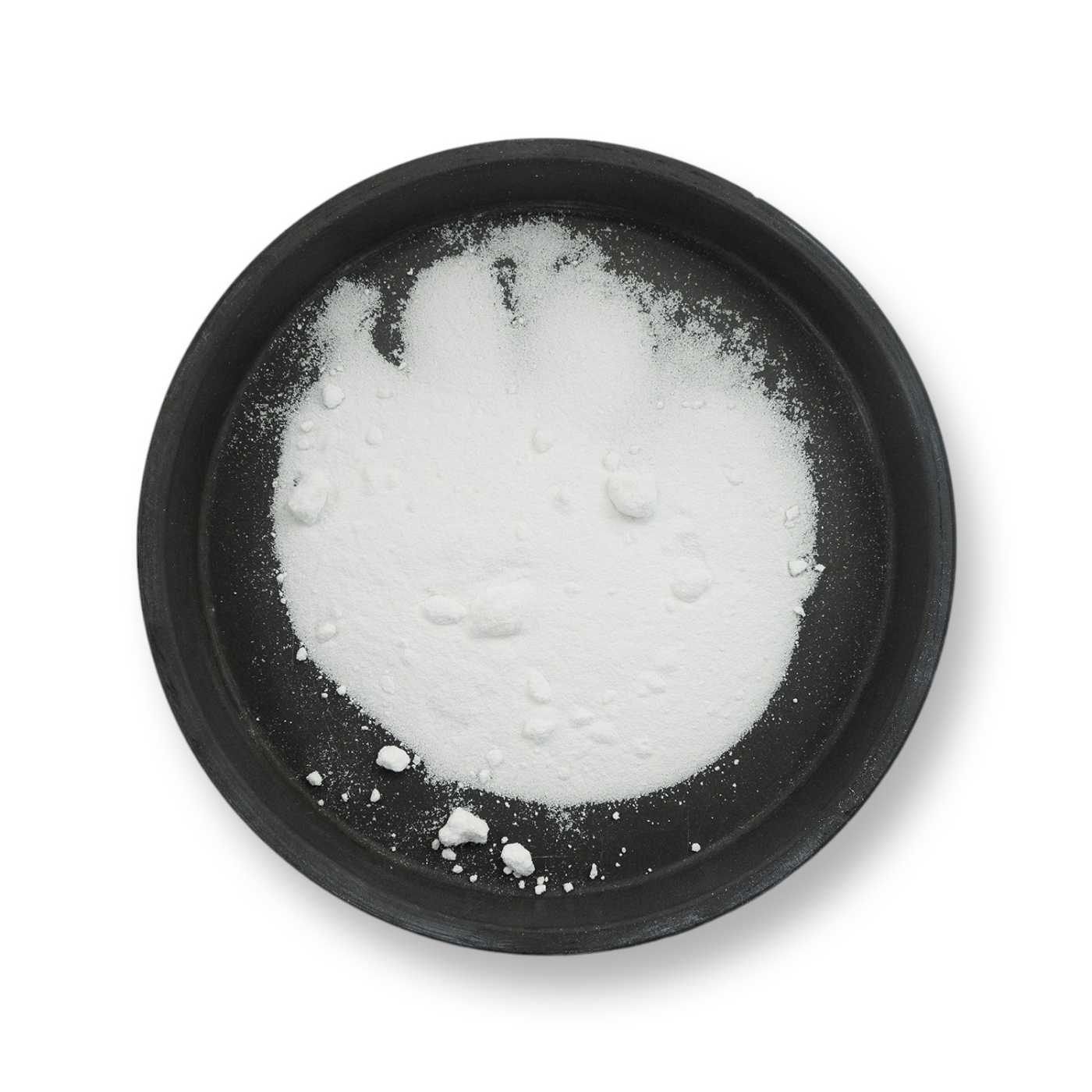
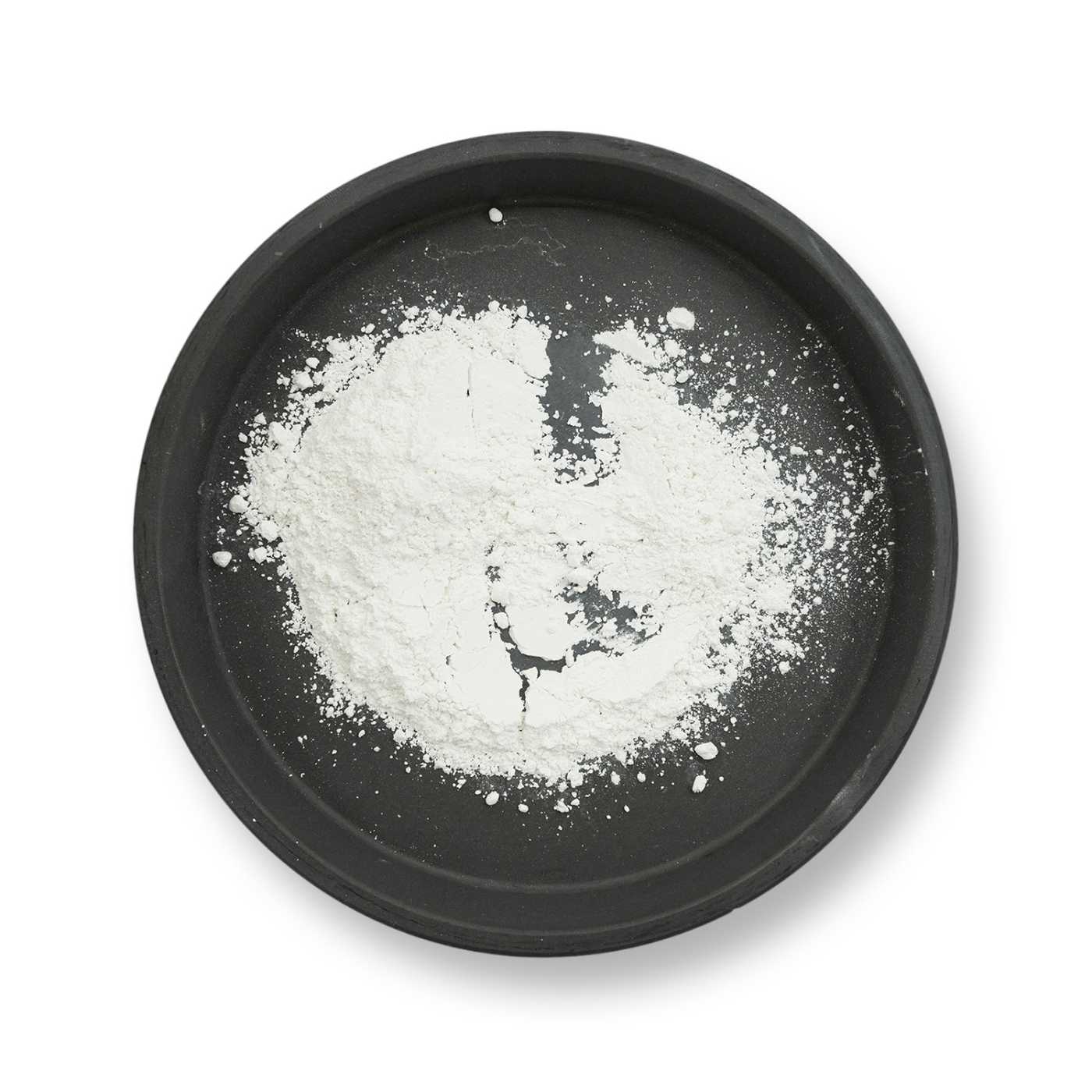
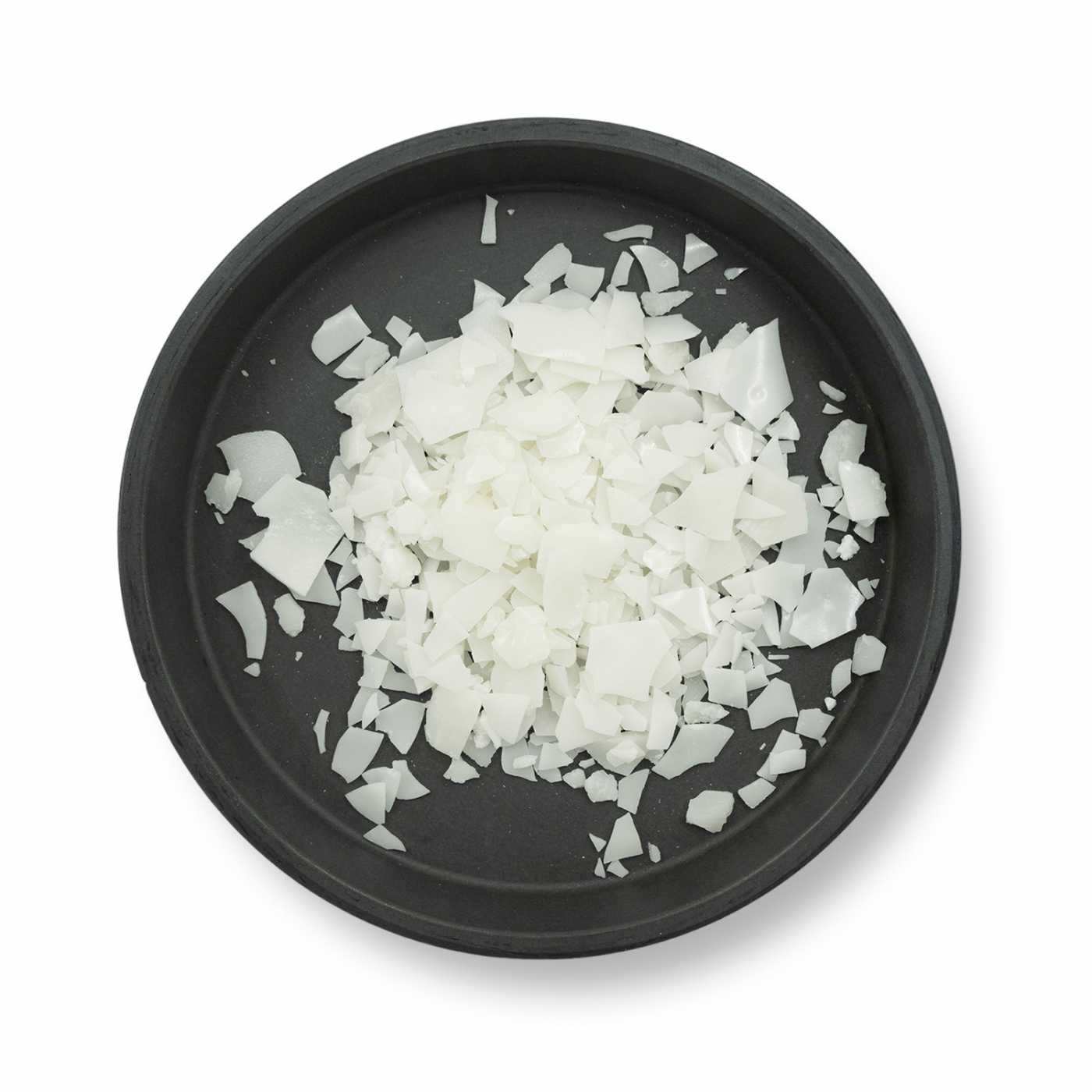
Powder
Formulation phase
Water phase
Application area
FaceHairScalpBody
Recommended dosage range
0,5 – 3 %
Recommended formulation pH range
5,0 – 8,0
Solubility
Water-soluble
Application type
Leave-onRinse-off

Product documentation

CoACertificate of Analysis
batch 2309626PDF ↓
TDSTechnical Data Sheet
Physical parameters and processingPDF ↓
MSDSSafety Data Sheet
Available for purchased products —
Download all (ZIP)

2 PDF files in one archive

Lise A11 Sept 2026EN

Verified purchase