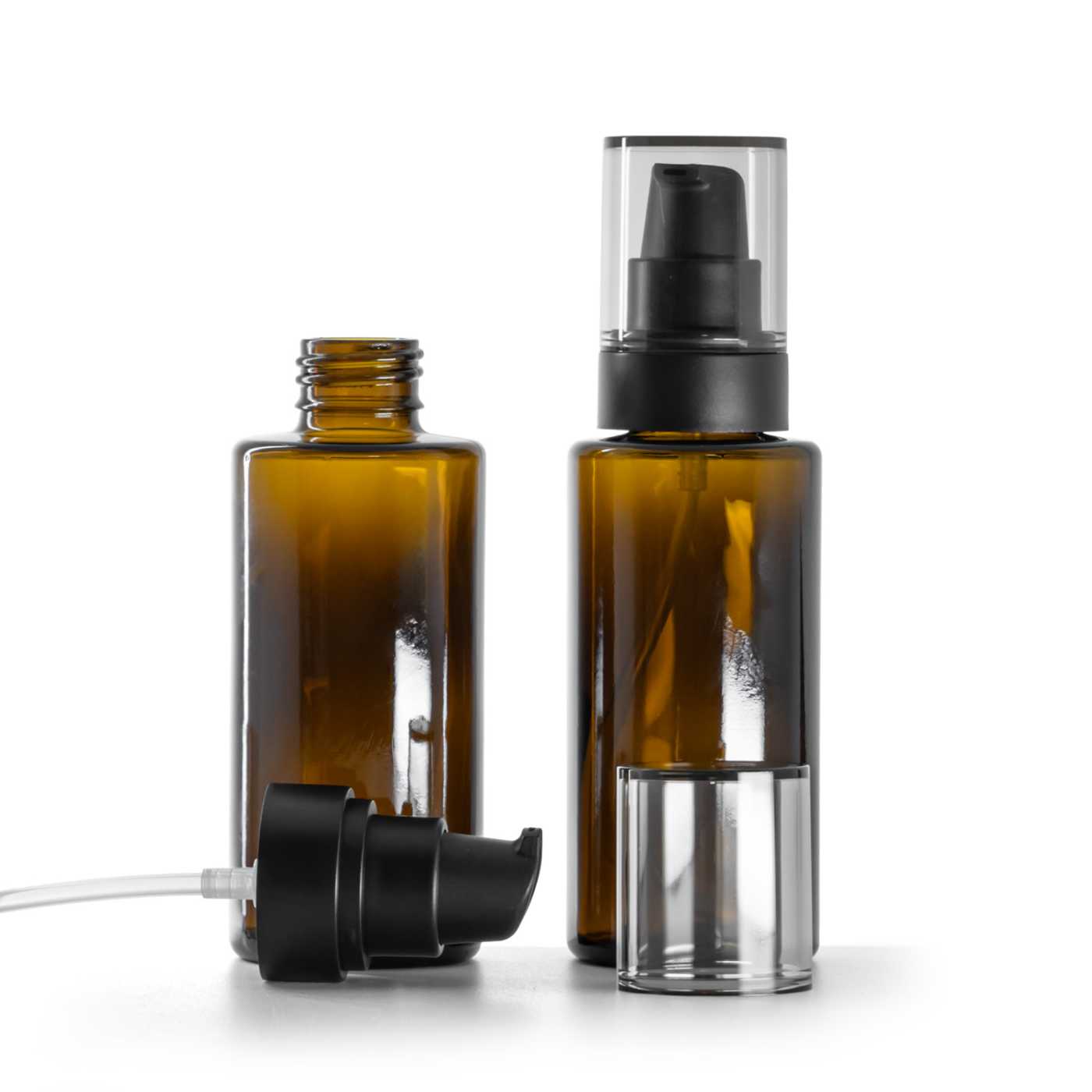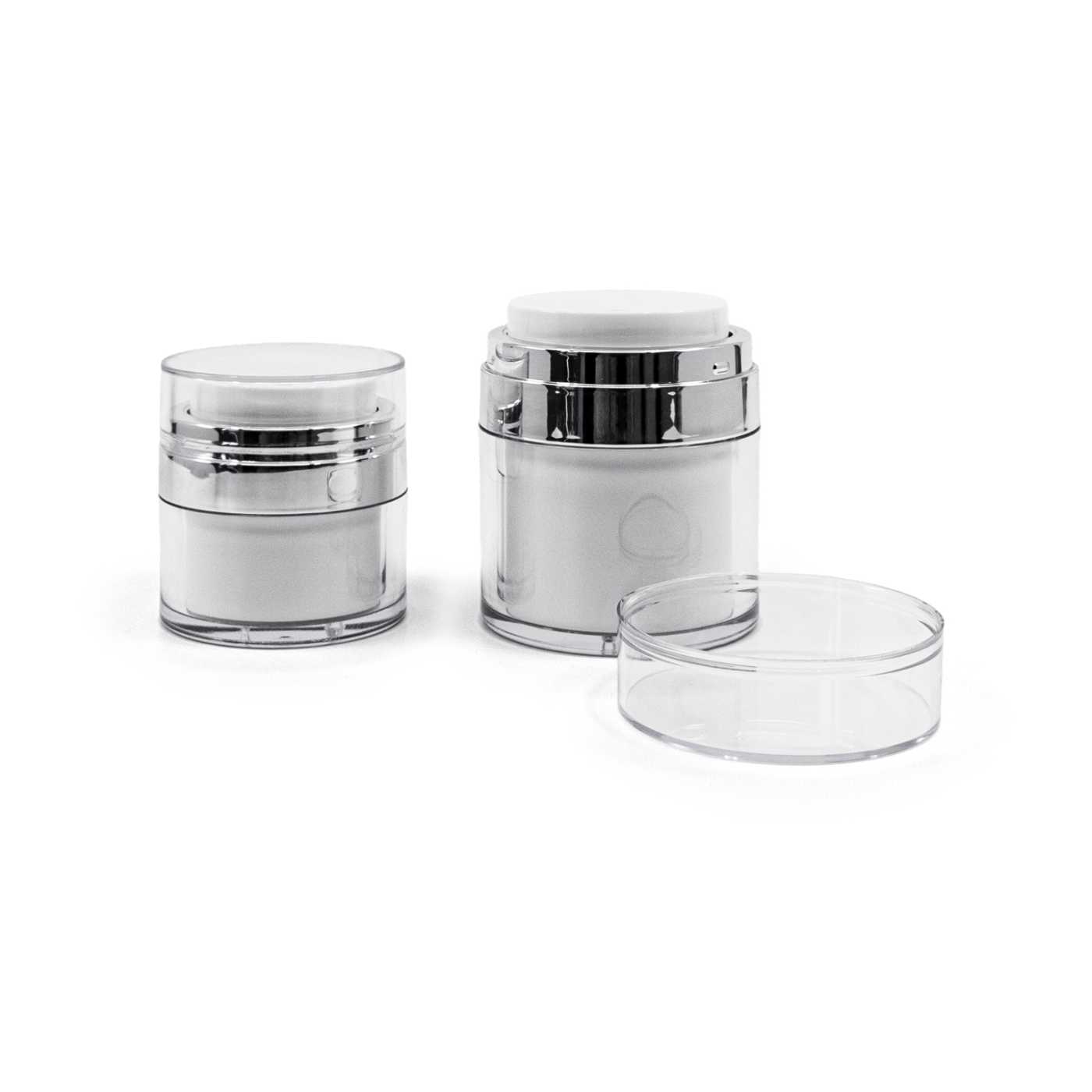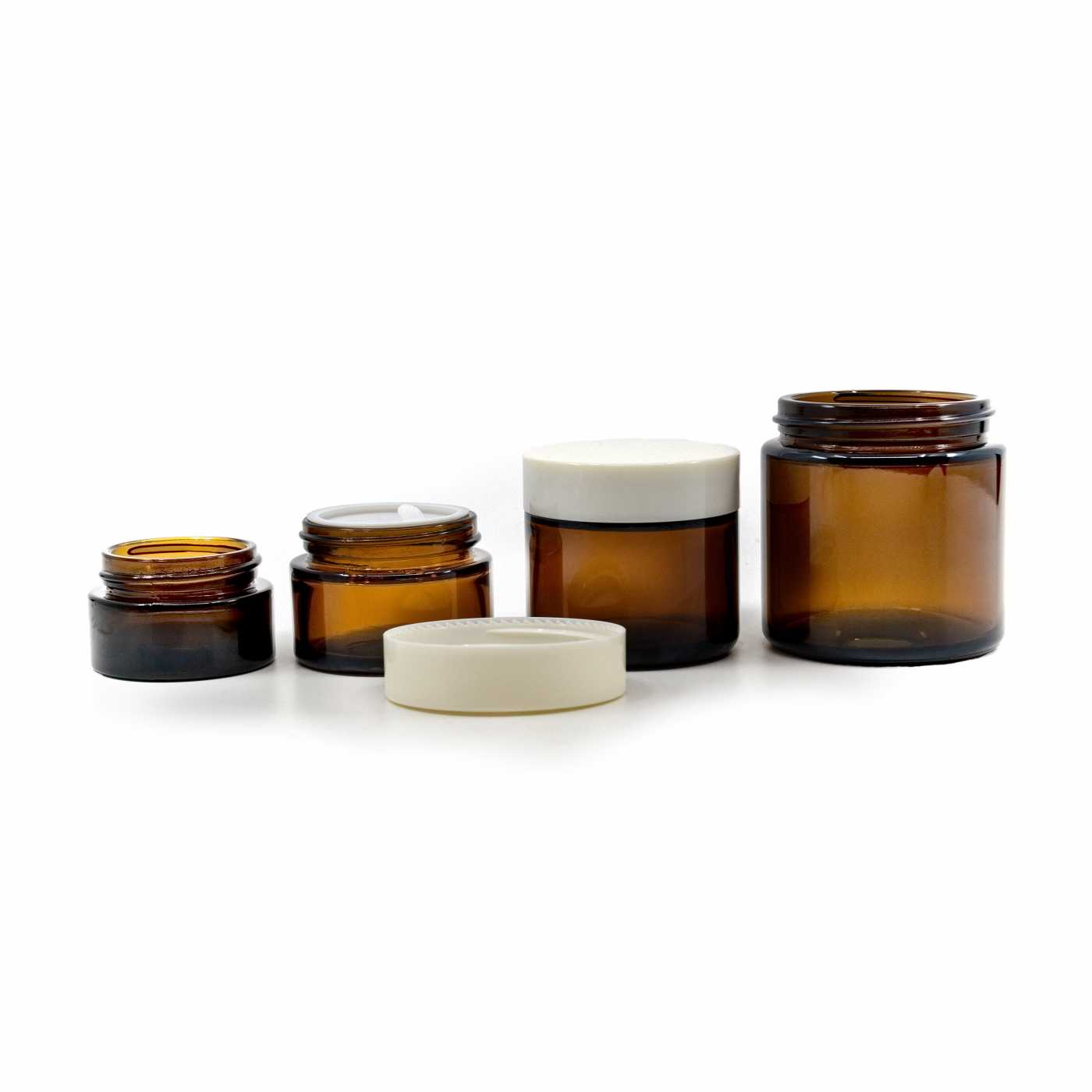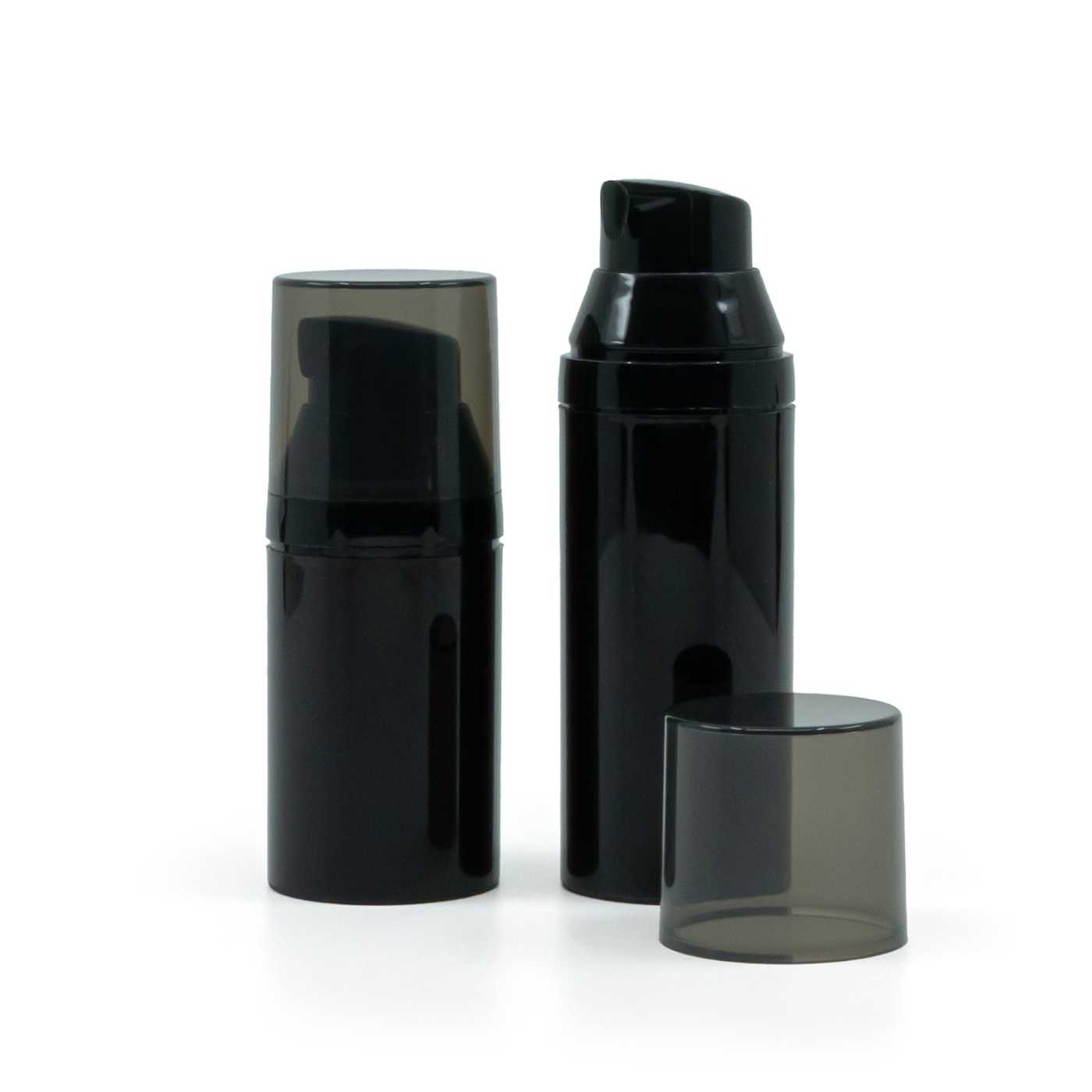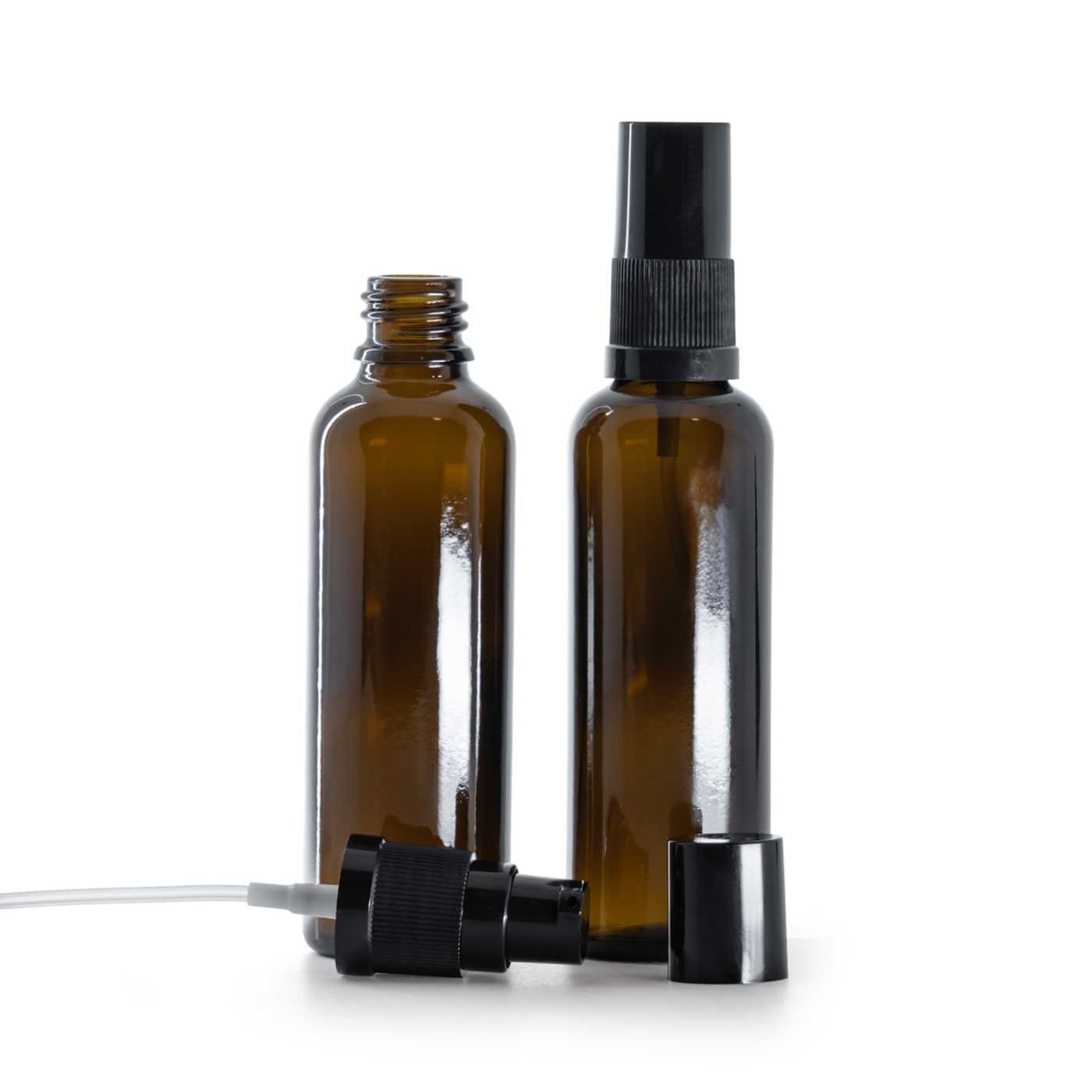
Amber Glass Bottle, Slim, Black Lotion Pump with Black Overcap, 50 ml
Pre-order€0.86

ACTIVE INGREDIENTS
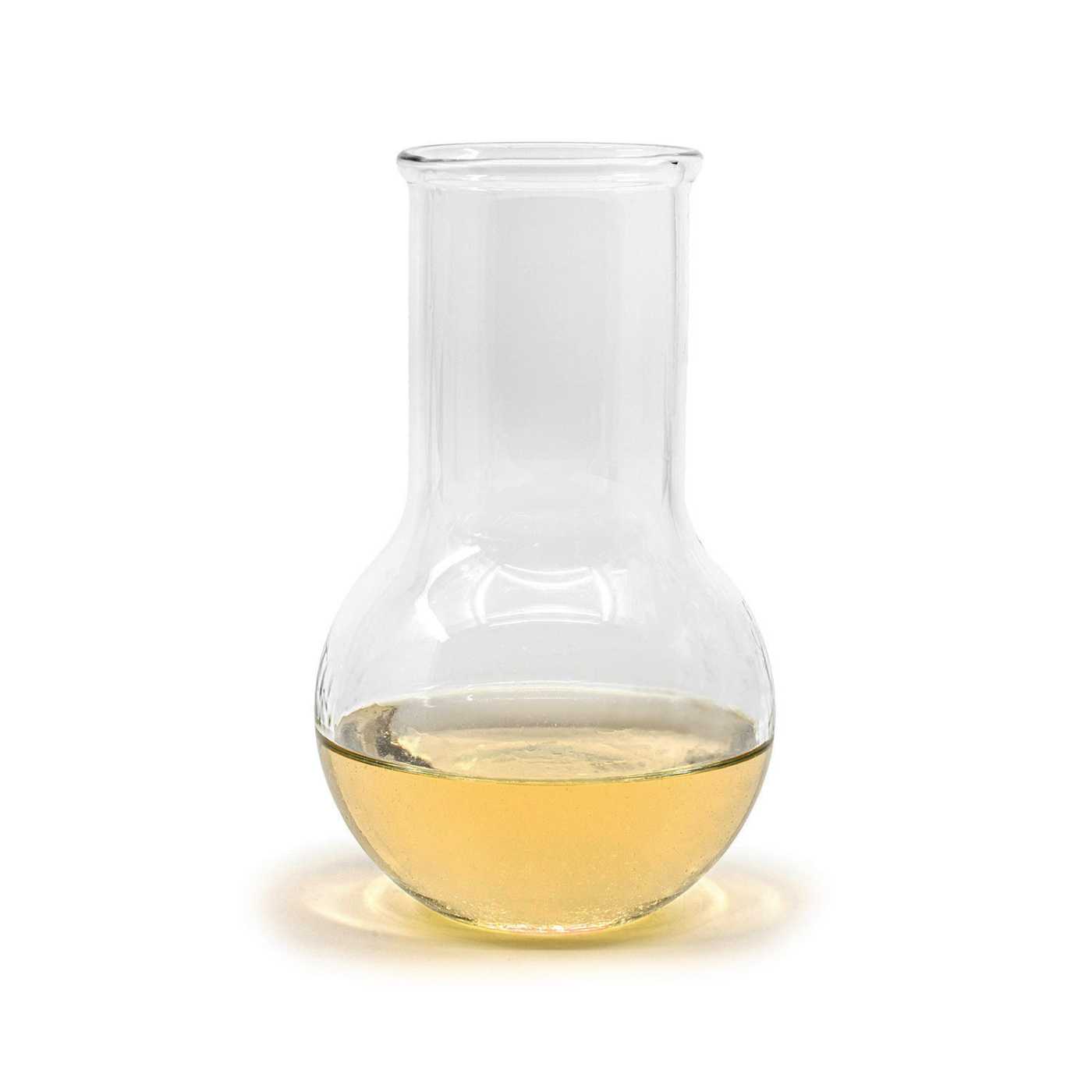
Bakuchiol 99% is a plant-derived active ingredient that cosmetics use as an alternative to retinol . full description
Lowest price in the 30 days before the discount: €34.99
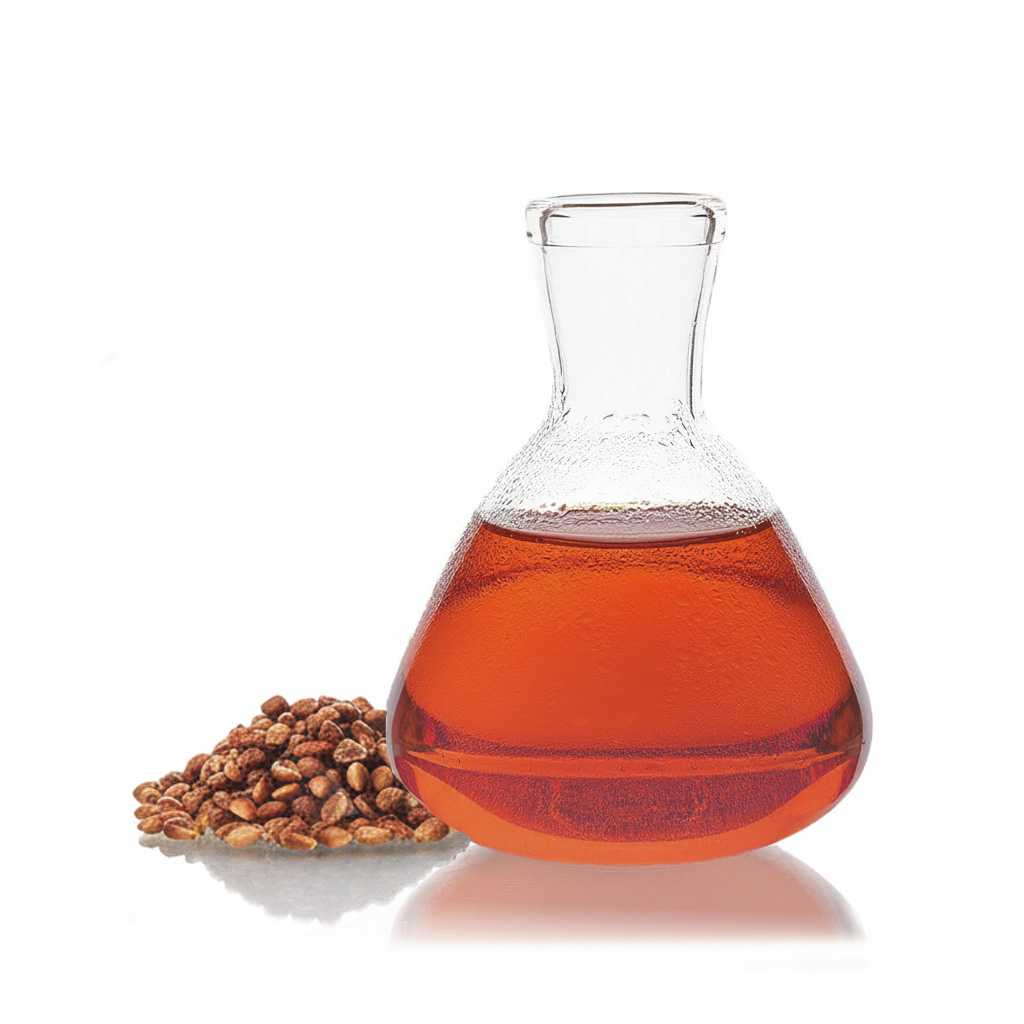
Bakuchiol 99% is a plant-derived active ingredient that cosmetics use as an alternative to retinol. It is obtained by CO2 extraction from the seeds of Psoralea corylifolia, known as babchi, and is supplied as an isolated molecule of high purity. It belongs in anti-ageing skincare products, in products that support the skin barrier, and in care for sensitive, problematic and mature skin.
On the skin it works in a similar way to retinol: it supports skin renewal and softens the signs of ageing, yet it is also tolerated by sensitive skin. It is added to a formulation at a low usage rate, either to the oil phase or to an emulsion that has already cooled, and it needs no further processing.
Bakuchiol and retinol are chemically different substances. Retinol is a form of vitamin A, while bakuchiol is a meroterpene, a molecule made up of a phenolic part and a terpene part. In the skin, however, they trigger similar processes. Both substances show a similar gene expression profile, and so they act in a similar way on skin renewal and fine lines.
The main difference is tolerance. Retinol often reddens and dries the skin, and when it is introduced into a routine the dose has to be increased gradually. Bakuchiol usually does not cause these effects and is also suitable for products for skin that cannot tolerate retinoids.
There is also a difference in stability. Retinol breaks down quickly in light and air. Bakuchiol is more resistant and, according to the scientific literature, increases the stability of retinol in a shared formulation, depending on the dose. For retinal this effect has not been verified.
Psoralea corylifolia seed oil contains bakuchiol as only one of its components. Alongside it, the oil also contains psoralens, which make the skin sensitive to the sun. Bakuchiol 99% is produced by CO2 extraction, in which a single molecule is isolated from the seeds. The result is a raw material with a purity of at least 99% and a content of psoralens and angelicin of at most 20 ppm. The two raw materials therefore cannot be interchanged, and the usage rate of one cannot be transferred to the other.
Bakuchiol is strongly lipophilic. It dissolves in oils and in alcohol and is insoluble in water. In anhydrous oil serums and oleogels it dissolves directly in the oil component, and in emulsions it belongs in the oil phase or the cooling phase. In purely aqueous products it clumps together and separates, which shows as cloudiness. Do not add it to water-based gels and toners without an emulsion or a suitable solvent.
Heating should be limited. The recommended processing temperature is below 70 °C. In formulations, bakuchiol is most often added only to an emulsion that has cooled below 40 °C, together with the other sensitive ingredients, and it is mixed in thoroughly after addition. Long heating in a hot oil phase is an unnecessary risk to both the effectiveness and the colour of the raw material.
The usage rate is low. The recommended range is 0.5–2.0%; common formulations use 0.4–1%, most often around 0.6%.
The raw material is sold by the millilitre, but formulations are written in grams. 1 g of bakuchiol corresponds to approximately 1.04 ml, and at usual rates for a cream or serum the difference between grams and millilitres is negligible.
Bakuchiol is stable in the range of pH 3.0–8.0. It is incompatible with strong acids, alkalis and oxidising agents. Concentrated acids and alkalis must not come into direct contact with the pure raw material, and the pH is adjusted only in the finished mixture. In formulations, bakuchiol is most often combined with tocopherol, which protects the oil phase from oxidation, as well as with squalane, glycerine, jojoba, rosehip and marula oils, and with mango and murumuru butters.
Free bakuchiol is sensitive to heat and oxygen. When it oxidises, it changes colour, may begin to smell unpleasant and loses effectiveness. Close the bottle immediately after weighing and fill finished products into airtight packaging that protects the contents from light.
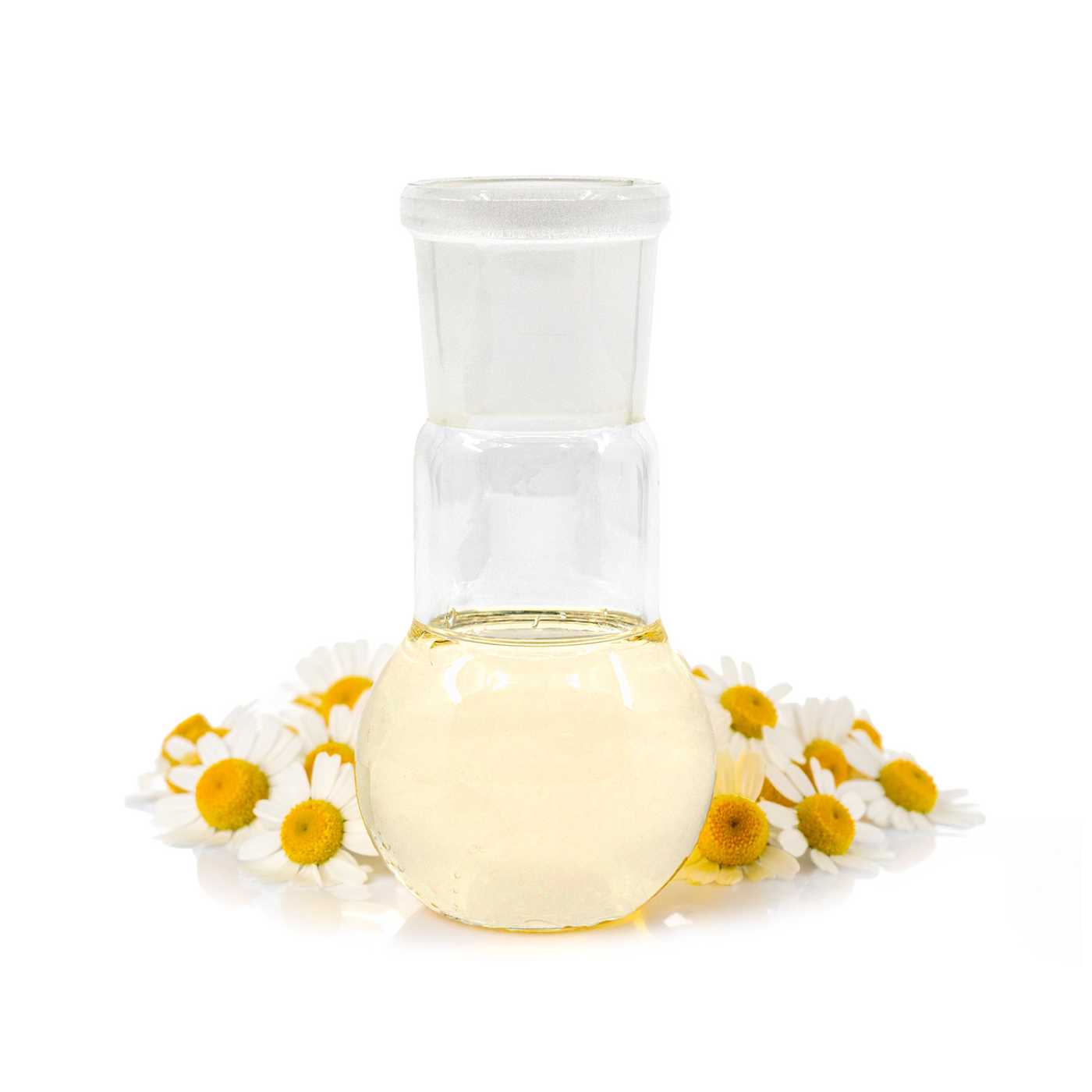
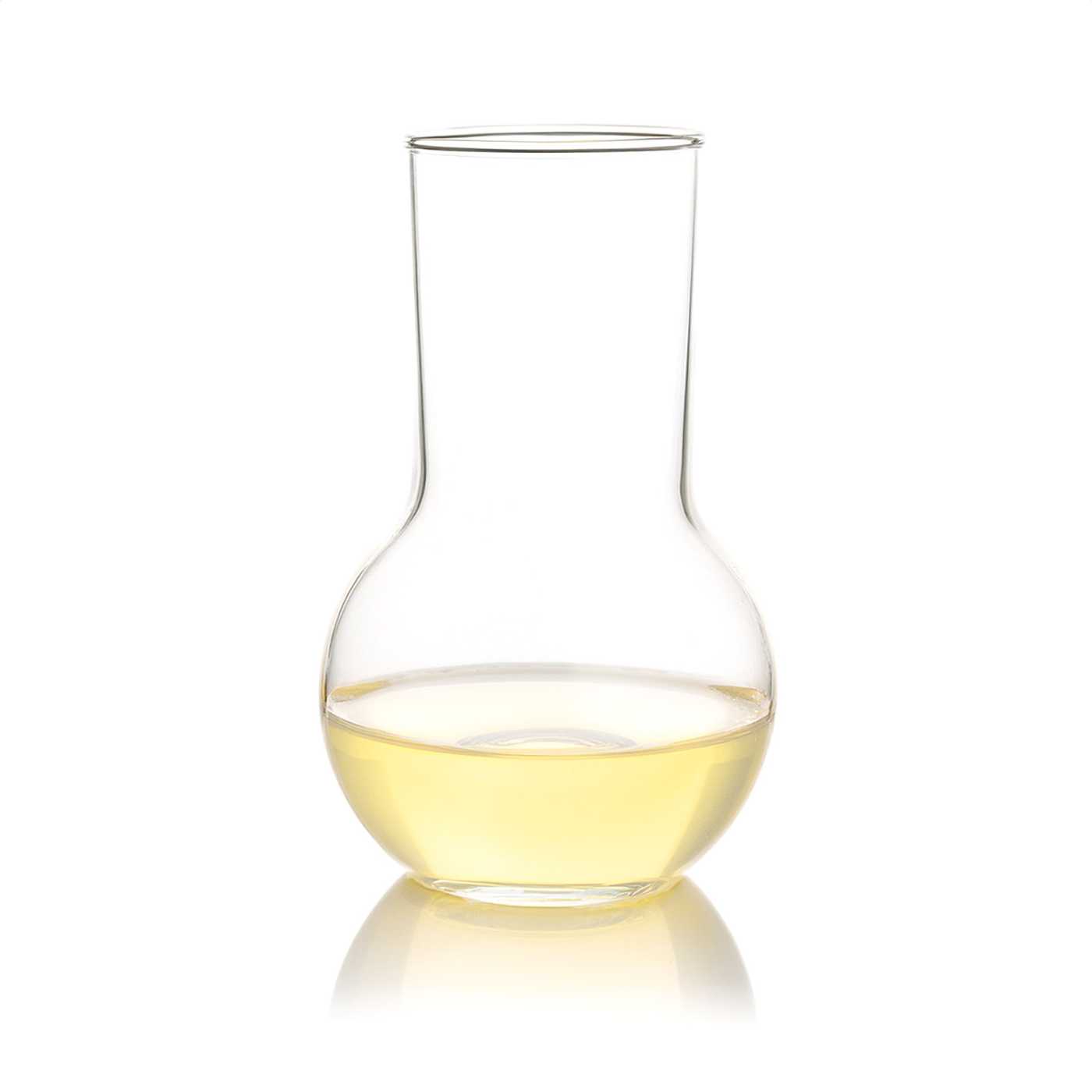
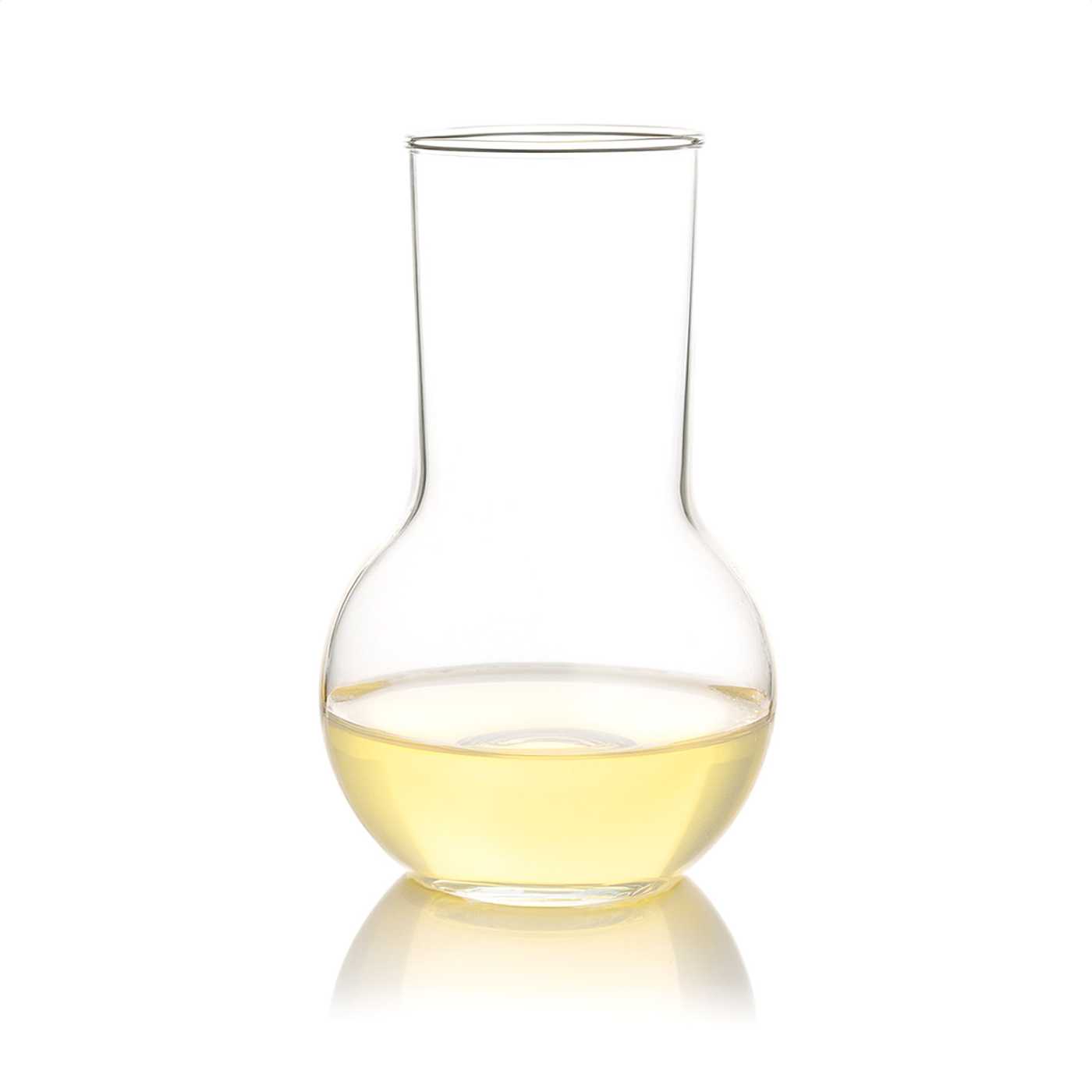
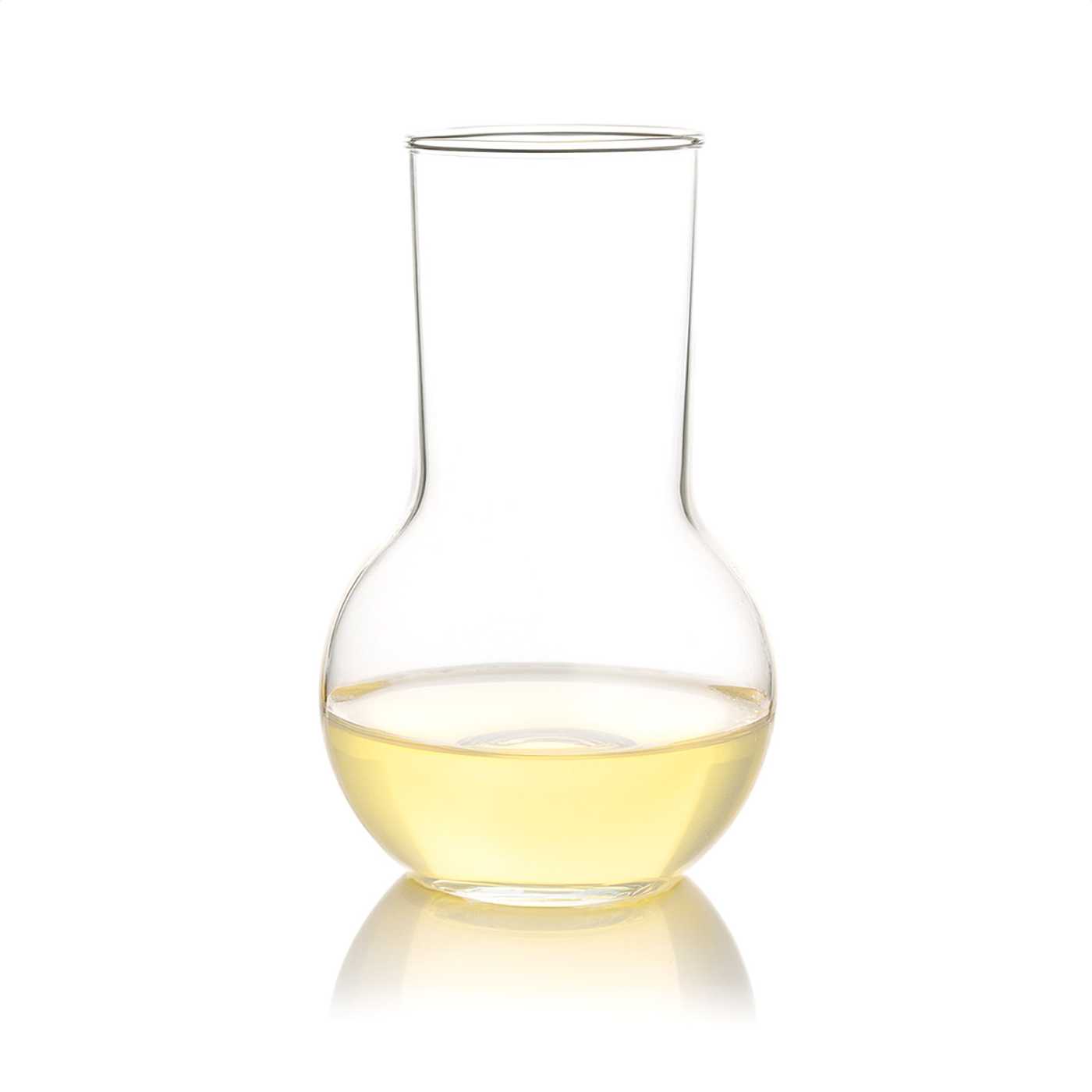
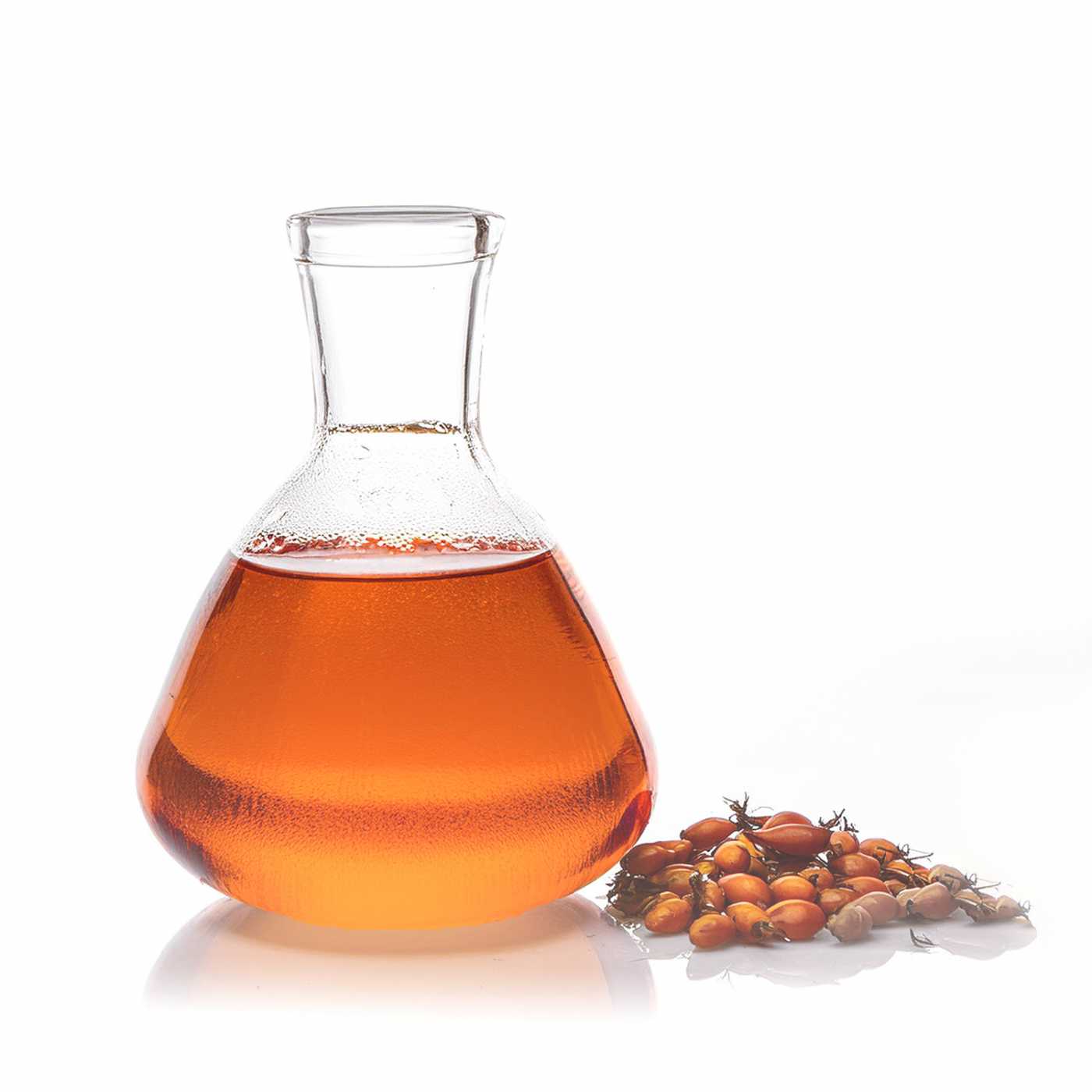
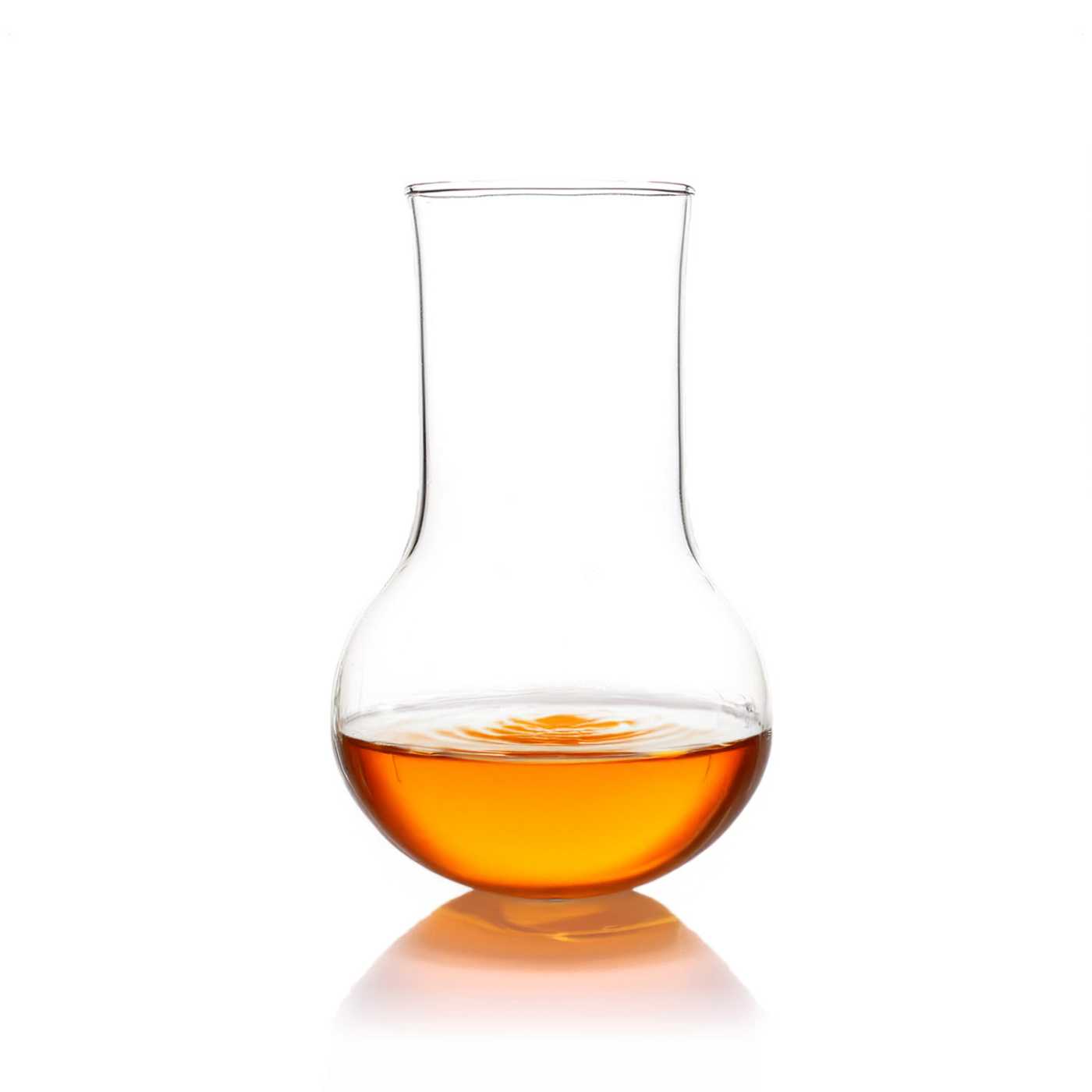
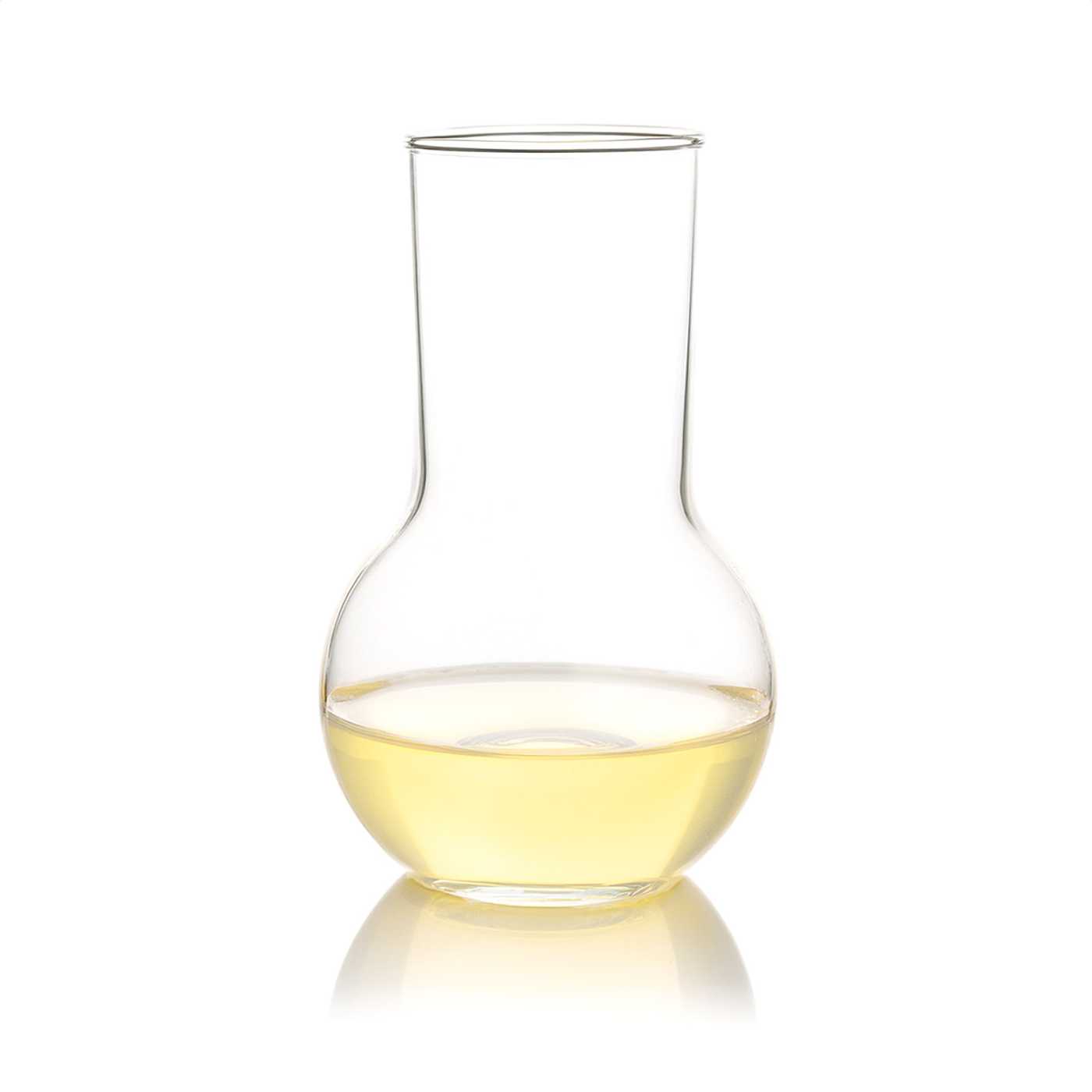
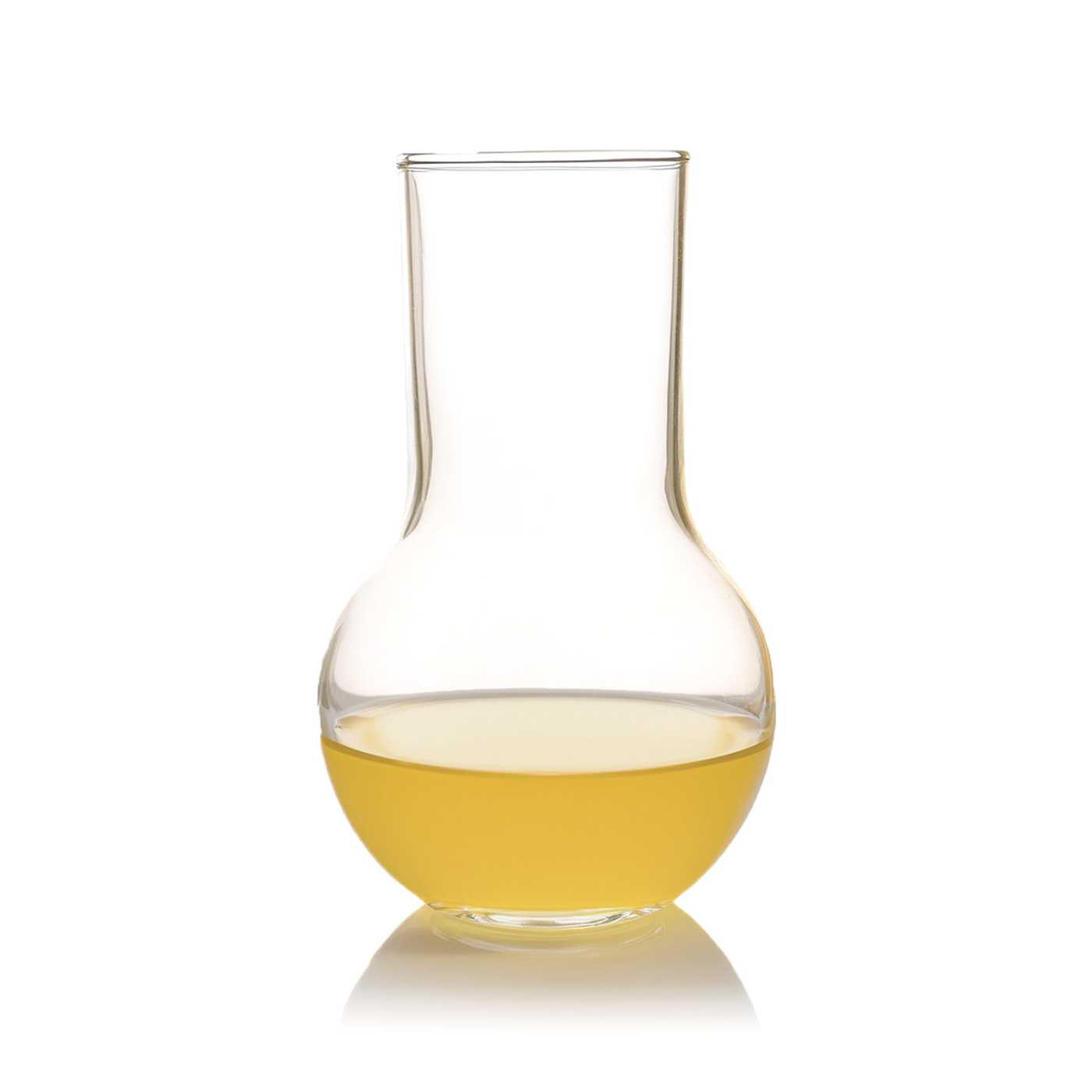
Bakuchiol 99% is a pale yellow to yellow-brown viscous liquid with a characteristic odour with a lemon note. It is intended for leave-on products for all skin types, including sensitive, acne-prone and mature skin.
The raw material itself does not need a preservative. It is lipophilic and not prone to microbial contamination. A finished product that contains water, however, is preserved like any emulsion, regardless of the addition of bakuchiol.
A short stability test in a serum showed that the bakuchiol content did not change after 24 hours in light or at 40 °C, and the raw material also withstood three freeze-thaw cycles. Long-term stability cannot be inferred from such a test, so the recommendation to protect both the raw material and the finished product from light still applies.
The substance is not classified as hazardous under the CLP Regulation, and ordinary precautions are sufficient when working with it. The raw material is COSMOS Approved, vegan, of plant origin and free of palm oil.

Easy to incorporate into the appropriate oil phase. I haven't evaluated its longer-term skin effects, so my assessment is limited to formulation handling.
Translated automatically

Good portion size, fair price, easy to work with
Translated automatically