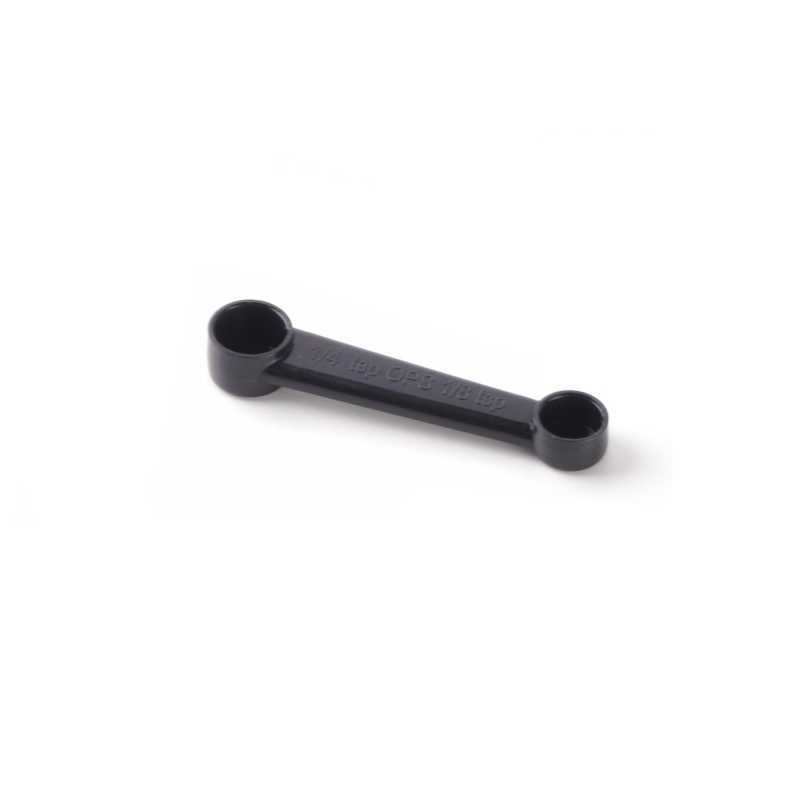
The double-sided plastic measuring scoop, black, is a simple tool for measuring small quantities of raw materials when making cosmetics. It has two measuring cups of different sizes on one piece, so with a single tool you can scoop a smaller or a larger amount without switching between several spoons. It is particularly useful for powdered and loose raw materials – active ingredients, clays, thickeners, salts, acids or pigments – and for quick, approximate dispensing of oils, extracts and other liquid ingredients when preparing small batches.
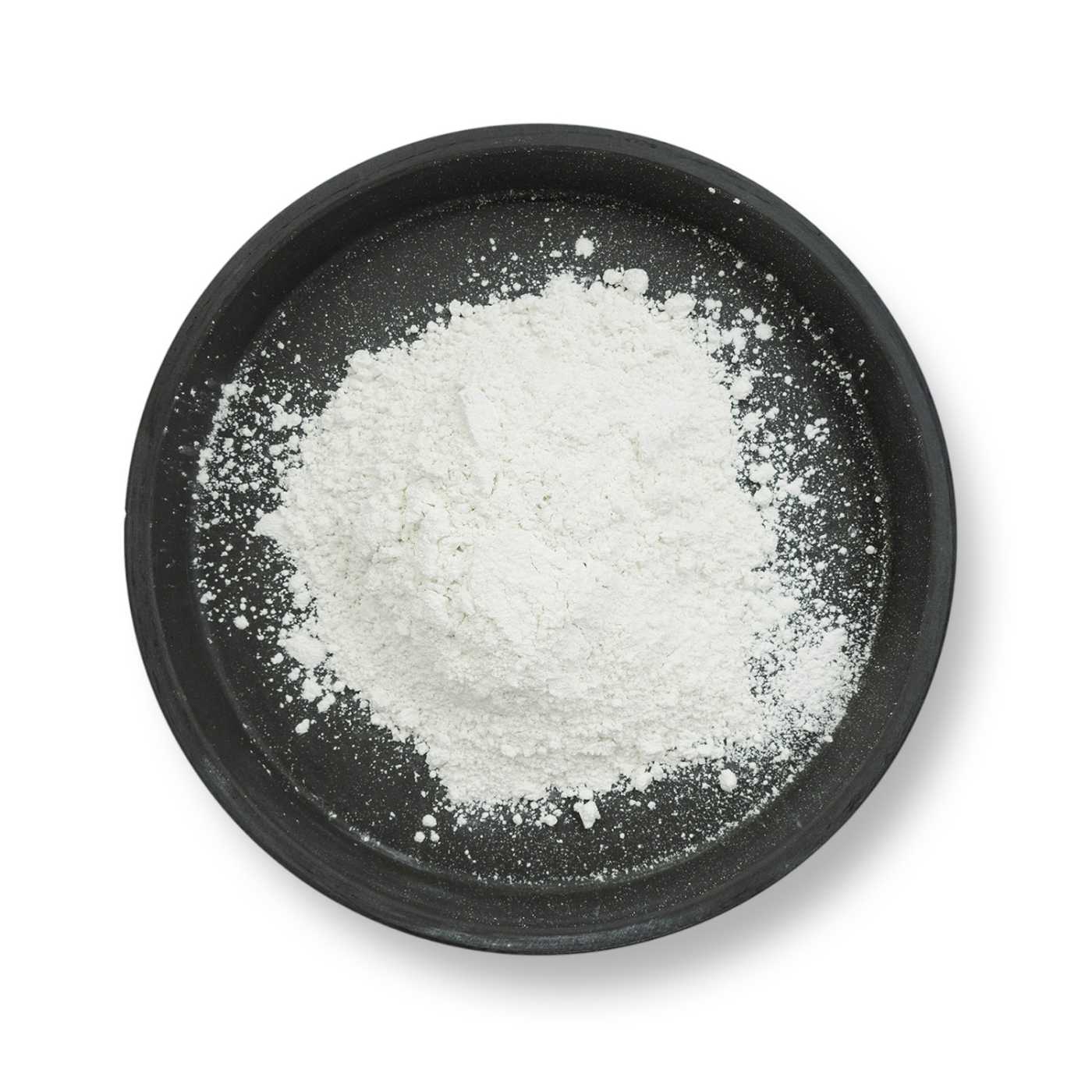
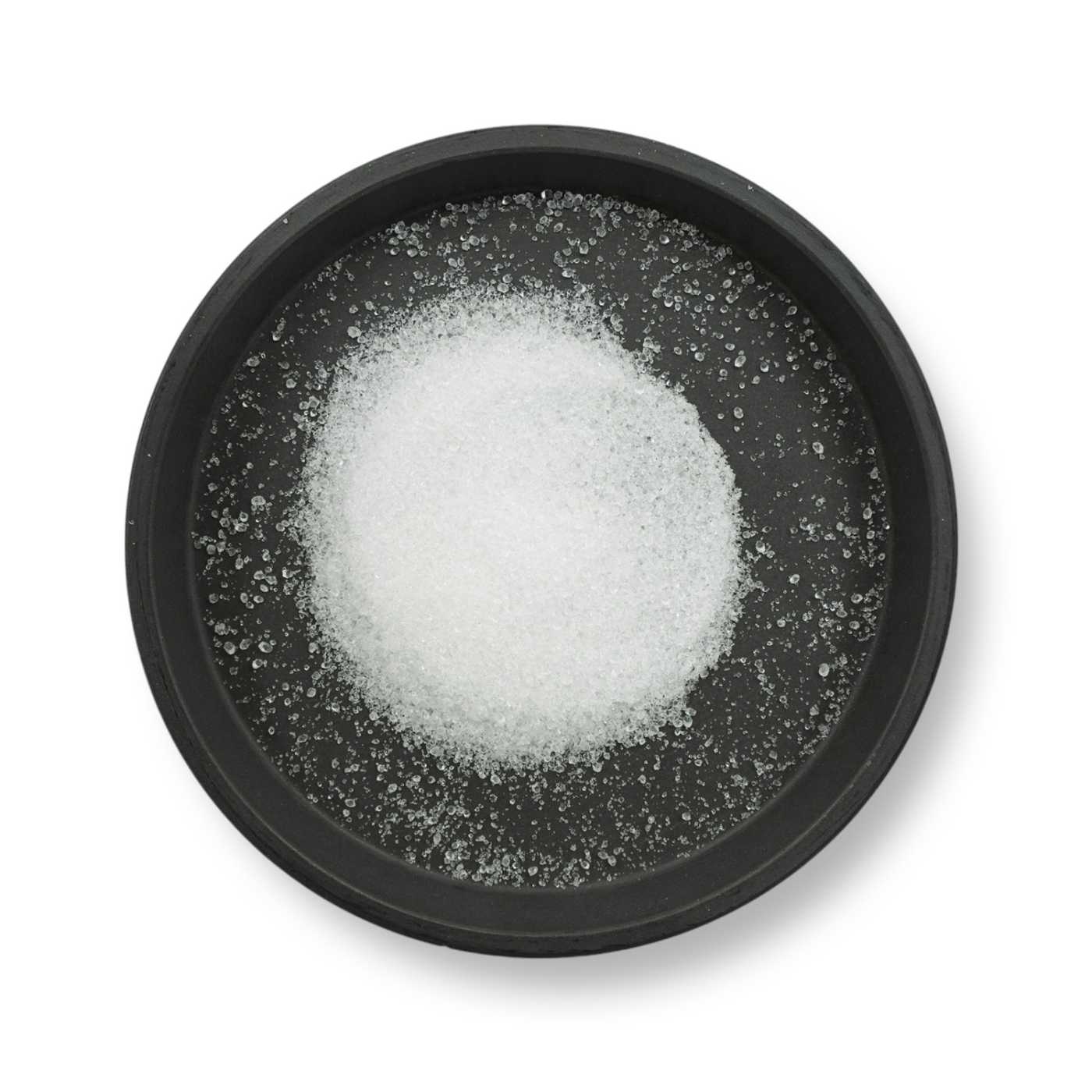
The black design has a practical reason: light powders and white crystalline raw materials are easy to see against a dark background. It is easier to check that the cup is levelled, and just as easy to confirm that the scoop is clean after washing.
What the scoop is suited for
- Loose raw materials – powders, clays, thickeners, salts and crystalline substances can be scooped and levelled in one movement, without spilling beside the container.
- Small batches and samples – when testing recipes in grams, the two cup sizes are enough for most common ingredients.
- Liquid ingredients for approximate dispensing – oils, hydrosols, glycerine or extracts, when accuracy to a tenth of a gram is not needed.
- Transferring raw materials from the original packaging – raw materials are scooped with a clean measuring scoop, not directly from the packaging by hand or with a random spoon, which protects the contents of the packaging from contamination.
How to work with the scoop
The scoop measures volume, not weight. The same volume of powder can weigh differently depending on how fine, compacted or damp the raw material is, and liquids differ in density. For approximate dispensing this does not matter. For recipes with an exact percentage composition, or for raw materials with a narrow usage rate range (preservatives, active ingredients, essential oils), it is advisable to weigh the amount on a scale and use the scoop only for scooping.
Before first use, “calibrate” the scoop for your raw materials – scoop a levelled cup, weigh it and write the value down. The next time you use the same raw material, you will know how many grams a levelled cup corresponds to.
With powders, scoop with a slight excess and level the top edge with the flat side of a spatula or knife, without pressing down. With liquids, scoop so that the surface reaches the rim of the cup, without a domed meniscus. For sticky or greasy raw materials (wax pellets, butters, thick honey) the scoop is less suitable, as part of the contents stays on the walls.
Good to know
- After each use, wash the scoop in warm water with washing-up liquid and leave it to dry thoroughly. It must be completely dry before it is used for powdered raw materials, otherwise a layer of material will stick to the walls and the dose will be lower.
- If you alternate between several raw materials, we recommend washing or wiping the scoop between them so that fragrances, dyes or active ingredients are not carried over between recipes. It is practical to keep a separate scoop for dyes and pigments.
- With prolonged contact with concentrated essential oils and solvents, the plastic may become dull or take on their scent. The scoop is intended for brief scooping, not for leaving raw materials standing in the cup for longer.
- Do not expose the scoop to high temperatures – it is not meant for scooping the hot oil phase or for heating.
The scoop is not a substitute for a scale. For raw materials with a maximum permitted usage rate (preservatives, some active ingredients, fragrance compositions), always weigh – a volume-based dose can differ significantly from the expected weight if the flowability of the powder varies.
Frequently asked questions
Can you measure raw materials for cosmetics accurately with a plastic measuring scoop?
The scoop measures volume, so it is for approximate dispensing, not for exact weighing. With powders, the weight of one cup depends on the fineness and compaction of the raw material, and with liquids on density. For exact recipes and raw materials with a limited usage rate, a scale is needed. The scoop is suitable for scooping and for ingredients where a small deviation does not matter.
What are the two different sides of the scoop for?
Each side has a cup of a different size, so with a single tool you can scoop a smaller or a larger amount without changing tools. The smaller side suits ingredients dosed in small amounts, the larger one the base raw materials that make up more of the recipe. Two sizes on one piece also reduce the number of tools you have to wash after production.
Why is the scoop black?
The black colour makes it easier to work with light raw materials. White powders, crystalline substances or clear liquids are easy to see against a dark background, it is easier to check that the cup is levelled, and after washing it is immediately clear whether any residues are left on the walls. The colour has no effect on the function or on the raw materials being scooped.
How is the scoop cleaned and can it be used repeatedly?
Yes, the scoop is intended for repeated use. After each use, wash it in warm water with washing-up liquid, rinse it and leave it to dry completely. When alternating between raw materials with a strong scent or colour, it is advisable to wash the scoop between individual ingredients, or to keep a separate one for pigments and dyes. It is not intended for hot raw materials or for prolonged contact with solvents.
Is the plastic measuring scoop also suitable for liquid raw materials, for example oils or hydrosols?
Yes, it is suitable for approximate scooping of oils, hydrosols, glycerine or extracts. Fill the cup to the rim without a domed surface and pour the liquid straight into the prepared container. Thicker and sticky raw materials partly stay on the walls, so for these it is more accurate to weigh directly into the container.