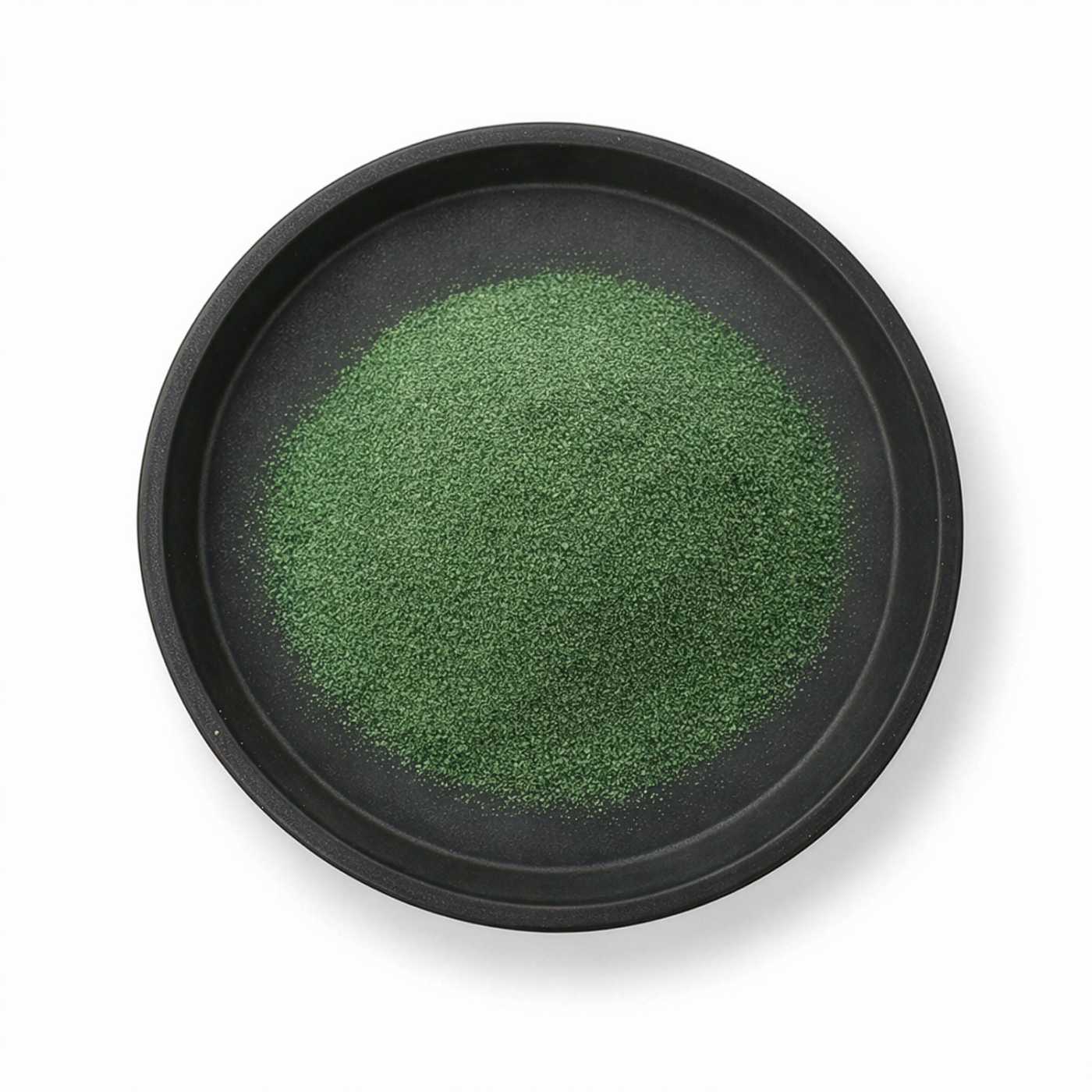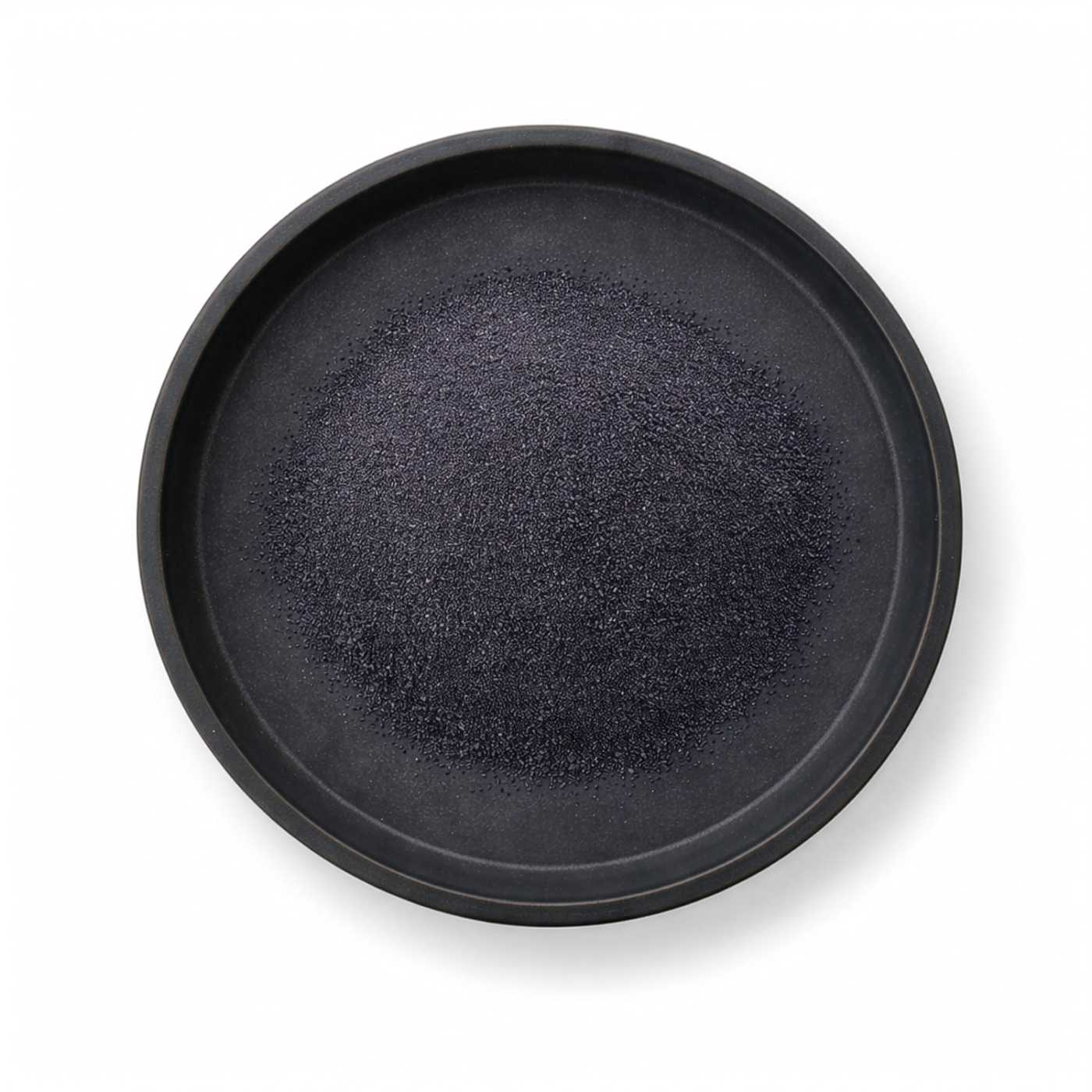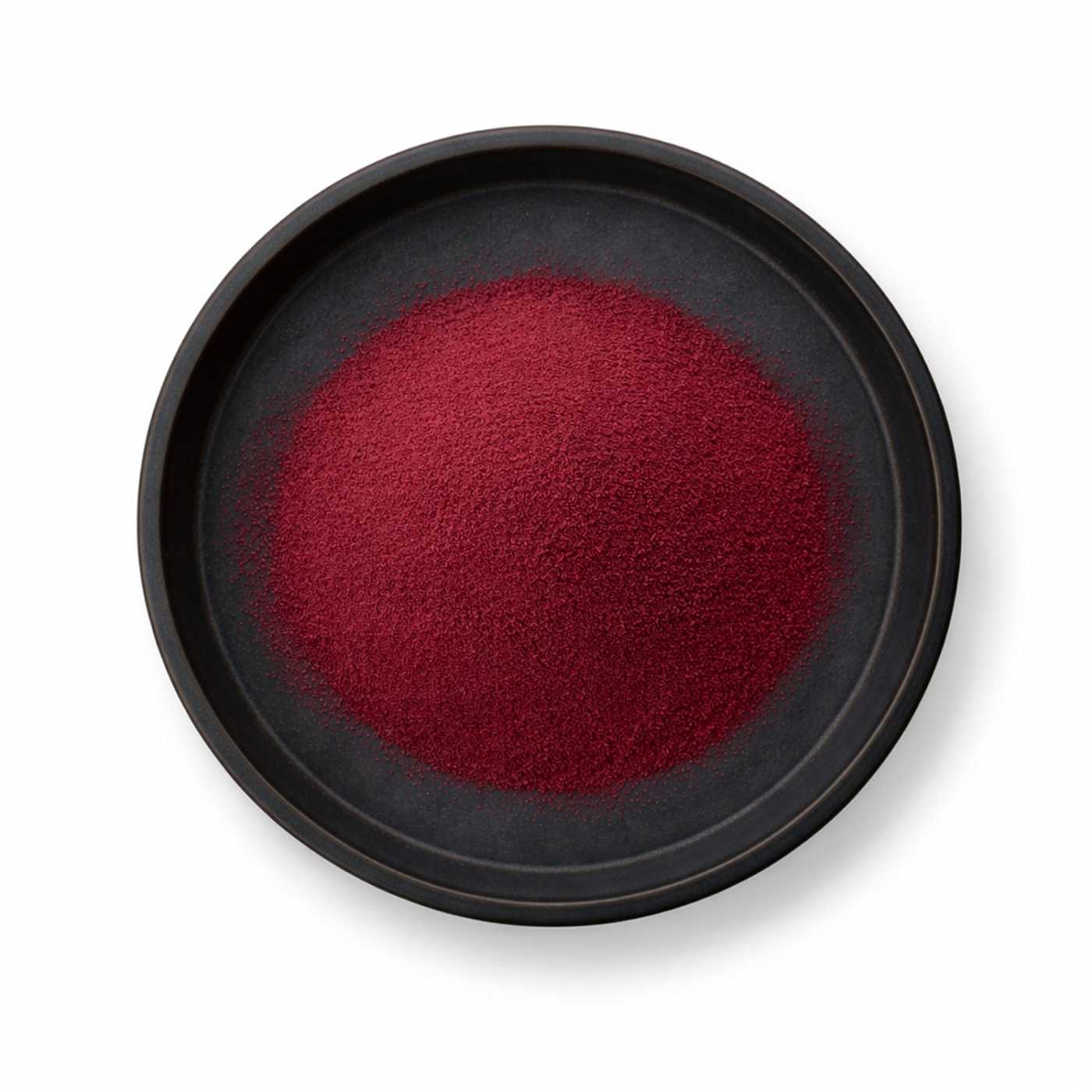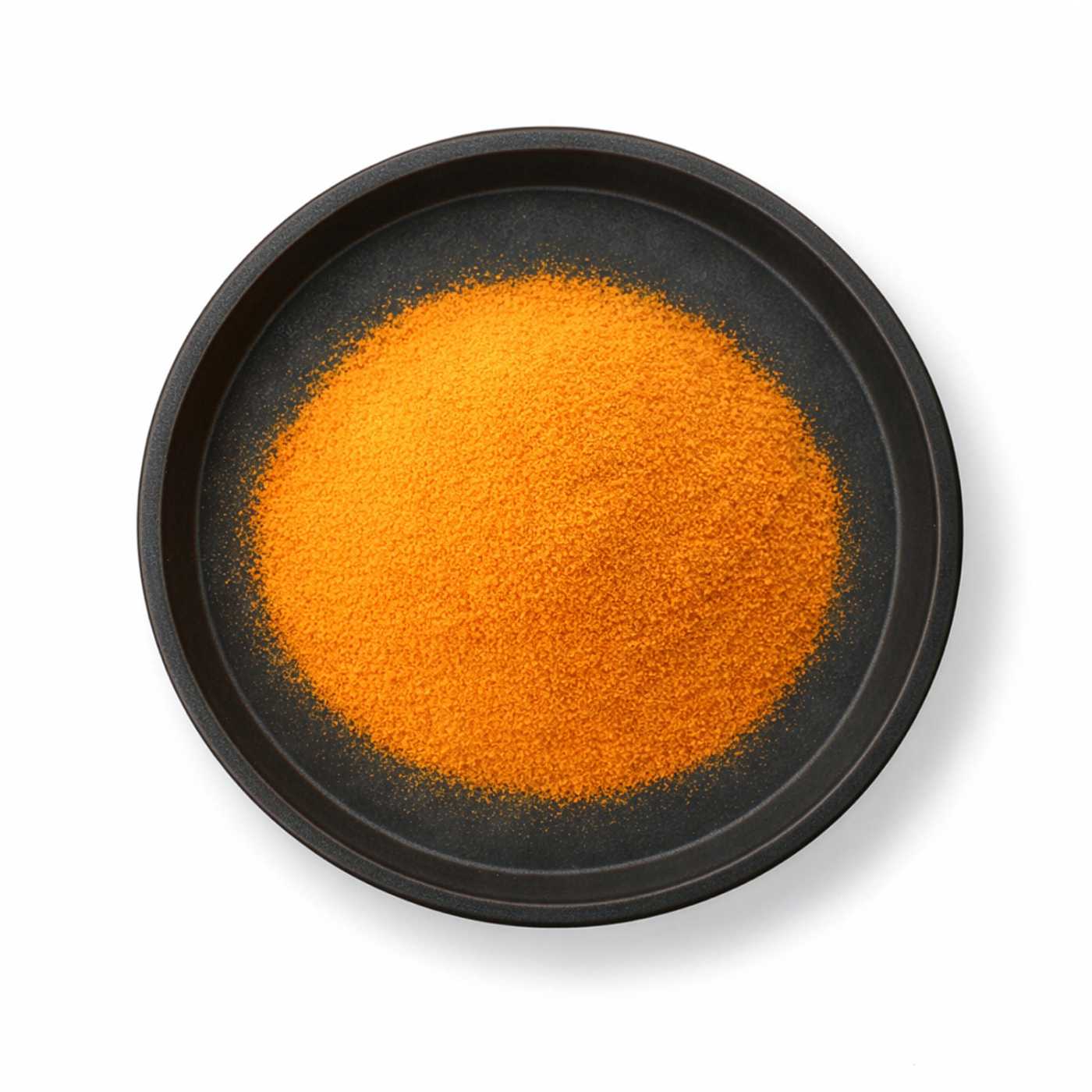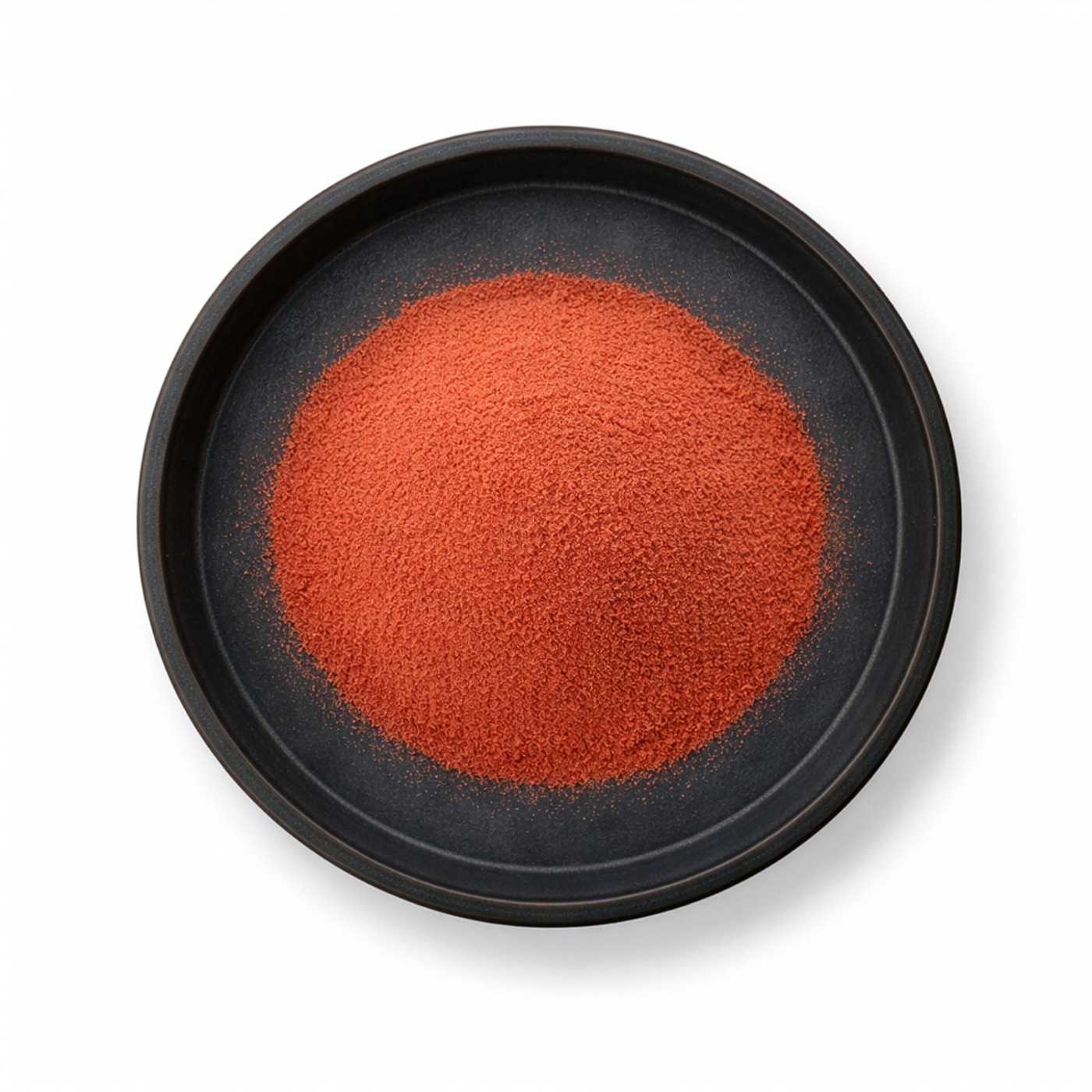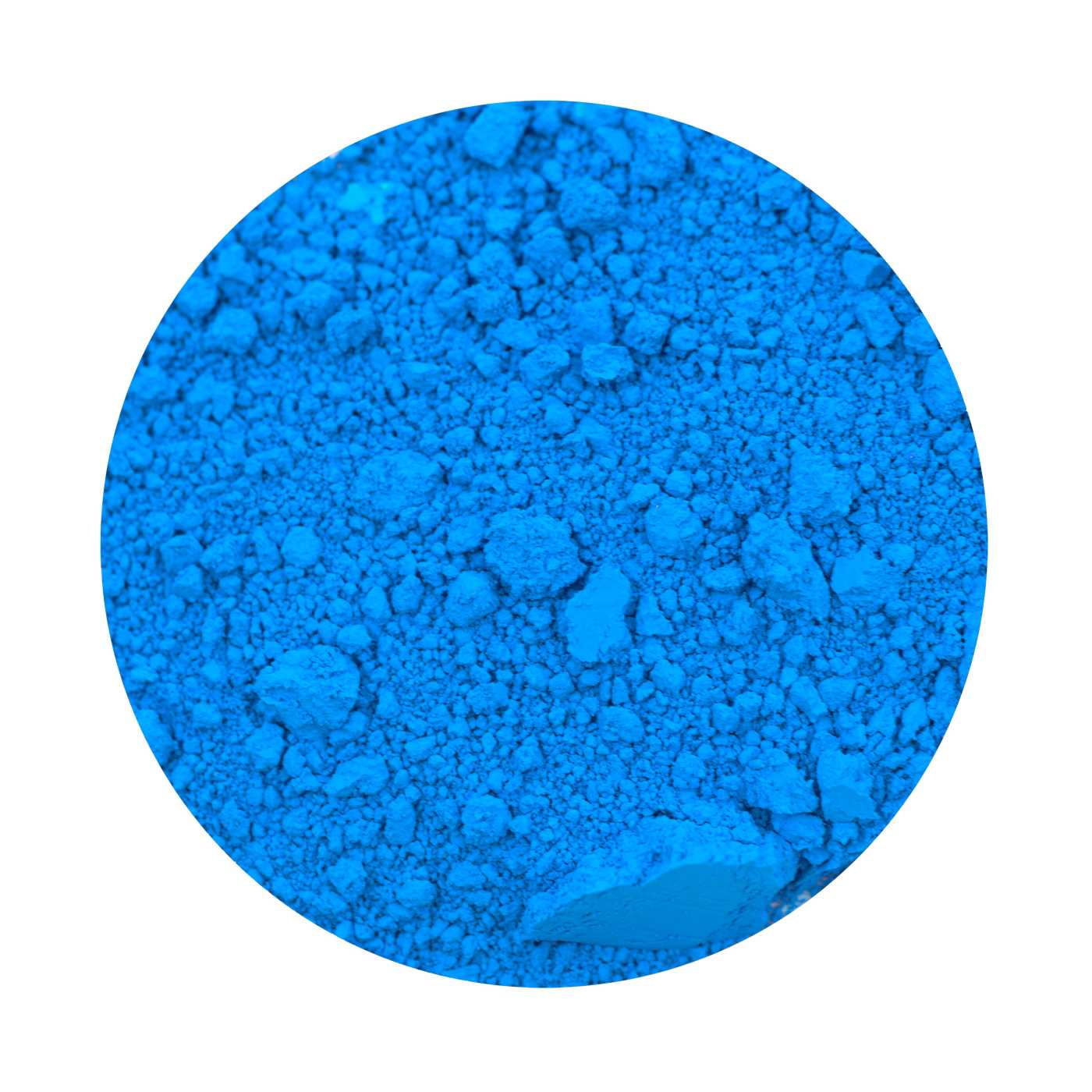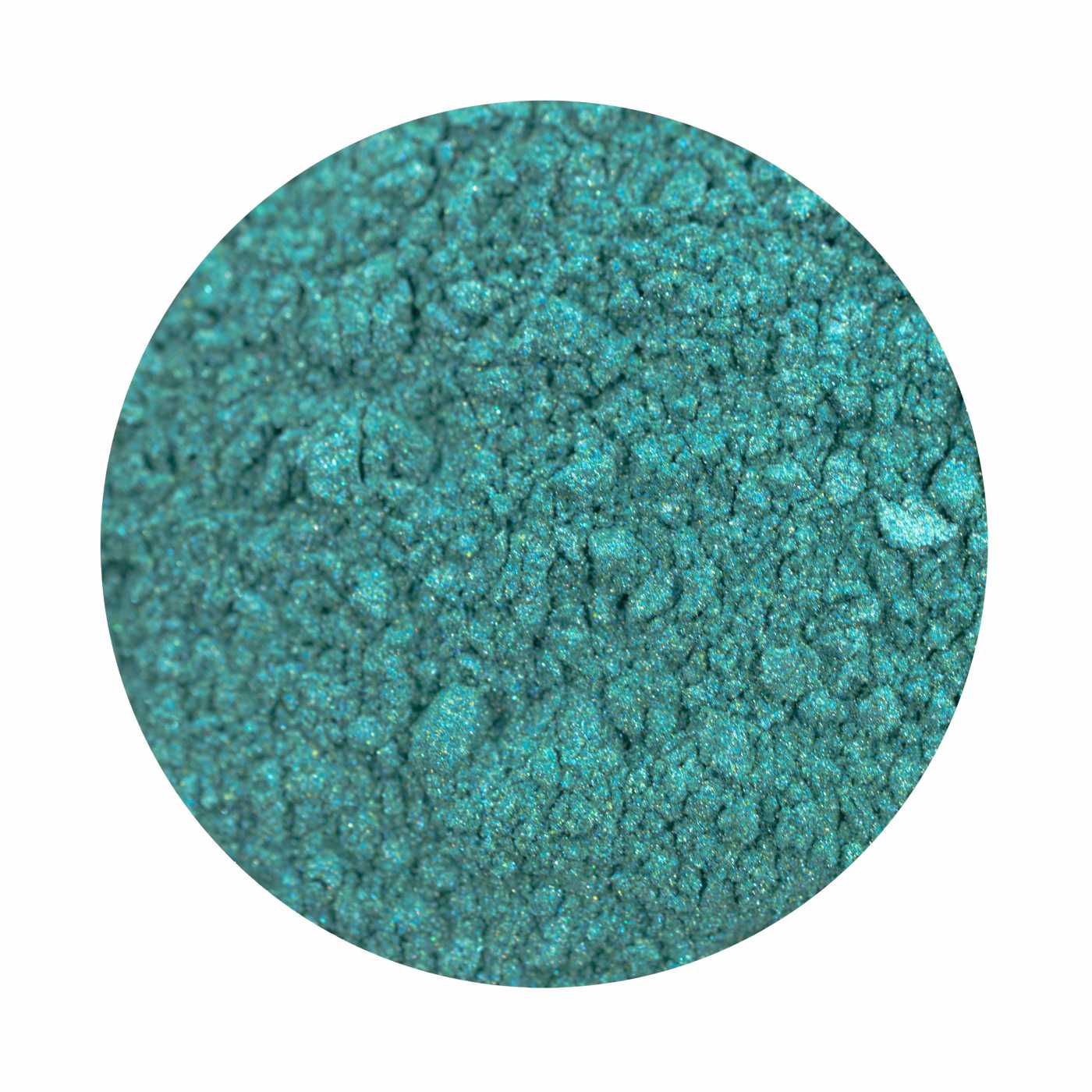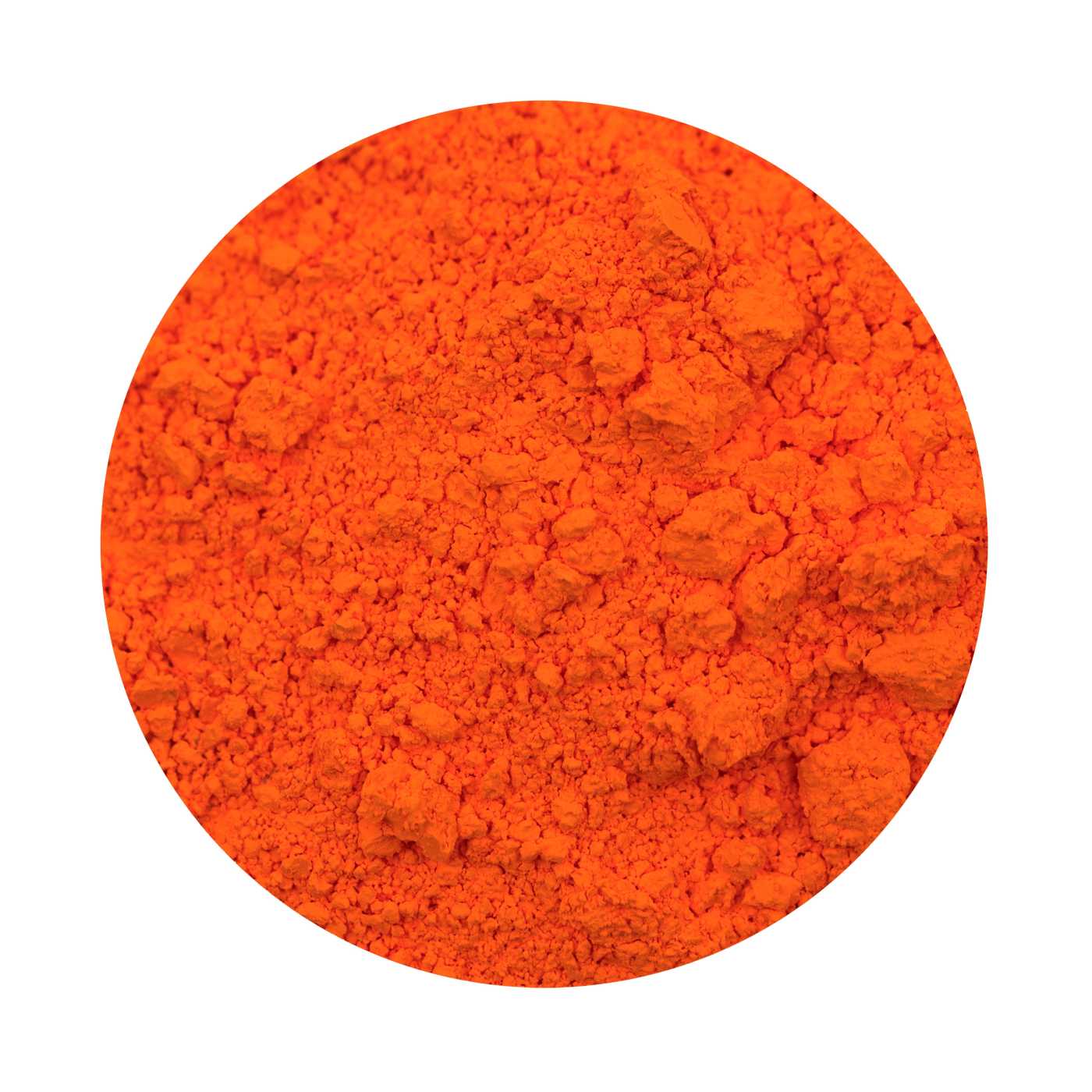
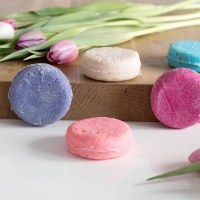

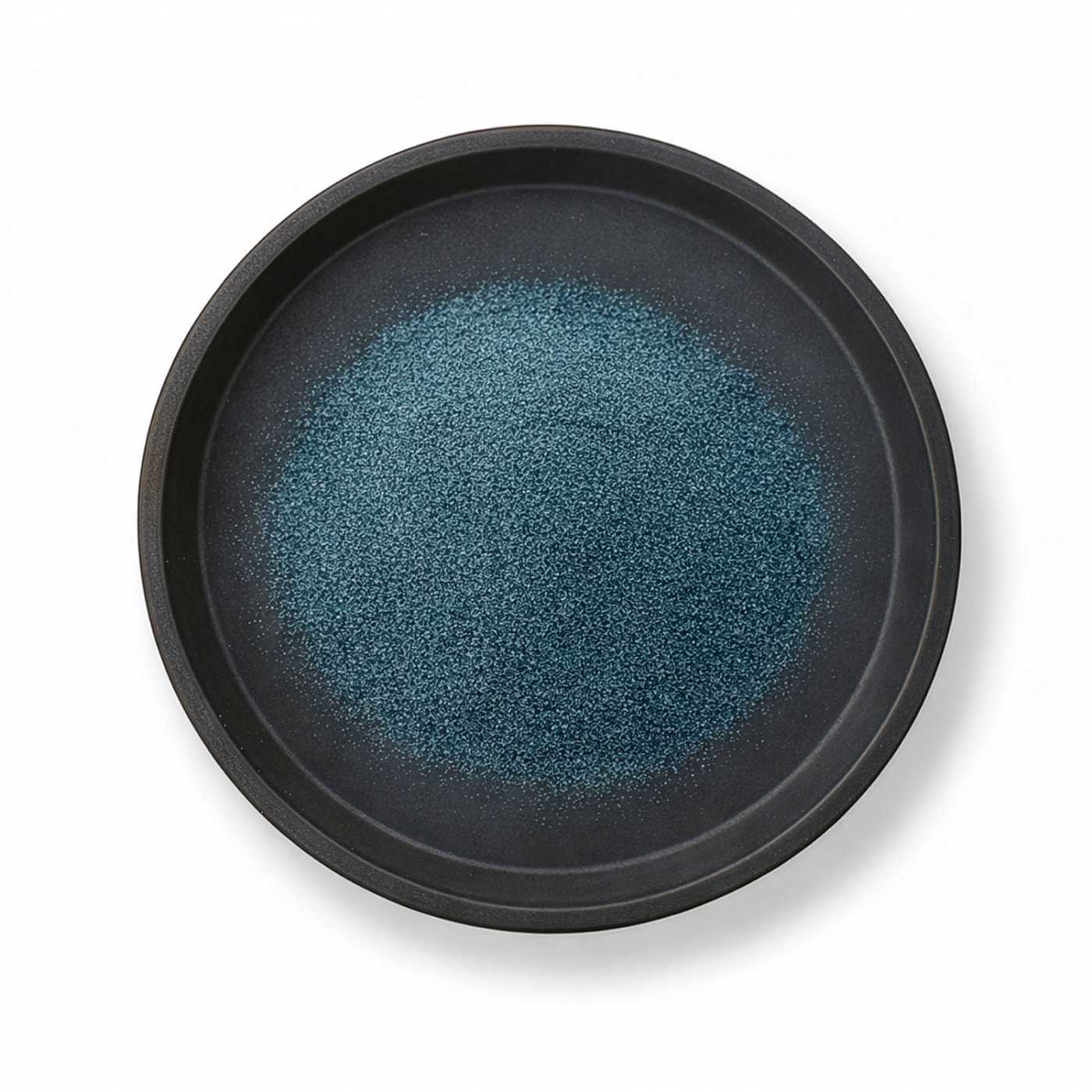
Bath Bombs Powdered Colorant, Mermaid Teal, 10 g
Pre-order€2.09(€209.00/kg)

BATH BOMBS
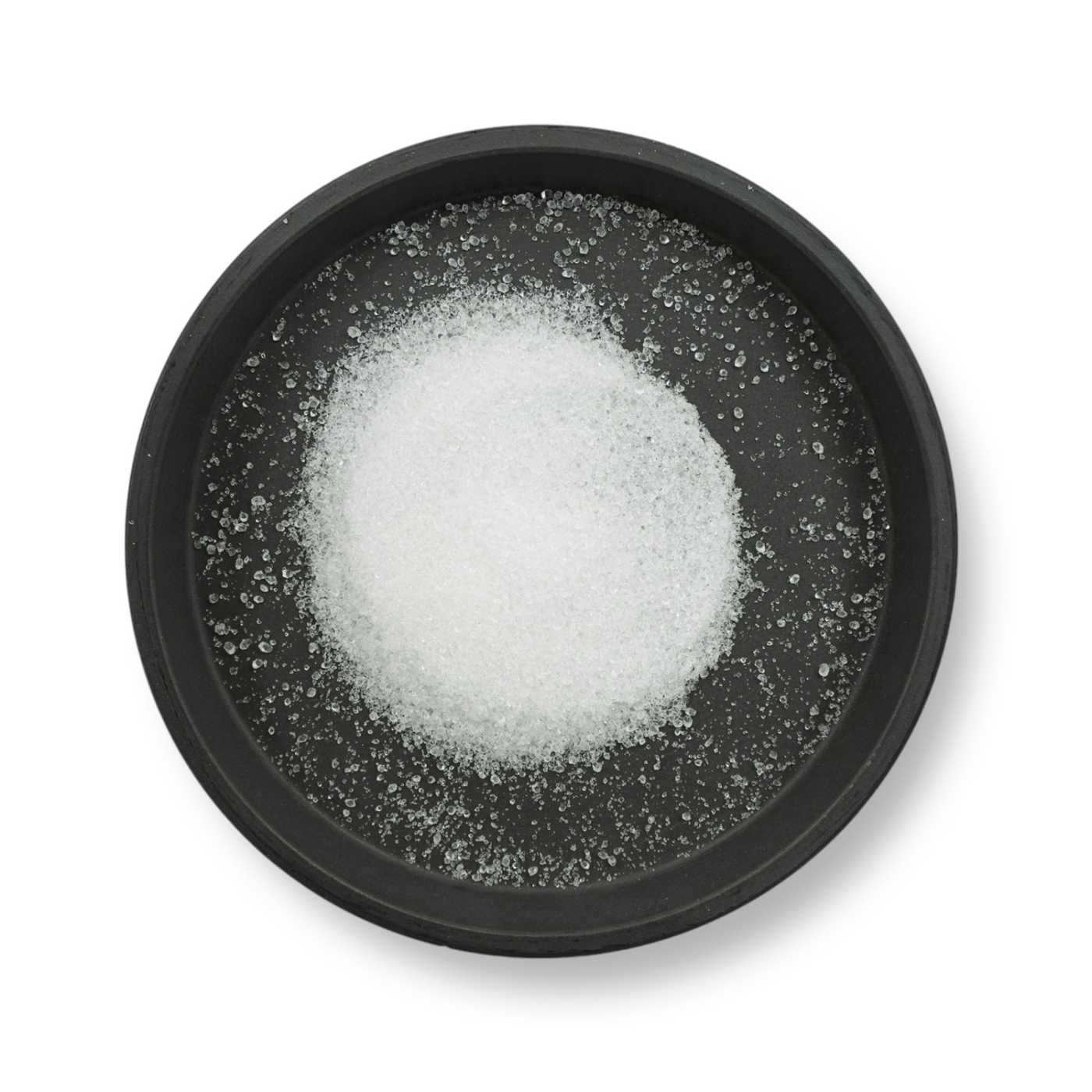
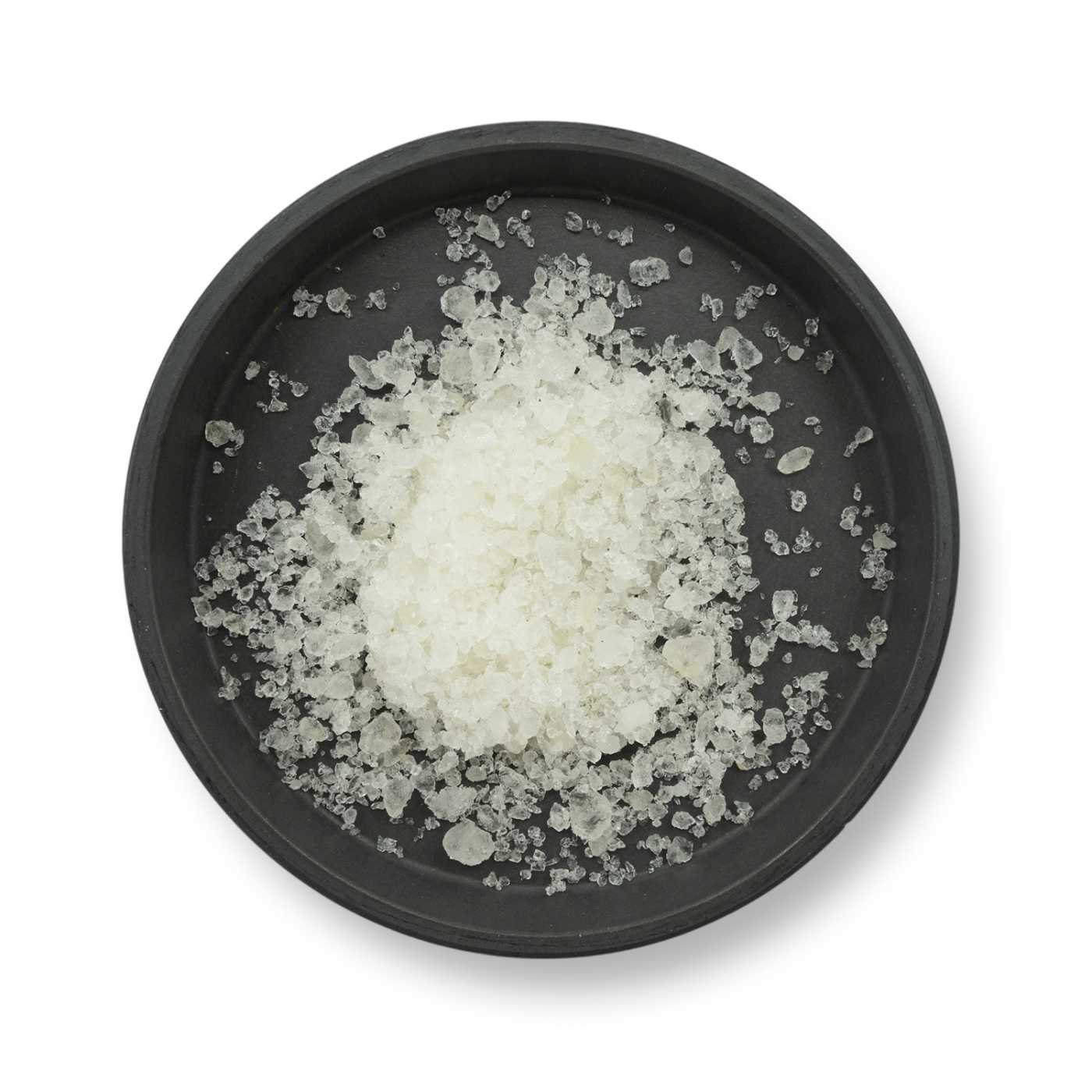
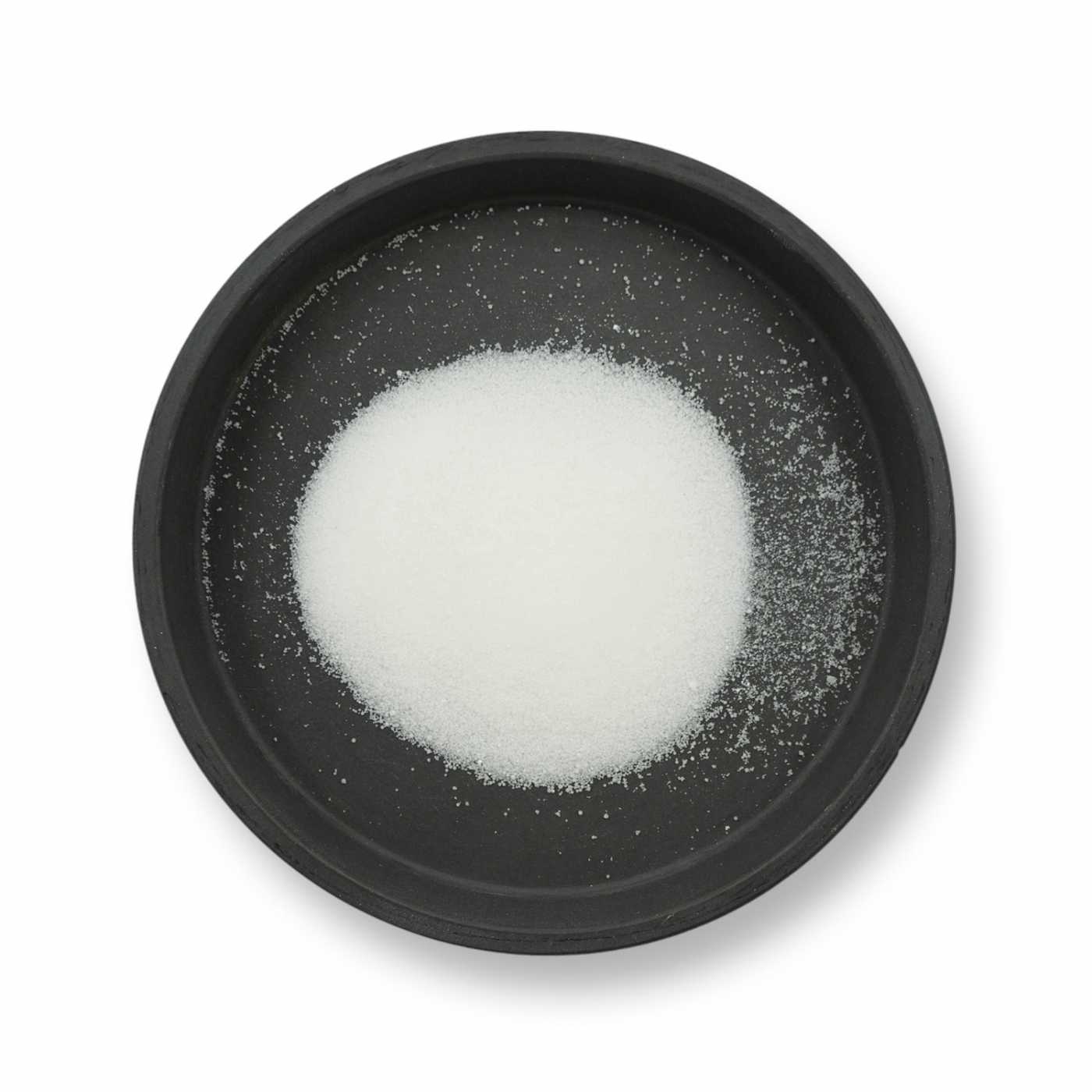
Anhydrous Citric Acid Citric acid in anhydrous form is a pH regulator added to water-based cosmetic formulations when the finished blend needs to be acidified to a value suitable for skin. full description
Lowest price in the last 30 days: €5.69
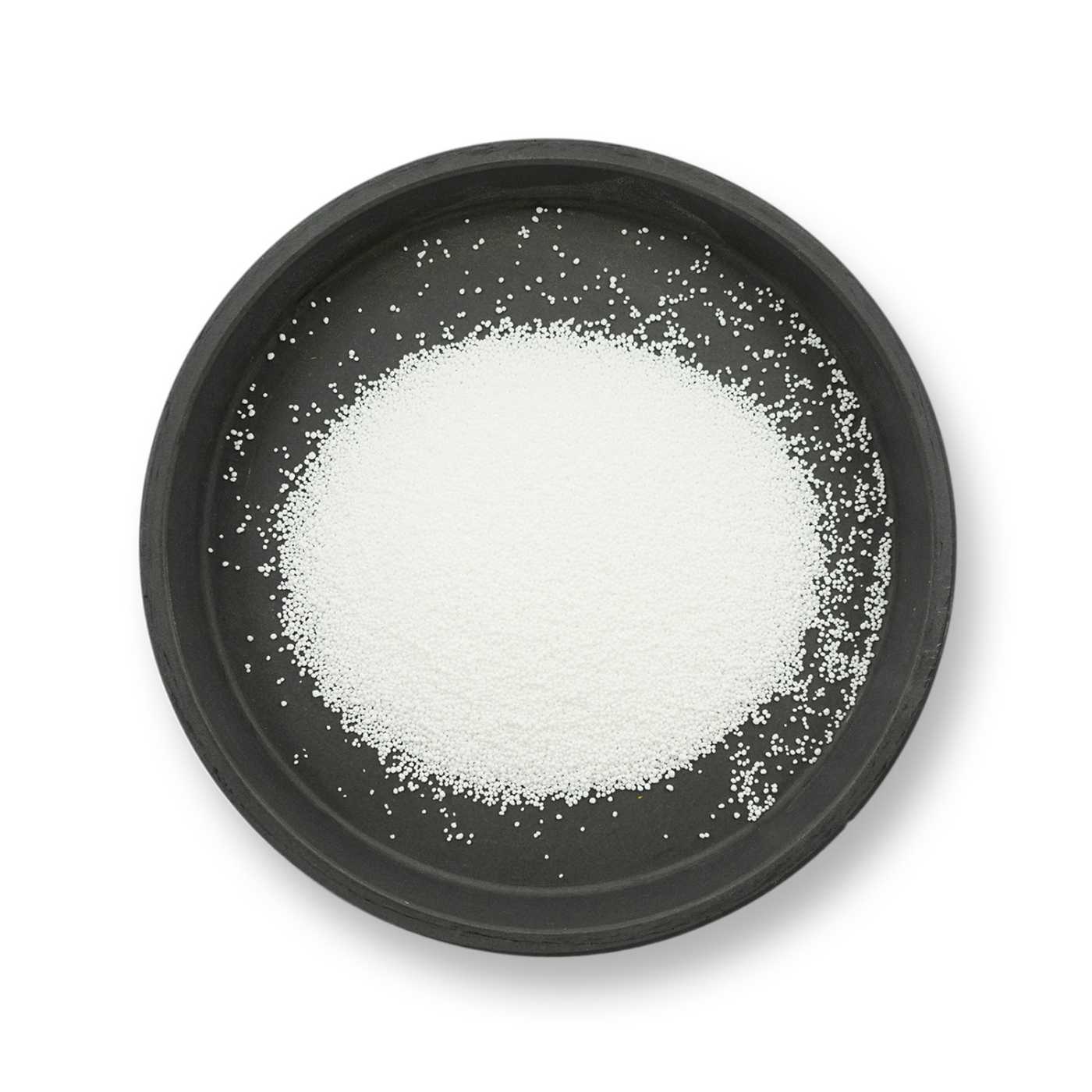
Citric acid in anhydrous form is a pH regulator added to water-based cosmetic formulations when the finished blend needs to be acidified to a value suitable for skin. Its second major application is in bath bombs and effervescent salts, where it creates a fizzing reaction together with sodium bicarbonate. It is supplied in cosmetic and food-grade quality, making it suitable for household cleaning products and kitchen use as well.
The powder is miscible with water, partially soluble in alcohol and insoluble in oil. For water-based formulations it is therefore dissolved in the aqueous phase, or a water-based stock solution is prepared, added drop by drop while the pH is measured continuously. This allows the value to be fine-tuned precisely and without the risk of over-acidifying the formulation.
The recommended dosage is 0.1 – 2 %. For routine pH correction, the lower end of the range is sufficient; higher doses are used for exfoliating products or where the starting pH is strongly alkaline. It is added to the water phase, during the cooling phase, or additionally to the finished blend; the processing temperature should be below 40 °C.
Always adjust the pH at the end, once all ingredients including the preservative and active substances are in the formulation. Each additional raw material can shift the value.
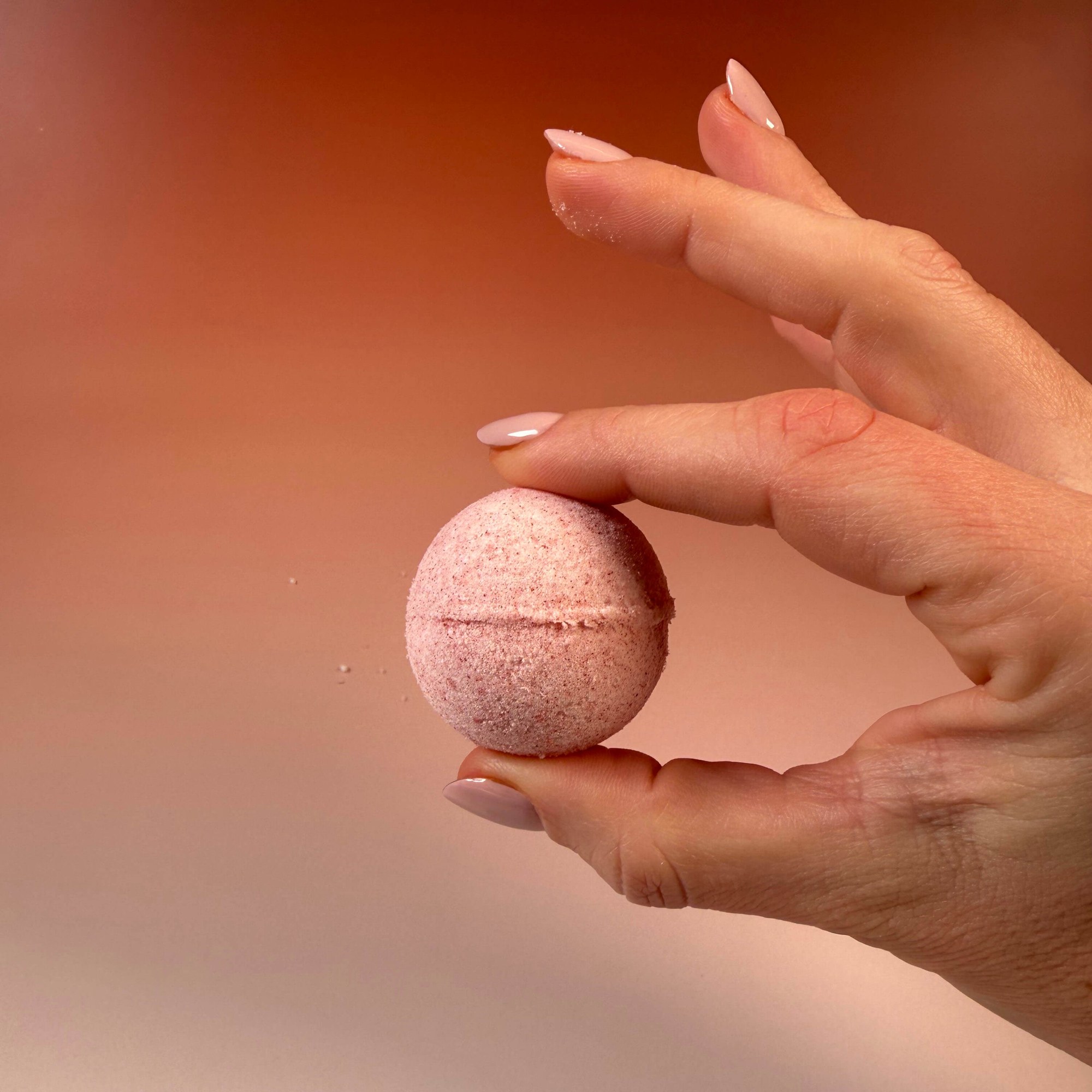
In bath bombs, the dry powder form is used. The mixture with sodium bicarbonate is only activated upon contact with water, so it is mixed and pressed in a dry environment. Each manufacturer adjusts the ratio of ingredients and the amount of binder according to their own formulation.
It is compatible with anionic, amphoteric and non-ionic surfactants, so it is commonly used to acidify shampoos, shower gels and liquid soaps. It is suitable for both rinse-off and leave-on products and for formulations for all skin types.
When working with citric acid, wear protective gloves and goggles. The raw material is classified under CLP regulation as irritant (GHS07 pictogram); details on safe handling are in the safety data sheet.
Citric acid is a strong regulator; very little is needed for acidification. The stock solution is added gradually, with a measurement after each addition. If you are unsure about the behaviour of a specific formulation, test it in a small trial batch.
The anhydrous form attracts moisture from the air. Keep the container tightly closed, open it only for the minimum necessary time when weighing, and when making bath bombs work in a dry environment — otherwise the mixture will start to clump and lose its effervescence.

Variant: Kyselina citrónová, bezvodá 1 kg