10% off everything in Base IngredientsStock up

+421 950 333 113info@handymade.store

Candle fragrance oils

Cajeput Essential Oil, 10 ml

Pack size10 ml100 ml500 ml1 l

Cajeput essential oil performs two roles in a formulation at once: it provides a herbal, refreshing fragrance and also acts as an active ingredient for oily, problematic and acne-prone skin, as well as for scalps prone… full description

AvailabilityIn stock · 25 packs
Product codeEON035_10
Batch19394
Best before10/2027
€3.09incl. VAT€309.00/l

Lowest price in the last 30 days: €3.09

Product description

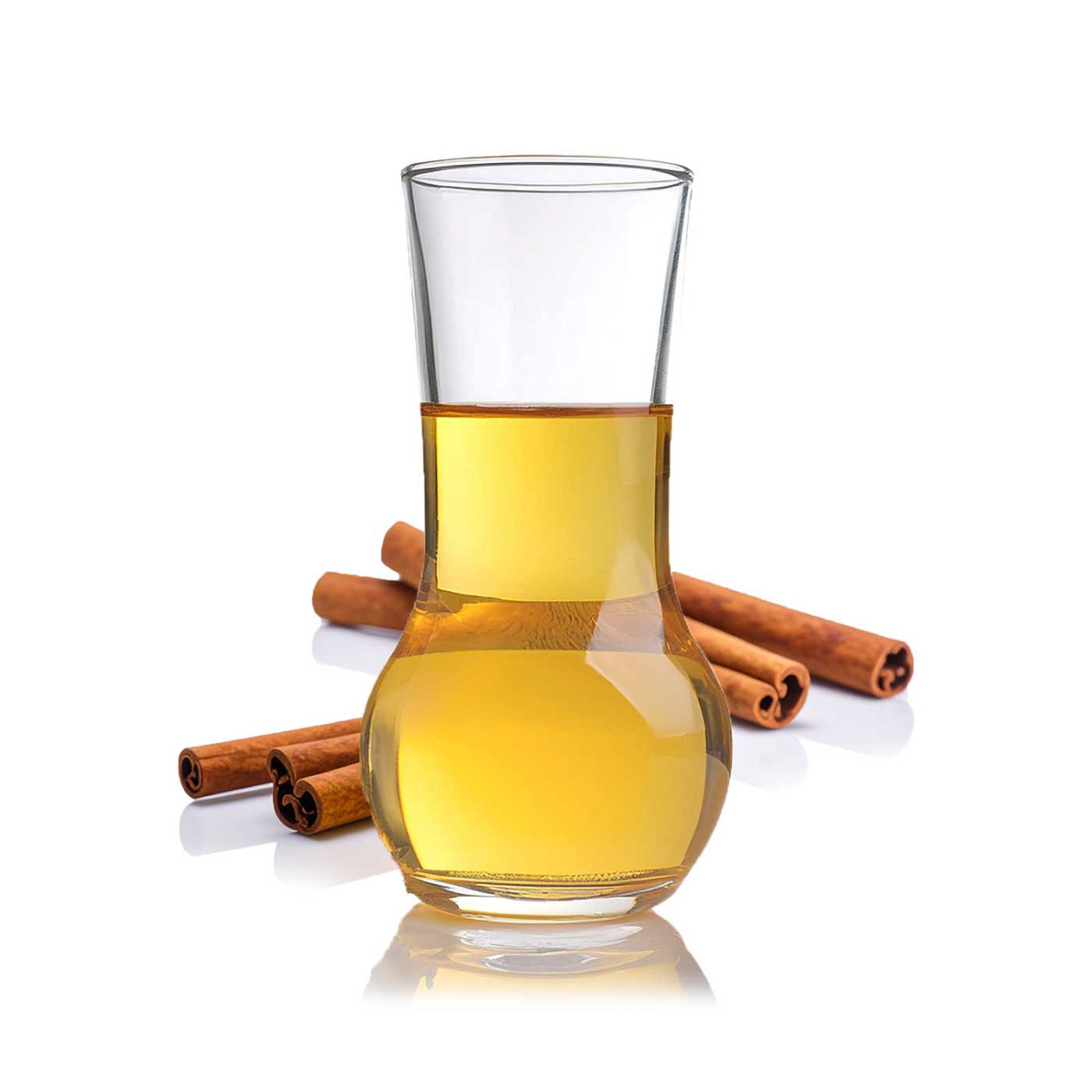
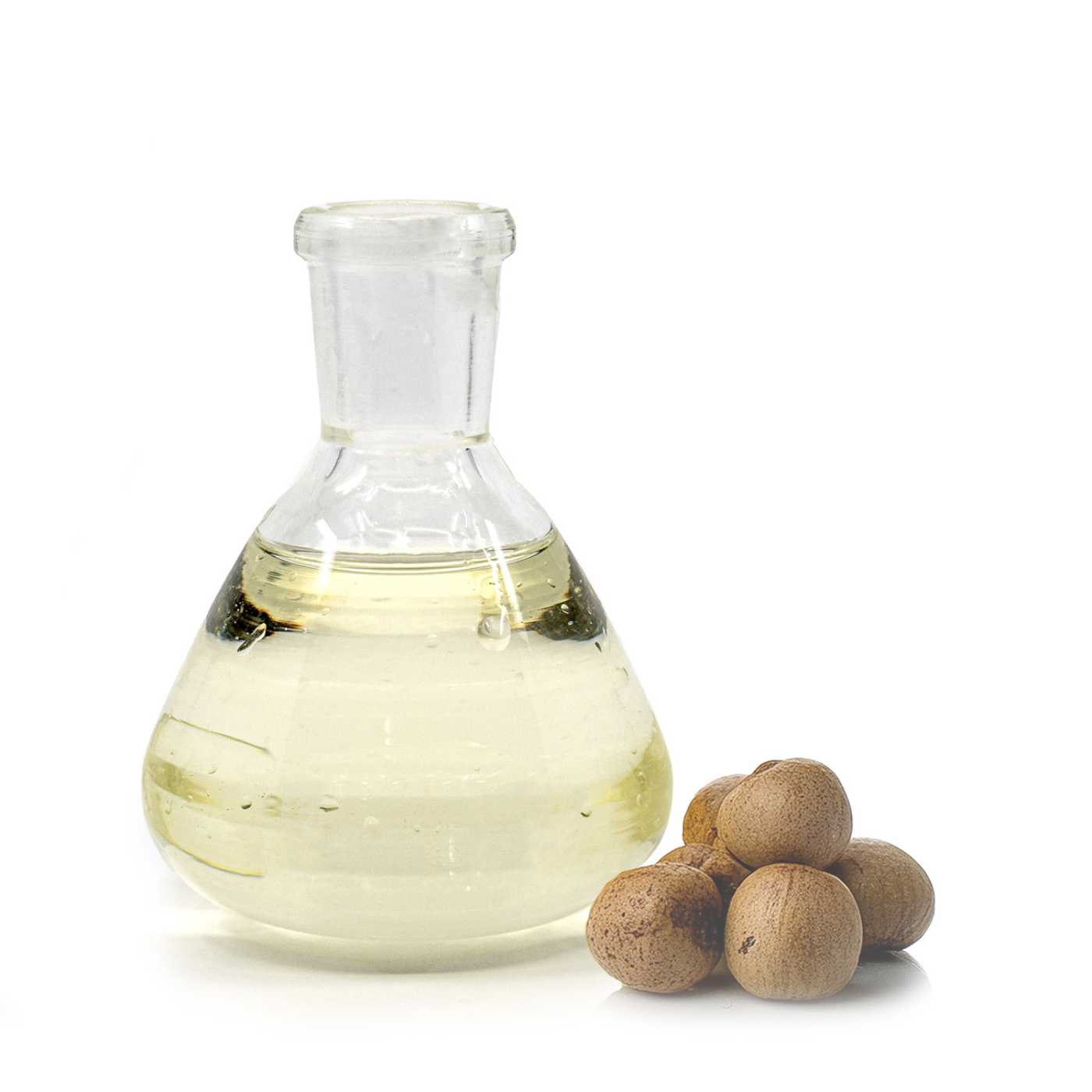
Cajeput essential oil performs two roles in a formulation at once: it provides a herbal, refreshing fragrance and also acts as an active ingredient for oily, problematic and acne-prone skin, as well as for scalps prone to oiliness and dandruff. It is obtained by steam distillation of the leaves of the Melaleuca leucadendron tree, which is native to Asia. It is most useful where the finished product is meant to have a cleansing and cooling effect, that is, in facial cleansing products, toners, hair care products, soaps and bath salts.

The manufacturer also lists it among ingredients suitable for after-sun products, face masks, serums, make-up removers and lip care. The ingredient is vegan and has not been tested on animals for cosmetic purposes.


Effects according to the manufacturer’s data

The following properties are based on the manufacturer’s documentation and are cosmetic, not therapeutic, in nature. How they show in the finished product depends on the usage rate, the rest of the formulation and the type of product.

  • Antimicrobial effect – antibacterial and antifungal action, which the manufacturer uses mainly in products for problematic skin and scalp.
  • Cleansing – helps remove impurities and excess sebum from the skin and hair. It is therefore suitable for cleansing oils, gels and shampoos for oilier skin and hair.
  • Anti-inflammatory and cooling effect – soothing and a cooling sensation on irritated or overheated skin. This is the basis for its use in after-sun products and body mists.
  • Anti-dandruff – in scalp care, the manufacturer recommends it for reducing flaking, typically in shampoos or scalp treatments. It also reports a stimulating effect on the scalp.
  • Stimulating and refreshing – the herbal fragrance and the feeling of freshness on the skin are the reason cajeput is used in body sprays, bath salts and aromatherapy.

Use in formulations

The oil is soluble in oils and alcohol and does not dissolve in water. In emulsions it is added to the oil phase or only during the cooling phase, and in anhydrous products it is simply mixed in with the other oils. For water-based products such as toners or mists, it must first be solubilised or dissolved in alcohol. Otherwise it will separate and float on the surface.

The recommended processing temperature is up to 40 °C. When preparing a hot emulsion, it is therefore added only after the emulsion has cooled.

There is no single universal usage rate. The manufacturer does not state a recommended range, and the upper limit is governed by the IFRA limit for the particular product category. Lip products (category 1) have a different limit from body lotion (category 5A), shampoo (category 9) or a candle (category 12).

Before determining the usage rate, open the IFRA certificate in the Product documentation section and find the limit for the category your product belongs to. The limit applies to the amount of essential oil in the finished product, not in the fragrance composition.

Compatibility with alcohol and other fragrance ingredients is unrestricted, so it can be combined with other essential oils and fragrance compositions.


Suitable for products such as

  • Facial cleansing products and make-up removers – for oily and problematic skin. The manufacturer emphasises the cleansing function most for cajeput.
  • Shampoos and scalp treatments – for hair prone to oiliness and flaking. In shampoo, the usage rate follows IFRA category 9.
  • Facial toners and mists – after solubilisation.
  • Body oils, lotions and after-sun products – for its cooling and refreshing sensation.
  • Soaps, bath bombs and salts – both the fragrance and the function suit products for oily skin.
  • Candles, diffusers and household cleaning products – in candles, the amount follows IFRA category 12.

Good to know

The product is classified under the CLP regulation and contains hazardous substances. Details on classification and safe handling are in the safety data sheet for the product. It also contains one or more fragrance allergens under Annex III of Regulation (EC) No 1223/2009.

The essential oil is used diluted in the finished product and in an amount that does not exceed the IFRA limit for the given category. Lip products (category 1) and children’s cosmetics (category 5D) have their own limits, so check them before formulating.

Before making a larger batch, it is worth testing on a small sample how the fragrance behaves in your particular formulation. Essential oils are a mixture of volatile components, so part of the fragrance is lost in open containers and at higher temperatures.


Frequently asked questions

Is cajeput essential oil soluble in water?
No, cajeput essential oil does not dissolve in water. It dissolves in vegetable oils and in alcohol. For toners, mists and other water-based products, it is therefore added via a solubiliser or dissolved in alcohol, otherwise it separates and forms an oil layer on the surface.
How much cajeput essential oil can I add to a cream or soap?
There is no single usage rate; the maximum amount is determined by the IFRA limit for the product category. A face cream belongs to a different category from a solid soap or a lip balm, and each has its own upper limit. The limits for all categories are listed in the IFRA certificate in the Product documentation section.
At what temperature is cajeput essential oil added to an emulsion?
Cajeput essential oil is added at a temperature of up to 40 °C, that is, during the cooling phase of the emulsion. At higher temperatures, part of the volatile components evaporates and the fragrance weakens. In anhydrous oil products and serums, it is mixed in directly when cold.
Is cajeput essential oil suitable for oily and acne-prone skin?
Yes, cajeput essential oil is intended mainly for oily, problematic and acne-prone skin. The manufacturer attributes a cleansing and antimicrobial effect to it, which is used in cleansing products, toners and masks. It is always used diluted in the finished product and in an amount according to the IFRA limit.
What is the difference between cajeput essential oil and tea tree?
Cajeput and tea tree come from different species of trees of the Melaleuca genus. Cajeput is distilled from the leaves of Melaleuca leucadendron and has a herbal, fresh fragrance, while tea tree comes from Melaleuca alternifolia. In formulations, both are used for problematic skin and can also be combined, but IFRA limits apply to each oil separately.

Parameters

INCI
Melaleuca Leucadendron Cajuputi Leaf Oil
CAS No.
85480-37-1
EC number
287-316-4
Product colour
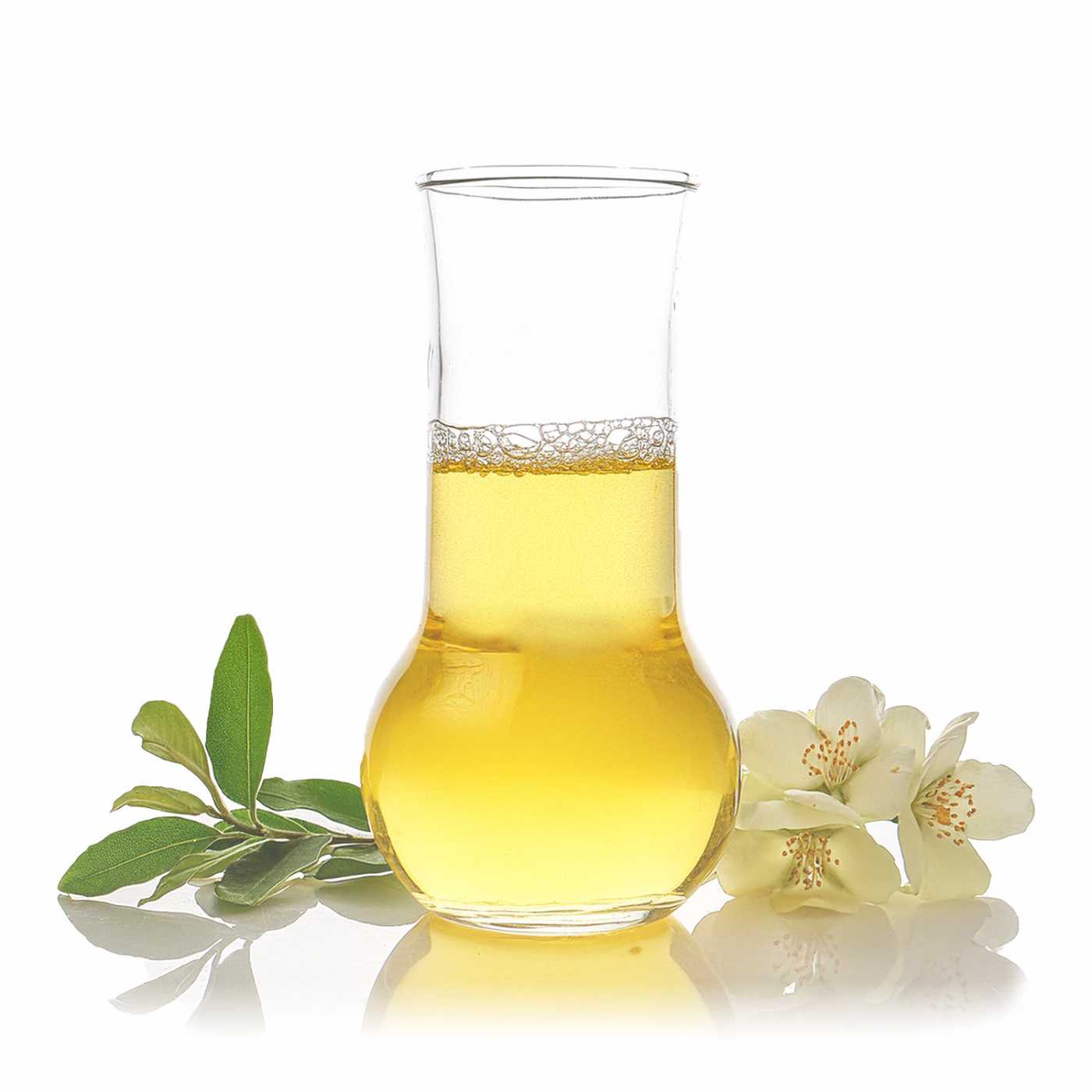
Yellow
Country of origin
Indonesia
Appearance
Liquid
Recommended processing temperature
< 40 °C
Application type
Leave-onRinse-off
Certifications
Vegan
Manufacturer's certificate
BRC
Natural Index (NI ISO 16128)
1,00
Natural Origin Index (NOI ISO 16128)
1,00
Organic content
0 %
Renewable Carbon Content (RCC)
100 %
Volume
10 ml

Product documentation

CoACertificate of Analysis
batch 19394PDF ↓
TDSTechnical Data Sheet
Physical parameters and processingPDF ↓
SDSSafety Data Sheet
Available for purchased products —
Download all (ZIP)

2 PDF files in one archive

REVIEWS

Verified by customers.

No reviews yet.

Only customers with a delivered order can write reviews.