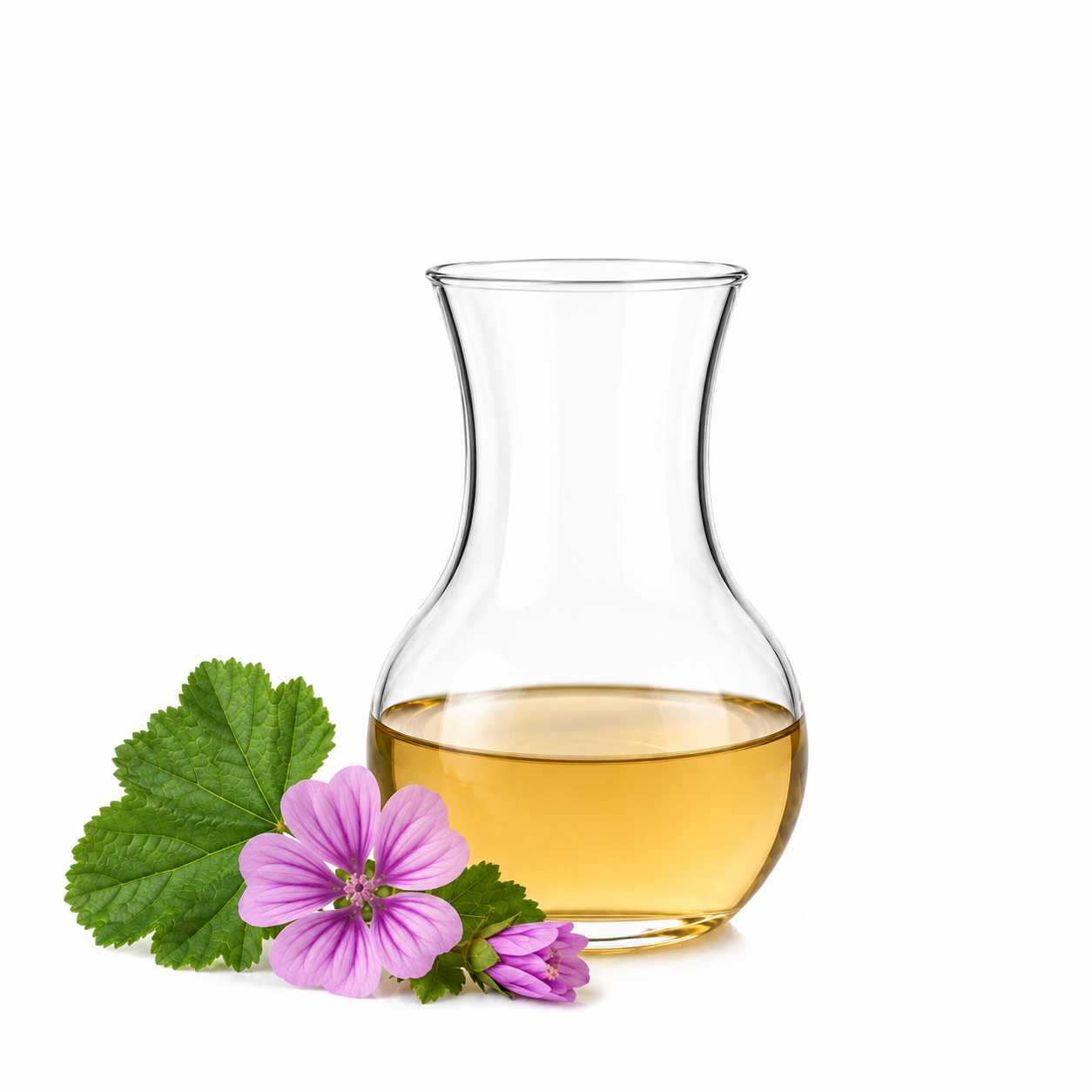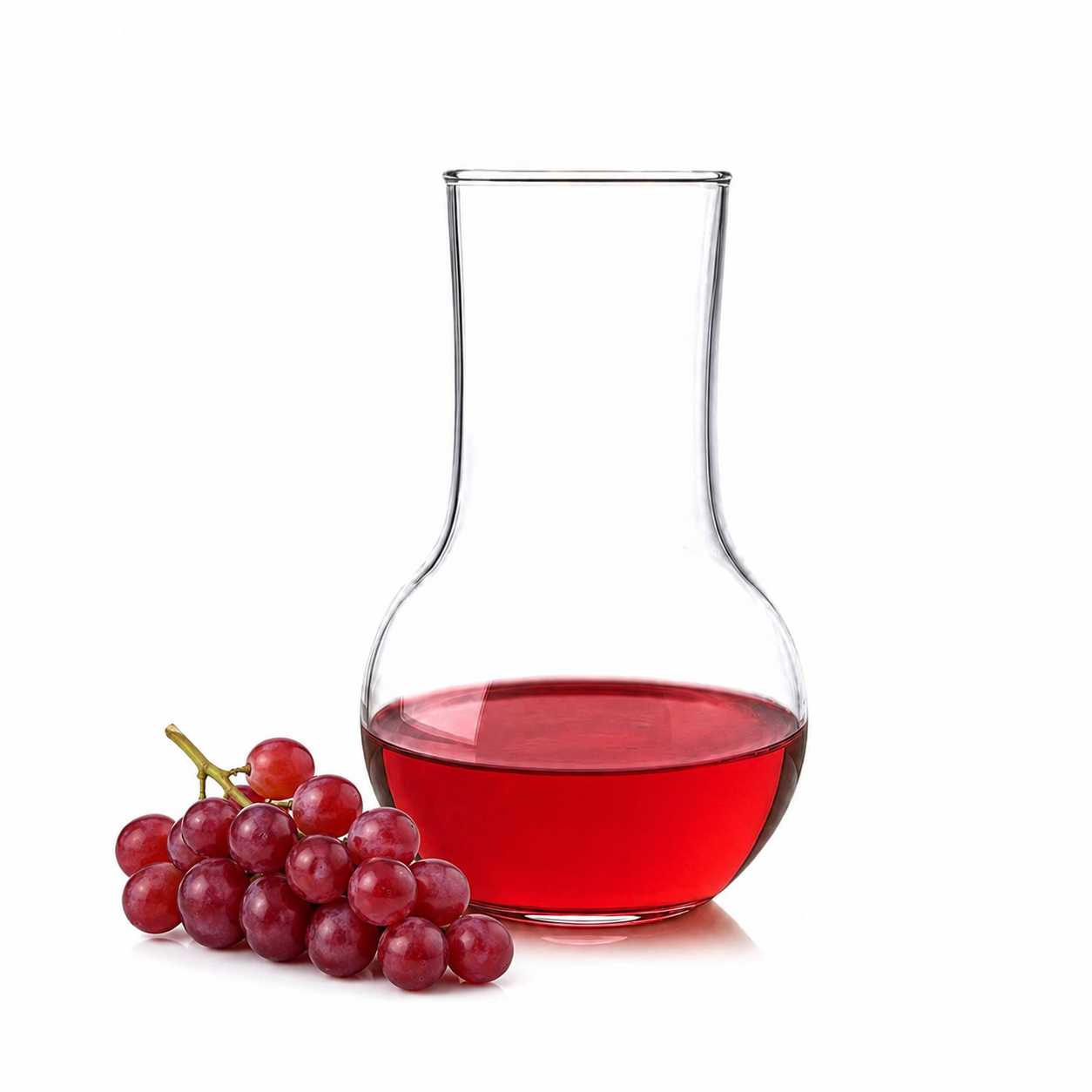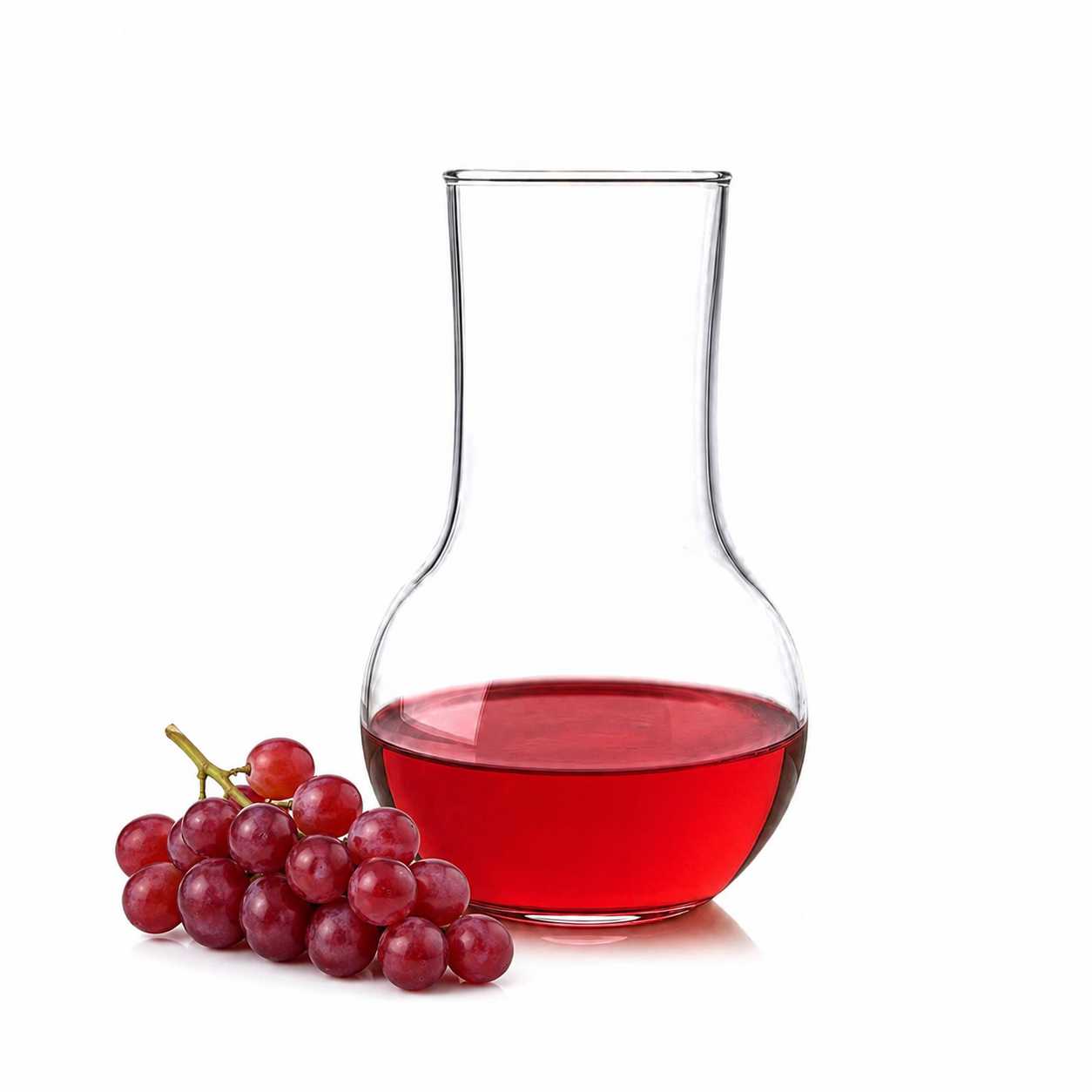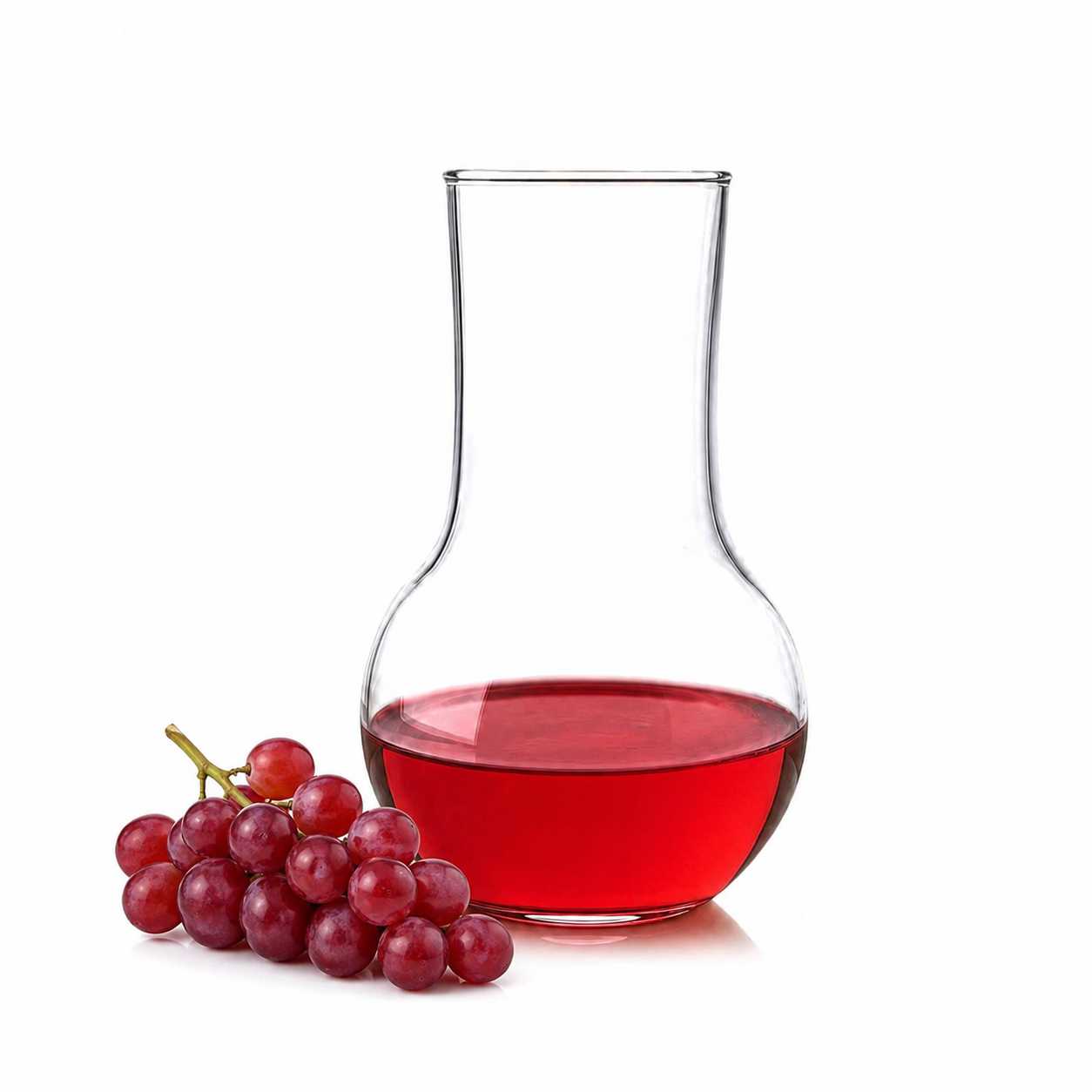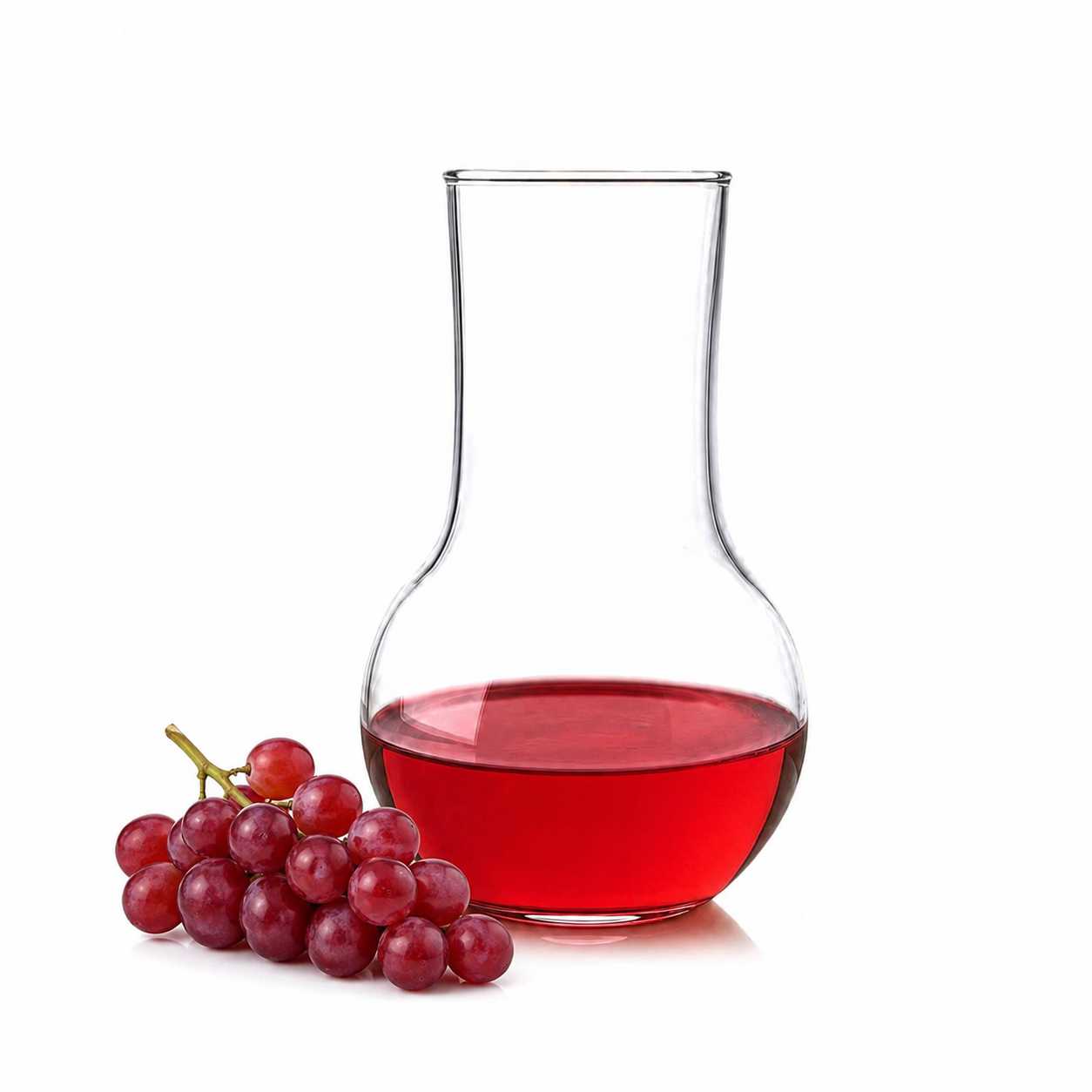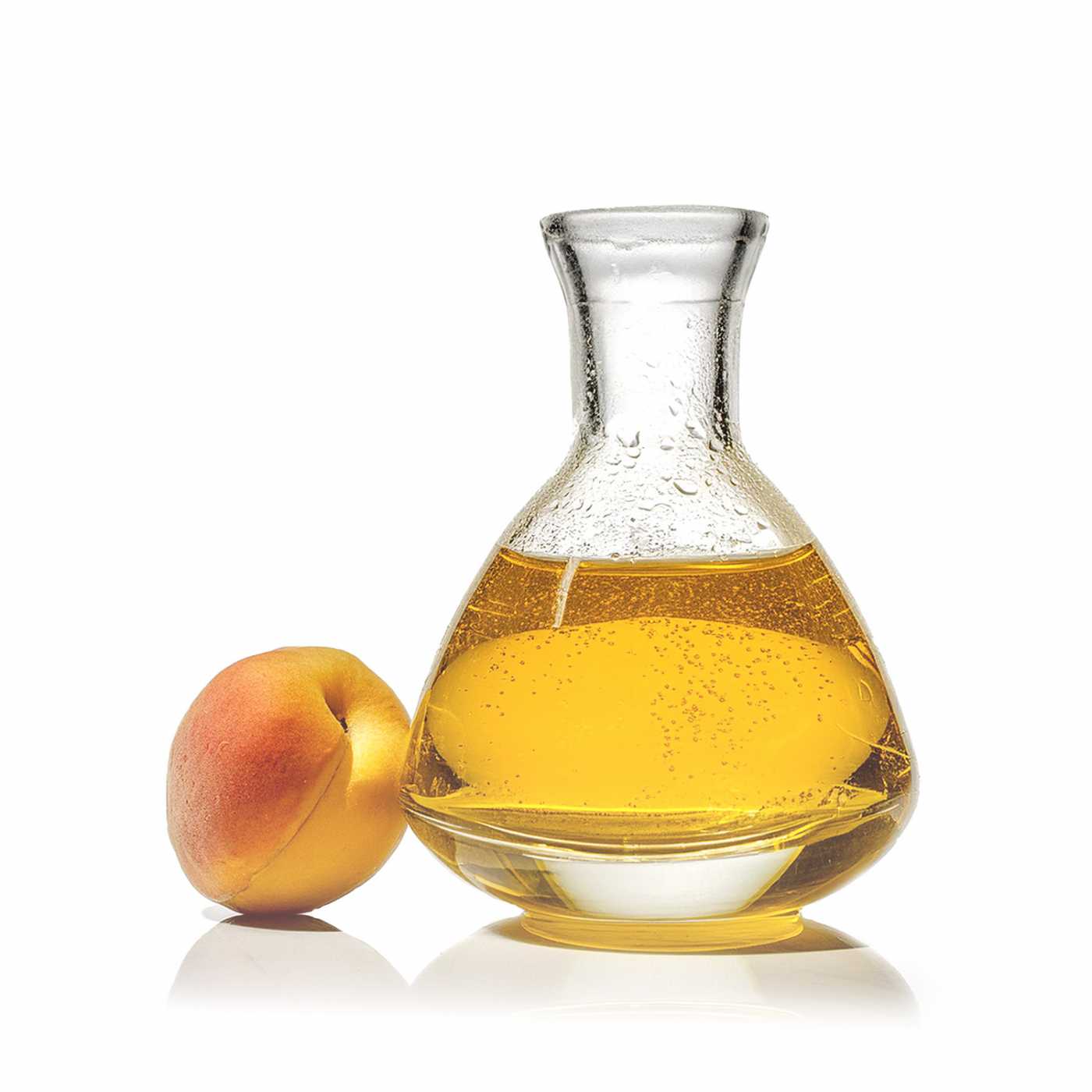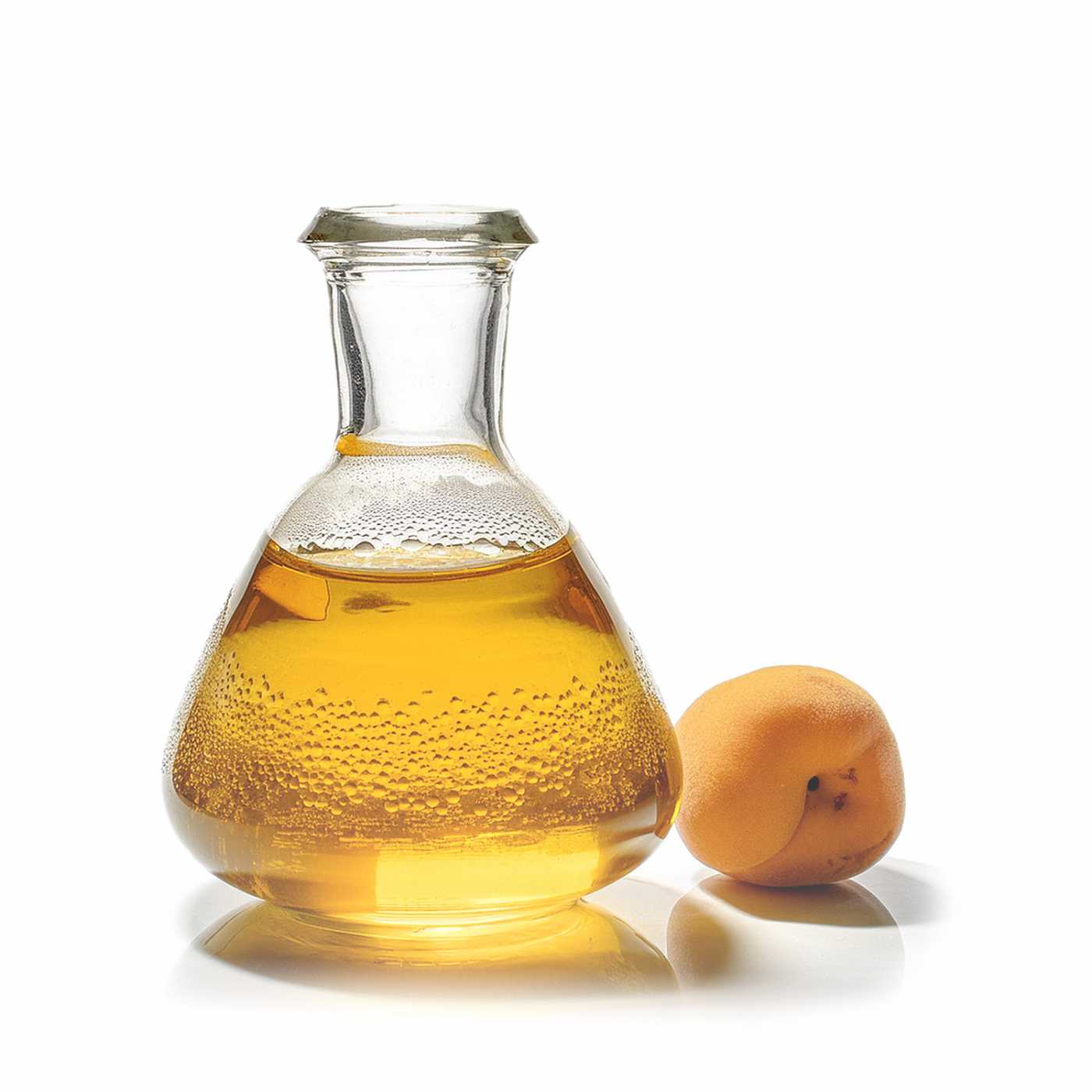
Acetic acid, 20%, 1 l
Pre-order€3.14(€3.14/l)

4.9 out of 5 · 683 ratings
Documentation for every product
672 products in this category
507 in stock now
Showing 60 of 672 products
Raw materials are the building blocks of every formulation — what forms the body of a cream, soap, balm or bath bomb, while additives give it scent, colour and effect. In this category you will find the complete oil phase (vegetable oils, butters and waxes), the water phase (hydrosols and floral waters), functional powders (clays, salts, sugars and starches), raw materials for saponification (sodium and potassium hydroxide) and ready-made semi-finished products — soap bases and cosmetic bases that become a finished product without complicated chemistry. The range is rounded out by herbal macerates, cleaning agents for homemade household products and mineral make-up.
If you are just starting, reach for a soap base or a cosmetic base — you can manage your first working product in a single afternoon without weighing hydroxide. More experienced makers build their own formulations from scratch out of oils, butters and hydrosols. And for professional manufacturers we stock bulk packs: oils in 5-litre canisters, butters in 10 kg packs, hydroxide and salts in sacks of up to 25 kg — with a price per kilogram that drops markedly with volume. Same raw material, different scale.
Every raw material comes with a safety data sheet (SDS / MSDS) and a certificate of analysis (COA) — the documents you need for the product information file when notifying cosmetics in the CPNP portal, and for peace of mind in home crafting. With oils and butters you choose between virgin cold-pressed quality (maximum nutrients and a natural scent) and refined variants (neutral, more stable, right wherever the raw material's scent should not mask the fragrance). Our organic range with certified origin is growing too. Goods are dispatched from our own warehouse in Slovakia.
Not sure what to choose? Give us a call on +421 950 333 113 — we use these raw materials ourselves every day.
It depends on the fat composition — every oil has a different saponification value. As a rough guide it works out at 120–145 g of NaOH per 1 kg of oils, but always calculate the exact amount with a soap calculator and leave 5–8% of the fats unsaponified (superfat) so the soap does not irritate the skin. Never carry a weight over from someone else's recipe to different oils.
Keep oils in the dark and cool, well sealed — use up fragile oils (grapeseed, rosehip, raspberry) within 6–12 months, while stable ones (jojoba, fractionated coconut) last for years. Once opened, hydrosols belong in the fridge and are best used within a few months; if they turn cloudy or their scent changes, stop using them in cosmetics.
A first sensible set fits within €20: a soap base or a cosmetic base as the semi-finished starting point, plus 100 g of shea butter and 100 ml of almond oil. From these you can make poured soap, whipped body butter and a simple balm — with no hydroxide and no special equipment. Small packs from 50 ml are ideal for trying out formulations.
Before placing a product on the market you notify it in the European CPNP portal, and you need a product information file including a safety assessment. For that, the assessor will ask for the raw materials' documentation — the safety data sheet (SDS/MSDS) and the certificate of analysis (COA). We provide both for every raw material in the range, so you have the paperwork together right from purchase.
A virgin cold-pressed oil keeps its vitamins, natural colour and scent — ideal for facial serums and products where the raw material is meant to do the work. A refined oil is neutral, lighter in colour and more stable, so it suits soaps, fragranced emulsions and anywhere the oil's own scent would get in the way. Refined oil also tends to be cheaper.
Yes, we hold most of the range in bulk packs too: oils in 1–5 l canisters, butters in 2.5–10 kg packs, hydroxide and salts in sacks of up to 25 kg. The unit price falls with volume and every batch comes with a certificate. For regular purchasing, take a look at the wholesale terms or write to us at [email protected].