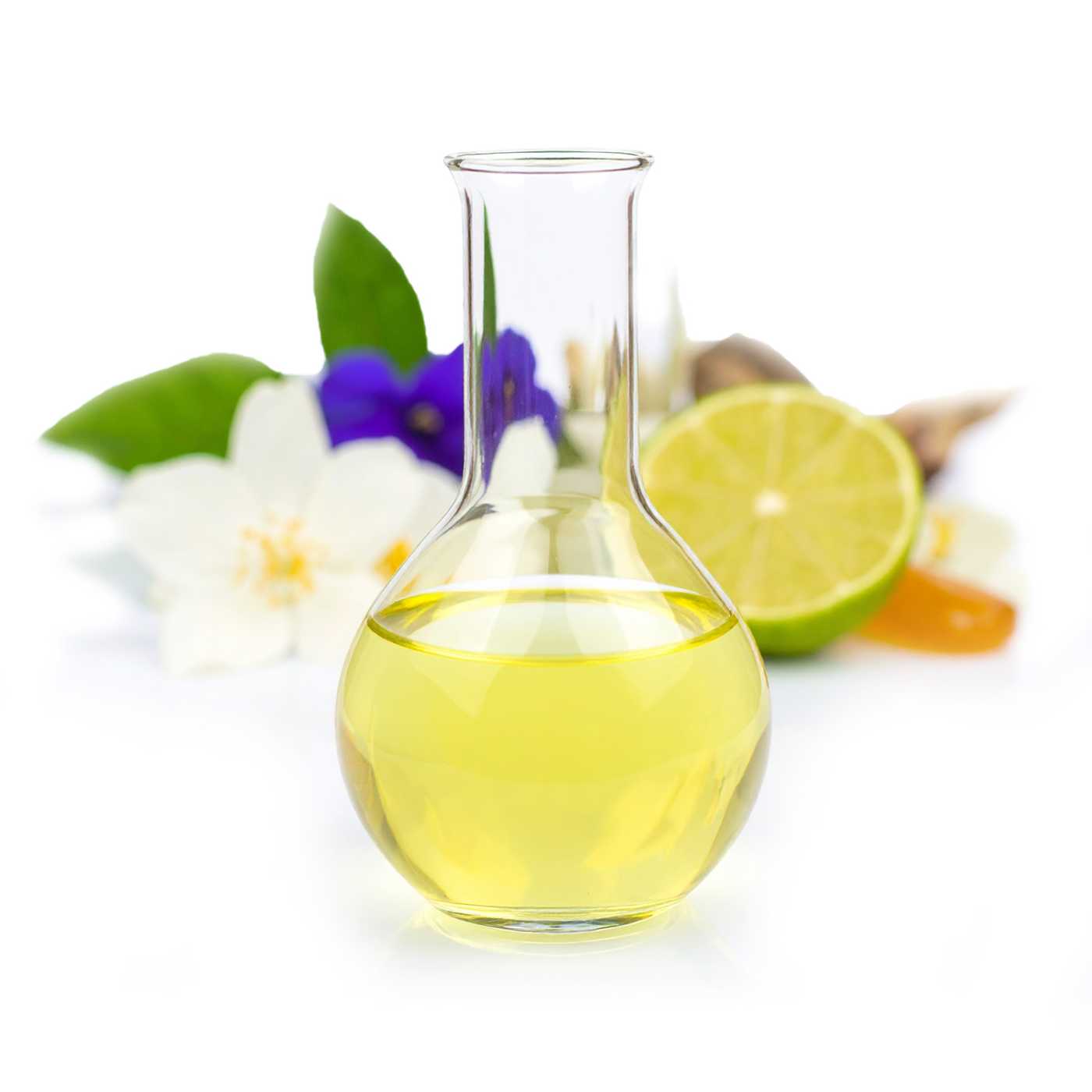
Mandarin essential oil brings a fresh, sweetish citrus fragrance to cosmetics and performs two roles in a formulation at once. It is a fragrance ingredient that scents shower gel, body oil or shampoo without a synthetic composition, and at the same time an active ingredient that the manufacturer associates with supporting clean skin and with a refreshing effect. It is most useful in products for normal, oily and problem skin and wherever the final fragrance should feel light and natural.
The oil is obtained by mechanical pressing of the peel of Citrus reticulata fruits harvested in the wild in South America, and after pressing it is only filtered. The raw material is of plant origin and Vegan certified.
What it brings to a formulation
- Citrus fragrance – the fresh scent of a freshly peeled mandarin. In perfumery it is one of the top notes of a composition, meaning the ones you smell first and which also evaporate the fastest.
- Refreshing and cooling sensation – the manufacturer states a cooling and energising effect on the skin and in hair care. It works well in a morning shower gel, a cooling gel serum or a summer body spray.
- Support for clean skin – according to the manufacturer, the oil has antimicrobial and antioxidant properties that help with cleansing the skin. It is therefore suitable for cleansing gels, toners and creams for oily and problem skin. These are cosmetic claims made by the supplier, not a guarantee of effect.
- Soothing fragrance – the manufacturer attributes to the mandarin fragrance the ability to support a feeling of relaxation. It suits massage oils, bath salts and evening body products, where the fragrance forms an essential part of the experience.
Use in a formulation
The essential oil is not soluble in water. In emulsions and anhydrous products it is added to the oil phase or incorporated afterwards. In water-based products (toners, facial sprays, bath waters) it must first be dissolved in a solubiliser, for example Polysorbate 20 or Polysorbate 80, otherwise oil droplets will appear on the surface. In surfactant-based products (shower gels, shampoos) it can usually be mixed directly into the surfactant blend. Check for cloudiness or separation after the product has stood for a few days.
The recommended processing temperature is below 40 °C. The fragrance components of mandarin are volatile, so the oil is added only in the cooling phase, once the emulsion has formed, or right at the end as a post-addition. At higher temperatures part of the fragrance evaporates and the finished product smells weaker than you expected.
For creams and lotions, stir the oil into the cooled emulsion just before filling and close the container immediately. This gives you the full fragrance without having to increase the usage rate.
The usage rate depends on the IFRA product category. Limits differ considerably depending on whether the product is a lip product, a deodorant, a facial cream or a shower gel, so always verify the specific value for your product type before finalising the recipe. In general, essential oils are used more sparingly in leave-on products for the face and lips than in rinse-off products.
The substance is subject to CLP classification and contains fragrance allergens listed in Annex III of the Cosmetics Regulation. When labelling the finished product, allow for the allergens to be declared in the ingredients list, and when handling the concentrated oil follow the safety data sheet.
Suitable for products such as
- Shower gels, shampoos, liquid and solid soaps – rinse-off products in which the citrus fragrance comes through as soon as you start washing and where the oil mixes well into the surfactant blend.
- Body and massage oils, balms, bath salts – anhydrous products with no need for a solubiliser. The oil is simply mixed into a carrier oil or into a melted and cooled base.
- Facial creams, cleansing gels and toners for oily and problem skin – a combination of fragrance and the cleansing properties stated by the manufacturer. In toners only with a solubiliser.
- Hair oils and scalp products – the manufacturer recommends it for hair care for its refreshing fragrance.
- Lip balms and lip products – possible, but with a strict usage limit for this category.
- Candles and air fresheners – as a fragrance ingredient for citrus scents. Check the behaviour in the candle wax on a test candle.
Good to know
Citrus essential oils are volatile fragrance raw materials. Mandarin on its own smells intense in the finished product, but only briefly. If you want the fragrance to last longer, combine it with more slowly evaporating oils, for example woody or resinous ones, which form the base of the composition.
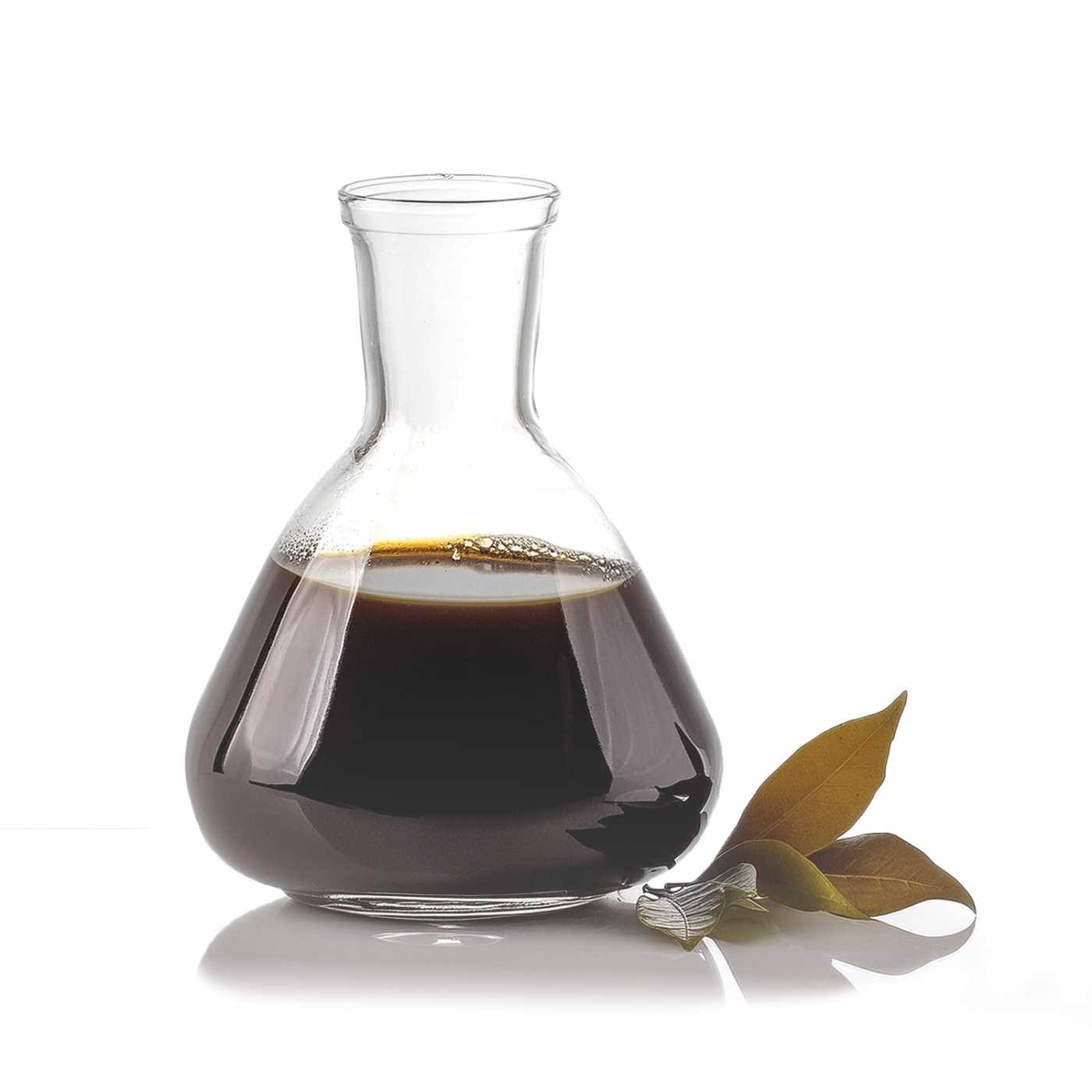
The oil has a distinct orange-red to dark red colour, which may show in the finished product at a higher usage rate. It is also sensitive to oxidation by air and light. In a formulation it helps to add an antioxidant, for example Tocopherol, and to fill the finished product into dark glass or opaque packaging. With plastic packaging, check compatibility with the concentrated oil.
The essential oil does not replace a preservative system. Products with a water phase must be preserved even though, according to the manufacturer, the oil has antimicrobial properties.
Frequently asked questions
Is mandarin essential oil soluble in water?
No, mandarin essential oil does not dissolve in water. For toners, facial sprays and other water-based products it must first be dissolved in a solubiliser, for example Polysorbate 20, and only then is the mixture stirred into the water phase. In emulsions and anhydrous products it is added to the oil phase or afterwards once cooled, without a solubiliser.
At what temperature is mandarin essential oil added to a cream?
It is added only after the emulsion has cooled below 40 °C, in the cooling phase or just before filling. The fragrance components of mandarin are volatile and would largely evaporate if heated with the oil phase. After adding it, a short stir is enough to disperse the oil evenly, and then the container should be closed.
Will mandarin essential oil colour the finished product?
It can, as the oil has an orange-red to dark red colour. At a usual fragrance usage rate in a white emulsion or a coloured shower gel, the shade usually disappears. In clear or very light products and at a higher usage rate, a slight orange tint may appear. We recommend checking the result on a small test batch.
What is the difference between mandarin essential oil and mandarin fragrance oil?
Essential oil is a natural raw material pressed from the peel of the fruit, whereas fragrance oil is a formulated fragrance composition. Essential oil has a composition that varies slightly from batch to batch, is subject to IFRA limits and its fragrance evaporates faster. Fragrance oil has a stable, longer-lasting fragrance, but it is not of natural origin. A natural recipe calls for essential oil.
Are mandarin and tangerine the same essential oil?
Yes, both names refer to oil from the peel of Citrus reticulata fruits with the same INCI name, Citrus Reticulata Peel Oil. The manufacturer labels this oil as tangerine, while in the Slovak range it is sold as mandarin essential oil. The properties and the method of use are the same under both names.
Is mandarin essential oil suitable for oily and problem skin?
Yes, the manufacturer recommends it for normal, oily and problem skin and associates it with supporting skin cleansing thanks to antimicrobial and antioxidant properties. These are cosmetic claims made by the supplier, not a therapeutic effect. The oil is always incorporated diluted into facial products, at a usage rate according to the IFRA category, and we recommend testing the finished product on a small area of skin.