
Humectants and emollients — do you know what the difference is between a humectant and an emollient? And which raw materials fall into which category? Not sure? Then this topic is intended just for you. Probably the main goal we want to achieve thanks to natural cosmetics is beautiful, radiant, silky and hydrated skin.
About this article
This article was prepared for you by Martina Oboňová. In it we will go through how humectants and emollients can help us to achieve hydrated skin, how they differ from one another, which humectants are synthetic and which are natural, and which raw materials are among the best-known emollients.
Main benefits
- They attract moisture
A humectant attracts and retains moisture from the air and absorbs it.
- They hydrate the surface of the skin
Humectants in cosmetic products draw water from the deeper layers of the skin in order to hydrate the surface.
- Natural ones also supply nutrients
Natural humectants help not only to draw water to the surface of the skin, but also to deliver hydration and nutrients to deeper layers.
- Emollients create a protective film
Emollients create a protective film that traps moisture — so primarily they prevent water loss.
- They soothe irritated skin
Emollients are applied topically to the skin in order to soothe, hydrate, treat and protect skin cells affected by redness, burning, itching, irritation or flakiness.
- They prevent water loss
Together with humectants they prevent so-called transepidermal water loss, thereby helping to keep the skin hydrated, soft and radiant.
Humectants vs. emollients in brief
How humectants work
Moisturising agents are the substances that we call humectants in cosmetics. A humectant attracts and retains moisture from the air and absorbs it (in contrast, drying products also attract water but do not absorb it, and through condensation they create a film on the surface). This general theory is not too far from the truth in actual cosmetic practice. Except that in cosmetic products humectants do not primarily draw water from the air, but rather from the deeper layers of the skin in order to hydrate the surface.
What, however, happens if through regular use it keeps pulling water “from below”?
This question is more than appropriate. When the wrong humectants are used, this really does happen over time, and the result is that the lower layers of the skin are deprived of hydration, the skin dries out and “buckles”, which merely causes wrinkles – exactly what you basically wanted to avoid by using a humectant, or you even started using a humectant specifically to fight pronounced wrinkles.
How to choose the right humectant for your formulations?
Whether you want to make your own product using a humectant or you are just a “consumer” of natural cosmetics, it is important that you know how to navigate the offer or read the contents of the label of the product you have bought, so that you can tell which humectants are beneficial for your skin.
Synthetic humectants
Synthetic humectants are cheaper than natural ones, and that is precisely why manufacturers of cosmetic products like to use them so much. However, their initial WOW effect of hydrated skin is over time replaced by damaged and dry skin. These humectants draw water from deeper layers; to some extent they do prevent water loss, but ultimately they do not supply the skin with any nutrients, and therefore, in the long run, the skin starts to age and sag.
Let us give a few examples of synthetic humectants:
Propylene glycol
A water-based raw material that can retain moisture, but at the same time dries out the lower layers of the skin and in some cases can irritate sensitive skin and cause rashes and redness.
PEG
We wrote in detail about polyethylene glycols — petroleum-based compounds used in cosmetic products — in our blog article What is PEG free?
Silicones
They are present in almost all products, precisely for the effect of soft and smooth skin, but they also prevent the skin from “breathing” and over time can result in dry and irritated skin with possible acne.
Natural humectants
Natural humectants help not only to draw water to the surface of the skin, but also to deliver hydration and nutrients to deeper layers, which helps the skin to stay regularly hydrated.
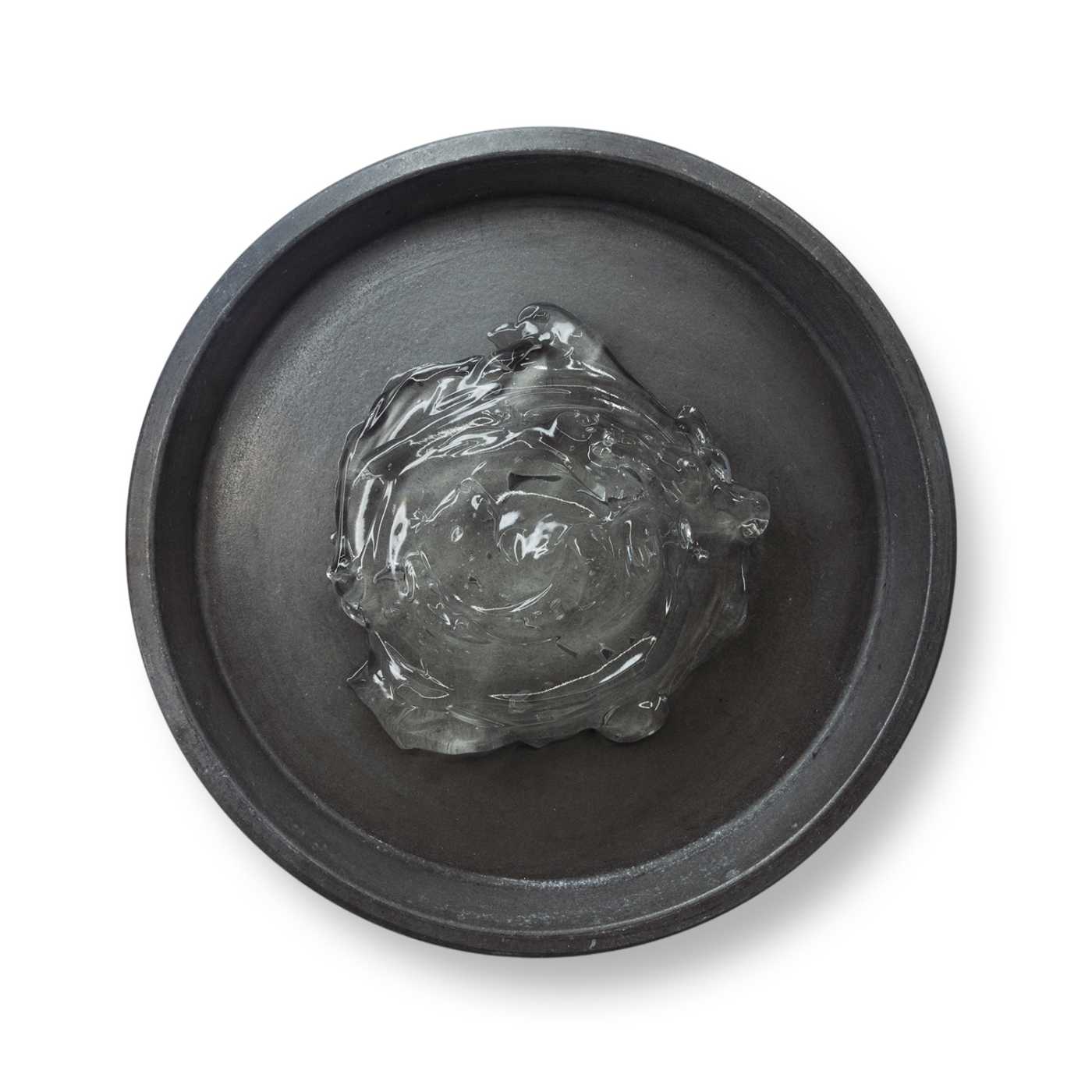
Aloe vera gel
Whether in the form of juice, a ready-made gel or the fresh gel-like part of the plant itself, aloe vera penetrates deep and quickly into the skin, hydrating it on the surface and at lower levels.
Honey
Honey has a natural ability to retain water and hydrates without creating a greasy feeling.
Hyaluronic acid
Hyaluronic acid has a natural ability to retain water and can act according to the level of moisture (low molecular weight, medium molecular weight and high molecular weight). You can find out more about this popular raw material in our article Hyaluronic acid.
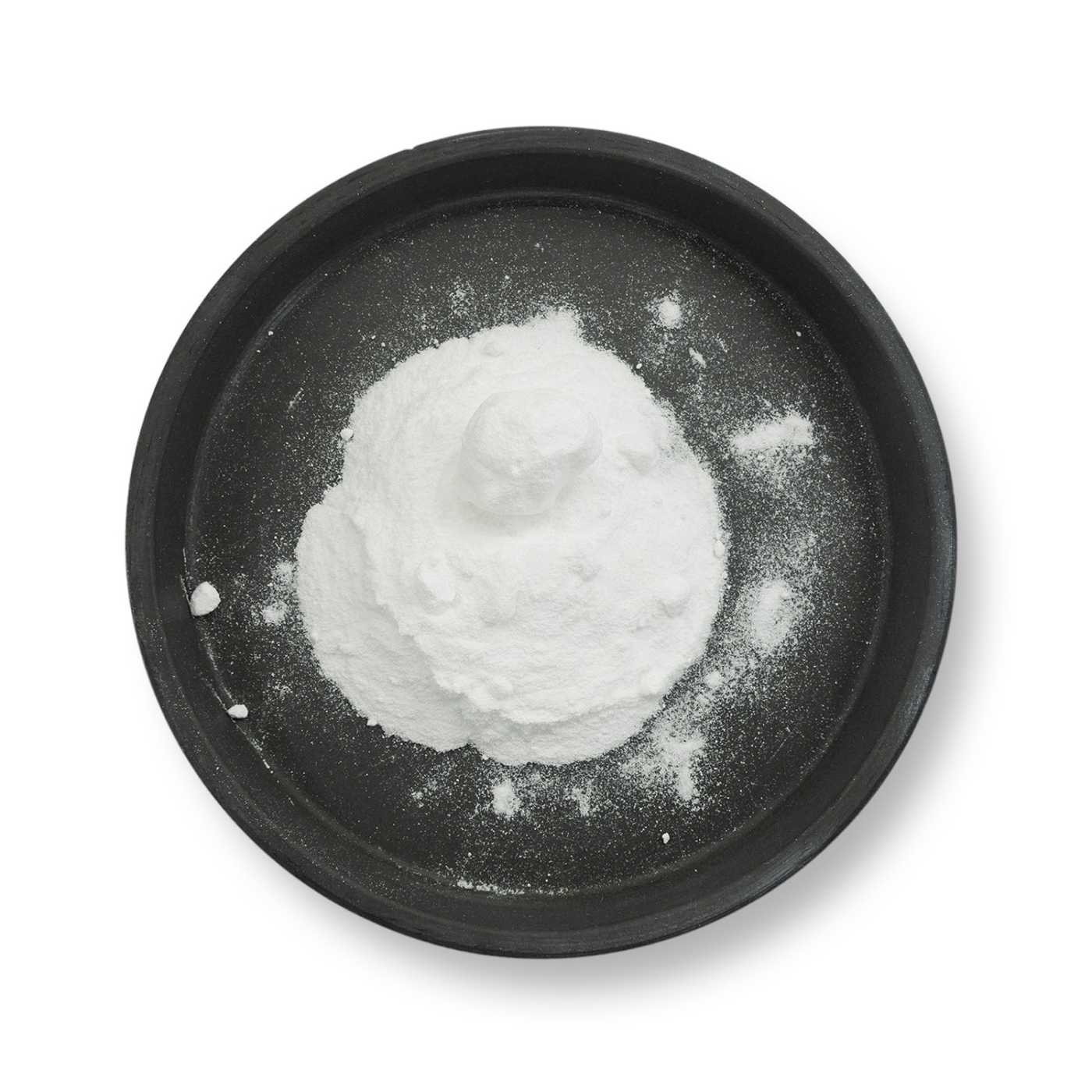
Glycerin
Glycerin occurs naturally in every living cell, so it is easily absorbed by the skin. It can retain water really well and works in such a way that it finds a balance between the water content in the air and in the skin. In addition, the structure of glycerin is perfect for skin care, because it glides smoothly and evenly over it.
So what is the fundamental difference between humectants and emollients?
While humectants have the task of “attracting” moisture, softeners create a protective film that traps it – so primarily they prevent water loss.
They are also called emollients and are applied topically to the skin in order to soothe, hydrate, treat and protect skin cells that are affected by various skin problems such as redness, burning, itching, irritation or flakiness. They are also used to alleviate longer-term skin conditions such as psoriasis, eczema or ichthyosis.
Forms of softening products
| Form | Characteristics |
|---|---|
| Body and facial lotions and waters | These products are an excellent choice for providing hydration to large areas, whether of the hair, face or whole body. The negative aspect is that they do not provide exceptional moisturisation of the skin. |
| Creams | An excellent choice for daily hydration, suitable for those who find a greasy feeling unpleasant – most creams no longer have an undesirable greasy texture. |
| Ointments | They are an excellent choice for extra dry skin or parts of it, with the negative aspect of a greasy feeling being balanced by an extra dose of hydration. They are therefore recommended to be applied at night. |
| Sprays | The spray effect is a great gentle option for applying a hydrating component, especially in cases where the condition of the skin is so severe that it is not recommended to introduce the component by rubbing in or other contact. |
| Soap substitutes | Here we include various skin care products that are an alternative to daily care in the form of soaps, which can dry out or worsen the condition of damaged skin. |
All these products are rinseable, therefore, to ensure all-day hydration, you can apply them even 4-5 times a day, and you can alternate their use. They are not medicinal products, such as corticosteroid ointments which contain an active substance with a specific dosage. In the case of softening products you do not have to worry about dangerous adverse effects from “overdosing”. If it happens by mistake that you apply an excessive amount, you simply wash the product off.
The best-known emollients
The best-known emollients are:
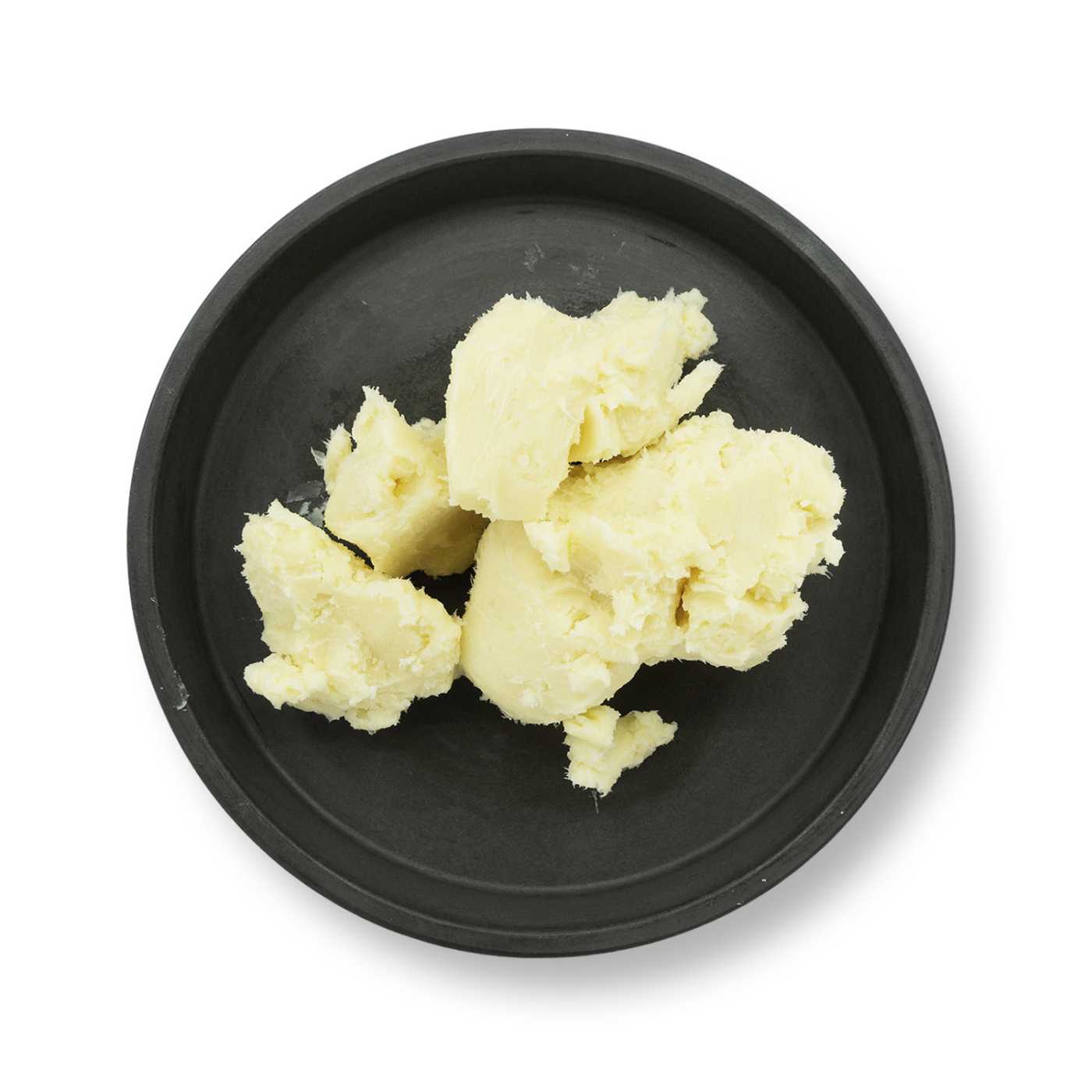
- shea butter
- cocoa butter
- beeswax
- lanolin
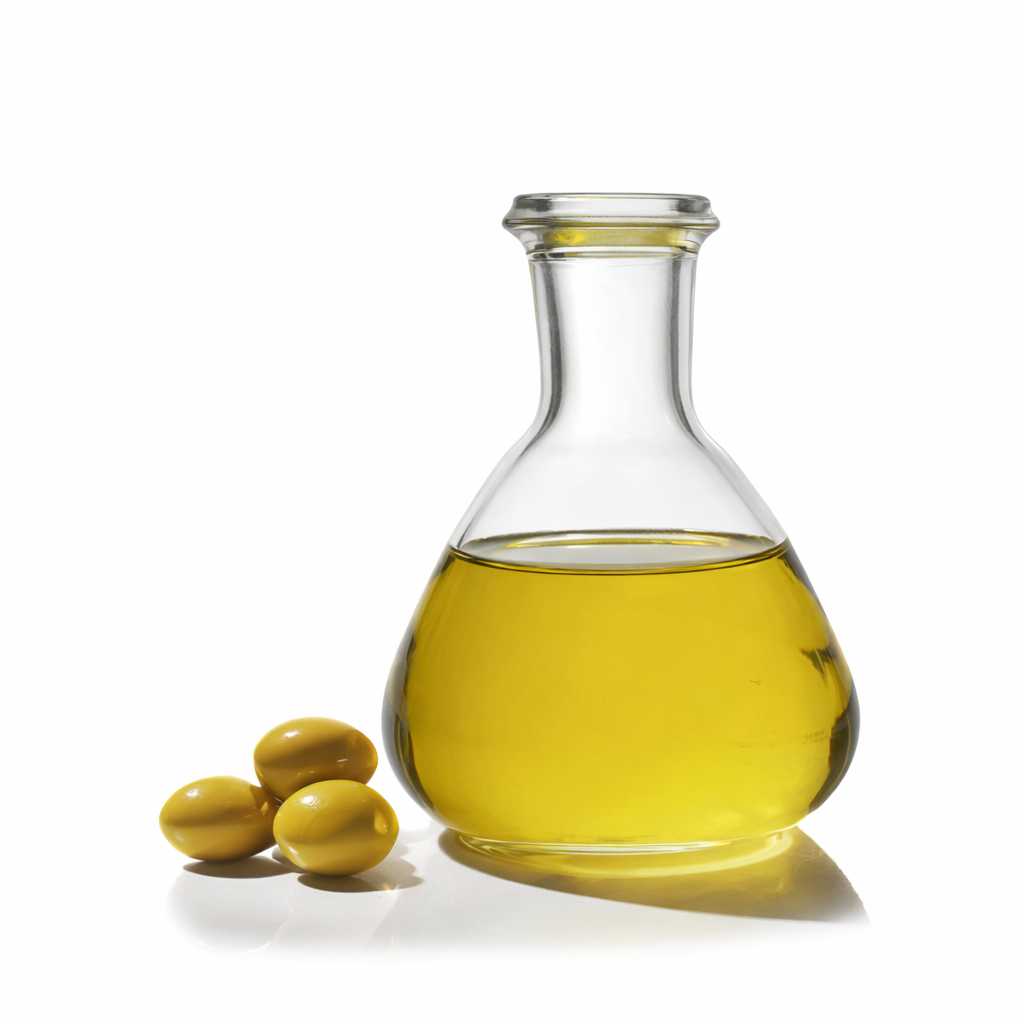
- squalane – olive, or sugarcane
- cosmetic oils – for example olive, almond, coconut, jojoba
In principle, plant waxes and other vegetable oils and butters with a high content of oleic acid are also an excellent choice. Their hydrating effect is very effective; however, as stand-alone ingredients they create a heavy and greasy feeling on the body due to their high “fat content”, so the best choice in formulations is to combine them with products that have a lighter form, especially with regard to your skin type.
All these substances, together with humectants in your formulations, prevent so-called transepidermal water loss, thereby helping to keep the skin hydrated, soft and radiant.
Frequently asked questions about humectants and emollients
Practical questions about humectants and emollients — how they work, how they differ and which raw materials belong where.
What is the difference between a humectant and an emollient?
While humectants have the task of “attracting” moisture, softeners create a protective film that traps it – so primarily they prevent water loss. In cosmetics, moisturising agents are called humectants and softeners are called emollients.
Where does a humectant get its water from?
A humectant attracts and retains moisture from the air and absorbs it. In cosmetic products, however, humectants do not primarily draw water from the air, but rather from the deeper layers of the skin in order to hydrate the surface.
Why is it not worth reaching for synthetic humectants?
Synthetic humectants are cheaper than natural ones, but their initial WOW effect of hydrated skin is over time replaced by damaged and dry skin. They draw water from deeper layers; to some extent they do prevent water loss, but they do not supply the skin with any nutrients, and therefore, in the long run, the skin starts to age and sag. Examples are propylene glycol, PEG and silicones.
Which humectants are natural?
Natural humectants include aloe vera gel, honey, hyaluronic acid and glycerin. They help not only to draw water to the surface of the skin, but also to deliver hydration and nutrients to deeper layers.
How often can I use softening products?
All these products are rinseable, so to ensure all-day hydration you can apply them even 4-5 times a day and alternate their use. They are not medicinal products as corticosteroid ointments are, so you do not have to worry about adverse effects from “overdosing” — you simply wash off any excessive amount.
Which raw materials are emollients?
The best-known emollients are shea butter, cocoa butter, beeswax, lanolin, squalane (olive or sugarcane) and cosmetic oils — for example olive, almond, coconut and jojoba. Plant waxes and other vegetable oils and butters with a high content of oleic acid are an excellent choice too.
Conclusion
Please send us any observations and suggestions to [email protected].
Glycerin, hyaluronic acid, aloe vera gel, shea and cocoa butter, beeswax, lanolin and squalane are all available in the Handymade range of raw materials.