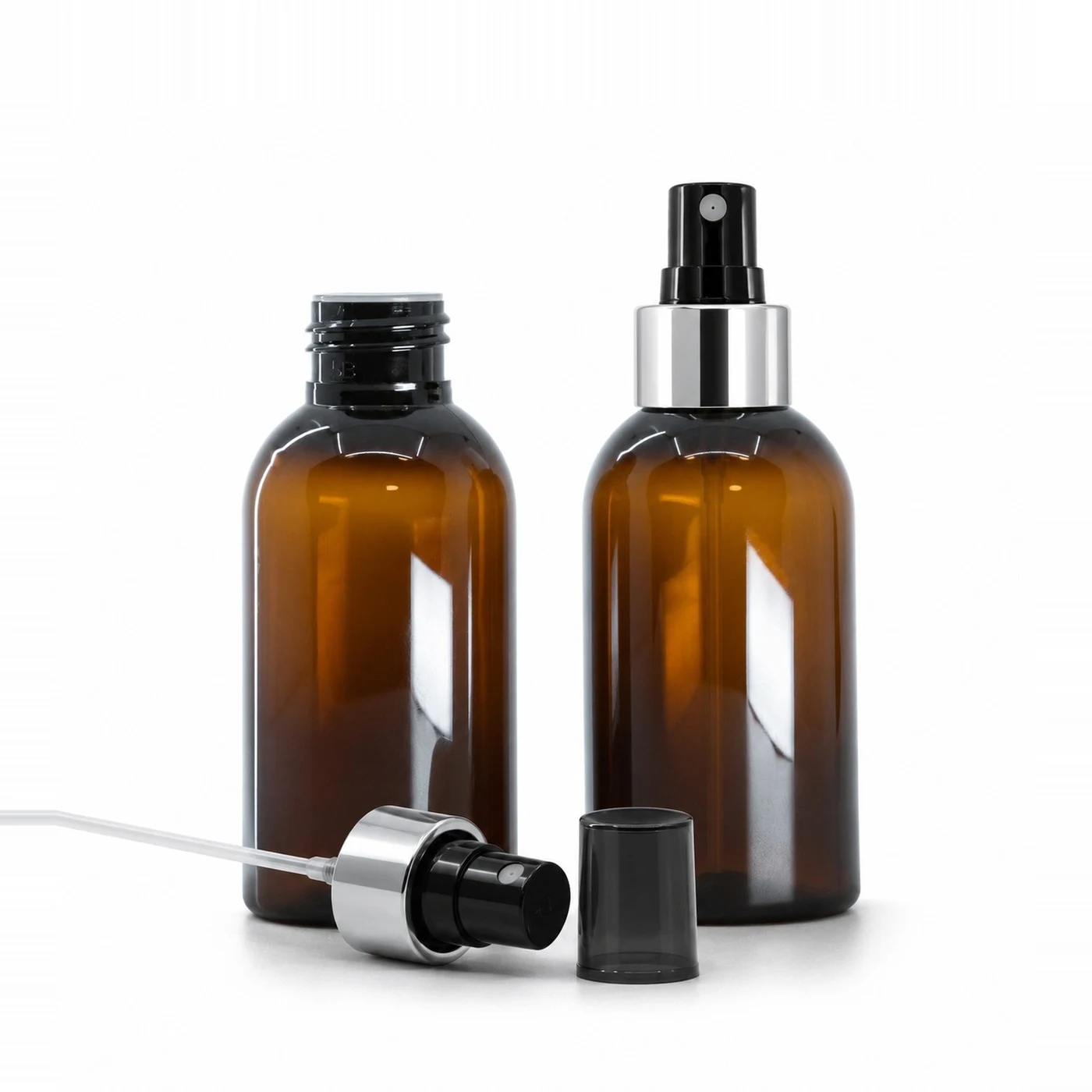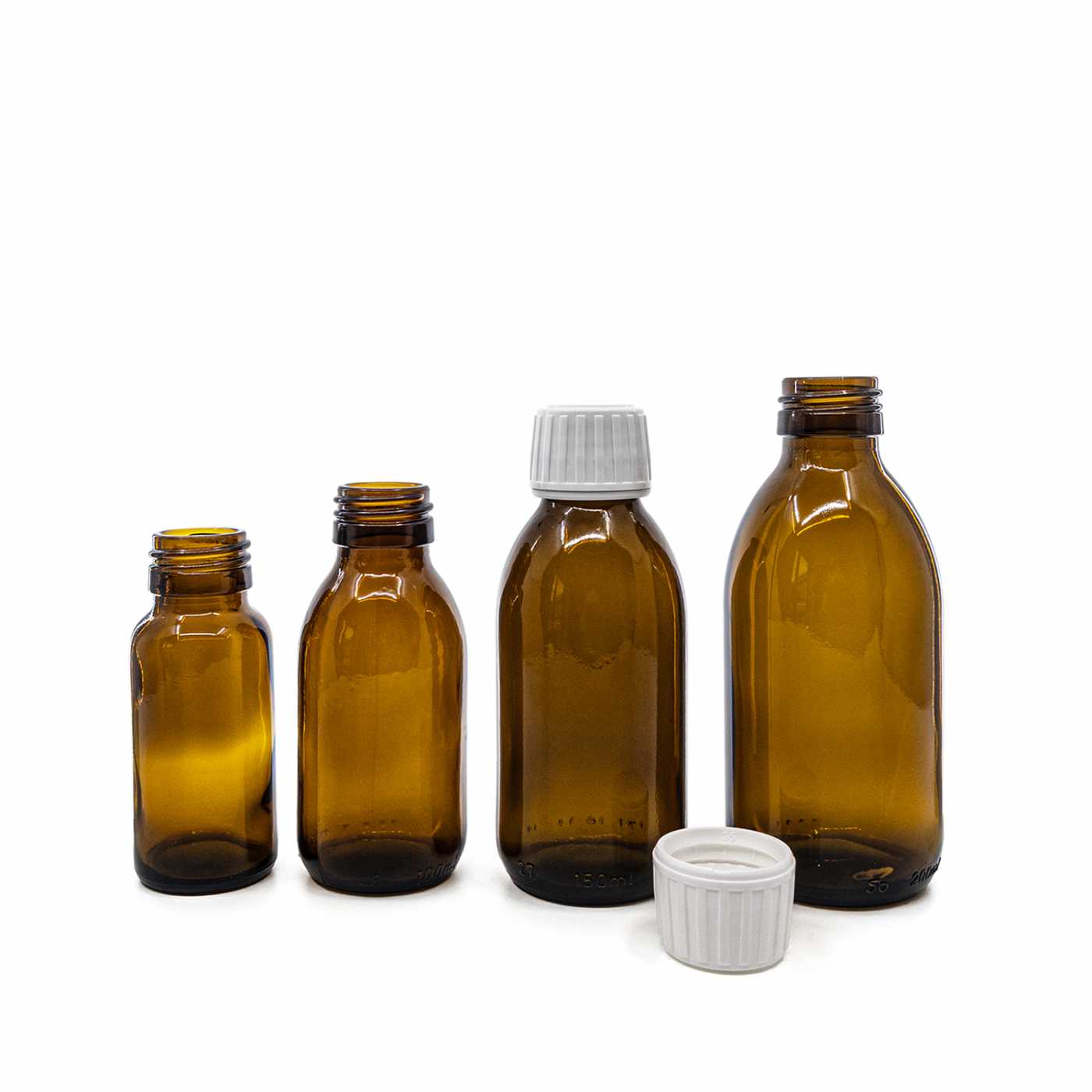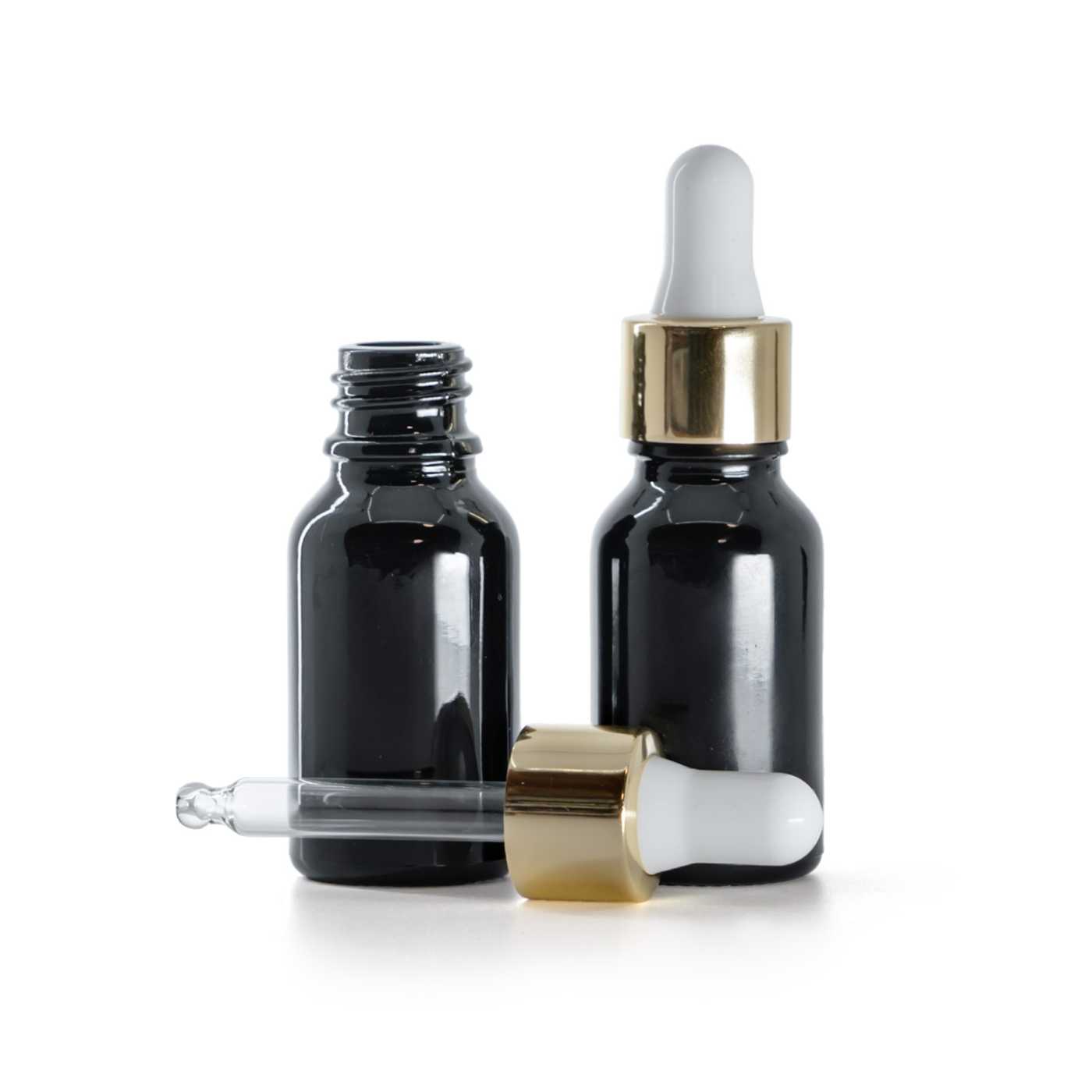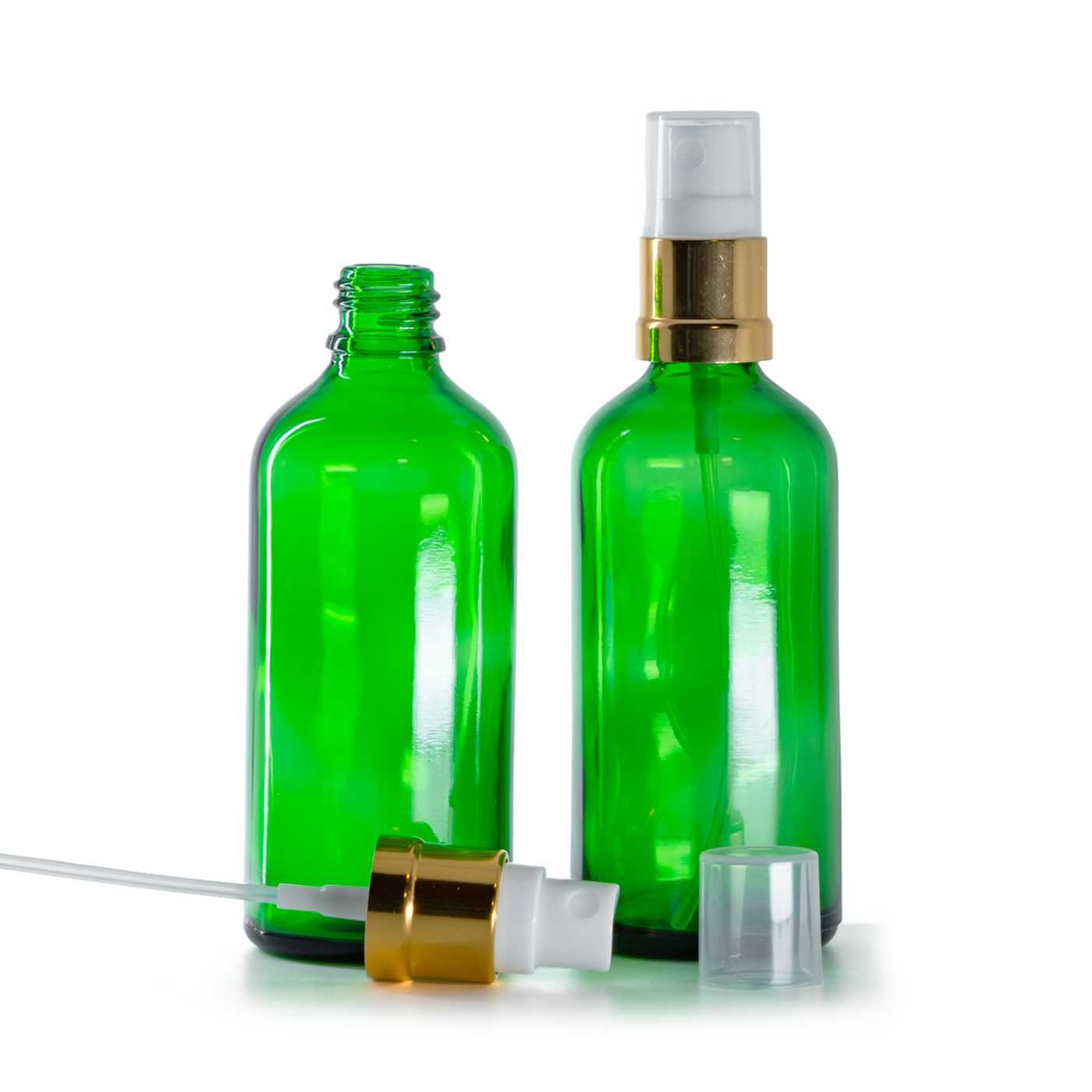


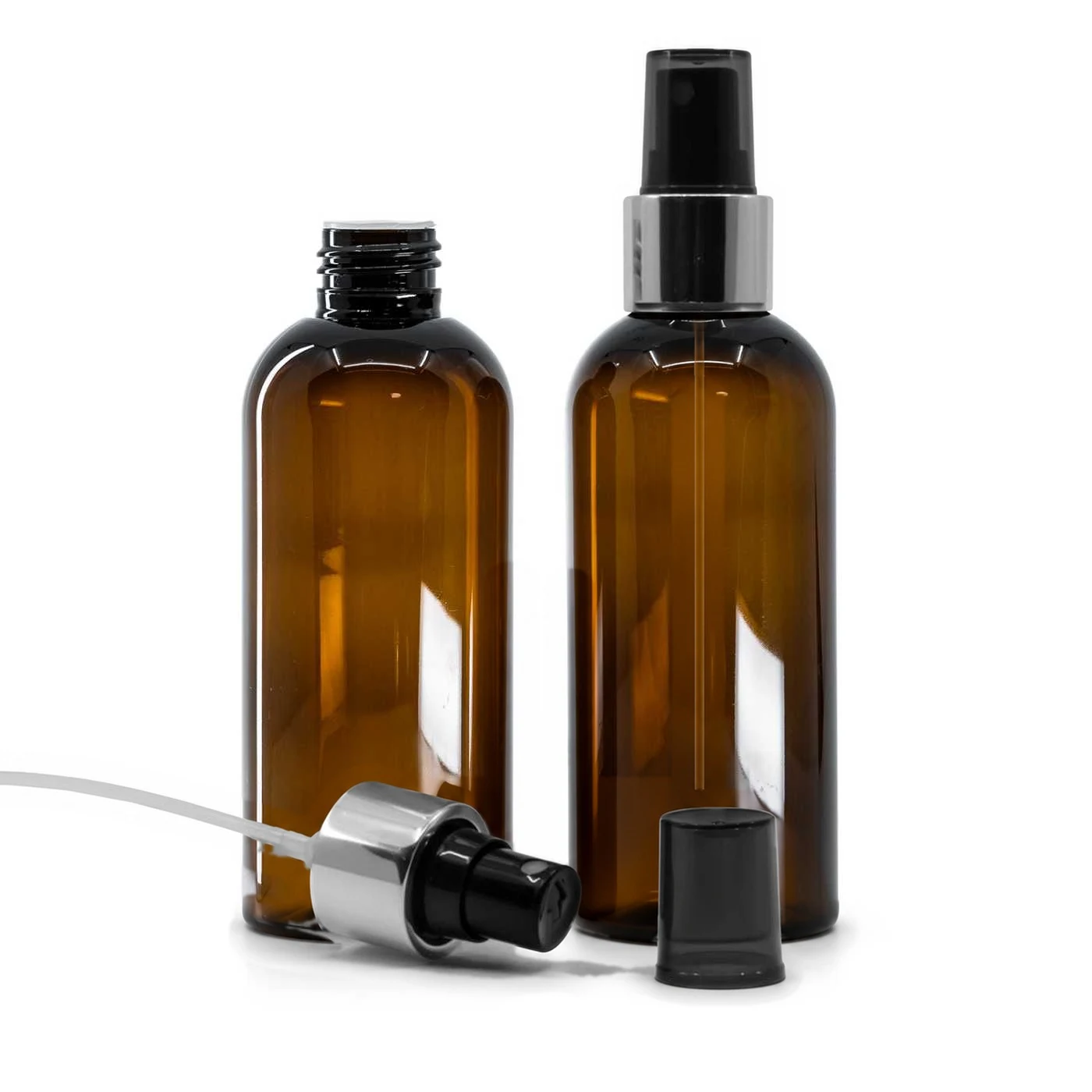
Amber Plastic Bottle, Black Spray with Glossy Silver Collar, 200 ml
Pre-order€1.35

BUTTERS 100 g
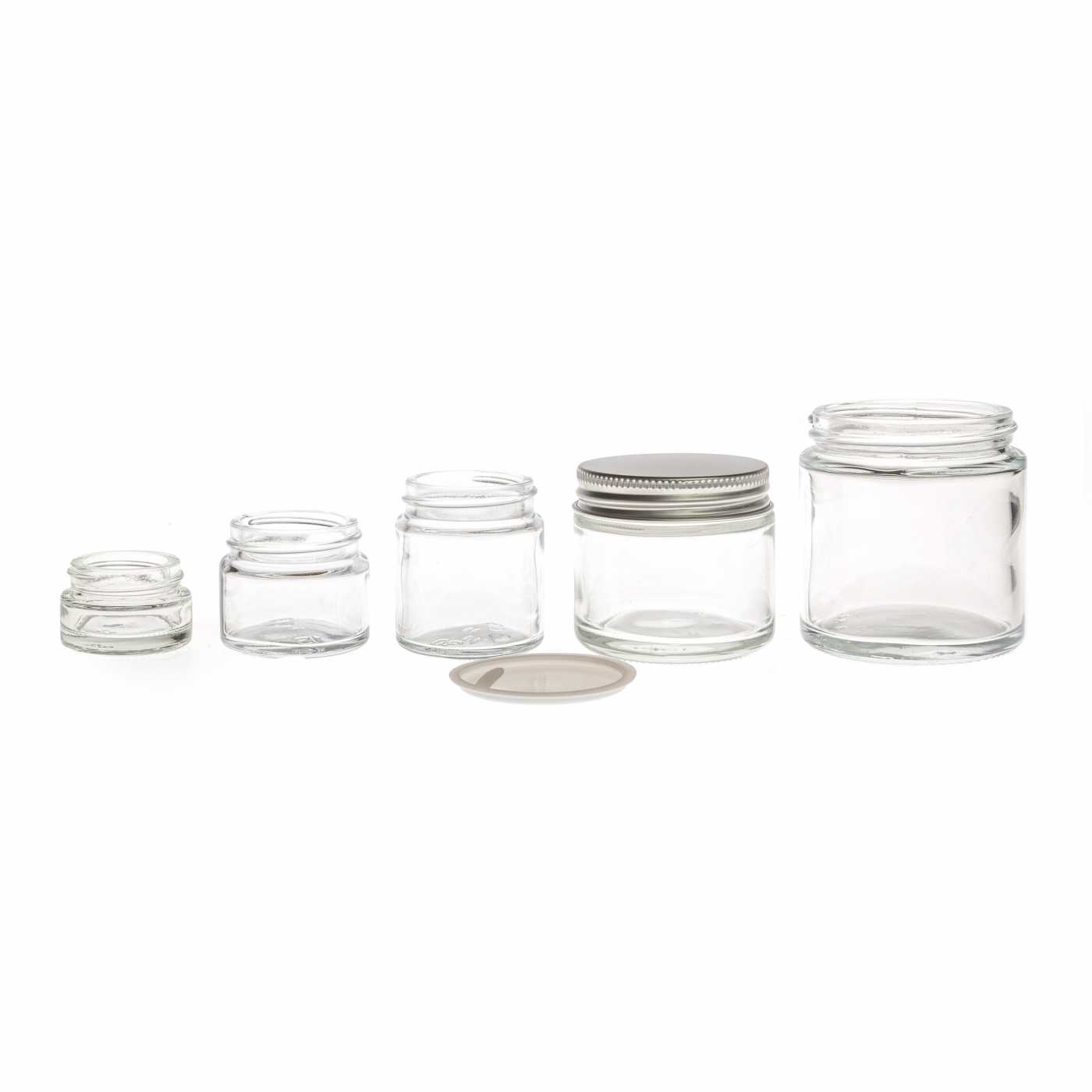
Pack size100 g250 g1 kg2.5 kg10 kg25 kg
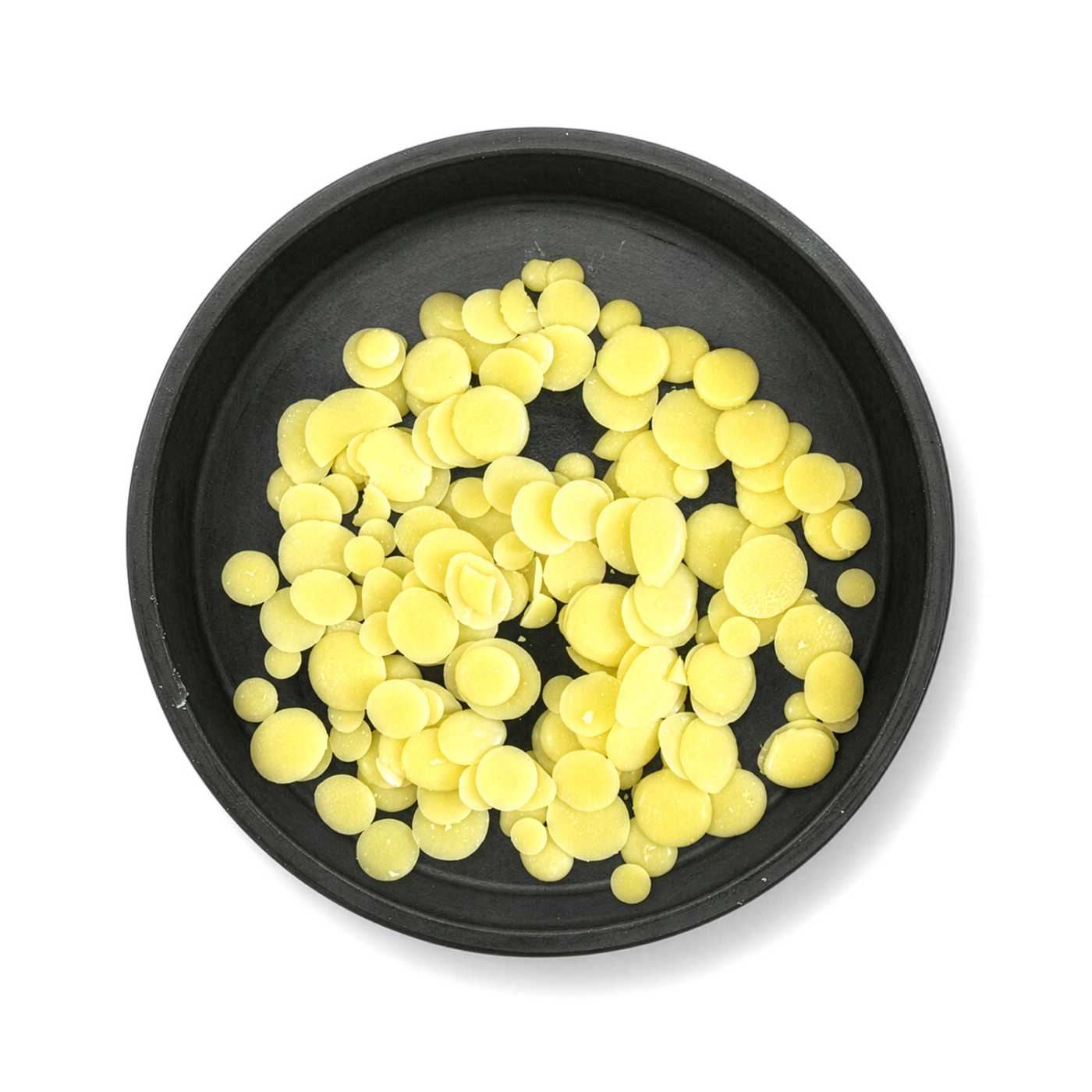
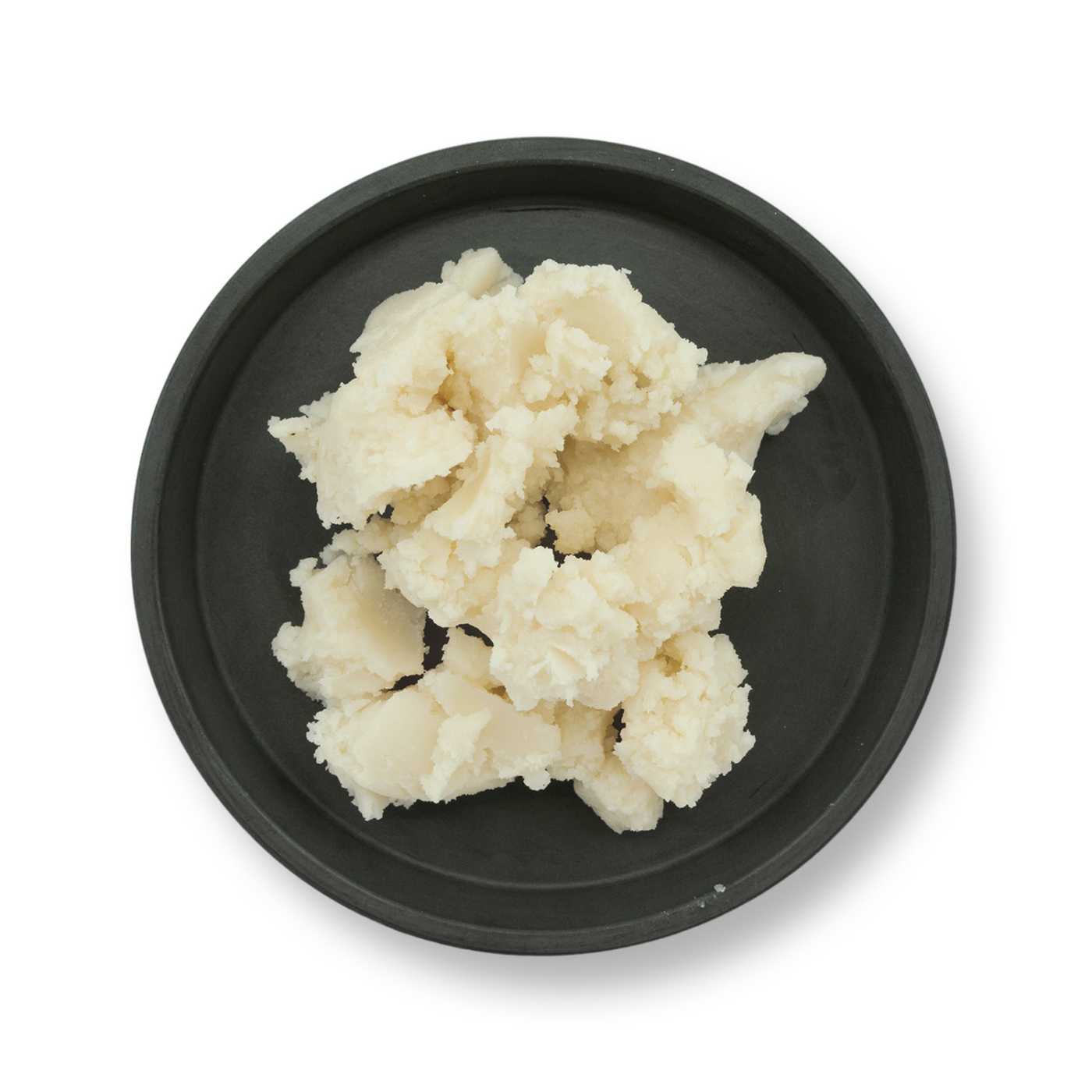
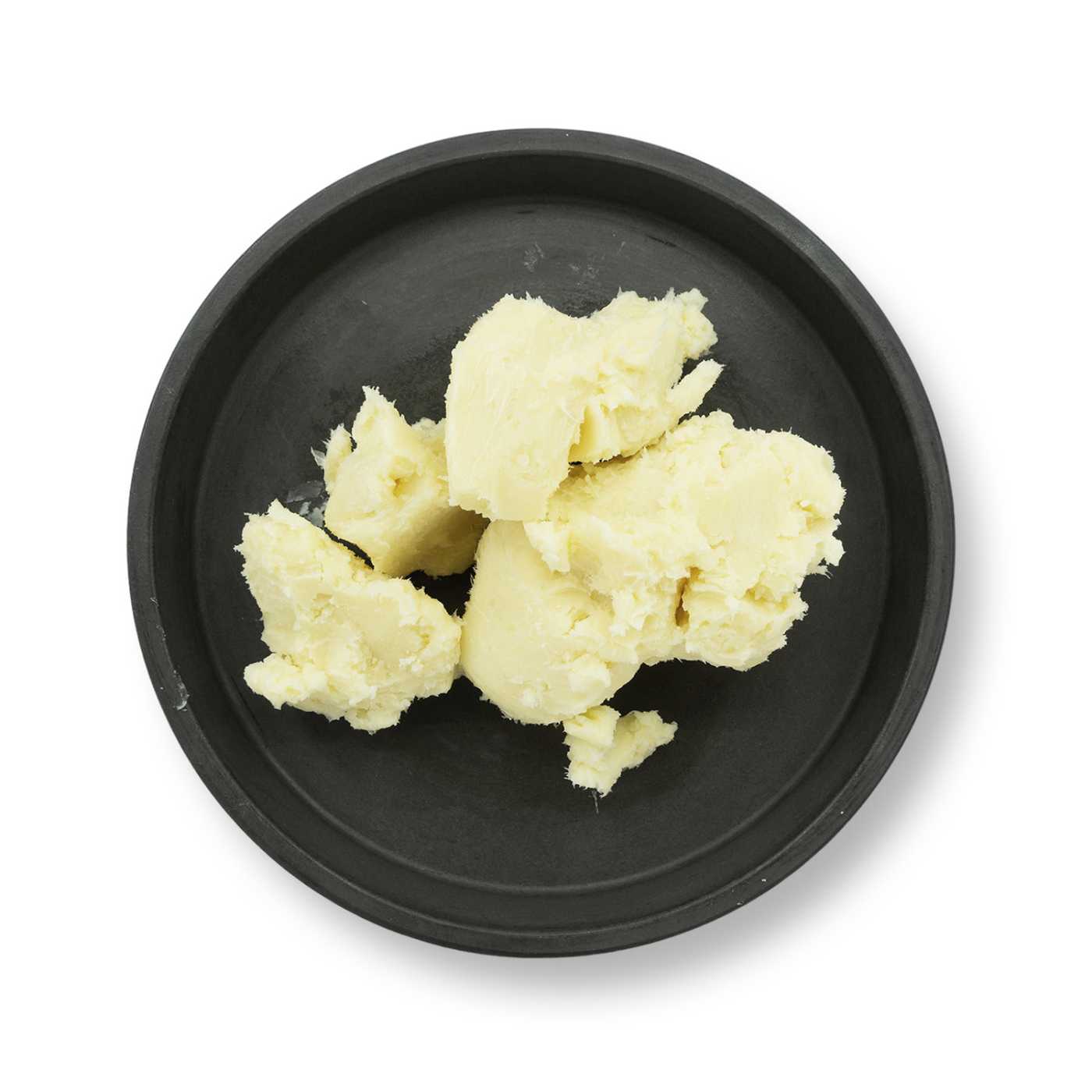
Shea butter, unrefined , organic is a vegetable fat obtained from the kernels of the fruit of the Butyrospermum parkii tree. It softens dry and rough skin and leaves a protective layer against moisture loss on the skin. full description
Lowest price in the last 30 days: €3.59
Shea butter, unrefined, organic is a vegetable fat obtained from the kernels of the fruit of the Butyrospermum parkii tree. It softens dry and rough skin and leaves a protective layer against moisture loss on the skin. It comes from West Africa, is obtained by mechanical pressing and is not refined, so its natural accompanying substances remain in it. It is used on its own as well as part of the oil phase of creams, body butters, balms, hair care products and soaps.
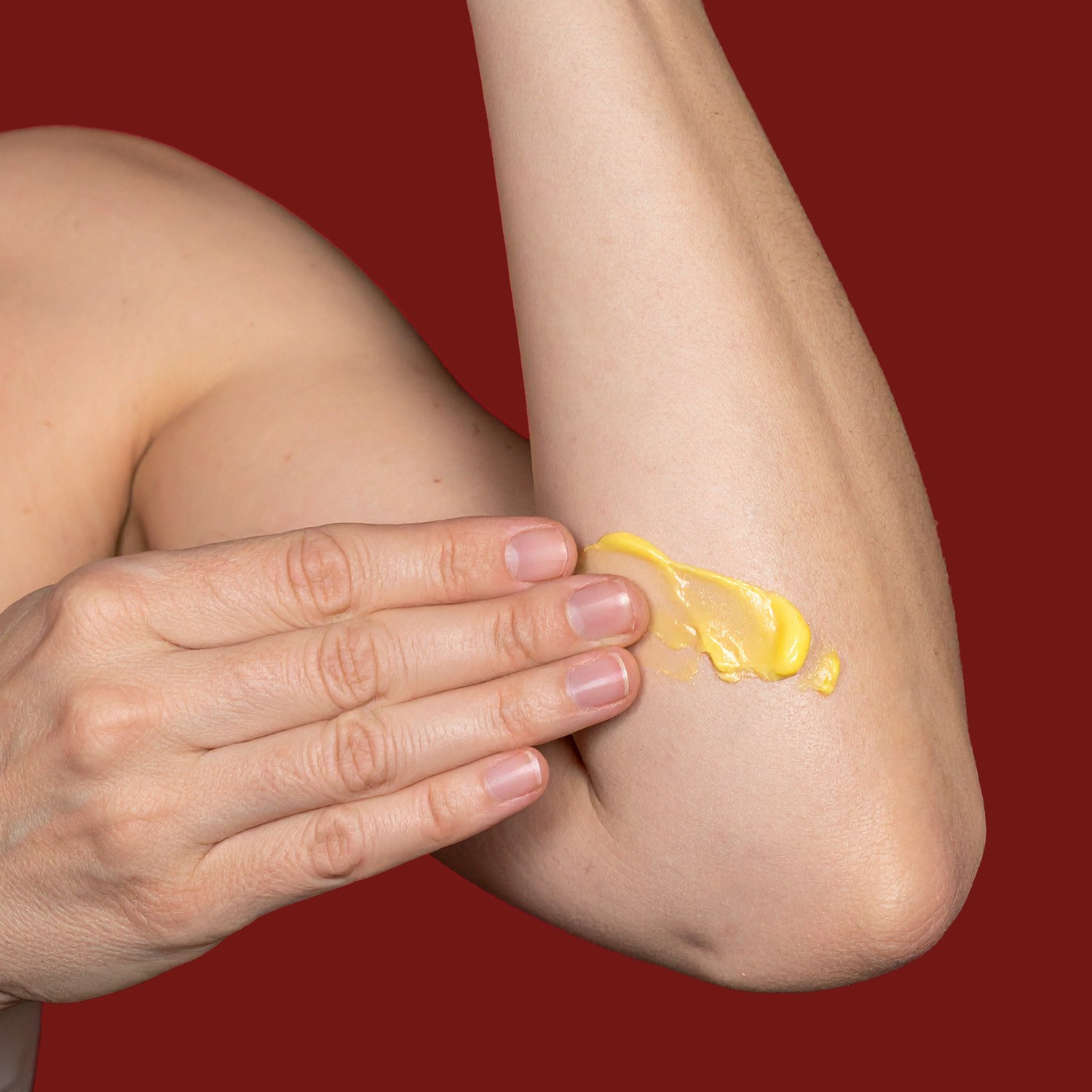
Shea butter is an emollient. It fills tiny irregularities on the skin surface, which then feels smoother and more supple to the touch. The layer of fat also slows down water evaporation, so the butter supports hydration. It does not supply water to the skin itself, which is why creams combine it with humectants, for example glycerine.
Its behaviour is determined by two fatty acids. Stearic and oleic acid together make up approximately 85–90% of the fatty acids in the butter. Stearic acid gives it firmness, oleic acid gives it softness and spreadability. At skin temperature the butter softens and can be spread even without additional oils.
In hair care it coats the hair fibre with a thin film. It helps with dry and frizzy hair and reduces breakage. It is suitable for hair masks, hair butters and scalp care.
The main difference lies in the accompanying substances. Unrefined butter retains more of the unsaponifiable fraction, which contains phenols, tocopherols and triterpenes. These substances naturally protect it from oxidation, and refining reduces their content.
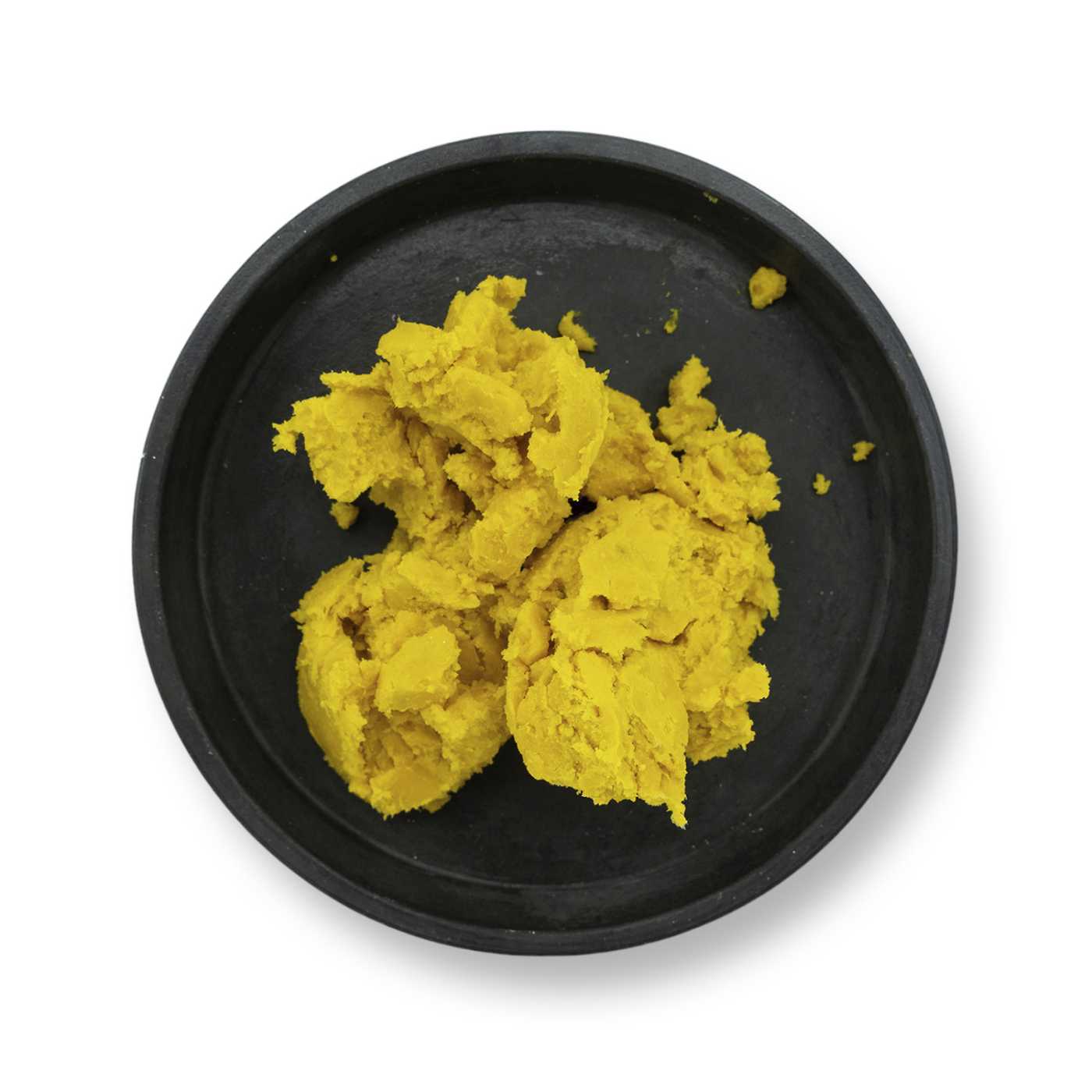
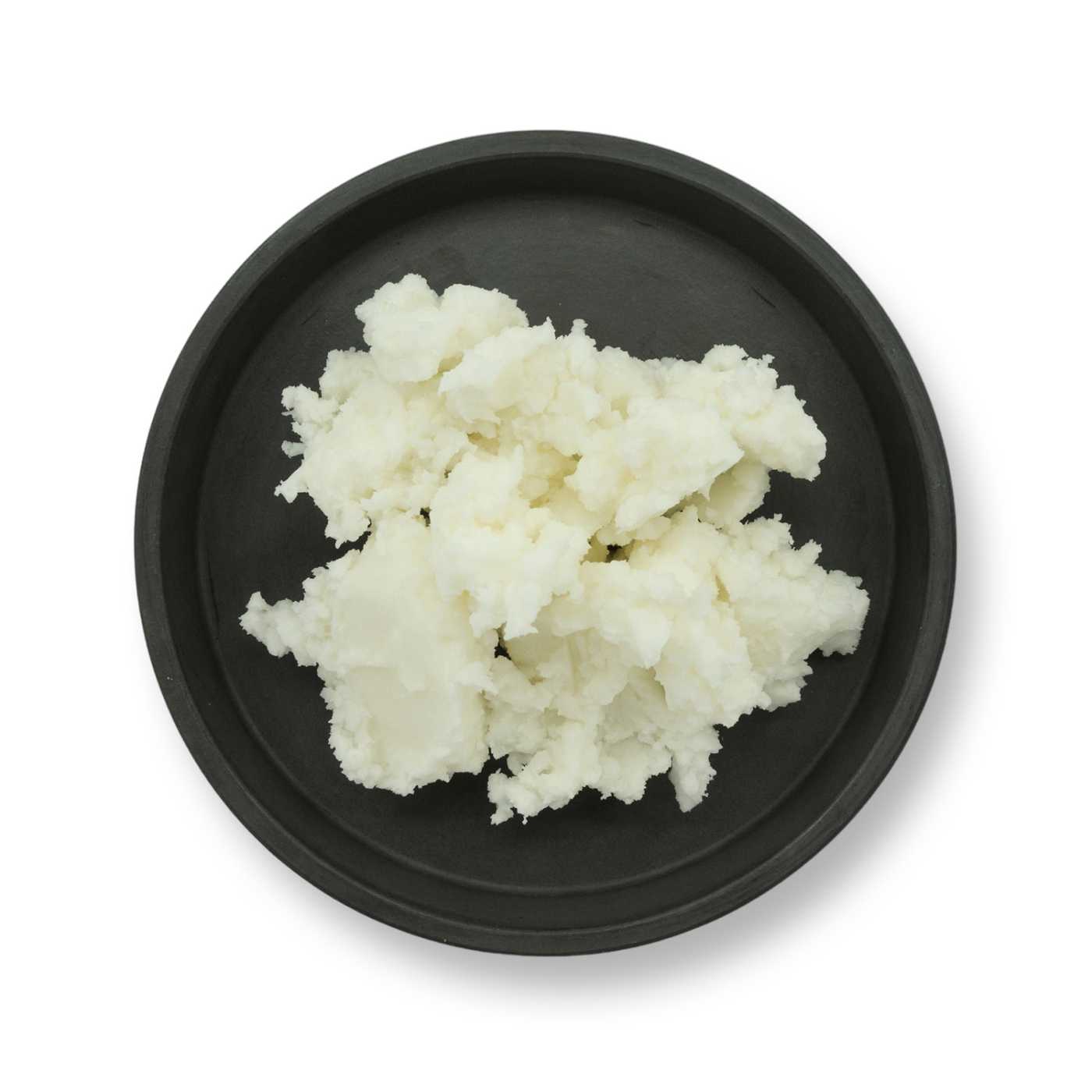
The appearance and scent differ as well. Refined butter tends to be white and almost odourless. Unrefined butter has a beige to ivory colour and a nutty-sweet scent. You need to take this into account for white creams and lightly fragranced products.
The butter belongs in the oil phase. It dissolves in oils and fats and is insoluble in water. In emulsions it is weighed together with the other oils, the emulsifier and consistency agents such as Glyceryl Stearate or Cetearyl Alcohol, and heated with them. In balms it is melted with wax and oils until all the solid ingredients have melted completely.
It melts at 30–45 °C and the recommended processing temperature is below 40 °C.
Heat the butter gently and only until it has melted. Prolonged heating and high temperatures do not benefit it.
It can be used in the whole range of 1–100%, that is, even as a standalone product. Approximate usage rates by product type:
The graininess of the finished product depends on the crystalline form in which the fat solidifies. A predominance of fine crystals gives a smooth texture, while a predominance of coarse, more stable crystals gives a grainy one. The speed of crystallisation is also influenced by accompanying substances, of which there are more in unrefined butter than in refined butter.
We recommend testing new recipes for body butters and balms on a small trial batch first. Unrefined butter can behave differently between batches when it solidifies.
The butter’s own antioxidants do not fully protect it from oxidation. For this reason tocopherol is often added to recipes. The raw material has a maximum peroxide value of 10 and a free fatty acid content below 7%.
The butter is compatible with common cosmetic ingredients without restrictions. It is often combined with glycerine, xanthan gum and Caprylic/Capric Triglyceride. Only contact with strong oxidising agents should be avoided. The butter holds Vegan certification and the manufacturer holds a BRC certificate.

Excellent 🙂
Translated automatically
Excellent quality — I use the butter practically daily for making everything from creams through body butters to deodorants, and with the right dosing it's a guarantee of the quality of the final product. I'm equally happy with the shelf life, even though I was worried about the organic quality. It really lasts a long time and keeps all its properties.
Translated automatically

Great product, fast delivery, and excellent customer support!
Great product, fast delivery, and excellent customer support!
excellent butter — it's irreplaceable for making body butter, it's great
Translated automatically