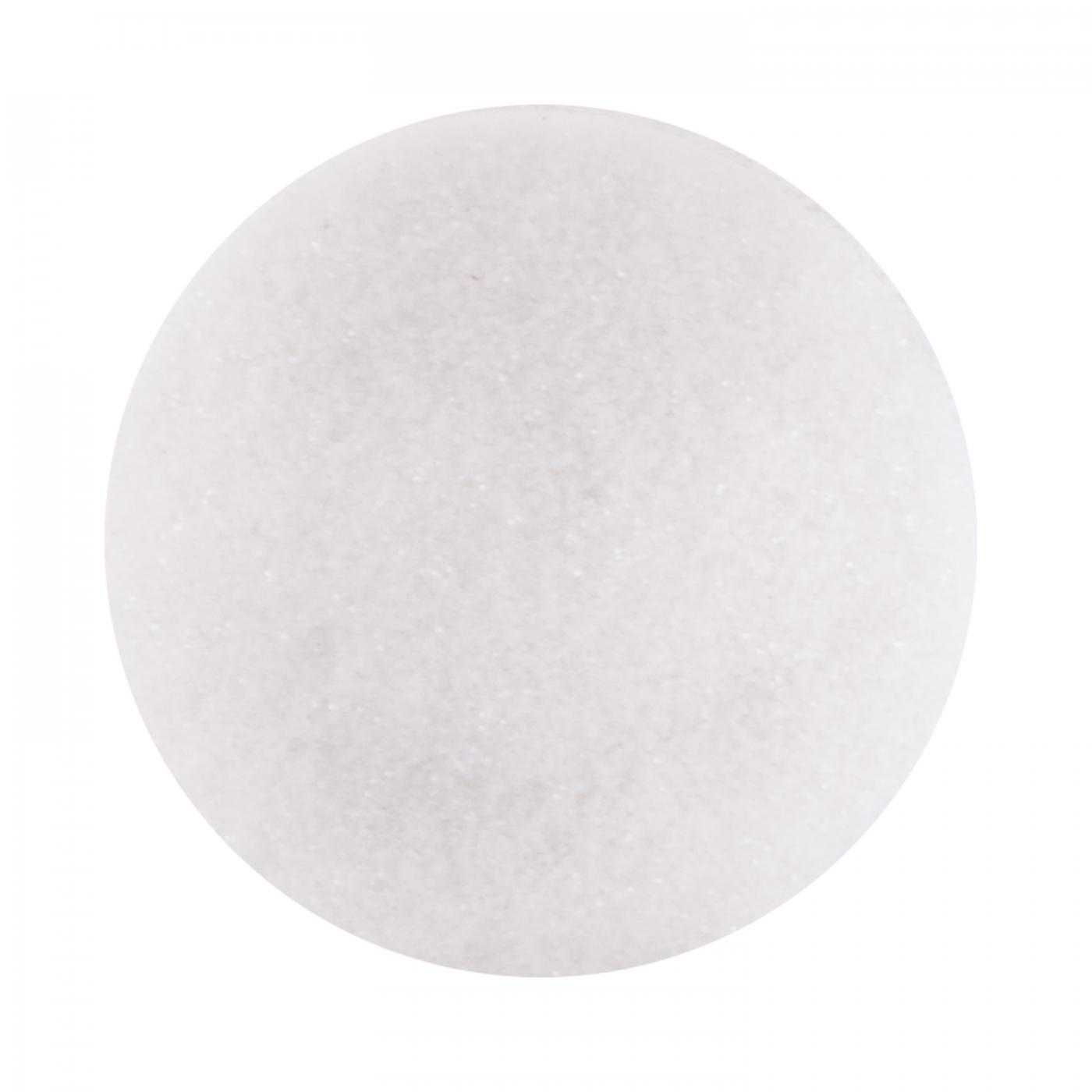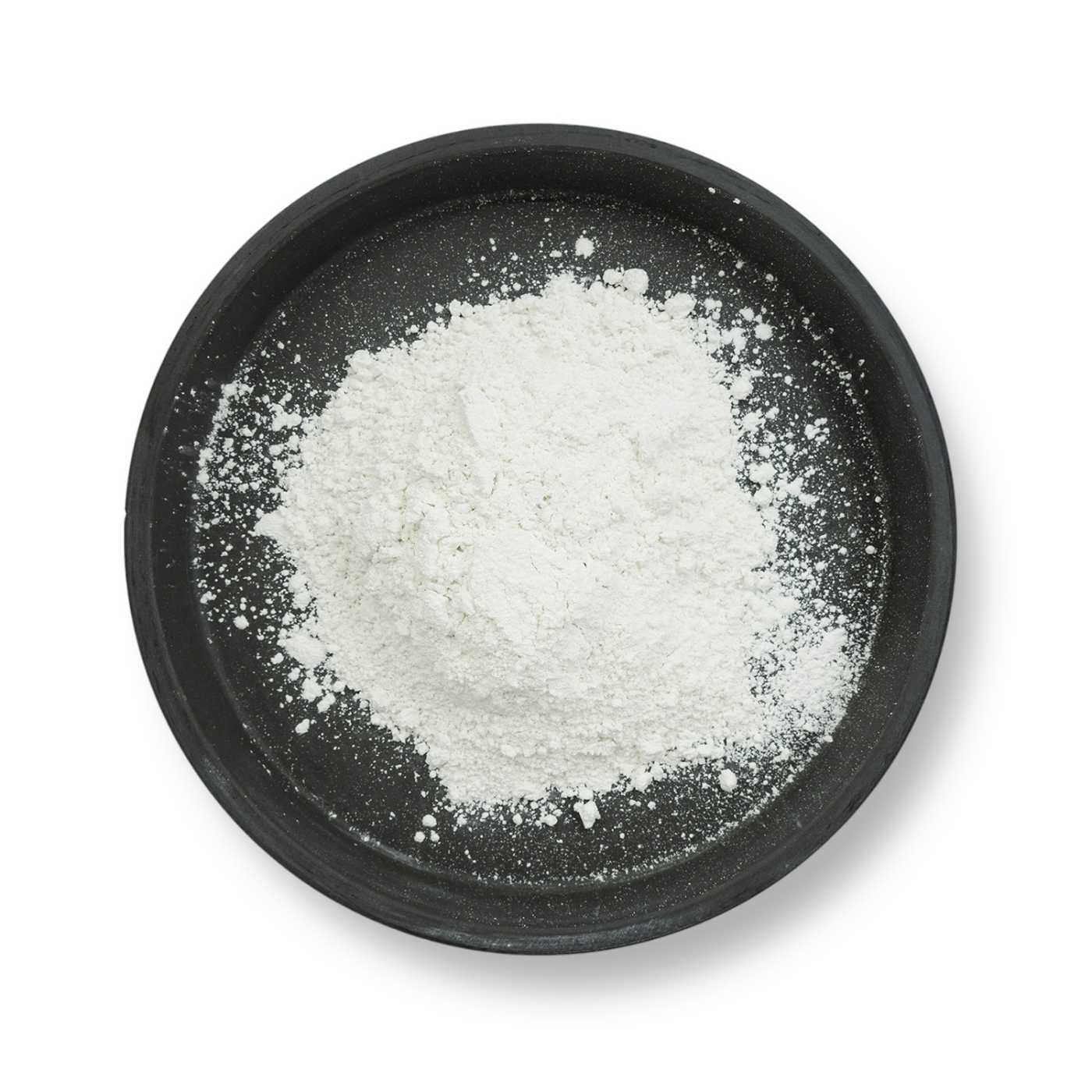
Dimethylimidazolidinone Rice Starch, powder 500 g
Pre-order€26.24(€52.48/kg)

4.9 out of 5 · 694 ratings
Documentation for every product
6 products in this category
6 in stock now
Showing 6 of 6 products
Mineral make-up rests on a simple idea: a handful of pure powder raw materials instead of a long list of ingredients. This category holds the two basics — silk mica and modified rice starch — in packs from 10 g for first experiments up to 500 g, where the price per kilo falls noticeably.
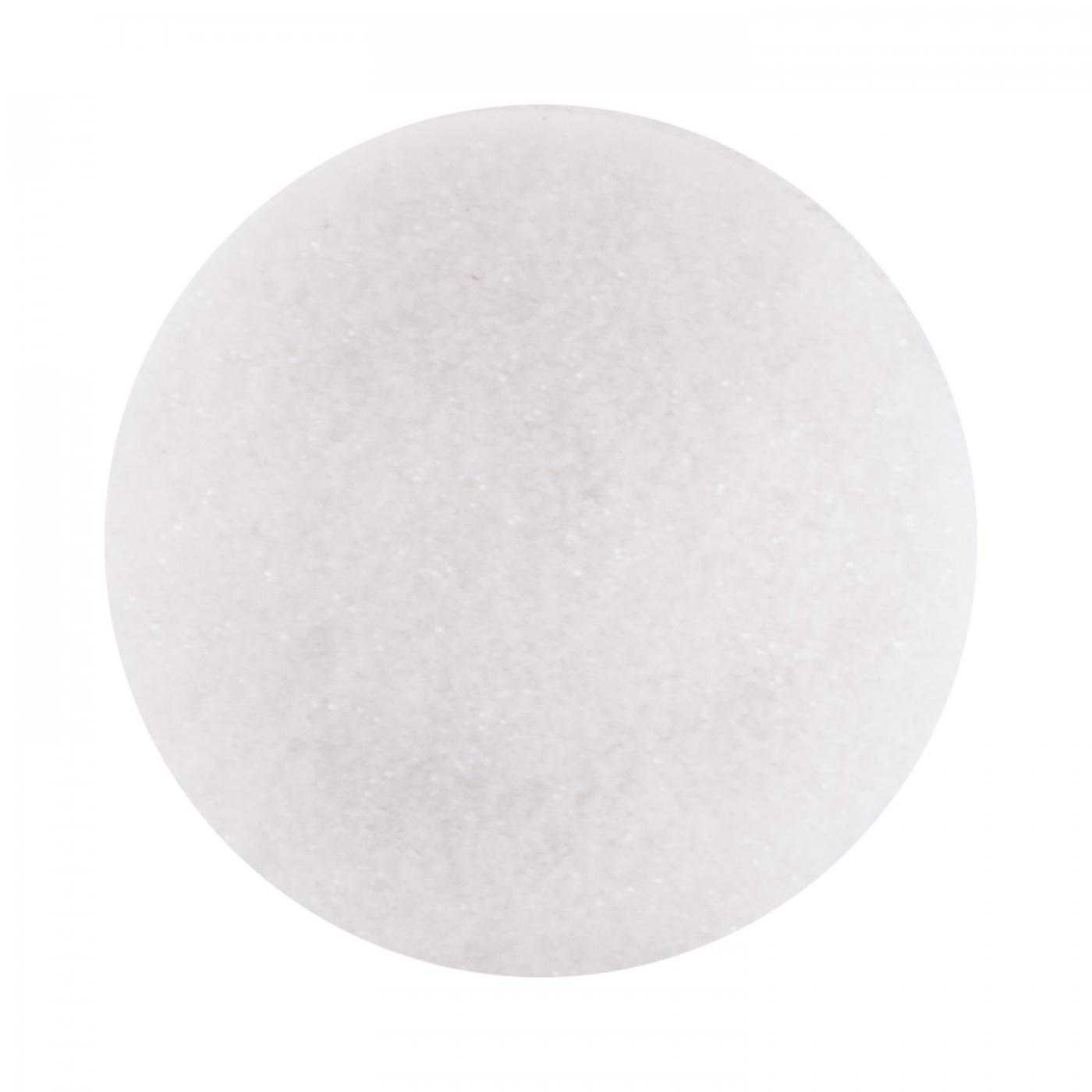
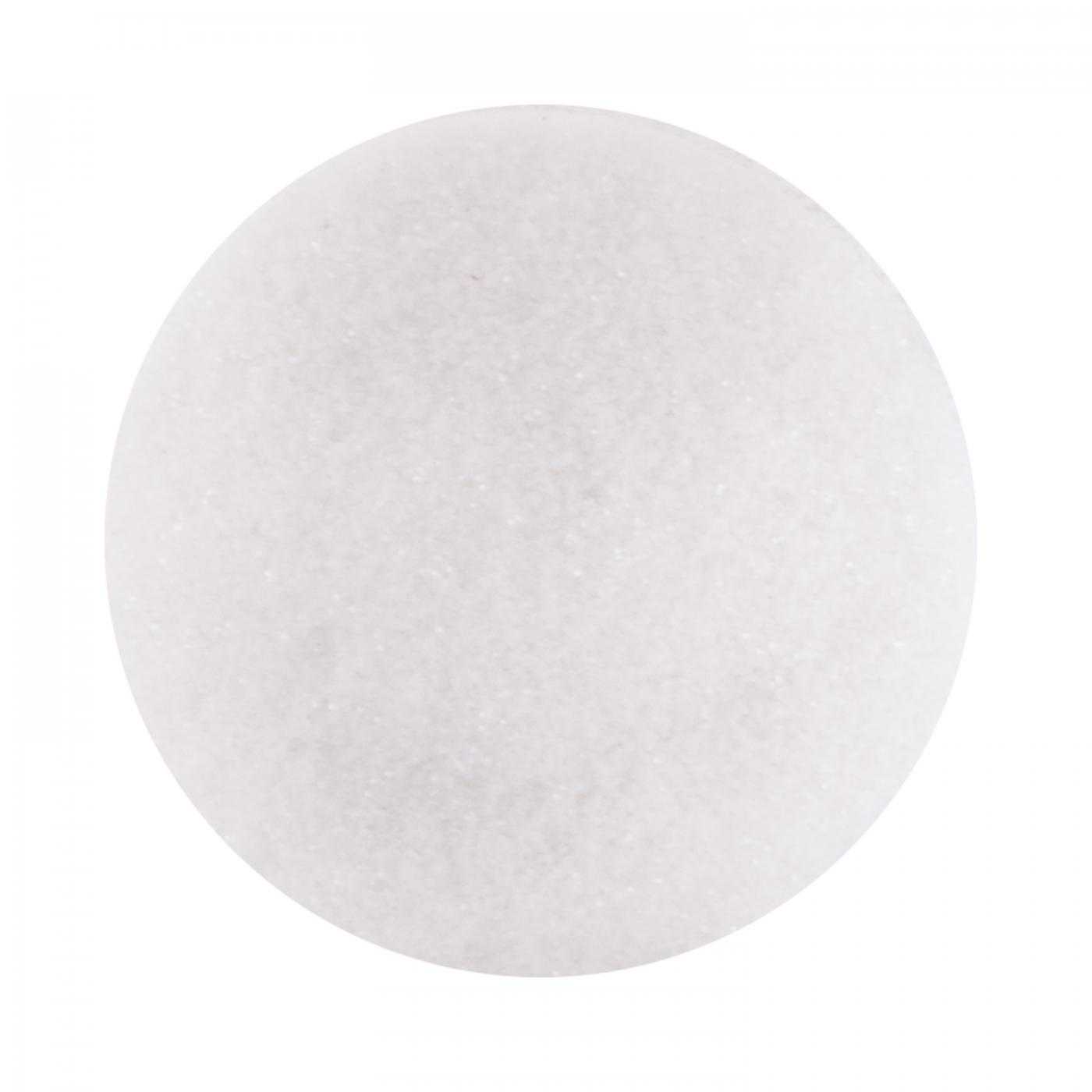
Silk mica is a finely milled mica mineral with a silky sheen. In decorative cosmetics it forms the base of highlighters and pearlescent eyeshadows, and a small percentage brightens a pressed powder or a body butter as well. It does just as well outside make-up: it gives a shimmering effect to soap base, a bath bomb or a candle. It is insoluble, so it is stirred straight into the dry blend or into the oil phase.
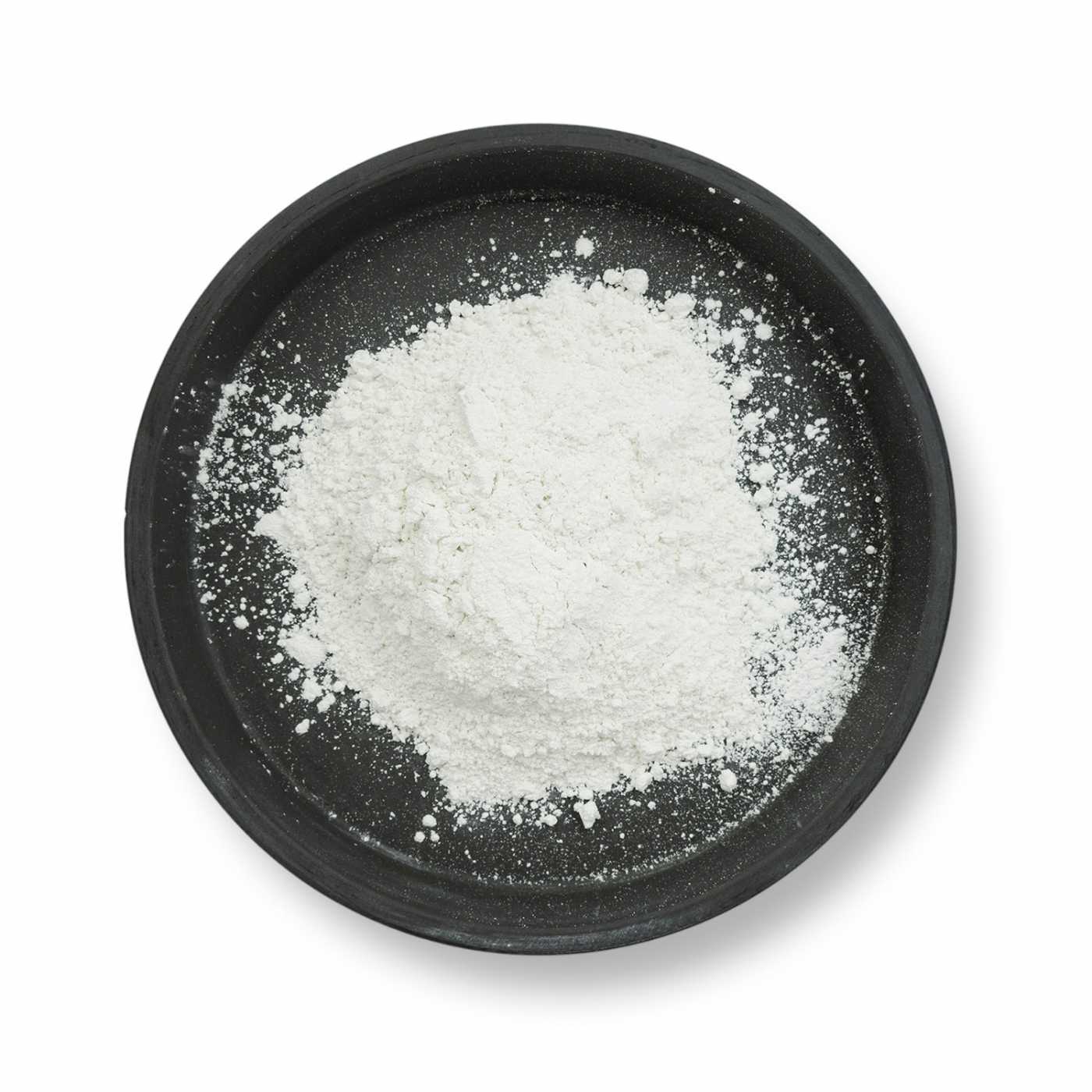
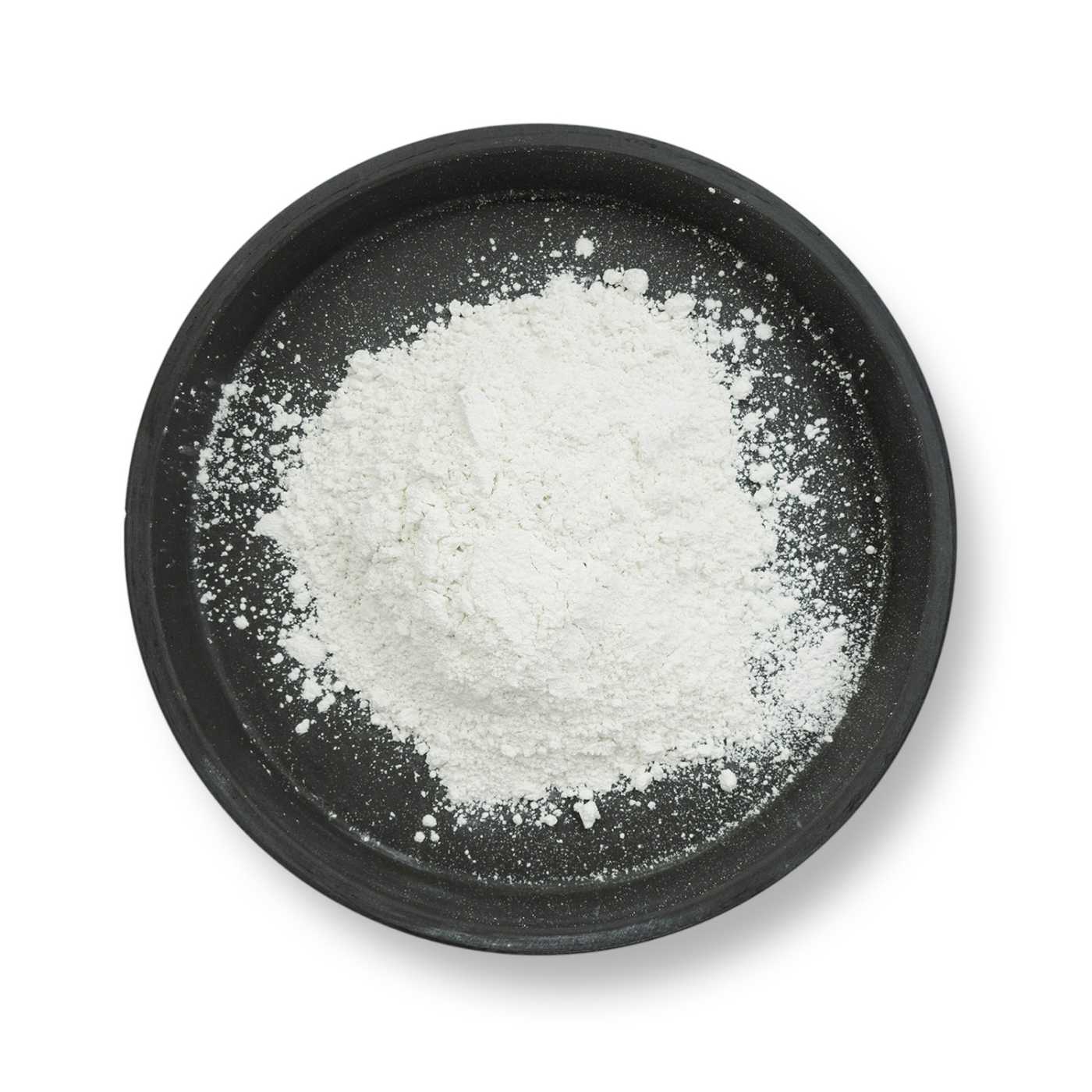
Modified rice starch is a very fine powder that takes up excess sebum and leaves the skin matte and soft — which is why it is a favourite base for loose powders, dry shampoos and baby powders. It is exceptionally gentle on the skin and suits sensitive skin too. In a formulation it works as a carrier: you blend mica or pigments into the starch base little by little until the shade matches your skin exactly.
Both raw materials are cosmetic grade, with a safety data sheet and a certificate of analysis for every batch. You will find colour pigments and other active ingredients to go with them in the Cosmetic additives category; for fine scrub and powder bases, take a look at the Sugars and starches section too.
The base is modified rice starch — put a spoonful into a dry bowl and add mica a pinch at a time until you reach the sheen and tone you want. Mix the blend thoroughly or sift it through a fine sieve so that it is homogeneous. Always test the shade along the jawline in daylight, and keep the finished powder in a dry, tightly closed jar.
Mica is a universal pearlescent pigment: in make-up for highlighters, eyeshadows and powders, and outside it for a shimmering effect in glycerine soaps, bath bombs or candles. Dose it sparingly — 1–2 % of the blend is already enough for a visible sheen. As it is insoluble in water, stir it into liquid products just before pouring so that it does not separate out.
Yes, that is exactly where it comes into its own. Rice starch absorbs excess sebum without drying, so the skin turns matte and looks refined rather than tight. It is gentle enough for sensitive and baby skin — it is used in baby powders and dry shampoos. The important thing is to store it dry; like any starch it does not tolerate moisture, in which it clumps and spoils.