+421 950 333 113info@handymade.storeHandymade Days: −10 % on all ready-made productsShop now

Candle fragrance oils

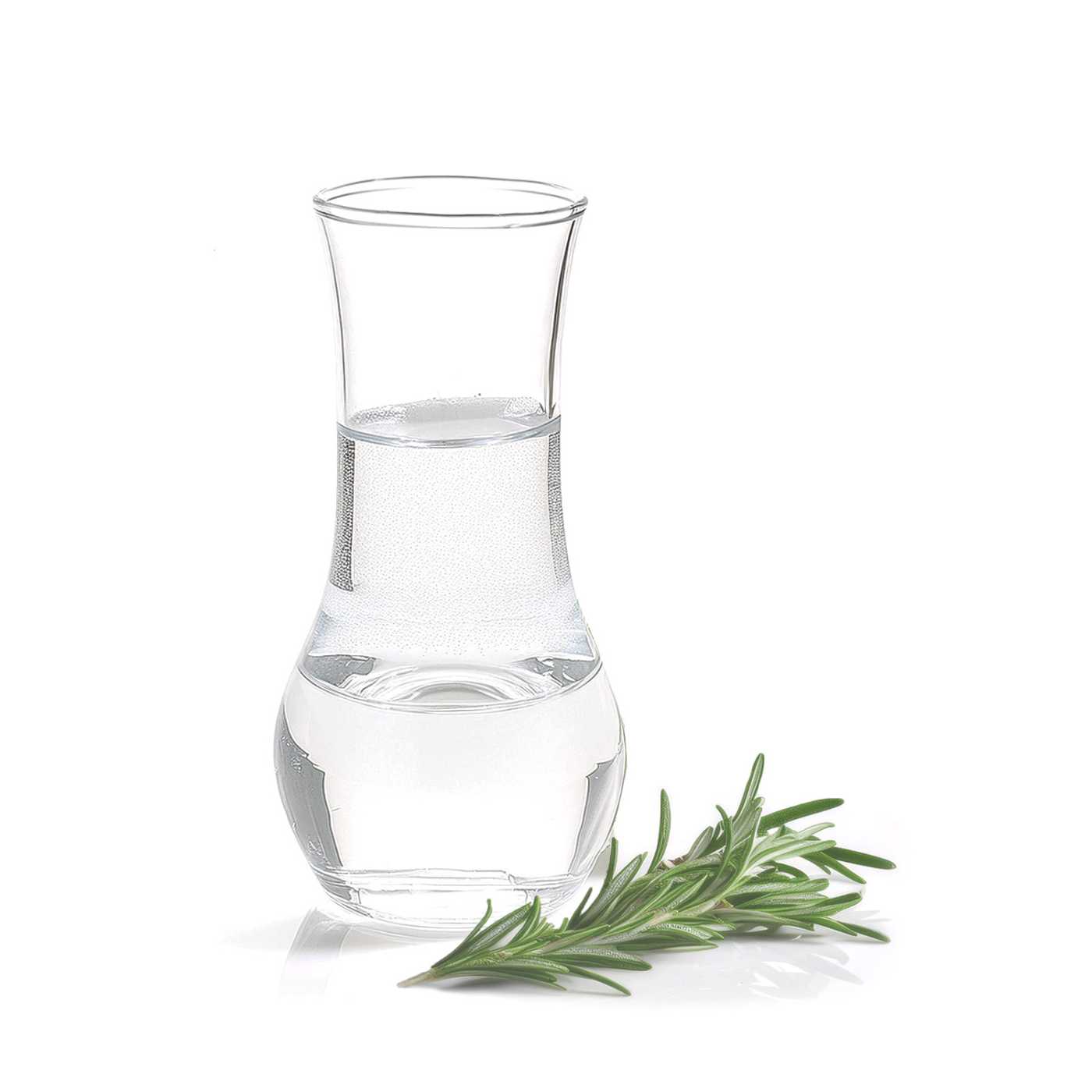
Rosemary ct Cineole Essential Oil, Organic, 100 ml

Pack size10 ml100 ml500 ml1 l

Organic rosemary ct cineole essential oil gives cosmetics a fresh herbal fragrance and is used mainly in products for oily skin and hair prone to oiliness . full description

AvailabilityIn stock · last 2 packs
Product codeEON108_100
Batch23918
Best before07/2029
€32.99incl. VAT€329.90/l

Lowest price in the last 30 days: €32.99

Product description

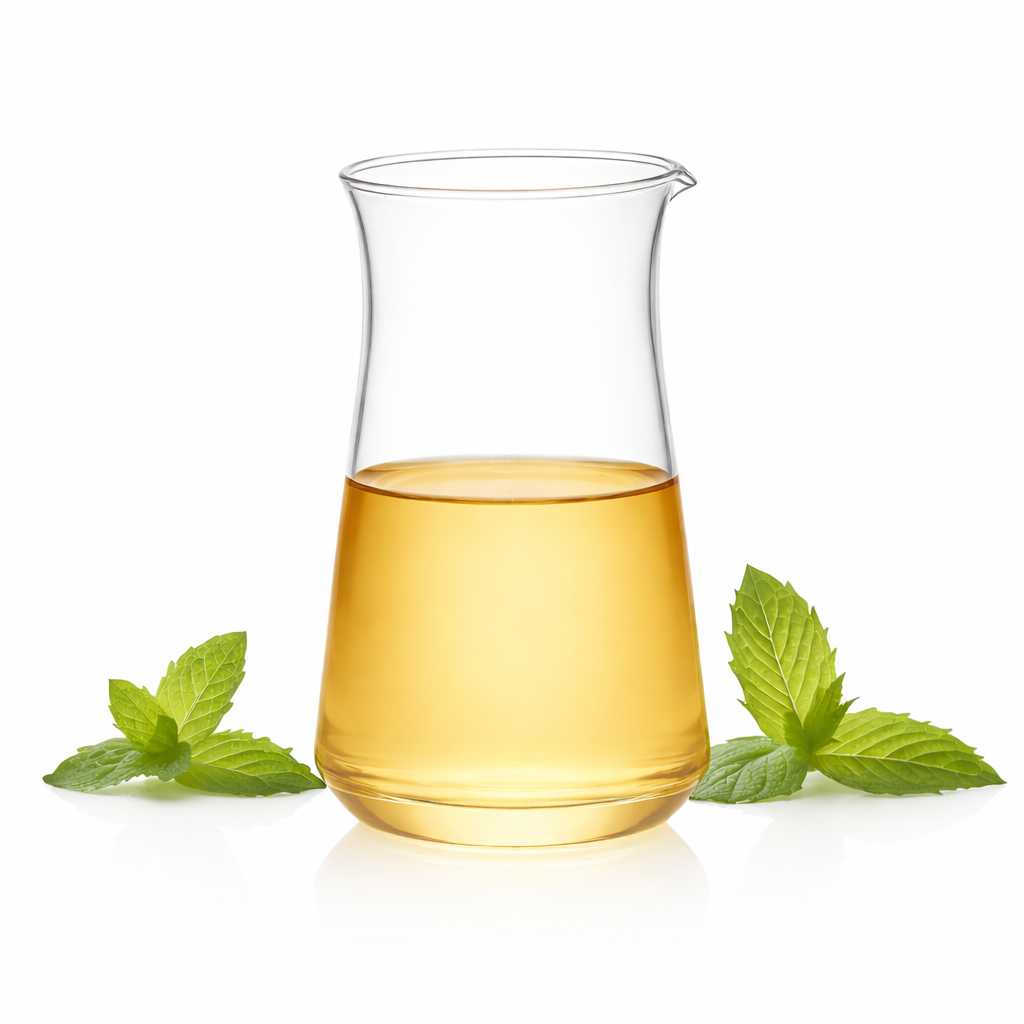
Organic rosemary ct cineole essential oil gives cosmetics a fresh herbal fragrance and is used mainly in products for oily skin and hair prone to oiliness. It is obtained by steam distillation of the leaves of rosemary (Rosmarinus officinalis) and contains no other additives. On the skin it has a refreshing and cooling effect, and in hair care it revitalises the scalp.


What the cineole chemotype means

Depending on the conditions in which it grows, rosemary produces oils of different composition. These variants are called chemotypes and are abbreviated ct. The cineole chemotype is dominated by 1,8-cineole, a substance also typical of eucalyptus oil.

The difference is noticeable mainly in the fragrance. Cineole rosemary smells fresh and herbal, with a note reminiscent of eucalyptus. The camphor chemotype is sharper and warmer, the verbenone one softer. When choosing for a formulation, it is worth paying attention to the chemotype, because oils from the same plant do not behave the same way in a product.


Effects on skin and hair

  • Freshness and a cooling sensation – after application it leaves the skin with a feeling of freshness, which is useful in body lotions, for example.
  • Balancing sebum production – in oily skin care it supports a clean and fresh appearance.
  • Reviving the scalp – in shampoos and hair products it has a stimulating effect and is particularly suitable for hair that becomes greasy quickly.
  • Soothing the skin – the effects of the oil also include soothing and antimicrobial action.
  • Natural fragrancing – the herbal scent combines well with tea tree and eucalyptus essential oils in refreshing and cleansing products.

Use in formulations

The oil dissolves in oil and in alcohol, not in water. It is not added to the water phase of creams and lotions. Instead, it is mixed into the finished emulsion or added to the oils.

It is incorporated below 40 °C, during the cooling phase or afterwards into the finished product. An essential oil is a mixture of volatile substances, and at higher temperatures part of the fragrance and of the active components evaporates.

There is no single universal usage rate. The maximum amount in the finished product is set by the IFRA limit for the given category, for example 5B for face creams and toners, 9 for shampoos and soaps or 12 for candles. In formulations it is used at low levels, approximately 0.1–0.8%, most often around 0.3%. In body lotions it is usually 0.2–0.3%.

You can find the IFRA limits for all product categories in the IFRA certificate in the Product documentation section. Before production, always compare the amount in your formulation with the limit for your type of product.

In formulations, rosemary oil is often combined with tocopherol, glycerine, panthenol, allantoin, xanthan gum and jojoba oil.


Suitable for products such as

  • face creams for oily skin
  • body lotions and oils
  • shampoos and scalp products for hair prone to greasiness
  • scrubs and bath products
  • fragrancing cosmetics with a herbal scent
  • candles of all types, including container candles, in an amount up to the IFRA limit for category 12

Good to know

Rosemary oil is sensitive to oxidation. It is accelerated by oxygen, light, heat and contact with metals, so metal containers are not used when working with it. Heat together with daylight changes the composition of the oil within a few weeks. Store finished products in a cool, dark place, not on a windowsill.

Terpenes common in essential oils form hydroperoxides when they oxidise in air, and these are more likely to cause contact allergy. If the fragrance of the oil has changed, do not use it in cosmetics any more.

The oil must not come into contact with strong acids, alkalis or oxidising agents.

The oil is flammable, with a flash point of 43 °C. Keep it away from flames, sparks and hot surfaces when working, especially when making candles. It contains fragrance allergens, which must be stated on the product label, and CMR components (methyleugenol, γ-terpinene, p-cymene). Compliance with IFRA limits is therefore necessary.


Frequently asked questions

Is rosemary ct cineole essential oil soluble in water?
No, rosemary ct cineole essential oil does not dissolve in water. It dissolves in oil and in alcohol. In creams and body lotions it is added only to the finished emulsion at a temperature below 40 °C, and in anhydrous products it is mixed into the oils. It is not added directly to the water phase.
What is the usage rate of rosemary essential oil in a cream?
In creams, rosemary essential oil is used at approximately 0.1–0.8%, most often around 0.3%. The maximum permitted amount is set by the IFRA limit for the product category, which is category 5B for face creams. The limits for all categories are in the IFRA certificate in the Product documentation section.
What is the difference between rosemary ct cineole and other rosemary chemotypes?
Rosemary ct cineole contains 1,8-cineole as its main component. It smells fresh, with a note reminiscent of eucalyptus. The camphor chemotype has a sharper and warmer fragrance, the verbenone one a softer fragrance. All of them come from the same plant, Rosmarinus officinalis, and have the same name in INCI, Rosmarinus Officinalis Leaf Oil.
Can rosemary essential oil be used in candles?
Yes, rosemary essential oil can be used in candles of all types, including candles in jars. The amount must not exceed the IFRA limit for category 12, which is stated in the IFRA certificate. The oil is flammable with a flash point of 43 °C, so keep it away from flames and hot surfaces during production.
Is rosemary essential oil suitable for oily hair?
Yes, rosemary essential oil is used specifically in products for hair prone to oiliness. In shampoos and scalp products it has a refreshing and stimulating effect and helps balance sebum production. In refreshing and cleansing hair products it is often combined with tea tree and eucalyptus essential oils.
Does rosemary ct cineole essential oil contain allergens?
Yes, rosemary ct cineole essential oil contains fragrance allergens listed in Annex III of Regulation (EC) No 1223/2009. When making cosmetics, they must be stated on the label of the finished product. The oil does not contain food allergens. Before using an oil that has been left open for some time, check whether its fragrance has changed.

Parameters

INCI
Rosmarinus Officinalis Leaf Oil
CAS No.
84604-14-8 / 8000-25-7
EC number
283-291-9
Product colour
YellowColourless
Country of origin
Spain
Appearance
Liquid
Application area
FaceHairScalpBodyHands
Recommended processing temperature
< 40 °C
Application type
Leave-onRinse-off
Certifications and declarations
VeganOrganic certification
Manufacturer's certificate
BRC
Natural Index (NI ISO 16128)
1,00
Natural Origin Index (NOI ISO 16128)
1,00
Renewable Carbon Content (RCC)
100 %
Volume
100 ml

Product documentation

CoACertificate of Analysis
batch 21193PDF ↓
batch 23918PDF ↓
TDSTechnical Data Sheet
Physical parameters and processingPDF ↓
IFRAIFRA Certificate
batch 23918PDF ↓
AllergensAllergen Declaration
batch 23918PDF ↓
SDSSafety Data Sheet
Available for purchased products —
Download all (ZIP)

5 PDF files in one archive

REVIEWS

Verified by customers.

No reviews yet.

Only customers with a delivered order can write reviews.