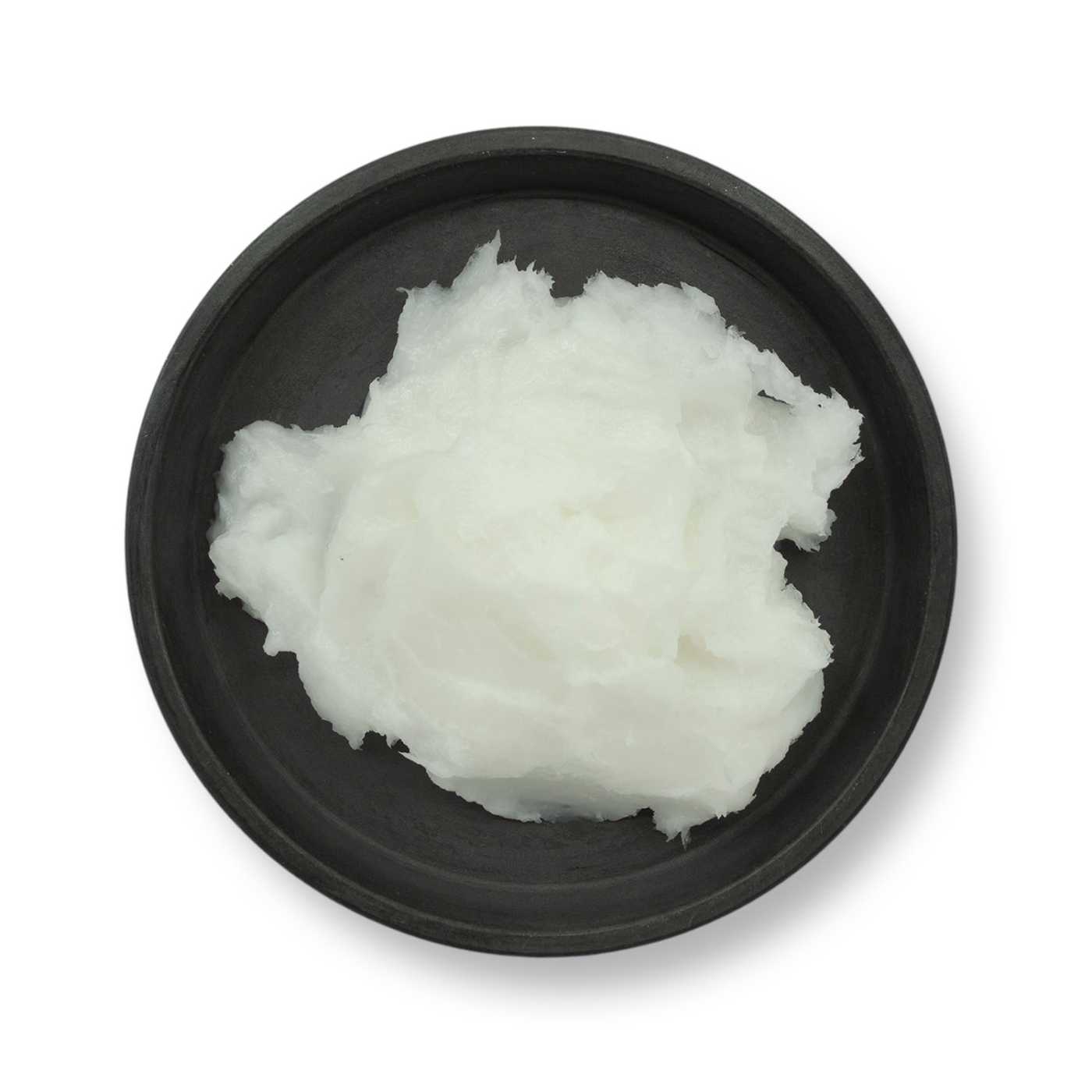
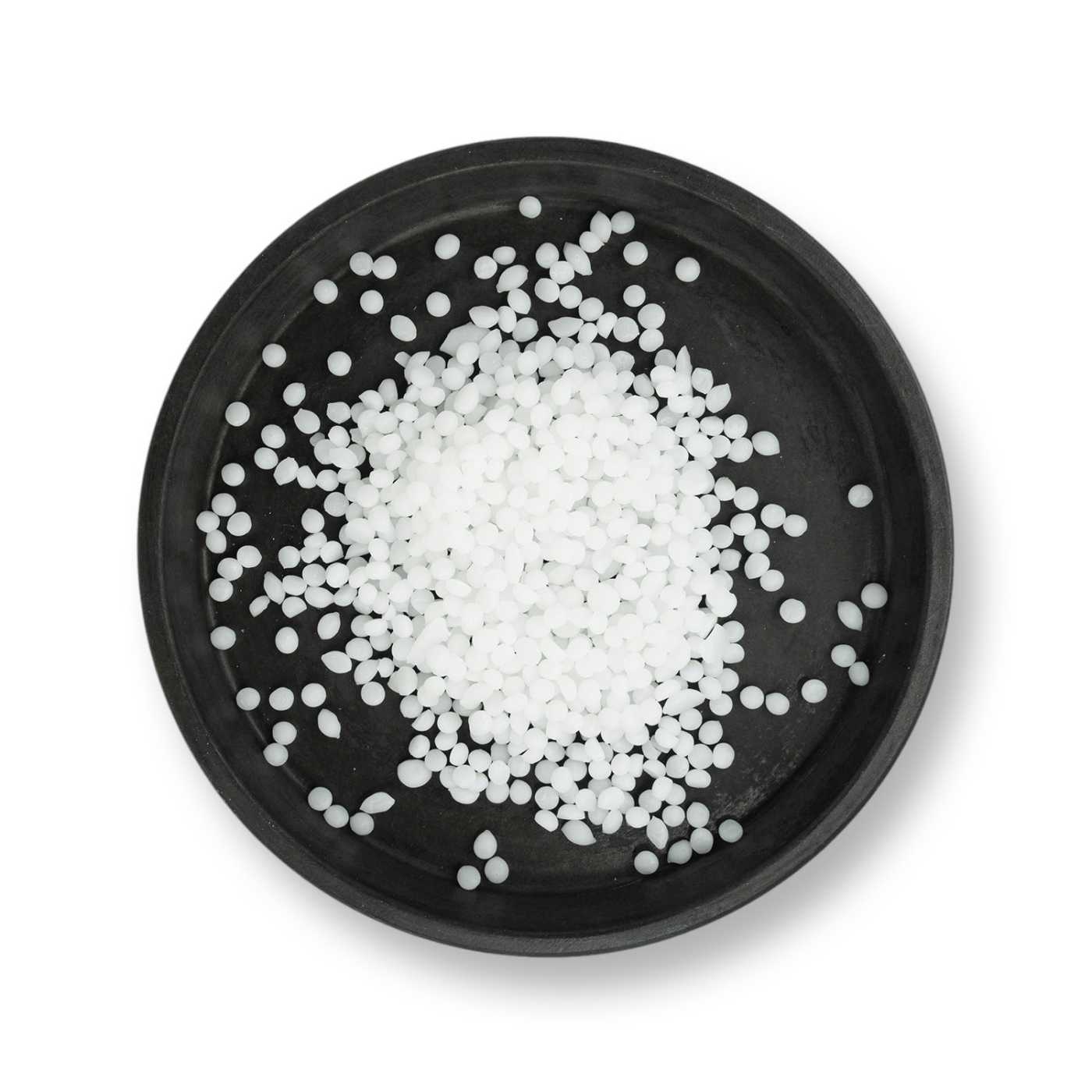
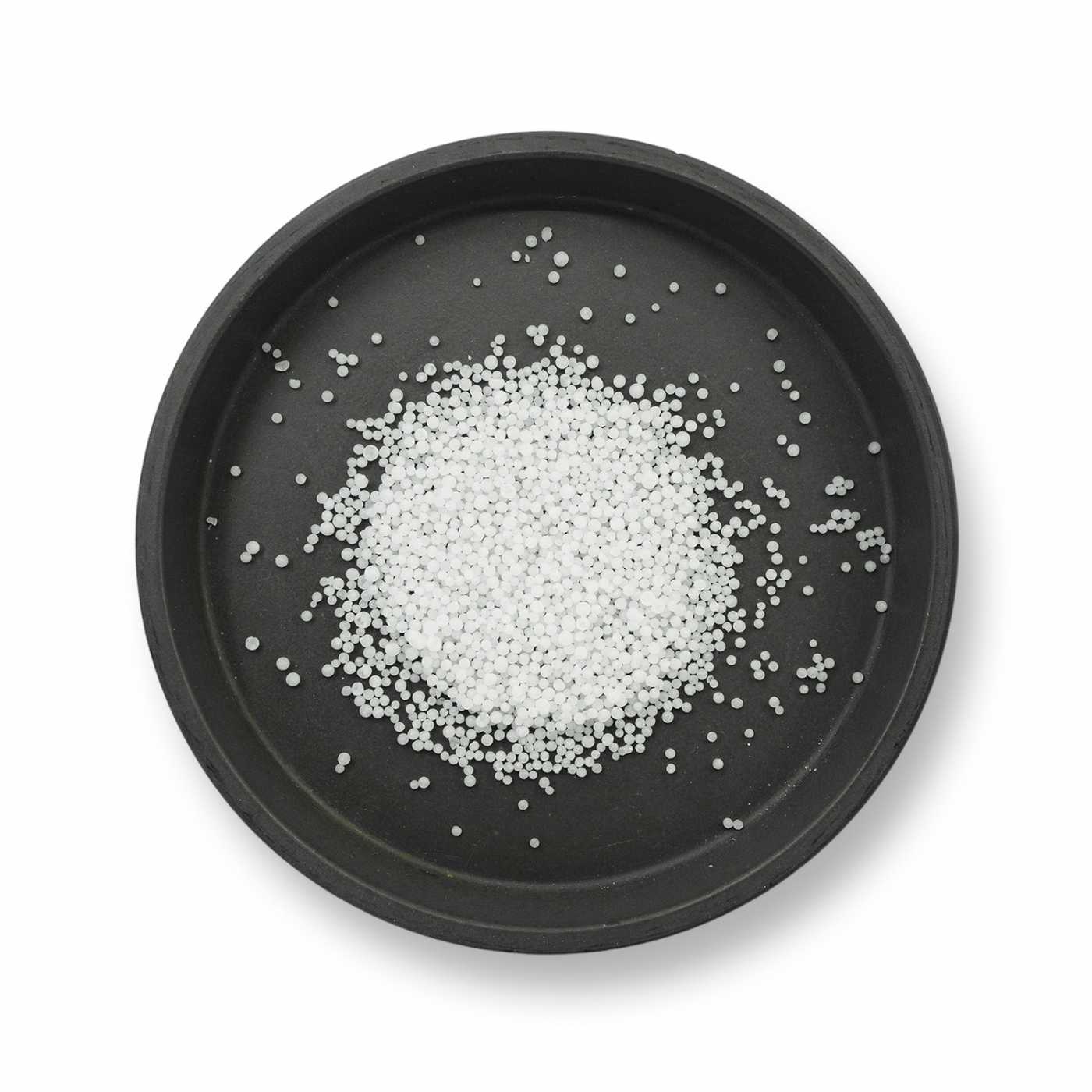
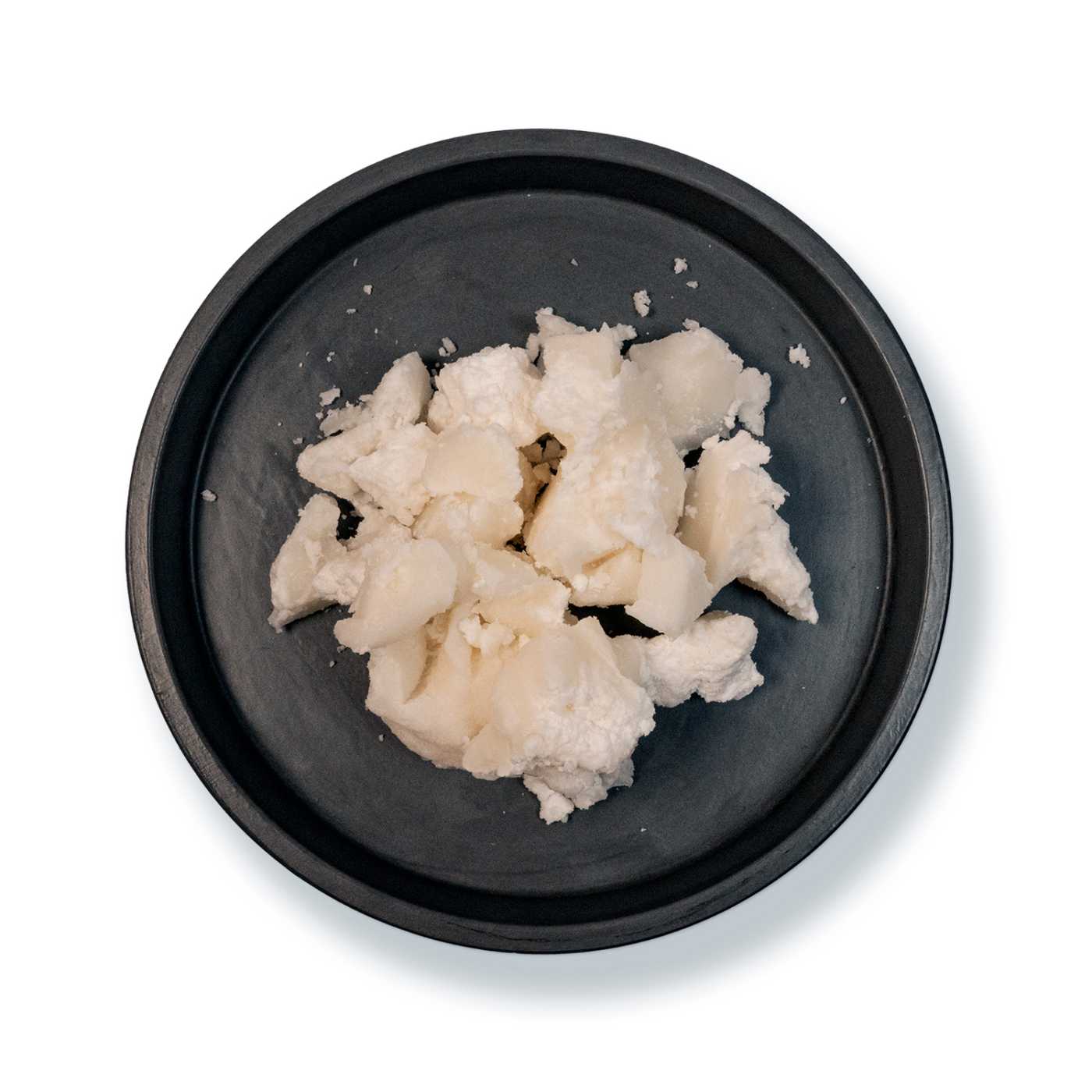
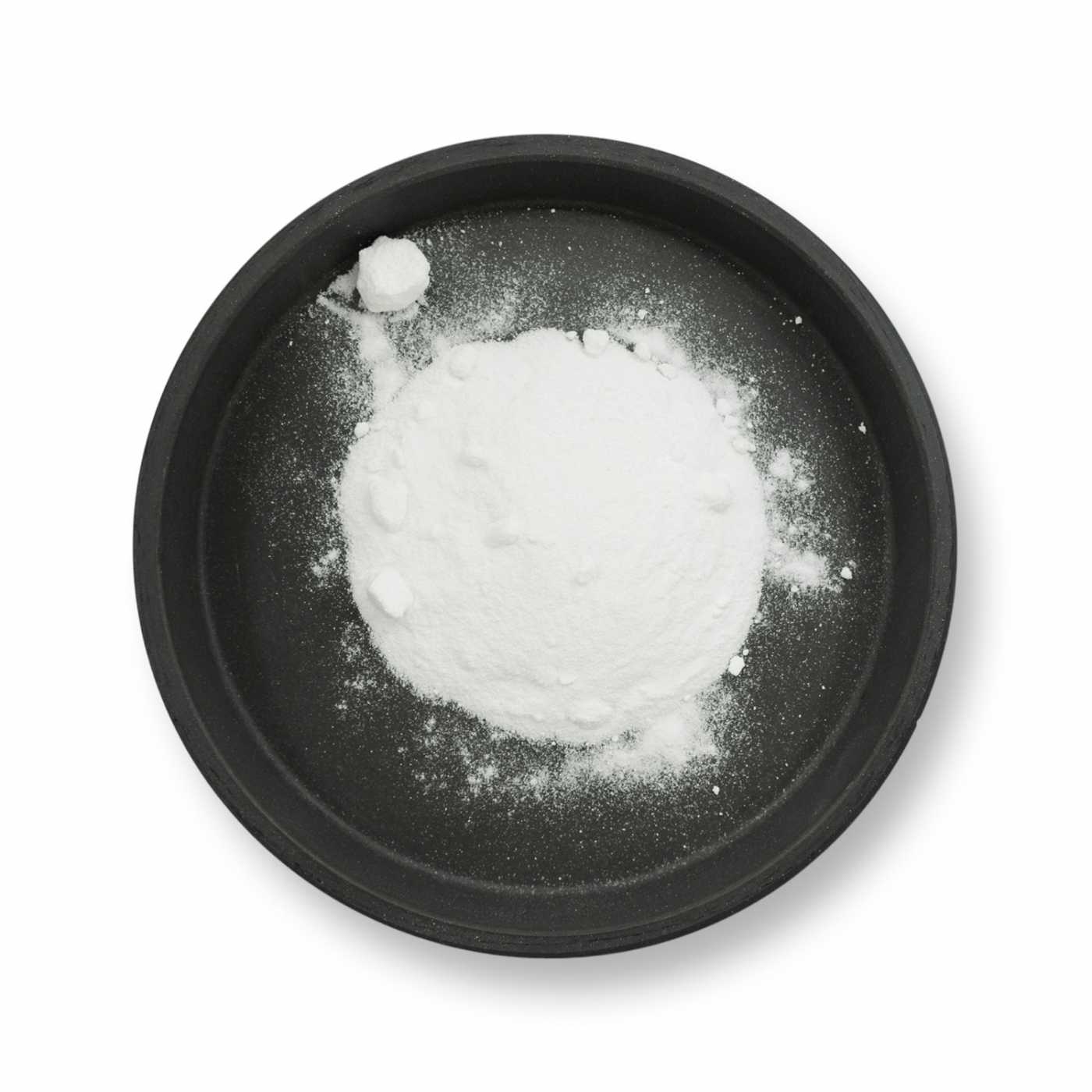
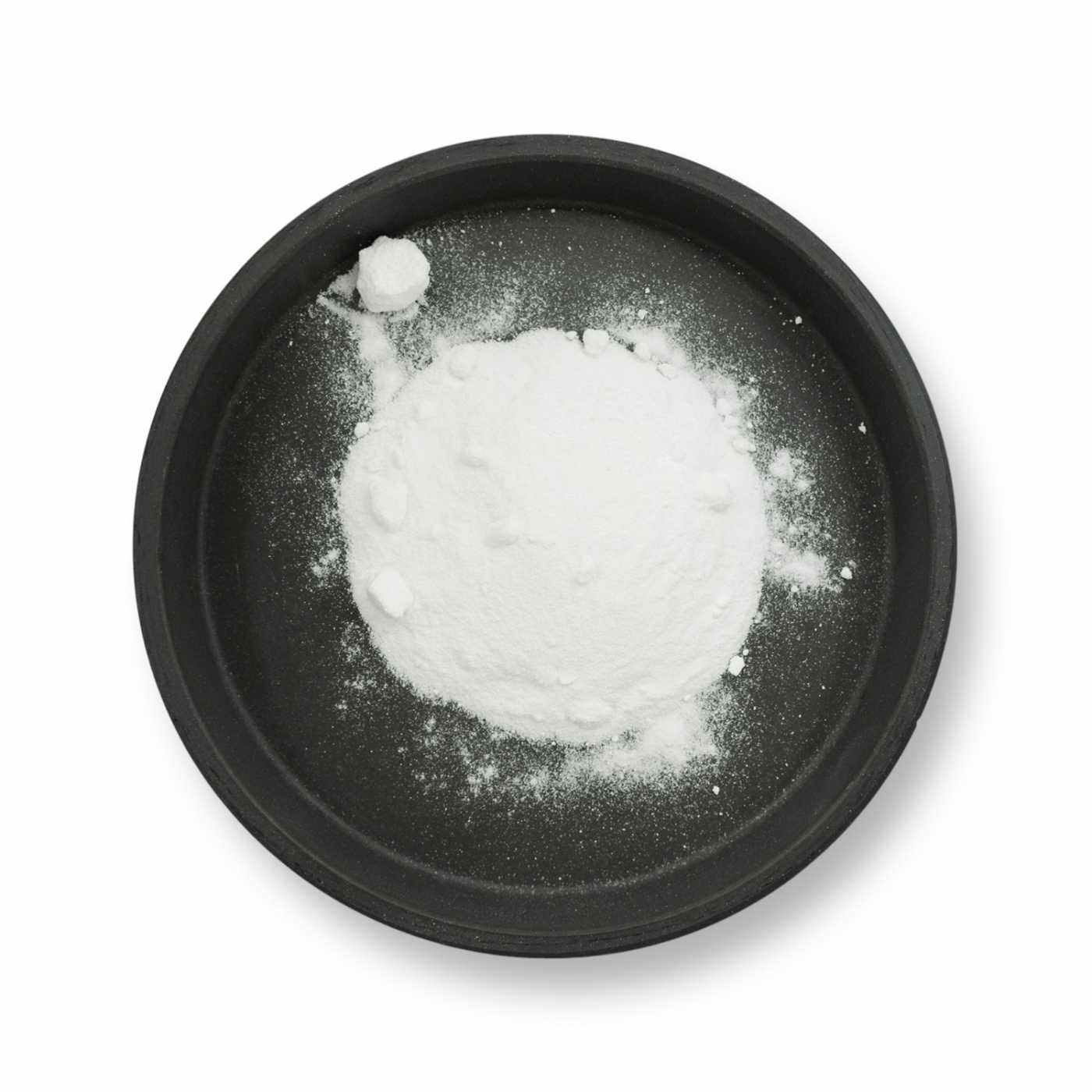
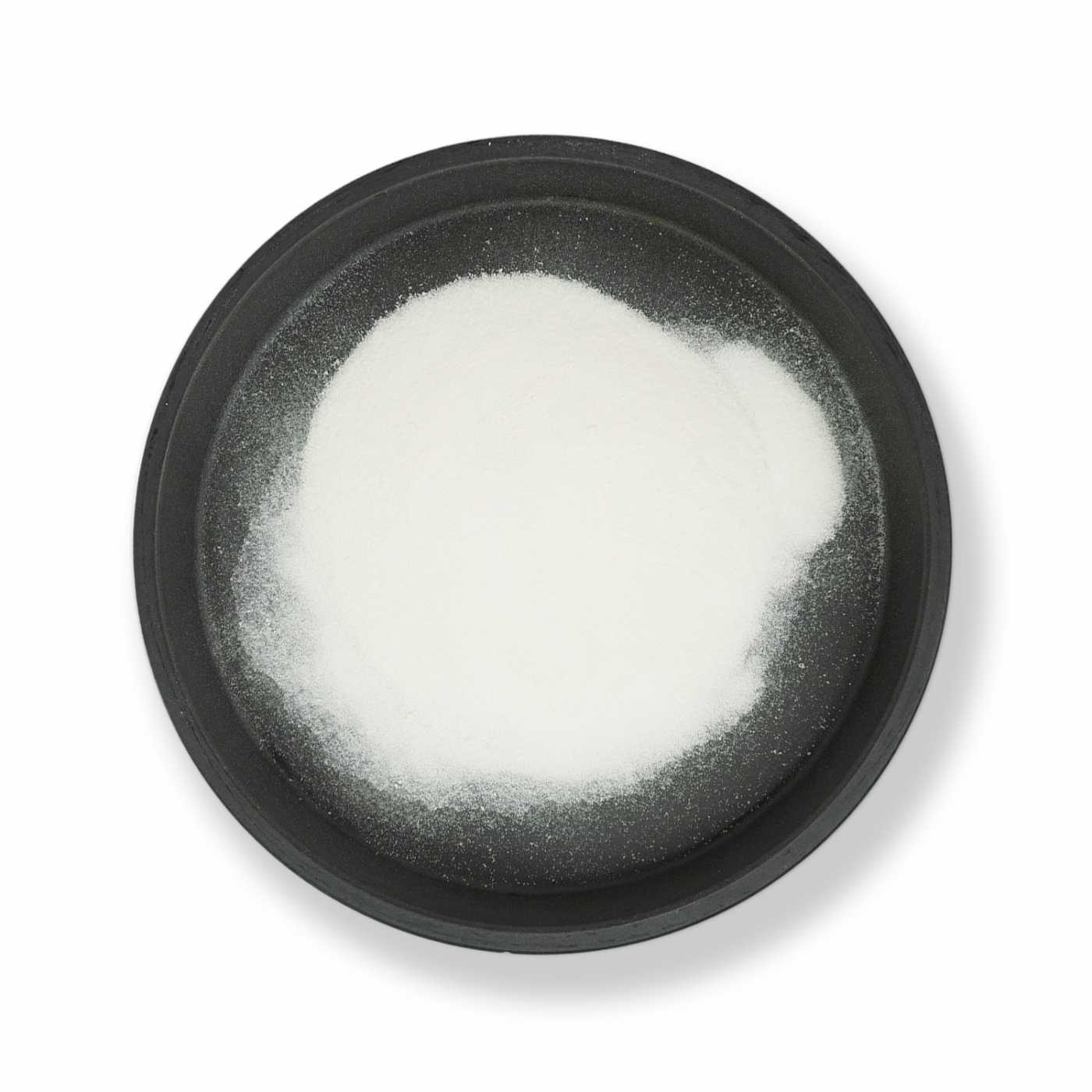
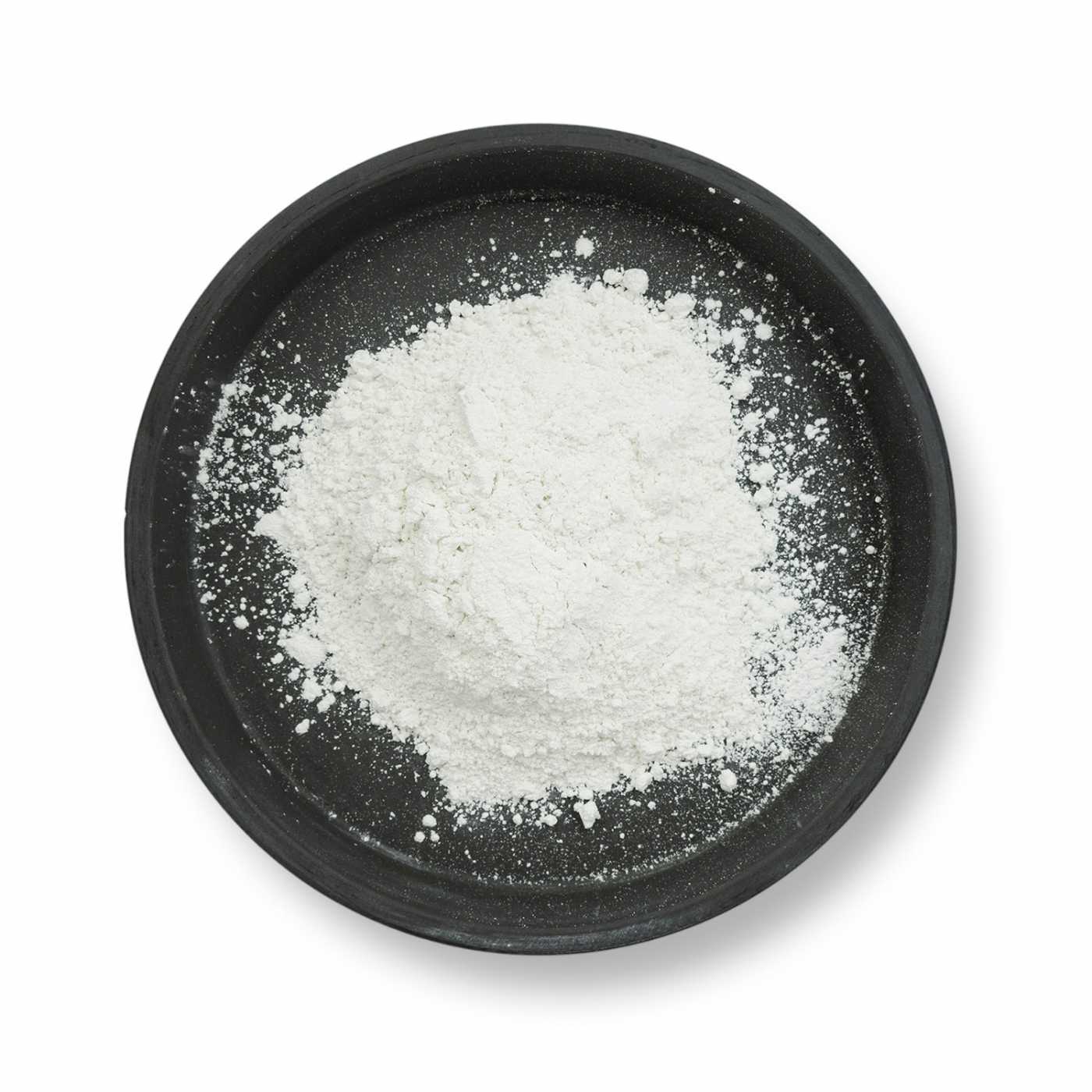
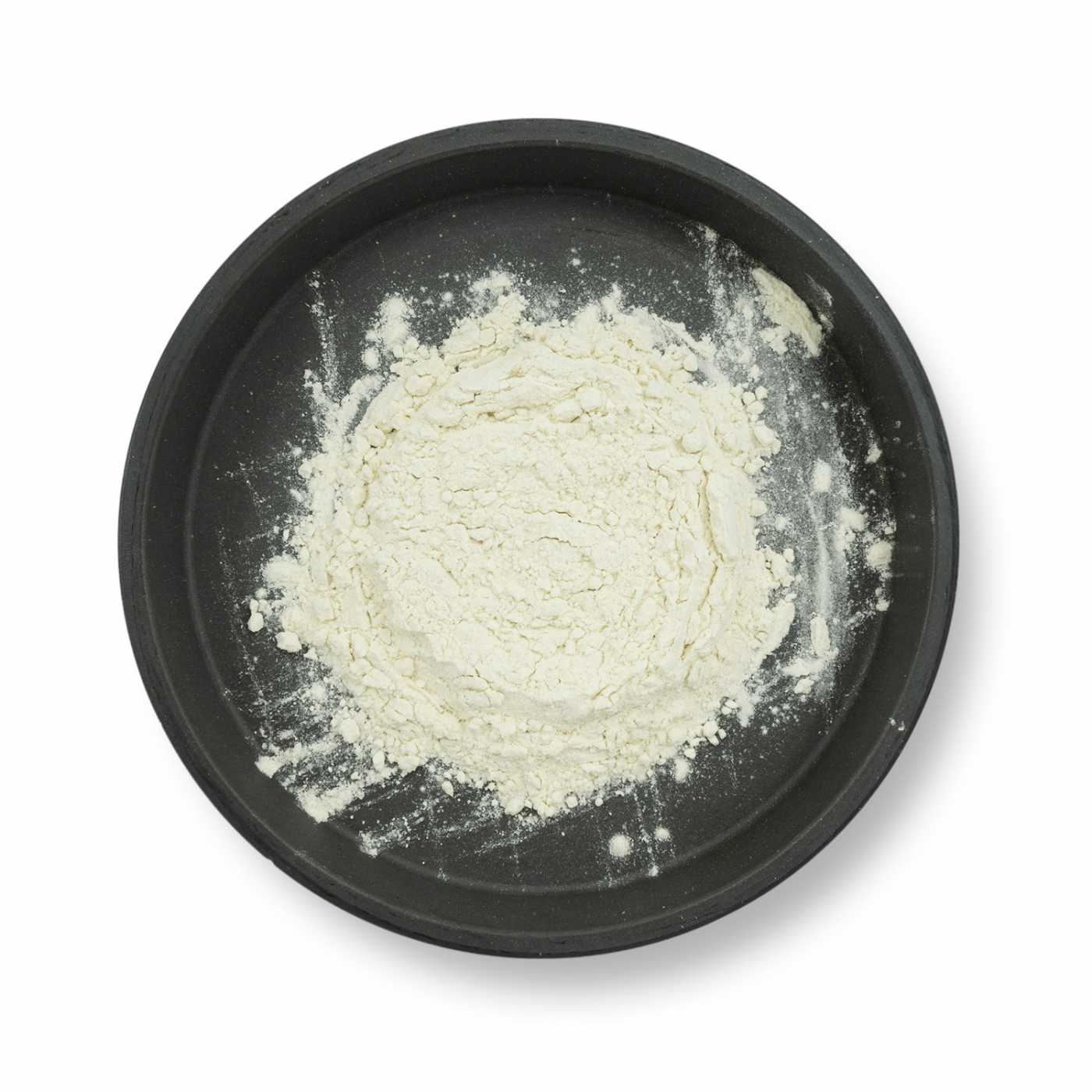
Glyceryl Stearate Citrate GSC
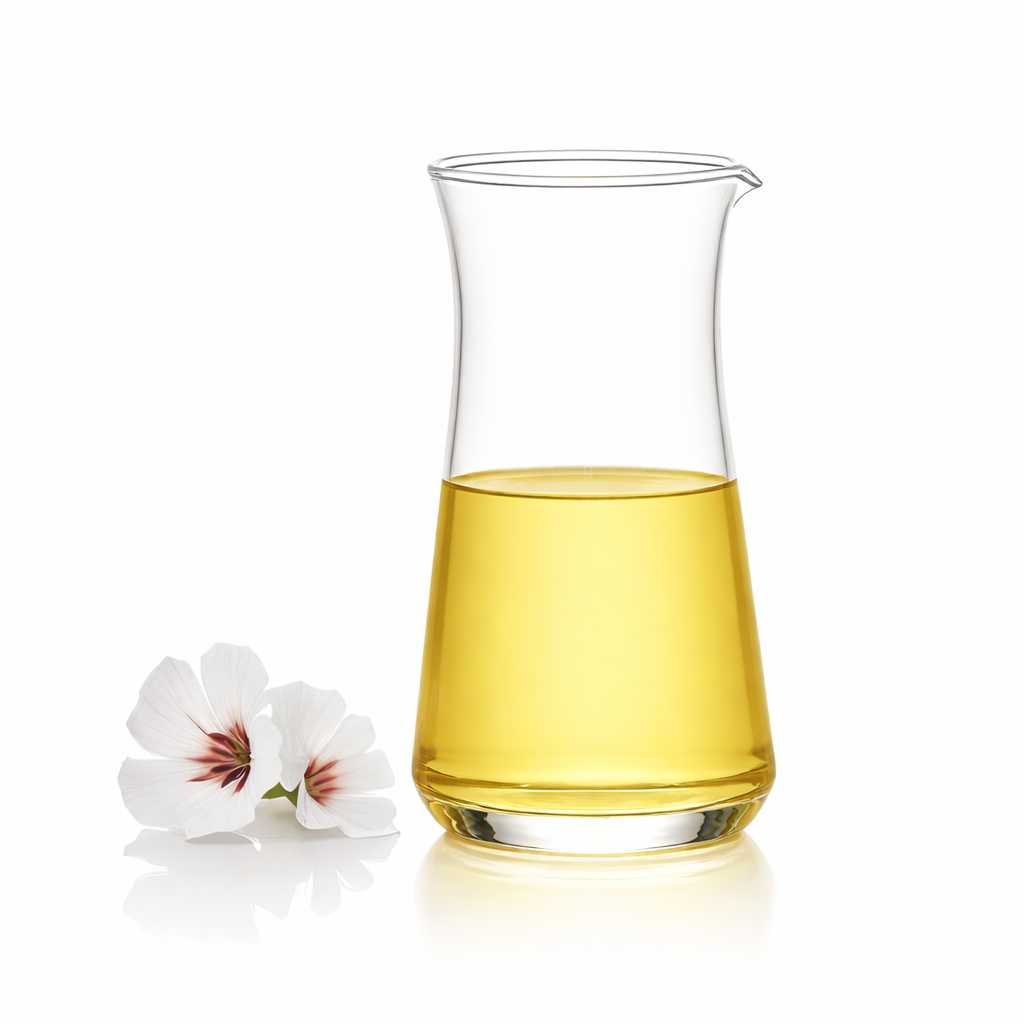
Glyceryl stearate citrate is an anionic O/W emulsifier of natural origin that binds the oil and water phases into creams and lotions with a stable, creamy texture. In formulation, it acts as the primary emulsifier without PEG and without ethylene oxide, making it a popular choice in more naturally oriented formulations and in cosmetics for sensitive and children's skin.
Emulsions with this emulsifier are suitable for both face and body, in both rinse-off and leave-on products.
Key properties
- Emulsifier for O/W emulsions – creates oil-in-water emulsions, i.e. lighter creams and lotions that can be rinsed off with water.
- Anionic character – when combined with cationic ingredients, emulsion stability should be verified in advance.
- PEG-free and palm oil-free – suitable for formulations where ethoxylated emulsifiers and palm derivatives are excluded.
- Readily biodegradable according to OECD 301 test.
- Not classified as hazardous under CLP regulation; a safety data sheet is not required for it.
Use in formulation
The emulsifier is added to the oil phase, where it melts upon heating together with oils, butters, and consistency agents. It does not dissolve in water; it is dispersible in oil. The recommended processing temperature is 75 – 80 °C. Both phases are heated to the same temperature and then combined with constant stirring. After combining, the emulsion is stirred and cooled; heat-sensitive actives are added only after cooling.
The recommended usage level is 1.5 – 3.5 % depending on the amount of the oil phase and the desired consistency. Lower doses are sufficient for light lotions; higher doses are needed for richer creams with a larger oil phase.
The consistency of a cream is determined primarily by the consistency agents in the oil phase. For a richer cream, add Cetearyl Alcohol, Cetyl Alcohol, Stearyl Alcohol, Glyceryl Stearate, or stearic acid. The manufacturer lists these as suitable additions to this emulsifier.
The emulsifier works in the range of pH 5.0 – 8.0, which corresponds to standard facial and body preparations. With significantly more acidic formulations, such as those with a higher proportion of AHA acids, it is advisable to verify stability.
It combines well with nonionic emulsifiers such as mono- and diglycerides, polyglycerol esters, or ethoxylated fatty alcohols. The manufacturer states that such combinations can produce liquid crystals, which contribute to emulsion stability.
Suitable for products such as
- Facial creams and lotions for both day and night care.
- Body lotions and creams with a lighter texture.
- Creams for children and sensitive skin where PEG-free emulsifiers are preferred.
- Sun care and after-sun preparations, which the manufacturer lists among typical applications.
- Rinse-off emulsions, such as creamy cleansing milks, and wet cosmetic wipes.
Good to know
The anionic emulsifier is not compatible with cationic ingredients, such as conditioning quaternary compounds. If the formulation contains them, verify emulsion stability with a test batch.
The manufacturer states that a suitable polymeric stabilizer in the water phase can improve the freeze resistance of the emulsion.
An emulsion with a water phase requires a preservative. The emulsifier itself has no preservative effect and does not protect the product against microbial growth.
Frequently asked questions
Is glyceryl stearate citrate soluble in water?
No, glyceryl stearate citrate does not dissolve in water; it is added to the oil phase. When heated to 75 – 80 °C, it melts in the oils and, once combined with the water phase, forms an oil-in-water emulsion. It is therefore not suitable for purely aqueous products such as toners or sprays.
What is the difference between glyceryl stearate citrate and glyceryl stearate?
Glyceryl stearate citrate is a standalone anionic emulsifier, whereas Glyceryl Stearate is a nonionic ingredient that the manufacturer lists as a consistency additive. Both raw materials complement each other well in a single formulation: glyceryl stearate citrate creates and stabilizes the emulsion, while Glyceryl Stearate adds body and creaminess.
How much glyceryl stearate citrate is needed in a cream?
The recommended usage level is 1.5 – 3.5 % of the total formulation weight. Light lotions with a smaller oil phase can manage with the lower end; richer creams with a larger oil phase require a higher dose. Final consistency also depends on consistency agents and thickeners in the water phase.
Is glyceryl stearate citrate suitable for children's cosmetics and sensitive skin?
Yes, glyceryl stearate citrate is suitable for preparations for children and sensitive skin. It is not classified as hazardous, contains no PEG or fragrance allergens, and contains no materials of animal origin. The tolerability of the finished product always depends on the entire formulation, not on a single emulsifier.
Can glyceryl stearate citrate be used cold?
No, glyceryl stearate citrate is processed hot. The raw material must melt in the oil phase at 75 – 80 °C, and the water phase is heated to the same temperature. A stable emulsion forms only after both hot phases are combined with constant stirring.
Does glyceryl stearate citrate work at acidic pH?
Glyceryl stearate citrate works stably in the pH range 5.0 – 8.0. Common creams and lotions with a pH around 5.5 fall comfortably within this range. For formulations with a lower pH, such as those with a higher proportion of fruit acids, we recommend verifying emulsion stability by testing before producing a larger batch.