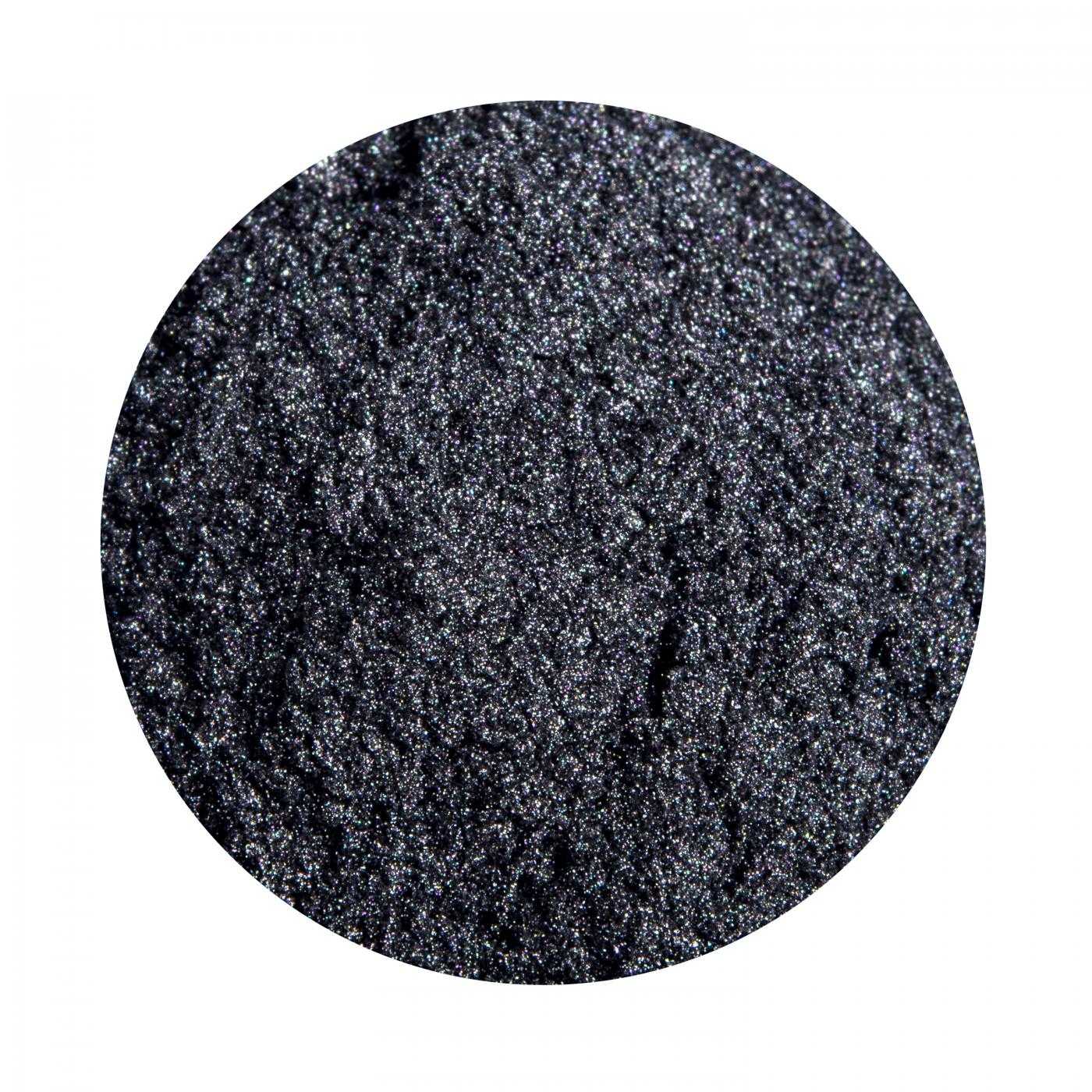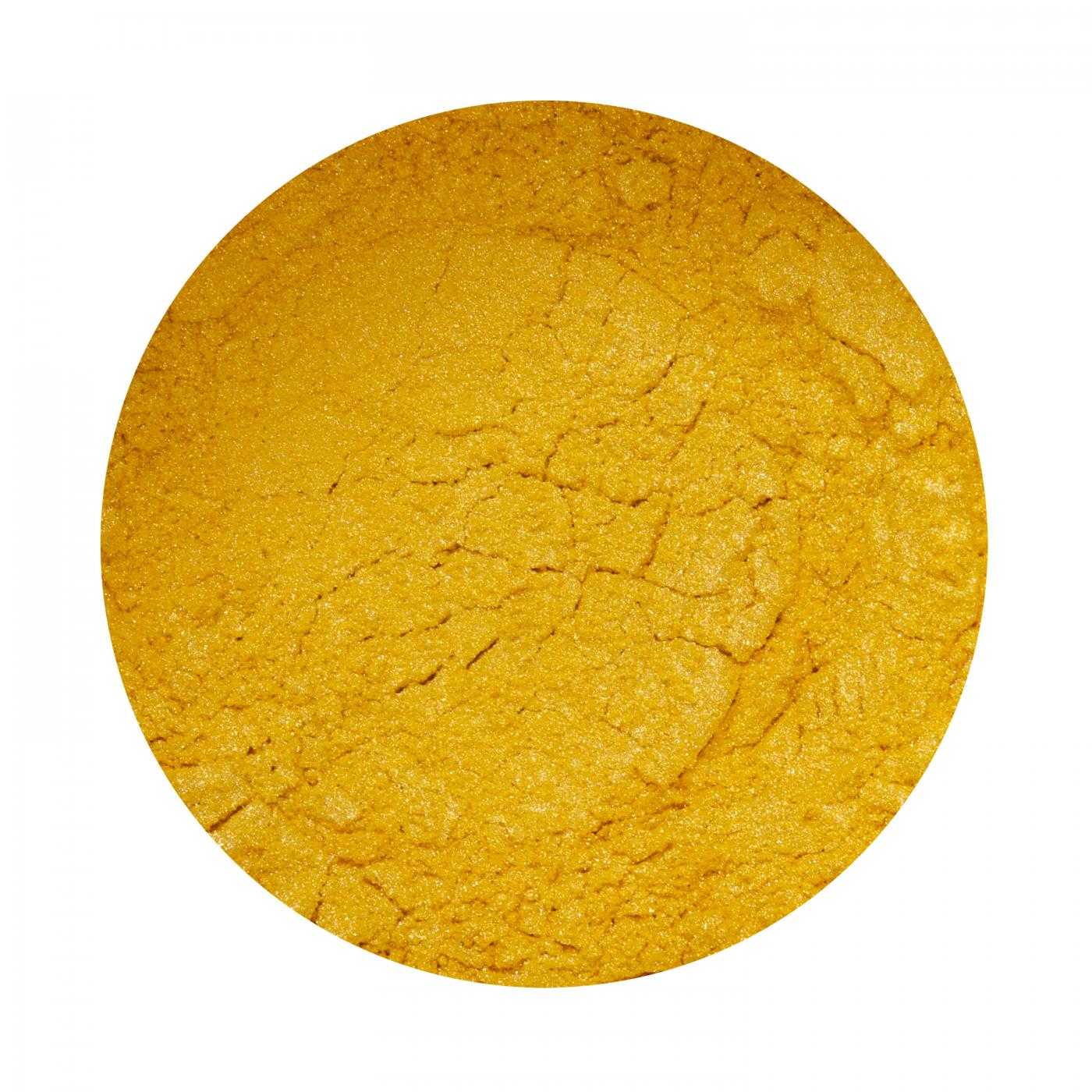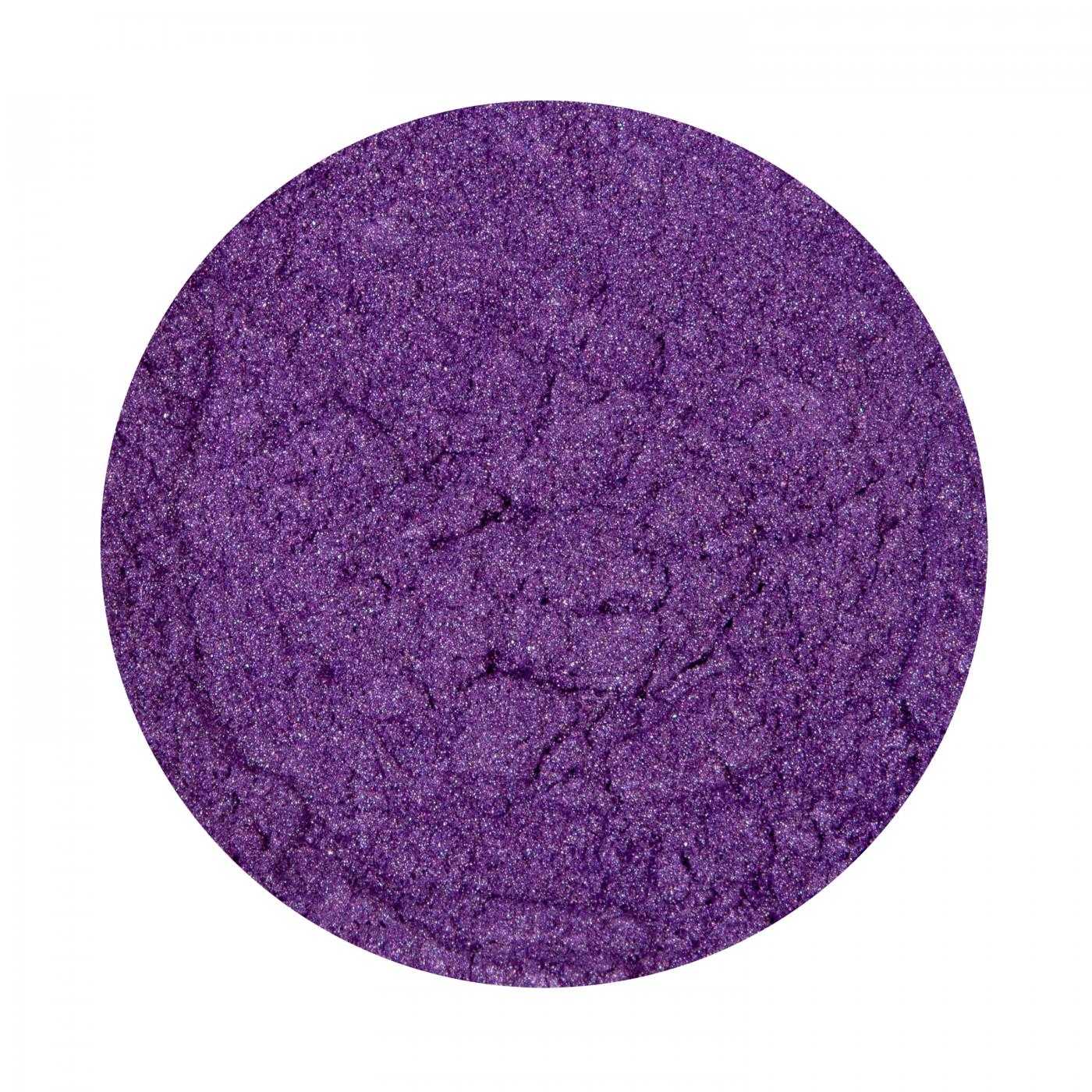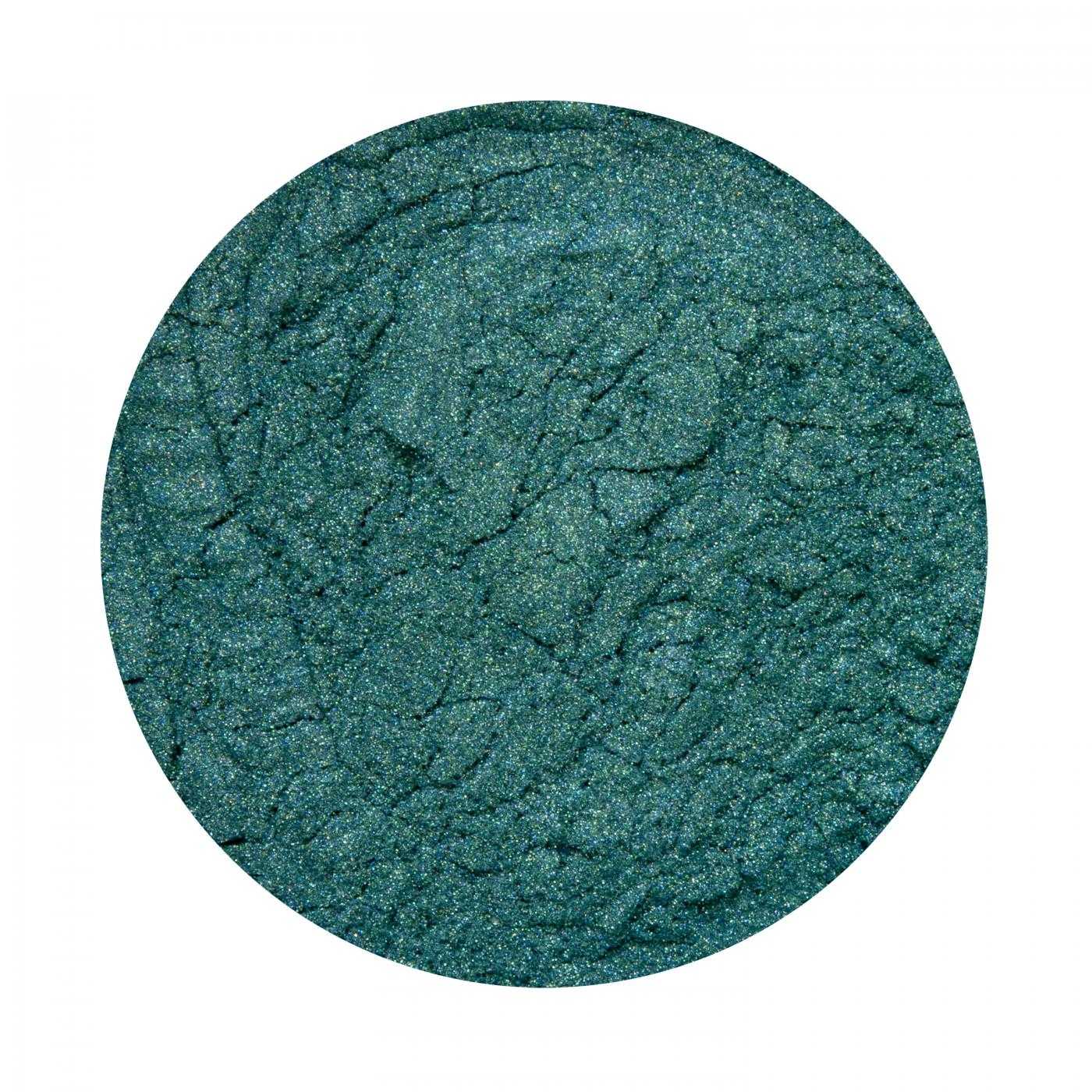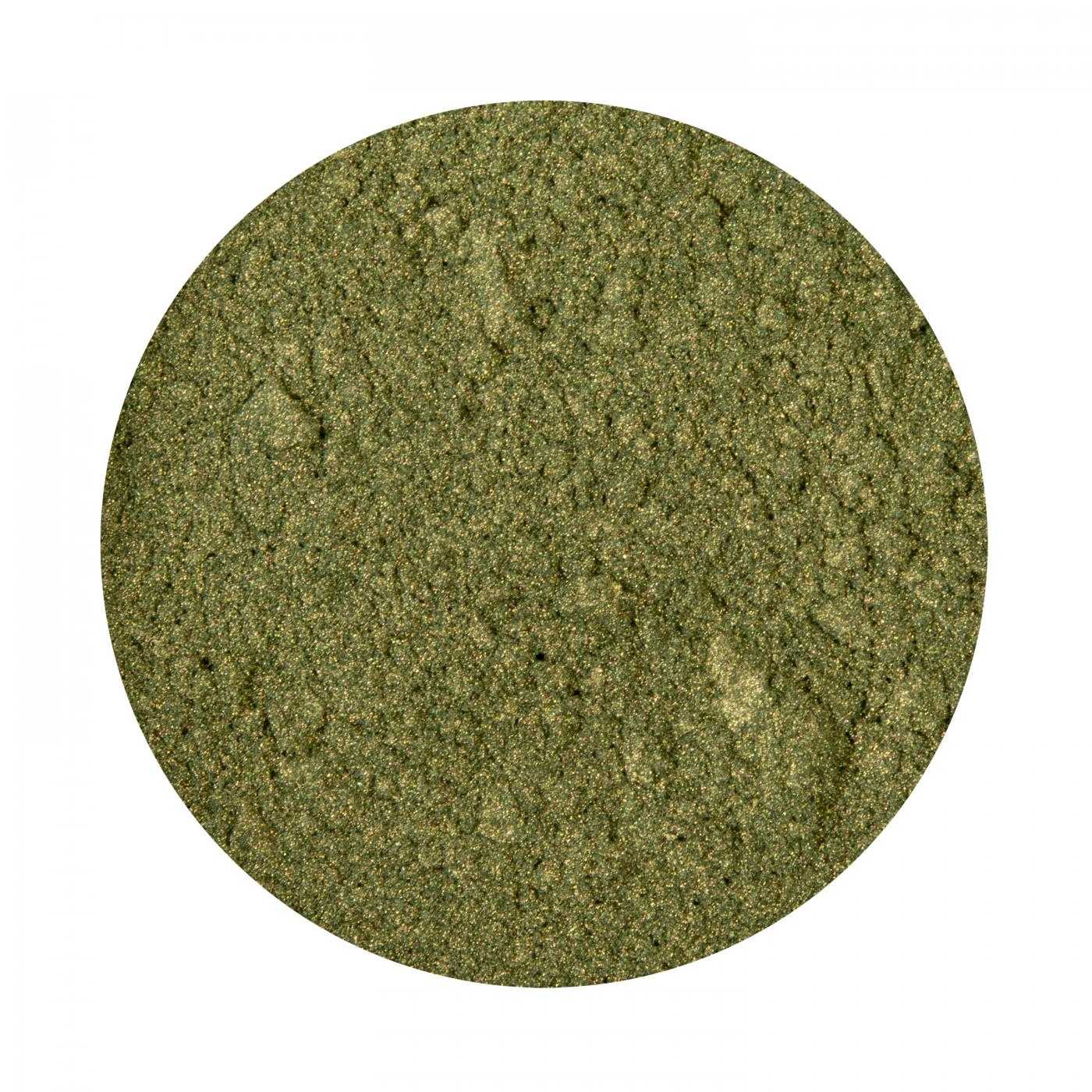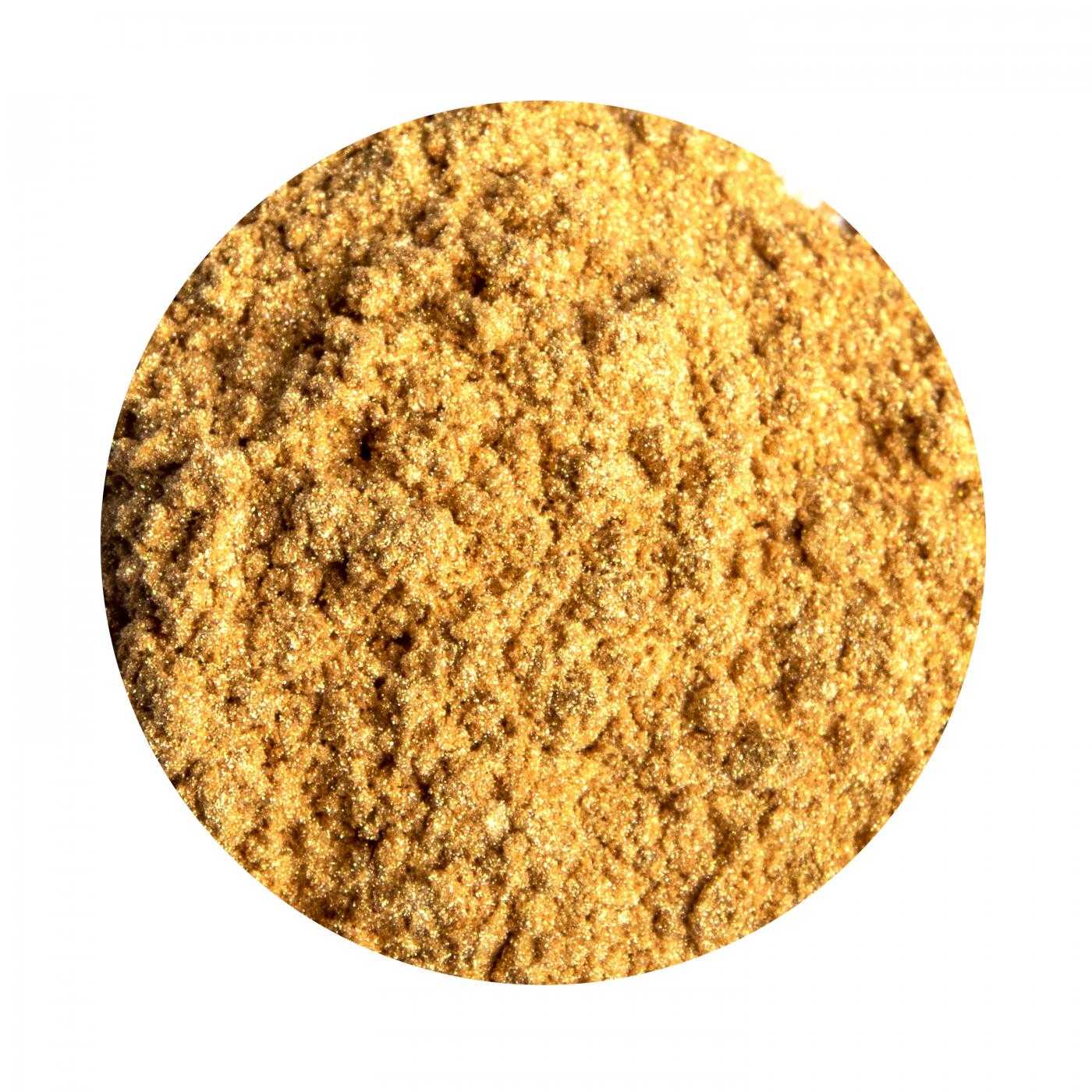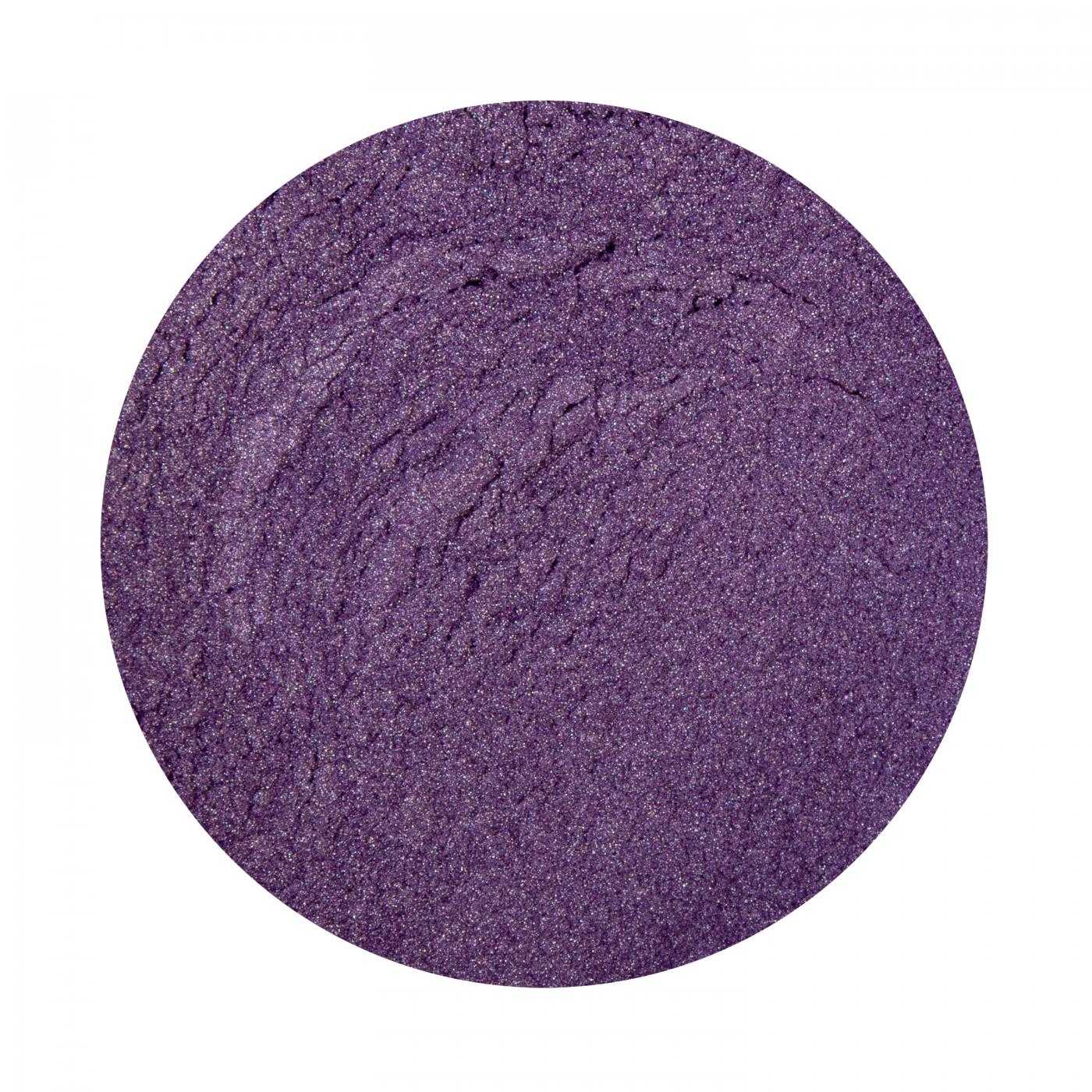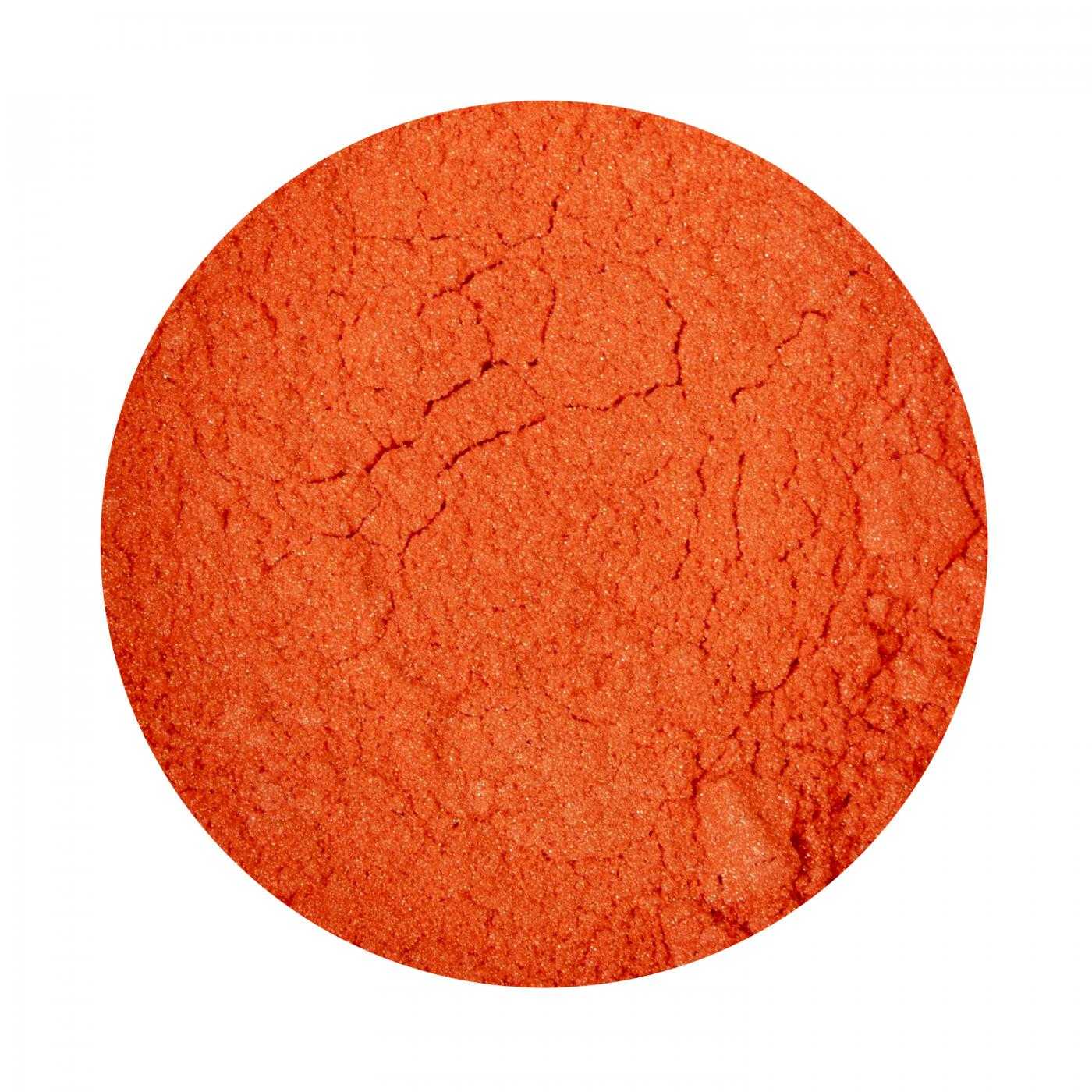
MICA Pigment Powder, Orange Burst, 10 g
Pre-order€2.99(€299.00/kg)

BOTANICALS
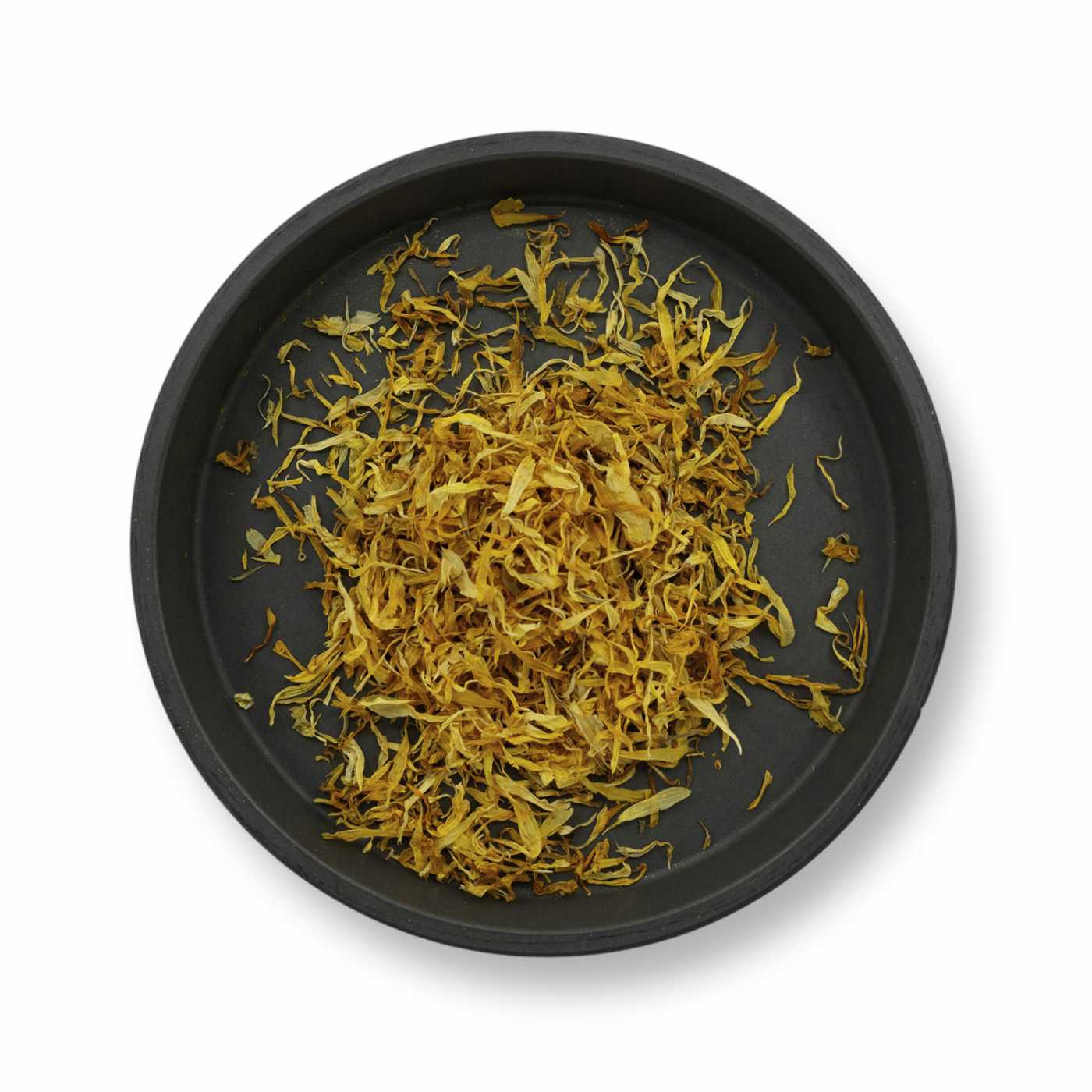
Calendula petals are dried petals of the calendula flower (Calendula officinalis), used to prepare calendula macerated oil . This oil is used in the care of sensitive, dry and irritated skin. full description
Lowest price in the last 30 days: €51.19
Calendula petals are dried petals of the calendula flower (Calendula officinalis), used to prepare calendula macerated oil. This oil is used in the care of sensitive, dry and irritated skin. Whole petals are also added to soaps and bath products as a colourful decoration.
Calendula has a long tradition in skin care. It is used to prepare ointments and oils for irritated, reddened and cracked skin. In cosmetics it soothes the skin and supports its regeneration.
During maceration, mainly carotenoids and polyphenols pass from the petals into the oil. Carotenoids colour the oil yellow to orange and act as an antioxidant in it.
Calendula is suitable for products for sensitive, dry and problem skin, for mature skin and for children’s cosmetics.
The petals do not dissolve in water, oil or alcohol. They get into a product in two ways: by maceration in oil, where the oil takes up their active substances and colour, or as a visible decorative ingredient.
For a macerated oil, use 5–20% dried petals by weight of the oil. The finished macerated oil is processed as part of the oil phase or added to the product afterwards.
The processing temperature should stay below 80 °C and the macerated oil should not be overheated. At room temperature, more β-carotene passes into the oil than at 70 °C. Slow cold maceration is therefore the gentler choice.
In a comparison of methods, 72-hour maceration in olive oil at room temperature performed best. Of the carrier oils, avocado oil extracted the most carotenoids and polyphenols from the petals.
The choice of oil also matters for the stability of the macerated oil. Carotenoids break down together with the oxidation of the carrier oil. In an oxidatively stable oil, the macerated oil keeps its colour and active substances for longer.
The colour stability of calendula depends on pH. The orange-yellow carotenoid pigment is more stable in a neutral to alkaline environment, at pH 7–10, which is an advantage in soaps. In more acidic products, the colour lasts for a shorter time.
Calendula is sometimes confused with African marigold (Tagetes erecta). Both plants belong to the Asteraceae family, but they are two different species and cannot be interchanged in a recipe.
A 2010 safety assessment considers calendula flower and its extracts safe in cosmetics, without skin irritation, sensitisation or photosensitisation. They may cause mild eye irritation.
People with an allergy to plants of the Asteraceae family may react to calendula through cross-reactivity. This kind of allergy is more common in atopic dermatitis. For products for sensitive skin and children’s skin, we recommend informing customers about this.
The petals come from Egypt. The raw material is purely plant-based, free of preservatives, contains no fragrance allergens and is not classified as hazardous under the CLP Regulation. It is supplied in cosmetic, food and pharmaceutical grade.