Spend over €100 for discounted shipping!

+421 950 333 113[email protected]

Essential oils, 10 ml

Rosemary (Camphor) Essential Oil, 10 ml

Pack size10 ml100 ml500 ml1 l

Rosemary ct camphor essential oil gives formulations a distinctive camphoraceous, herbal fragrance and is most commonly used in hair and scalp care, body cosmetics and aromatherapy. full description

AvailabilityIn stock · 380 packs
Product codeEON075_10
Batch21454A
Best before08/2028
€4.99incl. VAT€499.00/l

Lowest price in the last 30 days: €4.99

Product description

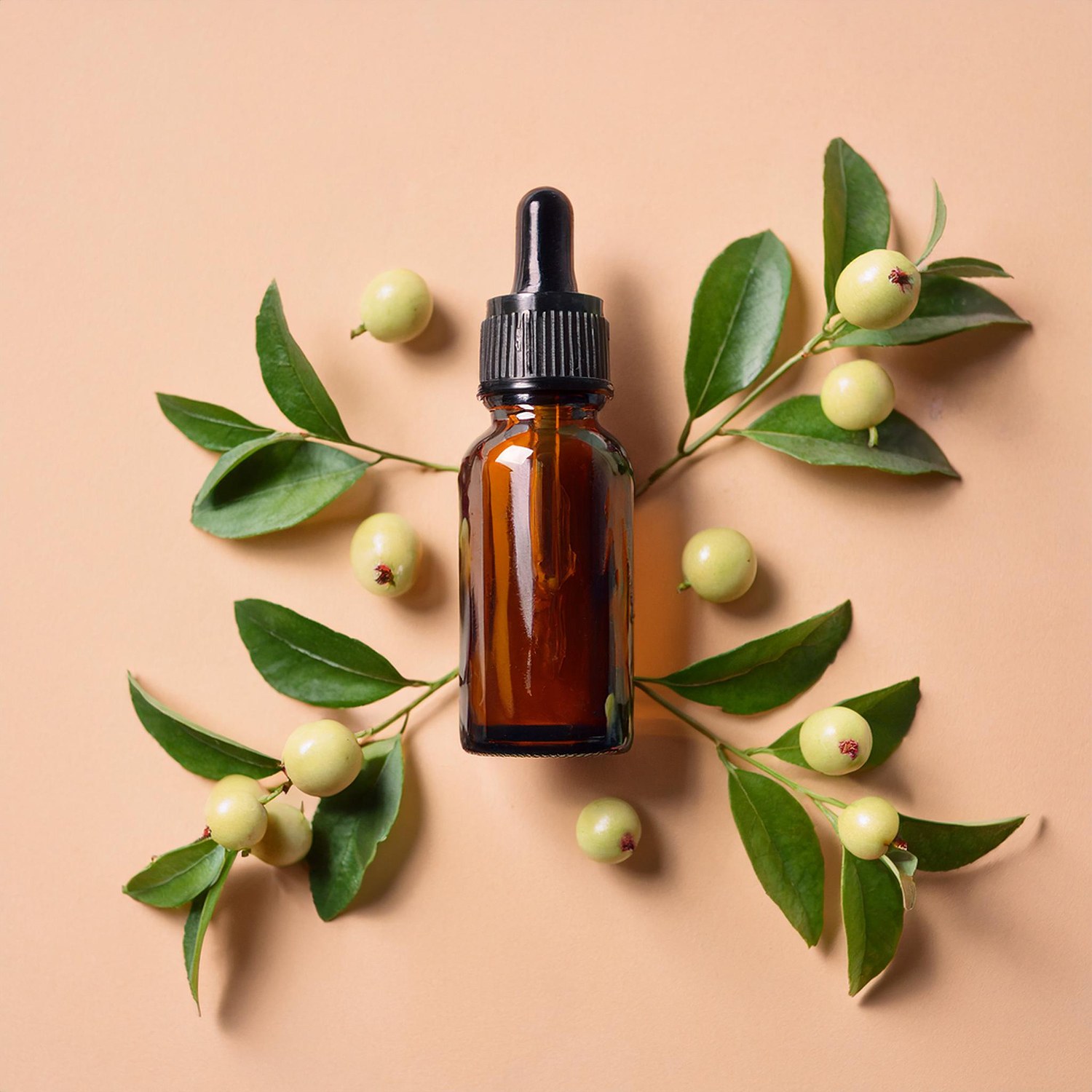
Rosemary ct camphor essential oil gives formulations a distinctive camphoraceous, herbal fragrance and is most commonly used in hair and scalp care, body cosmetics and aromatherapy. It is obtained by steam distillation of the leaves of Rosmarinus officinalis L. of European origin. The designation ct camphor is a chemotype in which camphor predominates, and it is this that gives the fragrance its sharp, penetrating character.

In hair products it is used for conditioning and hair shine, in facial and body cosmetics it acts as an antioxidant and antimicrobial. The manufacturer classifies it among stimulating and cleansing essential oils. The oil is vegan and has not been tested on animals.


Key benefits

  • Distinctive fragrance – the camphoraceous, herbal note gives shampoos, shower gels and massage oils a recognisable fresh character.
  • Conditioning and hair shine – in hair oils, serums and rinse-off conditioners it promotes a smoother hair surface and shine.
  • Antioxidant activity – one of the stated effects of the oil, applicable in both facial and body cosmetics.
  • Antimicrobial effect – according to the manufacturer's data, it acts against unwanted microbes and promotes a clear complexion.
  • Cooling and refreshing sensation – the manufacturer states a cooling sensation on the skin, applicable in body cosmetics.
  • Aromatherapy – in diffusers and aroma lamps the manufacturer describes an invigorating, energising effect of the fragrance.

Use in formulation

The oil is insoluble in water and dissolves in oils and alcohol. It incorporates readily into the oil phase of emulsions, into anhydrous products (body and hair oils, balms, massage blends) and into alcohol-based preparations. In aqueous systems such as tonics or hair sprays it requires a solubiliser or an alcohol fraction; otherwise it will separate to the surface.

The recommended processing temperature is below 40 °C. The oil is a mixture of volatile compounds, so prolonged heating or open containers during production lead to fragrance loss.

Add the essential oil as one of the last ingredients, when the mass is below 40 °C, and close the container immediately. This preserves the full fragrance intensity and avoids unnecessarily increasing the dosage.

The recommended formulation pH range is 4 – 9, covering standard emulsions, shampoos and shower gels. The oil is compatible with anionic, cationic, amphoteric and non-ionic surfactants and can therefore be used across the full range of rinse-off hair and body cosmetics. It blends well with other essential oils and fragrance compositions, in which it typically forms a fresh, herbal note.

Maximum dosage for individual product types is determined by the IFRA certificate. Categories 1 to 12 are listed in the product parameters and formulation design is based on the limit for the specific category. Shampoo falls under category 9, body oil under category 5A, candle under category 12.

The oil is classified in accordance with the CLP regulation and contains components classified as CMR. The label carries pictograms for flammability, corrosivity, irritation, serious health hazards and ecotoxicity. When working with the concentrate, follow the safety data sheet and keep the dosage in the finished product within IFRA limits.


Suitable for products such as

  • Shampoos and rinse-off conditioners – fragrance, shine and hair conditioning in a surfactant base of any type.
  • Hair oils, serums and scalp products – anhydrous formulations in which the oil dissolves directly in the carrier oil.
  • Body and massage oils, body lotions – distinctive herbal fragrance and a cooling sensation on the skin.
  • Shower gels and liquid soaps – fresh fragrance in rinse-off cosmetics.
  • Facial cleansers – rinse-off products for oily-prone skin where the manufacturer states a cleansing and brightening effect.
  • Diffusers and aromatherapy – on its own or blended with other essential oils.

Good to know

The camphor chemotype fragrance is dominant and easily overpowers more delicate components of a composition. In blends it is best dosed carefully and fine-tuned drop by drop, particularly in leave-on products where the fragrance remains on the skin longer.

Rosemary essential oil is available in several chemotypes that differ in their predominant component and therefore in their fragrance and IFRA limits. The camphor chemotype has the most pronounced camphoraceous, penetrating character and is best suited where rosemary should be clearly perceptible: in shampoos, massage oils, scalp products and aromatherapy.

The oil is colourless to pale yellow and at normal fragrance dosage levels it typically has no visible effect on the colour of the product.

The antioxidant activity of the oil is not preservation. Aqueous and emulsion products require a proper preservation system regardless of the presence of the essential oil.

The oil is flammable and production must therefore take place away from open flames and heat sources. The same applies when filling diffusers and aroma lamps.

Frequently asked questions

Is rosemary ct camphor essential oil soluble in water?
No, it does not dissolve in water; it dissolves in oils and alcohol. In aqueous products such as tonics, sprays or hydrogels it is therefore added with a solubiliser or within an alcohol fraction. In emulsions it is incorporated into the oil phase or added during cooling; in anhydrous oils and balms it dissolves directly.
At what temperature is rosemary ct camphor essential oil added to a cream?
It is added at a temperature below 40 °C, i.e. during the cooling phase of the emulsion. The oil is volatile and loses its fragrance when heated, so it is never added to the hot oil phase. After adding, the mass is briefly mixed and the container is sealed.
How much rosemary ct camphor essential oil can I use in a shampoo or body oil?
The dosage is determined by the IFRA certificate for the specific product category, not by a single universal value. Shampoos and shower gels fall under category 9, body oils and lotions under category 5A, facial creams under category 5B. Formulation design is based on the limit of the given category and on the content of fragrance allergens declared on the label.
Is rosemary ct camphor essential oil suitable for shampoo?
Yes, it is compatible with anionic, amphoteric, non-ionic and cationic surfactants and works within the pH range of 4 – 9. In shampoos and rinse-off conditioners it provides a herbal fragrance and supports conditioning and hair shine. It is added at the end of production cold-process, keeping the dosage within the IFRA category 9 limit.
How does rosemary ct camphor differ from other rosemary essential oils?
The camphor chemotype has a predominance of camphor, giving it a distinctly camphoraceous, penetrating fragrance. All rosemary essential oils come from the same species, Rosmarinus officinalis L., but differ in composition, fragrance and IFRA limits. For products where rosemary should be clearly perceptible, the camphor chemotype is the one to choose.
Do I need to declare allergens on the label for rosemary ct camphor essential oil?
Yes, the oil contains fragrance allergens listed in Annex III of the cosmetics regulation, including the extended list from Regulation 2023/1545. If their content in the finished product exceeds the established threshold values, they must be listed in the ingredient list. The specific allergens and their proportions are in the product documentation, which forms the basis for the calculation.

Parameters

INCI
Rosmarinus Officinalis Leaf Oil
CAS No.
84604-14-8 / 8000-25-7
EC number
283-291-9
Product color
ColorlessYellow
Processing method
Steam Distillation
Appearance
Liquid
Formulation phase
Oil phaseCool-down phase
Recommended processing temperature
< 40 °C
Application area
FaceHairScalpBody
Recommended formulation pH range
4-9
Application type
Leave-onRinse-off
Certifications
Vegan
Natural Index (NI ISO 16128)
1,00
Natural Origin Index (NOI ISO 16128)
1,00
Renewable Carbon Content (RCC)
100 %
Volume
10 ml

Product documentation

CoACertificate of Analysis
batch 21454PDF ↓
batch 21454APDF ↓
TDSTechnical Data Sheet
Physical parameters and processingPDF ↓
IFRAIFRA Certificate
batch 21454PDF ↓
batch 19932PDF ↓
AllergensAllergen Declaration
batch 21454PDF ↓
batch 19932PDF ↓
MSDSSafety Data Sheet
Available for purchased products —
Download all (ZIP)

7 PDF files in one archive

Learn how to work with it

From our blog
Ľubica9 Aug 2026SK

Verified purchase