−15 % with codePre-orderSold out
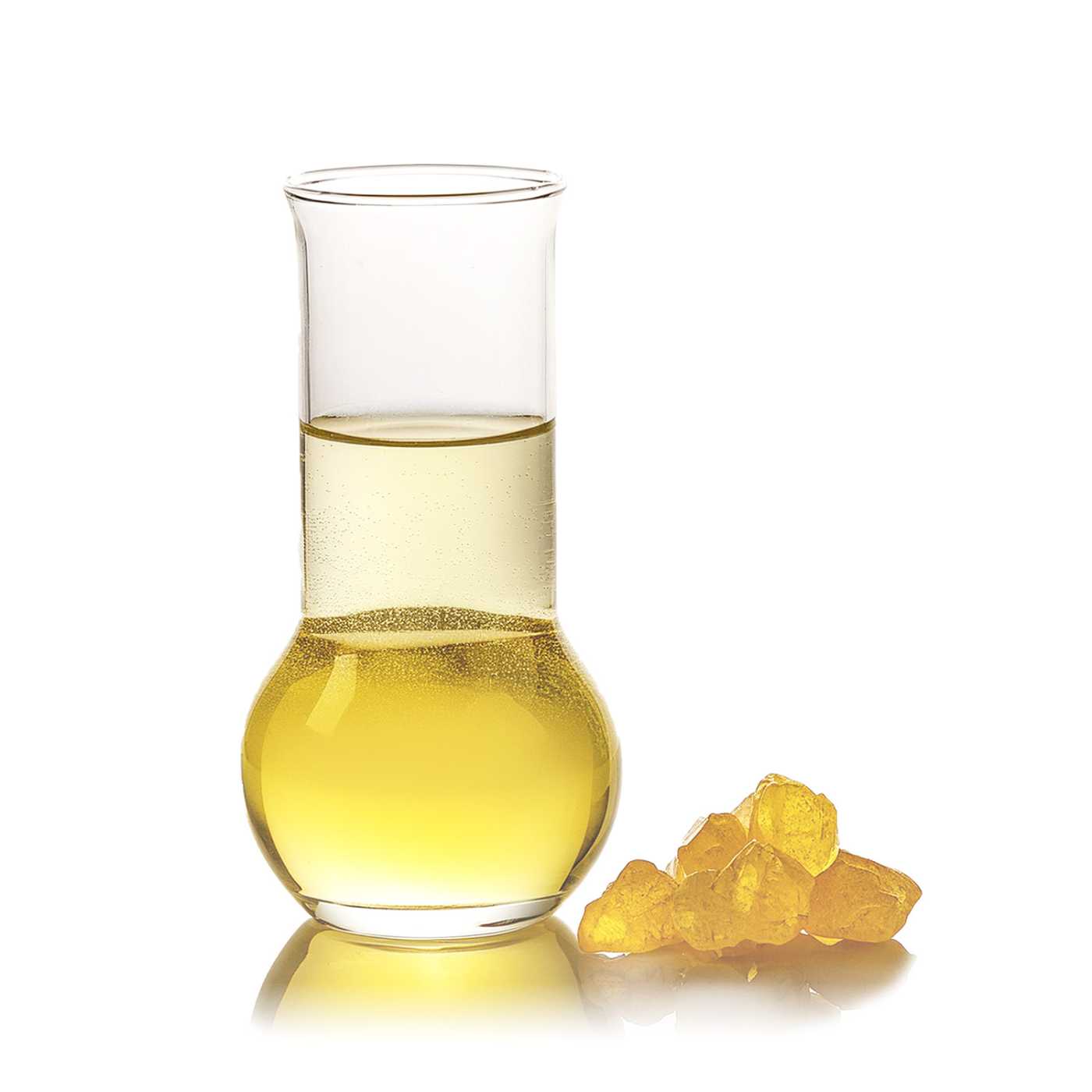
Frankincense (Boswellia Carterii) Essential Oil, 10 ml
€5.79(€579.00/l)

Candle fragrance oils
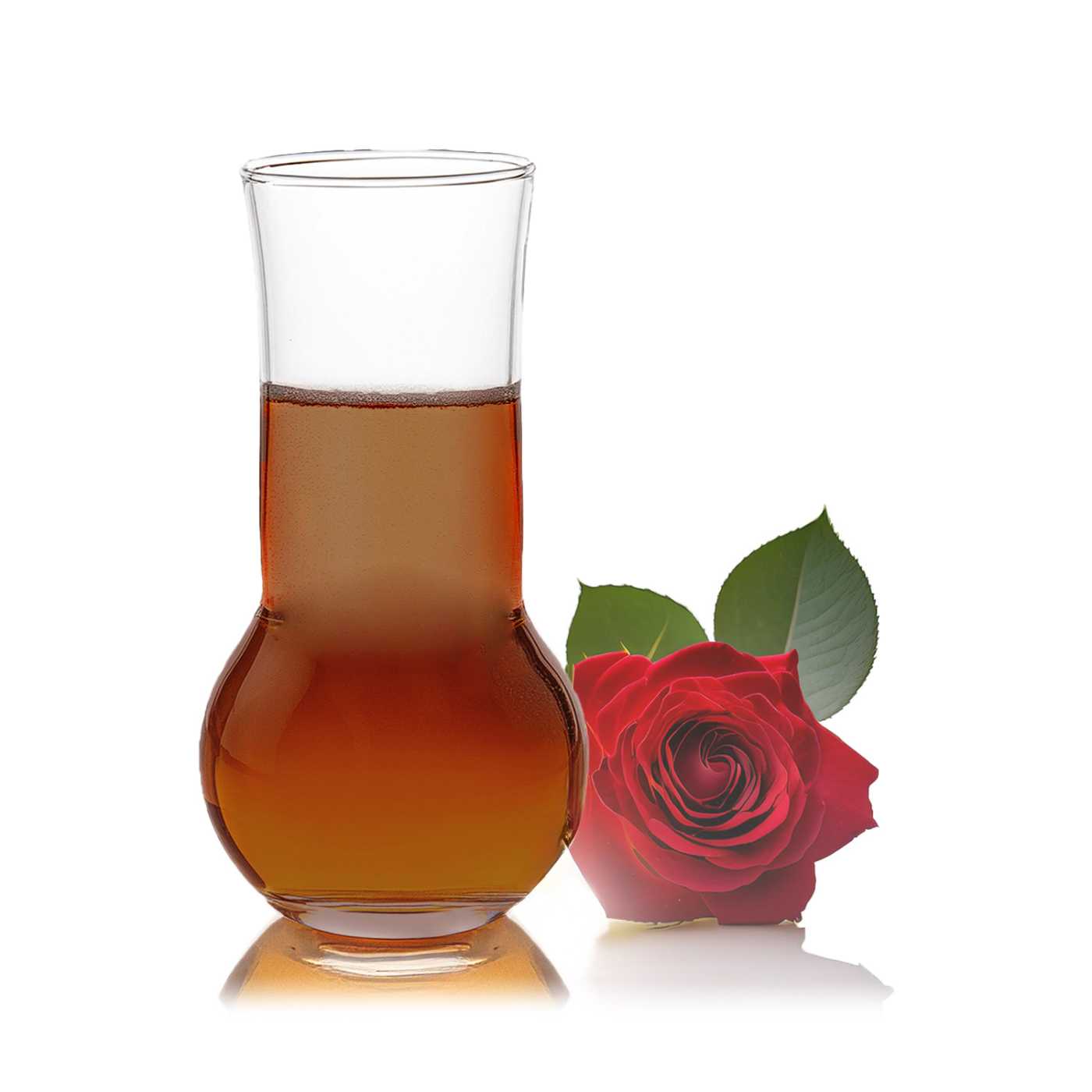
Damask rose essential oil is one of the best-known floral fragrance ingredients in natural cosmetics and perfumery. full description
Lowest price in the last 30 days: €69.99
Damask rose essential oil is one of the best-known floral fragrance ingredients in natural cosmetics and perfumery. It is obtained by steam distillation of Rosa damascena flowers and supplied as a 100% pure, undiluted oil. In a formulation it serves primarily as a fragrance component. A few drops give a cream, facial oil or perfume a warm rose character, and in skincare it is also used as an active ingredient for dry and mature skin.
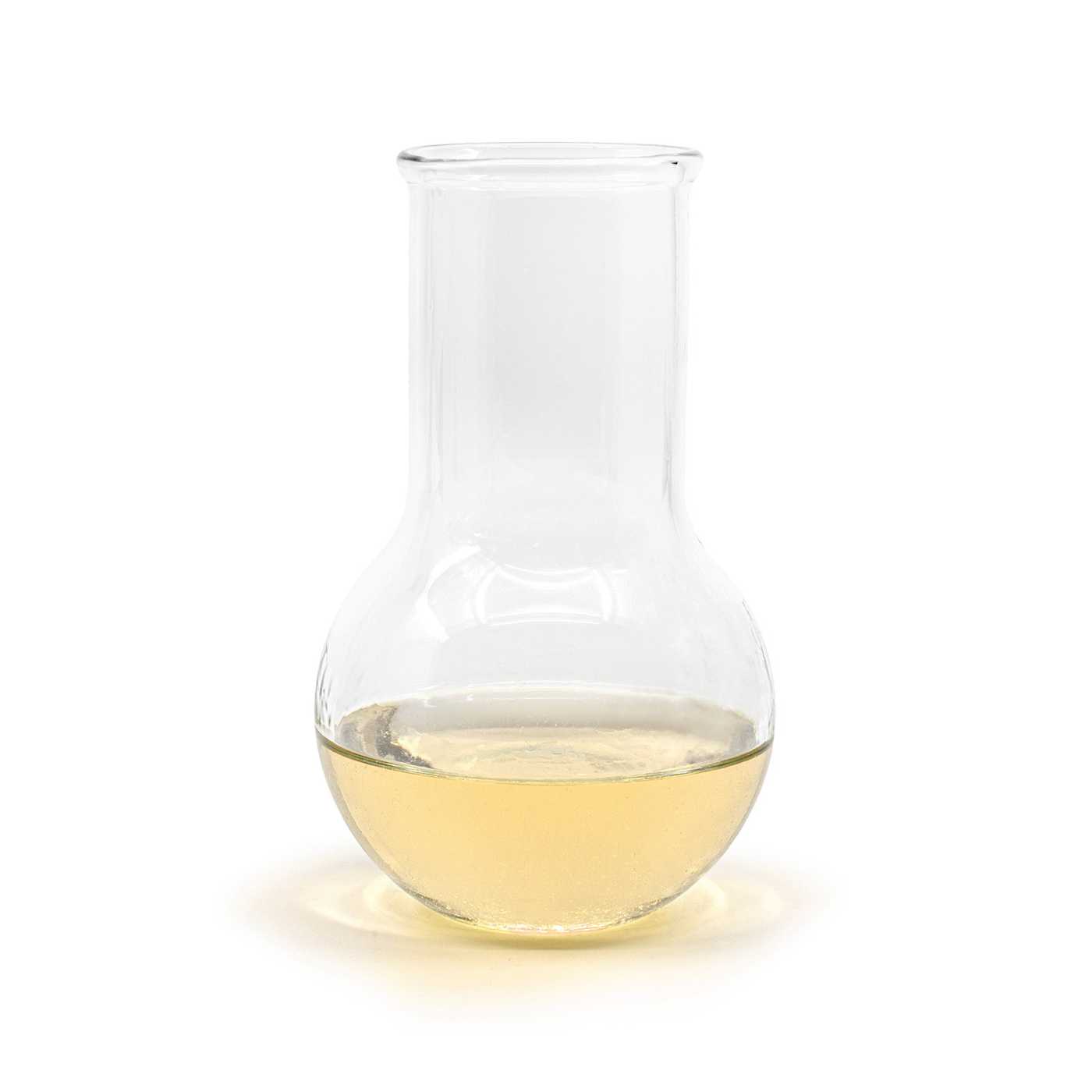
The fragrance is sweet, fresh and warm, with a typical floral rose base and an ethereal, readily volatile touch. In a perfume composition it is classed as a middle to top note, so it appears shortly after application and, together with the heart notes, carries the composition onward. The oil itself is a clear liquid, colourless to pale yellow.
The effects depend on the usage rate and on the rest of the formulation. In rinse-off products, for example shower gel or soap, the fragrance remains in the foreground. In leave-on facial care, the oil also acts on the skin.
The oil is soluble in vegetable oils and in alcohol; it does not dissolve in water. In emulsions it is added either to the oil phase or, better, only in the cooling phase at a temperature below 40 °C, so that the volatile components of the fragrance are not lost unnecessarily. The same procedure applies when adding it afterwards to a finished base: the oil is stirred into the already cooled cream or lotion with constant mixing.
In anhydrous products, that is facial and body oils, butters and balms, it is simply stirred into the oil component. It should not be added directly to toners, hydrosols and other water-based products; without a solubiliser it forms oil droplets on the surface. It is compatible with non-ionic surfactants and alcohol, so it can be used in alcohol-based perfumes as well as in cleaning products.
Add the essential oil to the emulsion only after it has cooled below 40 °C and close the container immediately. The rose fragrance is volatile, and at higher temperatures part of it evaporates unnecessarily.
An exact recommended usage rate is not available. The upper limit of the fragrance component in cosmetics is governed by the current IFRA standard for the particular product category, for example lip products, facial creams, deodorants or rinse-off products. For every formulation it is therefore necessary to check the limit for the given product type.
The essential oil is always incorporated into a carrier, that is a vegetable oil, an emulsion or an alcohol base. For products intended for the eye area, for the lips or for intimate hygiene, a different fragrance limit applies under IFRA than for body cosmetics. The usage rate therefore cannot be mechanically transferred from one formulation to another.
The product contains one or more fragrance allergens listed in Annex III of Regulation (EC) No 1223/2009 as amended, including Commission Regulation (EU) 2023/1545. When selling a finished product, the allergens must be stated on the label in accordance with the applicable rules.
The oil is of plant origin and is not tested on animals. According to the CLP Regulation it is classified as hazardous (GHS05, GHS07 and GHS09 pictograms); details on safe handling are in the safety data sheet.
A simple distinction from rose hydrosol helps when choosing. Rose hydrosol is the water phase from the same distillation and is used as a water base for toners and emulsions. The essential oil is a concentrated fragrance fraction, it is dosed in drops and it does not dissolve in water.
Only customers with a delivered order can write reviews.