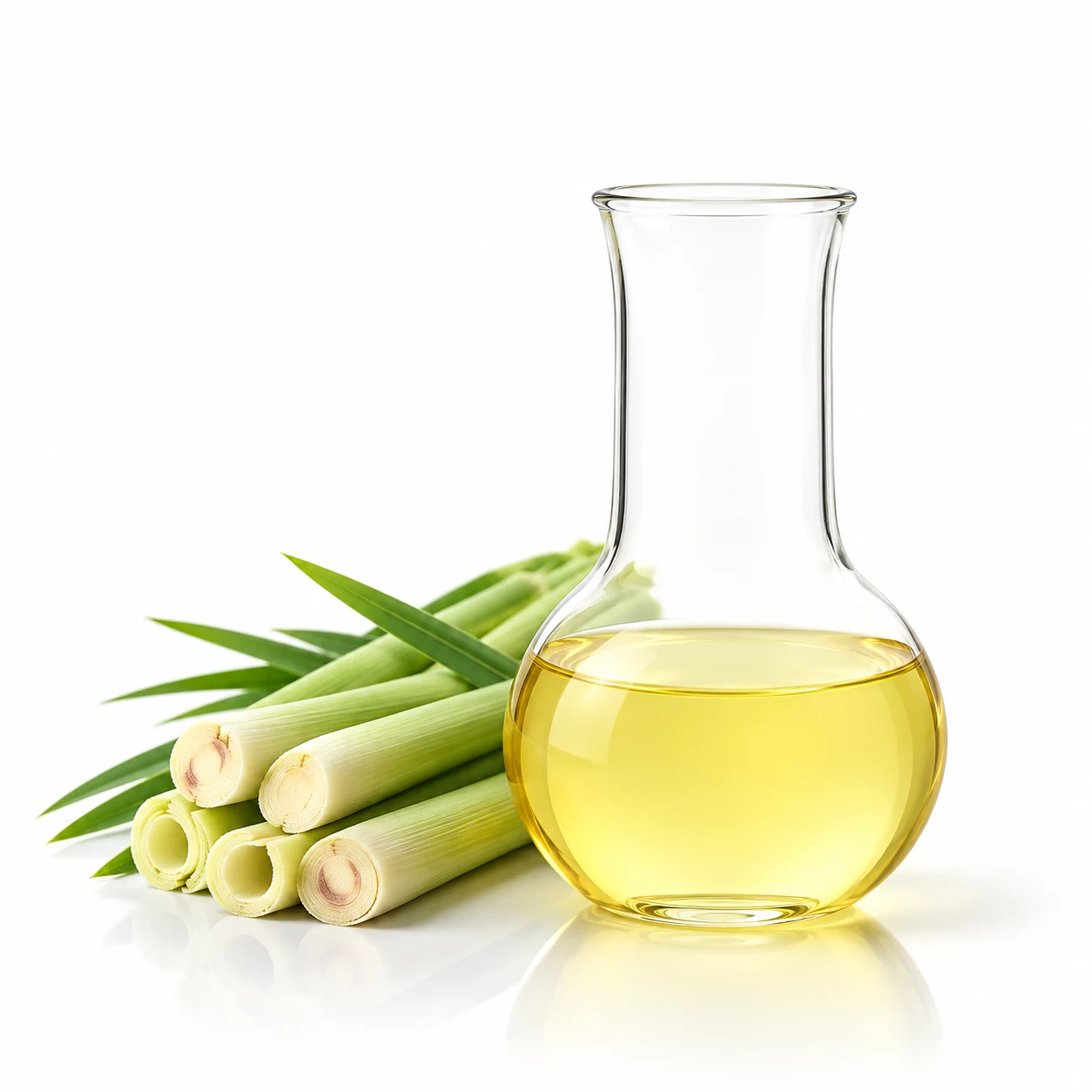
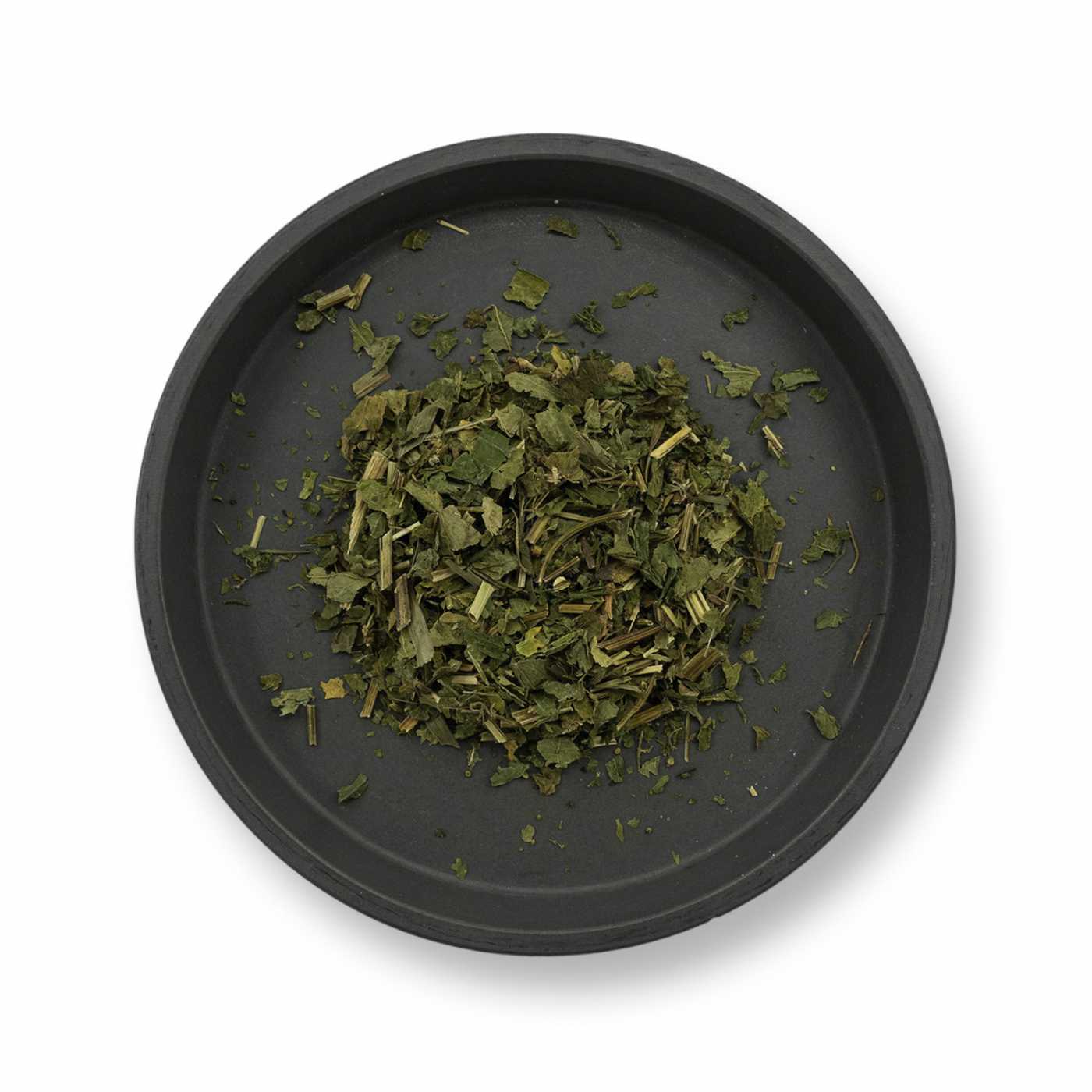
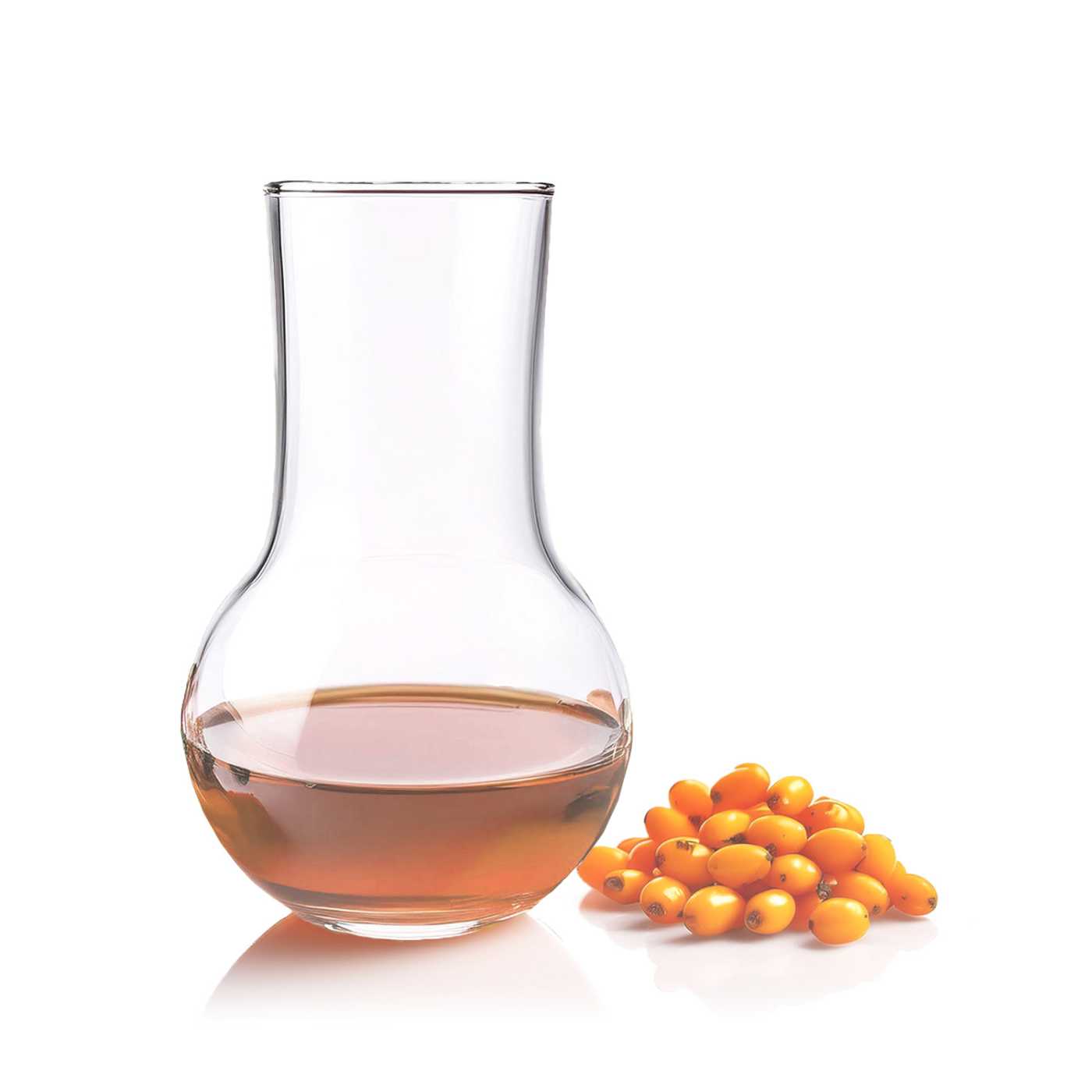
Lemongrass essential oil brings a distinctive citrus-herbal scent to formulations and is also used as an active ingredient for oily and problem-prone skin or hair prone to oiliness. It is obtained by steam distillation of the leaves of Cymbopogon citratus grass. It appears in products at low concentrations, most commonly in perfumes, aromatherapy blends, massage oils, bath preparations, shampoos and facial cleansers, where it serves to refresh and add a clean character.
The oil is vegan and has not been tested on animals. It is suitable for both rinse-off and leave-on products for the face, body, hair and scalp.
What it is suitable for
- Scent – citrus, grassy-herbal, clean and easily recognisable. Used on its own and in blends in perfumes, aromatherapy compositions, bath preparations and diffusers.
- Oily and problem-prone skin – the manufacturer states a cleansing effect: it helps remove impurities and excess sebum from the skin and hair, which supports a clear complexion and a fresher feel on the scalp.
- Cooling and refreshing sensation – according to the manufacturer's data, it leaves a cooling sensation on the skin and helps reduce redness, which is why it is also listed for use in after-sun products and foot preparations.
- Skin appearance – the manufacturer further states antimicrobial action and support for skin elasticity. These are supplier claims and must be substantiated independently for your own product.
Use in formulation
The oil is soluble in oils and alcohol, it does not dissolve in water. In anhydrous products (massage and body oils, balms, alcohol-based perfumes) it is simply blended in. In emulsions it belongs in the oil phase, but preferably in the cool-down phase: the recommended processing temperature is below 40 °C; at higher temperatures some of the volatile components are lost and the scent of the product weakens. In water-based systems such as tonics or sprays, it is incorporated only after pre-mixing with a solubiliser, otherwise it separates and floats on the surface.
Dosage is governed by IFRA limits for the specific product category. Different maximum levels apply to lip products, deodorants, face creams, shampoos and candles. The limit for the relevant category is therefore verified before formulation development and the product is designed so as not to exceed it.
Add the oil as one of the last ingredients, after the base has cooled below 40 °C, and seal the container immediately after adding. This preserves the full scent and avoids the need to increase the dosage unnecessarily.
Suitable for products such as
- Facial cleansing gels, foams and tonics for oily and problem-prone skin (tonics with a solubiliser).
- Shampoos, rinse-out conditioners, hair mists and leave-in care for hair prone to oiliness.
- Shower gels, liquid soaps, bath salts and oils.
- Massage and body oils, after-sun preparations, hand and foot creams.
- Perfumes, alcohol-based fragrances, aromatherapy blends, scented candles and air fresheners.
Good to know
Undiluted oil is classified as corrosive and irritant and must never be applied directly to the skin. It contains fragrance allergens listed in Annex III of the Cosmetics Regulation; these must be declared in the ingredient list of the finished product. The product contains components classified as CMR substances, but as a whole it is not classified as CMR.
When working with the concentrate, use gloves and eye protection and weigh it in a well-ventilated area. The concentrate is also classified as hazardous to the aquatic environment; residues must not be disposed of as regular waste.
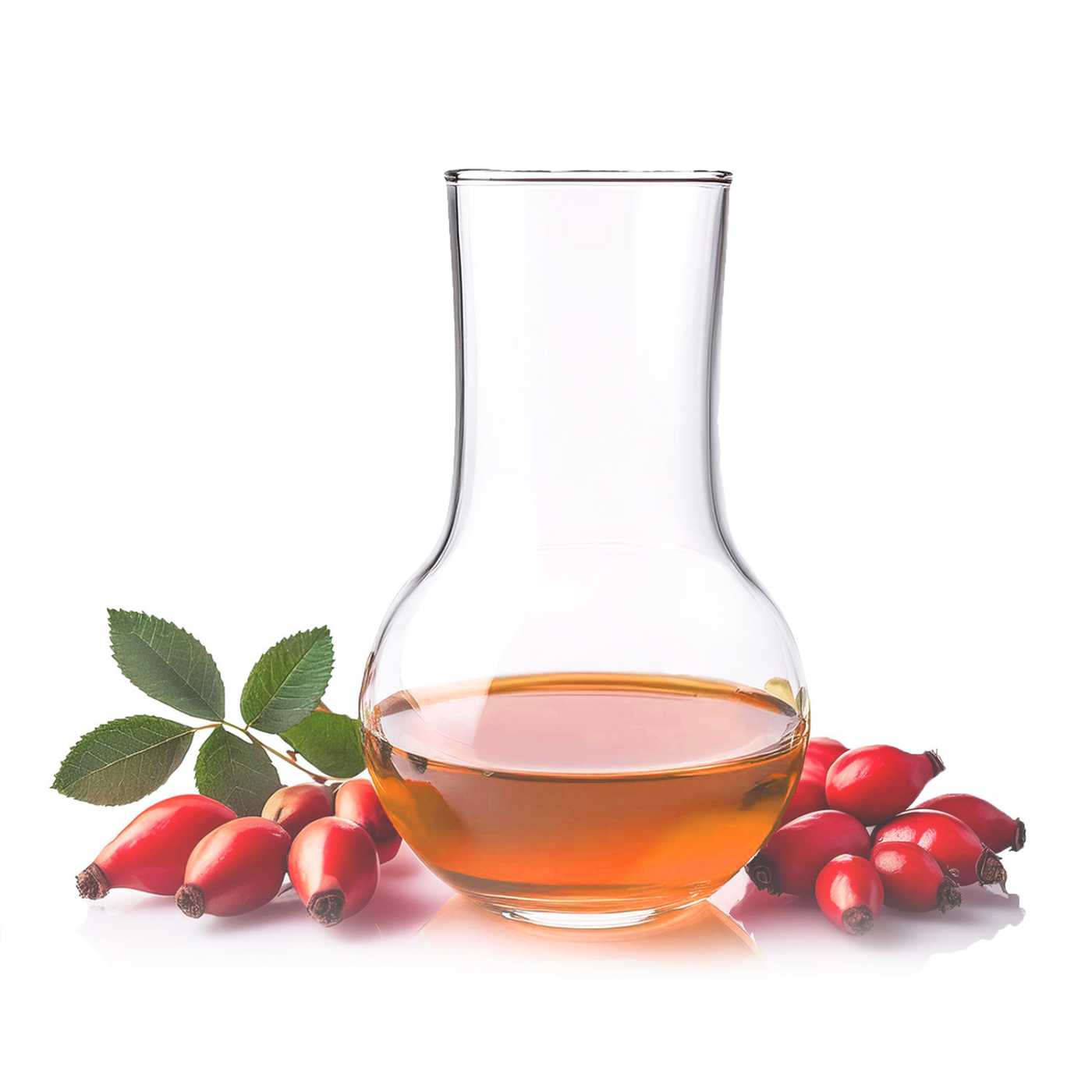
The oil is yellow to orange-yellow. At low concentrations its effect on the shade of the product is usually minor, but in white emulsions and clear gels it is worth checking the colour after incorporation.
Frequently asked questions
Is lemongrass essential oil soluble in water?
No, it does not dissolve in water; it dissolves in oils and alcohol. In water-based products such as tonics, hair mists or refreshing sprays, it is therefore added only after mixing with a solubiliser. In emulsions it is incorporated into the oil phase or the cool-down phase; in anhydrous products it is blended in directly.
At what temperature is lemongrass essential oil added to a cream?
It is added after the emulsion has cooled below 40 °C, i.e. in the cool-down phase. At higher temperatures the volatile components evaporate and the scent of the finished cream is weaker than the dosage would suggest. After adding, the cream is briefly mixed and the container is sealed.
Is lemongrass essential oil suitable for hair care products?
Yes, it is intended for hair and scalp use as well, particularly for hair prone to oiliness. The manufacturer recommends it for hair perfumes, mists and leave-in care, where it adds a fresh citrus-herbal scent. In shampoos and rinse-out conditioners its cleansing effect comes into play, which according to the manufacturer helps remove excess sebum. Dosage is kept below the IFRA limit for the relevant category.
Is lemongrass essential oil suitable for sensitive skin?
It is recommended primarily for oily and problem-prone skin; with sensitive skin it should be used with caution. The oil contains fragrance allergens and is irritant in concentrated form. For sensitive skin, a lower dosage is therefore chosen and a rinse-off product is preferred over a leave-on one. Before using the finished product, a patch test on a small area of skin is recommended.
How much lemongrass essential oil can I add to a shampoo or shower gel?
The upper limit is set by the IFRA limit for rinse-off products, which applies to shampoos, shower gels and liquid soaps. This limit is verified before formulation development and the dosage is kept below it. In practice a low level is sufficient, as the scent is strong and will come through even in a small quantity in a surfactant base.