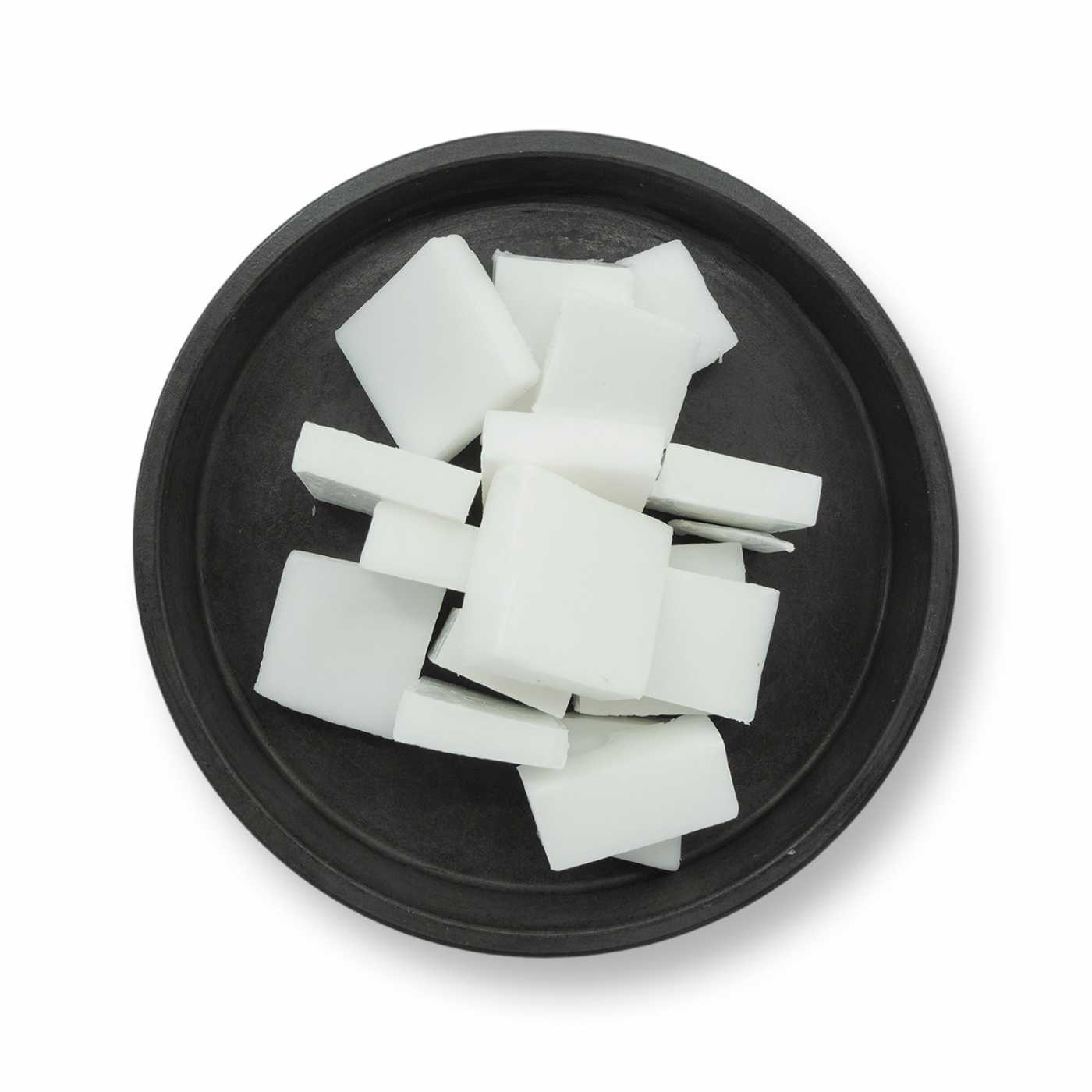
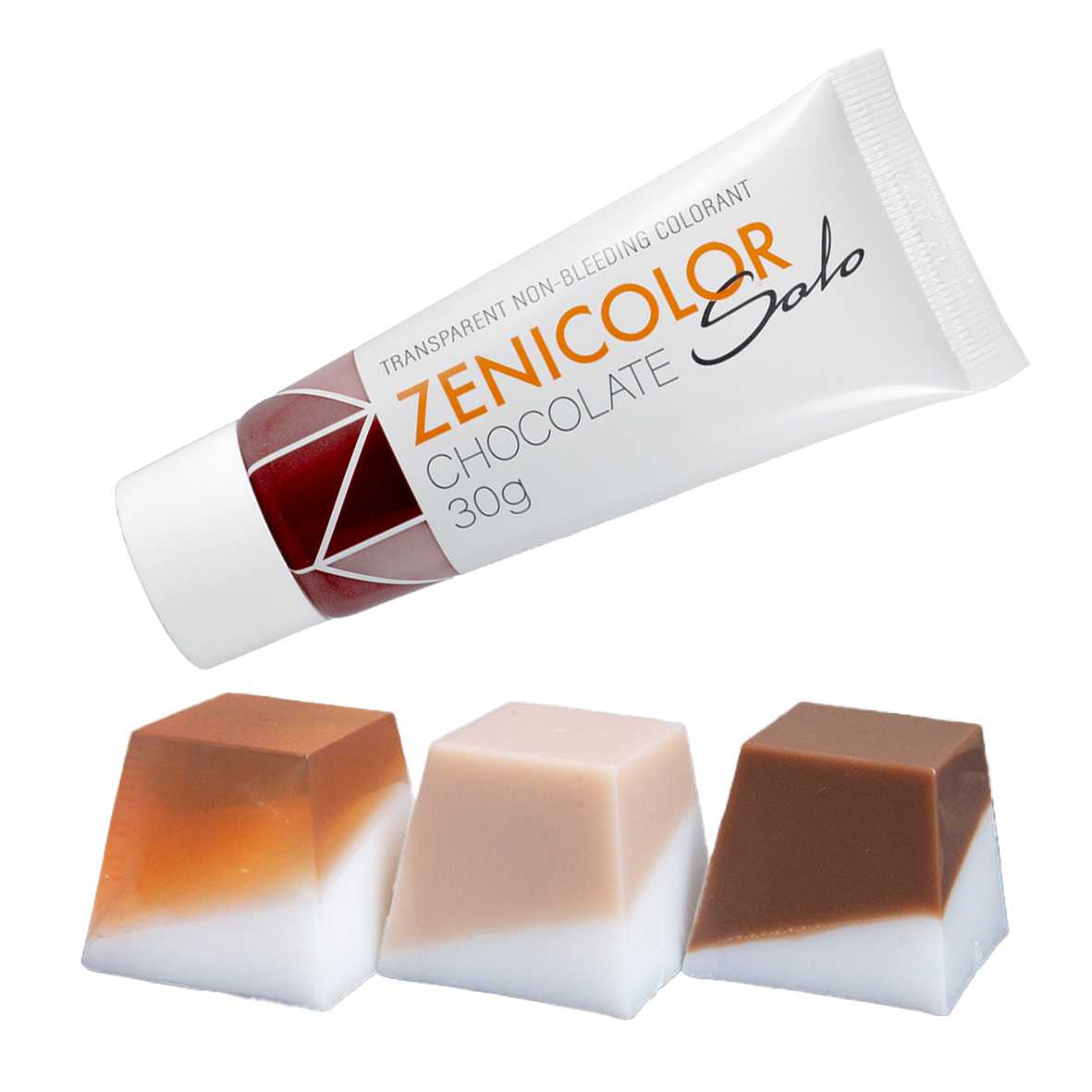
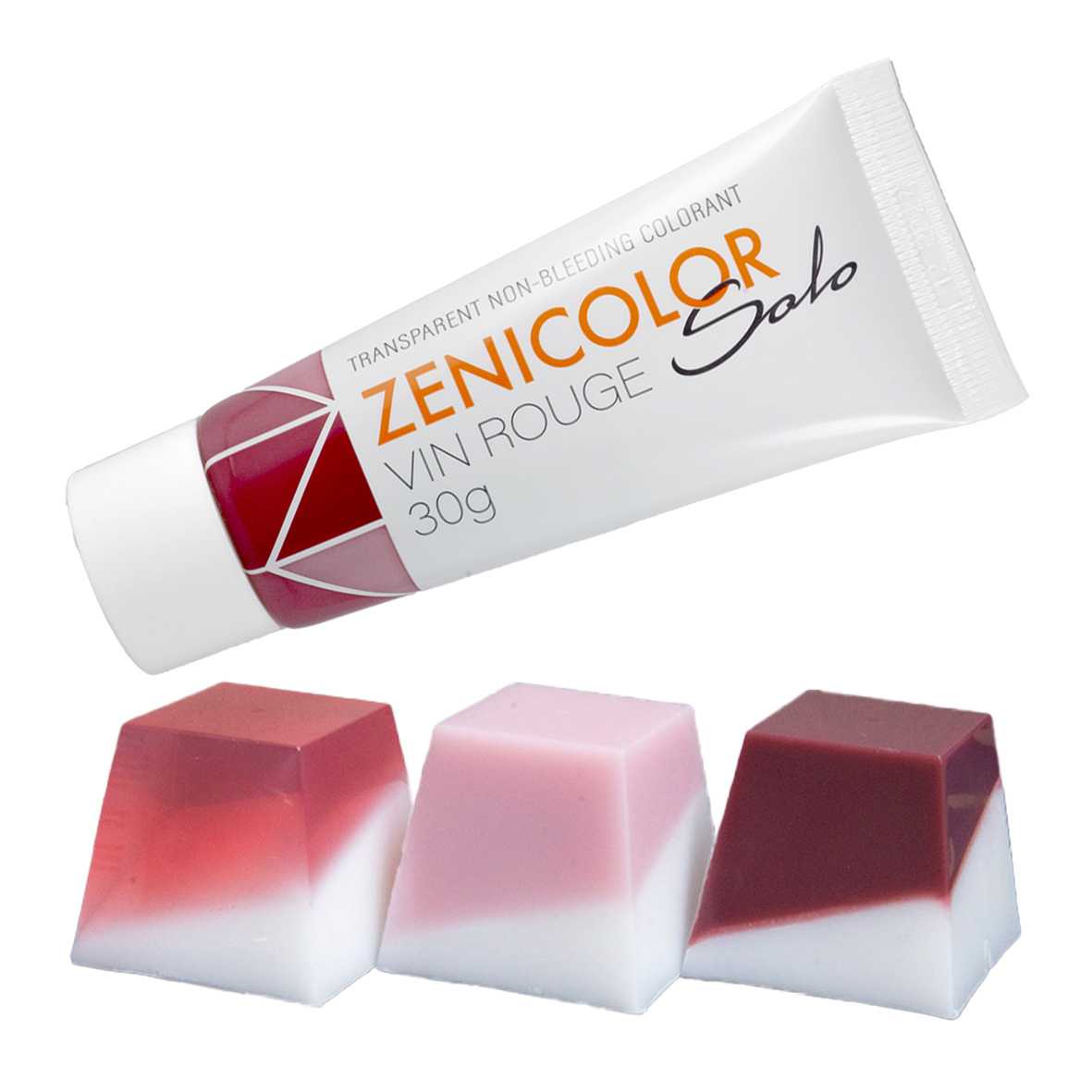
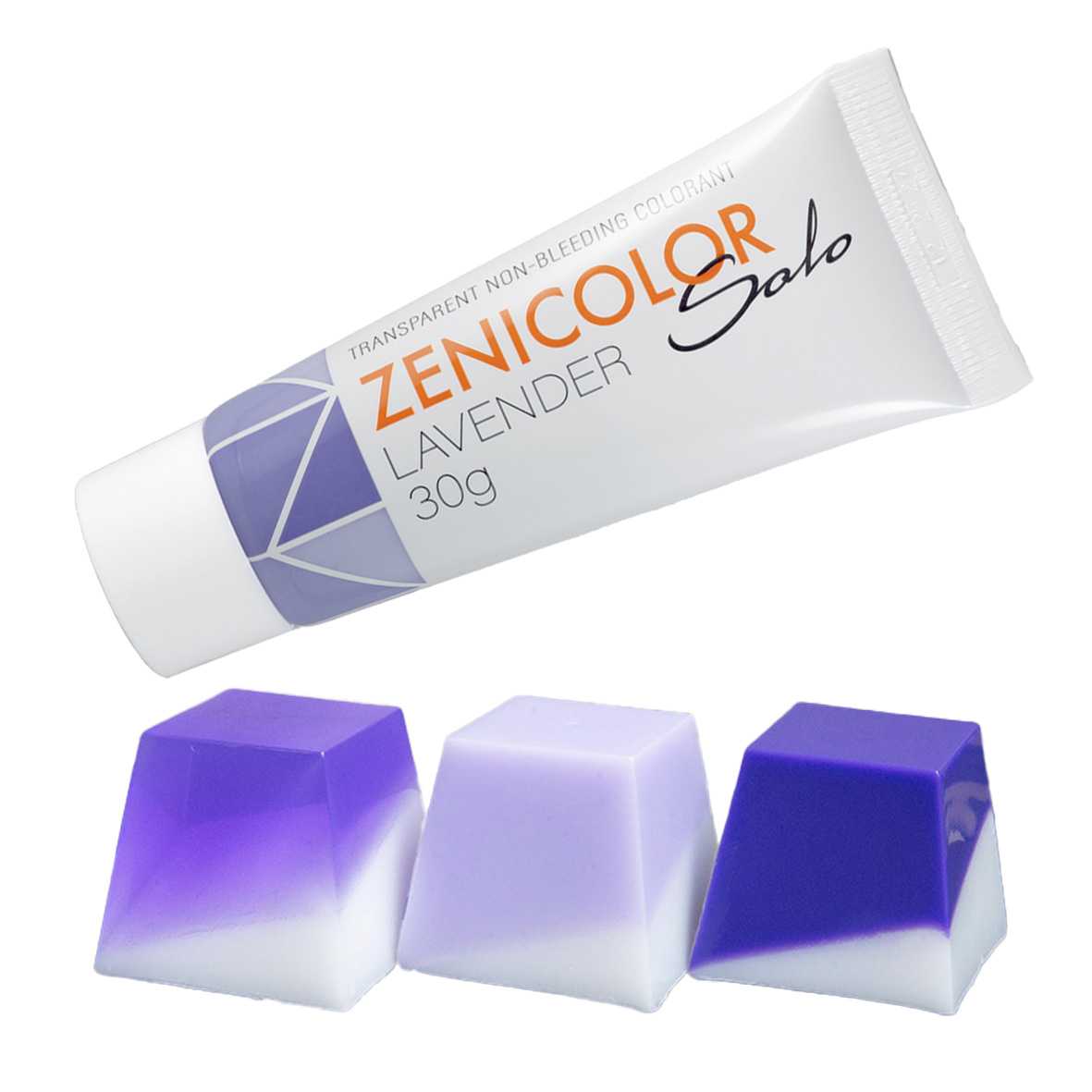
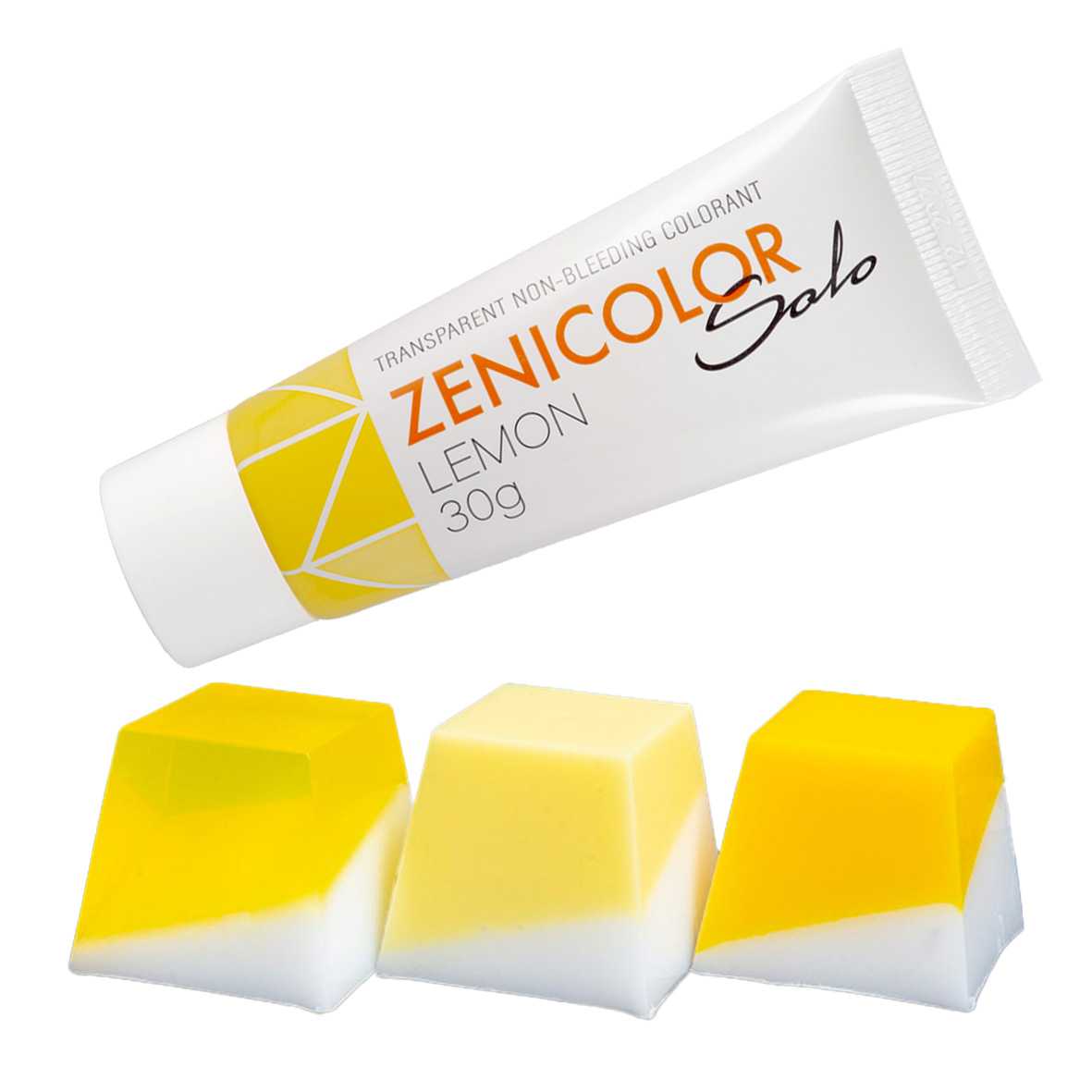
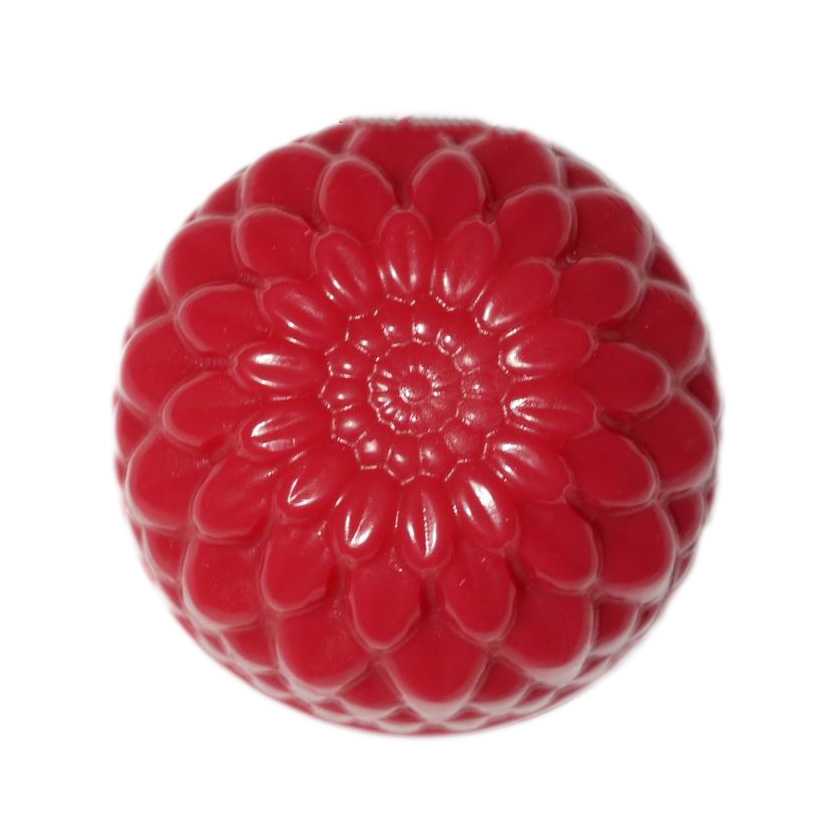
ZENISOAPBASE White soap base is a white glycerine soap base for melting and pouring (melt and pour), designed for making soaps without lye solution and without waiting for saponification. You melt the base, add fragrance and dye, pour it into a mould, and the soap is ready once it cools. The soap base itself, that is, saponified fatty acid salts combined with glycerine, sorbitol and foaming surfactants, is already included, so it also suits makers with no experience of the cold process.
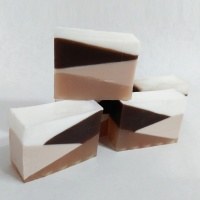
The white, opaque base is the foundation for richly coloured soaps, pastel shades and soaps with layers or patterns, where a clear base does not give the coverage you need. It is used for hand, body and face soaps and is supplied in a 1 kg pack.
Key properties
- Lye-free production – the base is already saponified, so you only melt it, add fragrance and pour. There is no need to weigh sodium hydroxide or to use protective equipment for working with lye solution.
- White, opaque colour – titanium dioxide gives the base a full white shade, on which pigments and cosmetic dyes show their true colour.
- Foam and cleansing effect – besides soap salts, it contains Sodium Laureth Sulfate and Disodium Laureth Sulfosuccinate, which support foam formation.
- Glycerine and sorbitol – moisturising ingredients that bind water in the finished soap.
- Free from ingredients of animal origin – the base contains no materials of animal origin, silicones, formaldehyde or formaldehyde donors, alcohol or parabens. It has not been tested on animals and is not classified as hazardous under CLP.
- Free from fragrance allergens – the base itself is not fragranced; allergens enter the soap only through the added fragrance.
Processing
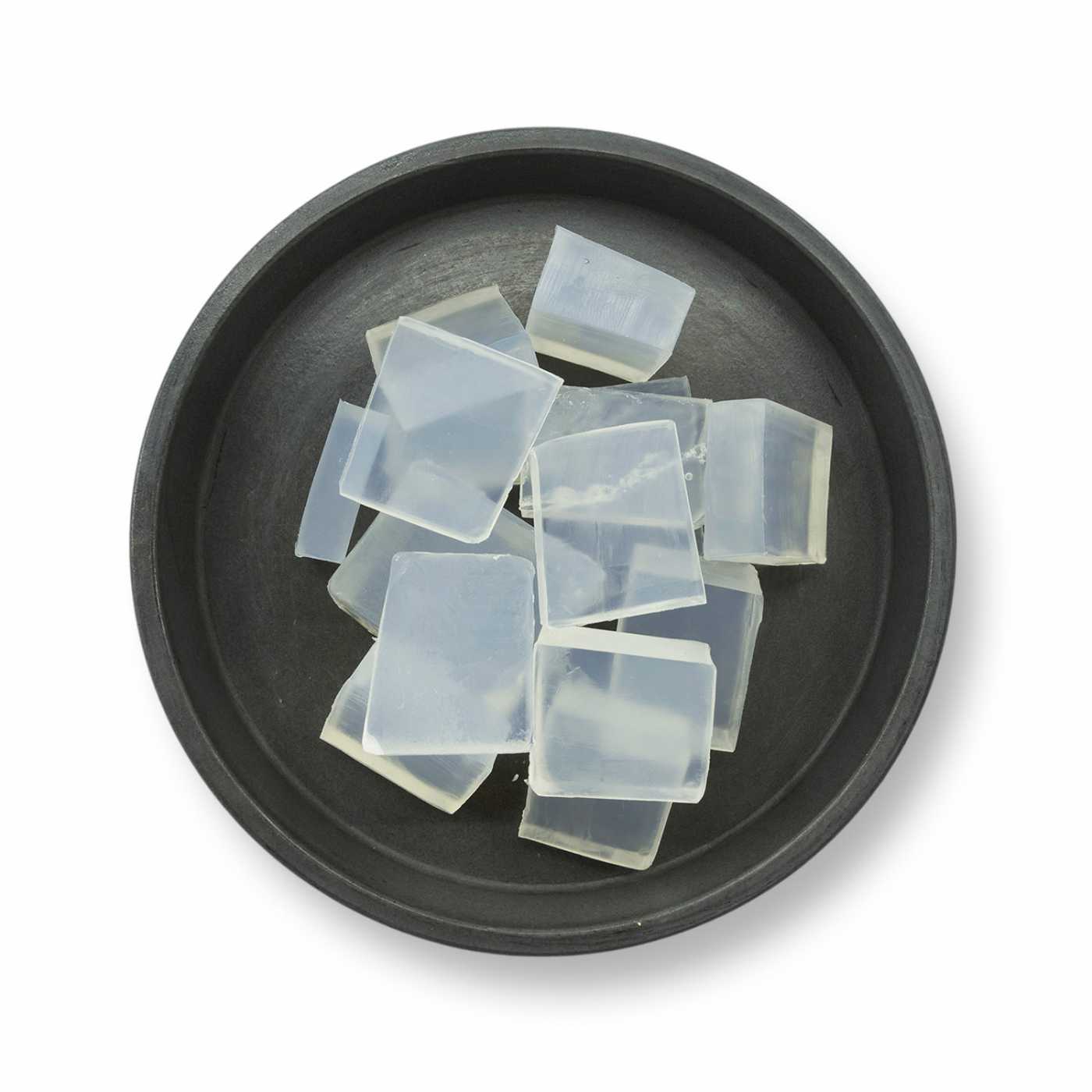
Cut the base into smaller cubes and melt it in a water bath or in a microwave in short intervals, stirring occasionally. The recommended processing temperature is 65–75 °C. Overheated base thickens and a skin may form on the surface, so heat it only until the last pieces have melted.
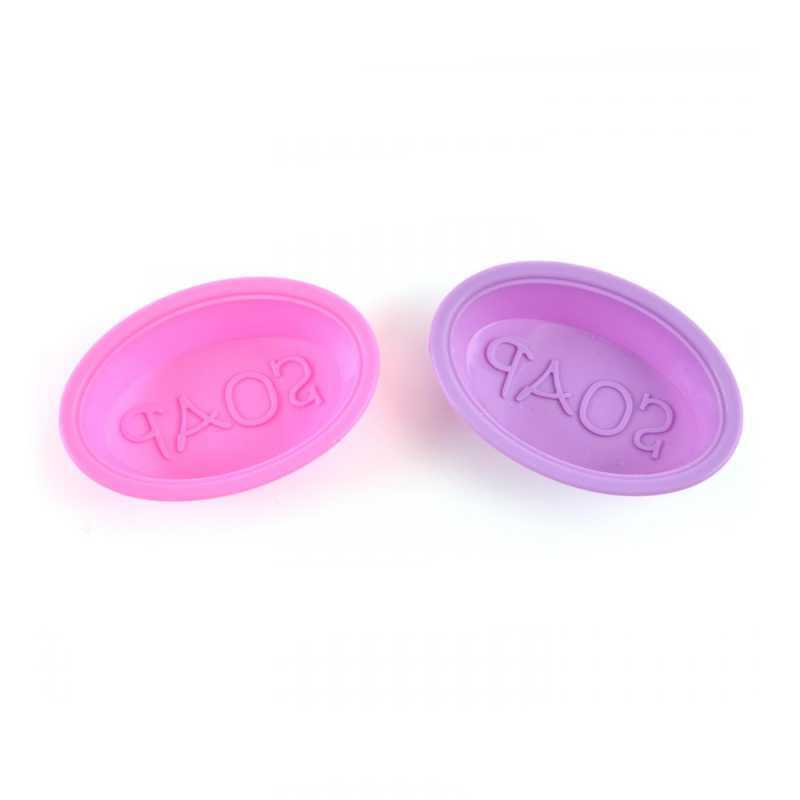
Fragrance, dye and any active ingredients are added to the melted base while it cools, just before pouring. Stir the mixture slowly so that no bubbles are whipped in, and pour it into a silicone or plastic mould. Bubbles on the surface can be removed with a spray of alcohol. The soap sets at room temperature and is removed from the mould only once it has fully hardened.
Add fragrance oils in the amount recommended for the given fragrance, and always to a base that is no longer hot. Part of the fragrance evaporates from an overheated base and the result will be weaker than you planned.
The base is water-soluble and tolerates alkaline pH and anionic surfactants. With acidic ingredients, for example some fruit extracts, first check how the base behaves on a small sample.
Suitable for products such as
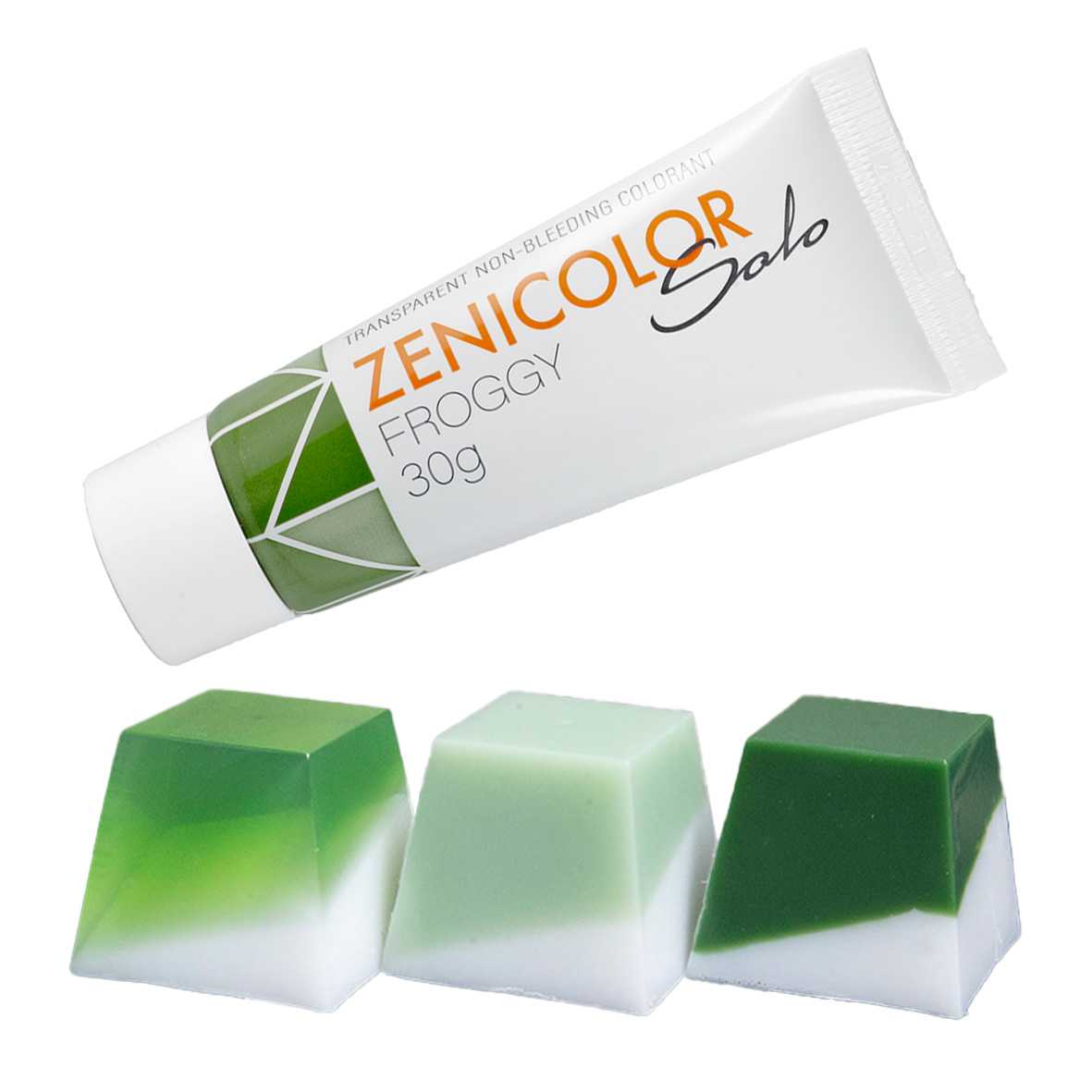
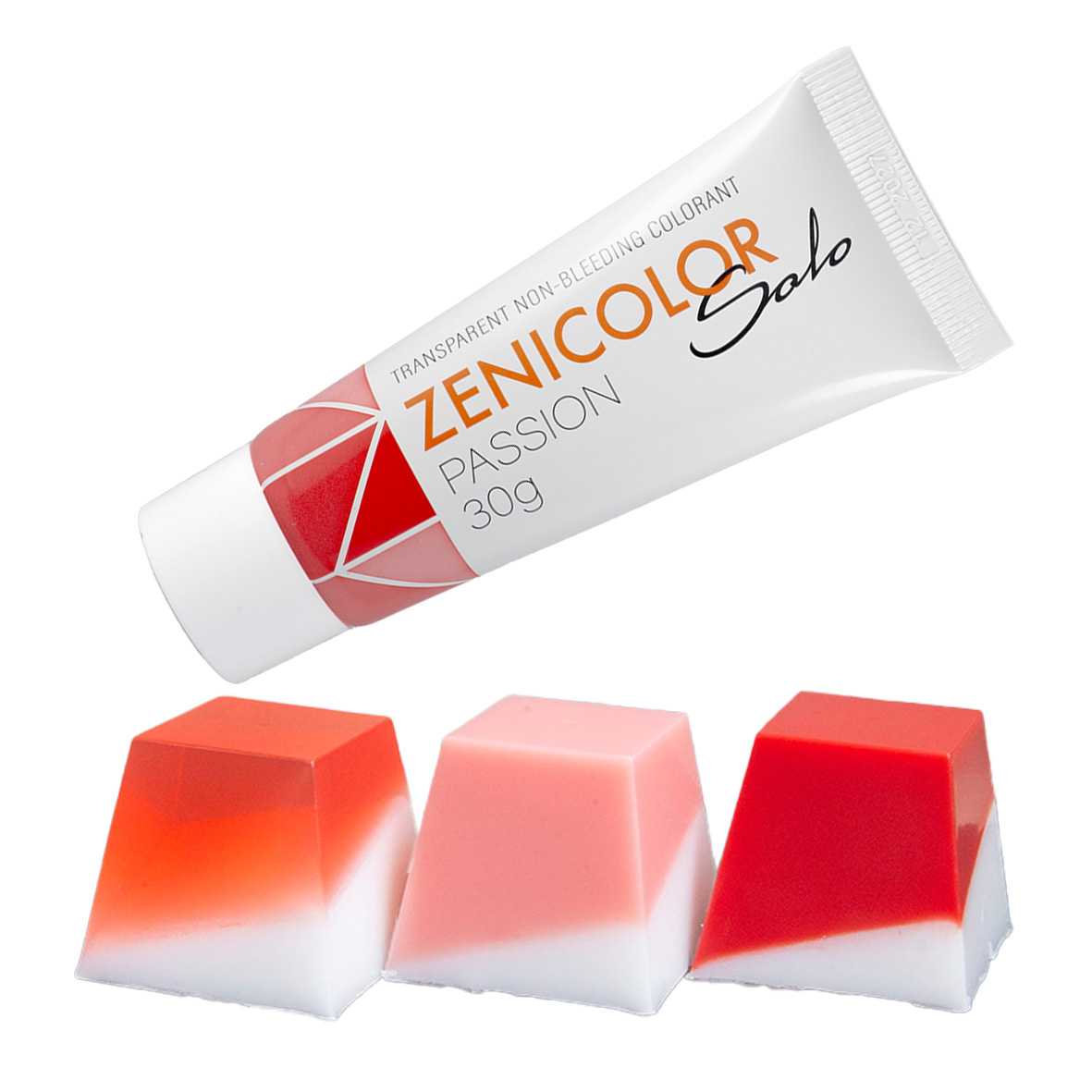
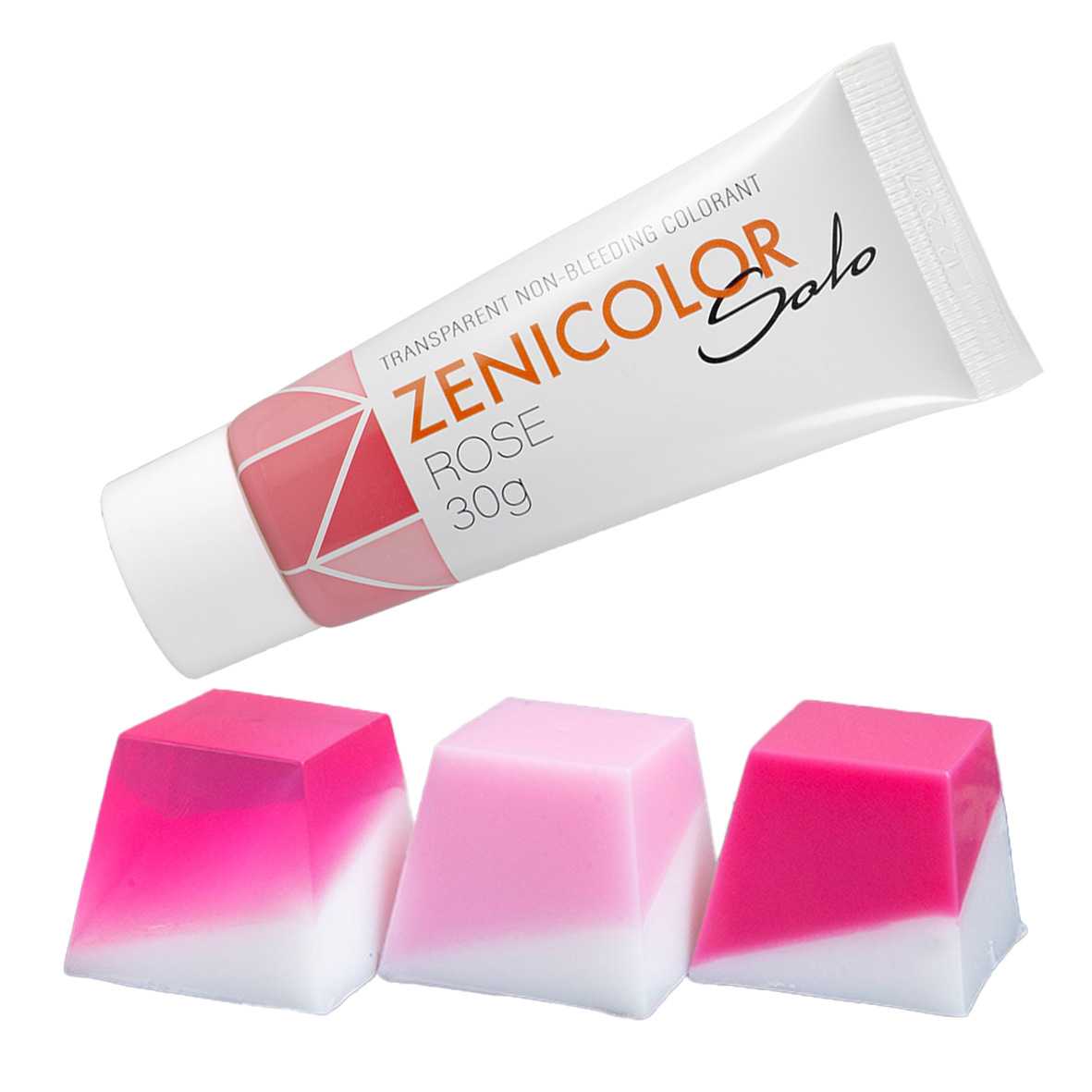
- Coloured soaps – pastel and rich shades, marbled and layered soaps, where the white base makes the colour clearly visible.
- Soaps with added oils and butters – a small amount of vegetable oil or butter can be worked into the melted base. With a higher proportion, the foam weakens and the soap softens.
- Scrub soaps – with added poppy seeds, coffee, sugar or salt. The base keeps them evenly distributed if it is poured when already slightly thickened.
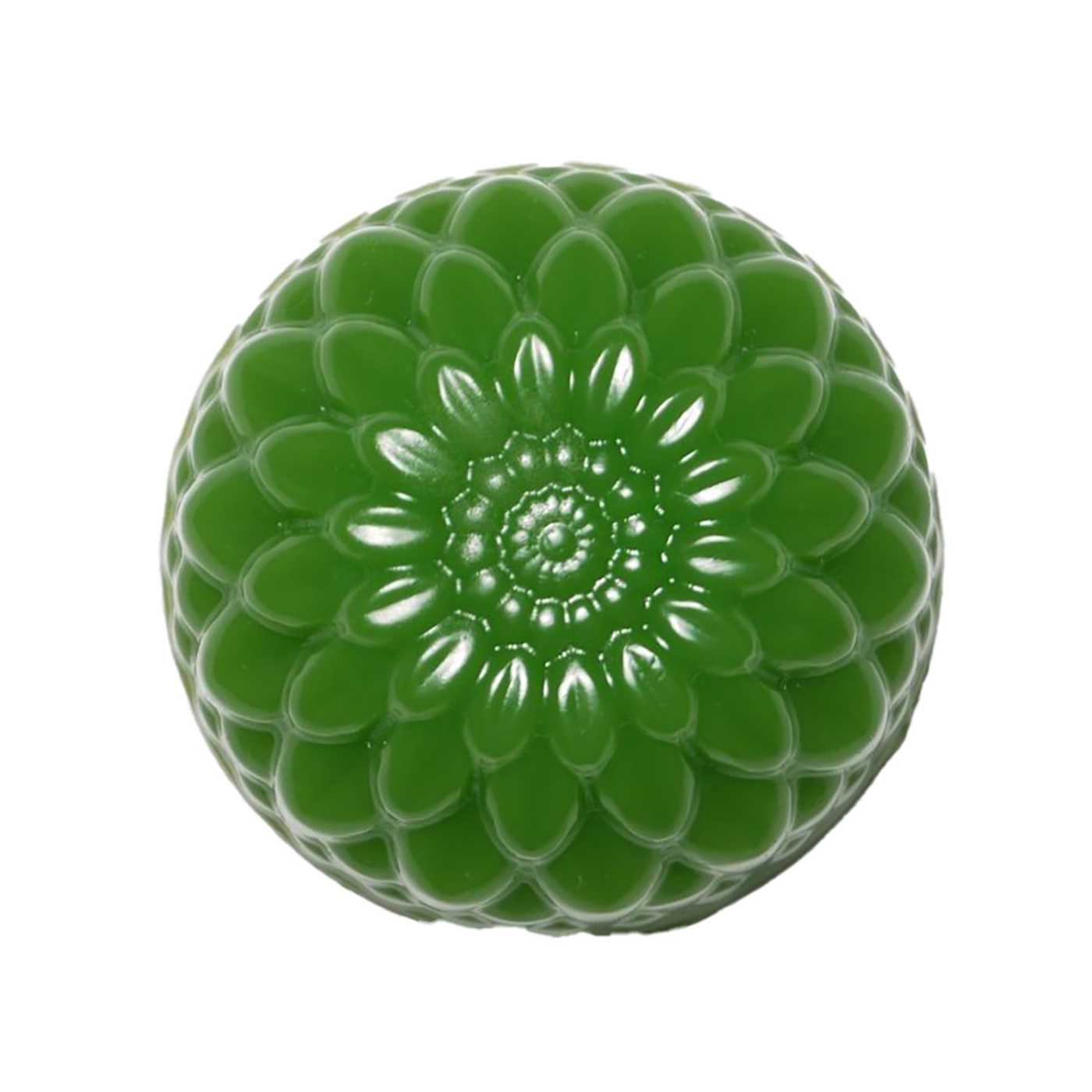
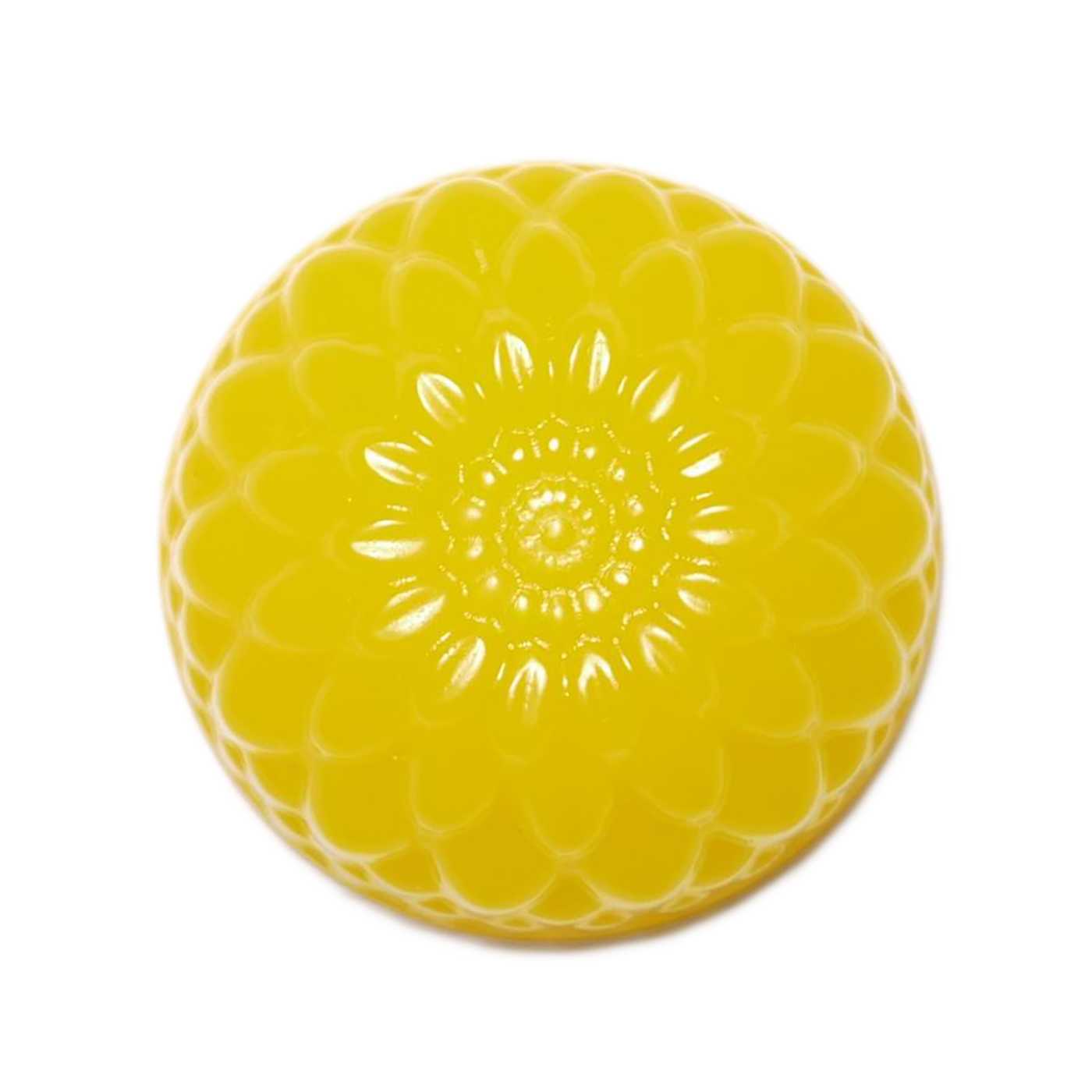
- Soaps in moulds with fine relief – the thin melted base fills even small details of the mould.
- Figurines and gift sets – the opaque white colour makes it possible to build multicoloured shapes from several layers.
The base is intended only for rinse-off products and is not used in leave-on cosmetics.
Good to know
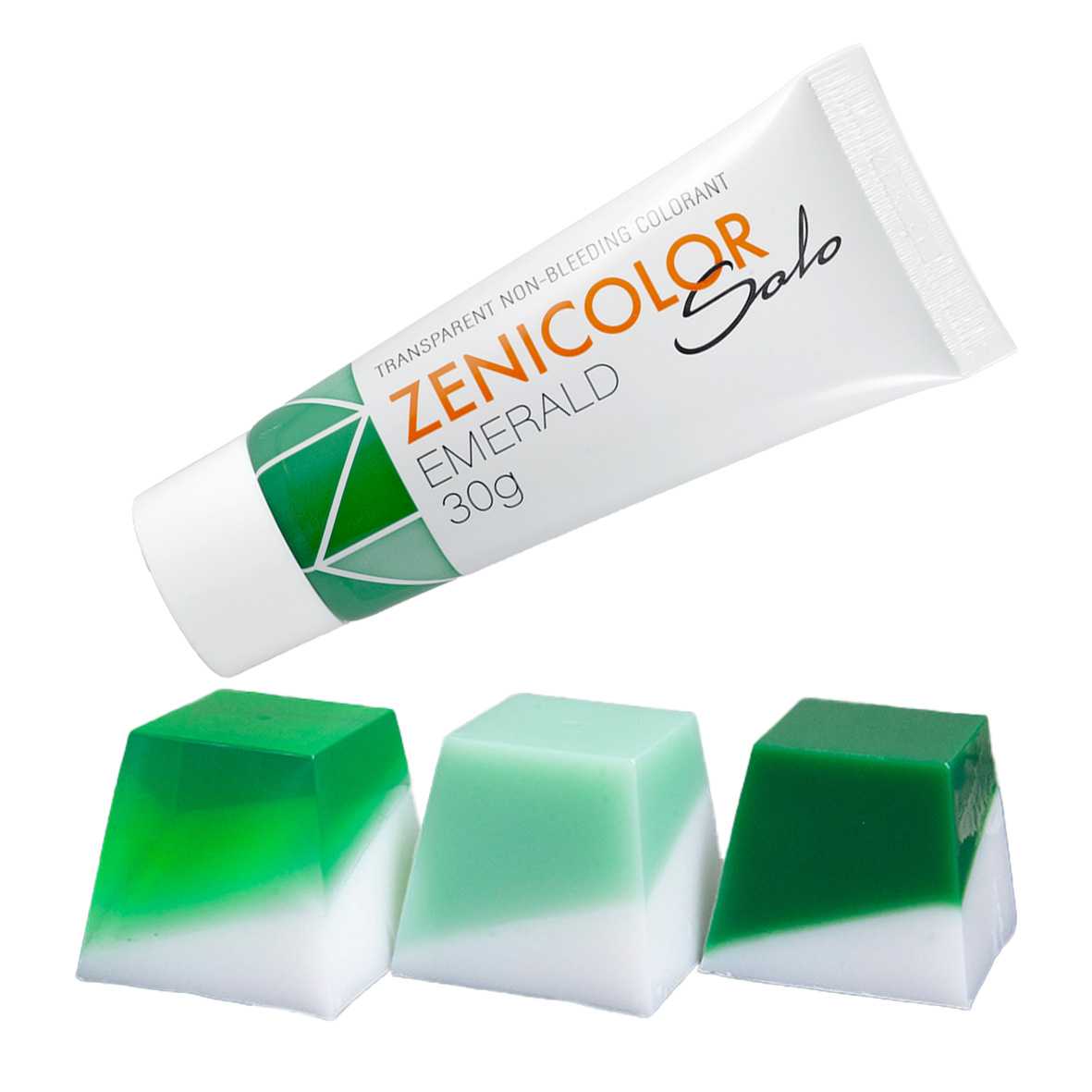
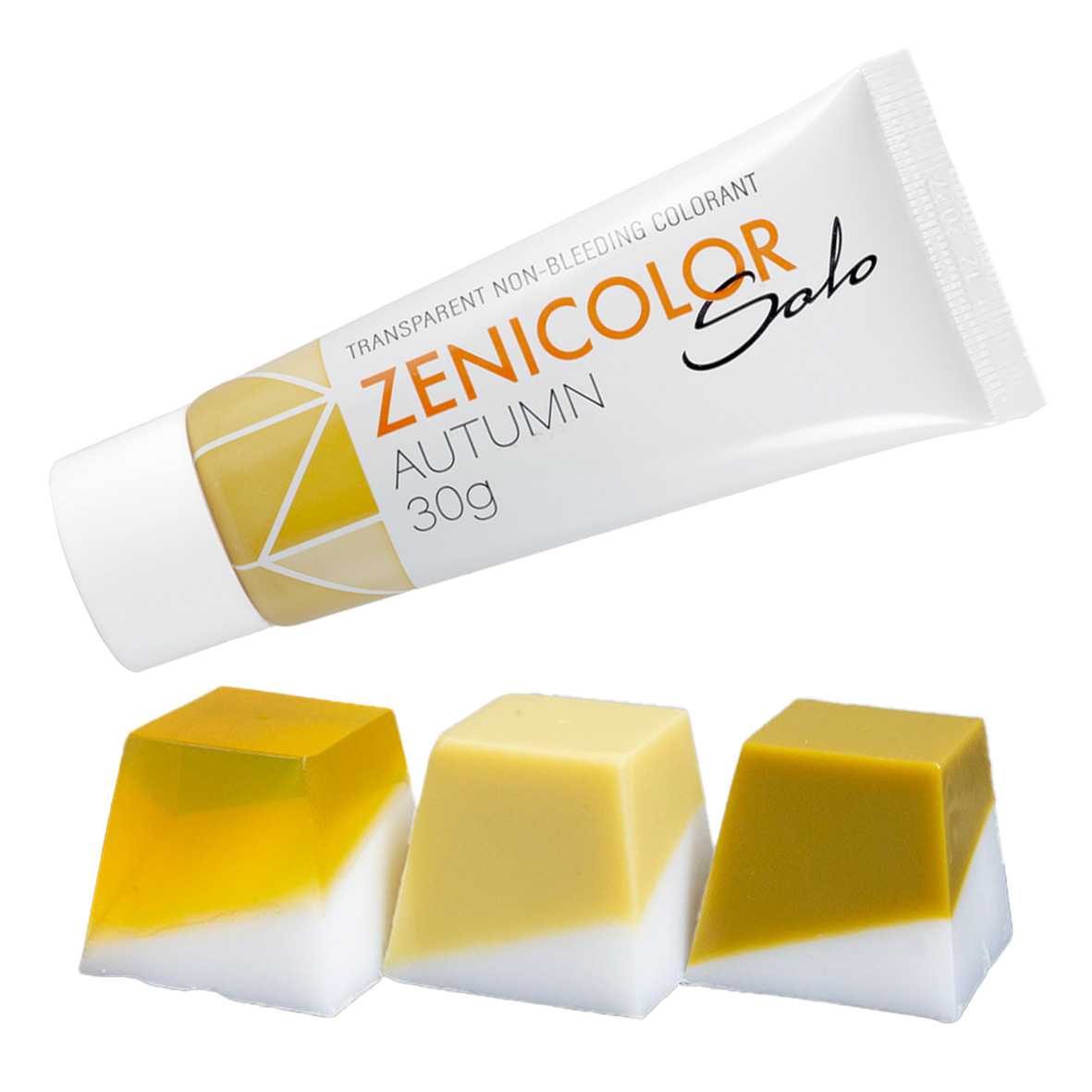
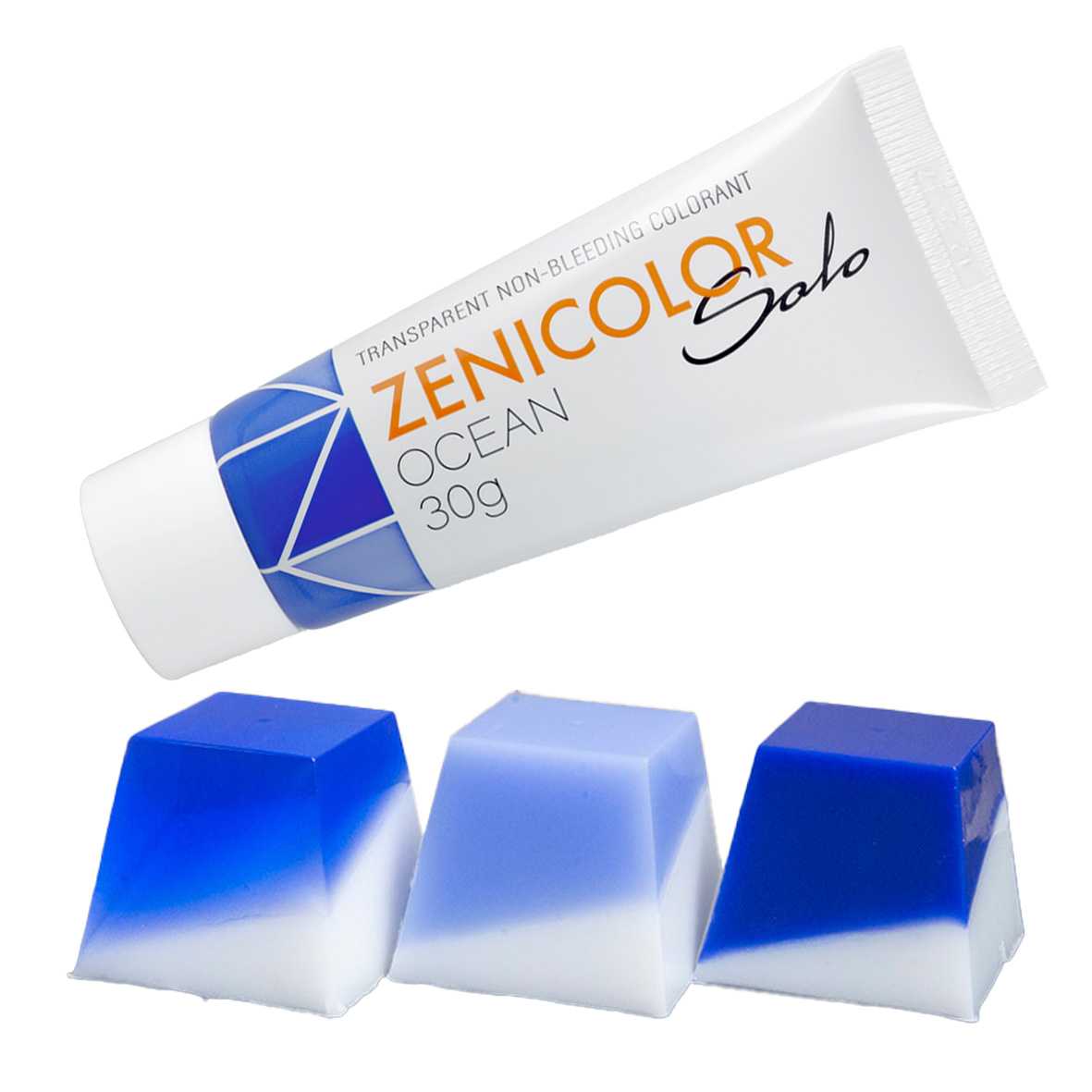
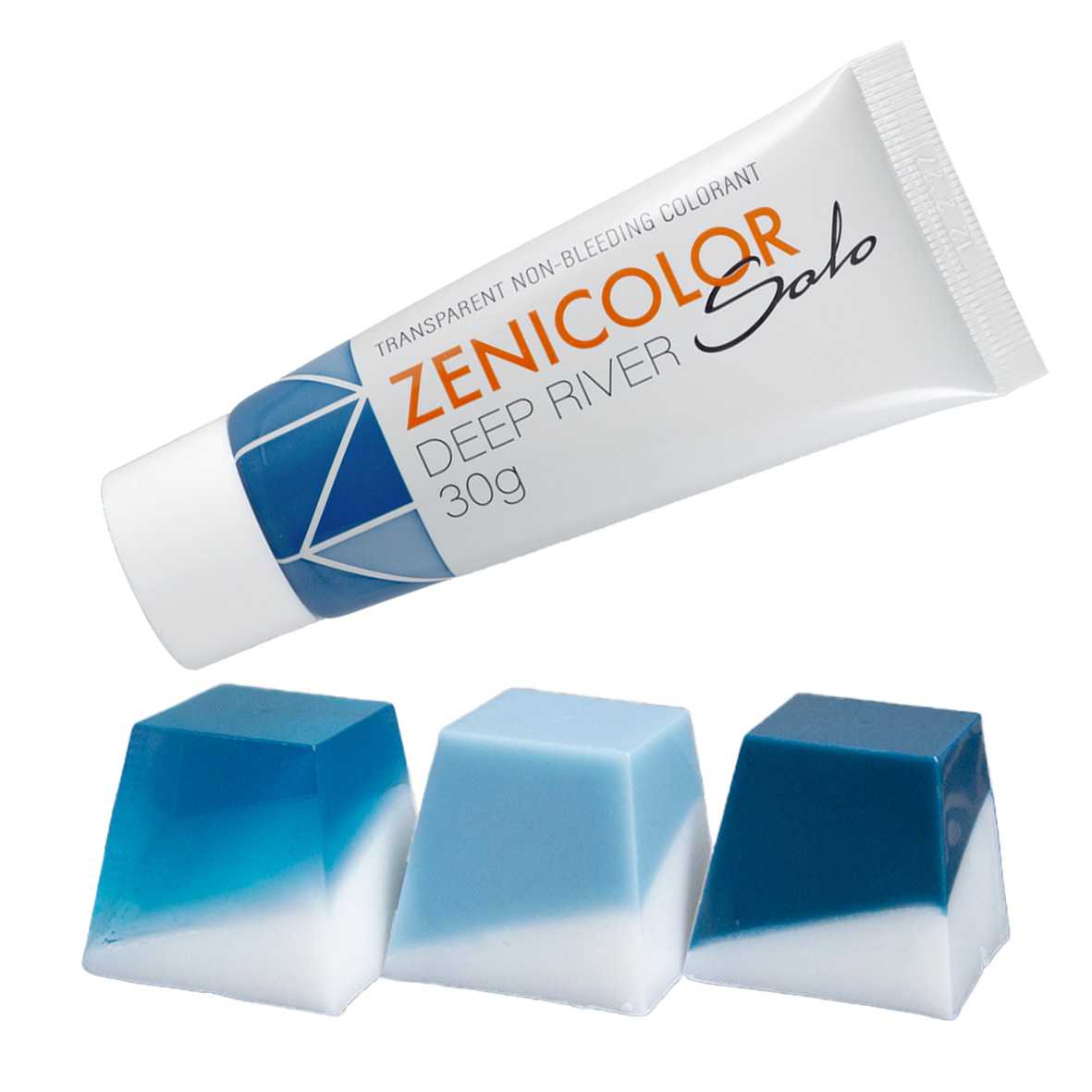
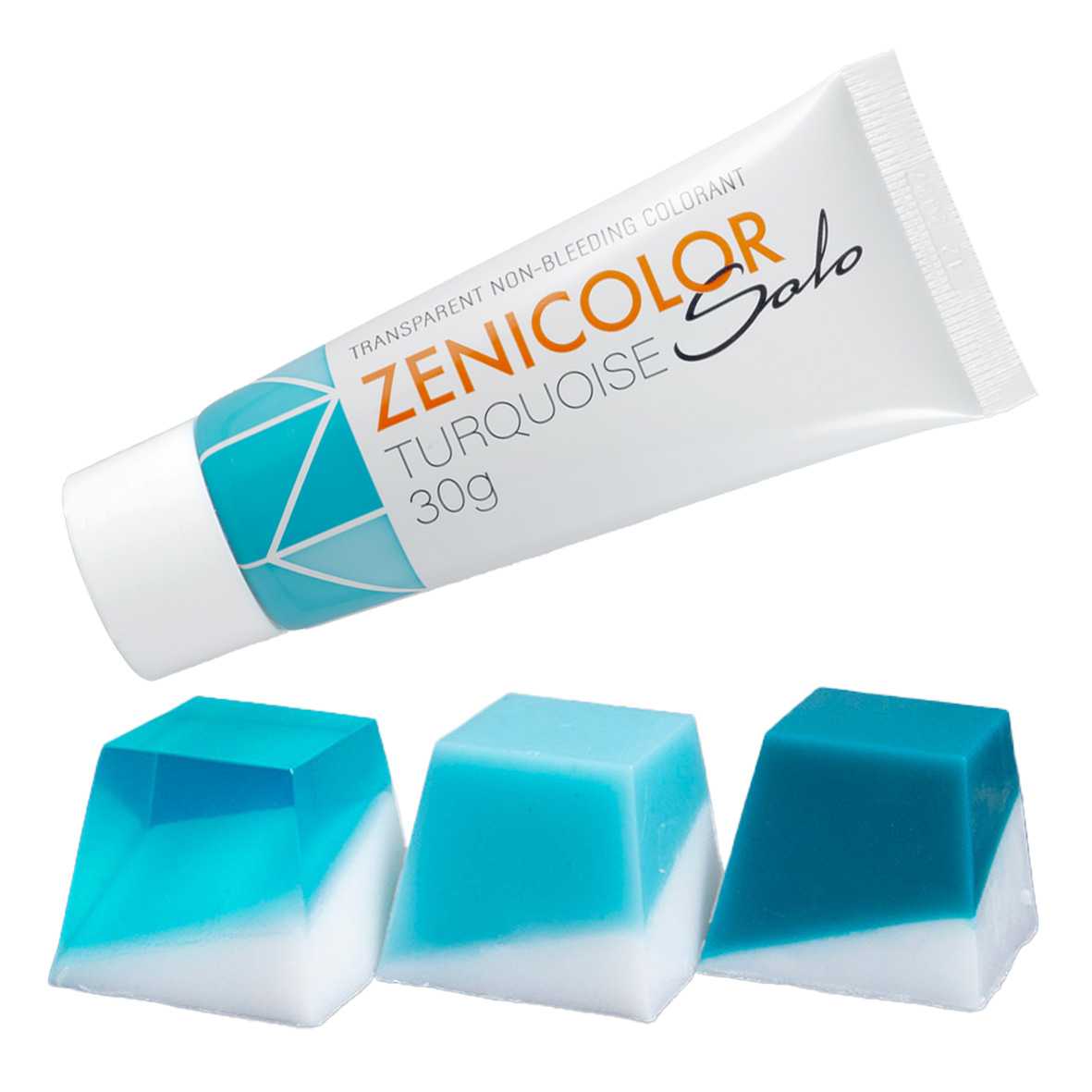
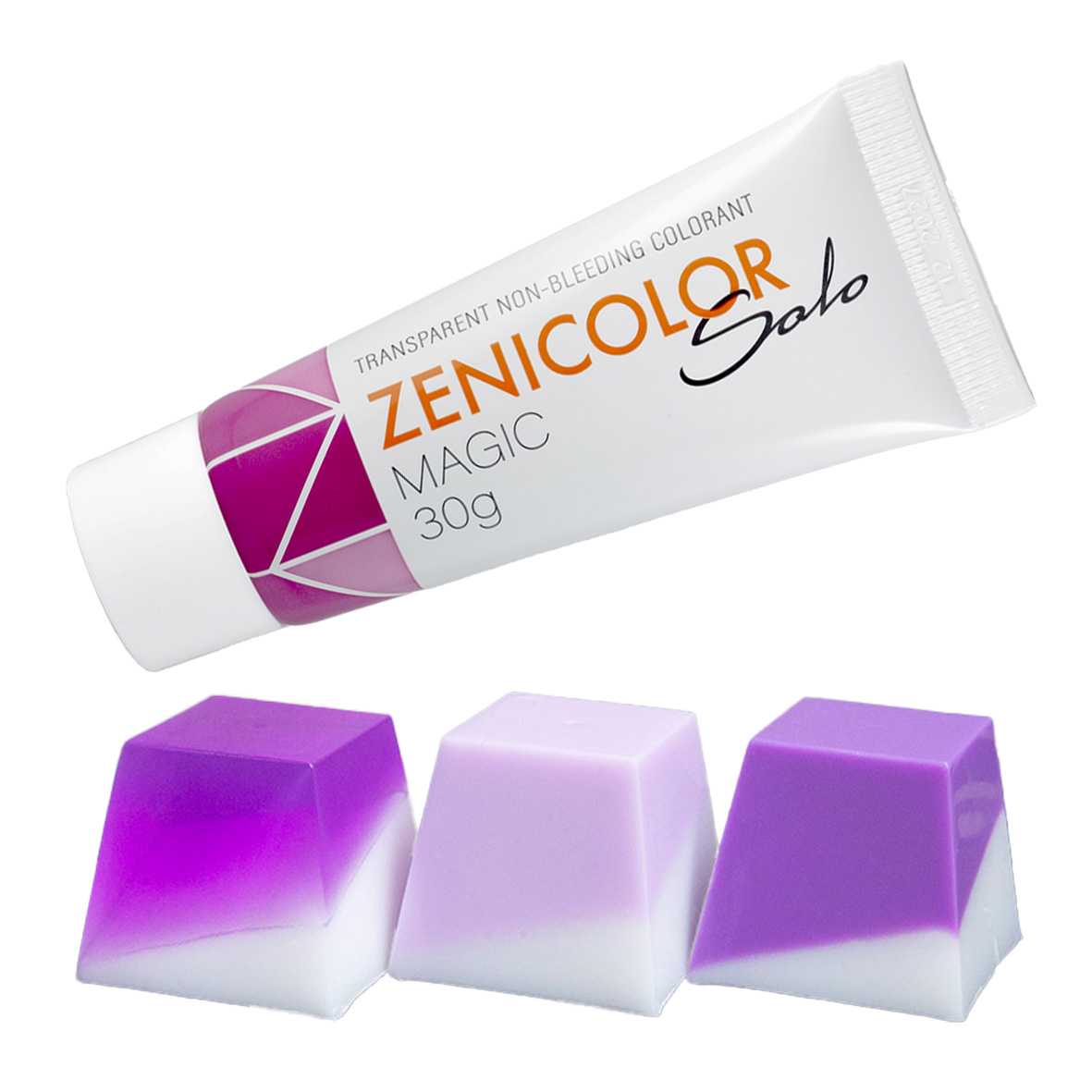
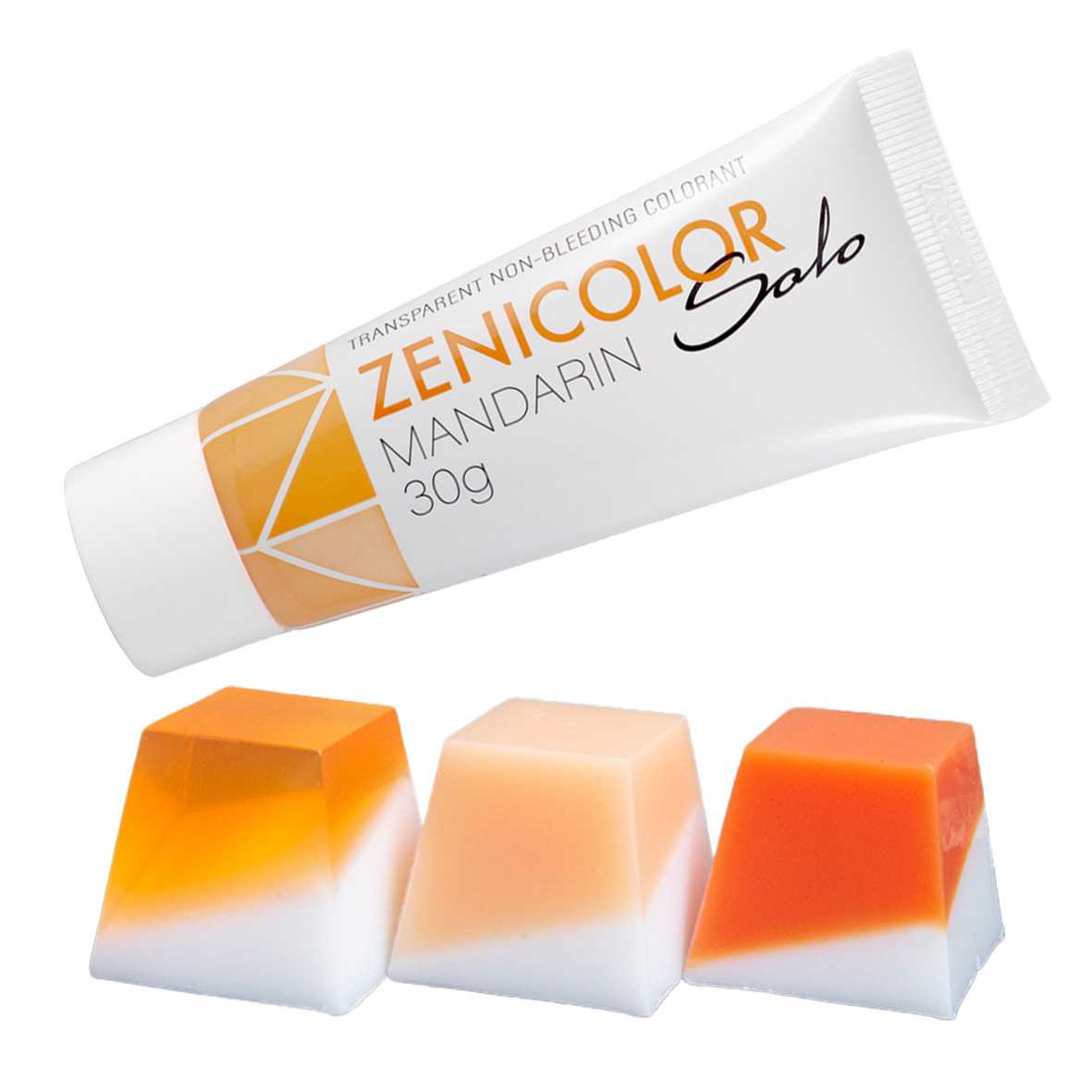
The white base mutes colours. Transparent cosmetic dyes give a pastel result in it; for rich shades you need a higher proportion of dye or pigments. If you want transparent parts in the same soap, combine it with a clear soap base and pour the layers one after another, once the previous one has slightly set.
When layering, it helps to spray the previous layer with alcohol and pour the next one at a lower temperature. The layers then bond better and do not separate during use.
Glycerine soaps attract moisture from the air and droplets may form on the surface. After removing the finished soaps from the mould, wrap them in film or put them in a resealable bag.
Added oils, butters and water-based ingredients change the hardness and foaming of the resulting soap. If you plan to enrich the base significantly, make a small batch first and see how the soap behaves a few days after production. Base that has been melted several times tends to be firmer and harder to pour, so add leftovers to fresh base only in a smaller proportion.
Frequently asked questions
Can I make lye-free soap from ZENISOAPBASE White soap base?
Yes, the base is already finished saponified soap, so you only melt it, add dye and fragrance, and pour it into a mould without handling sodium hydroxide. The soap does not need to cure and can be used straight after it has cooled and hardened. It is therefore also suitable for beginners who do not want to work with lye solution.
At what temperature does ZENISOAPBASE White soap base melt?
The recommended processing temperature is 65–75 °C. The base is melted in a water bath or in a microwave in short intervals, stirring occasionally. Overheated base thickens and the finished soap may have an uneven surface, so heat it only until the last pieces have melted.
Is the white soap base suitable for colouring?
Yes, the white base is the foundation for both rich and pastel colours. The opaque white base with titanium dioxide shows the true shade of a pigment or cosmetic dye. For transparent effects, such as embedded objects or clear layers, a clear soap base is more suitable. The two can be combined in layers in a single soap.
Can I add vegetable oil or butter to the soap base?
Yes, a smaller proportion of oil or butter can be worked into the melted base. It is added while the base cools and mixed in thoroughly. With a higher proportion, the foam weakens and the soap softens. The suitable amount depends on the particular oil, so test it first on a small trial batch.
Why do droplets form on the finished glycerine soap?
Droplets form because the glycerine and sorbitol in the base bind moisture from the air. This does not affect the cleansing effect of the soap, but it can look unappealing. It helps to wrap the soap in film as soon as it has hardened and to store it in a dry place, away from a humid bathroom.
Does ZENISOAPBASE White soap base contain fragrance allergens?
No, the base does not contain any of the fragrance allergens listed in Annex III of the Cosmetics Regulation. Allergens get into the soap only with an added fragrance oil or essential oil. You should therefore check their content in the data for the specific fragrance you add to the soap.