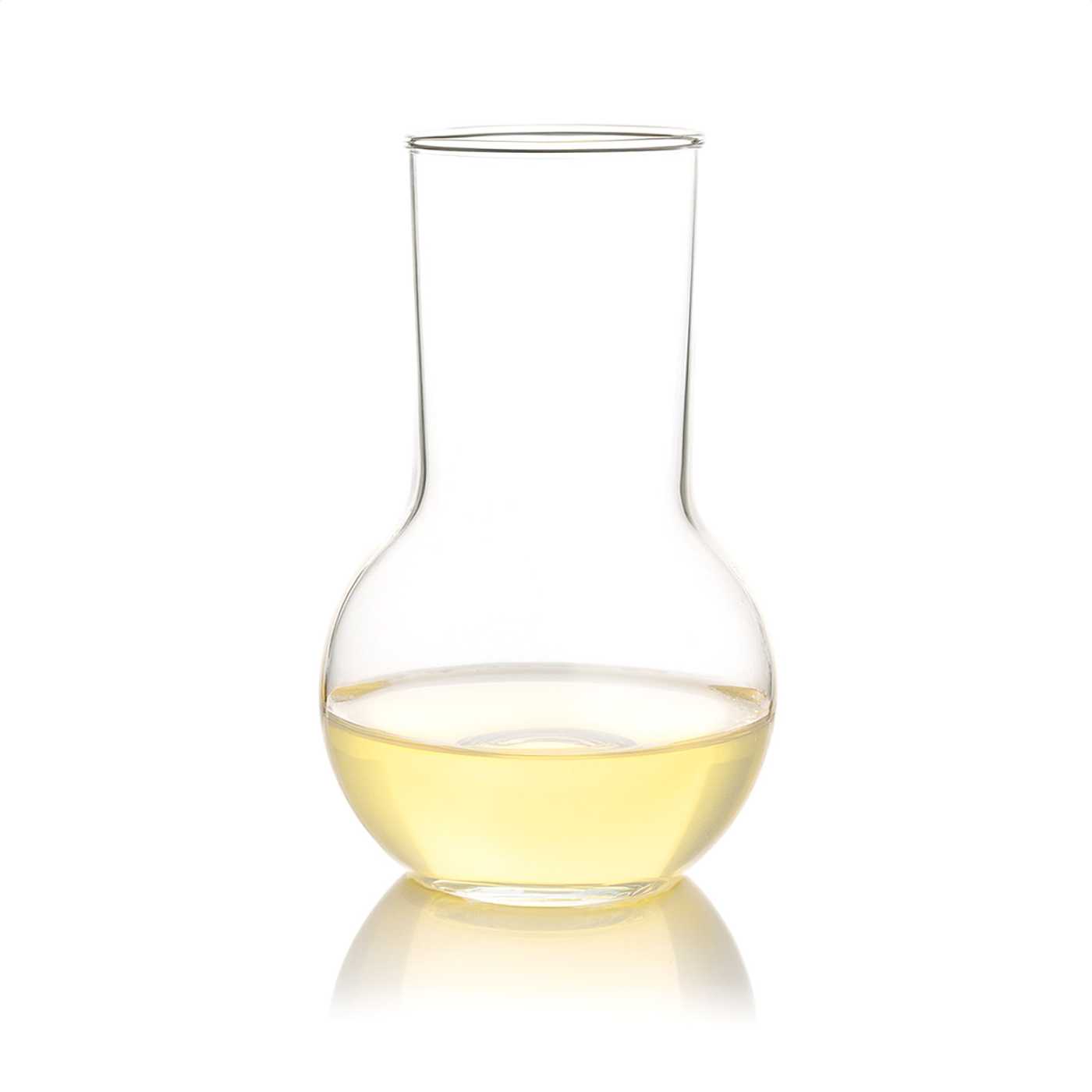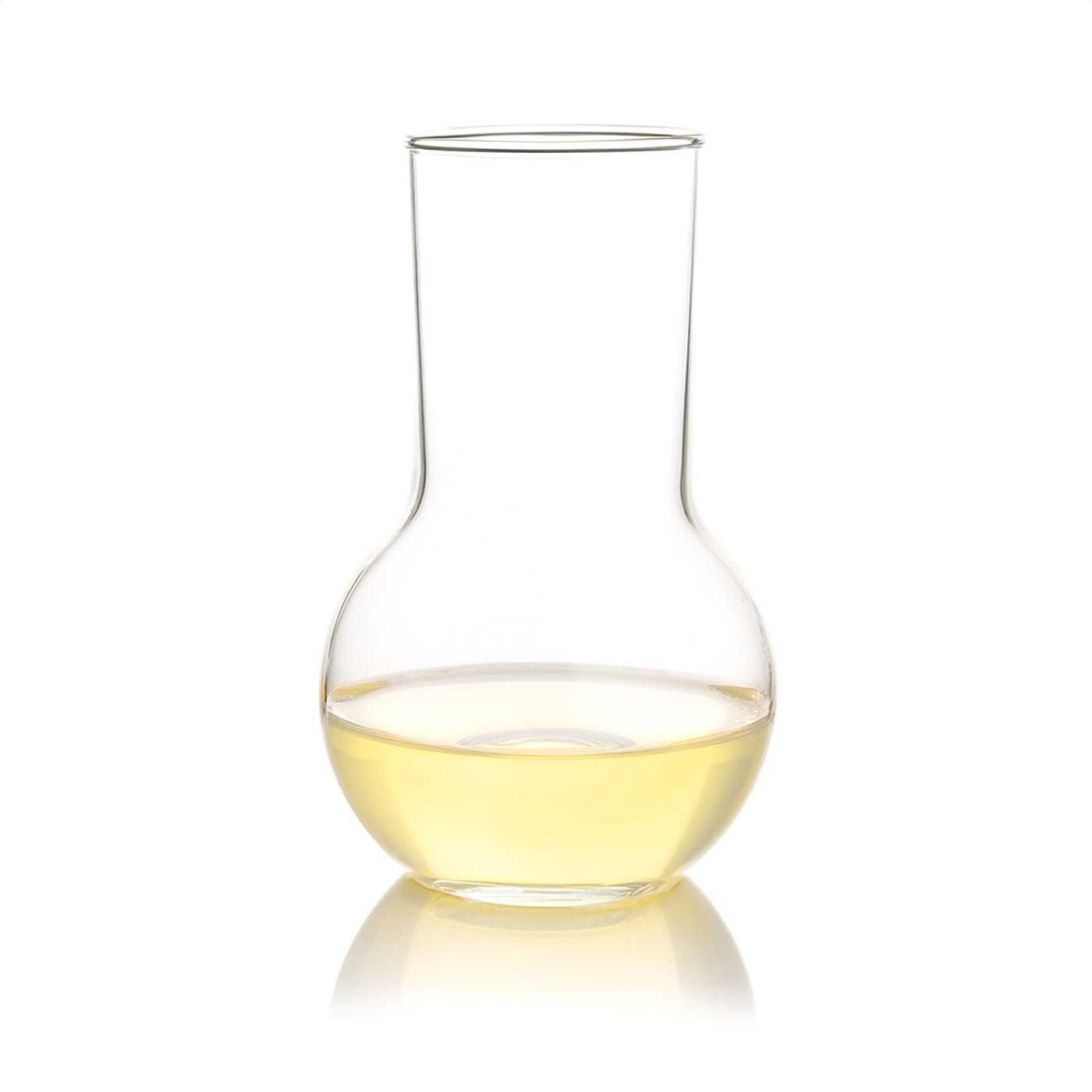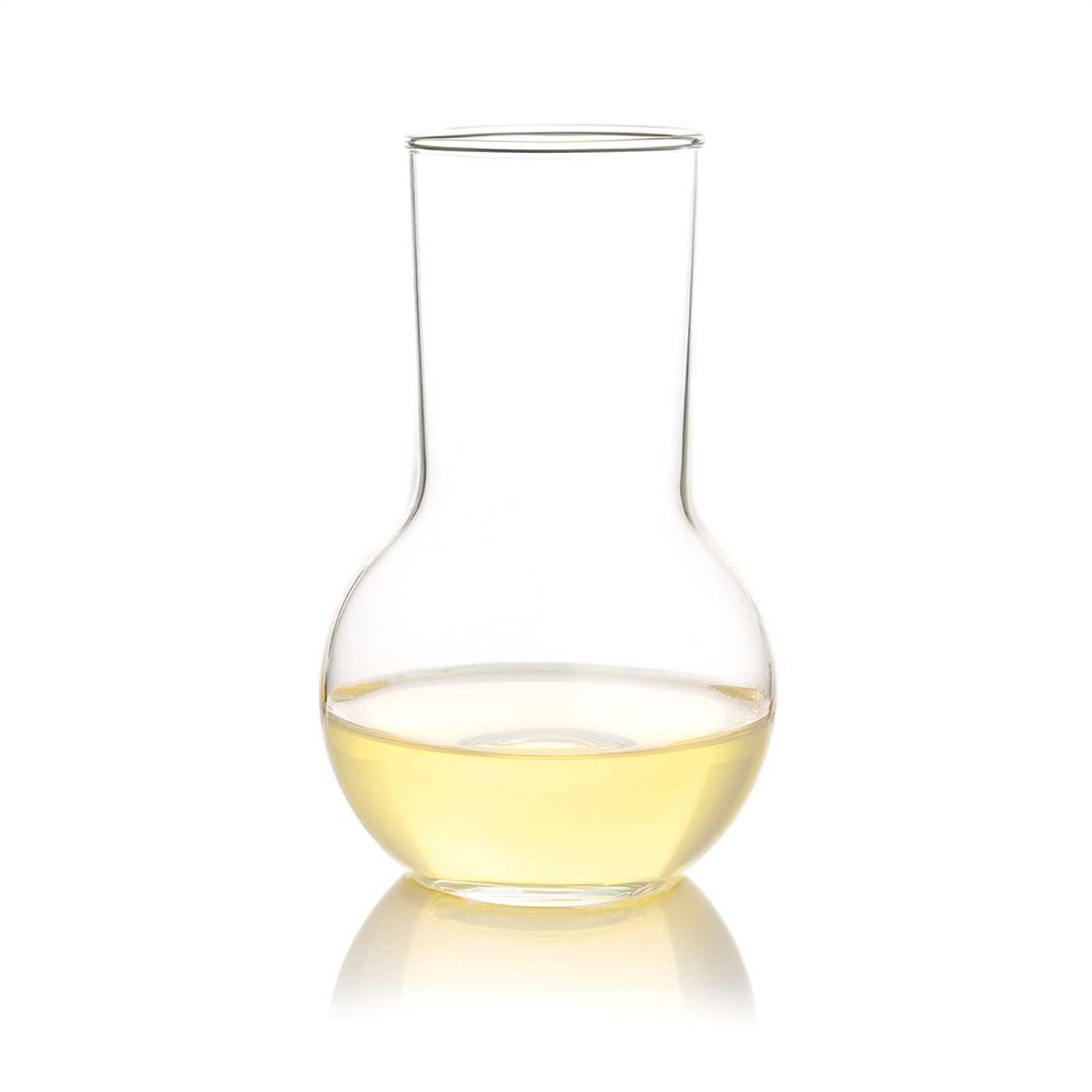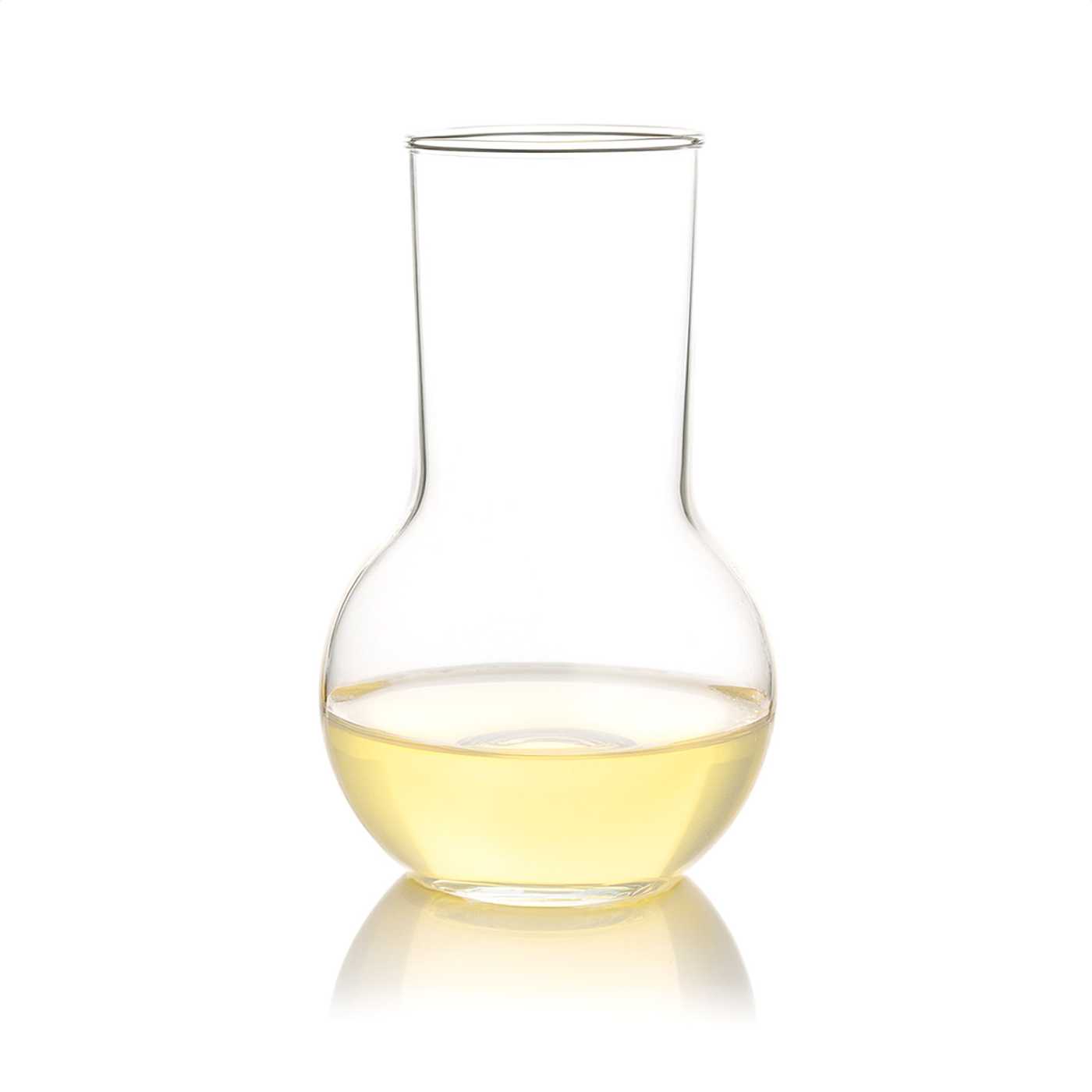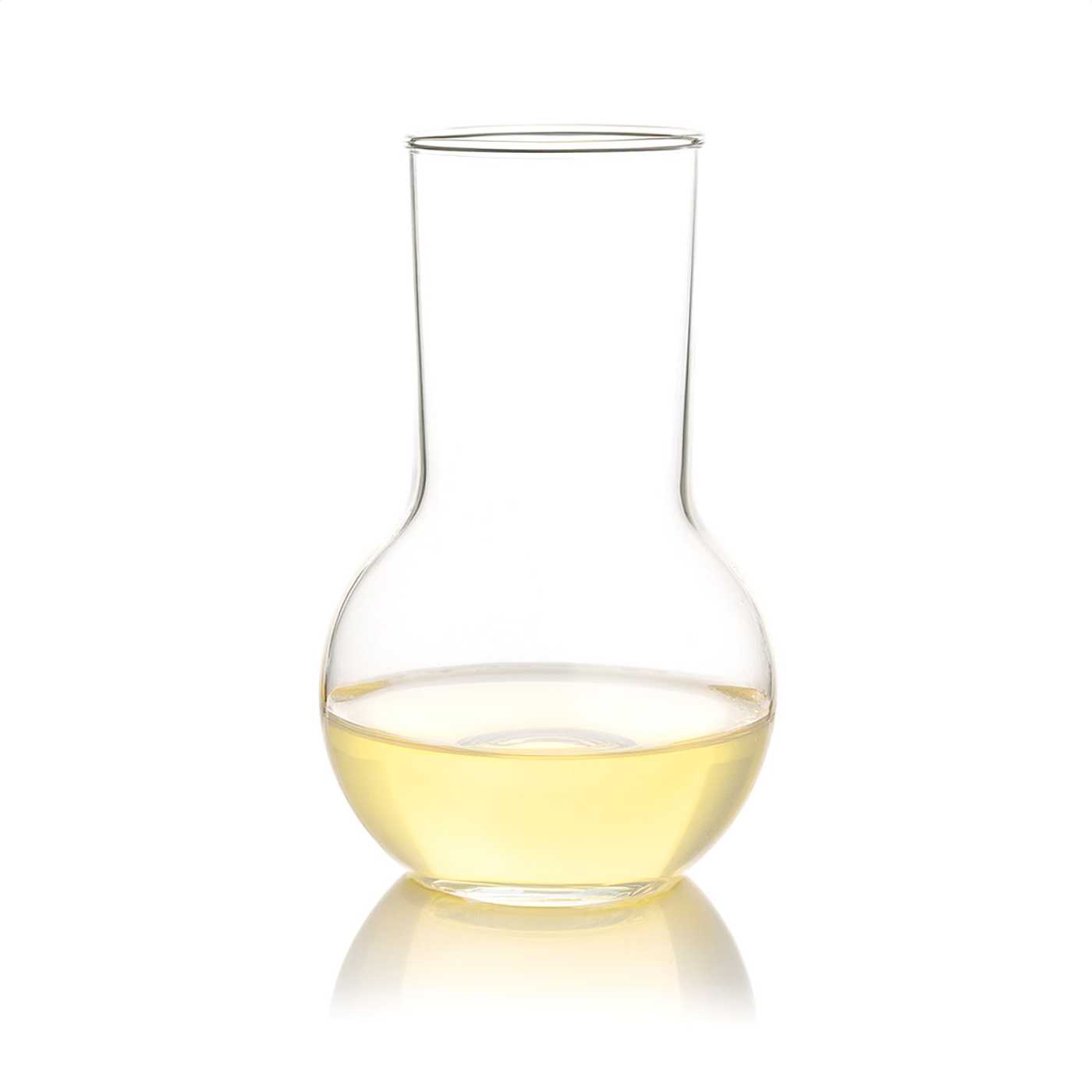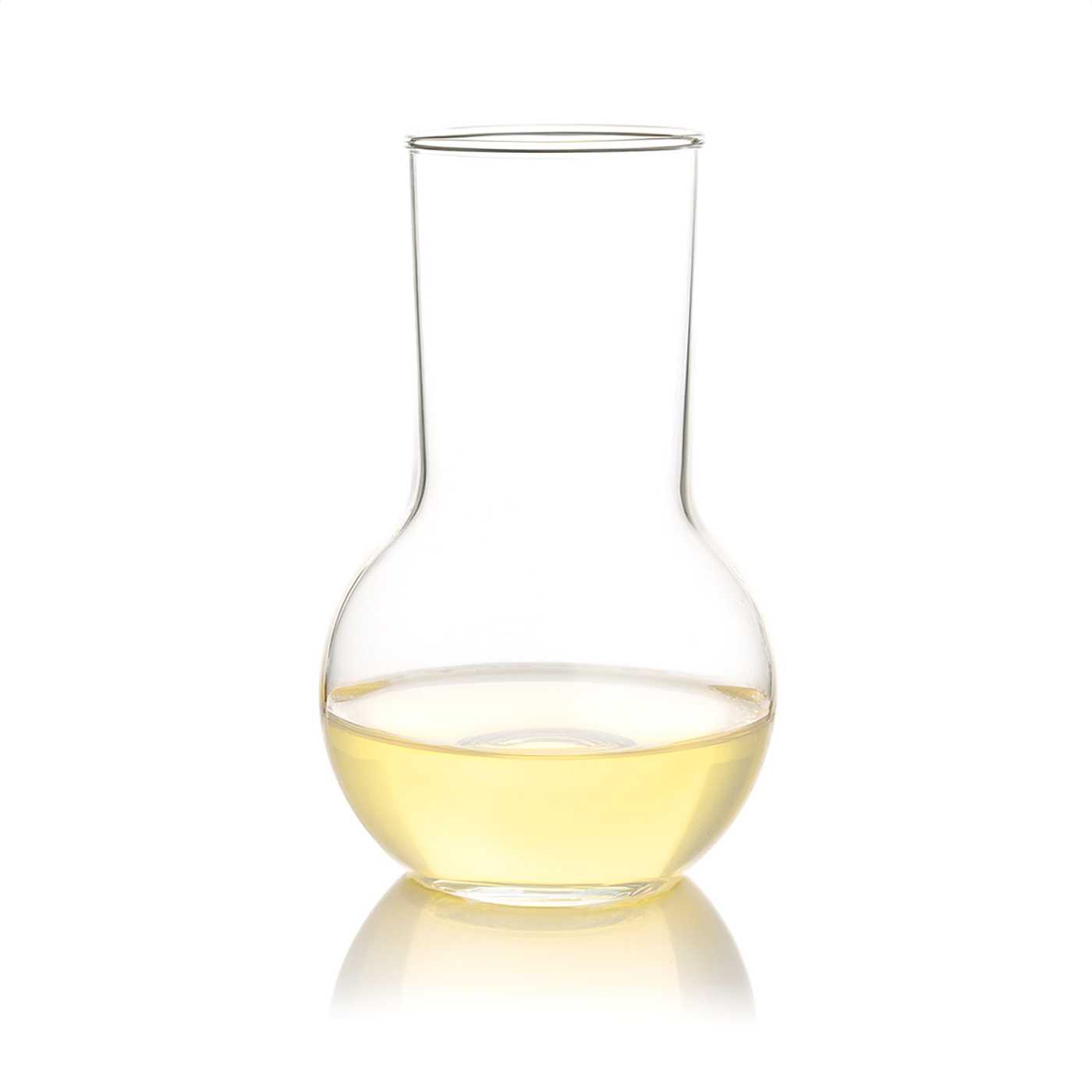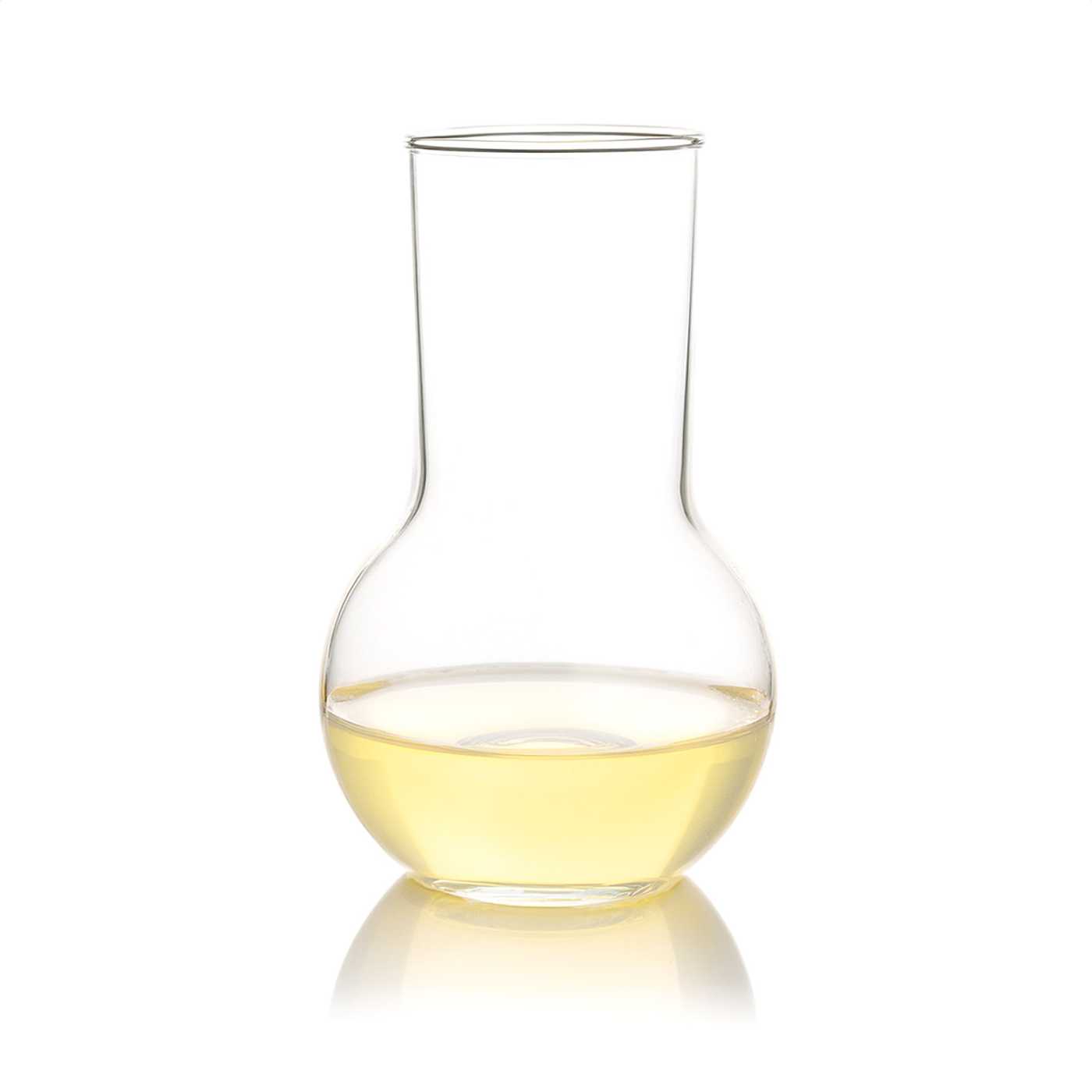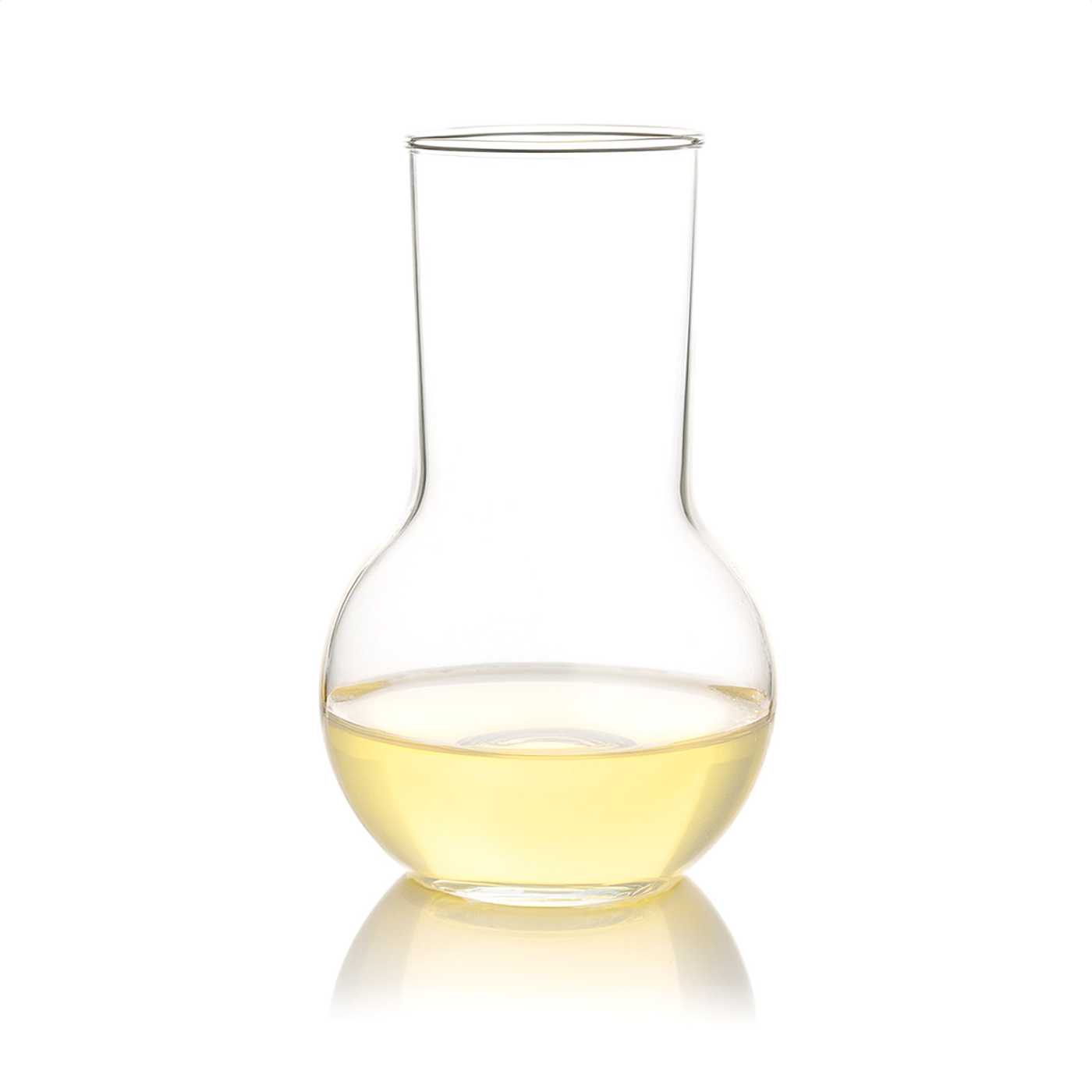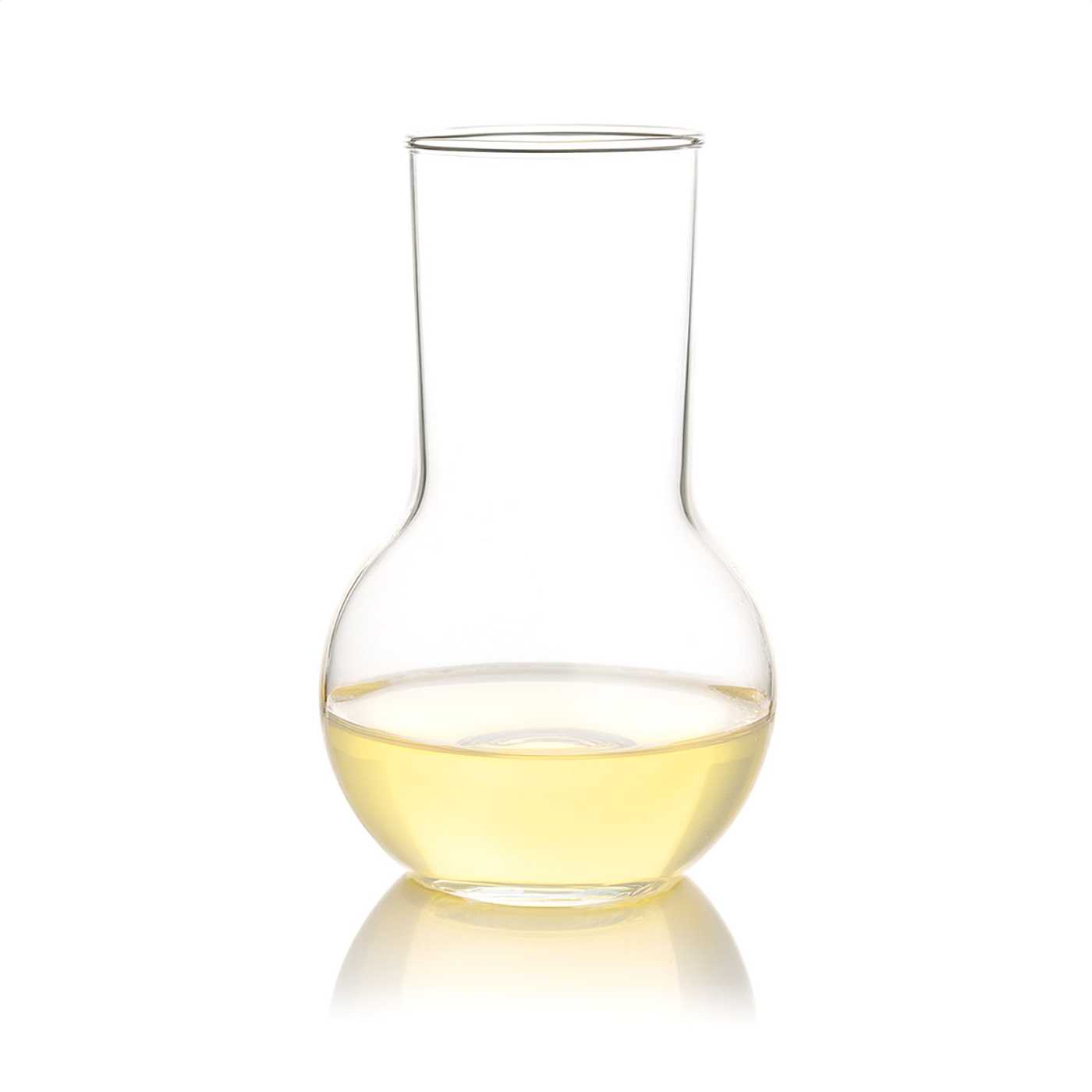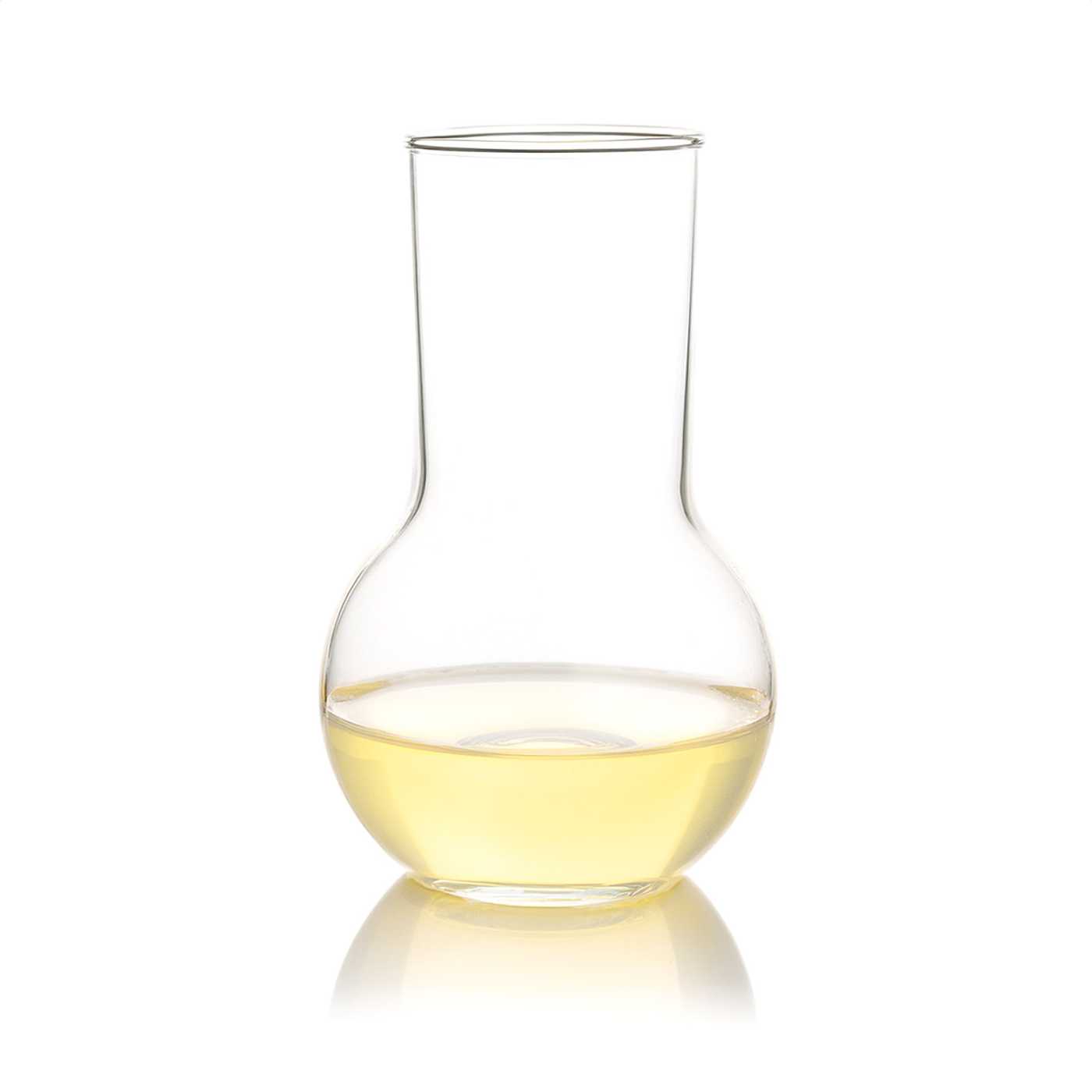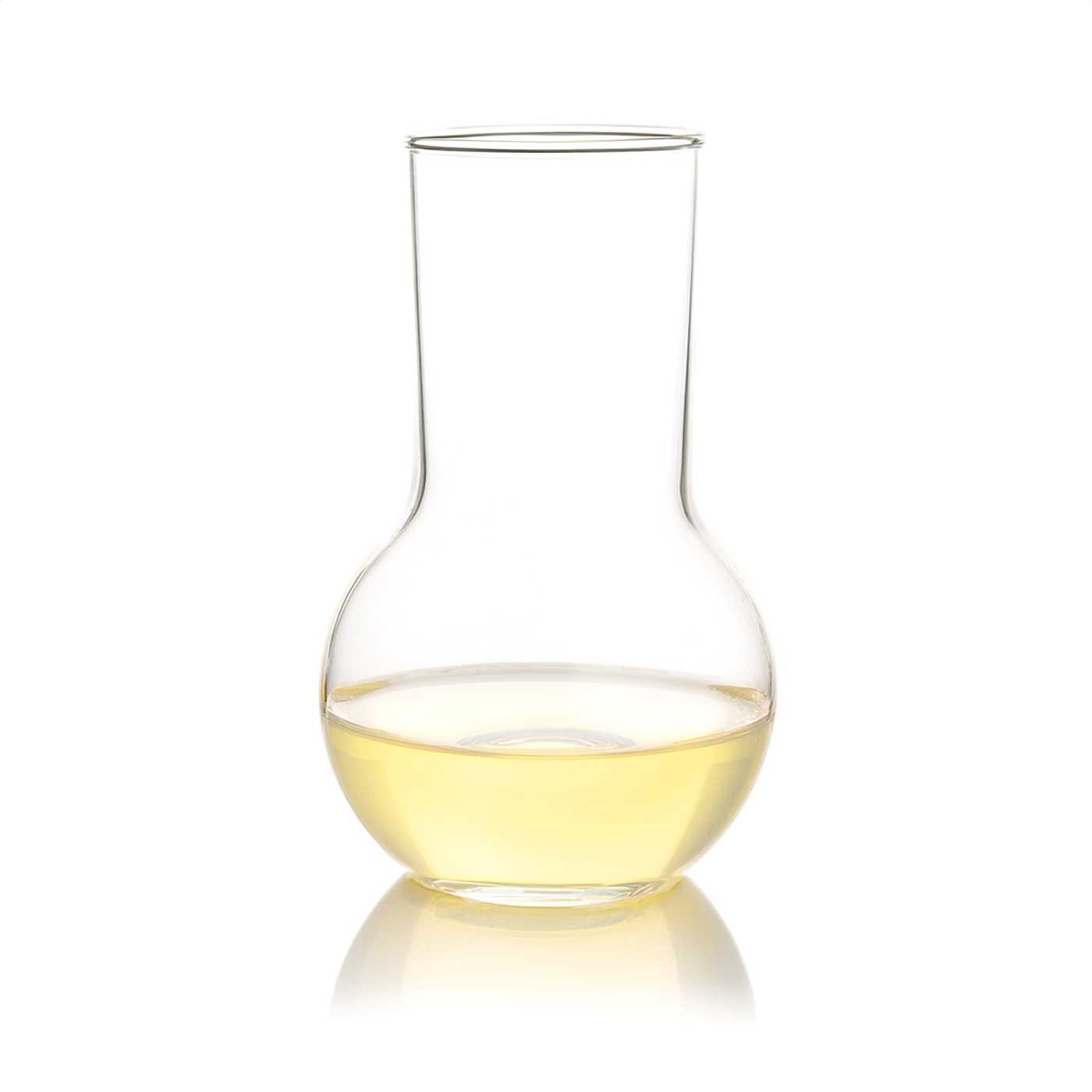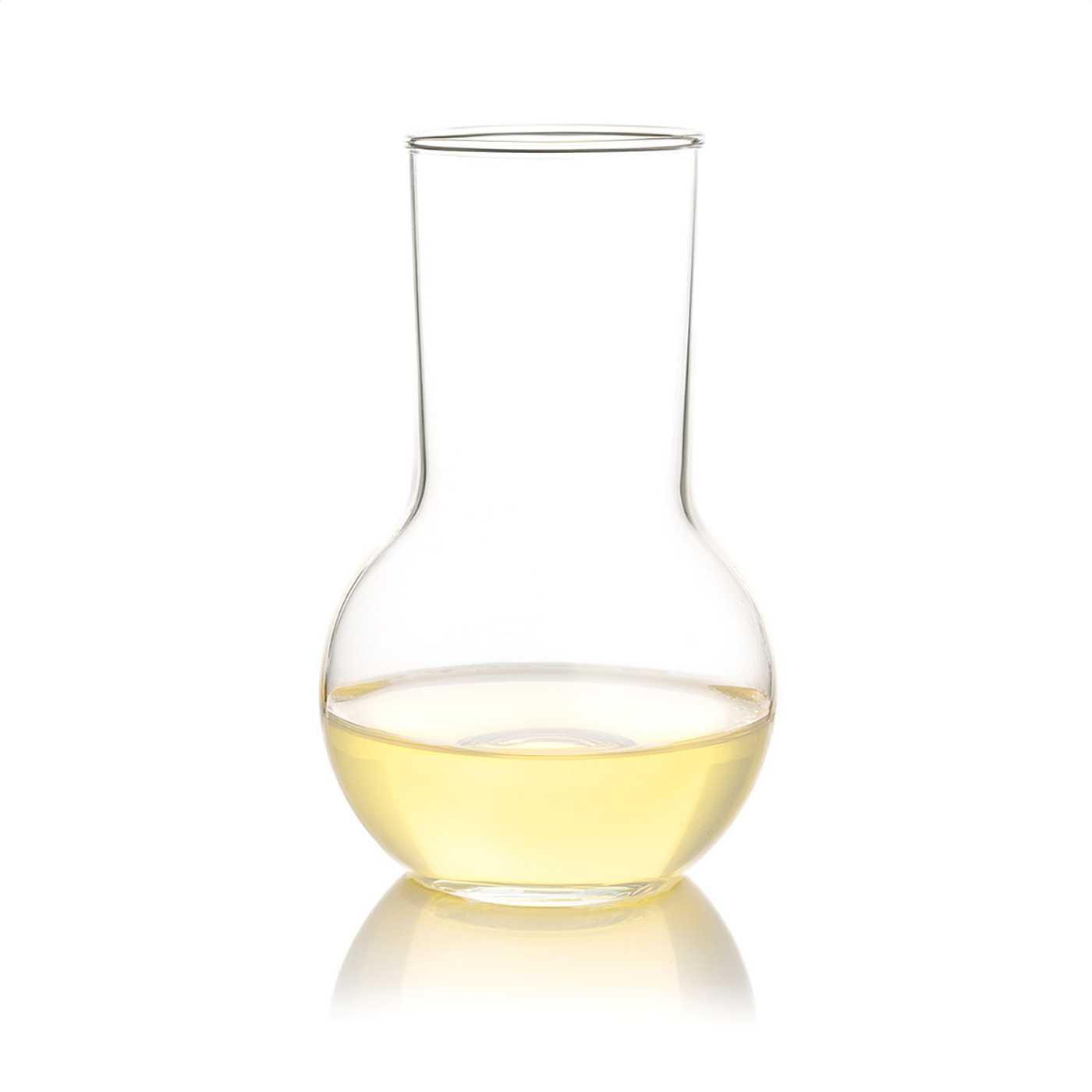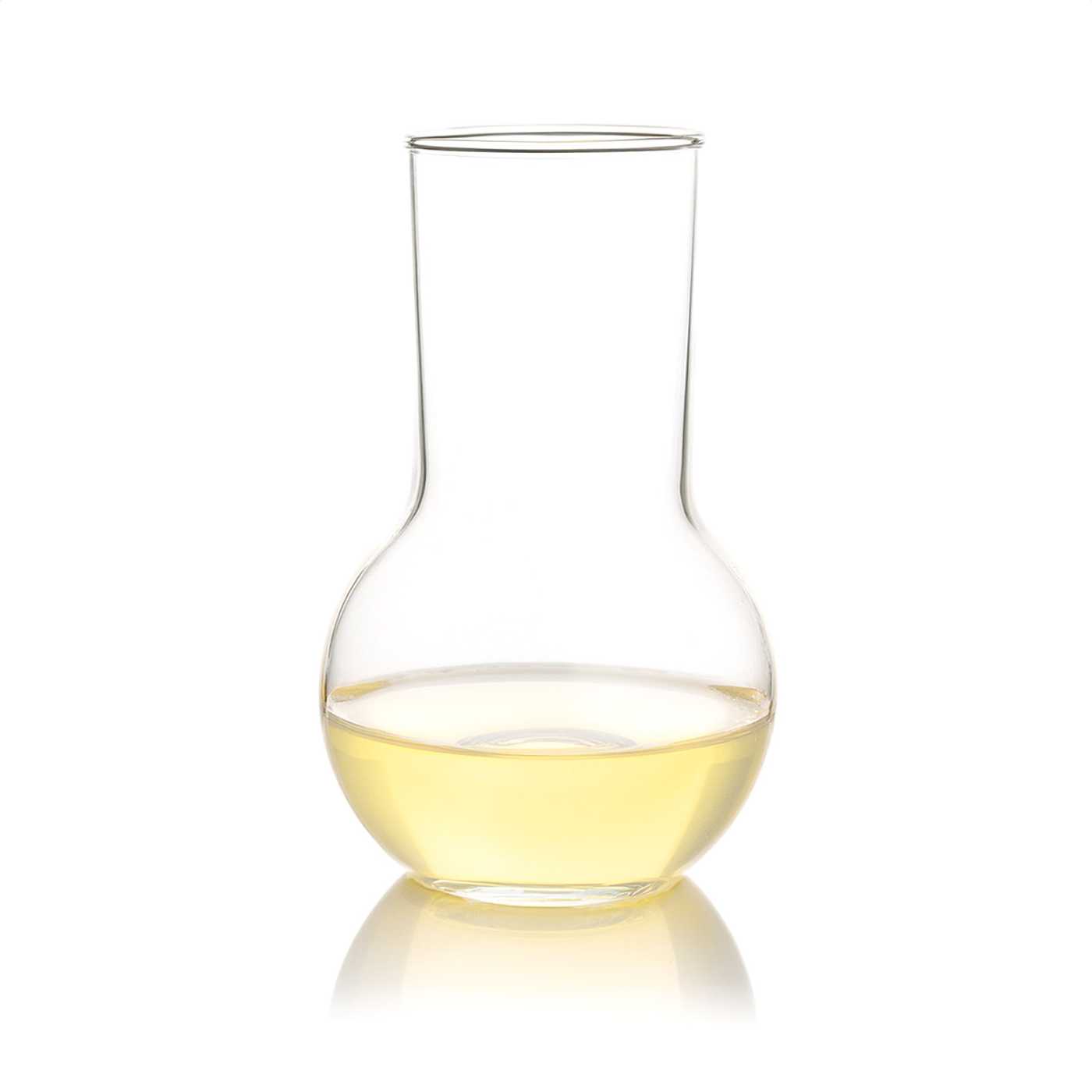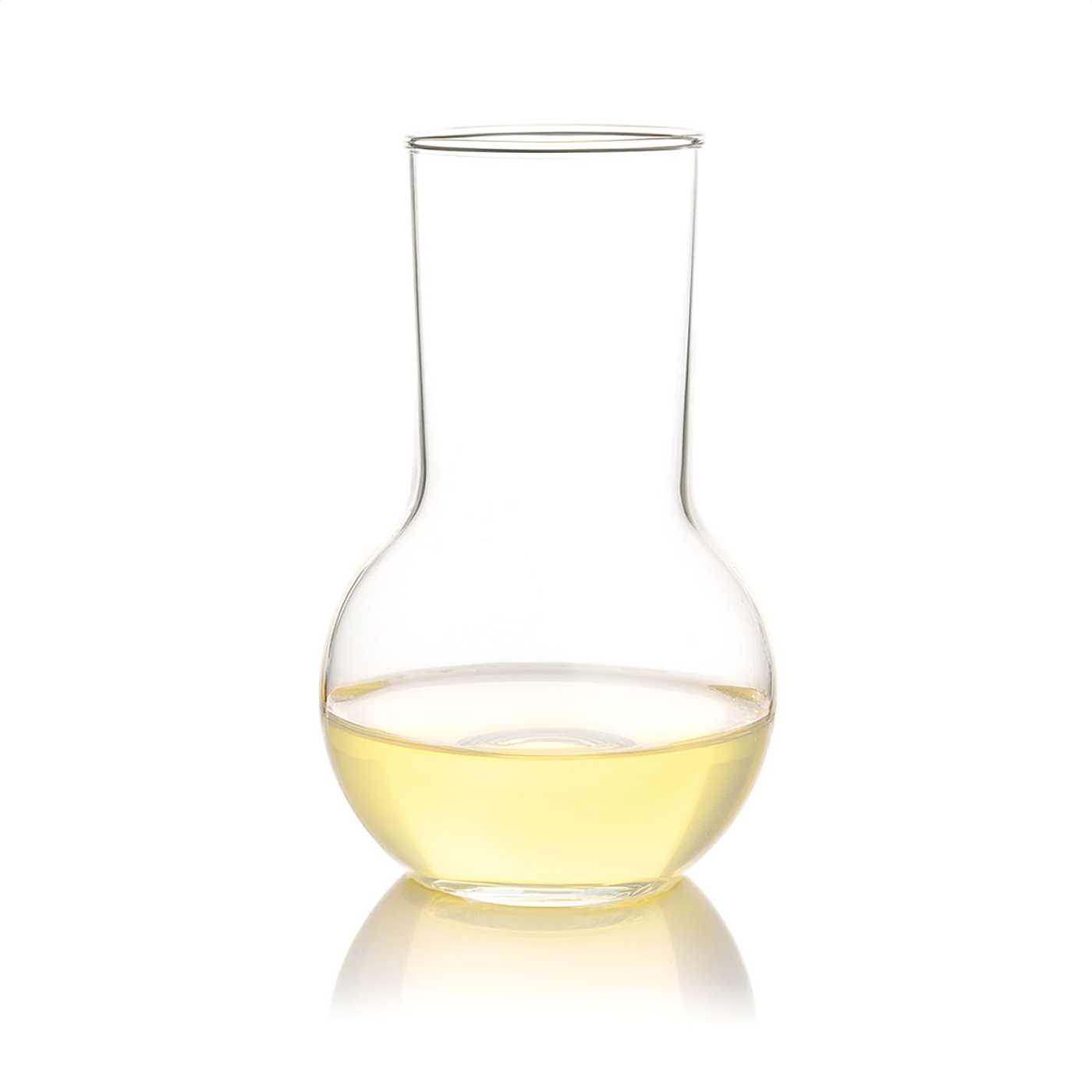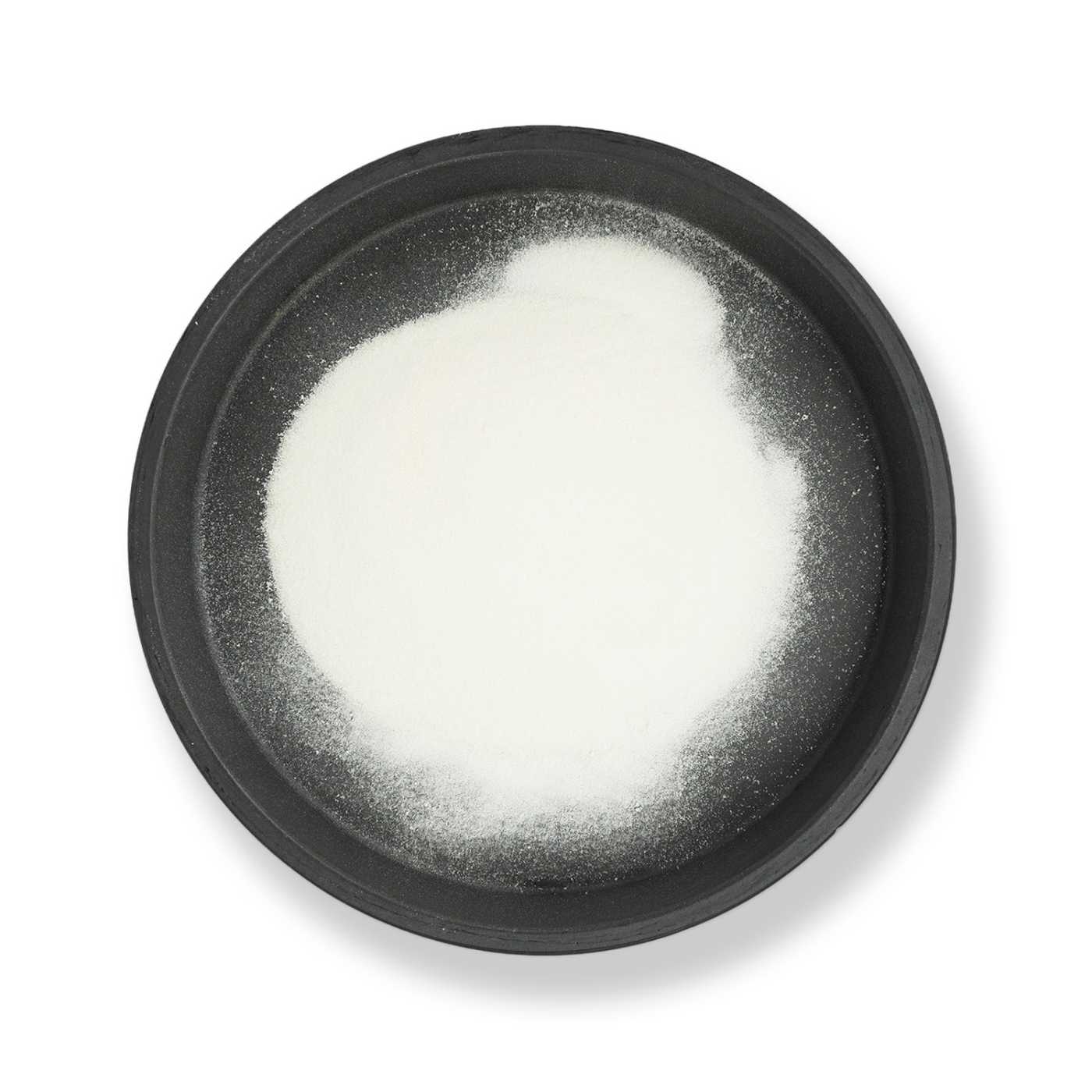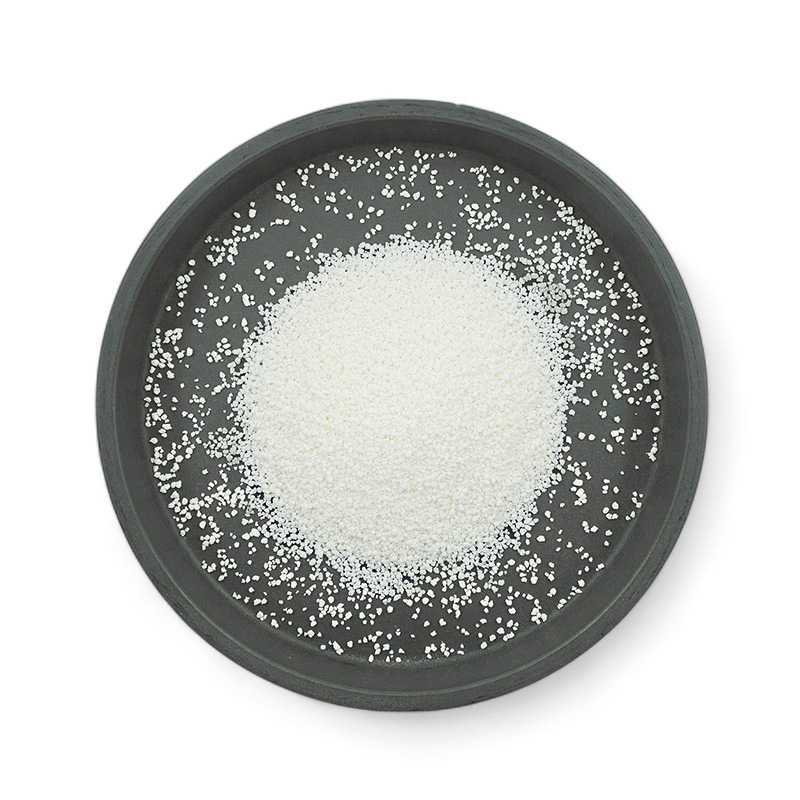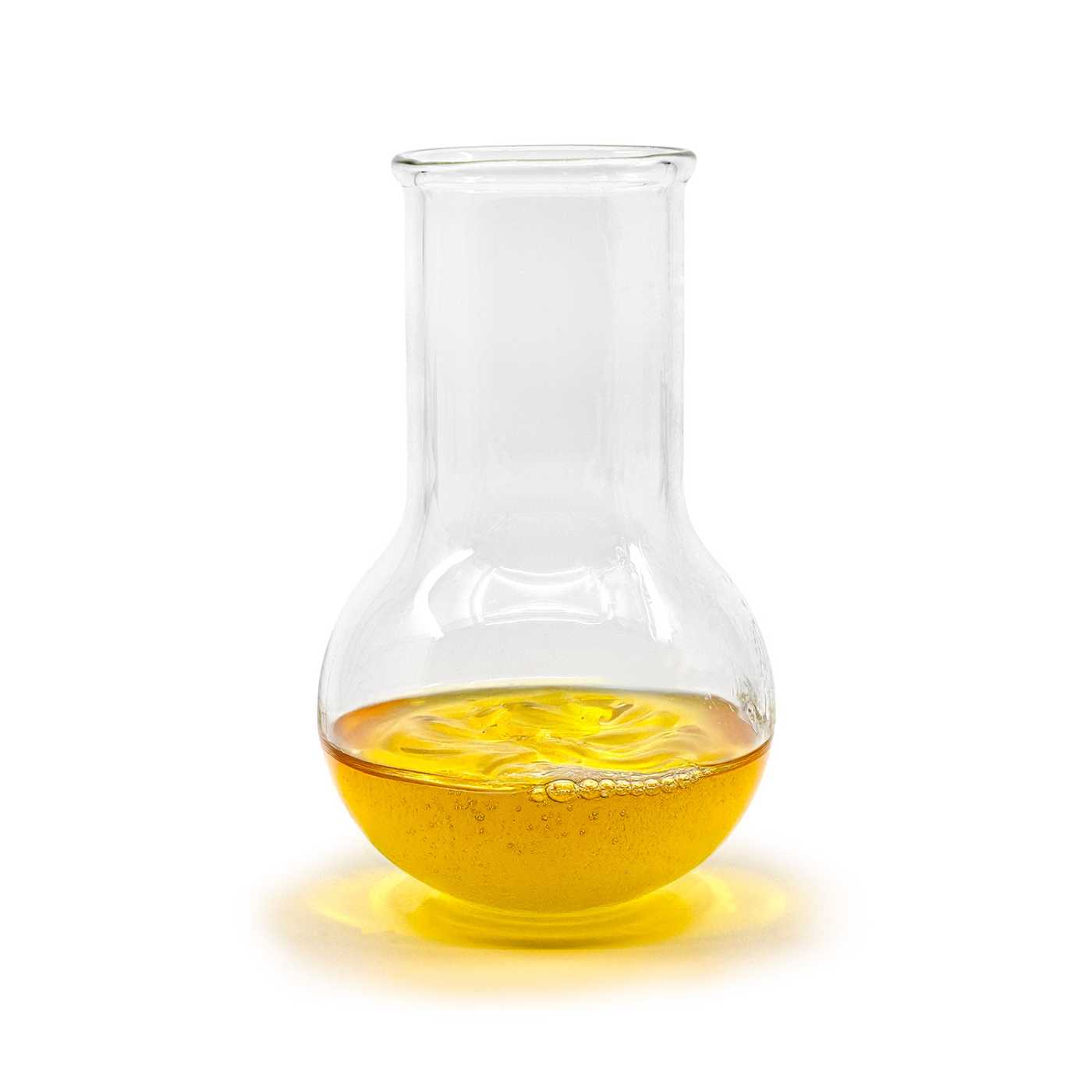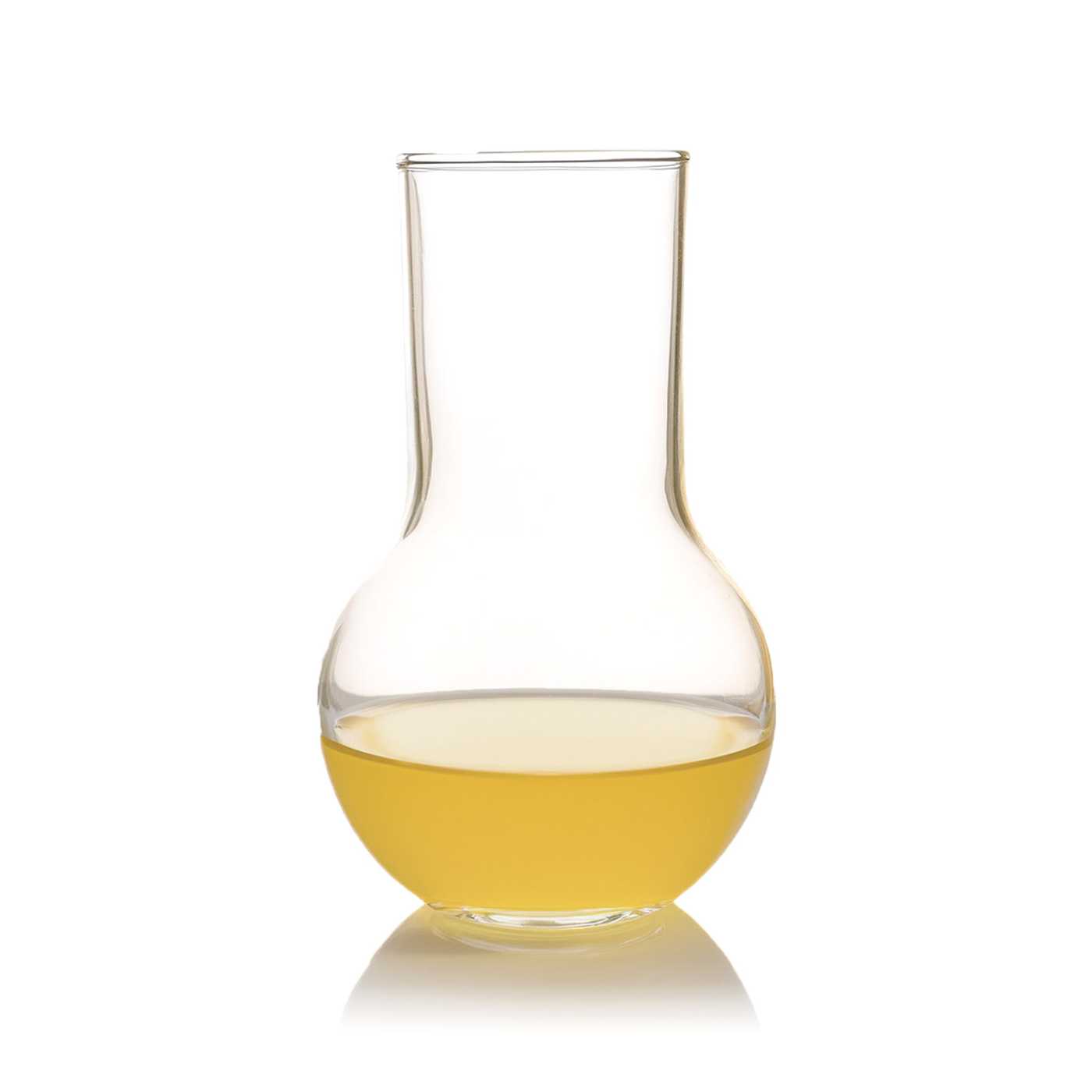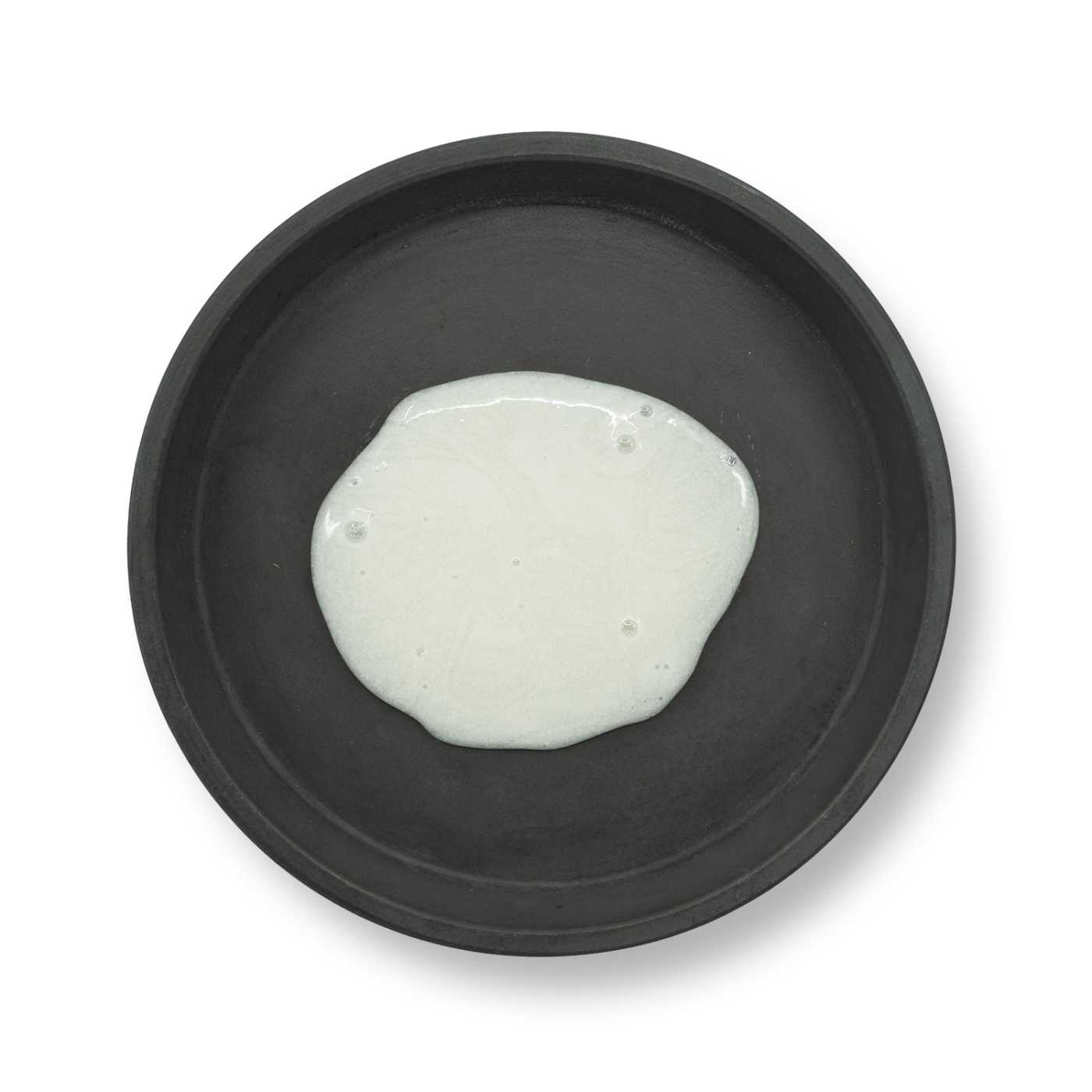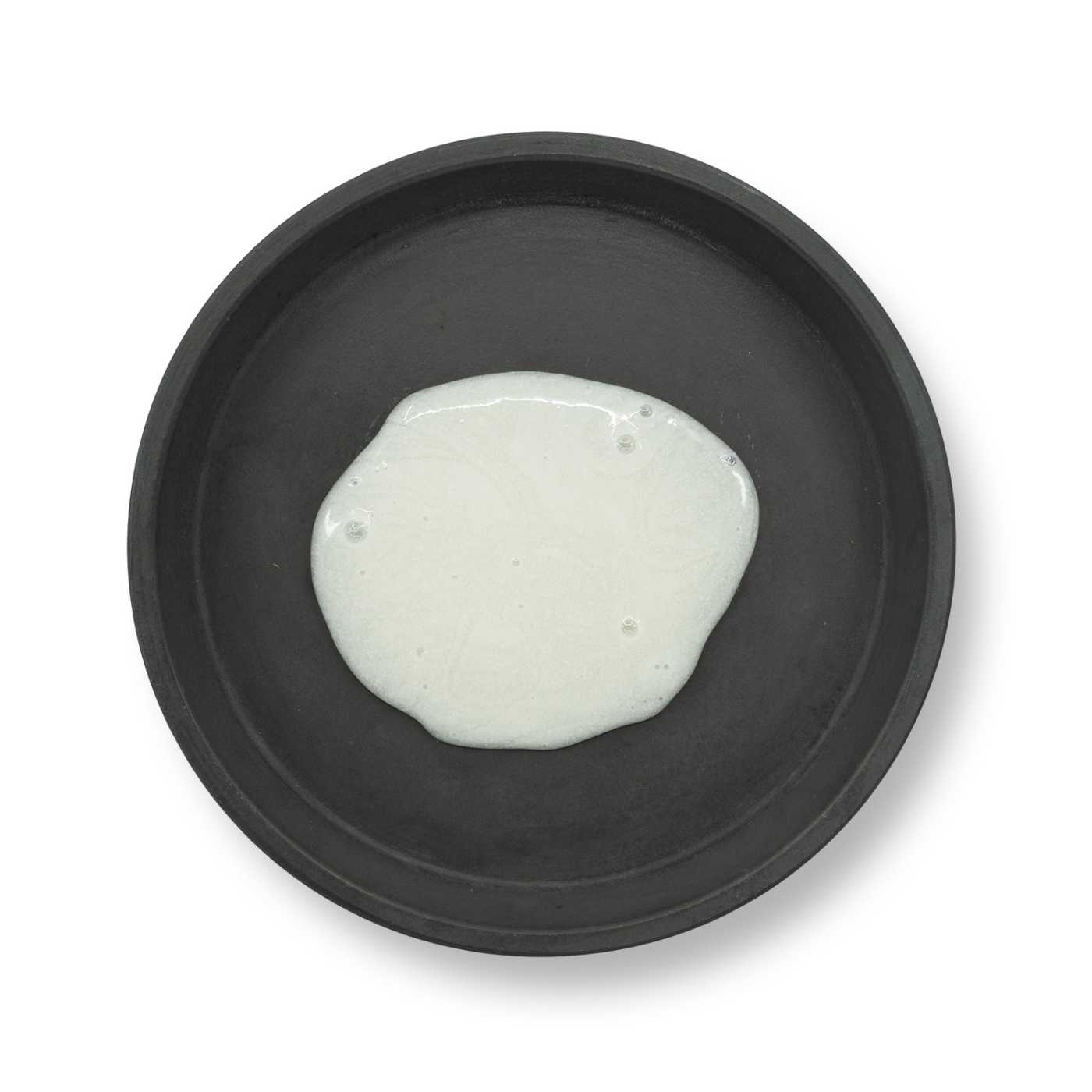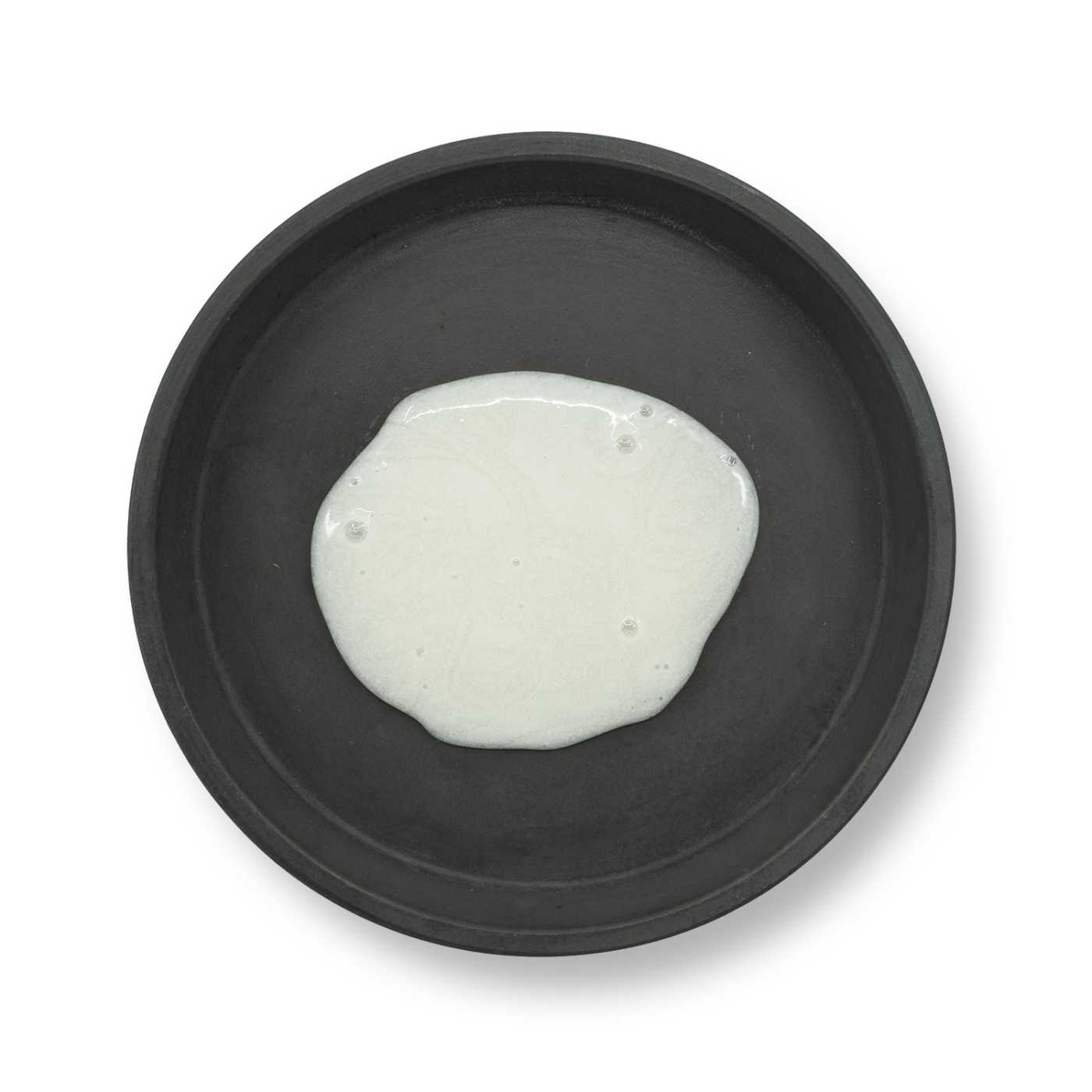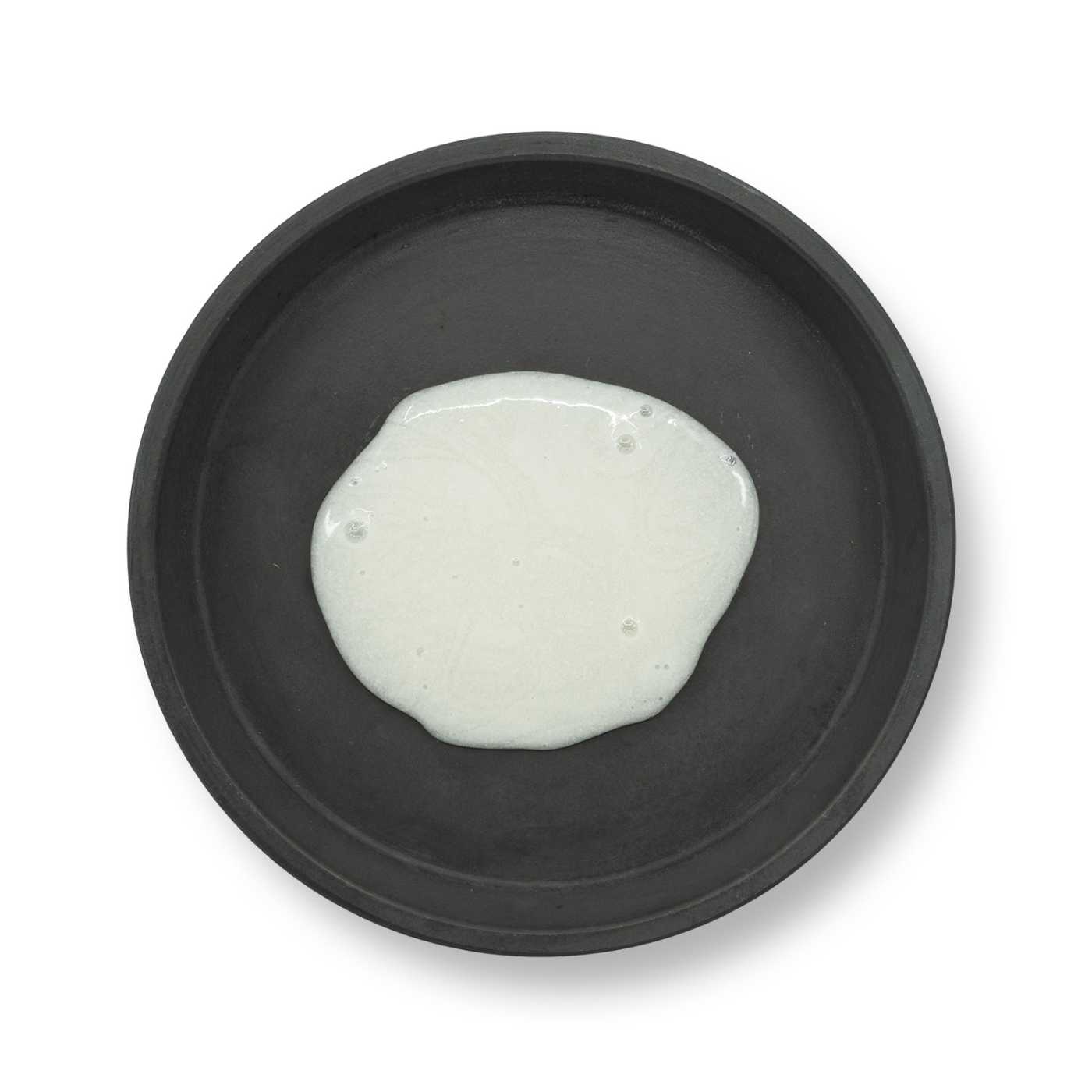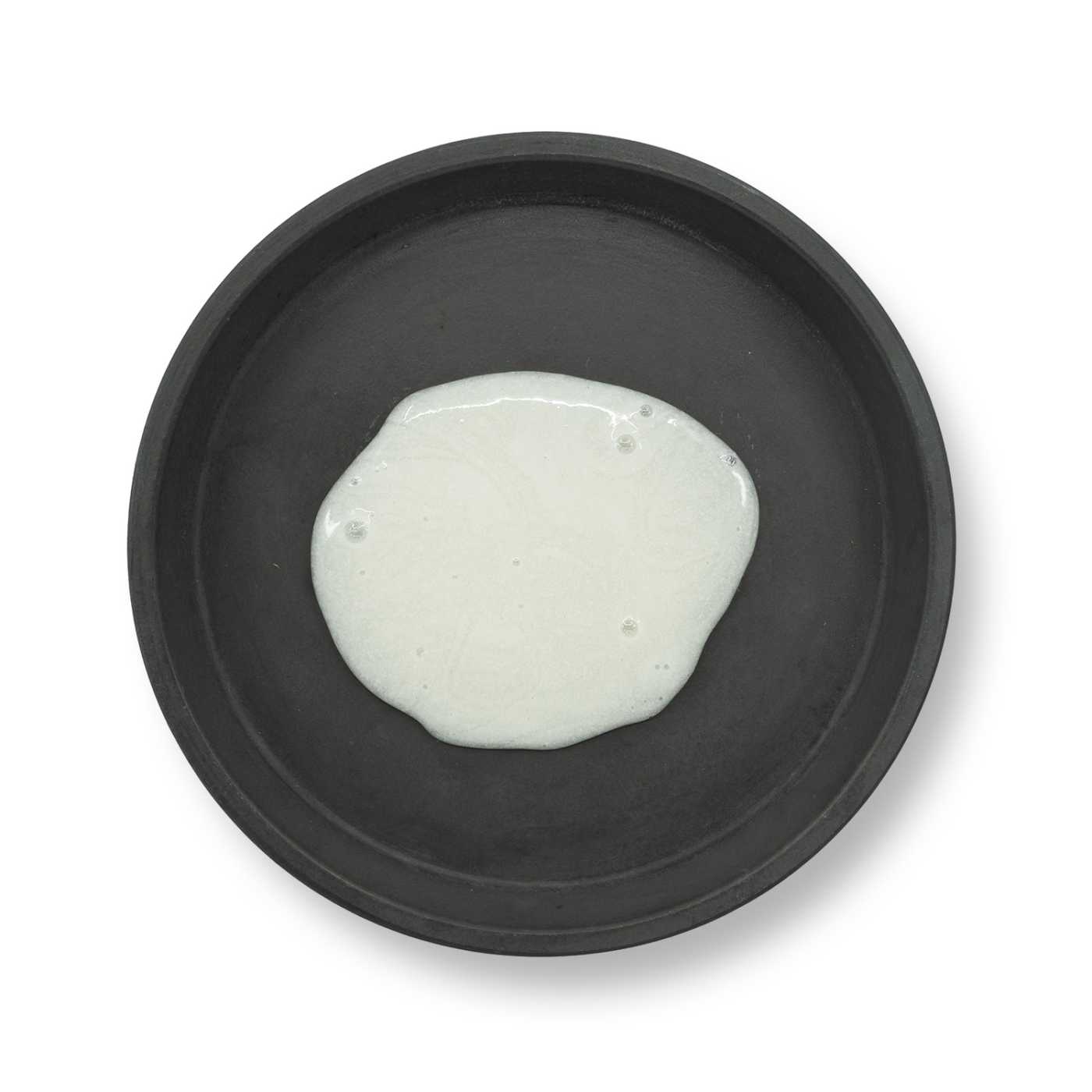
Caprylyl/Capryl Glucoside, 1 l
Pre-order€12.59(€12.59/l)

83 in stock now
4.9 out of 5 · 661 ratings
Documentation for every product
106 products in this category
Showing 60 of 106 products
The surfactants category covers non-ionic, amphoteric and anionic ingredients that provide foam, degreasing, emulsification and cleansing performance in shampoos, shower gels, body and facial cleansers and mild baby products.
The range includes sugar-based non-ionic APGs for gentle cleansing, amphoteric “mildness boosters” that take the edge off harshness, modern low-irritation anionic surfactants, as well as classic SLES systems and powdered surfactants for syndet bar recipes. With the right combination you achieve the foam, viscosity and skin tolerance you need for different skin and hair types.
Practical tip: plan your surfactant system around the target pH, the desired foam and viscosity and the chosen salt profile (salt curve). Amphoteric surfactants typically increase viscosity and reduce the harshness of the system.
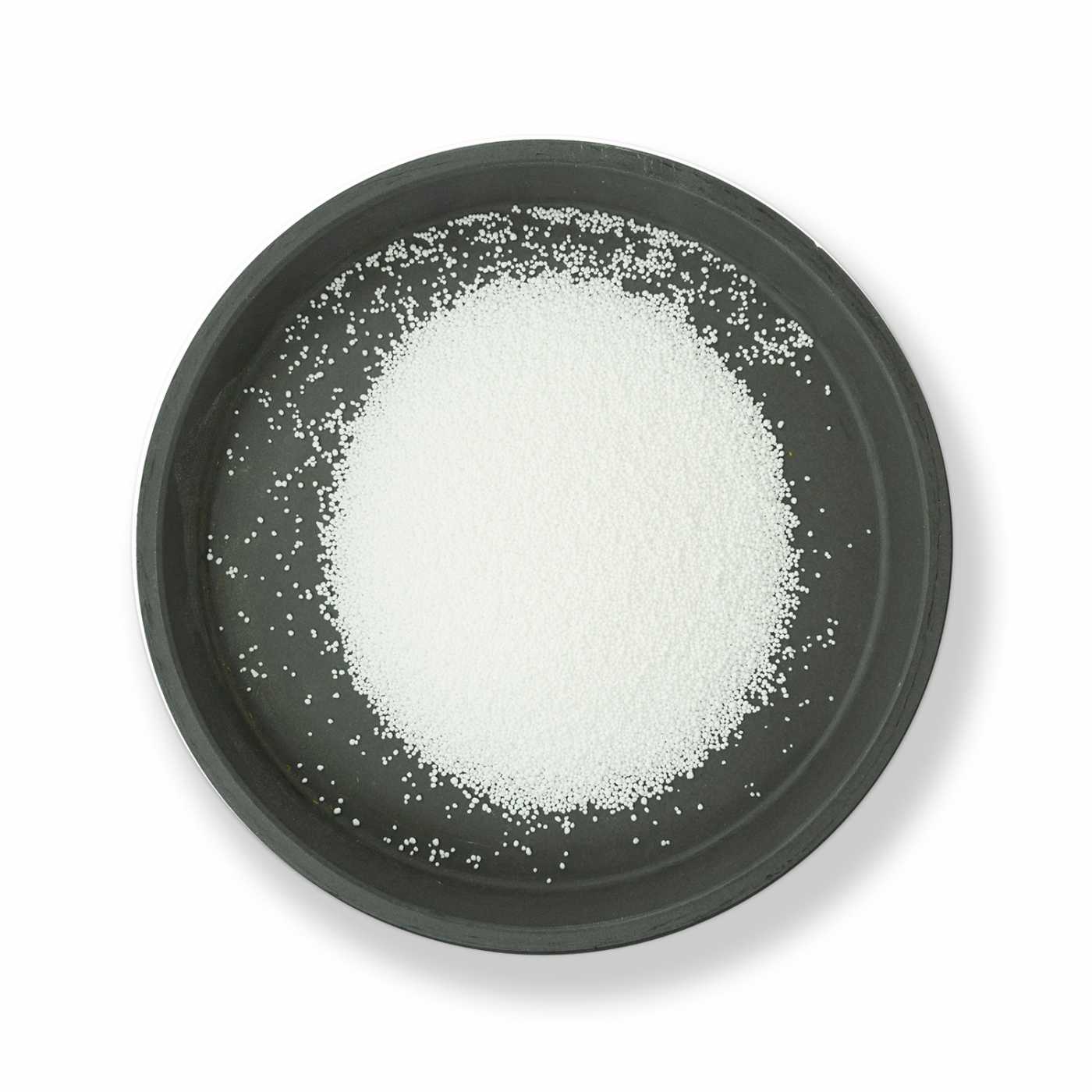
Decyl, Coco, Lauryl and Caprylyl/Capryl glucosides provide gentle, skin-friendly cleansing with good foam and compatibility across a wide pH range. They suit mild shampoos, shower gels and facial cleansers – gentle, biodegradable and compatible surfactants for everyday use. See Decyl Glucoside, Coco Glucoside, Lauryl Glucoside and Caprylyl/Capryl Glucoside.
Amphoteric ingredients soften the irritation of anionic surfactants, improve foam and help thicken the system. Suitable for shampoos, shower gels and baby formulations – greater mildness, a more stable foam and easier thickening with salt. We recommend Cocamidopropyl Betaine, Coco Betaine and Sodium Cocoamphoacetate.
Modern anionic surfactants deliver low harshness with good cleansing – suited to mild shampoos, daily-wash shower gels and sensitive recipes, where they balance cleansing power with comfort for both skin and scalp. See Sodium Lauroyl Sarcosinate, Disodium Cocoyl Glutamate, Sodium Methyl Oleyl Taurate and Disodium 2-Sulfolaurate.
SLES offers high foam and excellent degreasing power at a good price-to-performance ratio; suitable for shampoos, shower gels and liquid soaps. Adding an amphoteric surfactant markedly improves mildness and viscosity – a proven base you can fine-tune to your needs. Available as SLES 26% and SLES 70%.
Powdered anionic surfactants provide a solid format with a rich lather and good cleansing; ideal for shampoo bars, shower bars and travel products – strong foam with no water in the pack, perfect for travel and zero-waste concepts. We recommend Sodium Cocoyl Isethionate (SCI), Sodium Lauryl Sulfoacetate (SLSA), Disodium Lauryl Sulfosuccinate (DLSS) and Eucarol Easy MB.
Additives for a softer feel and better skin compatibility; they reduce harshness, improve the sensory profile and support a stable foam – a smoother touch, less dryness and a more pleasant wash. Try Lamesoft PO 65, Proteol Apple and TEGOSOFT LSE.
For technical and household cleaning, selected APGs with high stability and good degreasing performance are the right choice – effective cleaning power with good biodegradability. See Glucopon 50 G APG.
Use an anionic surfactant as the base (e.g. SLES or a modern anionic), add an amphoteric (Cocamidopropyl Betaine) to reduce harshness, and 1–2 non-ionic APGs to improve foam and compatibility. A re-fatting ingredient such as Lamesoft PO 65 and working at pH 5–5.5 reduce harshness further. Adjust dosages to your goal and the salt curve.
Build viscosity by adding NaCl gradually while mixing, or by adding an amphoteric surfactant or a thickener. Watch for the peak — overdosing the salt brings viscosity back down again. Every surfactant system has its own curve, so test in small steps and record the measured values with your recipe.
When you want lower irritation while keeping good foam and cleansing, or for products aimed at sensitive skin and children. With the right formulation, Sarcosinate, Cocoyl Glutamate, Taurate and Sulfolaurate offer a gentler profile for both skin and scalp than classic sulphate systems.
Combine powdered surfactants (SCI, SLSA, DLSS) with fatty alcohols or waxes and emollients to form a compact bar. Control the processing temperature, disperse the powders evenly and fine-tune hardness and foam through the ratios of anionics to emollients. The result is a solid format with a rich lather and no water in the pack. When handling powdered surfactants, avoid raising dust and wear a respirator — the fine dust irritates the airways (see the SDS for details).