+421 950 333 113info@handymade.store−10 %Shop now

Candle fragrance oils

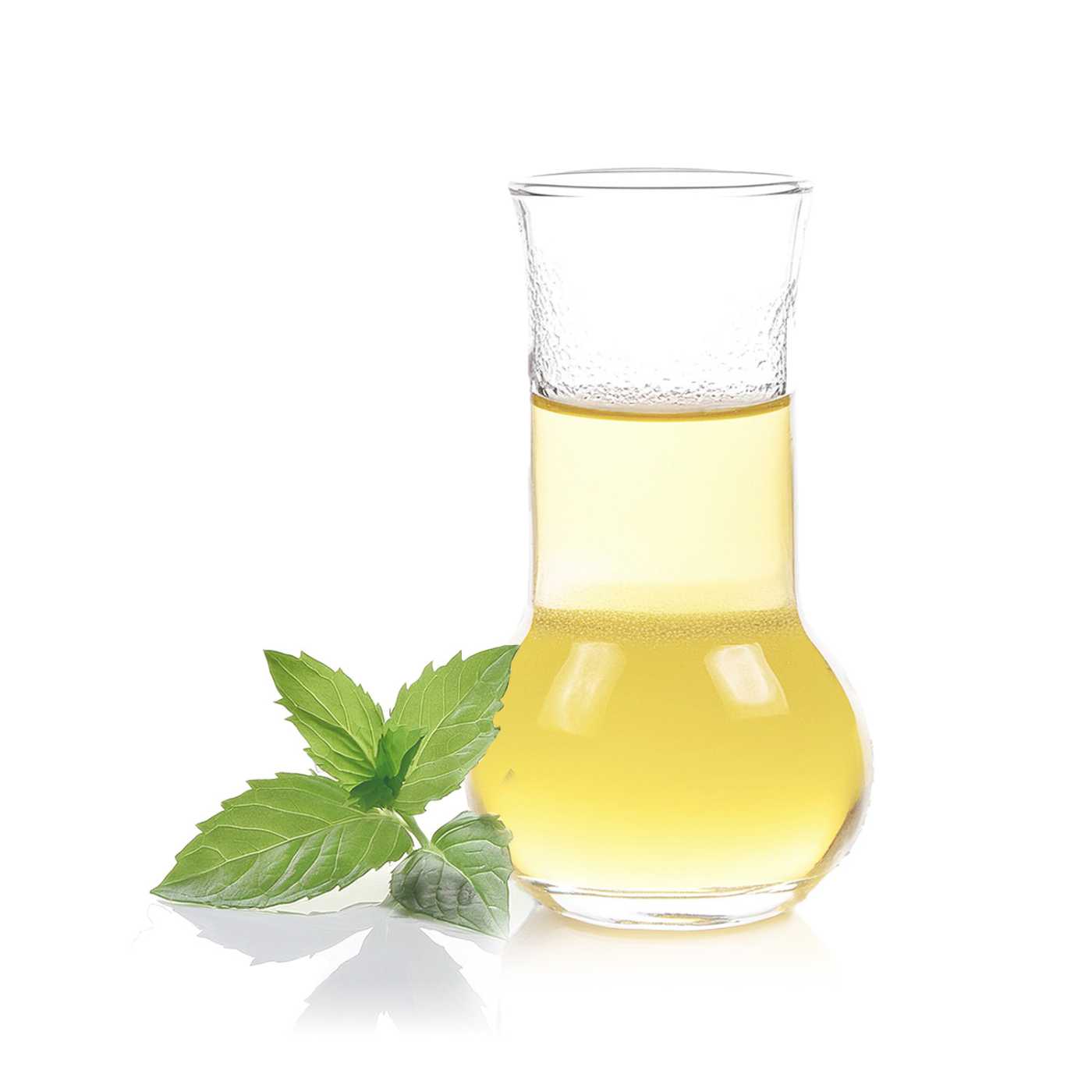
Spearmint (Mentha Spicata) Essential Oil, 10 ml

Pack size10 ml100 ml500 ml1 l

Spearmint essential oil gives cosmetics, candles and diffuser blends a fresh, herbal-minty fragrance . On the skin and scalp it leaves a cooling, refreshing feel . full description

AvailabilityIn stock · 59 packs
Product codeEON054_10
Batch22393
Best before12/2028
€2.09incl. VAT€209.00/l

Lowest price in the last 30 days: €2.09

Product description

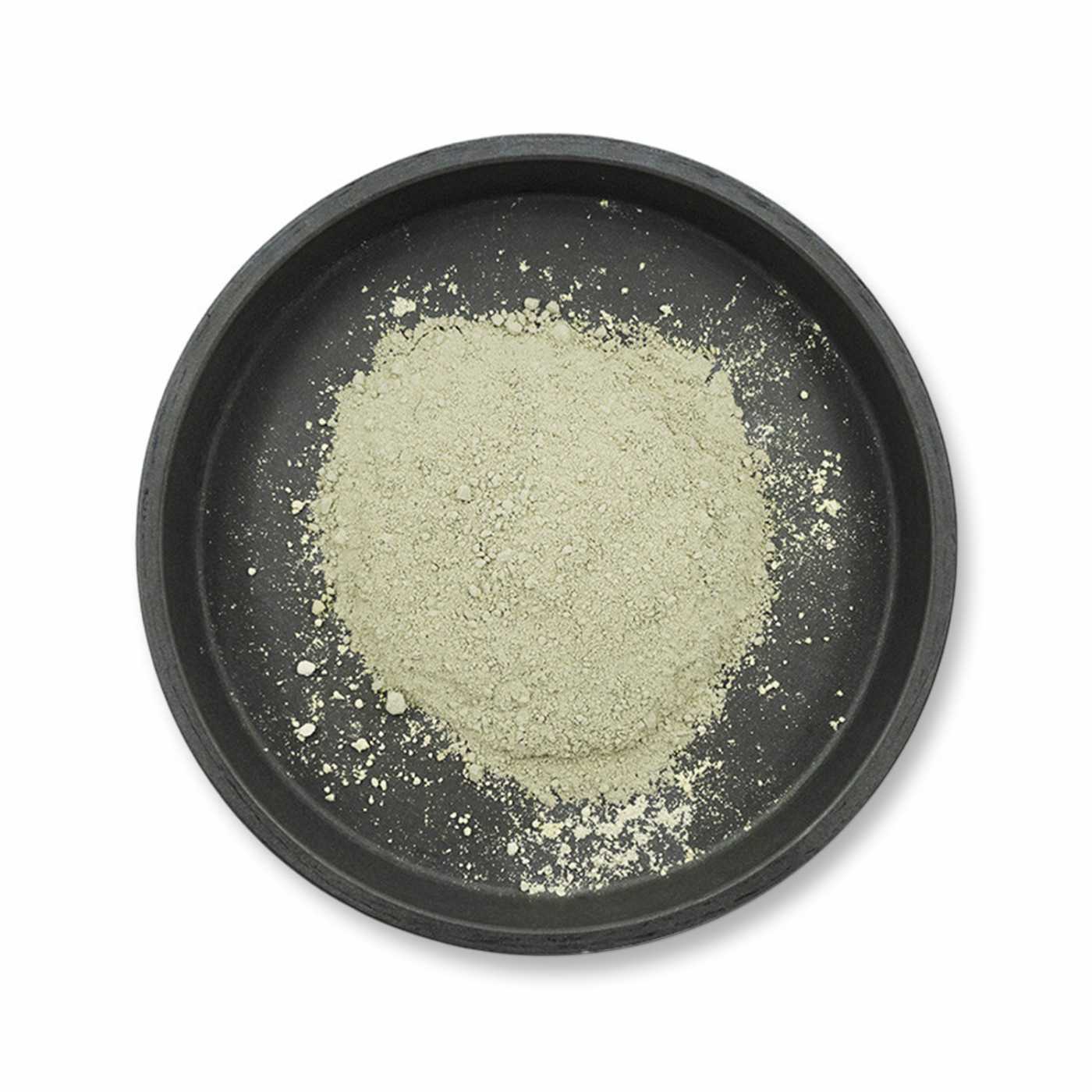
Spearmint essential oil gives cosmetics, candles and diffuser blends a fresh, herbal-minty fragrance. On the skin and scalp it leaves a cooling, refreshing feel. It is used mainly in hair and body mists, hair oils, cleansing products and perfumes.

It is obtained by steam distillation of the aerial parts of Mentha spicata of Asian origin. The bottle contains 100% pure oil without a carrier.


Fragrance and difference from peppermint

The fragrance is determined by carvone. The oil usually contains 40–80% of it, accompanied by limonene at roughly 5–15%. Most people know this fragrance from mint chewing gum and toothpaste.

Peppermint smells different. It is dominated by menthol, which is sharper and distinctly cooling, whereas spearmint is sweeter and milder. In formulations the two mints are often combined. Together they give a strong cooling and refreshing effect, for example in cleansing and shaving products with glucoside surfactants.

The proportion of components varies with origin and batch. Both the fragrance and the colour, from colourless to greenish yellow, may differ slightly between batches, and this is not a defect.


What it does in a product

  • Fragrancing – a fragrance component with a fresh, herbal and minty character, used on its own or blended with other essential oils.
  • Cooling and refreshing sensation – noticeable on the skin of the body and scalp, for example in mists, hair oils and shaving products.
  • Deodorising – the fresh minty scent is used in body mists and washing products intended to refresh the skin.
  • Antimicrobial properties – spearmint oil has them, but the effect of the finished product depends on the whole formulation. The oil does not replace a preservative.

Use in a formulation

The oil is insoluble in water; it dissolves in oil and in alcohol. It is mixed directly into oil blends. It is compatible with non-ionic surfactants and neutral pH.

For toners, mists and other water-based products, first bind the oil to a solubiliser or dissolve it in alcohol. Without this it floats on the surface.

It is added cold, below 40 °C, preferably only at the end of production. The flash point is 63 °C. The oil is not heated or added to the hot phase, because the fragrance is lost this way. In candles it is stirred into wax that is no longer too hot.

The usage rate depends on the type of product. In leave-on products 0.5–2% is used, in rinse-off products at most 3–4%. The upper limit for a specific product is set by the IFRA limit for its category. For lip products, deodorants and products for children we recommend proceeding with particular caution.


Suitable for products such as

  • body and hair mists
  • hair oils and scalp products
  • shampoos, shower gels and shaving products with non-ionic surfactants
  • body oils, lotions and creams
  • perfumes and fragrance blends
  • diffuser blends and aromatherapy
  • candles of all types, including container candles, in an amount up to the IFRA limit for category 12

Good to know

The oil contains allergens. Carvone is a contact allergen. Allergies have been described in users of mint toothpastes and chewing gum. Cross-reactions with sesquiterpene lactones are also known, for example in people allergic to plants of the daisy family. Limonene oxidises in air to hydroperoxides, which are potent contact allergens. Its peroxide value must be below 20 mmol/l.

The oil is not used undiluted on the skin. We recommend testing the finished product on a small area of skin. Do not use old, oxidised oil on the skin.

The labelling of allergens has its own rules. Both spearmint oil and carvone are fragrance allergens under Regulation (EU) 2023/1545. They must be listed on the ingredient list when their content exceeds 0.001% in leave-on products and 0.01% in rinse-off products. The transitional deadlines are 31 July 2026 and 31 July 2028.

The raw material is subject to the CLP Regulation. It contains one or more components classified as carcinogenic, mutagenic or toxic for reproduction (CMR). Details of the classification and safe handling are in the safety data sheet. The oil is flammable; work with it away from flames and in a ventilated room.

The oil should not come into contact with strong acids, alkalis, oxidising agents or extreme heat. It does not react with water.

The raw material is of plant origin, is Vegan certified and has not been tested on animals.


Frequently asked questions

Is spearmint essential oil soluble in water?
No, spearmint essential oil is not soluble in water. It dissolves in vegetable oils and in alcohol. For toners, mists and other water-based products it is first bound to a solubiliser or dissolved in alcohol, otherwise it stays floating on the surface. It is mixed directly into oil blends.
What is the difference between spearmint and peppermint?
Spearmint smells sweeter and milder than peppermint. The main component of its oil is carvone, known from mint chewing gum, whereas peppermint is dominated by sharper and distinctly cooling menthol. The two oils are often combined. Together they give a strong cooling and refreshing effect, for example in cleansing and shaving products.
What is the usage rate of spearmint essential oil in cosmetics?
In leave-on products spearmint essential oil is used at 0.5–2%, in rinse-off products at most 3–4%. The maximum for a specific product is set by the IFRA limit for the relevant category. For lip products, deodorants and products for children, extra caution is appropriate.
Can spearmint essential oil be used in candles?
Yes, spearmint essential oil can be used in candles of all types, including container candles, in an amount up to the IFRA limit for category 12. The flash point of the oil is 63 °C. It is stirred into wax that is no longer too hot, so that the fragrance is not lost.
Is spearmint essential oil suitable for sensitive skin?
Spearmint essential oil requires caution on sensitive skin, because it contains the allergens carvone and limonene. It is always used diluted, and we recommend testing the finished product on a small area of skin. People allergic to plants of the daisy family, for whom cross-reactions have been described, should also be careful.

Parameters

INCI
Mentha Spicata Herb Oil
CAS No.
84696-51-5
EC number
283-656-2
Country of origin
IndiaAsia
Product colour
ColourlessGreenYellow
Processing method
Steam distillation
Appearance
Liquid
Function in formulation
Fragrance component
Recommended processing temperature
< 40 °C
Application area
FaceHairScalpBody
Application type
Leave-onRinse-off
Certifications
Vegan
Manufacturer's certificate
BRC
Natural Index (NI ISO 16128)
1,00
Natural Origin Index (NOI ISO 16128)
1,00
Renewable Carbon Content (RCC)
100 %
Volume
10 ml

Product documentation

CoACertificate of Analysis
batch 22393APDF ↓
batch 22393PDF ↓
TDSTechnical Data Sheet
Physical parameters and processingPDF ↓
SDSSafety Data Sheet
Available for purchased products —
Download all (ZIP)

3 PDF files in one archive

MICHAELA K.30 Sept 2026CS

Verified purchase

Variant: Esenciálny olej, Mäta klasnatá (Spearmint), 100 ml