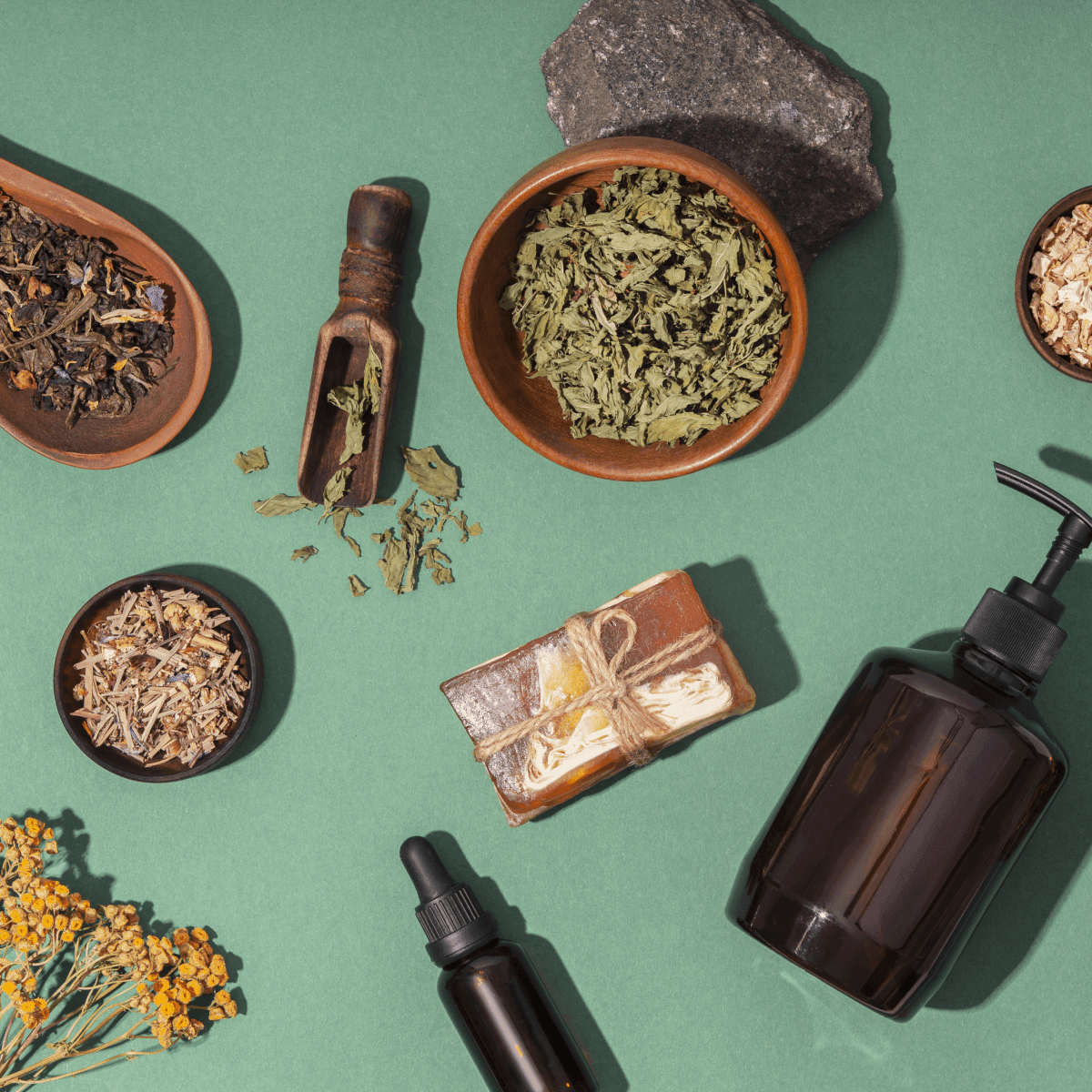
A spring skincare routine is an opportunity to revive your skin after winter. Winter is a demanding period for our skin — low temperatures, dry indoor air and a lack of sunlight can leave it dehydrated, dull and more sensitive. With the arrival of spring, however, we get an opportunity for regeneration and renewal, to restore the skin’s freshness, elasticity and healthy glow.
About this article
This article looks at skincare after the winter months. We go through why a spring routine matters, which basic steps it should include — gentle cleansing, exfoliation, intensive hydration, nourishment and sun protection — and which ingredients suit each step if you make your own cosmetics.

Why a spring routine matters
- The weather and the skin’s needs are changing
The cold months required richer creams and more intensive protection against dryness, but with the arrival of warmer days the skin needs lighter hydration and increased protection against UV radiation.
- Detox and regeneration
After winter, the skin can be burdened with impurities and dead cells, so it is important to focus on gentle exfoliation and nourishment.
- Protection against pigmentation and premature ageing
In spring the intensity of the sun increases — if we want to prevent pigment spots and wrinkles, daily use of SPF is essential.
- Hydration as the key to healthy skin
If the skin suffers water loss after winter, it may be more sensitive, more prone to irritation and loss of elasticity. The spring routine is the ideal way to replenish the necessary nutrients.
The spring routine at a glance
Spring skincare routine — basic steps
Spring skincare does not have to be complicated, but it should include the basic steps: gentle cleansing, exfoliation, intensive hydration, nourishment and sun protection.
- Gentle spring detox: deep cleansing of the skin
After winter, it is important to rid the skin of accumulated impurities and dead cells, while at the same time not exposing it to excessive drying. Ideally, use gentle cleansing gels or oils that respect the skin’s natural barrier.
- Brightening peel — removal of dead cells
To restore the skin’s radiance, a gentle peel is ideal, helping to remove dry flakes and support regeneration.
- Hydration and nourishment — awakening the skin for the new season
Spring calls for lighter hydrating products that do not overburden the skin but provide the necessary nutrients. A great choice is, for example, a hydrating serum with hyaluronic acid.
- Sun protection — an essential step in the spring routine
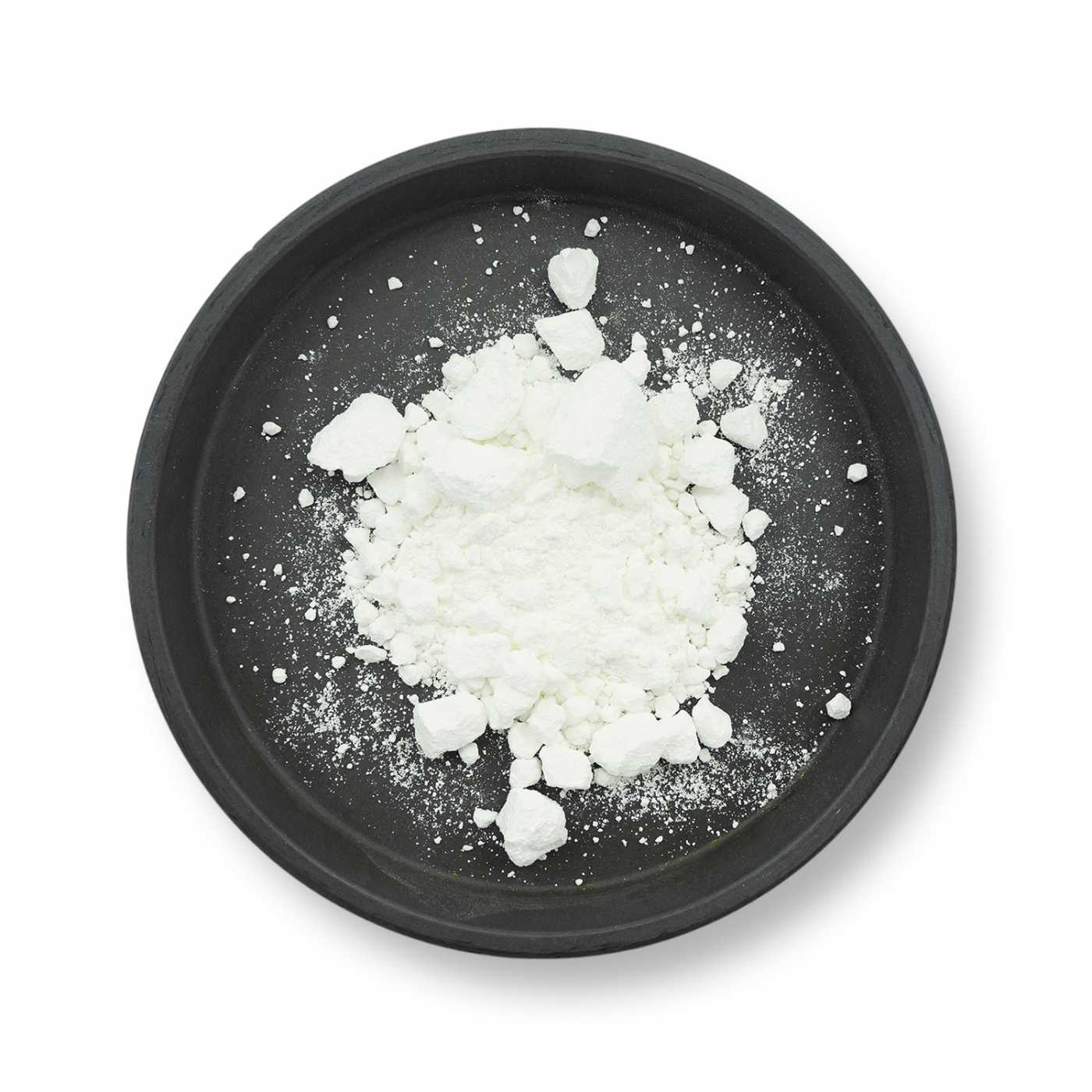
With increasing sunlight, SPF is absolutely essential. If you make your own cosmetics, look for mineral UV filters, such as zinc oxide, which protect the skin without unnecessary chemicals.
Suitable ingredients for a spring routine
Below you will find suitable ingredients for each step of the spring routine — from cleansing through to sun protection.
For gentle cleansing
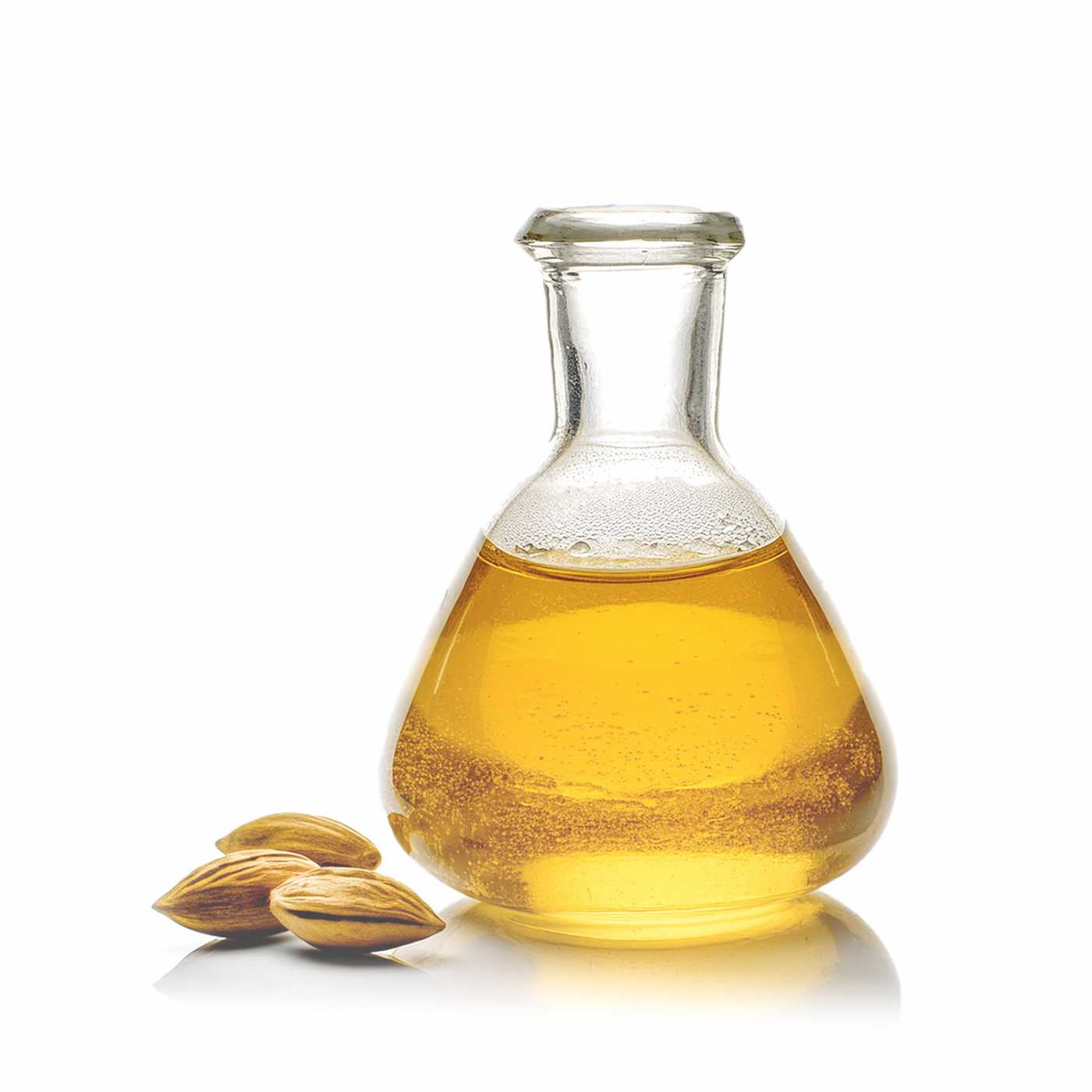
Almond oil gently dissolves impurities and hydrates, castor oil supports thorough pore cleansing and tea tree essential oil has an antibacterial effect against skin imperfections.
If you blend your own cleanser, FLUIDIFEEL EASY, cold process emulsifier O/W is suitable for formulating light and gentle emulsions, and Polyglyceryl-4-oleate is an excellent emulsifier for producing natural cleansing oils or balms.
For a brightening peel
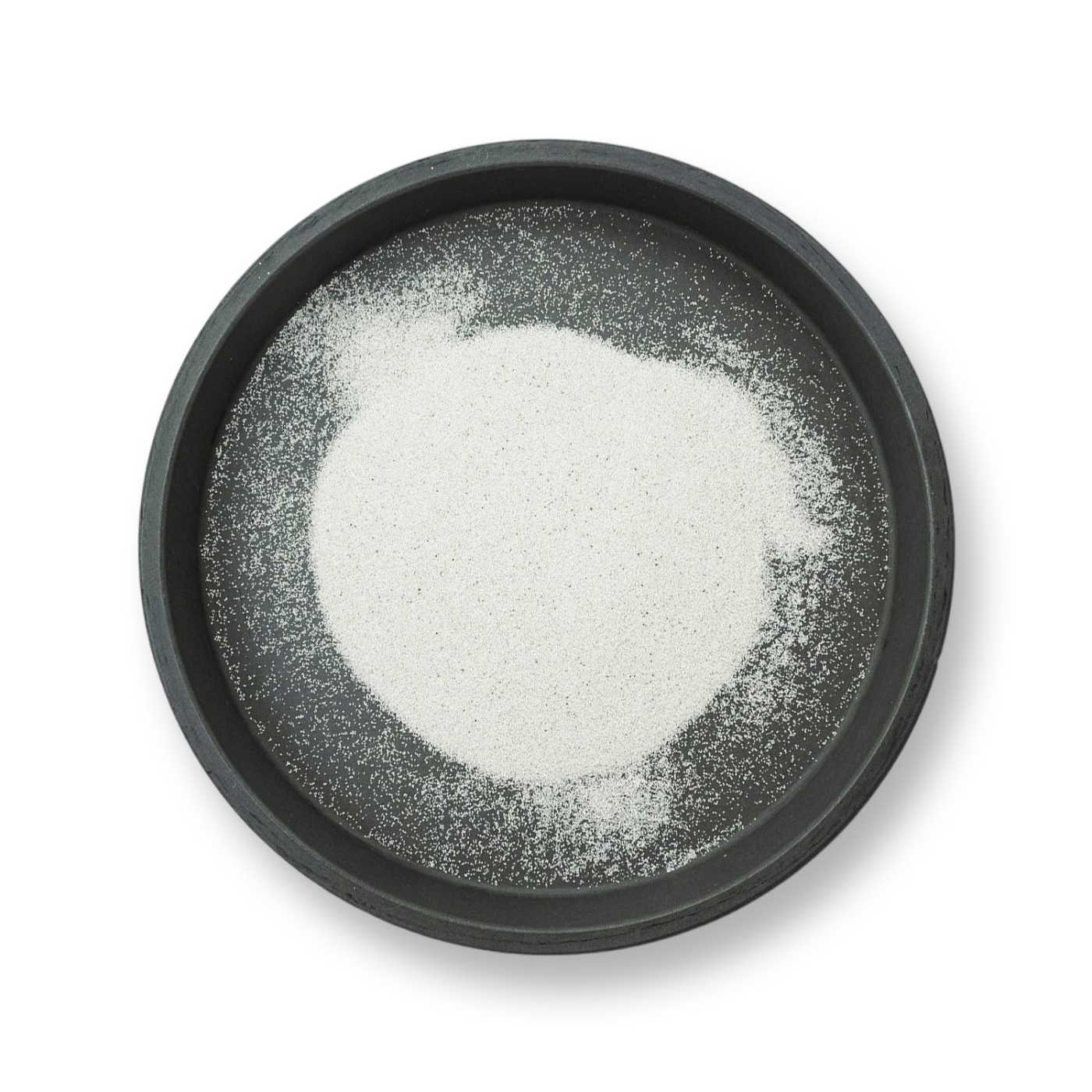
Ground pumice powder for peeling gently exfoliates the skin and removes dead cells. Cosmetic clay, yellow, illite gently tones the skin, eliminates excess sebum and tightens pores, and rose water, hydrolate hydrates, refreshes and tones the skin.
For hydration and nourishment
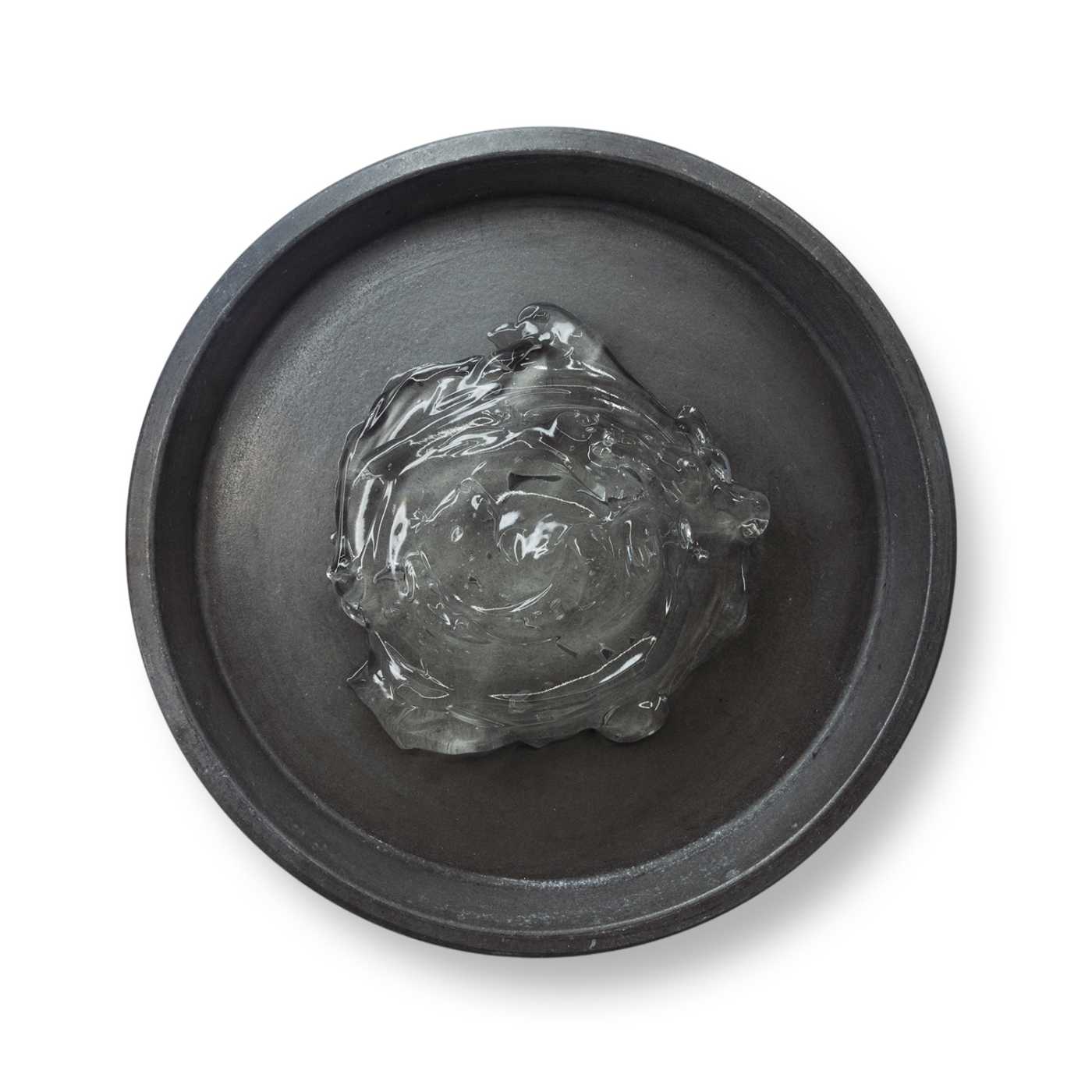
Hyaluronic acid provides intensive hydration of the skin, aloe vera gel soothes and softens the skin and rosehip oil regenerates and brightens.
For sun protection
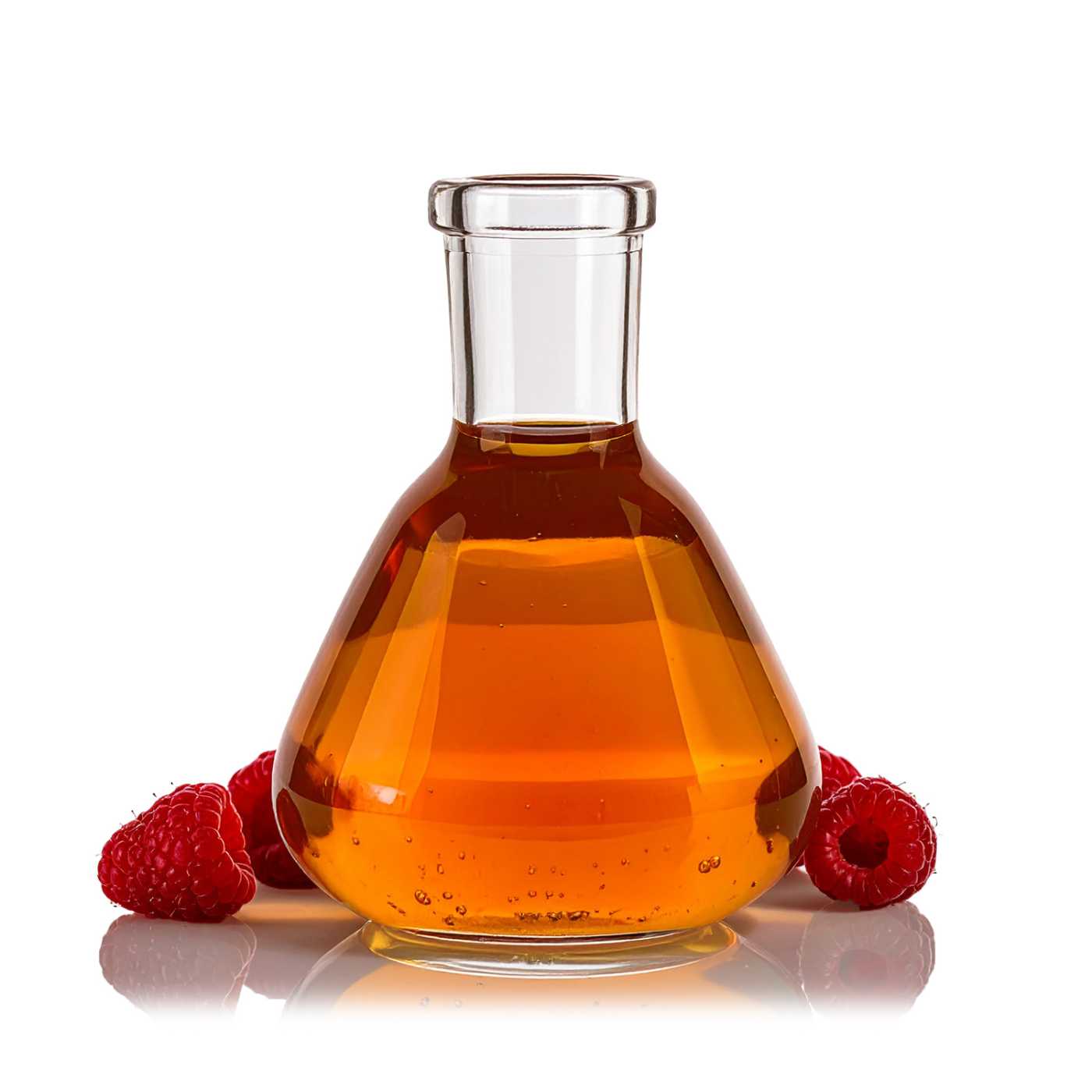
Raspberry seed oil serves as natural SPF protection, carrot oil is an antioxidant with protection against UV radiation and shea butter hydrates and nourishes. Zinc oxide provides high protection against UV radiation.
Don’t skip SPF: in spring the intensity of the sun increases — if you want to prevent pigment spots and wrinkles, daily use of SPF is essential.
Frequently asked questions about the spring routine
Practical questions about spring skincare — why it matters, which steps to include and which ingredients suit them.
Why does a spring skincare routine matter?
The weather and the skin’s needs are changing. The cold months required richer creams and more intensive protection against dryness, but with the arrival of warmer days the skin needs lighter hydration and increased protection against UV radiation.
Which steps should a spring routine include?
It does not have to be complicated, but it should include gentle cleansing, exfoliation, intensive hydration, nourishment and sun protection.
What should you cleanse your skin with after winter?
After winter, the skin needs to be rid of accumulated impurities and dead cells, without being exposed to excessive drying. Ideally, use gentle cleansing gels or oils that respect the skin’s natural barrier — almond or castor oil, for example.
Why exfoliate after winter?
After winter, the skin can be burdened with impurities and dead cells. To restore the skin’s radiance, a gentle peel is ideal, helping to remove dry flakes and support regeneration.
Which ingredients hydrate and nourish the skin in spring?
Spring calls for lighter hydrating products that do not overburden the skin. A great choice is a hydrating serum with hyaluronic acid; aloe vera gel also soothes and softens, and rosehip oil regenerates and brightens.
Which SPF should you use in homemade cosmetics?
If you make your own cosmetics, look for mineral UV filters, such as zinc oxide, which protect the skin without unnecessary chemicals. Raspberry seed oil also offers natural SPF protection, and carrot oil is an antioxidant with protection against UV radiation.
Spring is the ideal time for a new beginning
Natural spring skincare will help you get rid of winter fatigue and give your skin a healthy glow. Try incorporating these simple steps into your routine and your skin will thank you.
You will find the almond and castor oil, pumice powder, hyaluronic acid, aloe vera gel and zinc oxide from this article in the Handymade ingredients range.