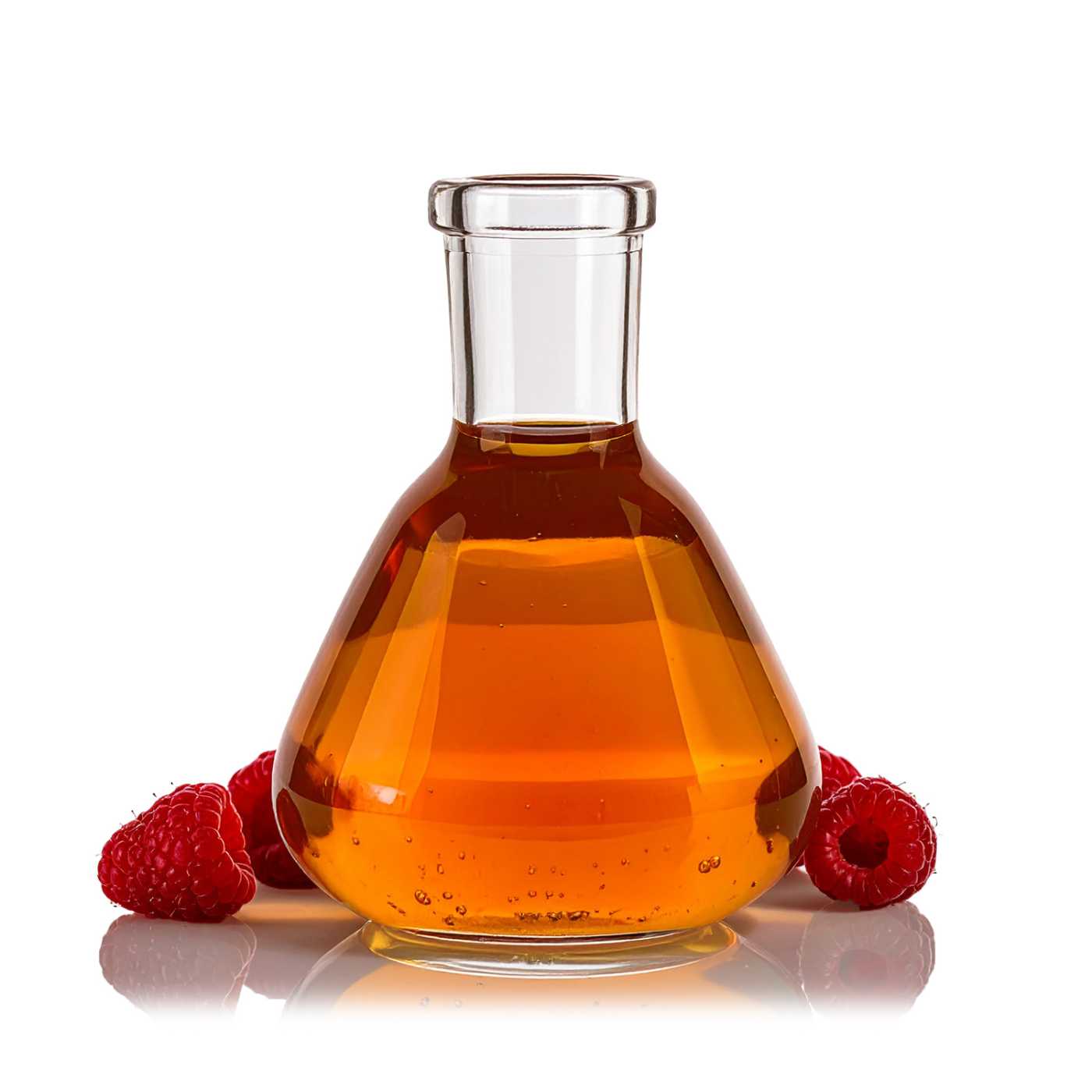
Raspberry seed oil is among the lighter vegetable oils with a high proportion of linoleic and linolenic acid. In a formulation it works as an emollient: it softens the skin, limits moisture loss, and according to the manufacturer's data it absorbs without leaving a noticeable greasy film. It is obtained by cold-pressing raspberry (Rubus idaeus) seeds, without heat or solvents, and remains unrefined. This raw material of European origin is suitable for all skin types, including sensitive skin.
What it brings to the formulation
- Skin softening and protection – as an emollient it forms a light film on the skin surface that limits water evaporation. The manufacturer recommends it particularly for dry, rough and cracked skin on the hands, feet and body.
- Antioxidant protection – according to the manufacturer's data it contains antioxidants that help protect the skin from environmental influences. It is therefore used in facial oils and serums targeting signs of ageing and skin elasticity.
- Soothing irritated skin – the manufacturer states an anti-inflammatory effect within the scope of cosmetic care: reduction of redness and a feeling of relief.
- Hair and scalp care – in hair oils, serums and masks it hydrates, softens and smooths the hair and nourishes the scalp.
According to the manufacturer's specification, linoleic acid accounts for 40 – 60 %, linolenic acid for 20 – 40 % and oleic acid for 10 – 25 % of the fatty acid profile. Saturated acids are less represented: palmitic up to 7 % and stearic up to 4 %. Exact values vary between batches.
Use in formulation
It is added to the oil phase. It is insoluble in water and mixes freely with vegetable oils, butters and waxes. The dosage range is wide, from 1 % to 100 %. In an emulsion it is typically one of several components of the oil phase; in anhydrous products it can form the entire oil base or be used on its own as a facial oil.
The recommended processing temperature is below 40 °C. In emulsions prepared hot, it is therefore not heated together with the oil phase but added during cooling with constant stirring. In cold-process formulations (oils, serums, oil blends) it is simply mixed with the other ingredients.
If the formulation requires heating the oil phase above 40 °C, use a different oil for that part and stir in the raspberry seed oil only after the emulsion has cooled.
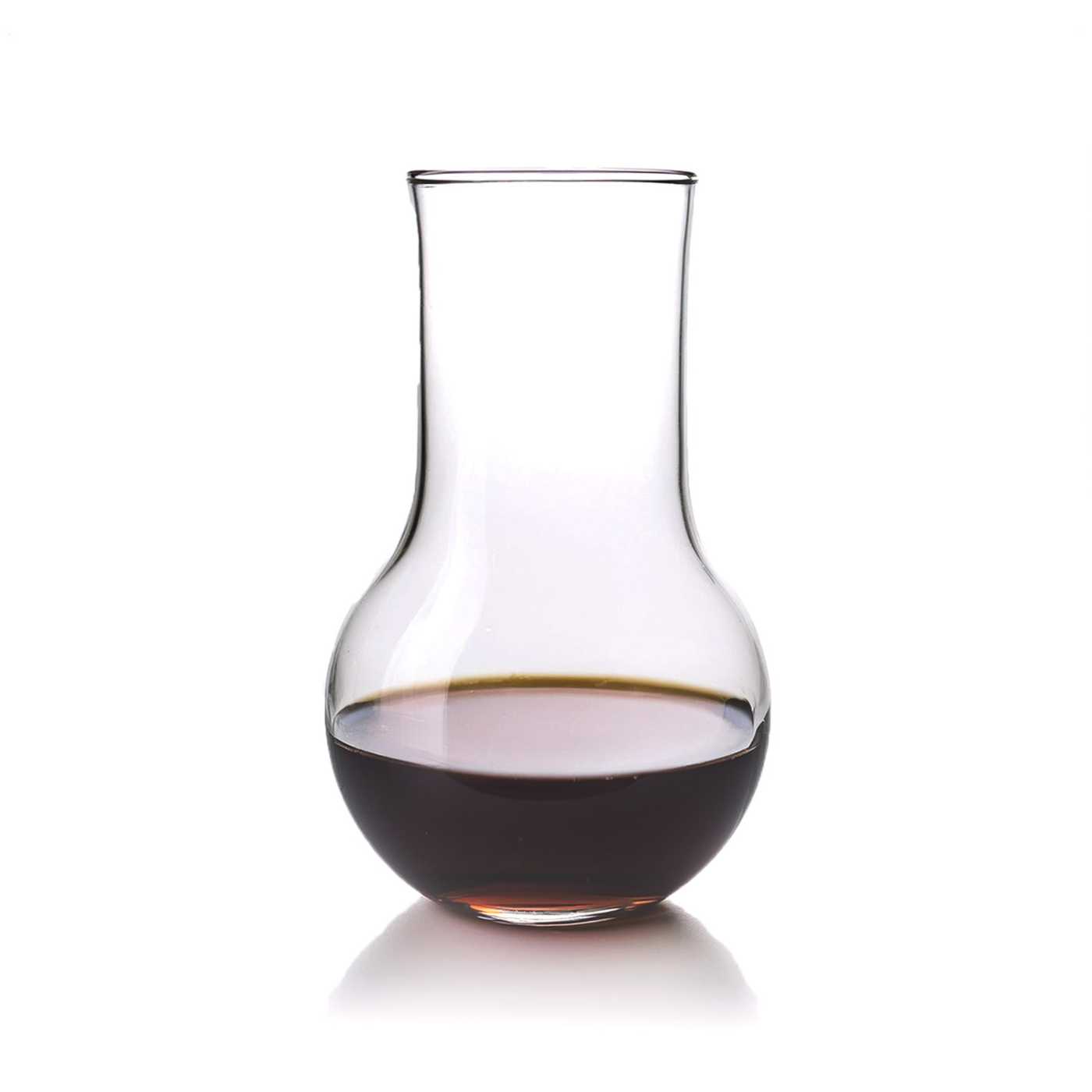
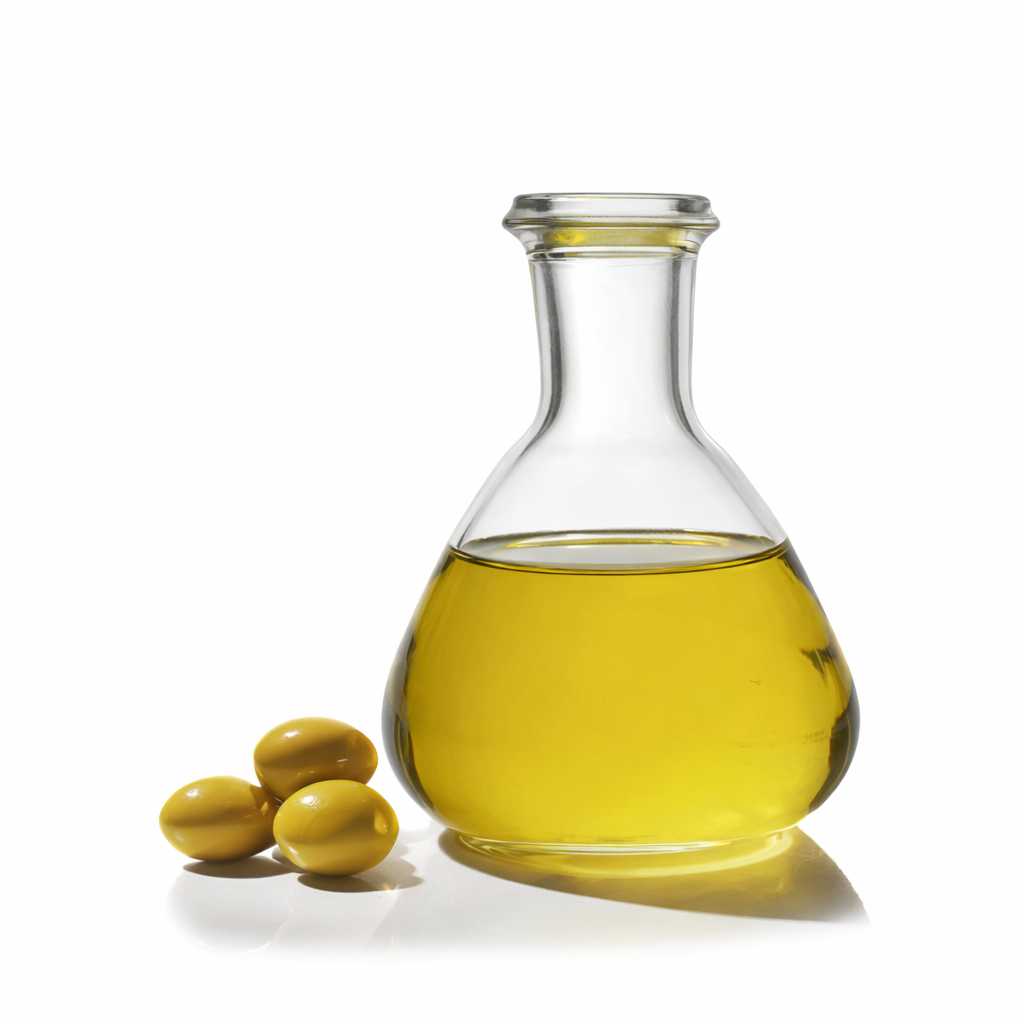
The oil has a golden-yellow to brown colour and an earthy, fruity scent. In light creams and lotions it can shift the shade towards yellow at higher dosages, and in unscented products its scent is noticeable. Factor this in when designing formulations with clear oils and serums.
Suitable for products such as
- facial oils and serums, where it acts as the main or supplementary emollient,
- moisturising face and body creams and lotions (in the oil phase of an emulsion),
- hand and foot creams for dry and cracked skin,
- hair oils, serums and masks, scalp treatment,
- balms and anhydrous preparations with oils and butters.
It is intended for leave-on products, i.e. those that remain on the skin or hair.
Good to know
The oil is cold-pressed and unrefined. The raw material meets cosmetic, pharmaceutical and food-grade quality standards and carries Kosher certification.
A dosage of 1 – 100 % means the oil is suitable both as a standalone facial oil and as a component of the oil phase in an emulsion. When used neat, apply a small amount.
Frequently asked questions
Is raspberry seed oil suitable for sensitive skin?
Yes, raspberry seed oil is suitable for all skin types, including sensitive skin. It contains no fragrance allergens, preservatives or palm oil derivatives and is not classified as hazardous. The manufacturer states a soothing effect on irritated skin with reduction of redness. It is used in leave-on products that remain on the skin.
Can raspberry seed oil be used neat, without dilution?
Yes, a dosage of 1 – 100 % allows it to be used neat as a facial or hair oil. Apply a small amount to the skin or along the hair lengths. In a blend with other vegetable oils it also works as a component of an oil serum, where its share is chosen according to the desired texture and colour of the final product.
How is raspberry seed oil added to a cream?
It is added in the oil phase, but during hot-process manufacturing only after the emulsion has cooled below 40 °C. Heating above this temperature is not recommended by the manufacturer. In cold-process emulsions it is mixed with the other oils at the very beginning. The proportion in the oil phase is chosen according to the desired texture; at higher dosages, expect a more yellow tint in the finished cream.
Does raspberry seed oil replace sunscreen?
No. The manufacturer does not assign it any sun protection factor; in a formulation it serves as an emollient and source of antioxidants which, according to its data, help protect the skin from environmental influences. Protection against the sun is provided only by preparations containing approved UV filters; raspberry seed oil does not replace them.
Is raspberry seed oil suitable for hair care products?
Yes, the manufacturer recommends it for hair oils, serums and masks as well as for scalp treatment. According to its data, it hydrates, softens and smooths the hair and nourishes the scalp. It is insoluble in water, so it is suitable for leave-on products that remain in the hair, and the dosage is chosen according to the desired level of richness.
Why does raspberry seed oil look slightly different in colour with each purchase?
The oil is cold-pressed and unrefined, so its colour varies by batch from golden yellow through dark yellow to brown. The manufacturer lists this entire range in its specification, meaning a different shade is not a deviation from the norm. When formulating light or clear products, account for a slight tint from the start.