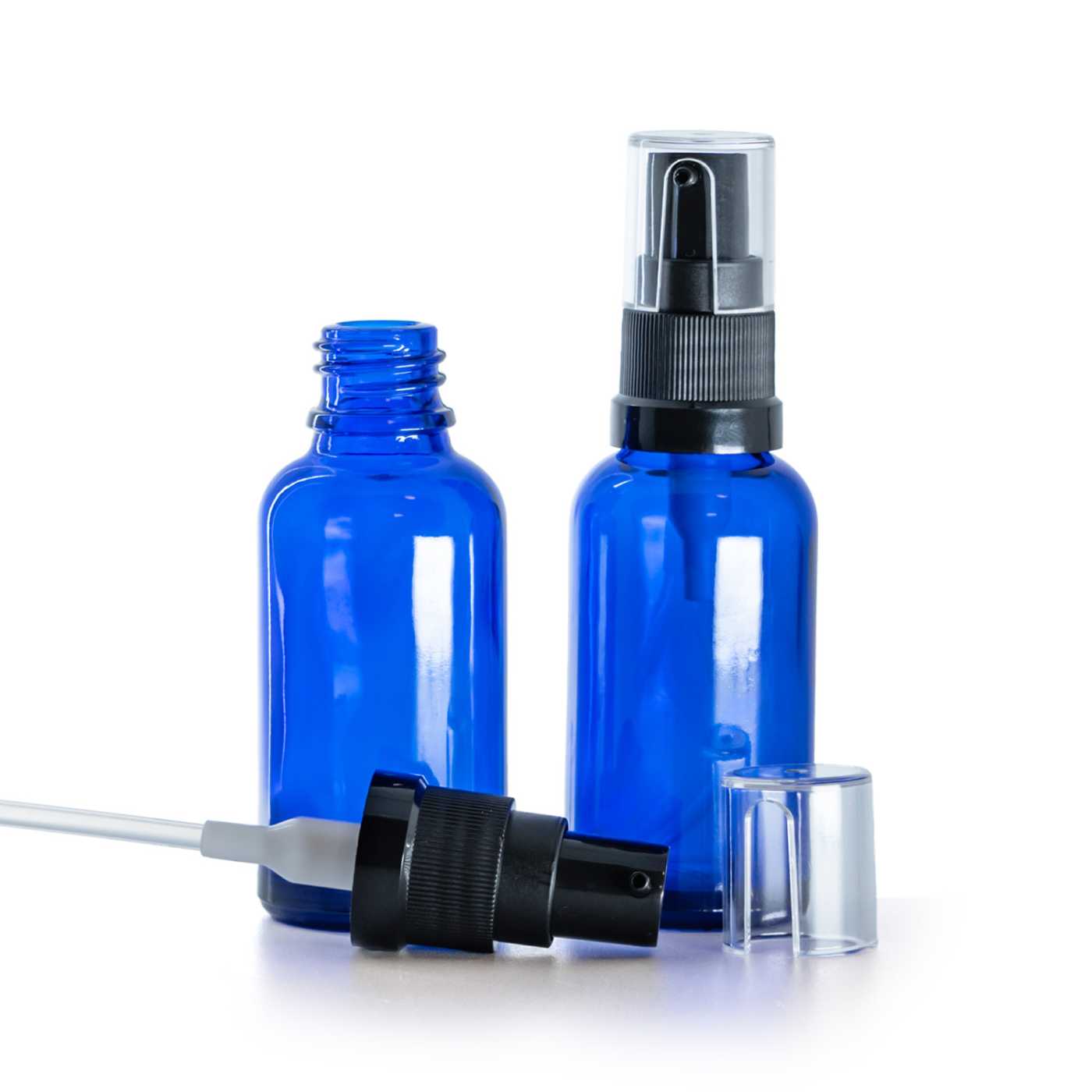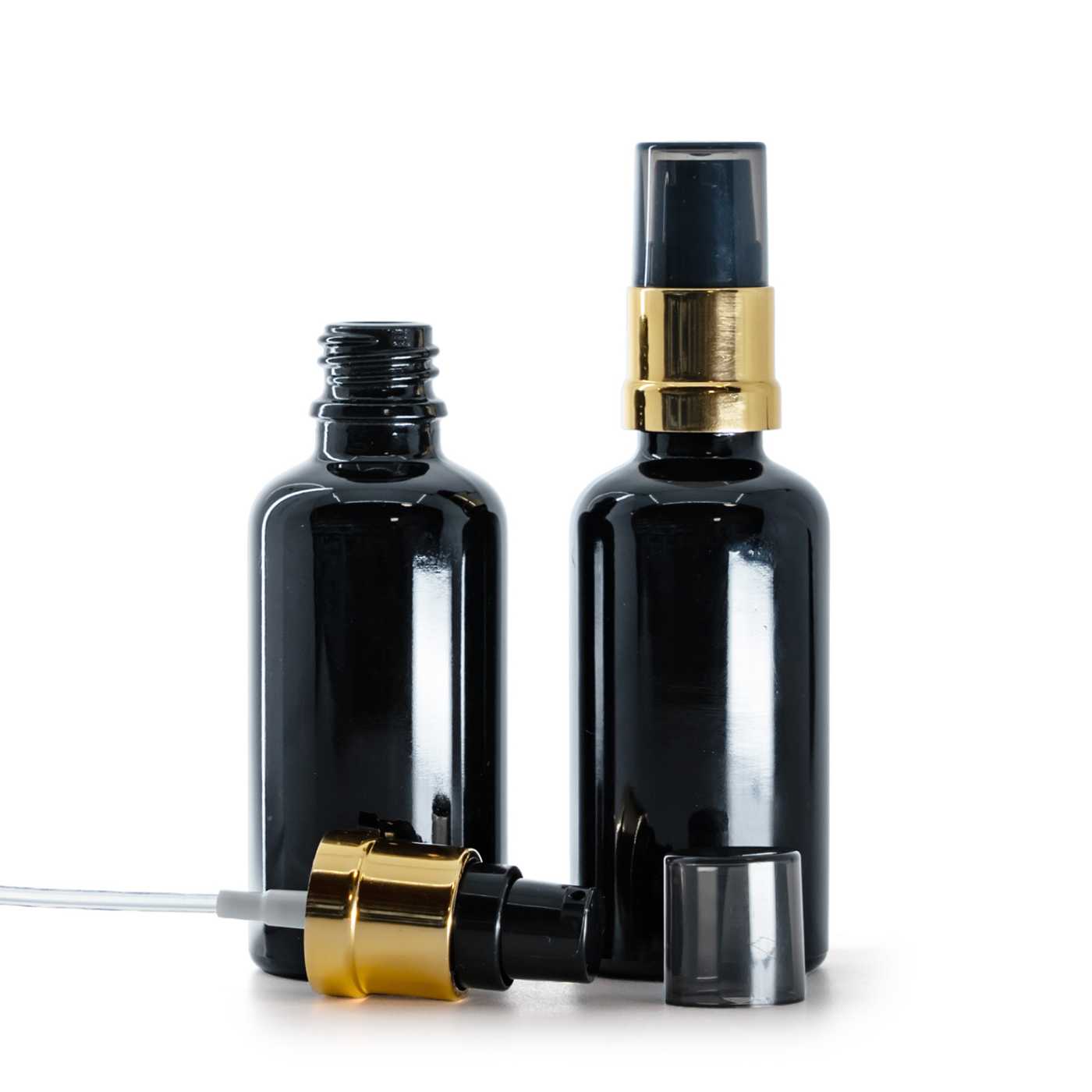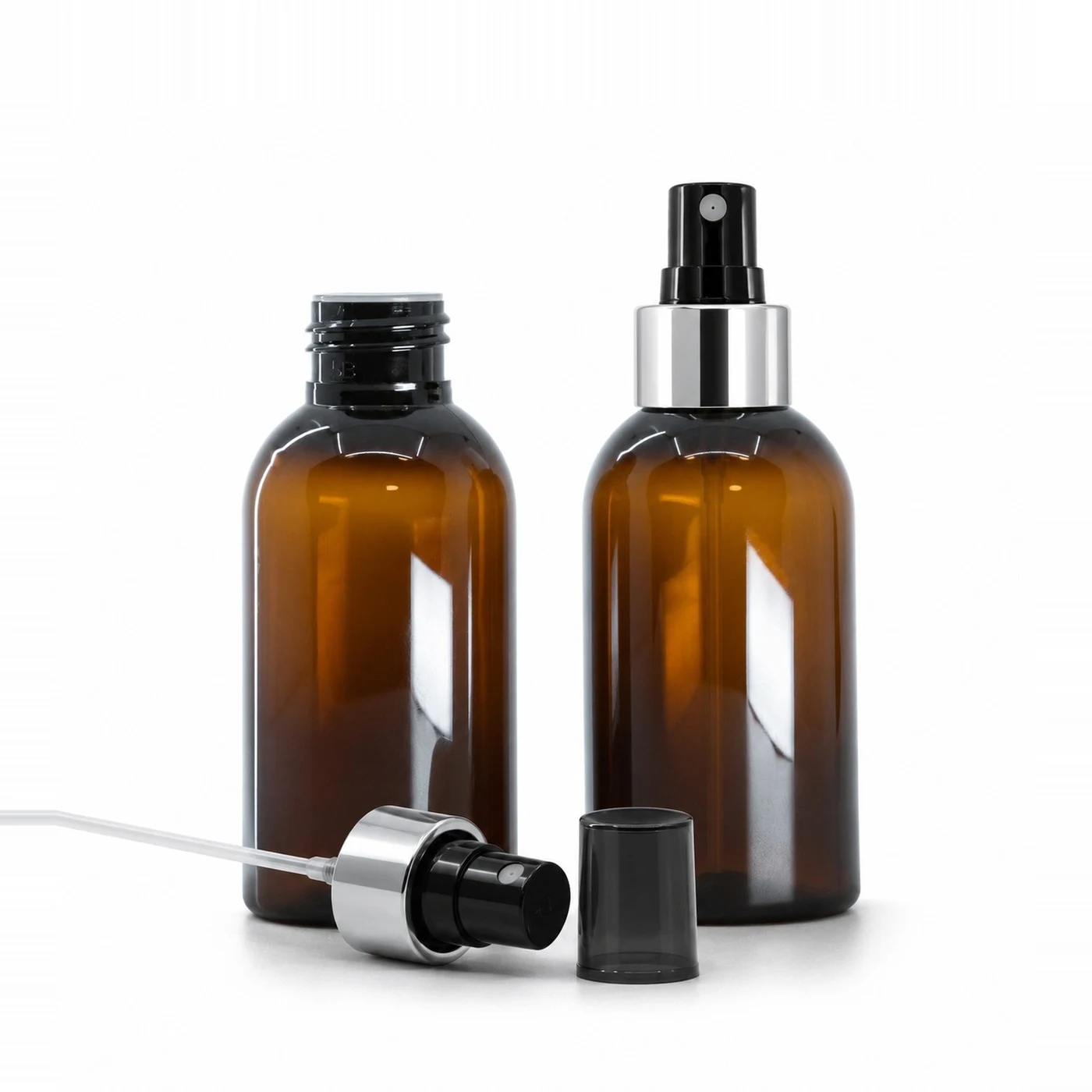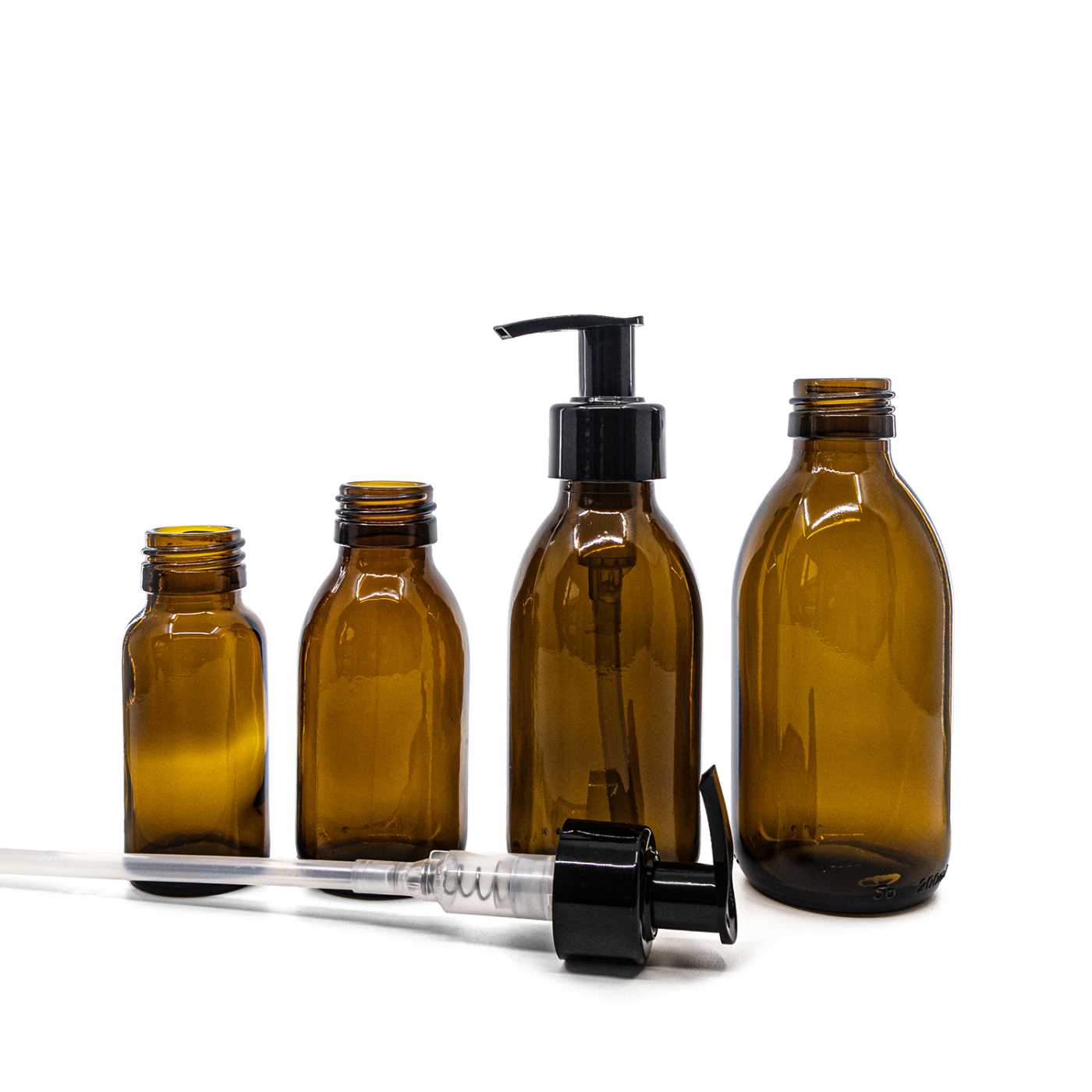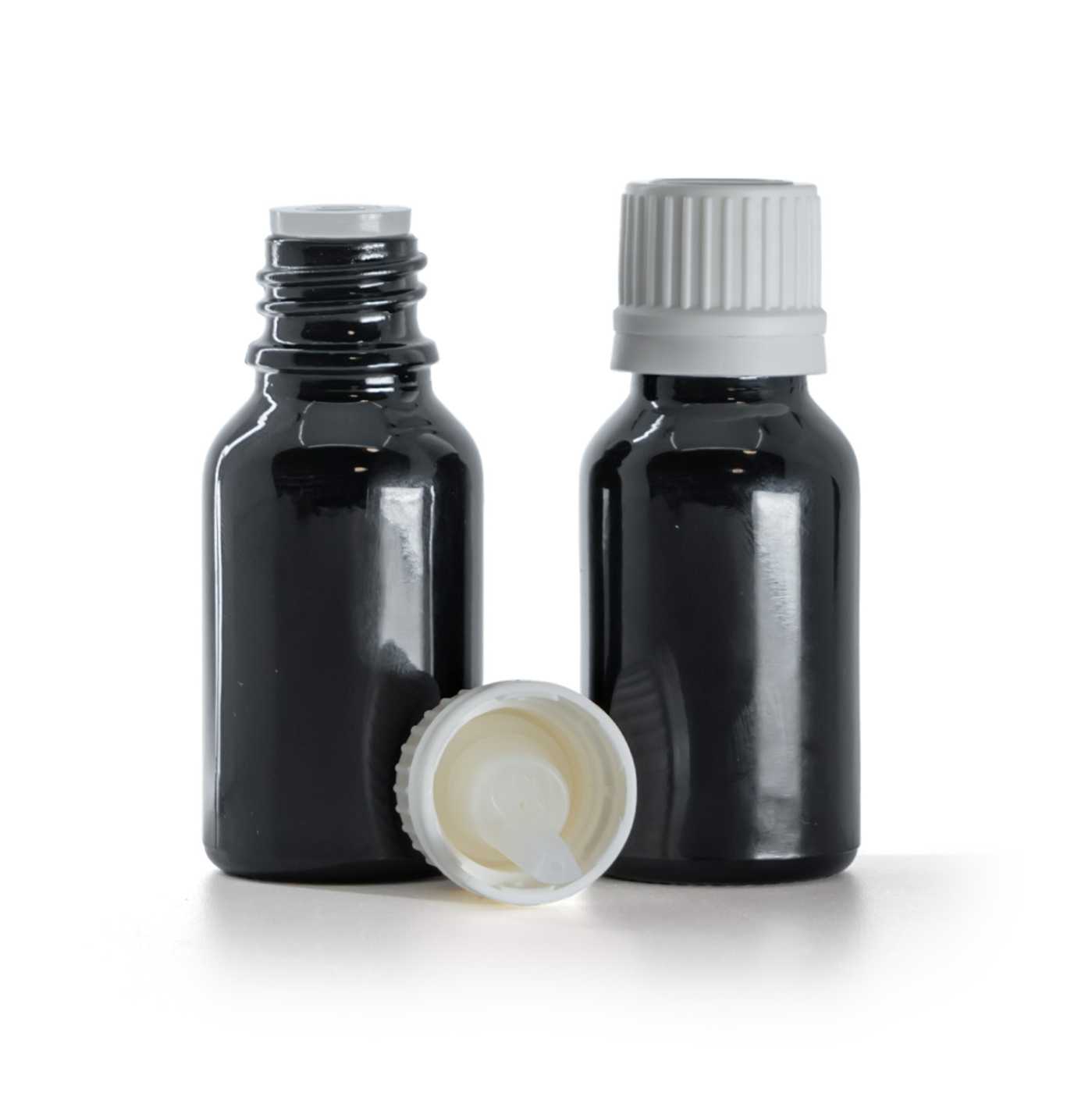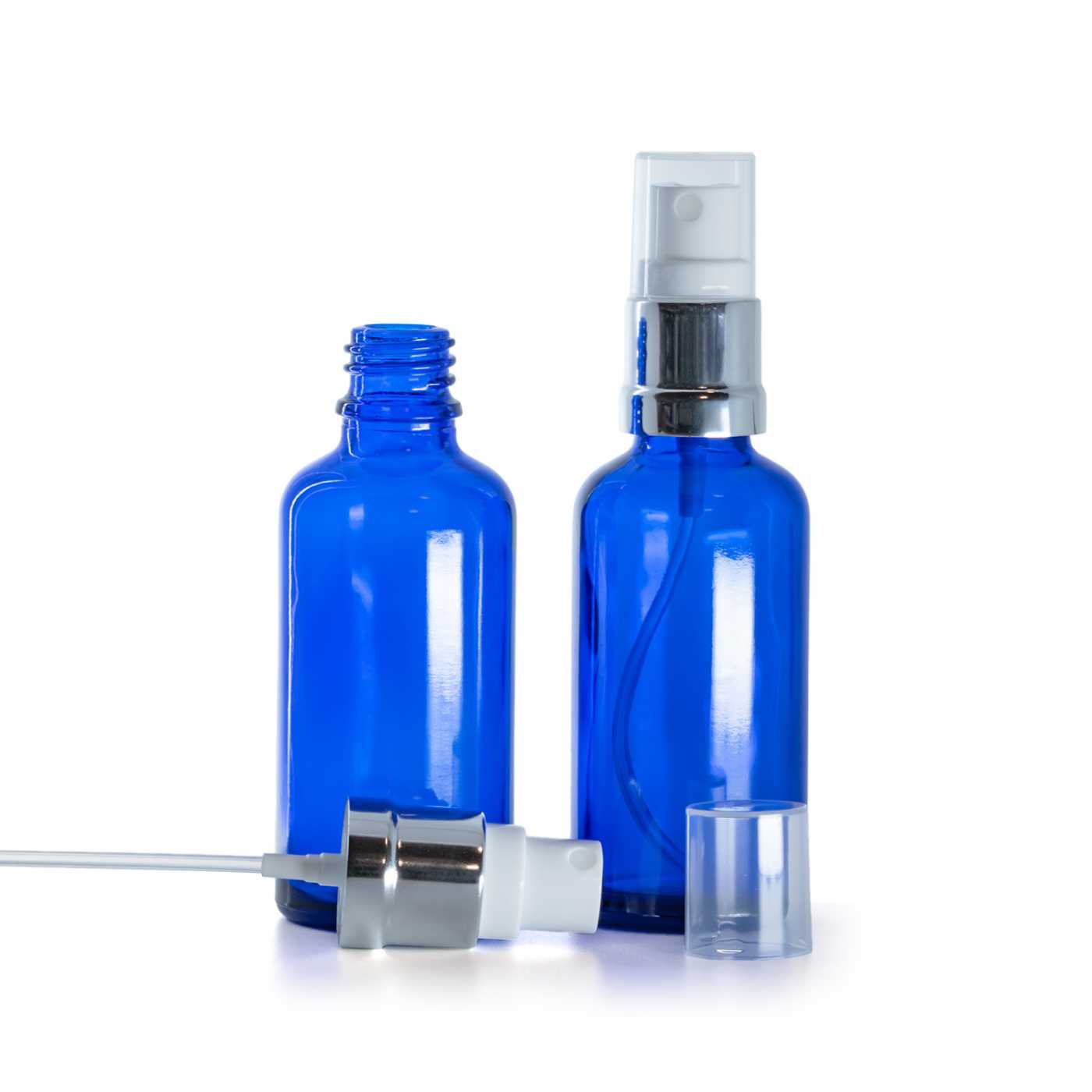



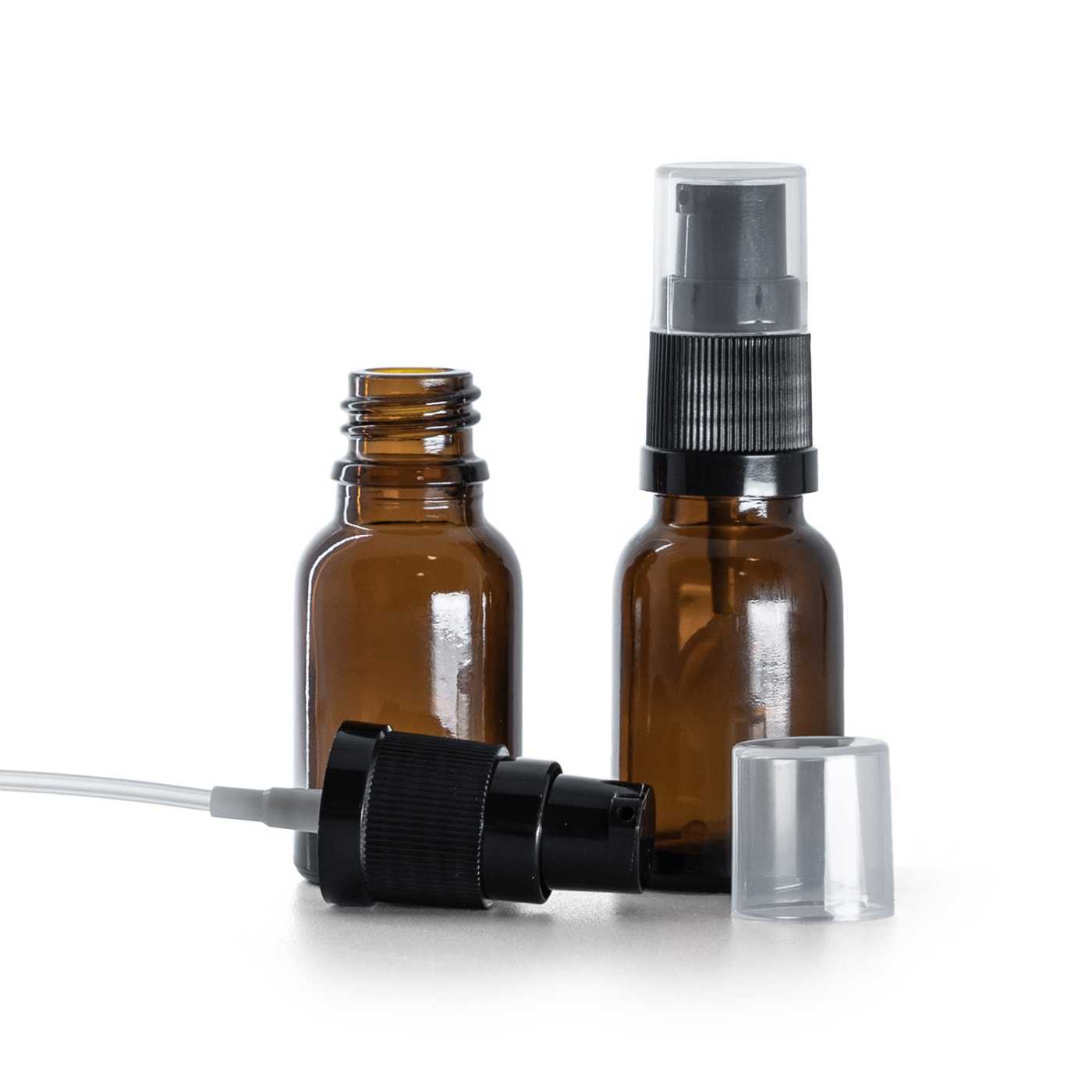
Amber Glass Bottle, Lotion Pump, 15 ml
Pre-order€0.75

Cold pressed oils 100 ml
Pack size100 ml500 ml1 l5 l20 l
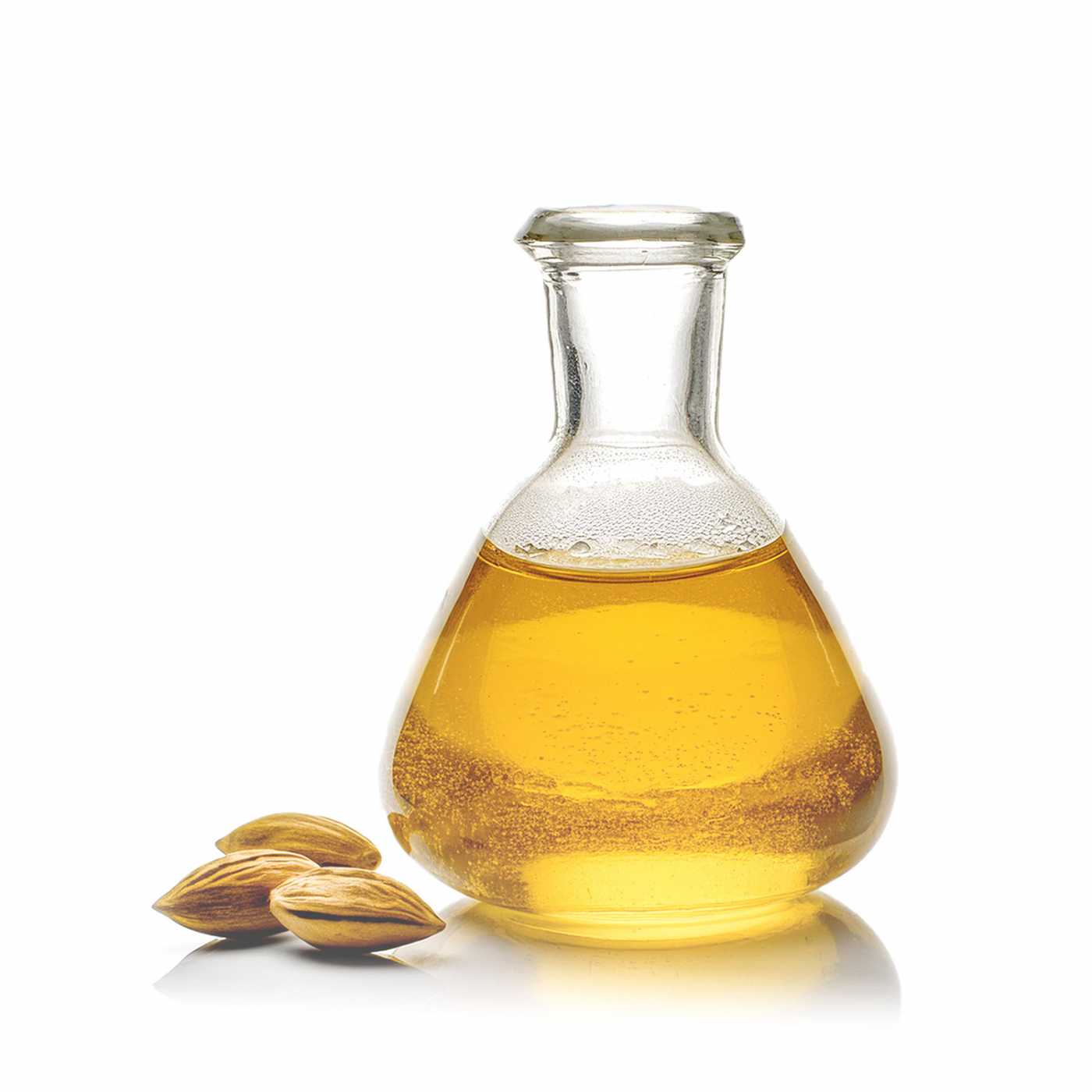
Cold-pressed almond oil is one of the basic carrier oils in both home and professional cosmetics. It is obtained from the kernels of sweet almonds ( Prunus amygdalus var. full description
Lowest price in the last 30 days: €4.49
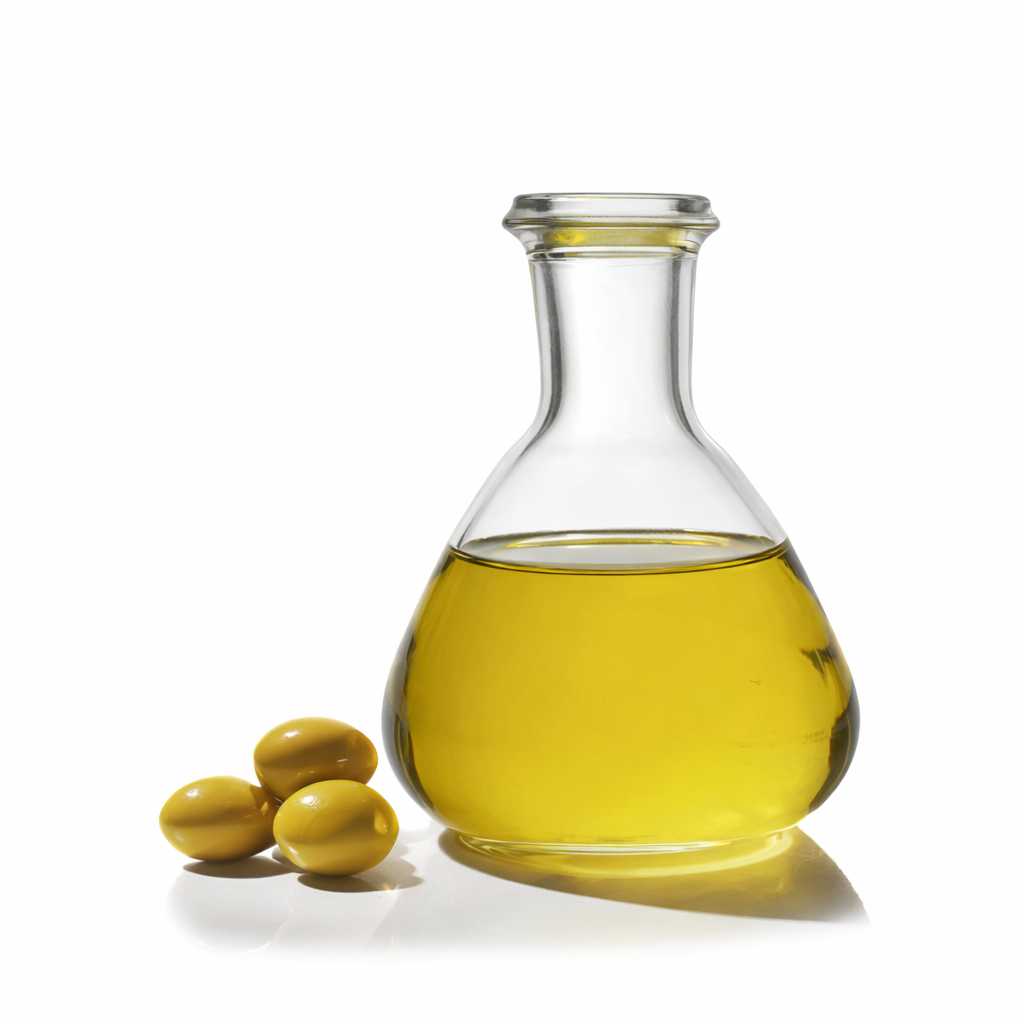
Cold-pressed almond oil is one of the basic carrier oils in both home and professional cosmetics. It is obtained from the kernels of sweet almonds (Prunus amygdalus var. dulcis) by cold pressing and subsequent filtration, without solvents and without added antioxidants, preservatives or fragrance. The almonds come from controlled organic farming in Europe and the oil has organic certification.
In a formulation it acts as an emollient and carrier: it softens and helps nourish the skin, and also serves as a base in which essential oils or oil extracts are diluted. It has a neutral scent and spreads well. It is suitable for all skin types, including dry, sensitive and baby skin, and it is also intended for eye area products.
The oil belongs in the oil phase. It dissolves in vegetable oils and in ethanol, and it is insoluble in water. For toners, gels and other water-based products it must therefore be emulsified or solubilised. In anhydrous recipes it is simply mixed with other oils, butters and waxes.
The recommended processing temperature is up to 40 °C. In balms and butters it is therefore added only after the solid fats and waxes have melted, away from the water bath, so that it is not heated unnecessarily. In hot-process emulsions it can be added to the oil phase, but it is better to add it during the cooling phase, once the temperature drops below this limit.
The supplier states a usage rate of 1–100%. In recipes, the range of 0.5–45% is most common: around 2–7.5% in facial creams and body lotions, 10–22% in lip balms, 20–24% in solid balms, 6–40% in cleansing oils and balms, and 15–45% in facial or massage oils. In a massage oil or oil serum it can also make up the entire oil component.
The oil contains no added antioxidant, and oxidation is accelerated by heat, light, air and moisture. Tocopherol is therefore commonly added to recipes at the rate recommended by its manufacturer, ideally right when the oil phase is being mixed.
In bath oils, it has proven effective to first mix the almond oil with essential oils and tocopherol, and only then add the mixture to the other ingredients. In recipes it is often combined with castor oil and sunflower oil, mango butter, Cetearyl Alcohol, glycerine and xanthan gum.
Almond oil is sometimes confused with bitter almond essential oil. Pressed sweet almond oil is a fatty carrier oil without a distinct scent. Bitter almond essential oil is a volatile fragrance substance with a sweet, nutty scent, obtained by distillation, and it has a completely different role in a formulation.
The oil contains a food allergen (almonds). This must be taken into account for products intended for people with nut and almond allergies.
The oil is not classified as hazardous under CLP and does not require a safety data sheet. Spilled oil is slippery, and heated containers or oil mist can burn, so do not work with it near an open flame.

Great product, fast delivery, and excellent customer support!

excellent oil — I add it when making creams, it nourishes the skin excellently
Translated automatically

Variant: Mandľový olej, LZS, BIO kvalita 100 ml