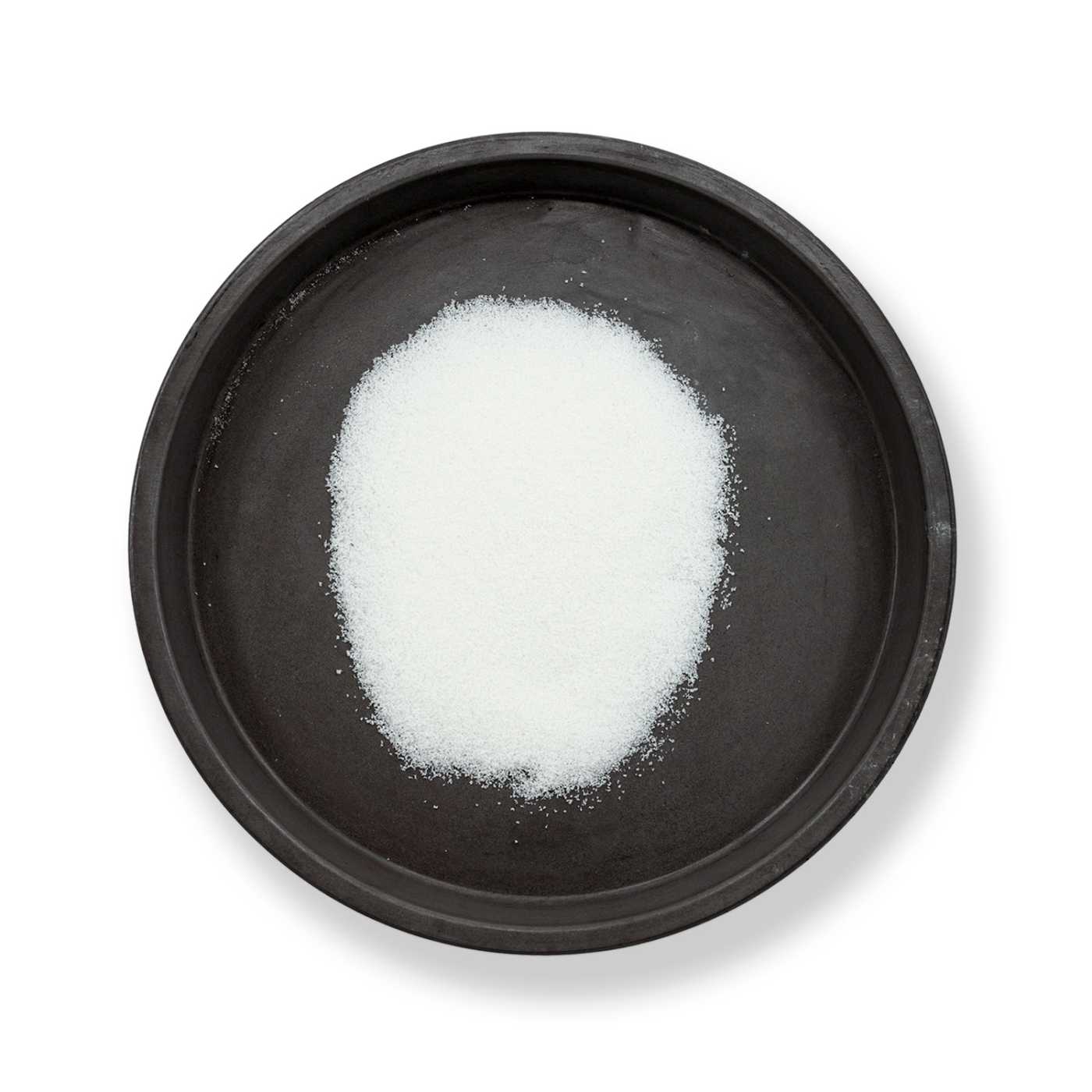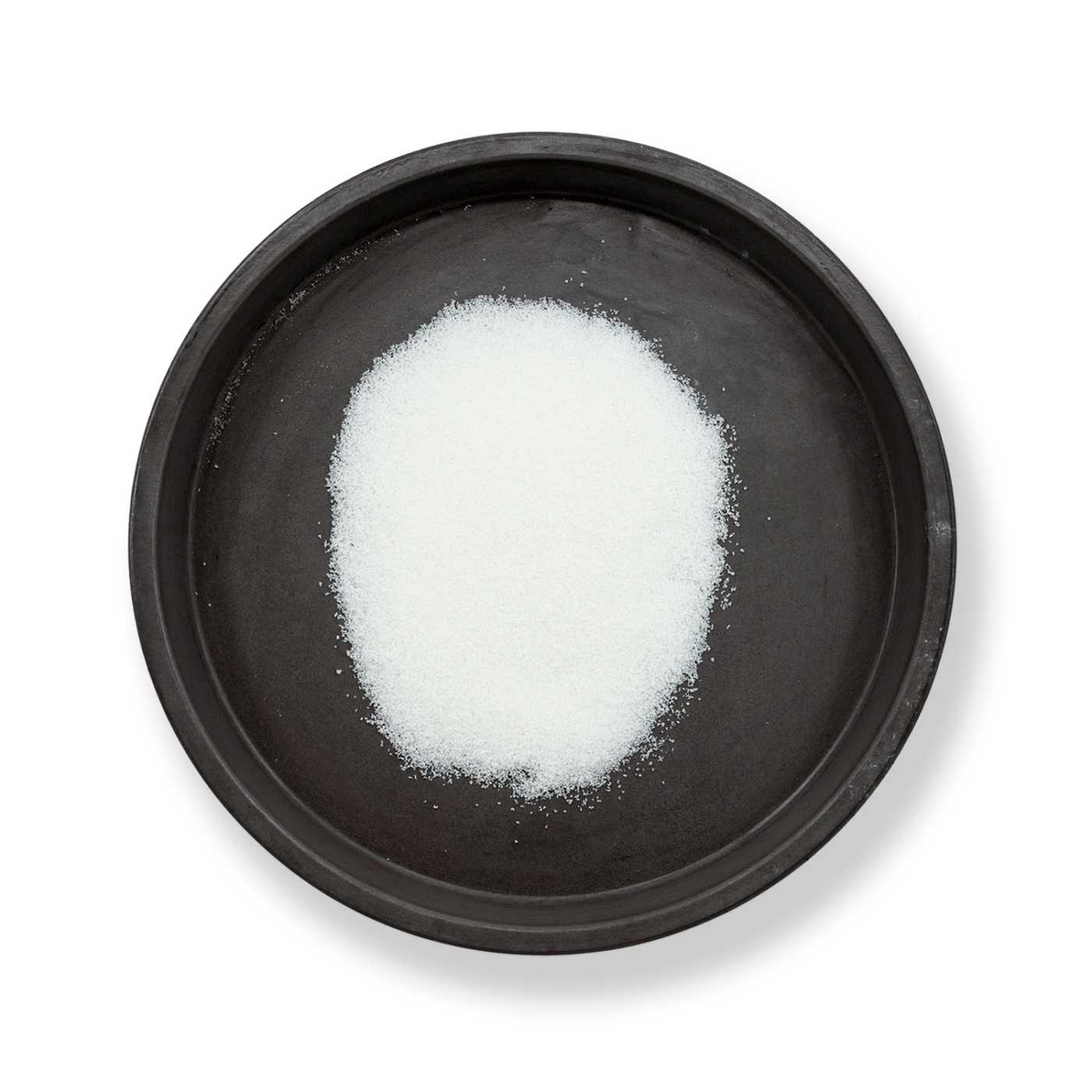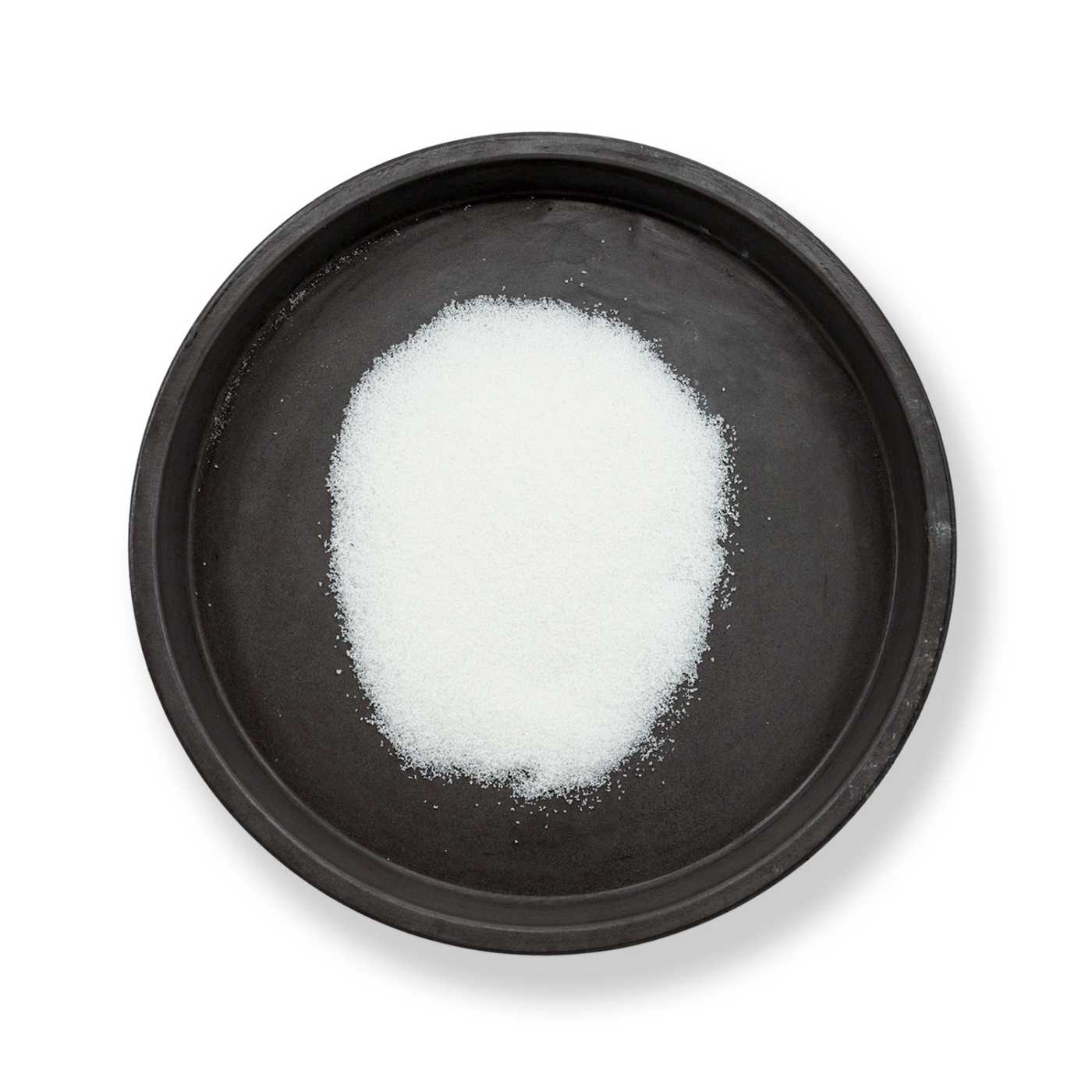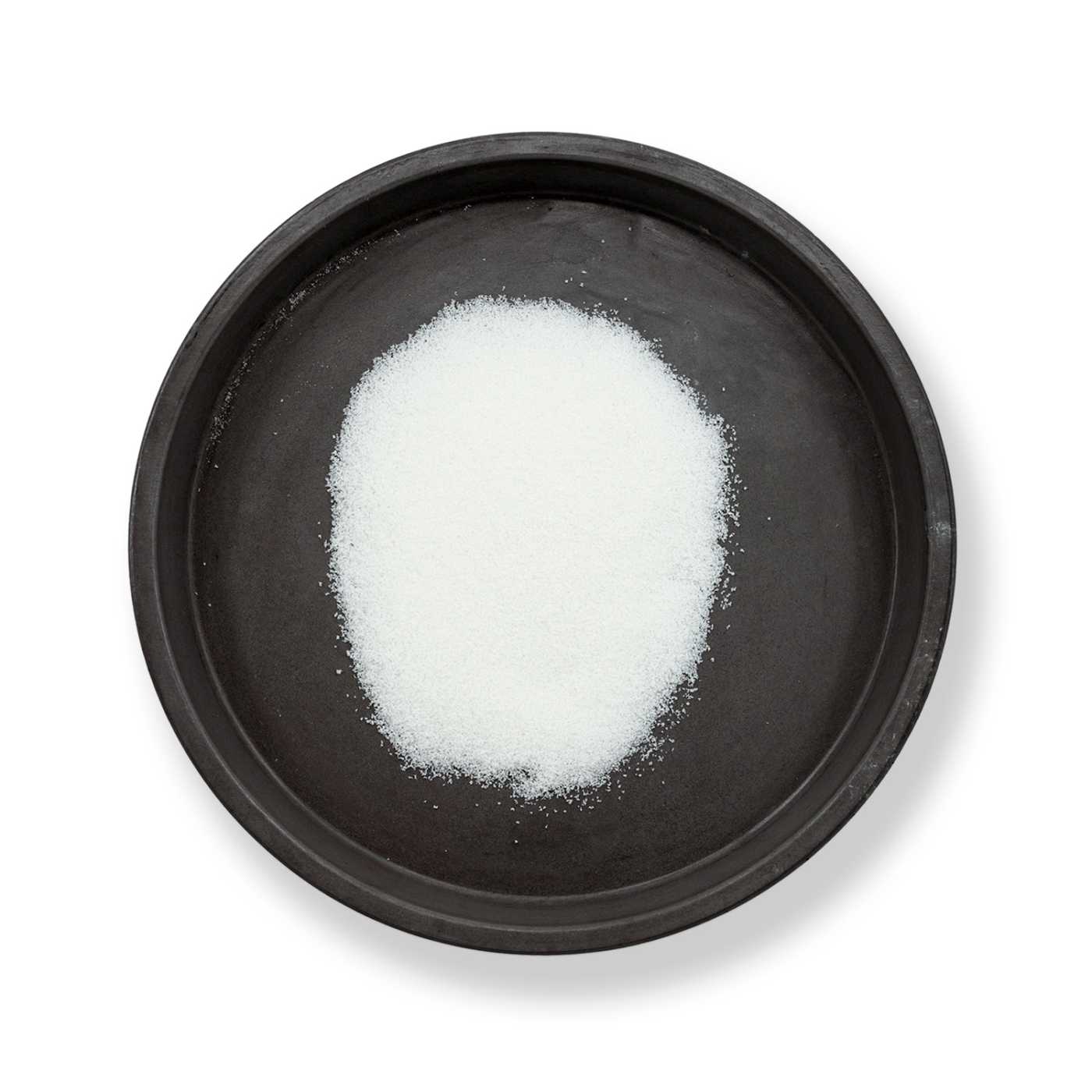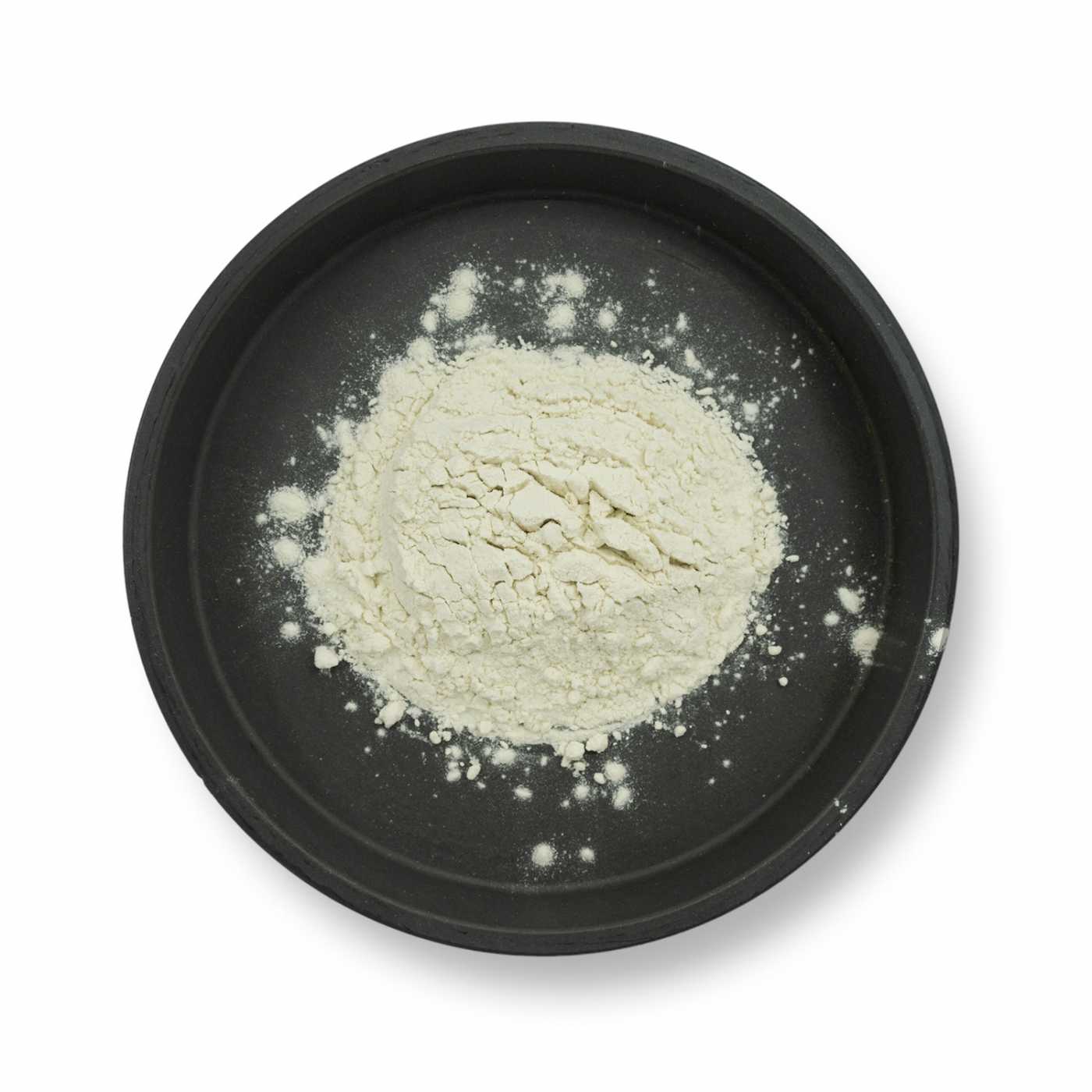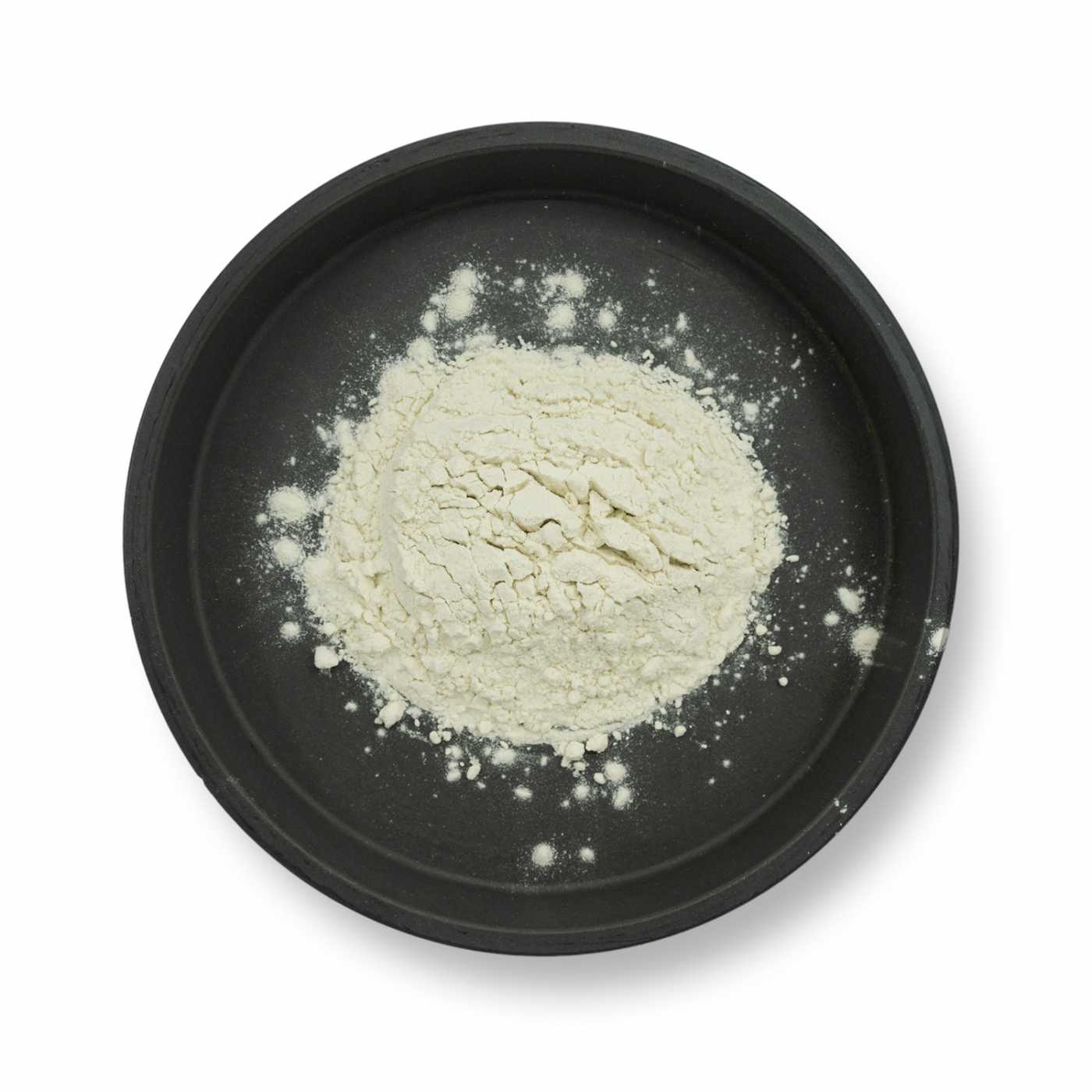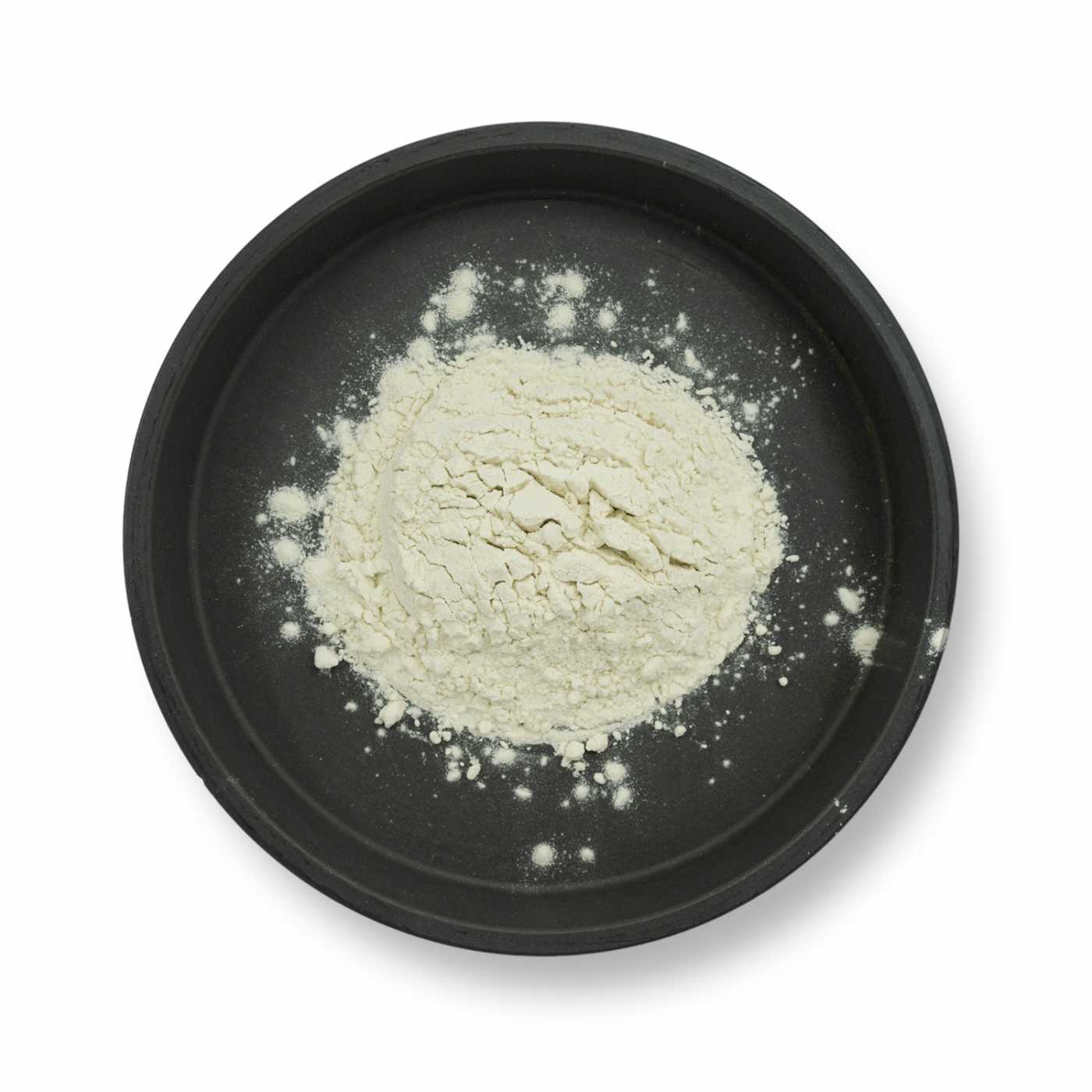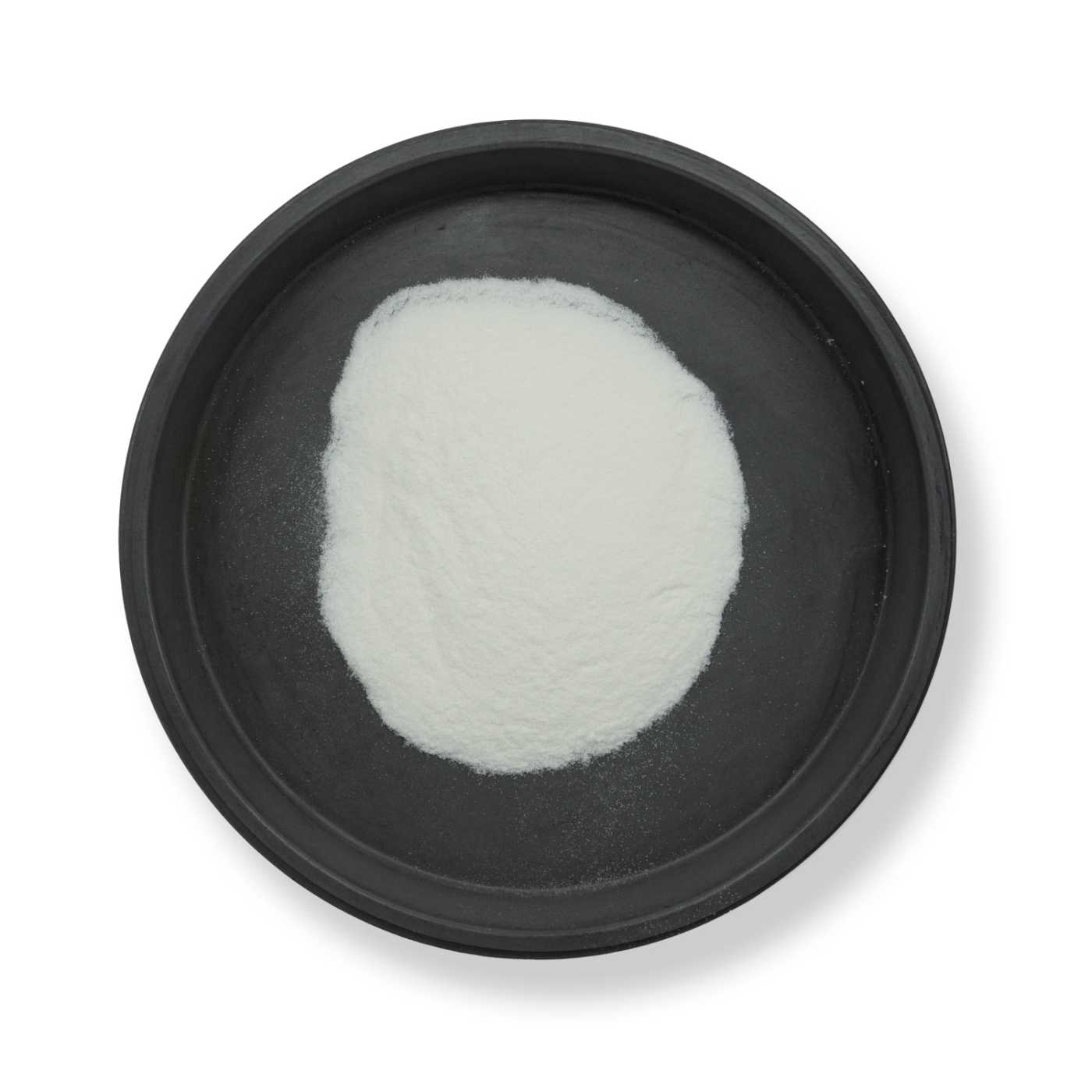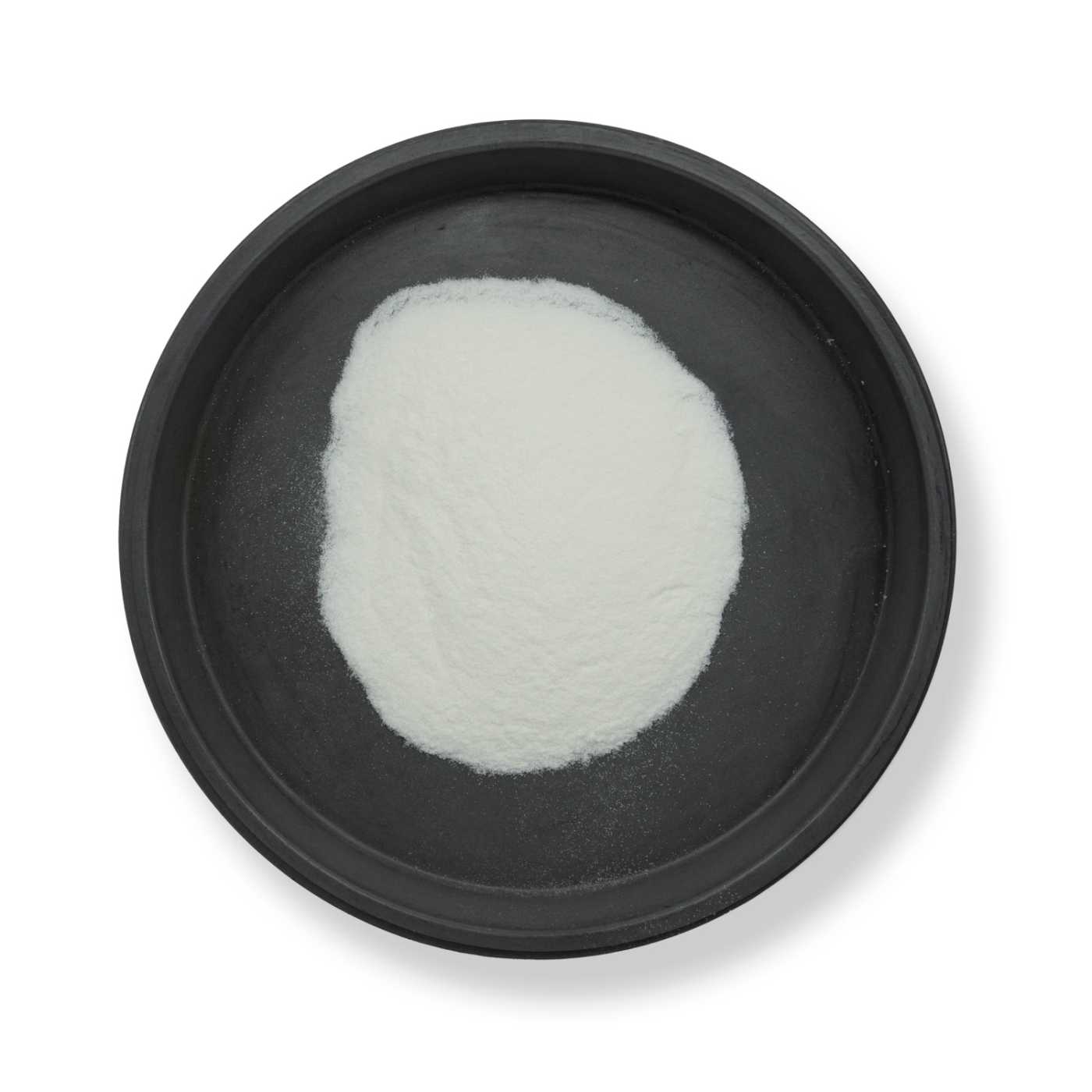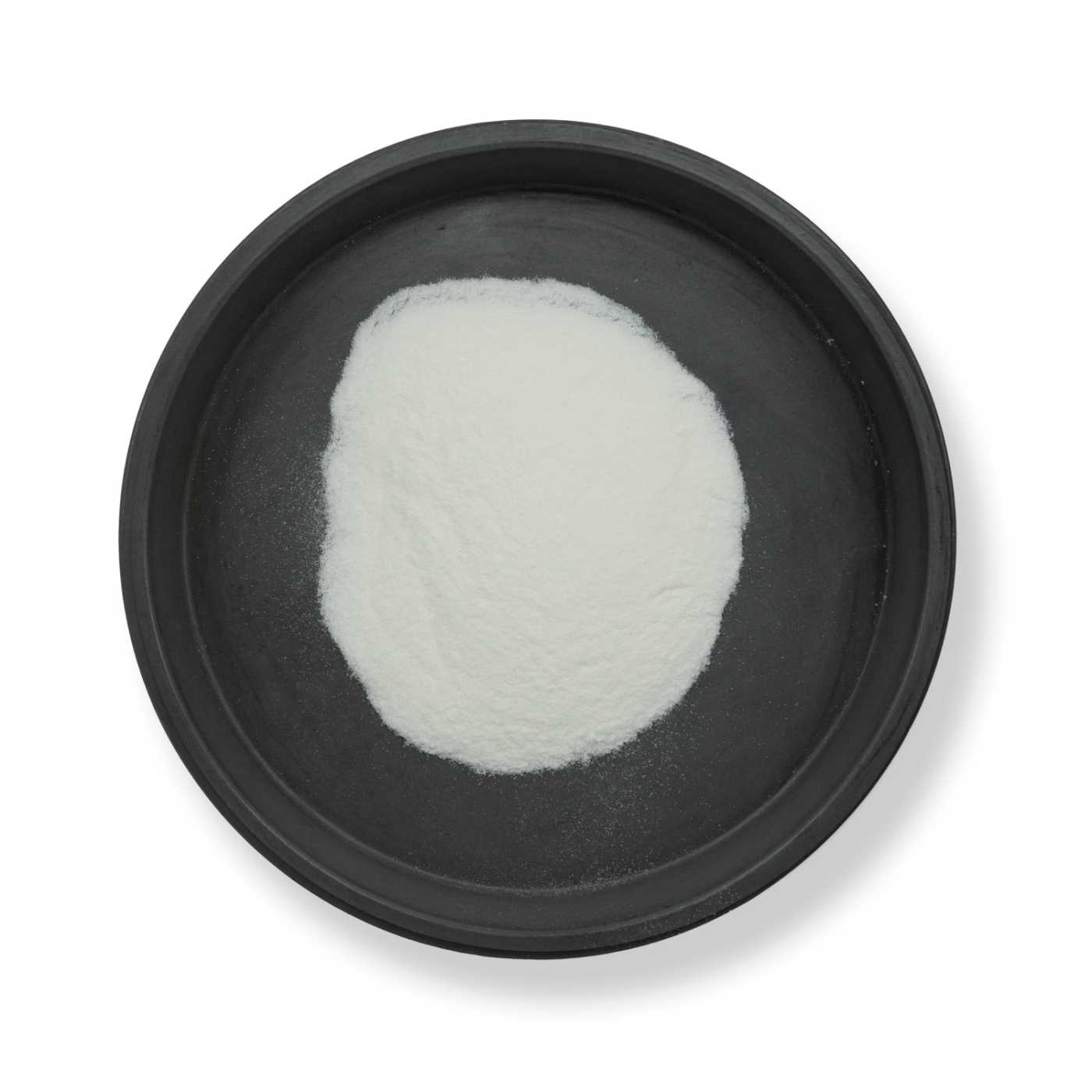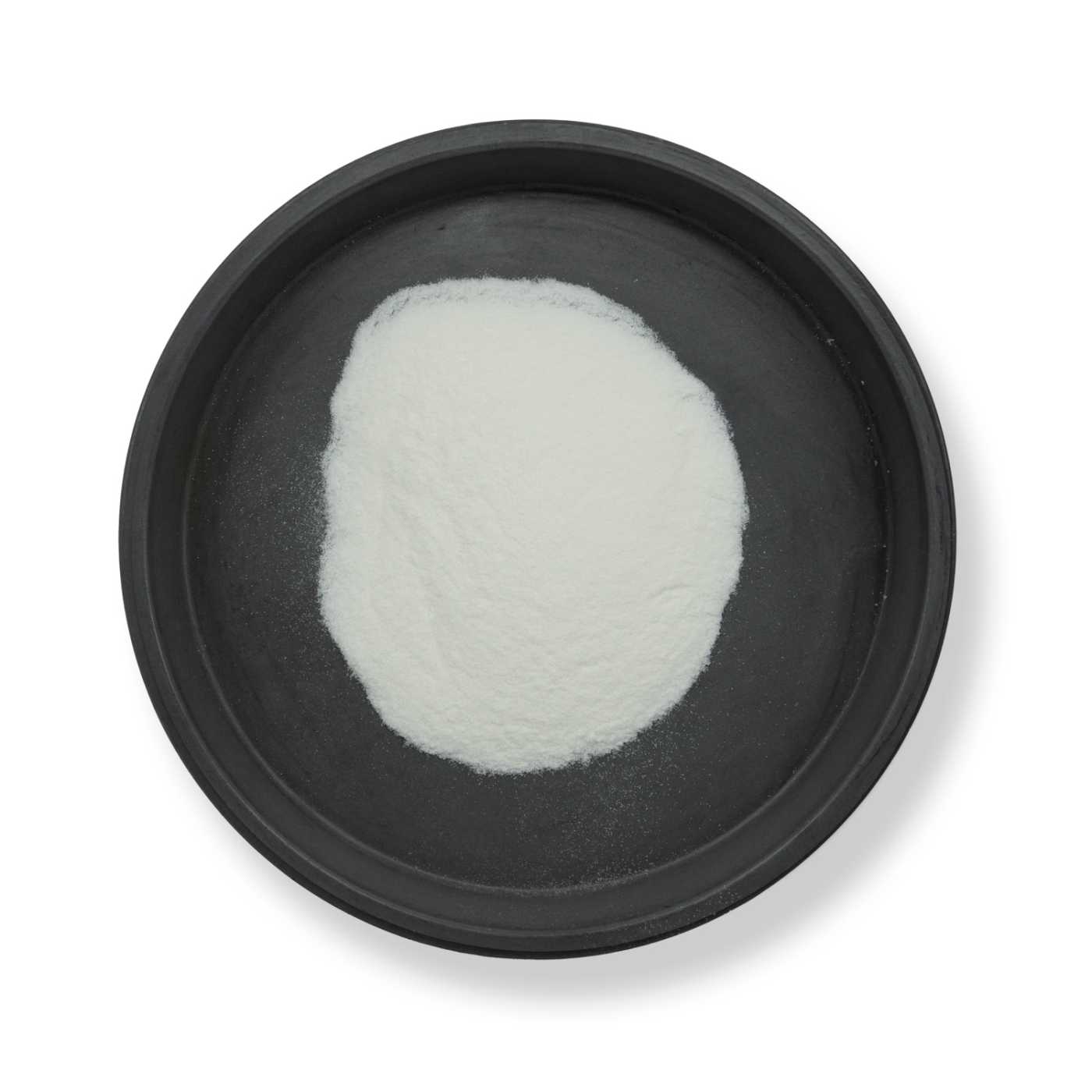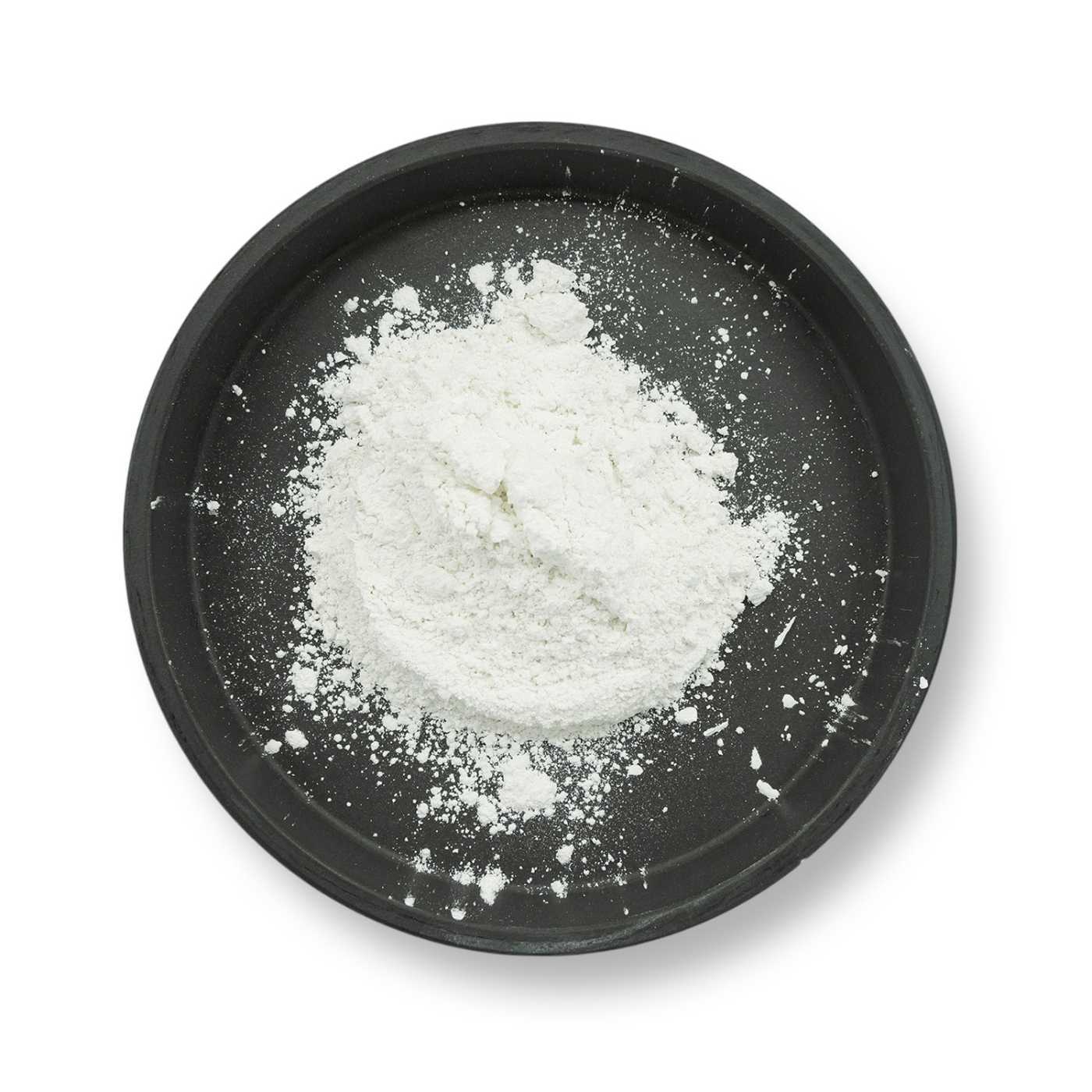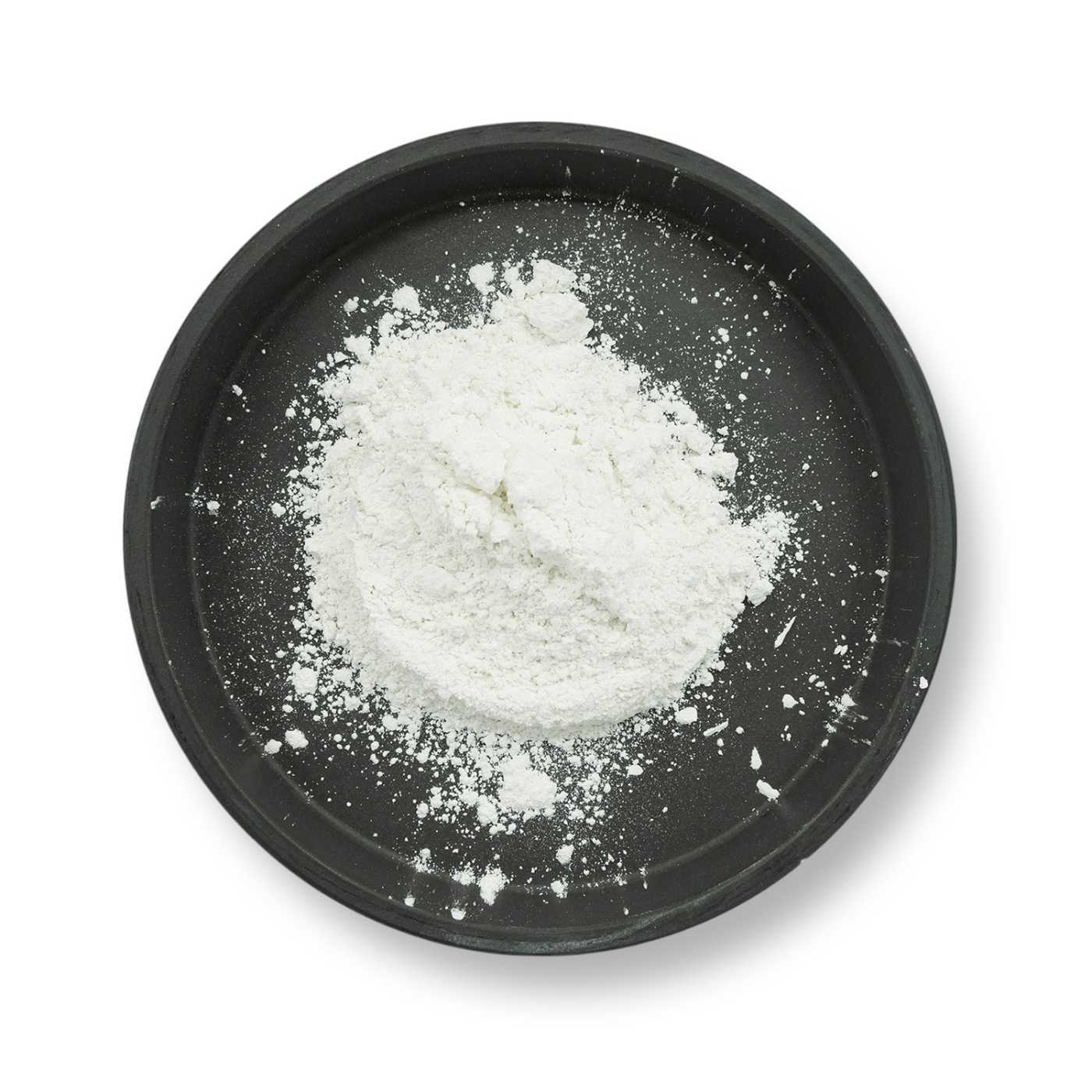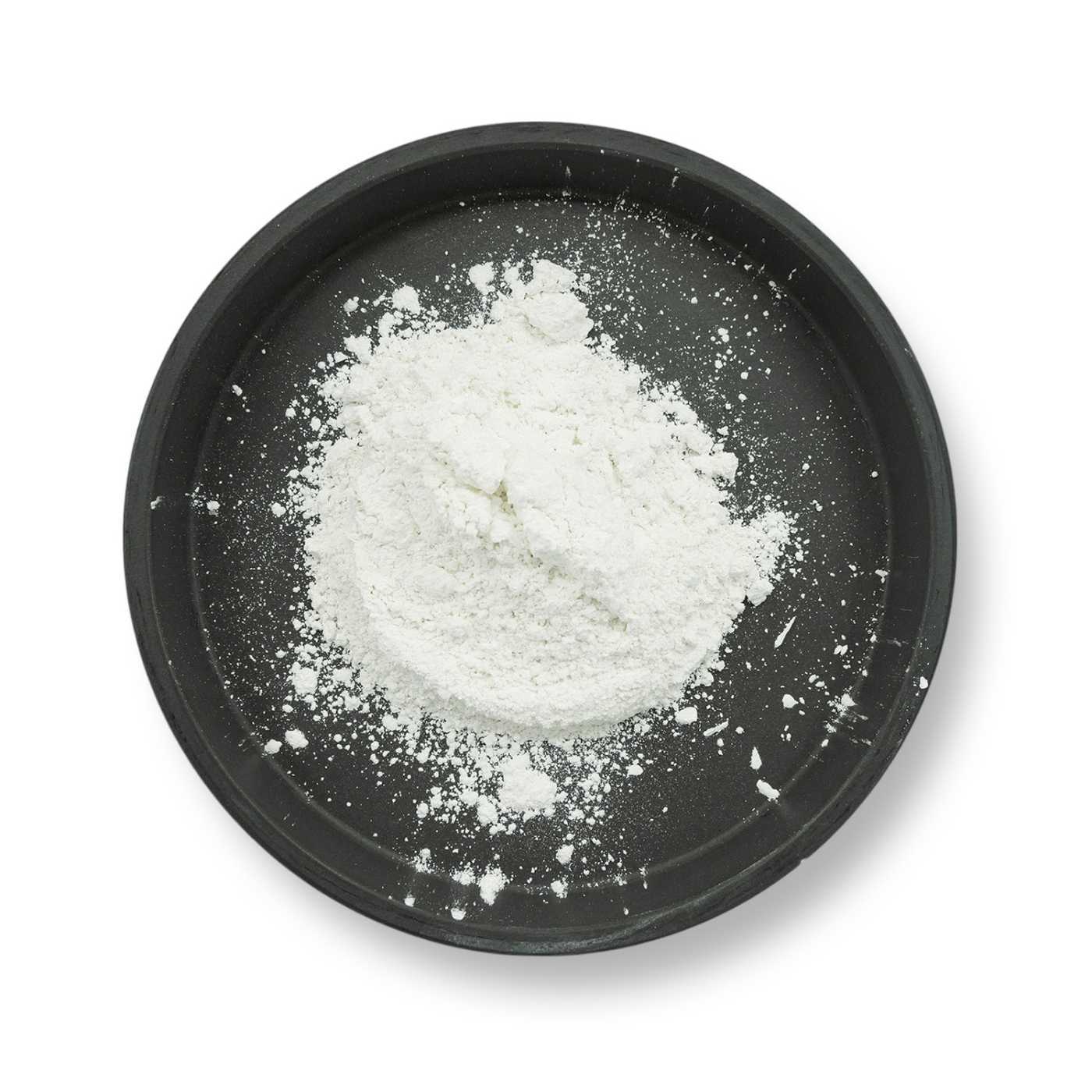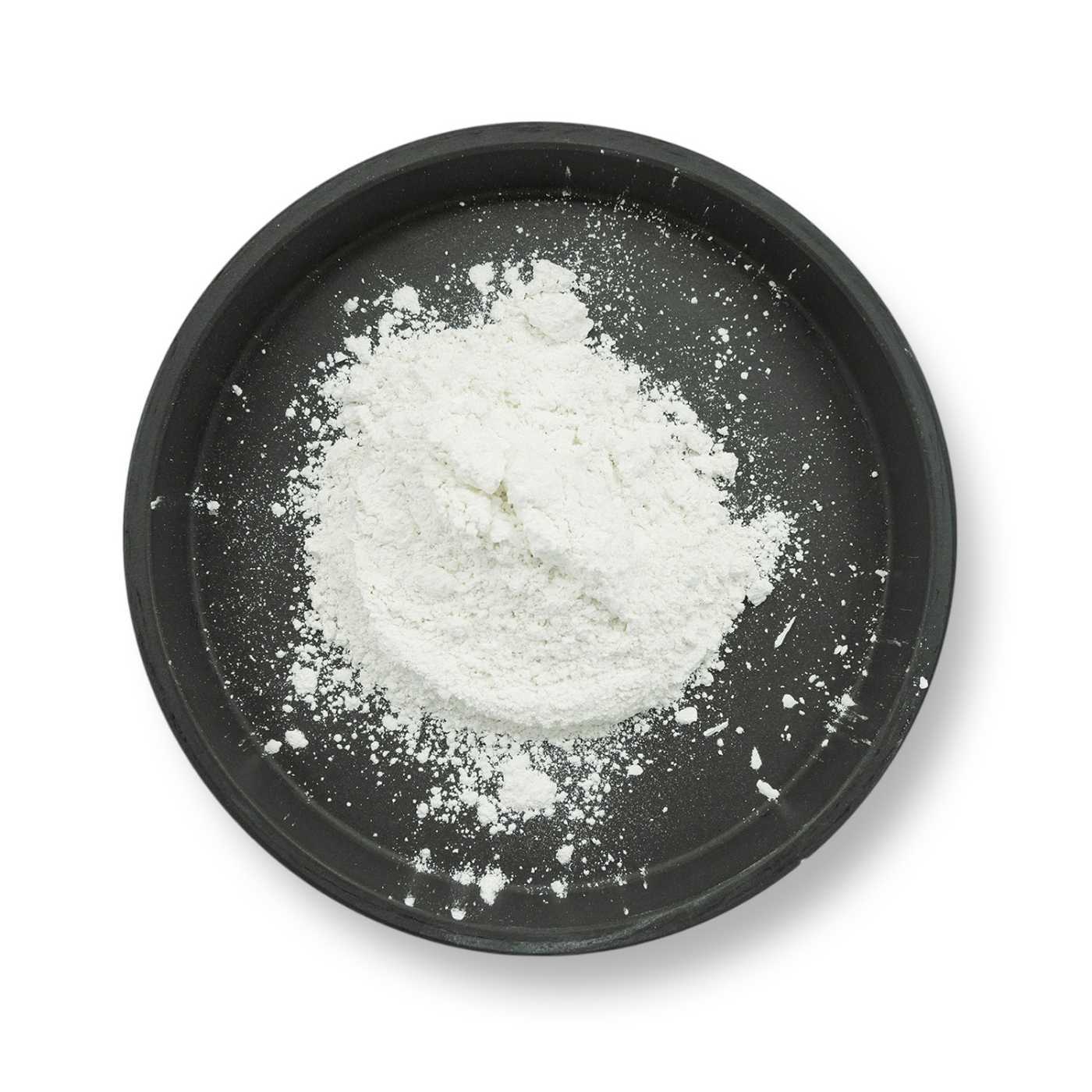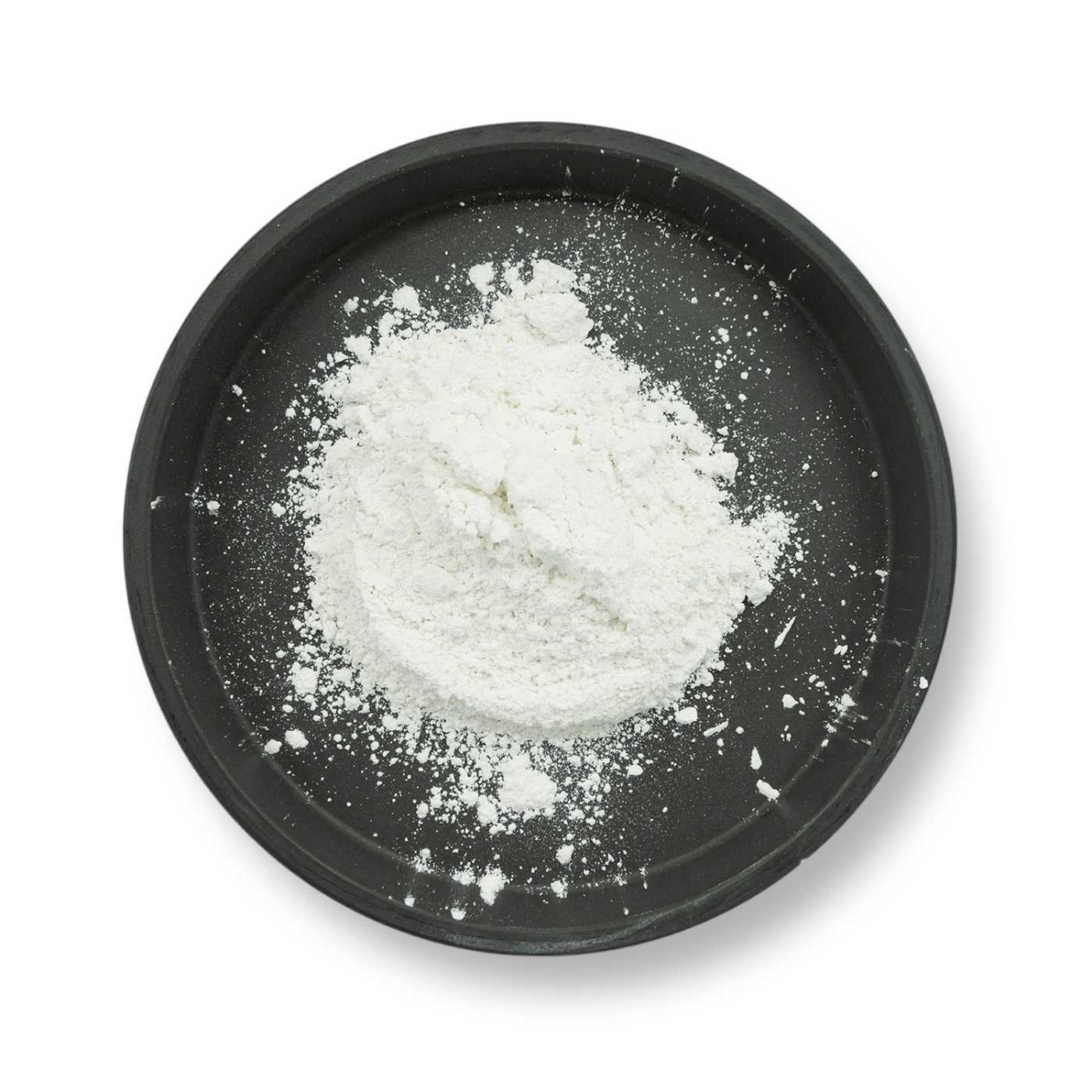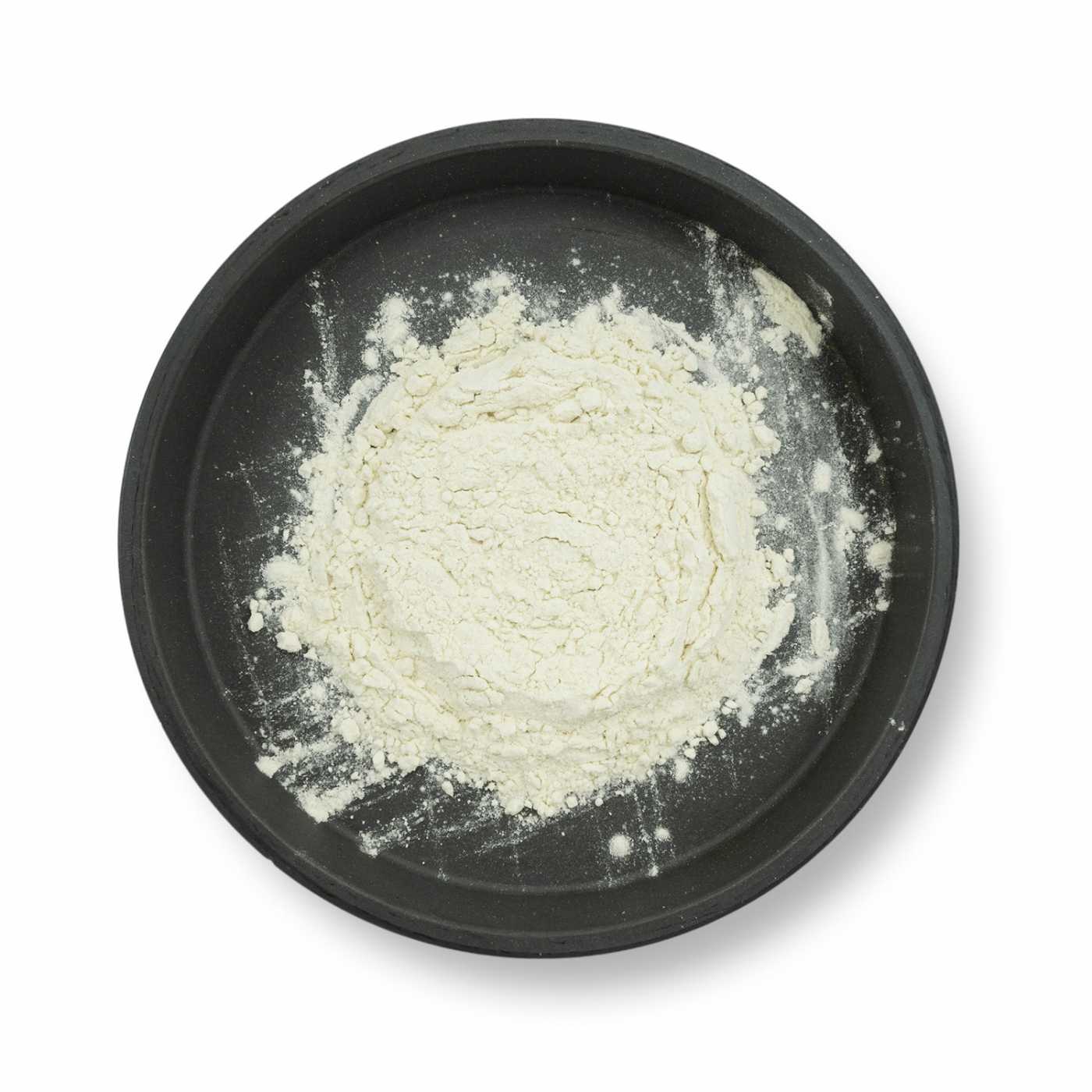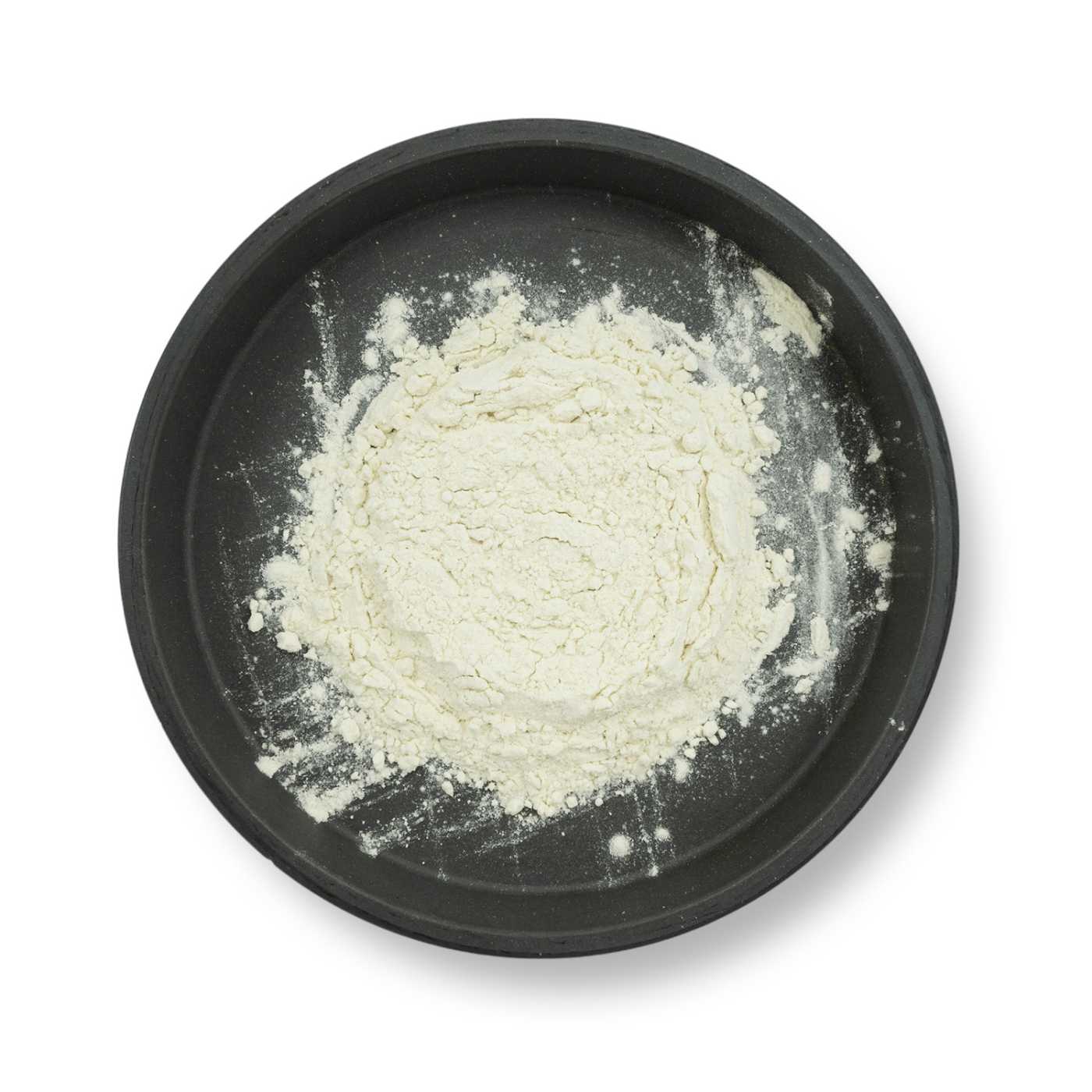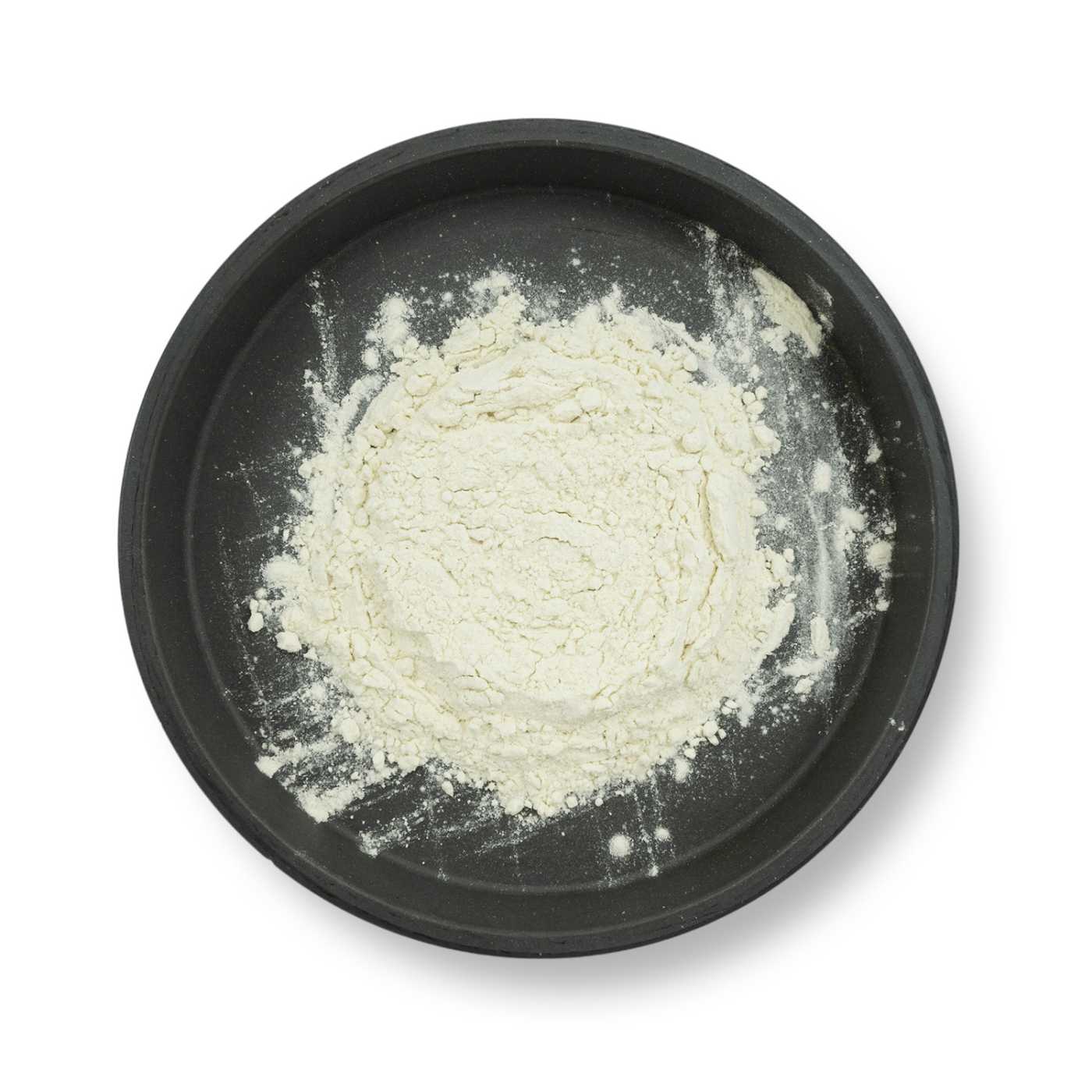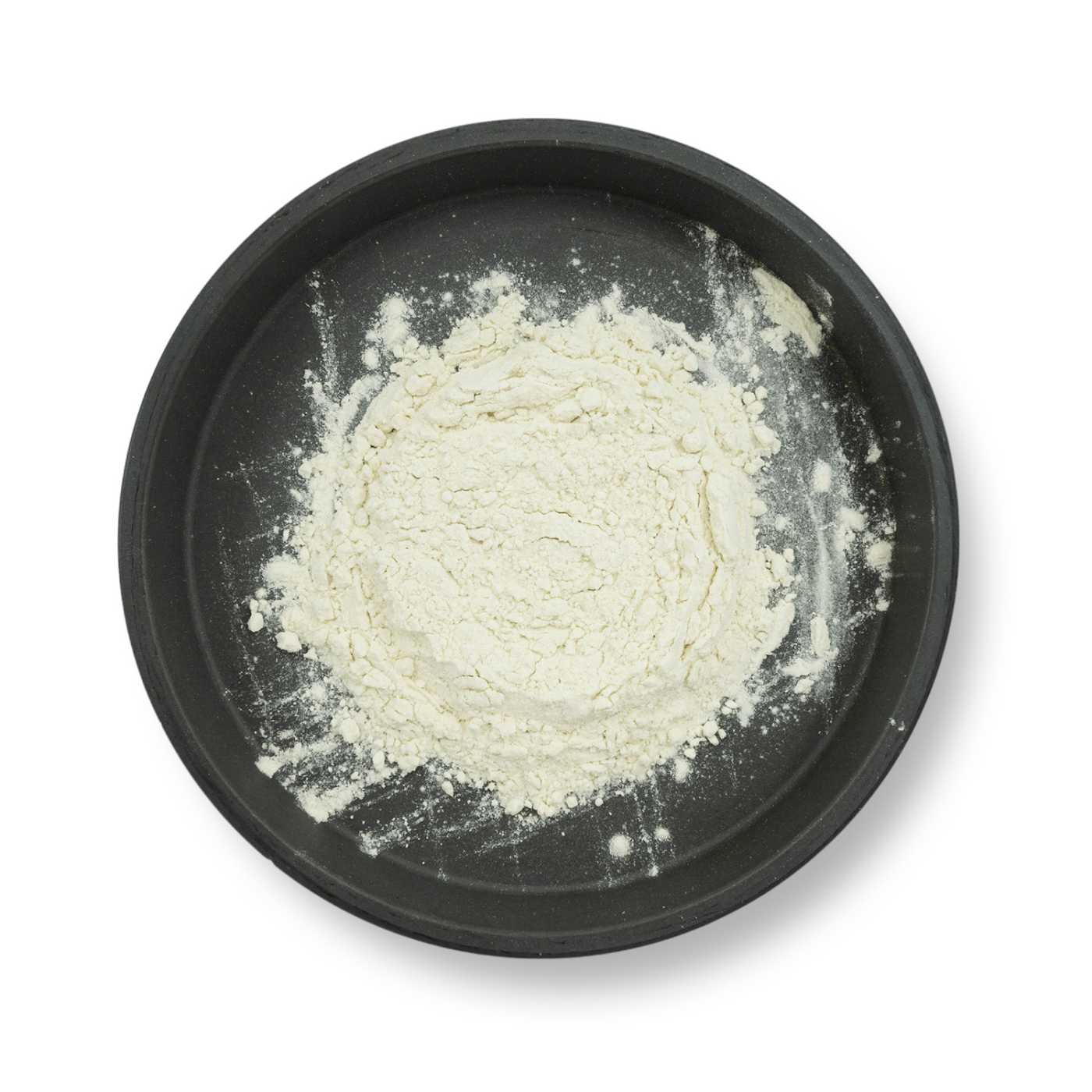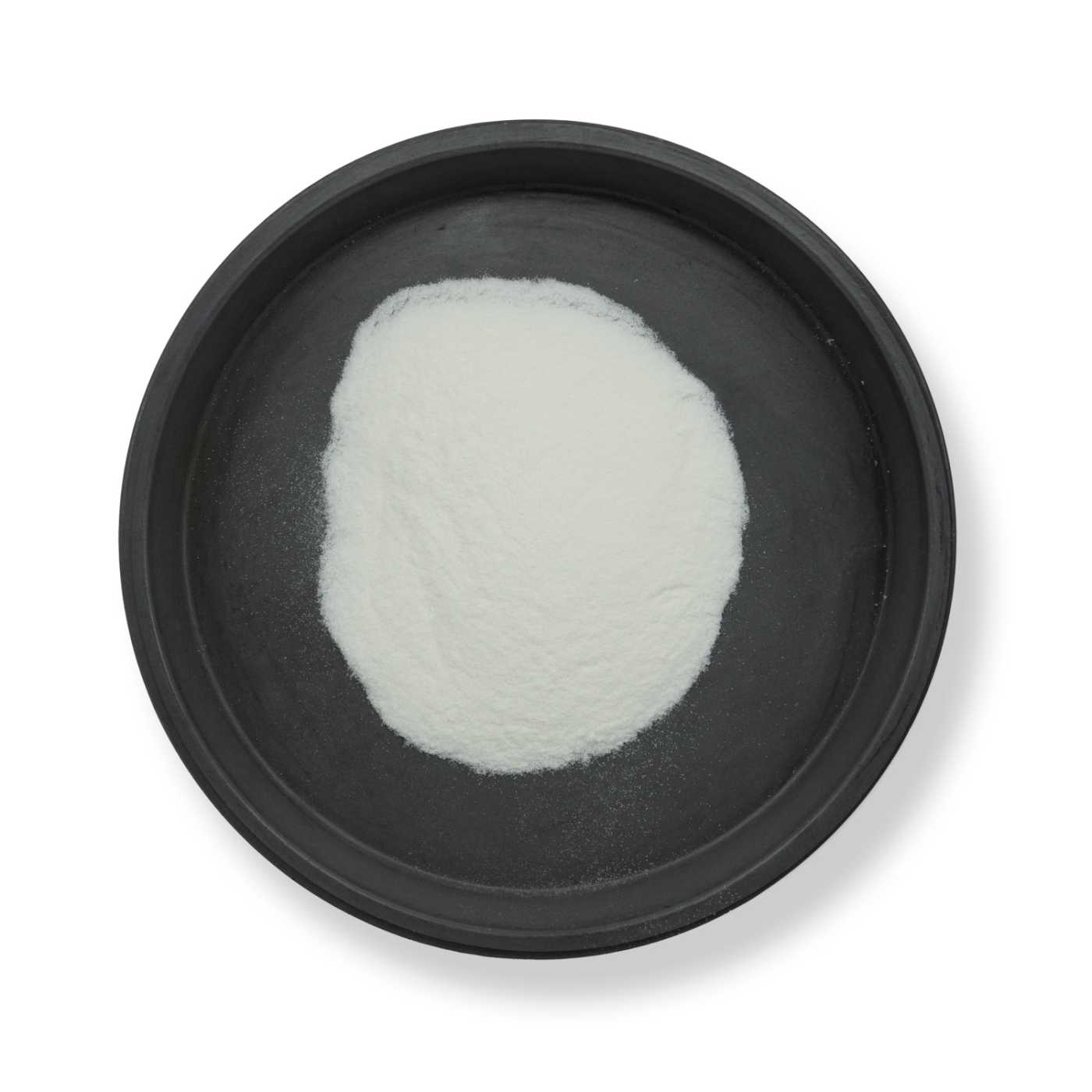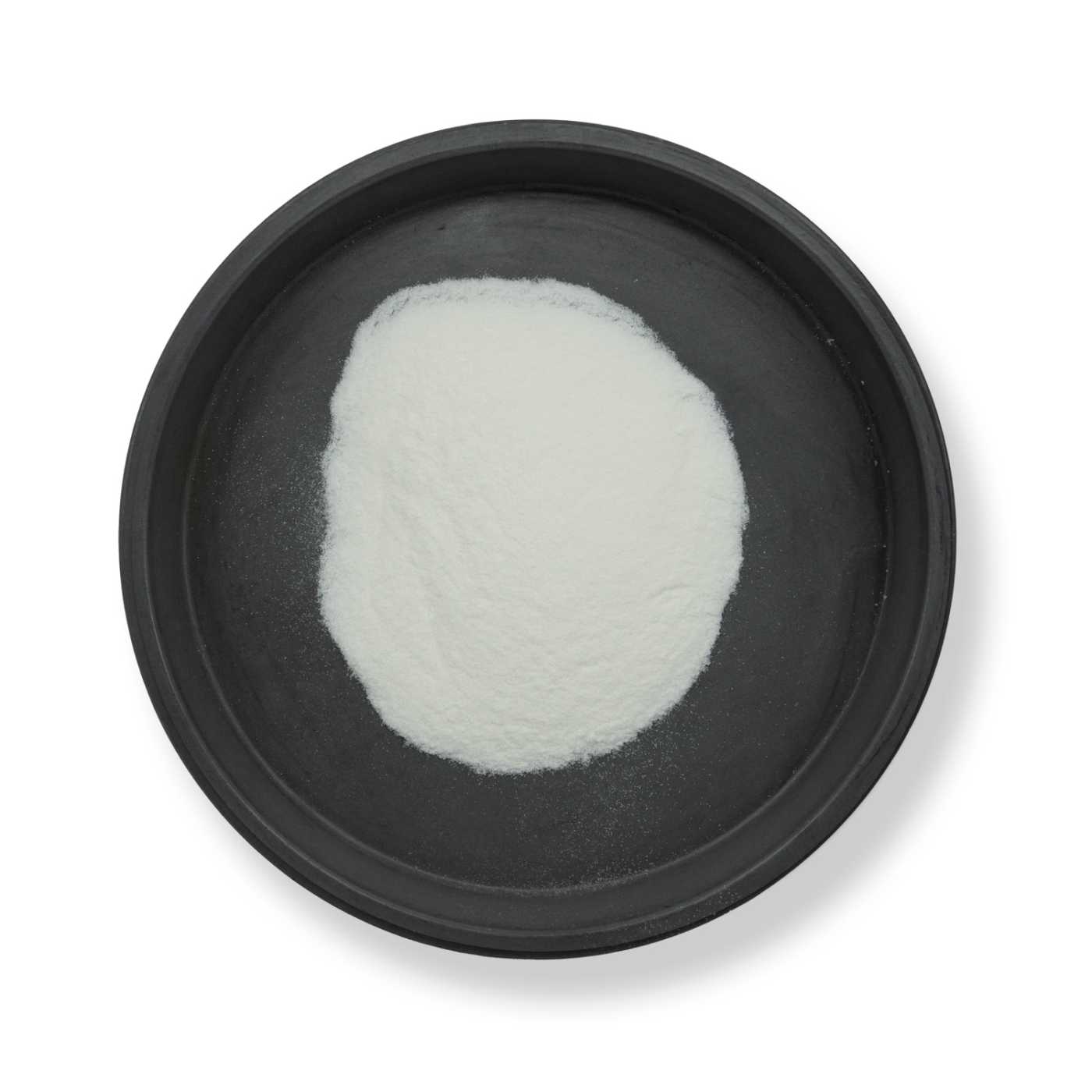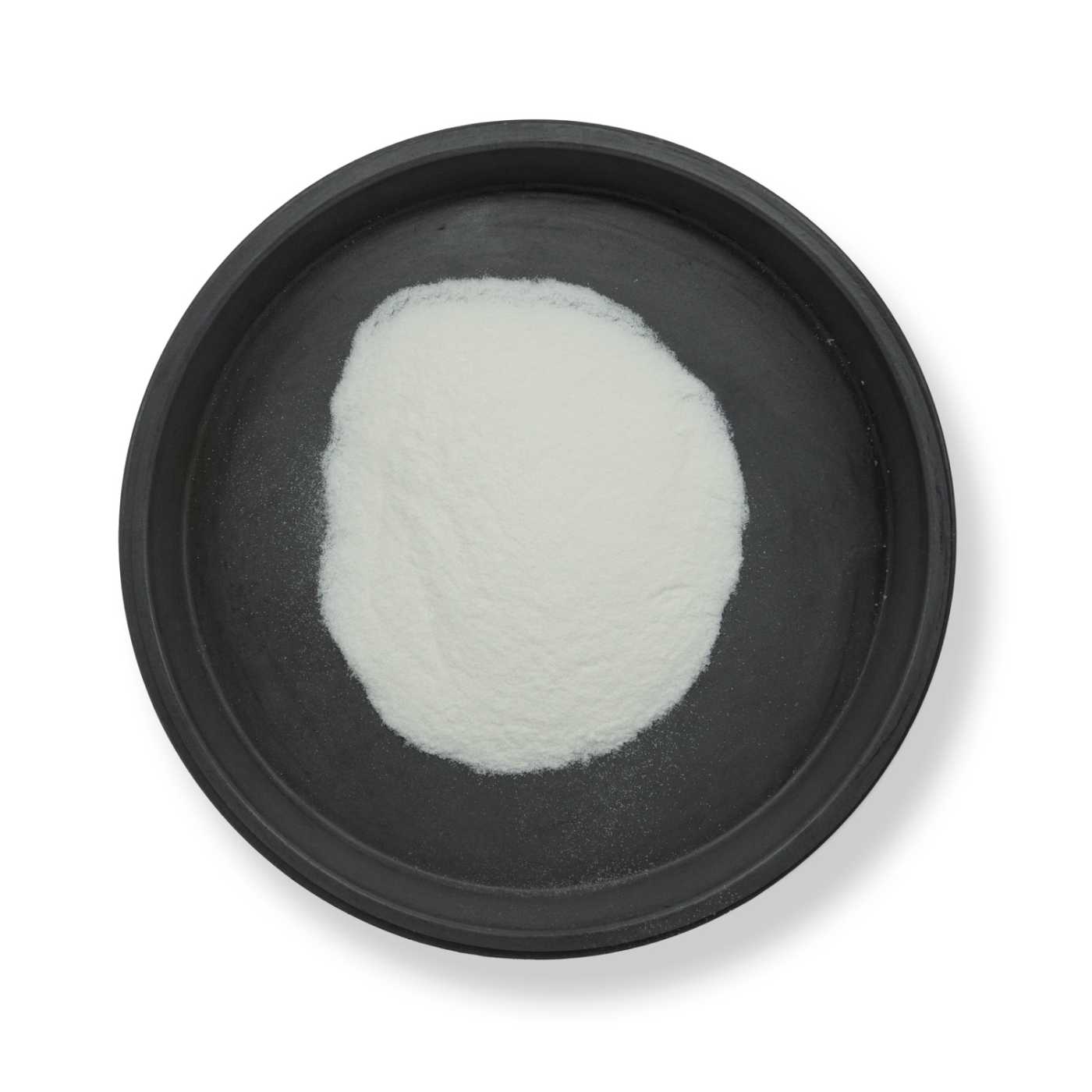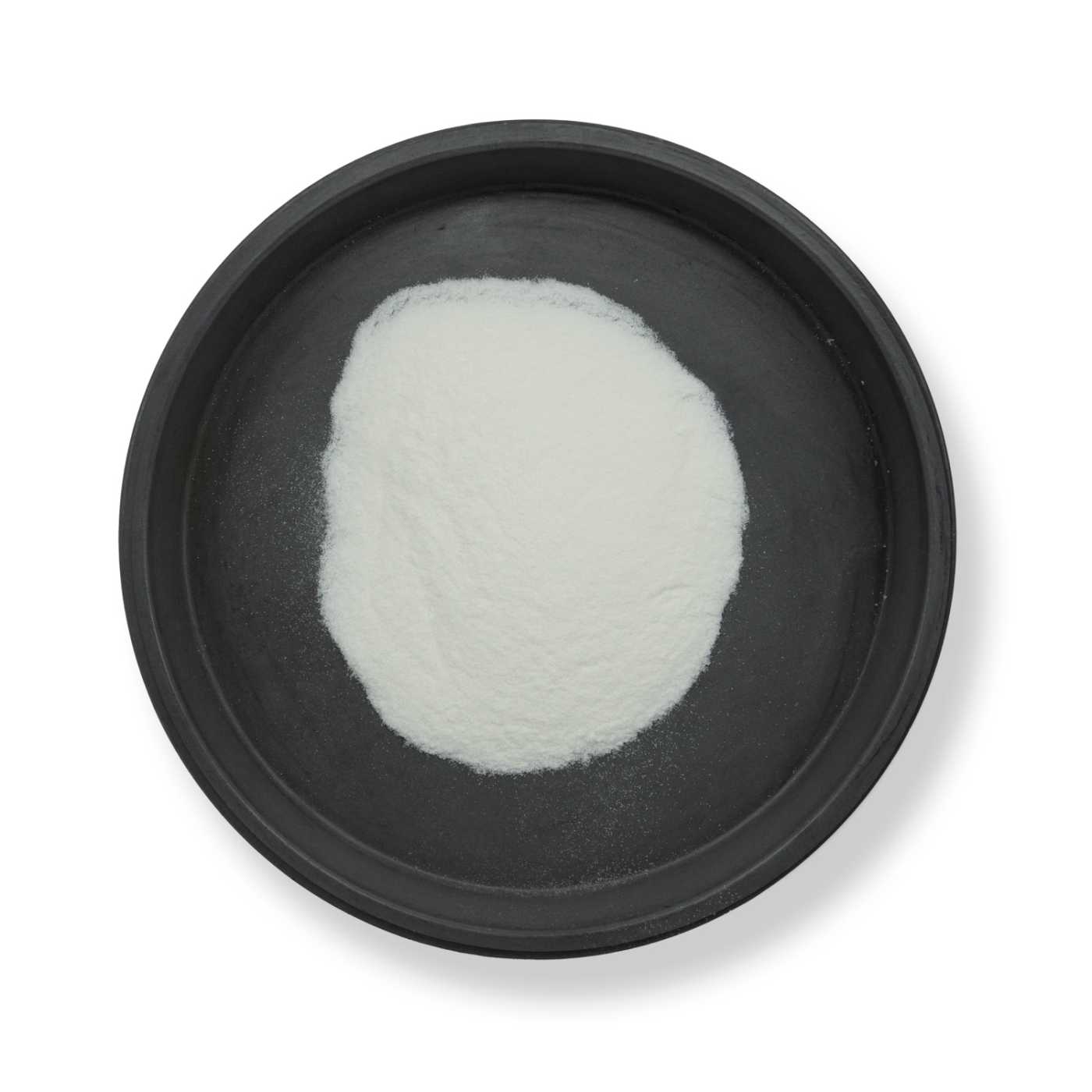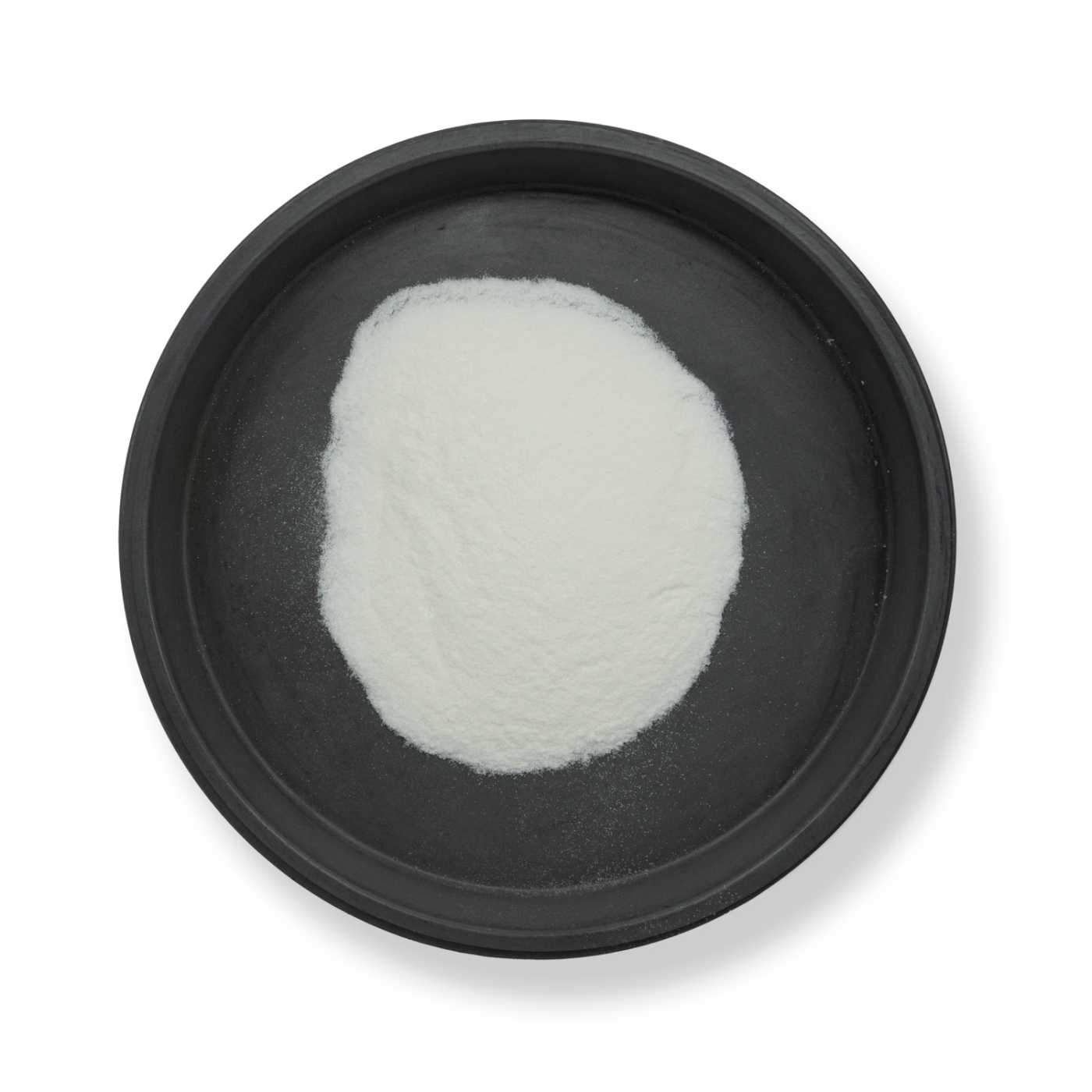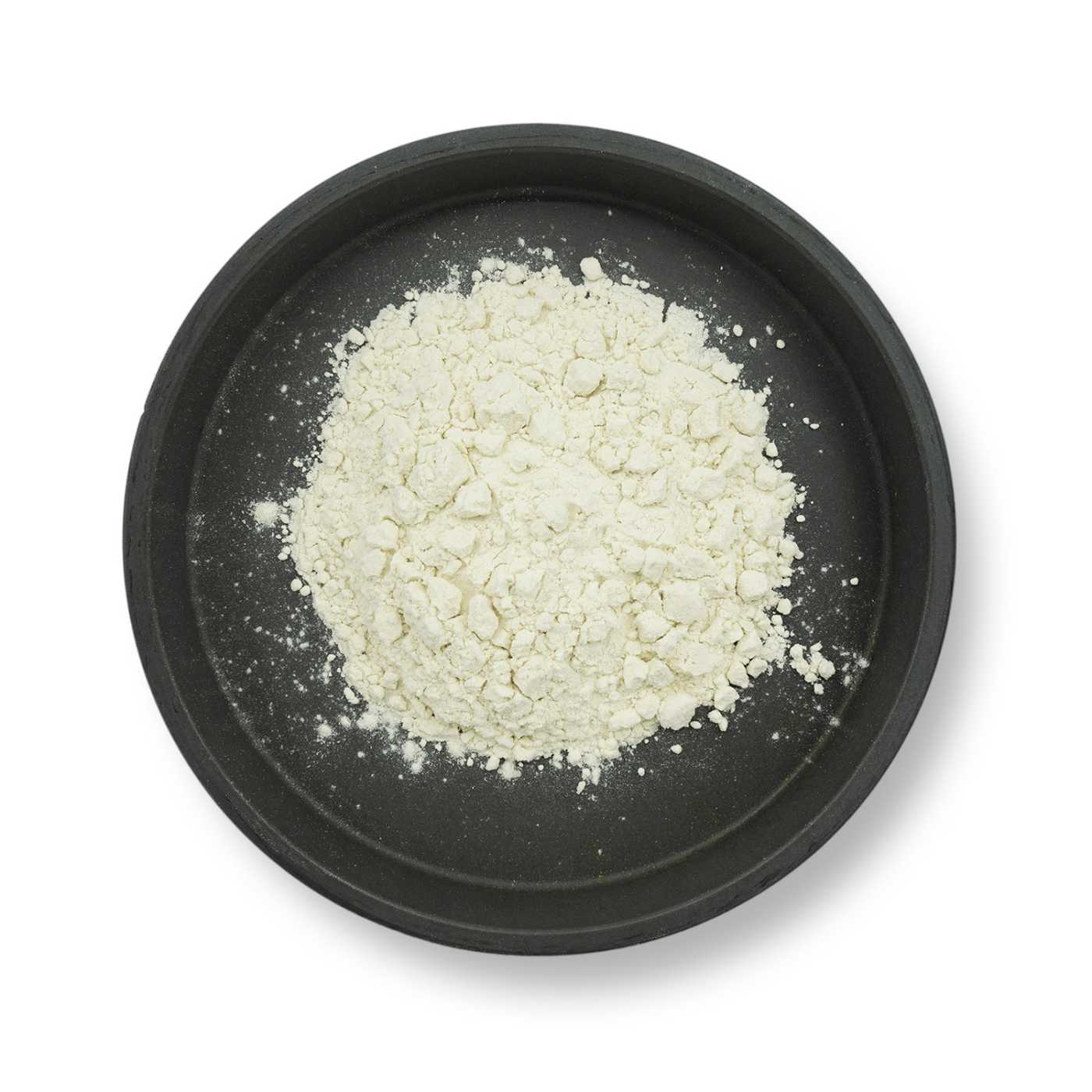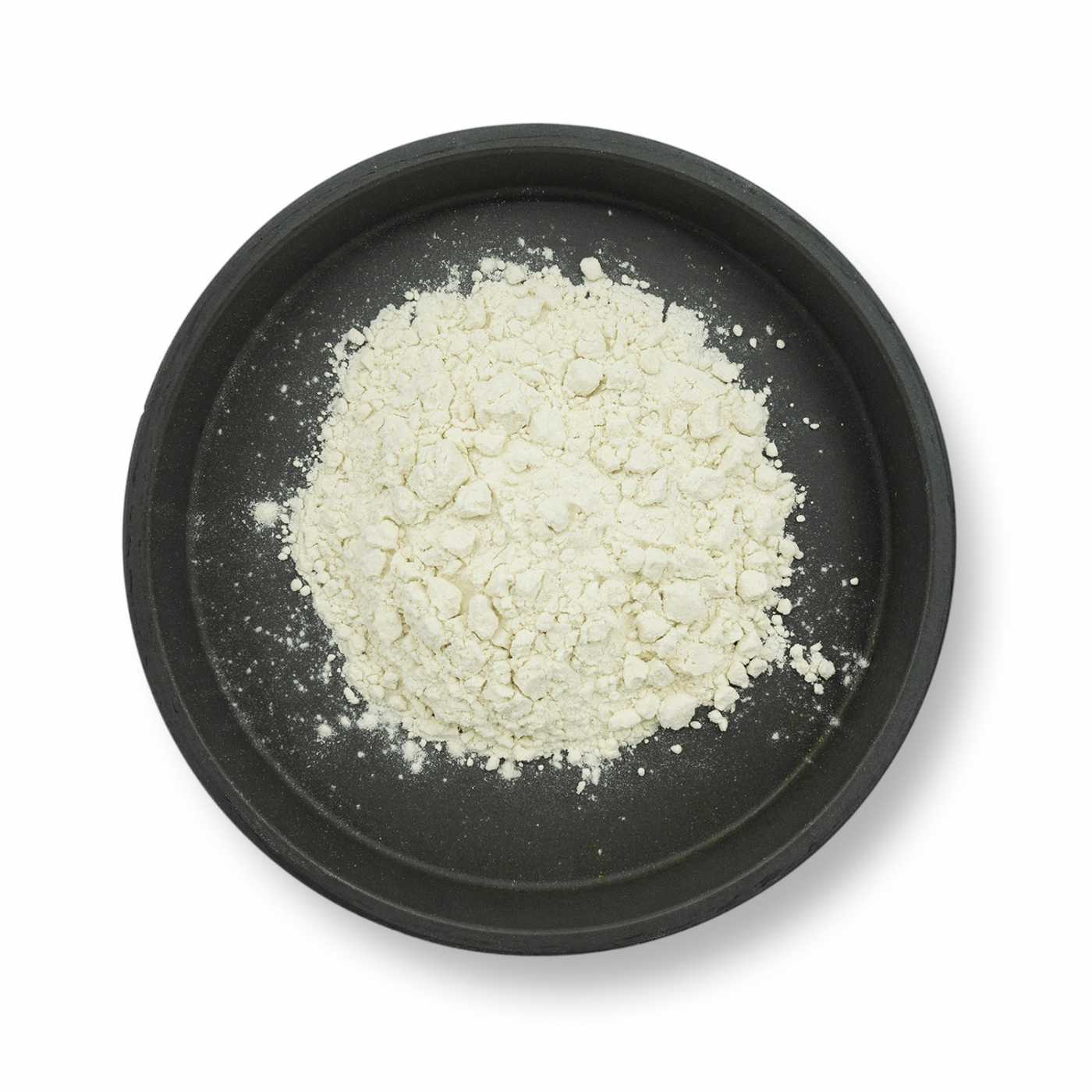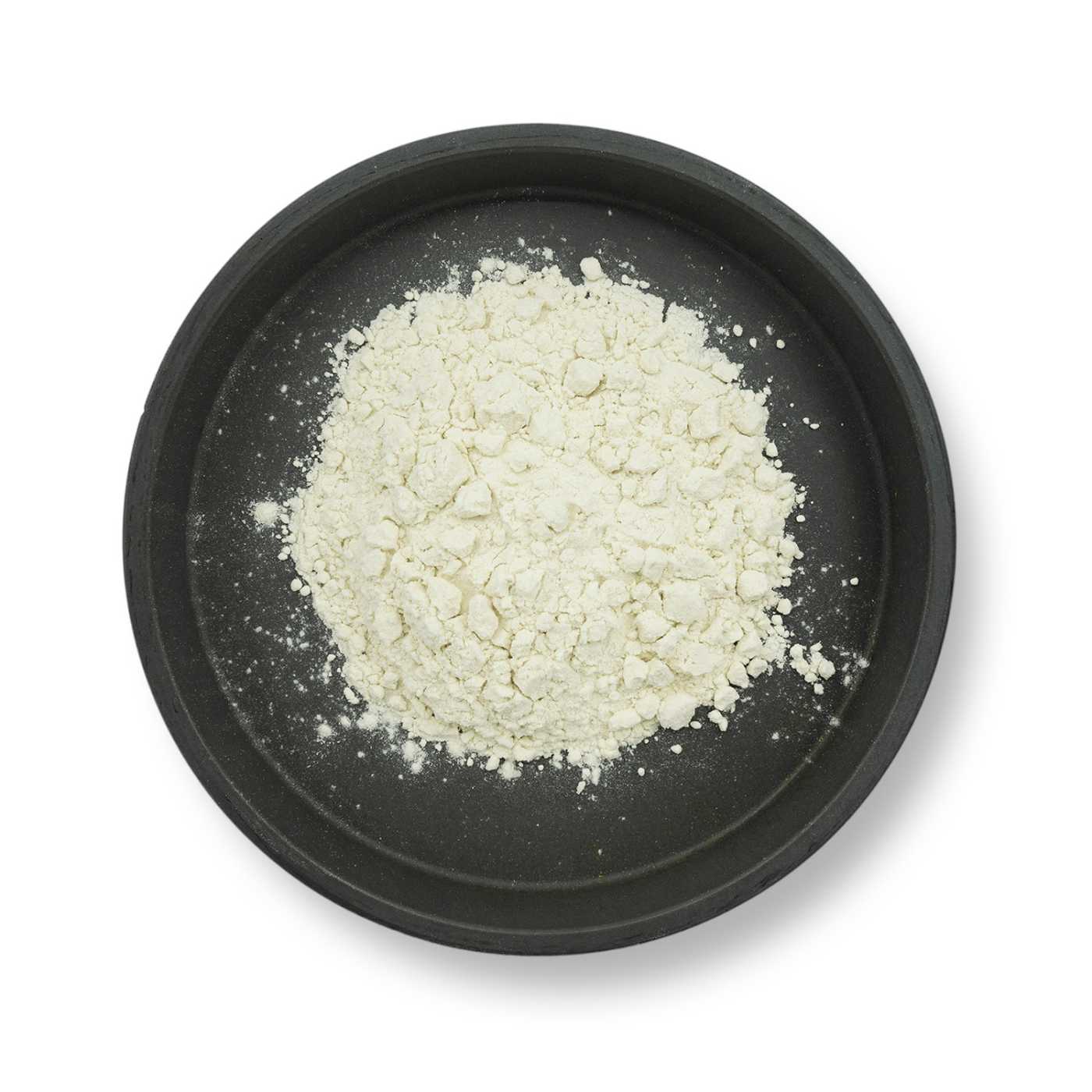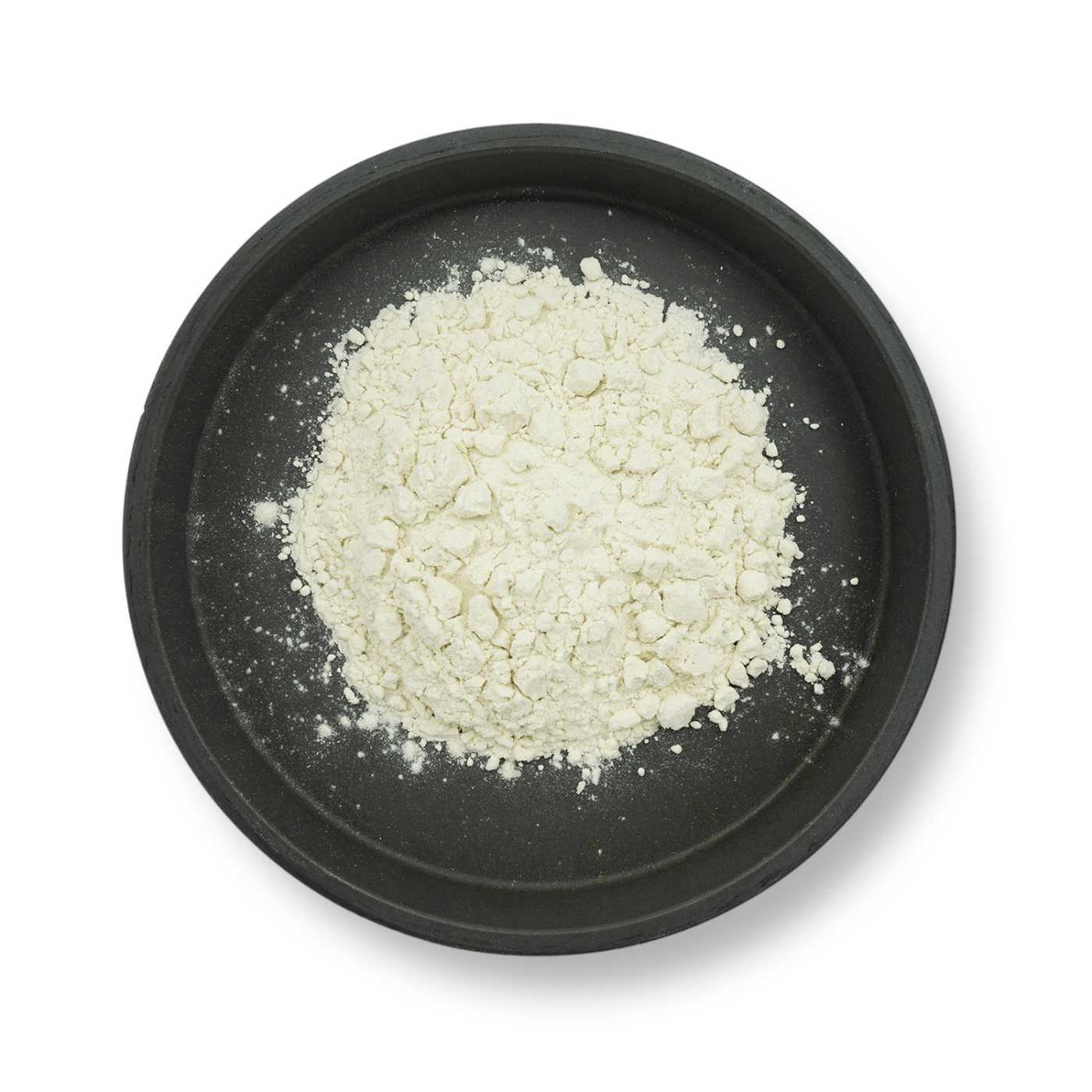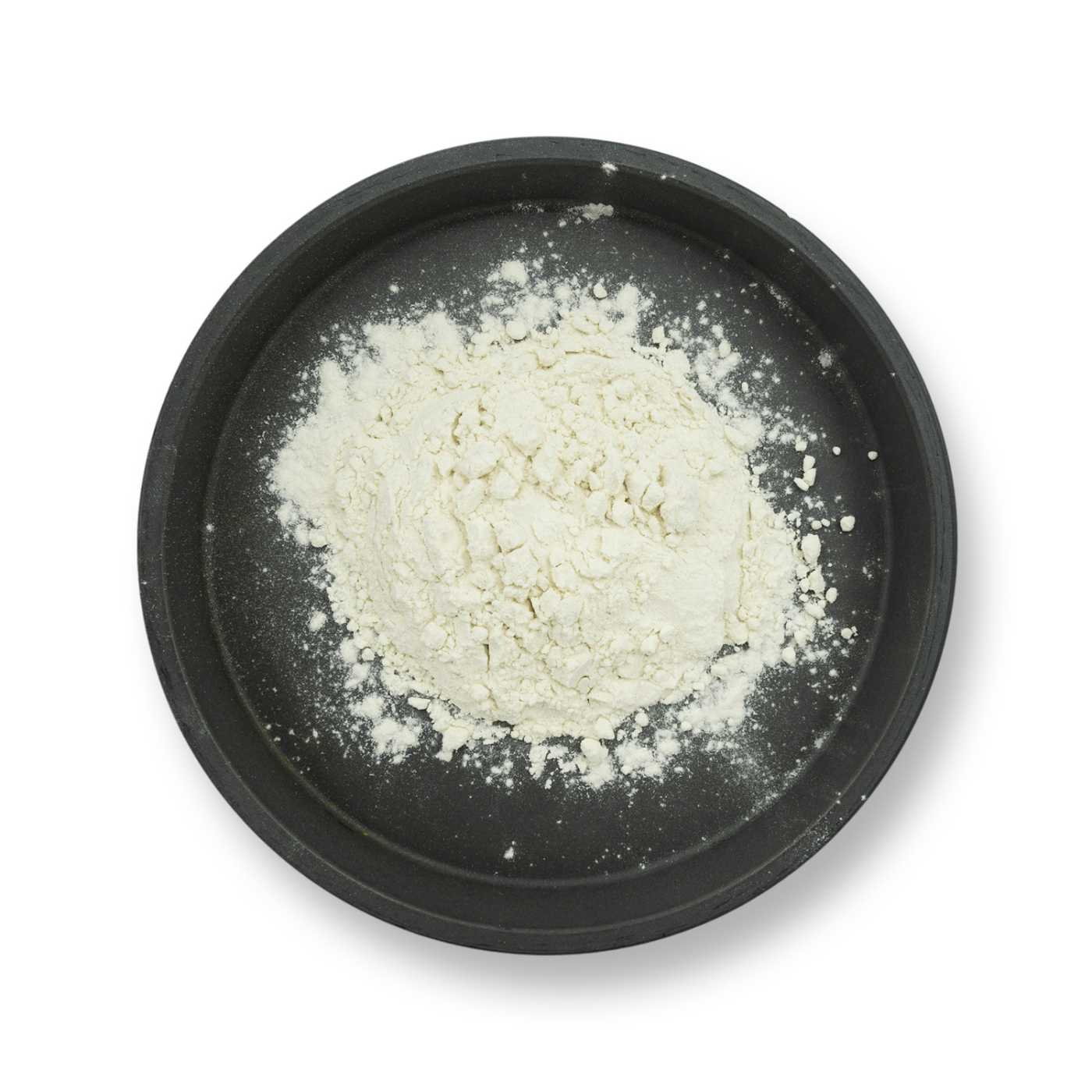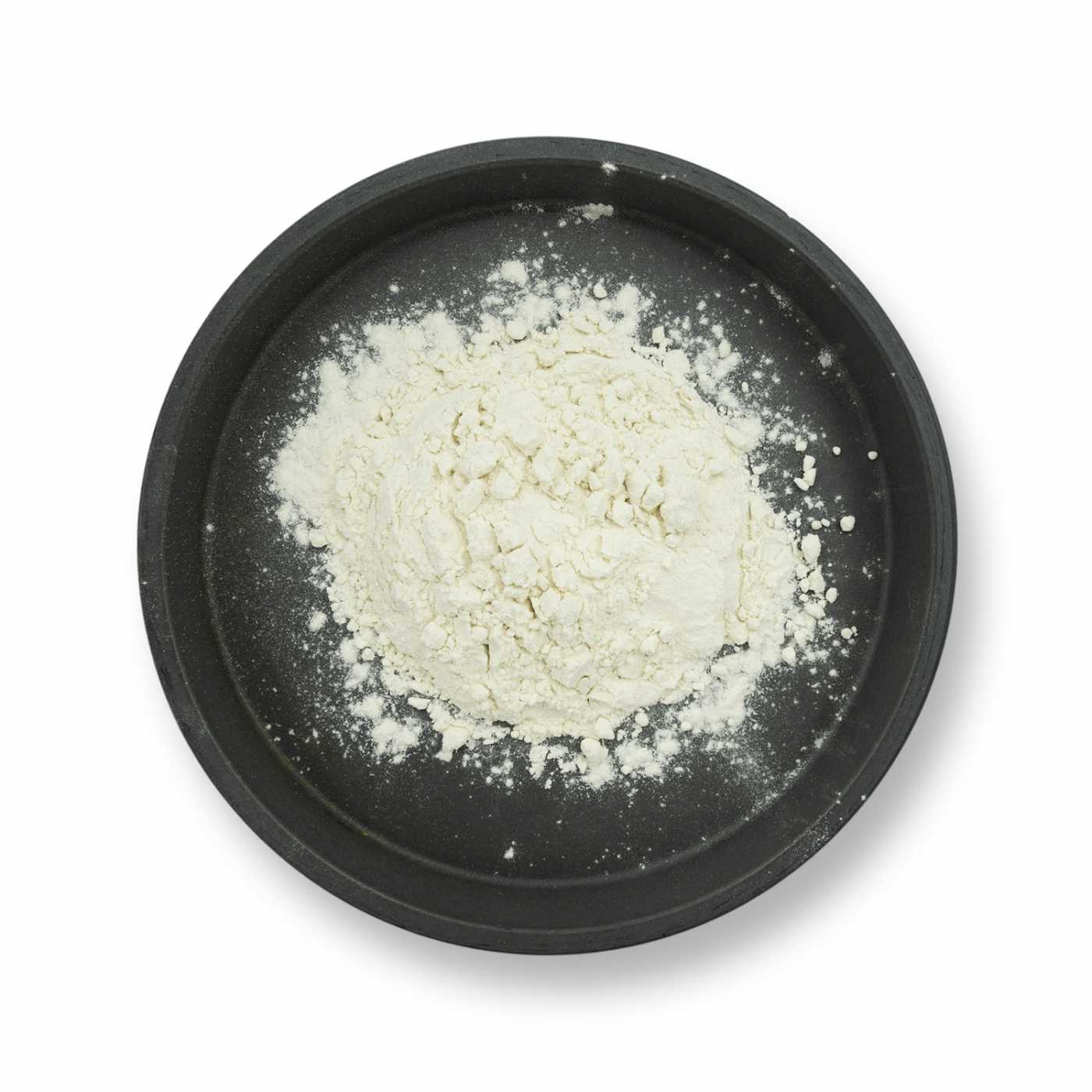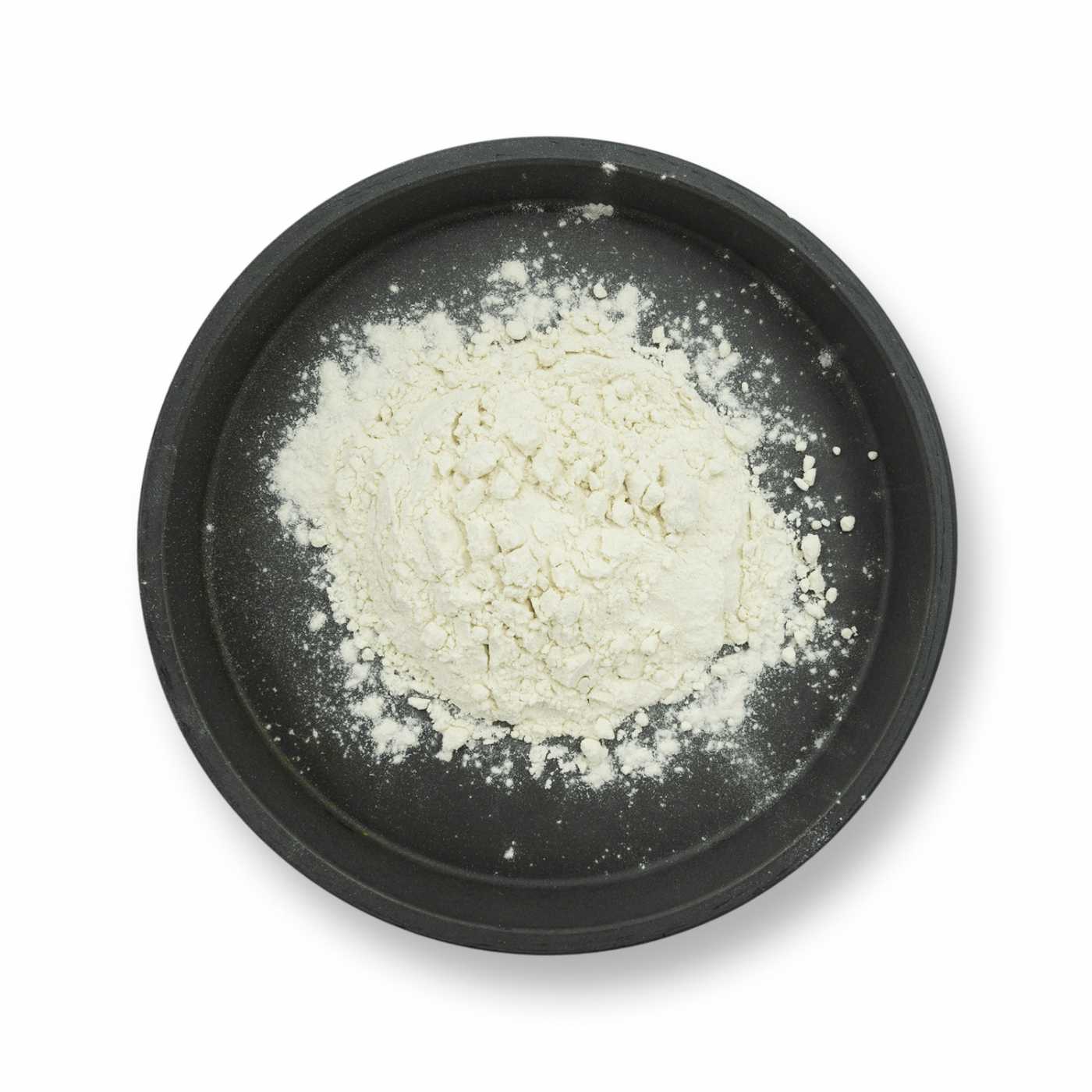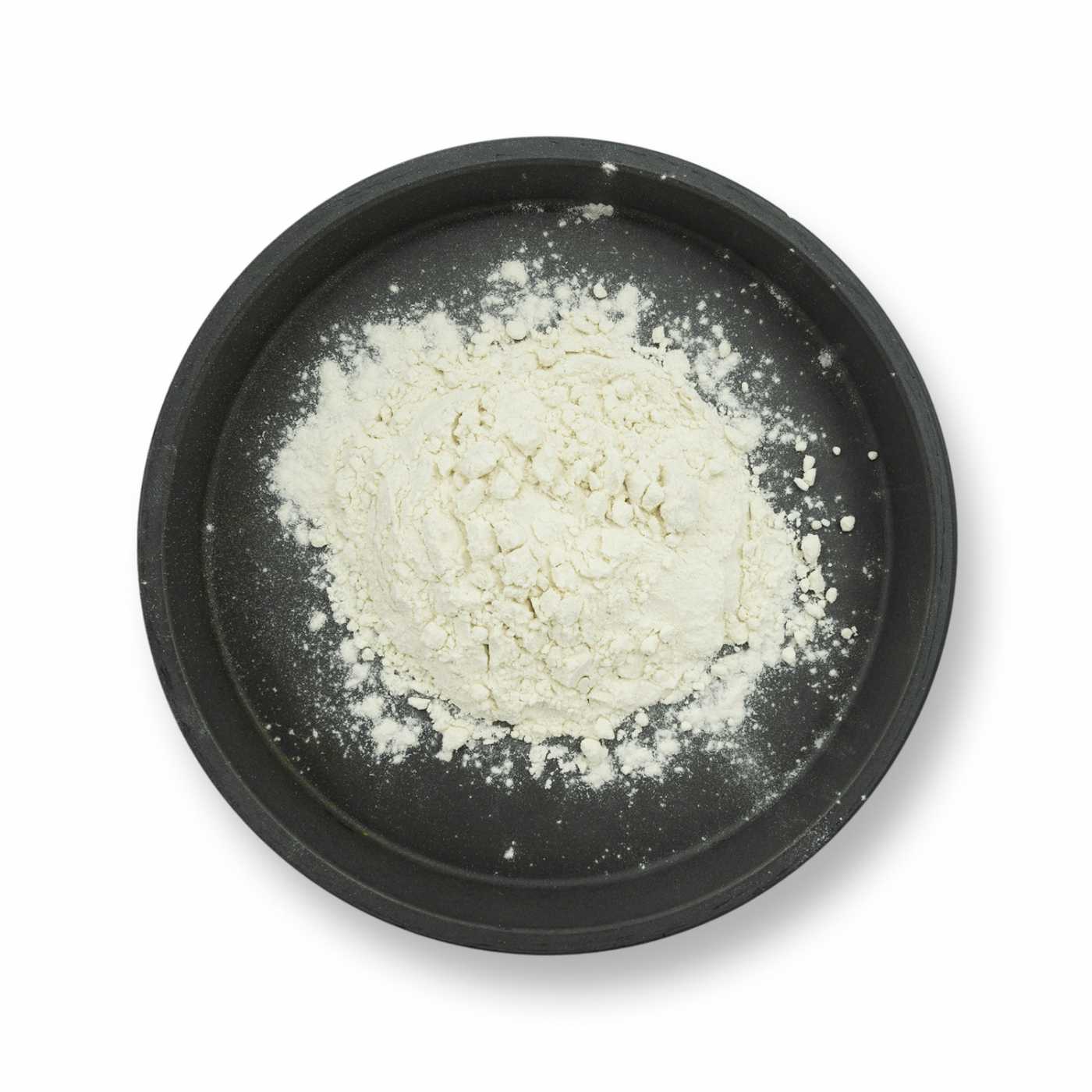
Fast-Dispersing Xanthan Gum, Granulated, 1 kg
Pre-order€85.41(€85.41/kg)

37 in stock now
4.9 out of 5 · 496 ratings
Documentation for every product
44 products in this category
Showing 44 of 44 products
Thickeners in cosmetics have several important jobs that can affect the stability and the quality of the finished product. There is no single universal thickener — the right choice depends on the nature of the product and on the properties you want the thickener to give it. Let's take a closer look at the best-known and most widely used thickeners in cosmetics.
The main job of a thickener in cosmetics is to raise viscosity, that is, to thicken the product. This is particularly useful when you are making light creams, gels or emulsions. Thickeners give them the body they need without you having to reach for solid plant butters, which would leave the product needlessly greasy. They also let you prepare pleasantly light serums on a water base alone. It is the thickener that keeps these products from turning out too runny and helps them spread well.
Another function thickeners have in cosmetics is the stabilisation of emulsions. In formulations they work alongside emulsifiers and support the stability of the finished product. As mentioned above, thickeners make it possible to cut the amount of solid fats (plant butters) that would otherwise be needed to thicken a product. That is why thickeners come into their own in cosmetics for oily and blemish-prone skin.
Thickeners also let you change the texture of the finished product. Some are known for producing very smooth, lump-free emulsions that feel pleasant to the touch. They also influence how well a product spreads and how evenly scrub particles stay distributed in it.
All of these properties come from one thing: on contact with water or other water-based ingredients, thickeners begin to swell in volume and build interlocking polymer structures at molecular level. Natural thickeners are above all various types of polysaccharide, whose differently linked building units allow them to expand.
This behaviour is typical of natural thickeners, chiefly the plant gums. There are also synthetic thickeners, but these are mostly used in large-scale cosmetic manufacturing and may work on a different principle from the natural ones.
Using thickeners in food, not only in cosmetics, is common practice today. Ordinary gelatine alone counts as a food thickener and is widely used in confectionery and meat production. Pectin- and agar-based thickeners are used on a large scale in jam making. Cellulose is one of the components of dietary fibre and is also used to thicken various kinds of food. By origin, thickeners fall into several groups:
Thickeners obtained by fermentation. Here the thickener is produced using micro-organisms that characteristically produce (or over-produce) a particular type of thickener. This group includes xanthan gum, sclerotium gum and gellans.
Thickeners obtained by extraction. Extraction draws thickeners from natural plant materials or algae. That is why this group covers above all agars from seaweed, along with pectins and cellulose from plant sources. Carrageenans and alginates belong here too.
Thickeners taken directly from parts of plants. These are thickeners obtained either from seeds, such as guar and carob gum (locust bean gum), or from tubers, such as konjac powder.
When you create your own cosmetic recipes, you do not have to use thickeners on their own. For individual products you can put together your own thickener blends with the viscosity and texture you want. Some thickeners, xanthan gum among them, give products a high viscosity, yet such emulsions rarely have the finest texture. So if you want to create smooth, refined creams that are a pleasure to look at and to touch, it pays to bring in a thickener that offers exactly that, such as konjac powder.
Thickeners with a pleasant texture, on the other hand, may not deliver the viscosity you are after, so it is worth combining two or even three types of thickener to reach the effect you want in a cosmetic product.
When you are deciding which thickener to use in your product, the choice is wide. Let a few of the most widely used ones point you in the right direction.
Konjac powder. Konjac is a plant thickener obtained from the tubers of Amorphophallus Konjac, which grows in Asia. Besides cosmetics it is also used in food production. It contains glucomannans, which can swell up to ten times their volume in water. The advantage is that it forms clear gels with no tacky feel. Konjac is particularly stable at acidic pH, which makes it one of the thickeners to reach for in products containing AHA acids.
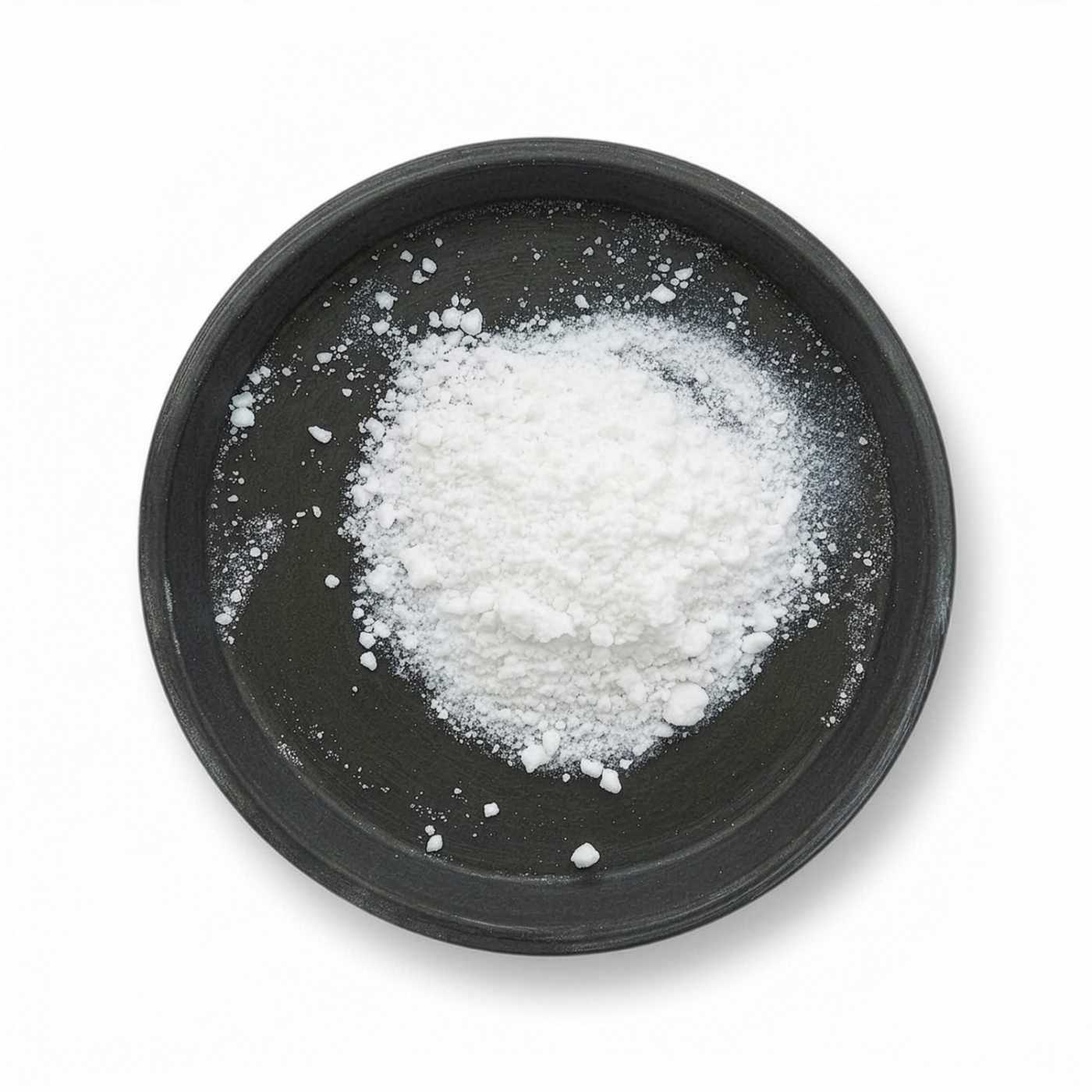
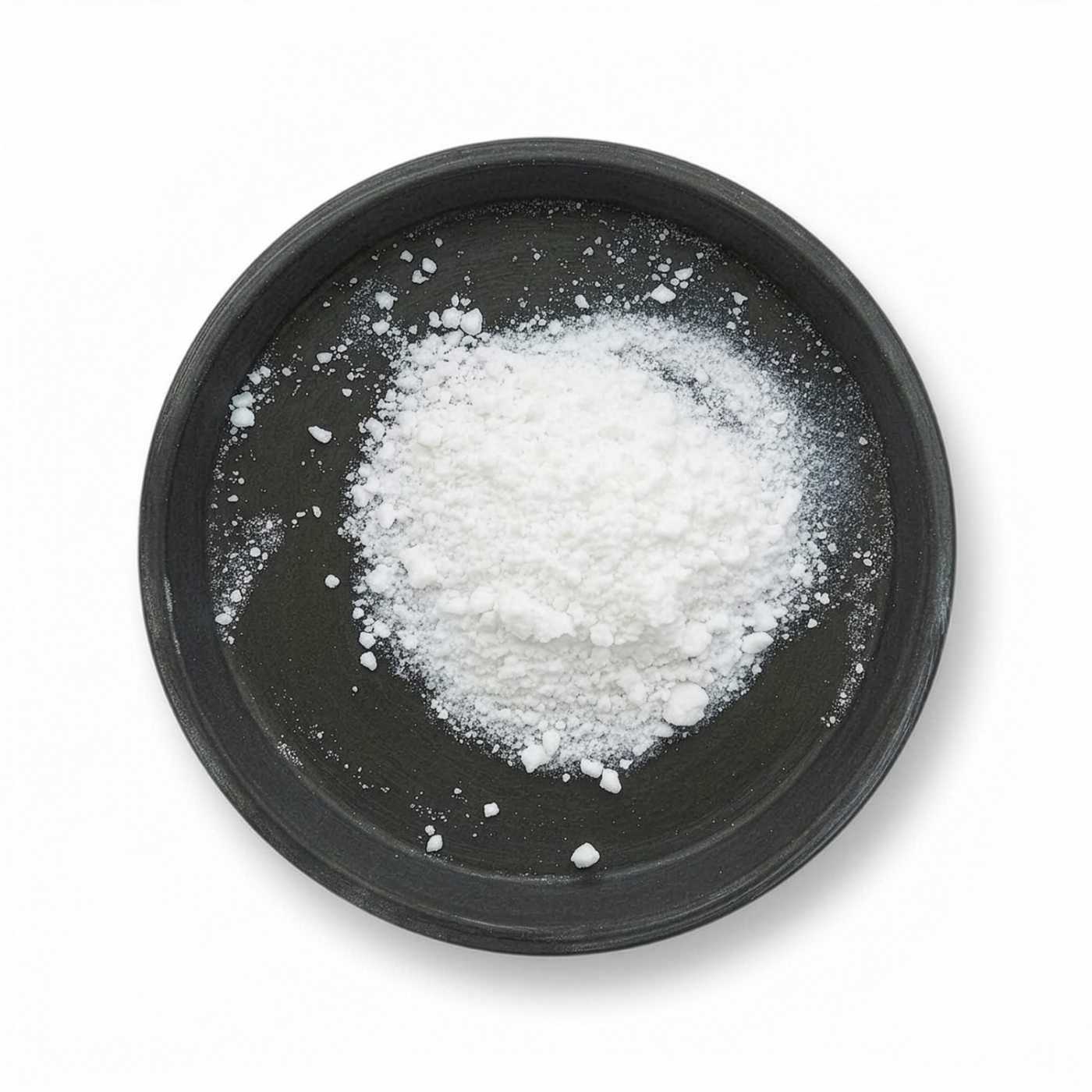
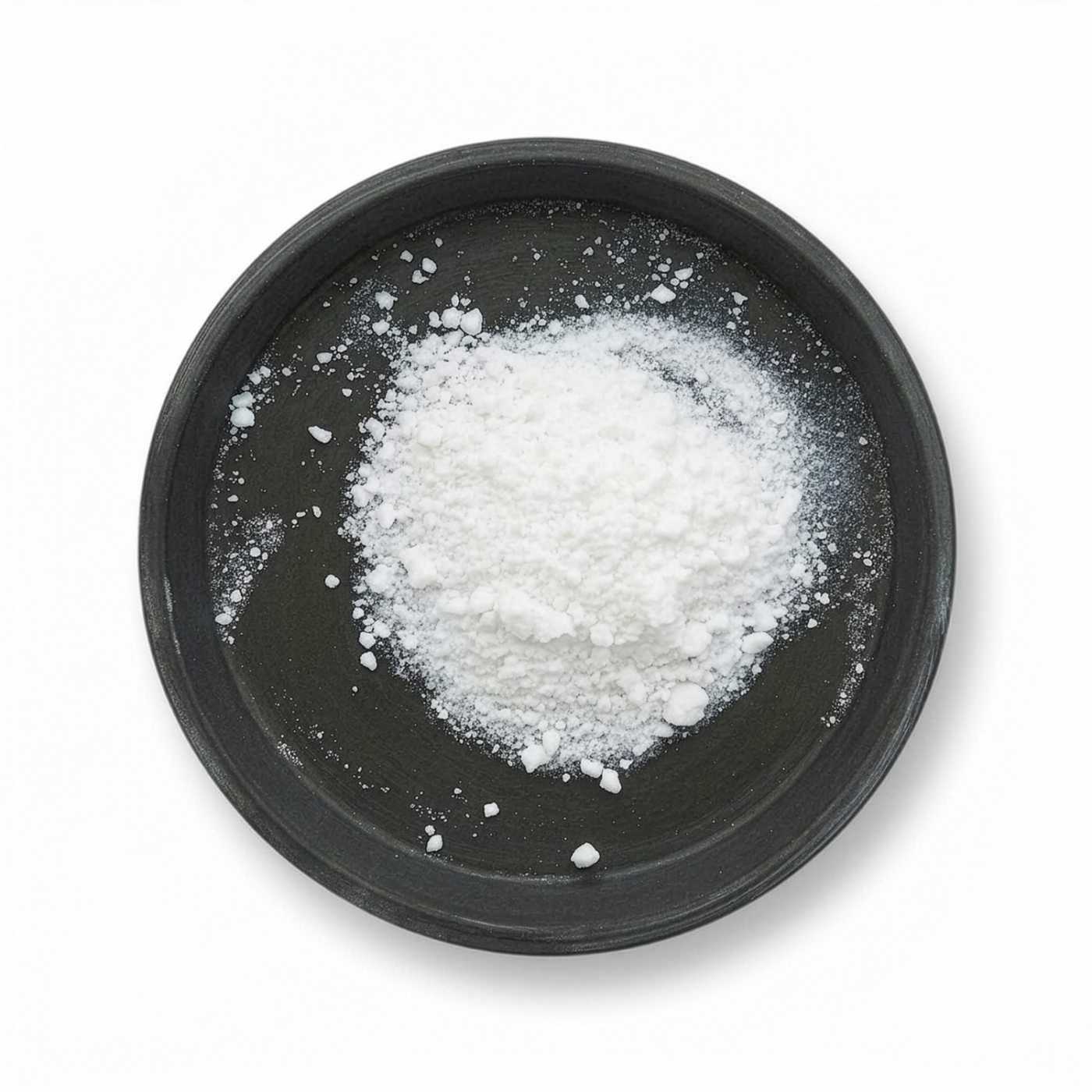
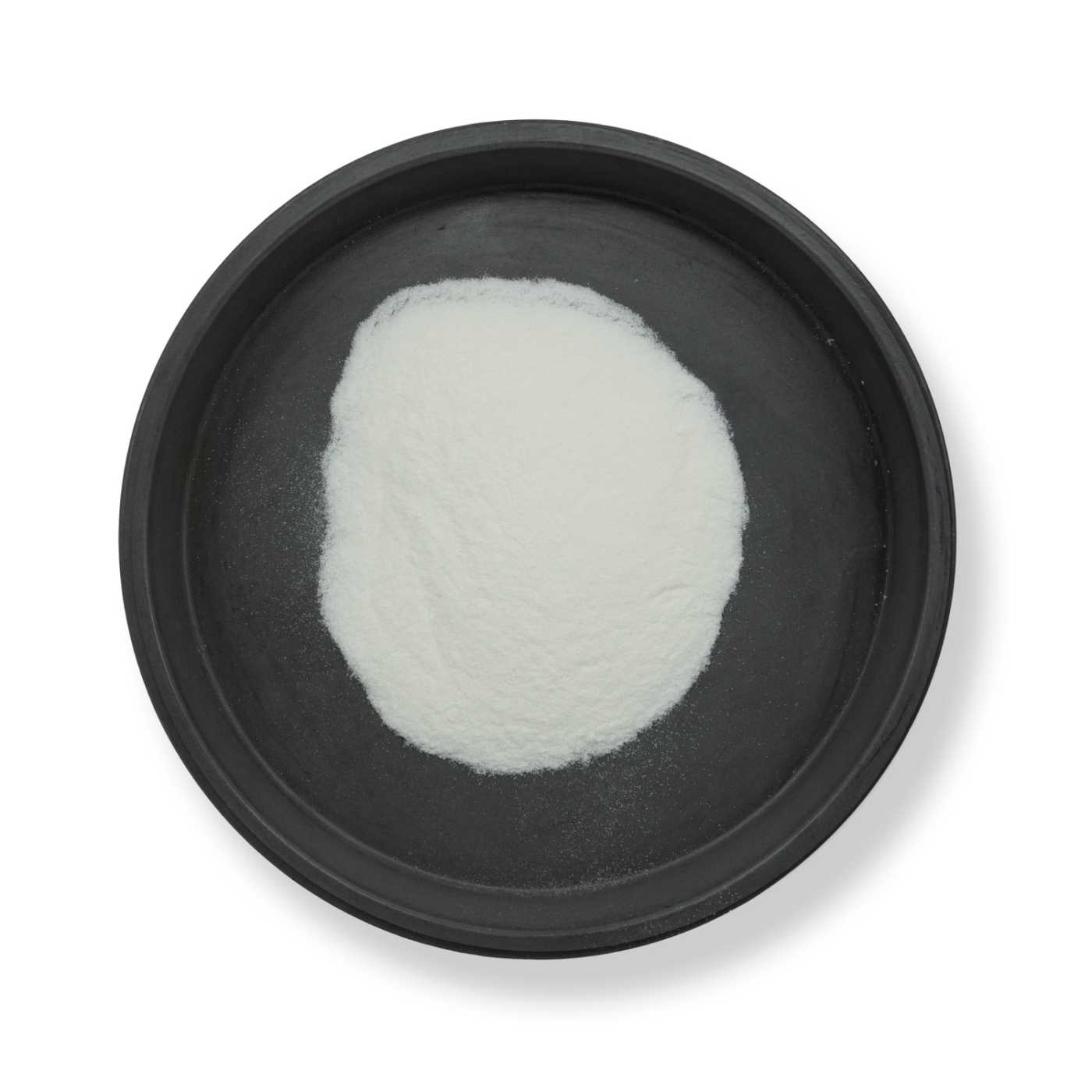
Xanthan gum. Xanthan gum makes it simple and easy to form a gel or thicken a product in cosmetics, which is why it counts among the most widely used and most versatile thickeners. It is obtained biotechnologically with the help of the bacterium Xanthomonas Campestris. Its friendly price makes it good for beginners to experiment with, and it certainly belongs in the basic kit of anyone with more experience of making cosmetics at home.
It can be used in a recipe on its own or together with another thickener. The easiest route is to disperse it in glycerine or another glycol, or to stir it straight into water while mixing vigorously. Dispersing it in glycerine helps you avoid the lumps that form when xanthan gum has not hydrated evenly. Xanthan gum is also a very stable thickener that works at small doses — in shampoos and shower gels 1 % is usually enough. Its thickening effect can be increased further by adding 0.5 % sodium chloride.
Hyaluronic acid. Hyaluronic acid is not a typical thickener, because in cosmetics it is used first and foremost for its moisturising properties, which is why it is so often applied to the face in a cream or a serum. Even so, it binds water very efficiently and therefore helps to thicken water-based serums (that is, ones without oils) without any other thickener.
The thickening power of hyaluronic acid depends mainly on its molecular weight, which for hyaluronic acid is usually given in daltons. The more daltons it has, the better it thickens. Grades that thicken well are often labelled high-molecular-weight. The drawback of hyaluronic acid is its higher price; on the other hand, if you use hyaluronic acid in your serum you usually do not need to add any other thickener.
Guar gum. Like konjac powder, guar gum is a thickener obtained from plants — specifically from the beans of Cyamopsis Tetragonoloba. Its uses are wide-ranging: besides thickening, it helps to stabilise and in part even to form emulsions. Guar gum is also used in food production, because it thickens to a paste-like consistency very well; that is why you often find it in toothpaste. The drawback is that it gives less transparent solutions and can leave a tacky feel on the skin.
A few rules apply to the use of guar gum in cosmetics that set it apart from other thickeners. Guar gum solutions are roughly neutral and it hydrates best at around pH 8; you then adjust the final pH of the cosmetic product with a citric acid solution, for example.
Gum arabic. This exotic plant gum is obtained from the hardened resin of African Acacia trees, which is also why its INCI name is Acacia Senegal Gum. It is composed of polysaccharides and glycoproteins and belongs to the thickeners that not only raise the viscosity of a product but are active ingredients in their own right. Gum arabic specifically serves as a humectant and, in part, as an emulsifier and stabiliser.
Carrageenan. Carrageenans are thickeners much loved in vegan cosmetics as well as in food, because they are a non-animal alternative to gelatine. Carrageenan is obtained from the red seaweed Chondrus crispus, and alongside its thickening action it plays the part in cosmetics of a gelling agent, emulsifier and stabiliser. It helps to moisturise the skin and, above all, the hair, which is why it is popular in shampoos and conditioners. It is widely used in these products because it is readily compatible with other surfactants and can form a foaming gel. It is also stable across a wide pH range. On top of that, carrageenan is valued for its content of minerals such as magnesium, calcium, zinc and manganese. It dissolves in hot water.
In shampoos and shower gels 1 % xanthan gum is usually enough, and its thickening effect can be increased further by adding 0.5 % sodium chloride. To avoid lumps caused by uneven hydration, disperse the gum in glycerine first and only then add the remaining ingredients of the recipe to that mixture.
Konjac powder is particularly stable at acidic pH, so it suits products containing AHA acids. Guar gum solutions are roughly neutral and guar hydrates best at around pH 8; you adjust the final pH of the product with a citric acid solution, for example. Always check pH suitability on the individual thickener.
Carrageenan — it is obtained from the red seaweed Chondrus crispus and is a non-animal alternative to gelatine. Besides thickening it works as a gelling agent, emulsifier and stabiliser, is stable across a wide pH range and tolerates surfactants well, which is why it is often used in shampoos and conditioners. It dissolves in hot water.
Yes. High-molecular-weight hyaluronic acid binds water so efficiently that it thickens a water-based serum without any other thickener. The rule is that the higher the molecular weight (the more daltons), the better it thickens. The drawback is the higher price, but with a hyaluronic acid serum you usually do not need another thickener.