+421 950 333 113info@handymade.store

Spend over €100 for discounted shipping!

THICKENERS

Carrageenan Kappa, 1 kg

Pack size100 g500 g1 kg5 kg

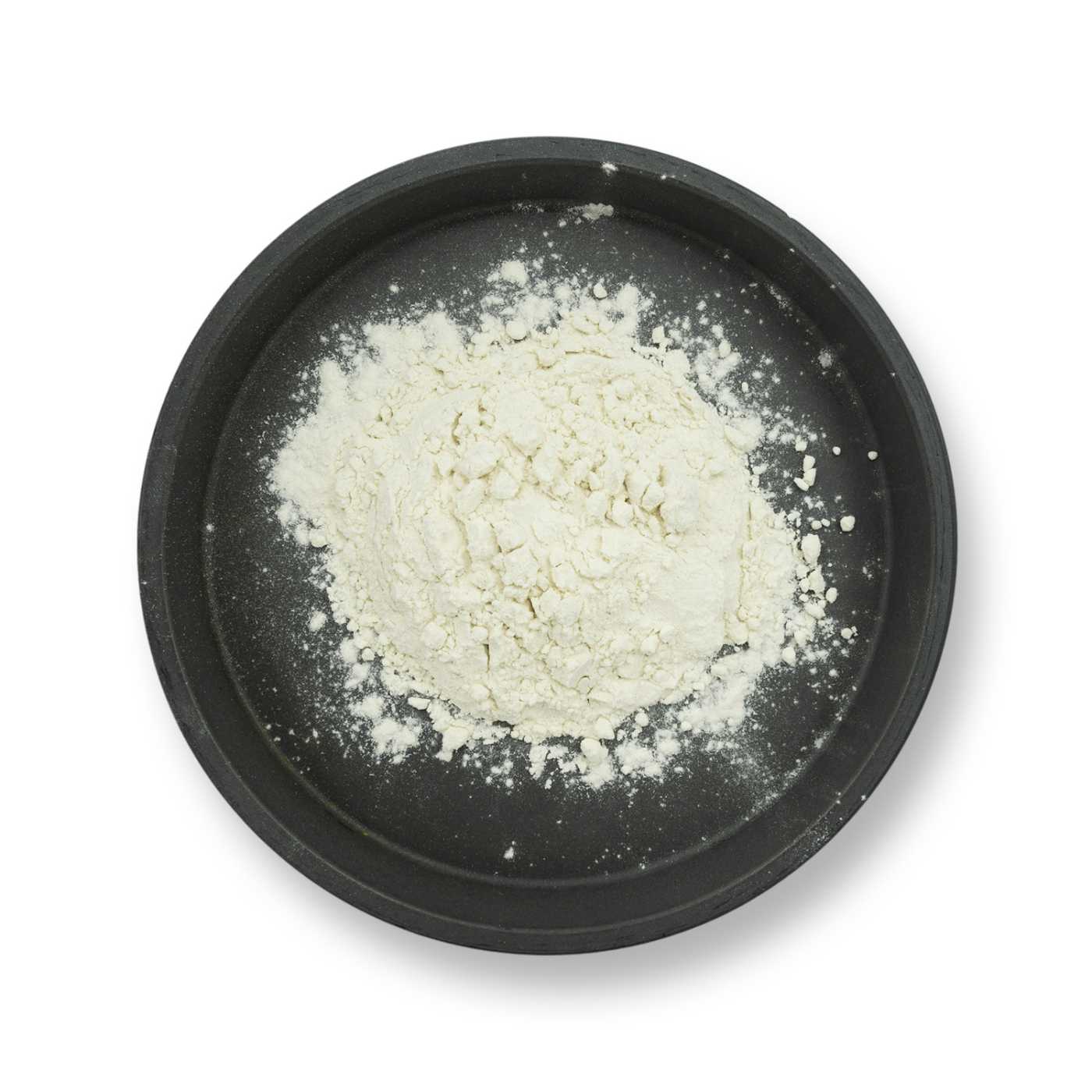
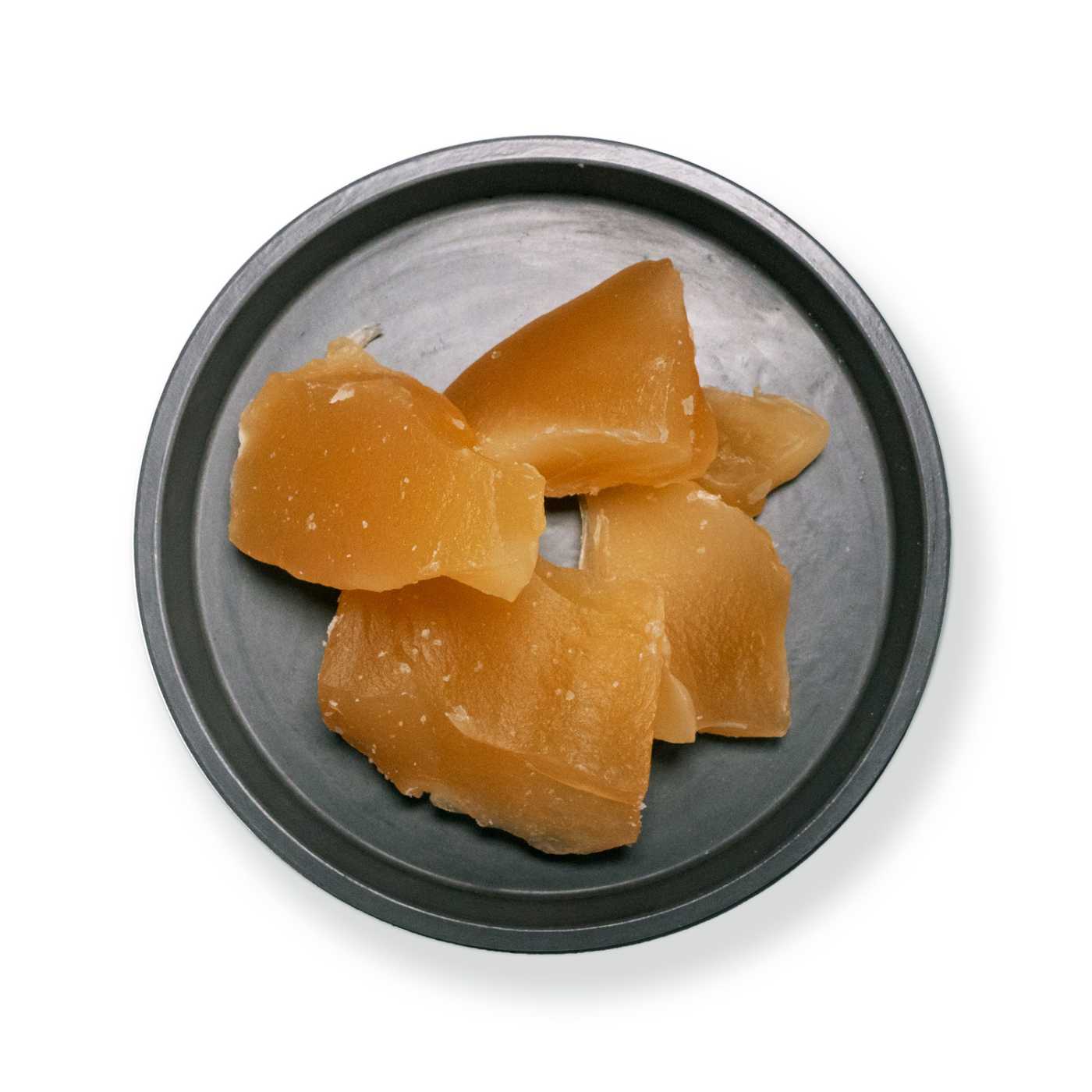
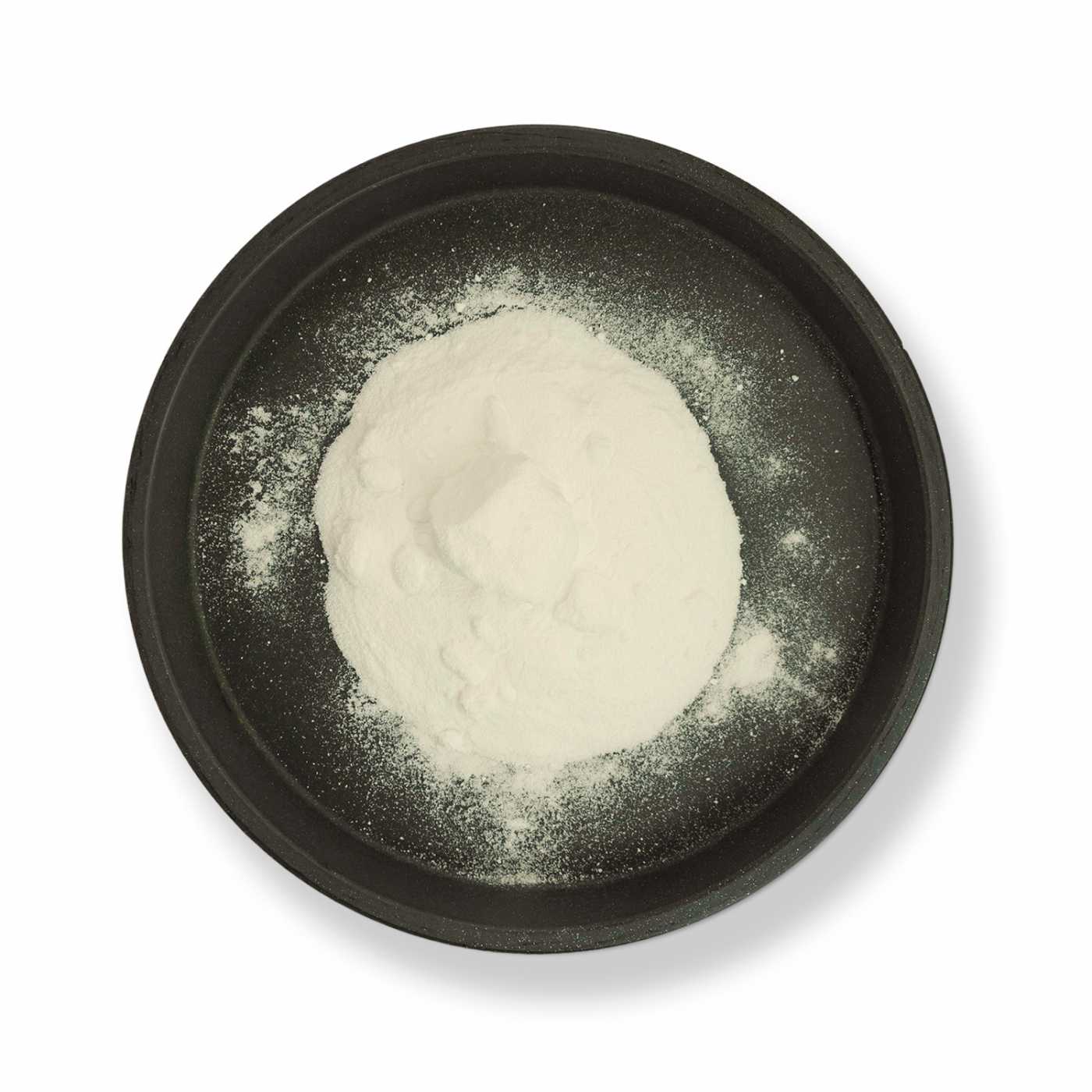
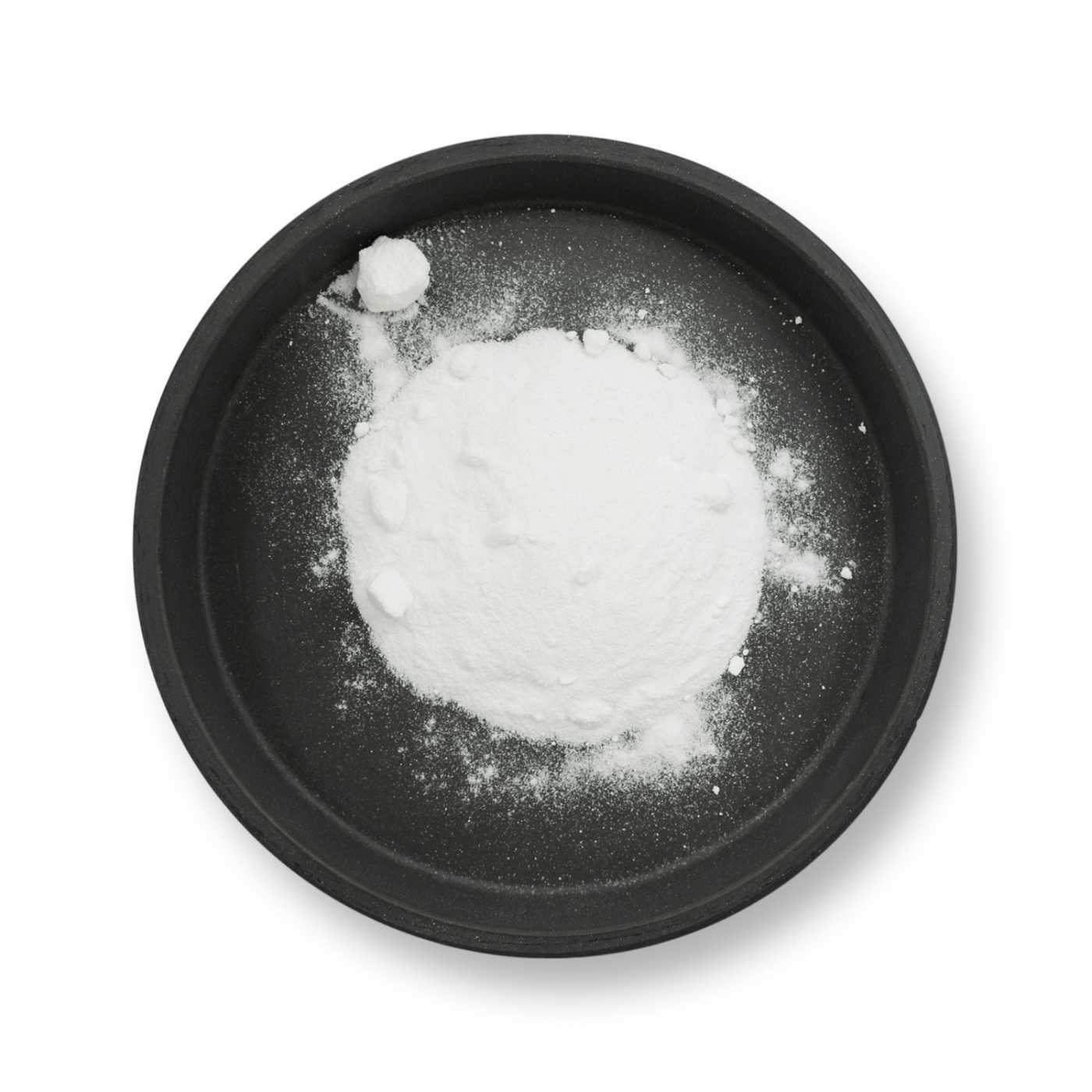
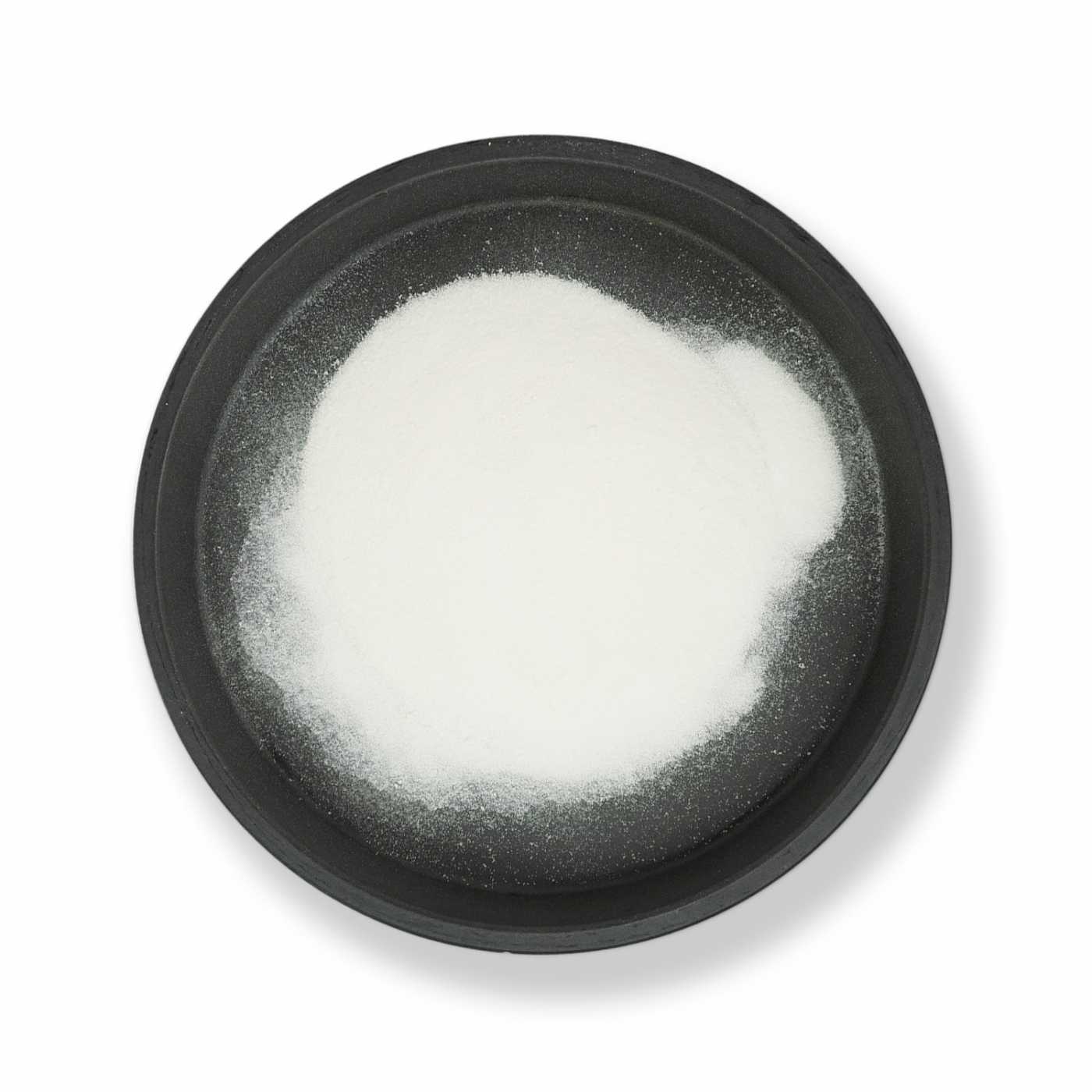
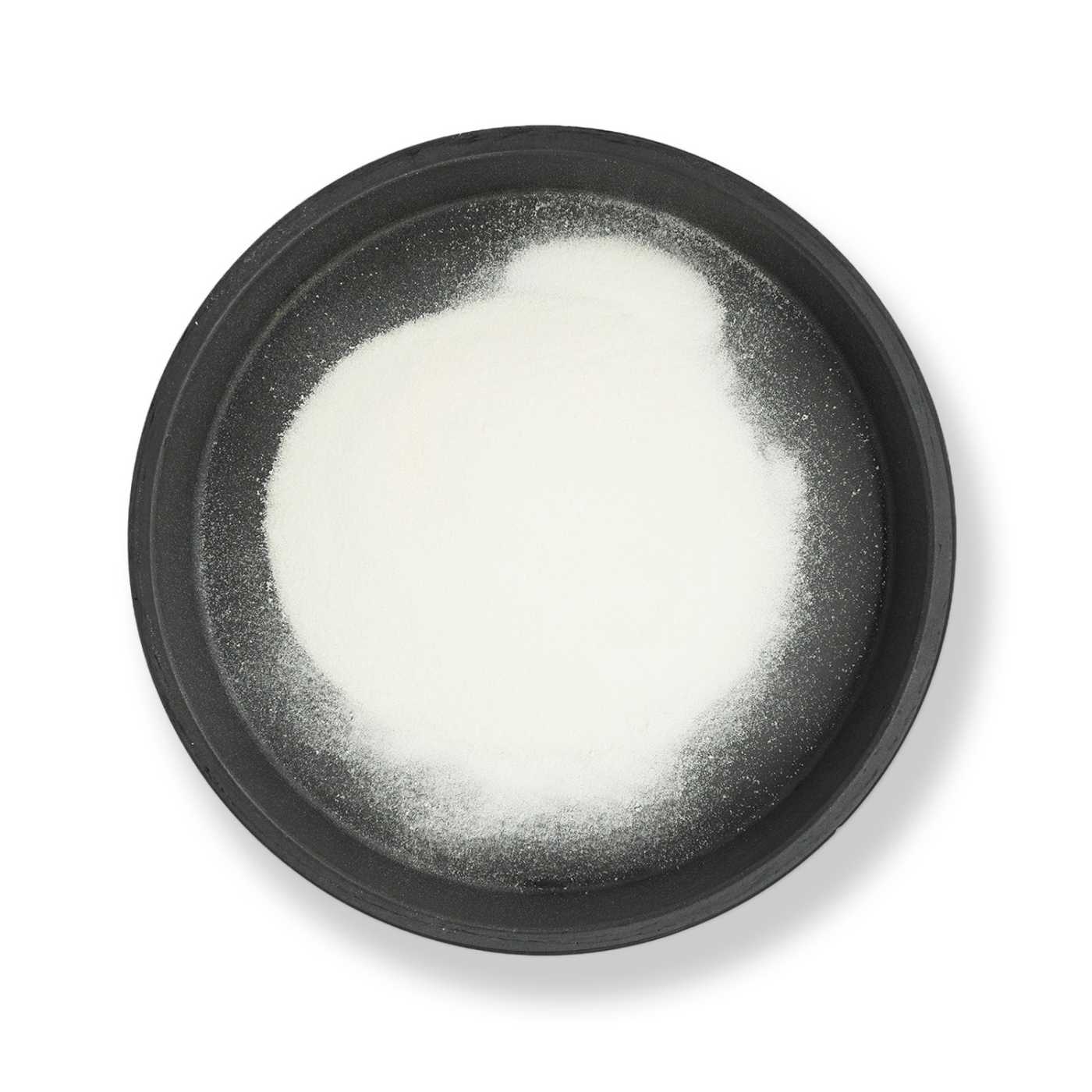
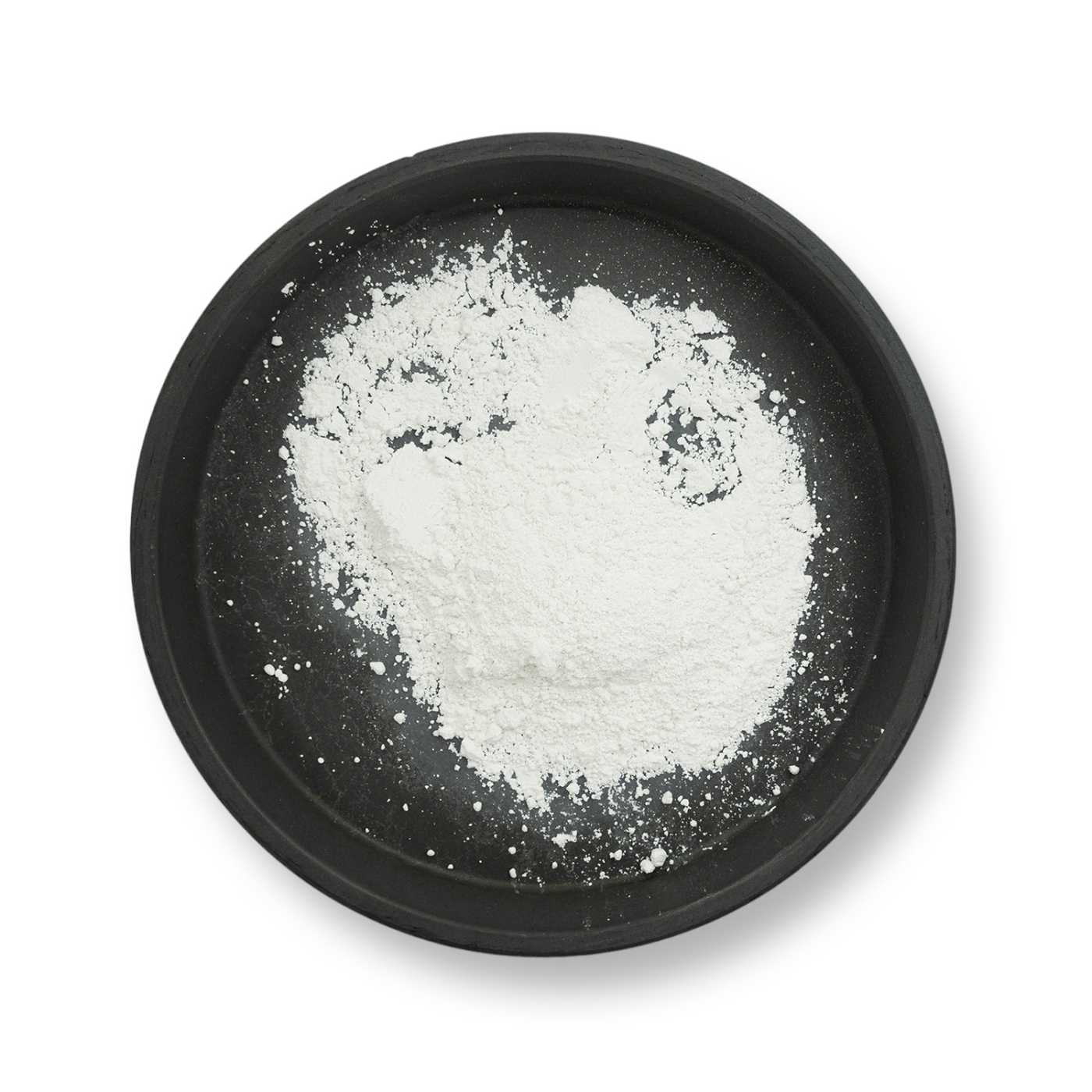
Carrageenan is a natural polysaccharide from red seaweed that forms a gel in water, thickens the water phase and helps to stabilise emulsions . It leaves a thin film on the skin and hair that supports hydration . full description

AvailabilityPre-order
Product codeSTA025_1000
€54.17incl. VAT€54.17/kg

Lowest price in the last 30 days: €54.17

Pre-orderThis variant is currently out of stock — your order will be a pre-order and delivery may take longer.

Product description

Carrageenan is a natural polysaccharide from red seaweed that forms a gel in water, thickens the water phase and helps to stabilise emulsions. It leaves a thin film on the skin and hair that supports hydration. It is used in shower jellies, gels, shampoos, creams and hair conditioners, in both rinse-off and leave-on products.

The raw material is of European origin. It is suitable for all skin types, including sensitive skin, and for all hair types, for use on the face, body, hands and hair.


What it does in a product

  • Thickening and gel formation – increases the viscosity of water-based products and forms a gel at a higher usage rate.
  • Emulsion stabilisation – helps to stabilise creams and lotions. In emulsions it is complemented by fatty alcohols and Glyceryl Stearate.
  • Film on the skin – after application it forms a film that hydrates and conditions the skin and feels soft to the touch.
  • Hair care – the film helps to tame the hair; it is useful in shampoos and conditioners.

Carrageenan types and their gels

Carrageenan is a family of related polysaccharides. There are three main types, kappa, iota and lambda, which differ in the number of sulphate groups in the molecule. This determines what kind of gel is formed.

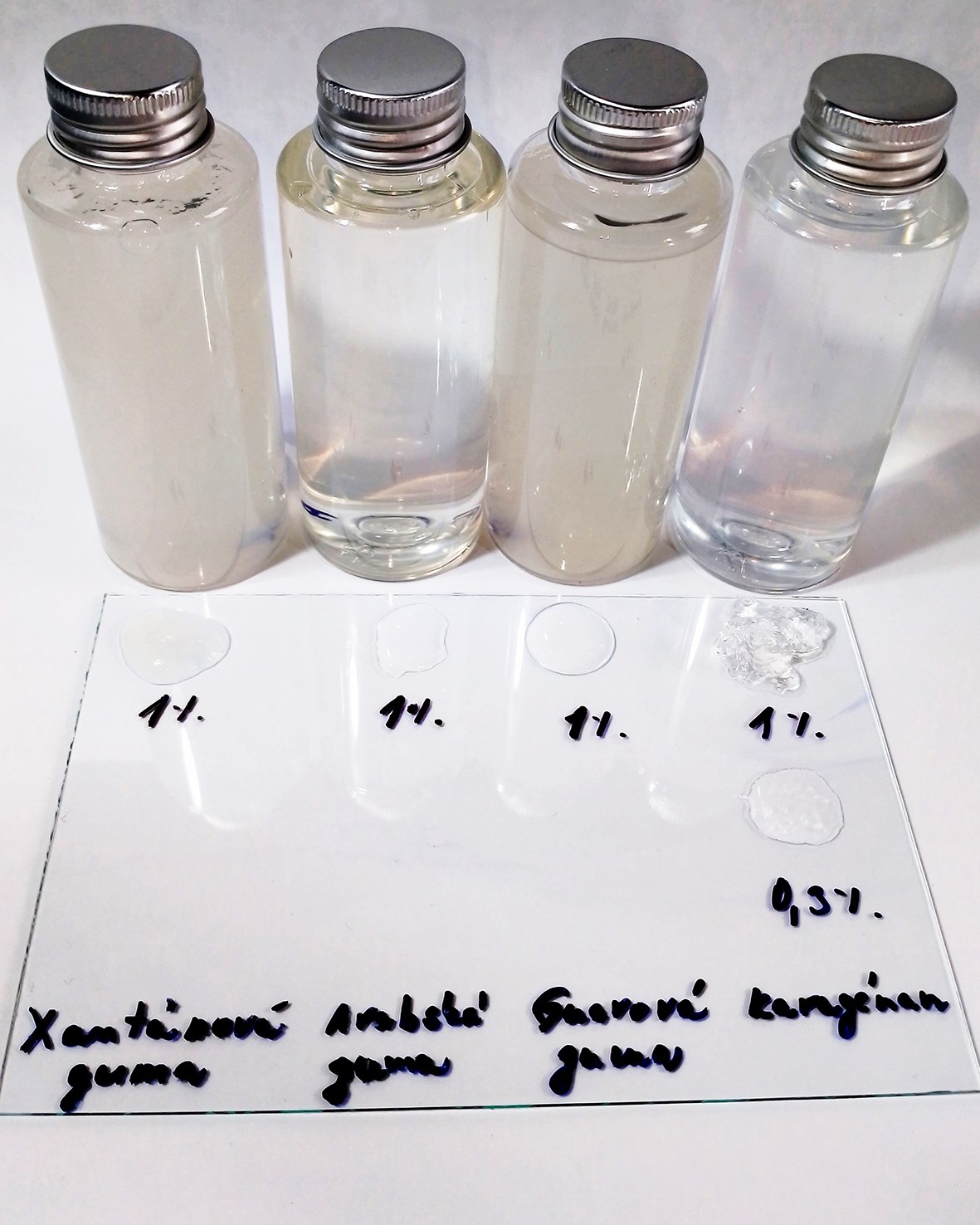
  • Kappa – forms a firm, brittle gel. Over time it may lose firmness and release water (syneresis).
  • Iota – forms a soft, elastic gel that releases almost no water and withstands freezing and thawing.
  • Lambda – does not form a gel; it only thickens the water phase.

The firmness of the gel also depends on the concentration of carrageenan and on the salts in the formulation. Kappa forms the firmest gel with potassium ions, iota with calcium ions. Added salts change both the firmness of the gel and the temperature at which it melts. In gel products containing calcium, iota is also combined with sodium alginate.


Use in formulations

Carrageenan belongs in the water phase. The kappa and iota types dissolve in hot water and form a gel only on cooling. Therefore, assess the texture of the product only after it has cooled completely.

Powder added directly to water forms lumps. A proven method is to first mix it in glycerine, optionally together with xanthan gum, and then add this mixture to warmed water, stirring continuously. Add the other ingredients only once the carrageenan is fully hydrated. Homogenisation also helps.

In formulations, carrageenan is almost always combined with xanthan gum and glycerine. The additional gum improves the stability of the gel and limits the release of water.


Usage rate

In formulations it is used in the range of 0.05–1.4%, most often around 0.2%.

  • Face creams and serums – 0.1–0.2%
  • Body creams and hair conditioners – around 0.5%
  • Shower jellies and other gels – higher usage rate, as carrageenan is the main gelling agent here

Suitable for products such as

  • shower jellies and gel products, where it forms the structure itself
  • shower gels and shampoos, which it thickens
  • face and body creams and lotions, where it stabilises the emulsion
  • serums and gels for the face, hands and body
  • hair conditioners

Good to know

Carrageenan is anionic across almost the entire pH range and reacts electrostatically with cationic ingredients. When combining it with cationic conditioning agents in hair care, we recommend checking the stability and appearance of the product.

In a strongly acidic environment it thickens less effectively. Significant degradation occurs only when a strong acid is combined with high temperature. It is better to add acidic ingredients only after cooling.

The raw material is subject to the CLP Regulation and is labelled with the GHS07 pictogram. When handling the powder, avoid inhaling dust and follow the safety data sheet.

Carrageenan is readily biodegradable. It contains no fragrance allergens, parabens or intentionally added microplastics.


Frequently asked questions

Is carrageenan soluble in water?
Yes, carrageenan is soluble in water and is incorporated into the water phase. The kappa and iota types dissolve in hot water and form a gel only on cooling. To prevent lumps, the powder is first mixed in glycerine and this mixture is added to warmed water while stirring continuously.
What is the usage rate of carrageenan in cosmetics?
Carrageenan is used in the range of 0.05–1.4%, most often around 0.2%. In face creams and serums it is usually 0.1–0.2%, in body creams and hair conditioners around 0.5%. The highest rates are used in shower jellies and other products where carrageenan is the main gelling agent.
What is the difference between kappa, iota and lambda carrageenan?
The types of carrageenan differ in the number of sulphate groups and therefore in the gel they form. Kappa gives a firm, brittle gel that tends to release water. Iota forms a soft, elastic gel that withstands freezing and thawing. Lambda does not form a gel and only thickens the water phase.
Why is carrageenan combined with xanthan gum?
Xanthan gum improves the stability of the carrageenan gel and limits the release of water. It helps especially with the kappa type, whose gel loses firmness over time and releases water. Both raw materials can be mixed together in glycerine and stirred into warmed water at once, which also makes incorporation without lumps easier.
Can carrageenan be used in a hair conditioner with cationic ingredients?
When carrageenan is used in a hair conditioner with cationic ingredients, the stability and appearance of the product need to be checked. Carrageenan is anionic across almost the entire pH range and reacts electrostatically with cationic conditioning agents. In hair care it forms a film that helps to tame the hair, but we recommend monitoring the finished product during stability testing.

Parameters

INCI
Carrageenan
CAS No.
9000-07-1
EC number
232-524-2
Country of origin
European Union
Appearance
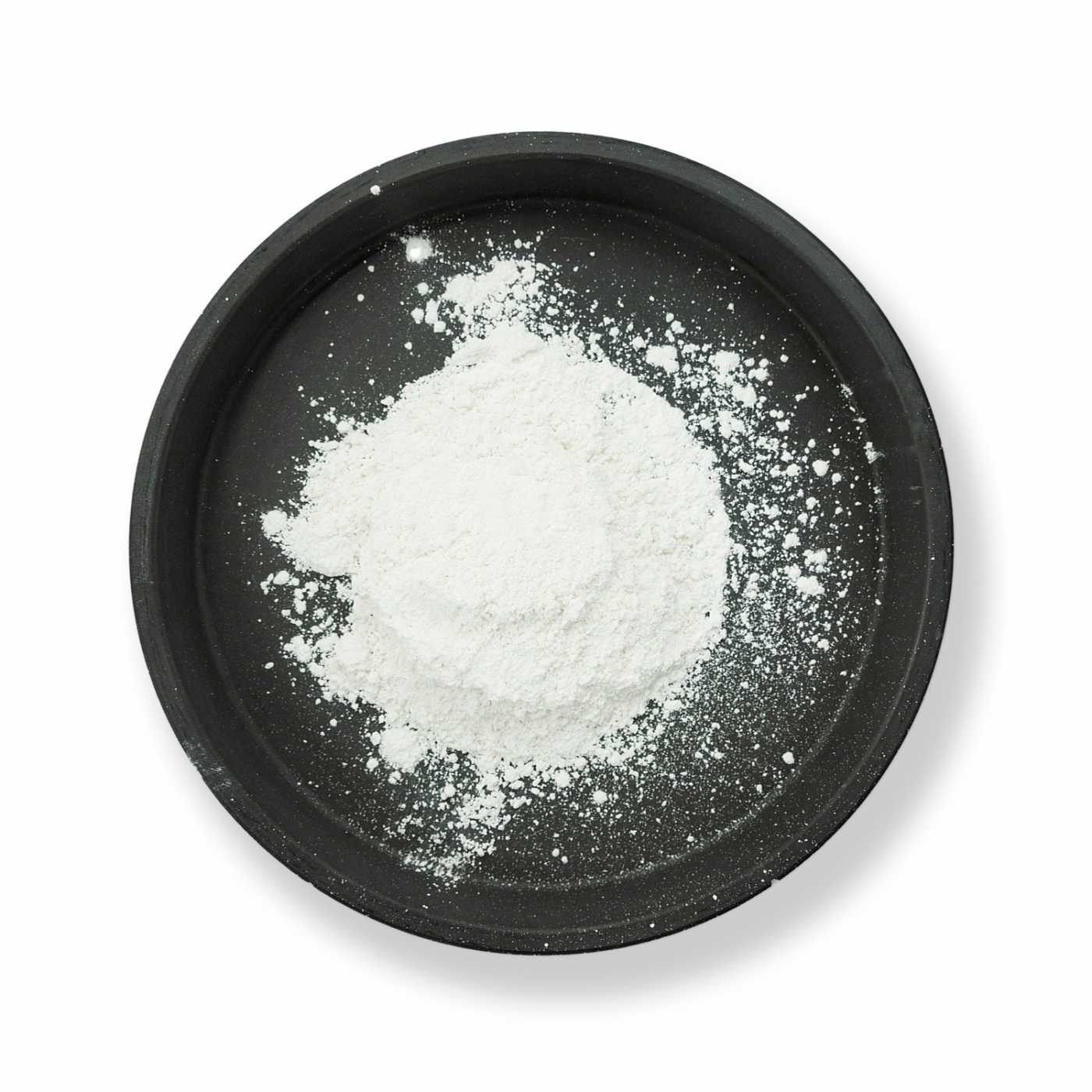
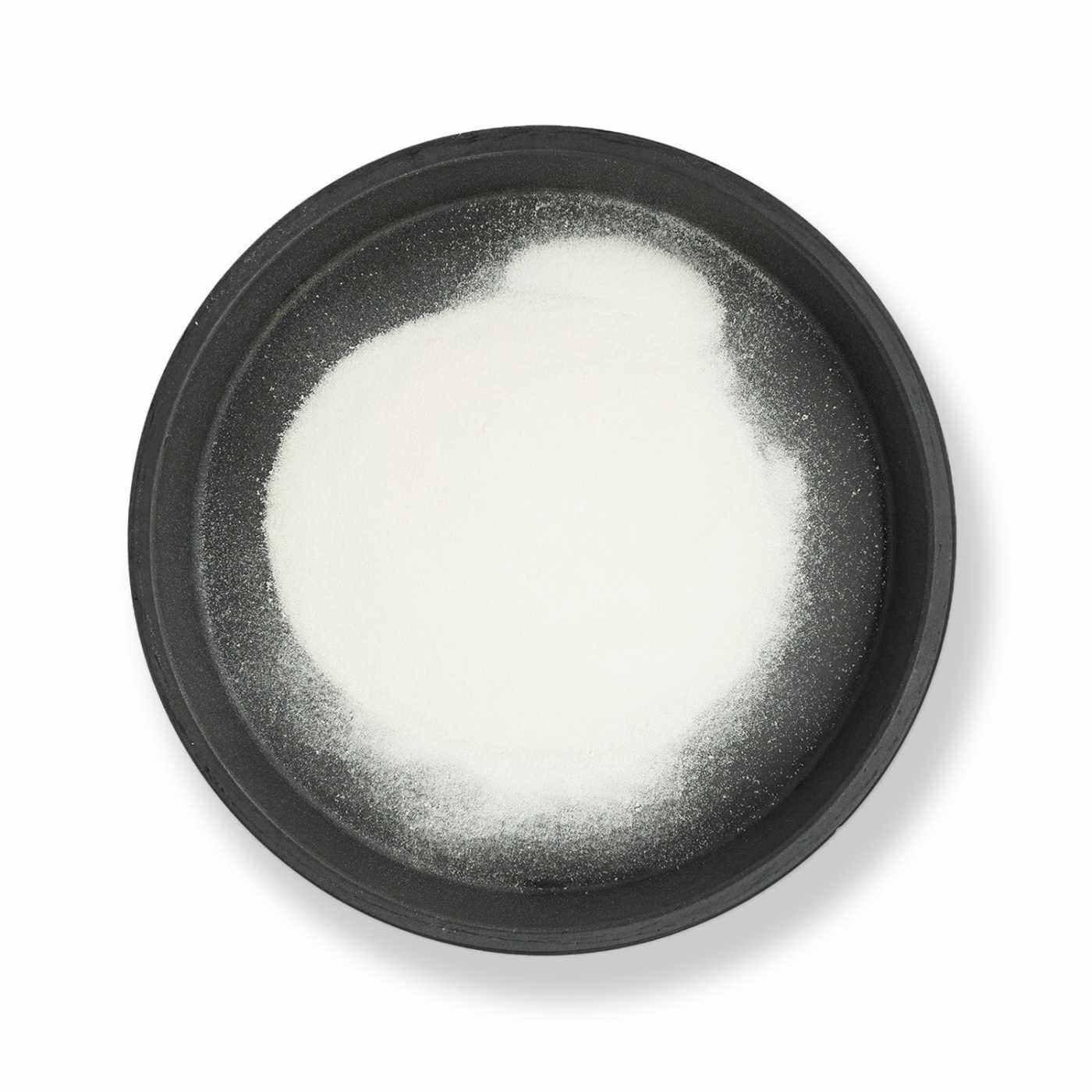
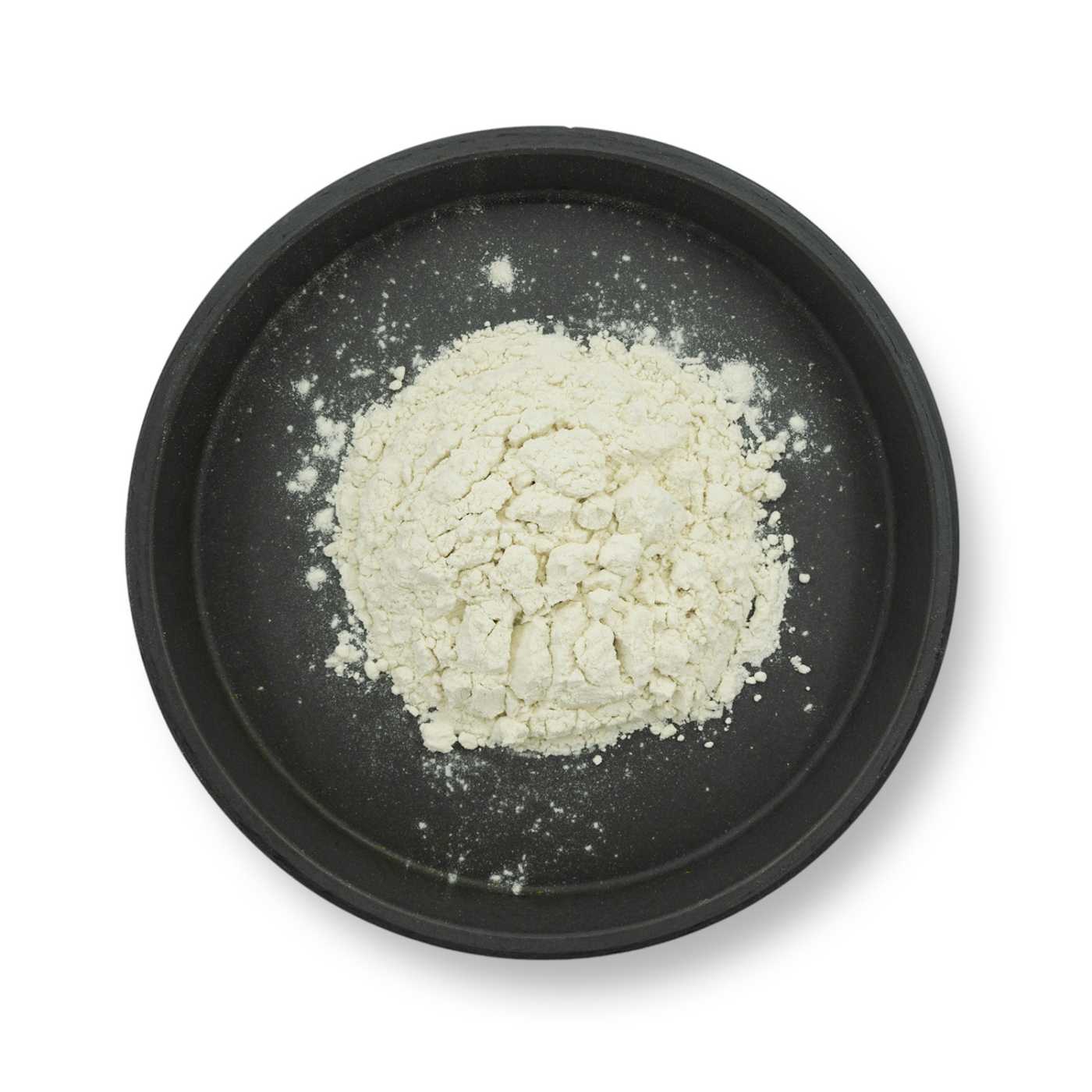
Powder
Formulation phase
Water phase
Solubility
Water-soluble
Function in formulation
Film formerStabiliserThickener
Application area
FaceHairBodyHands
Application type
Leave-onRinse-off
Biodegradability
Readily biodegradable

Product documentation

CoACertificate of Analysis
batch 810APDF ↓
TDSTechnical Data Sheet
Physical parameters and processingPDF ↓
Download all (ZIP)

2 PDF files in one archive

Learn how to work with it

From our blog
REVIEWS

Verified by customers.

No reviews yet.

Only customers with a delivered order can write reviews.