Pre-orderSold out
Lamesoft PO 65, 100 ml
€3.19(€31.90/l)

THICKENERS
Pack size10 g50 g100 g500 g1 kg
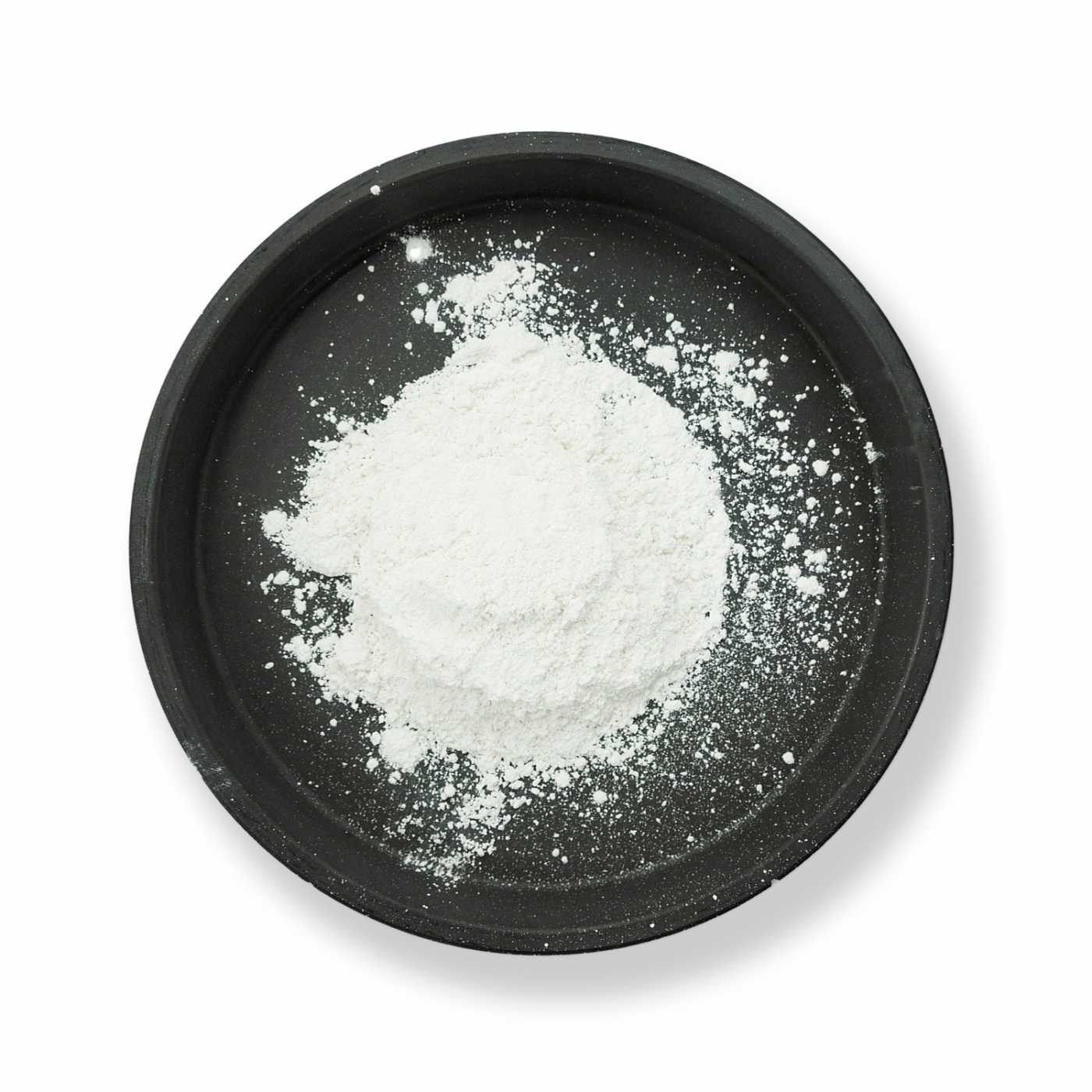
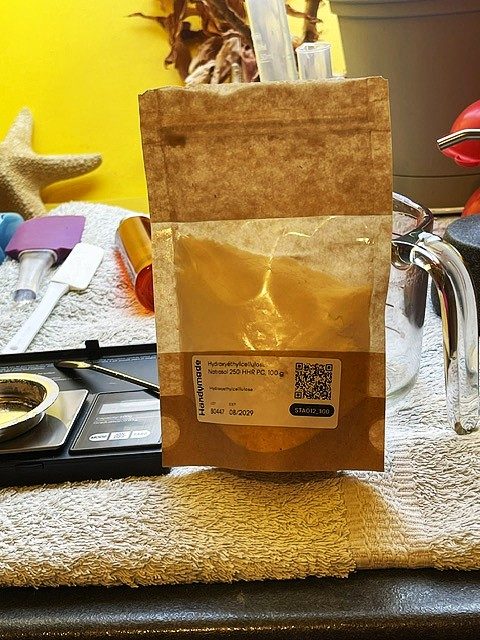
Hydroxyethylcellulose Natrosol 250 HHR PC thickens the water phase and forms clear gels without a sticky feel on the skin. full description
Lowest price in the last 30 days: €6.79
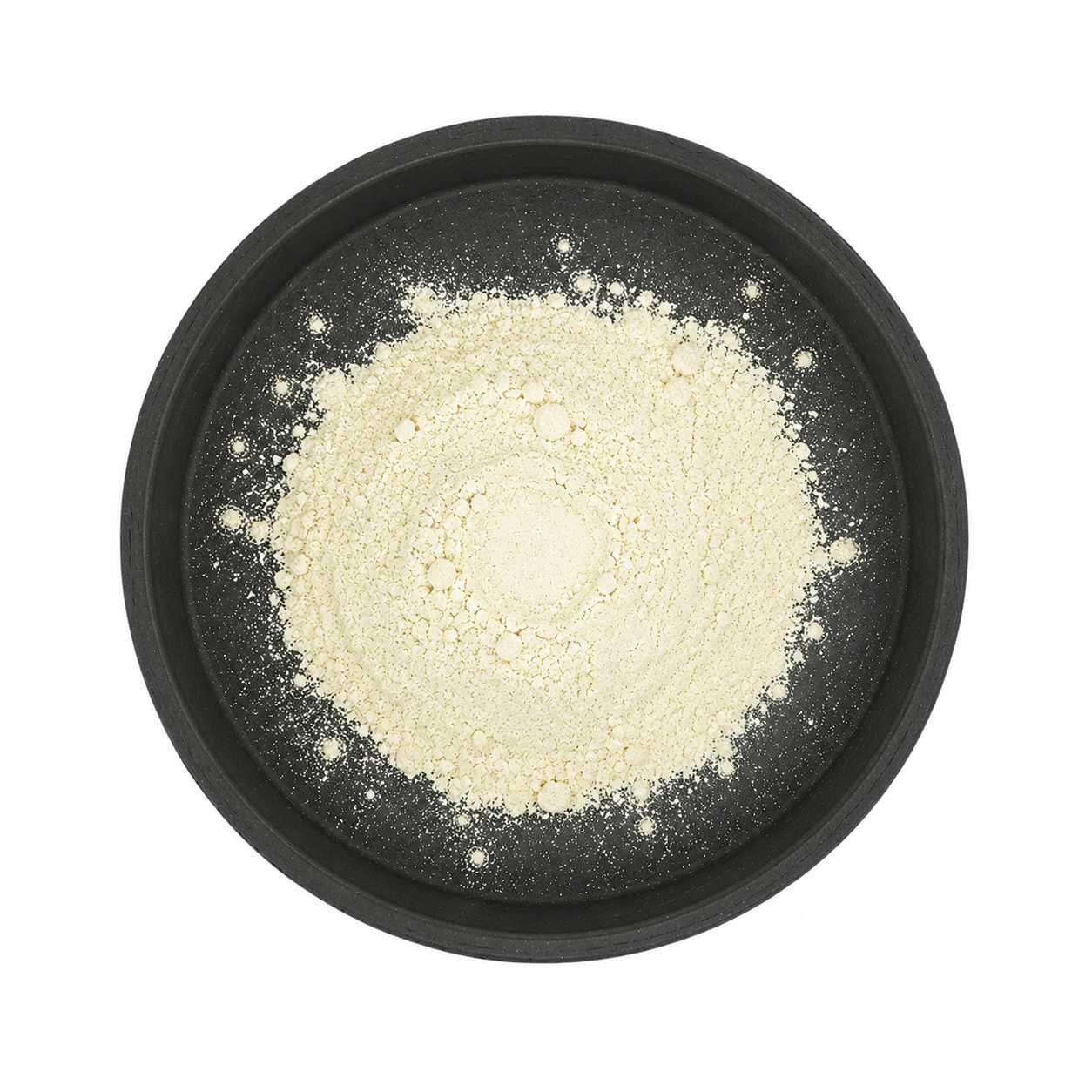
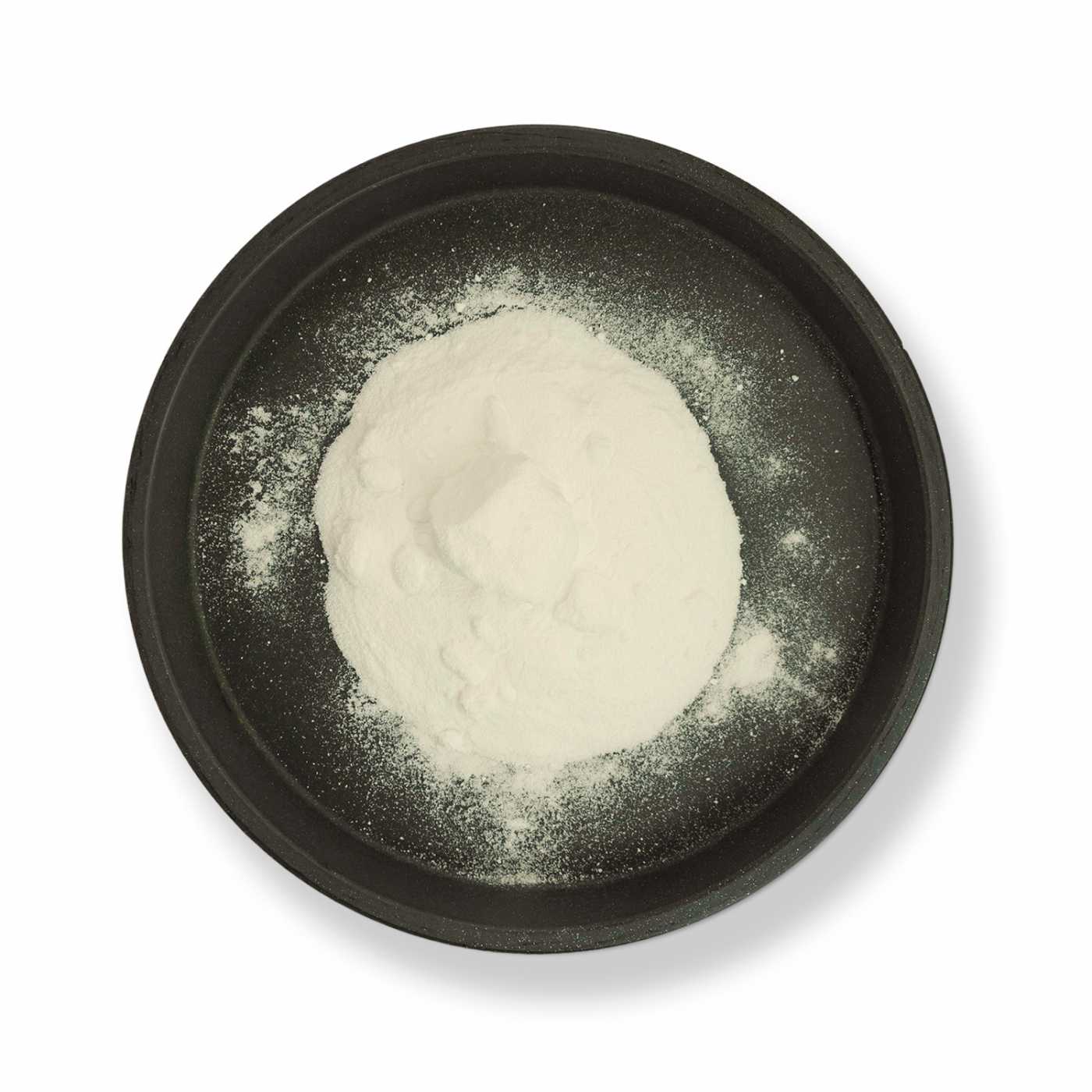
Hydroxyethylcellulose Natrosol 250 HHR PC thickens the water phase and forms clear gels without a sticky feel on the skin. It is non-ionic, so it is compatible with surfactants of every type, with electrolytes and with alcohol. It also thickens cold.
It is used in gels, serums, creams, hair care products and shower products. It leaves a thin film on the skin and hair.
Hydroxyethylcellulose is a modified cellulose. Its chains swell in water and bind the water to themselves, so the liquid gradually thickens into a gel. The gel stays clear, which suits serums, hand gels and clear shower products.
Its second function is film formation. Once dry, it leaves a thin, non-sticky layer on the skin and hair.
Charge determines compatibility with other ingredients. Charged thickeners may react with oppositely charged ingredients in the formulation. Hydroxyethylcellulose has no charge, so it can be combined with anionic, cationic, non-ionic and amphoteric surfactants.
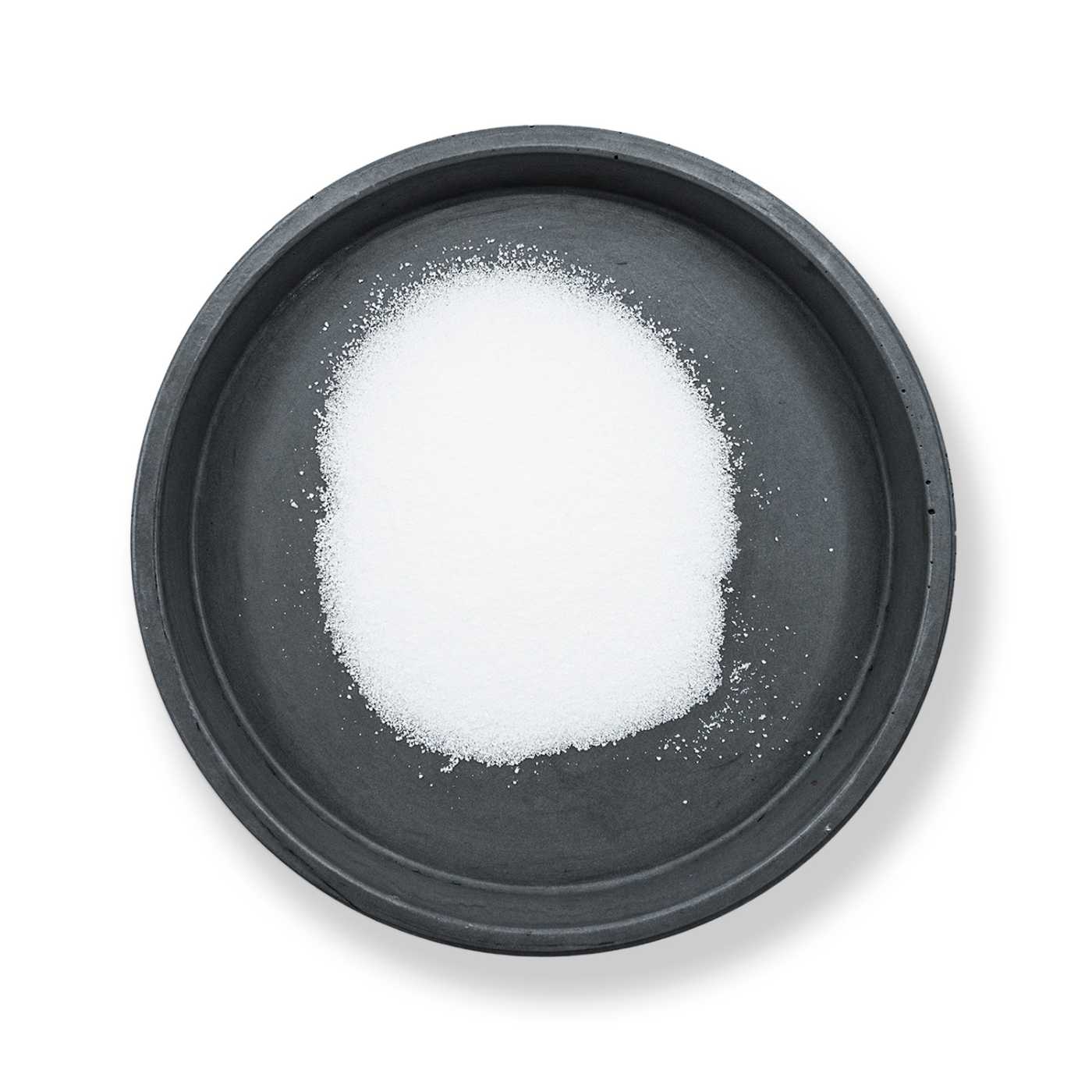
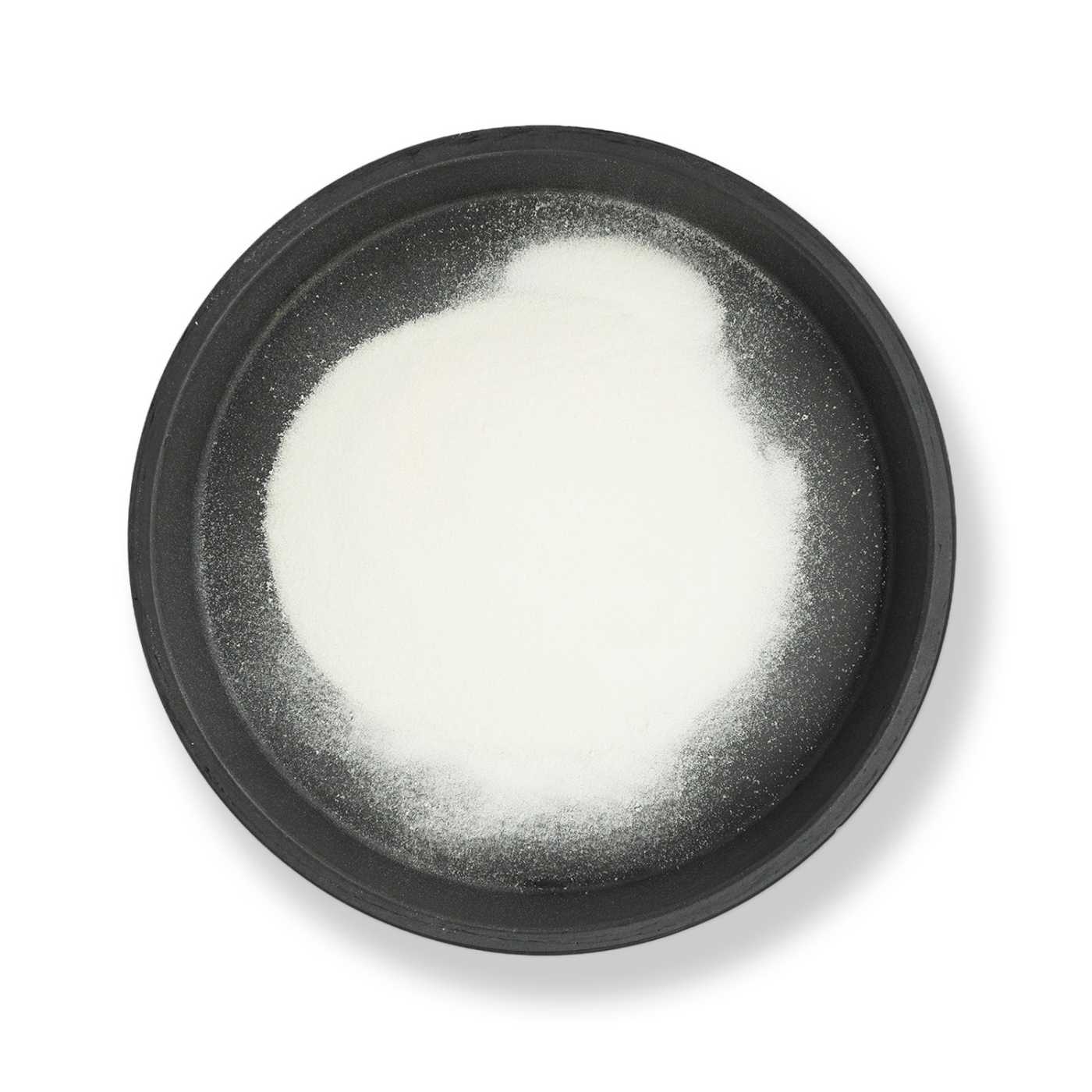
Hydroxyethylcellulose belongs in the water phase. This white, odourless powder first disperses in water and only then begins to swell. Therefore, sprinkle it in slowly, stirring or homogenising continuously. Adding it all at once creates lumps.
You can prevent lumps by first mixing the powder into glycerine and only then adding the rest of the water phase. When homogenising, take care not to aerate the gel.
It thickens cold as well. However, it reaches full viscosity only after several hours, so it is worth judging the gel thickness only then. Gentle heating in a water bath speeds up swelling. In emulsions, it is often heated together with the water phase to 75–80 °C before emulsification. The processing temperature should stay below 80 °C.
It is suitable for products with a pH of 4–10. Its 1% aqueous solution has a pH of 6.0–8.5, and it dissolves more easily in an alkaline environment.
The recommended usage rate is 0.2–2.5%. In formulations, it most often falls around 0.3%. Indicative ranges by product type:
A formulation with hydroxyethylcellulose contains water and needs a preservative, like any other water-based product. Do not combine it with oxidising agents.
The raw material contains no materials of animal origin, parabens or fragrance allergens. It is made from cellulose using ethylene oxide, and trace residues of solvents (acetone, isopropyl alcohol, tert-butanol) may remain in it. It is inherently biodegradable and contains no intentionally added synthetic polymer microparticles. The manufacturer holds an RSPO MB (Mass Balance) certificate.
The raw material is not classified as hazardous, but fine dust can form an explosive mixture with air. When weighing, do not raise dust, ensure extraction and do not inhale it.

Variant: Natrosol 250 HHR PC, Hydroxyetylcelulóza, 100 g
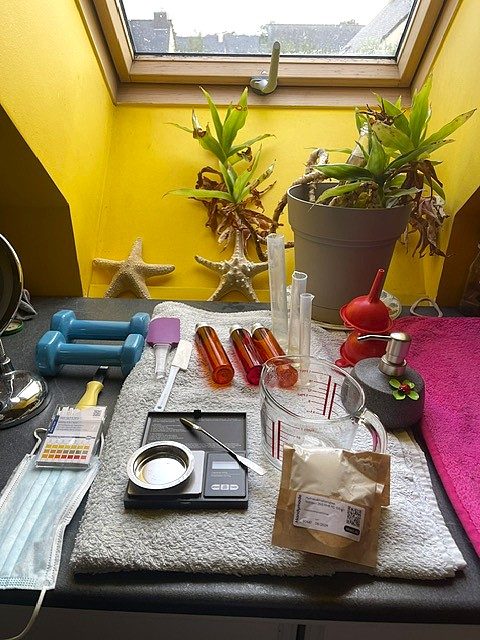
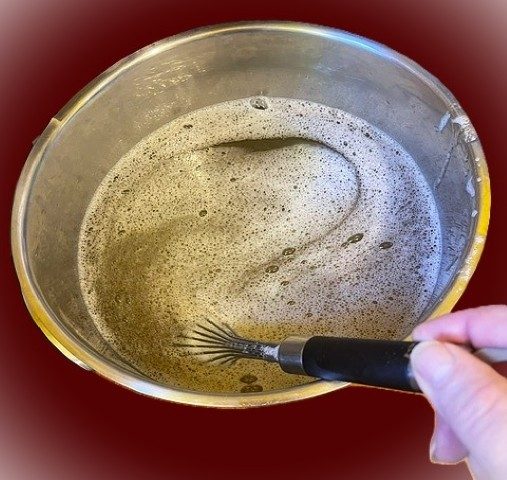
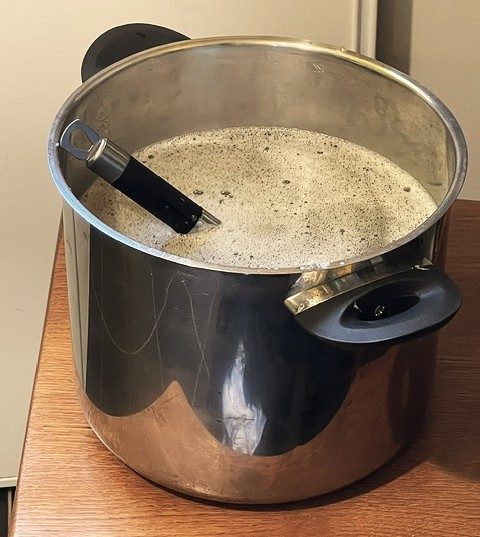
This is a product that "hits hard"! HEC is something else compared to guar gum or gum tragacanth which give a stringy/mucilaginous feel. Agar, arrow-root or waxes don't work here. It was ChatGPT that found me the right product! "HEC, HydroxyEthylCellulose", a marvel, I didn't know about it, and it's "solid"! Finally you can dose it gradually he he, no need to go all the way! First, (if possible) mix it in lukewarm water, then pour it gently into the product to thicken, in this case 5 liters of shower gel/shampoo. I had tested on 200 ml, up to 1.5g of HEC, it became quite correct. So I planned to put 37.5g into my 5000 ml (5 L). I put in - 10g diluted in 400 ml of water - 3 times, it really thickened my solution well which became very creamy and no longer "strings"! I'll wait 24 hours stirring from time to time. I don't think I'll need to add more (don't want mayo or flambi!). I really recommend this thickener that does the job! - and my pH of 5.3 hasn't changed!
Translated automatically