


Cold pressed oils 100 ml
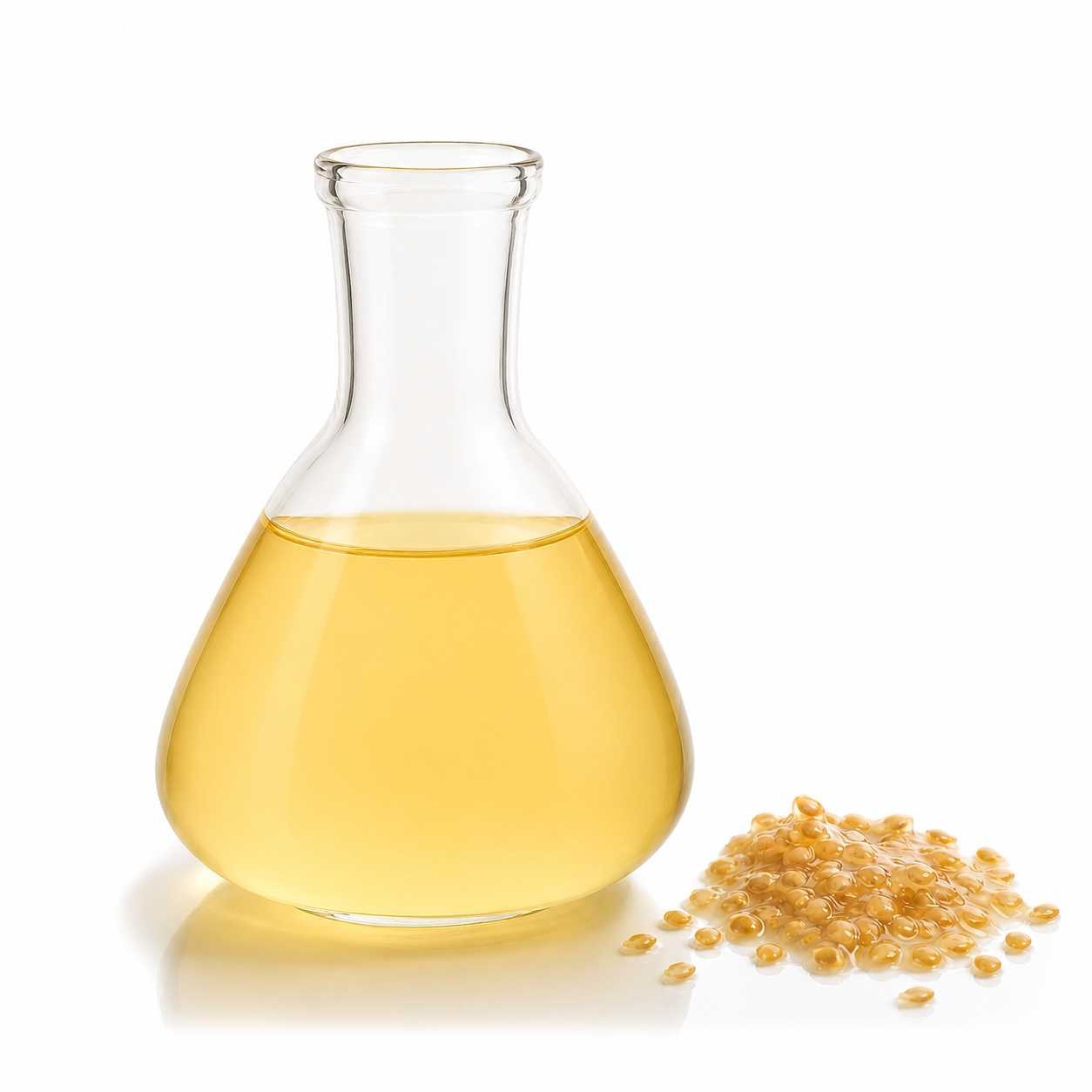
Tomato Seed Oil, Cold Pressed, 100 ml
Tomato seed oil is a light vegetable oil obtained by cold pressing the seeds of the edible tomato Solanum lycopersicum . full description
Lowest price in the last 30 days: €7.99
Product description
In cosmetic formulations, it acts as an emollient and regeneration‑oriented oil that helps soften the skin, supports the comfort of dry or stressed skin and improves the slip of creams, balms and oil serums. Thanks to its lighter sensory profile, it is also suitable where you do not want a heavy, dense or markedly greasy feel after application.
Tomato seeds naturally contain accompanying lipophilic components as well, such as tocopherols, phytosterols and carotenoid substances, which are particularly interesting when formulating nourishing, antioxidant‑tuned cosmetics for the face, body and hair.
Key benefits
- Light plant emollient – helps soften the skin and leaves it more pleasant to the touch.
- High proportion of unsaturated fatty acids – suitable for formulas focused on the care of dry, rough or stressed skin.
- Linoleic acid content – fits well into formulations for skin prone to a weakened barrier and a feeling of tightness.
- Antioxidant‑oriented oil – naturally contains accompanying plant substances that complement the protective character of the formula.
- Suitable for facial and body products – can be used in anhydrous balms, emulsions, serums, massage oils and haircare cosmetics.
- Interesting sustainable origin – comes from tomato seeds, which are a valuable botanical source of oil.
Suitable for products such as
- facial oil serums for dry, mature or stressed skin,
- regenerating face creams and nourishing emulsions,
- body oils, massage blends and post‑shower oils,
- lip balms, protective ointments and anhydrous balms,
- hand creams, products for dry elbows, feet and stressed areas,
- hair oils, oil treatments for ends and nourishing hair packs,
- after‑sun products and summer cosmetics with a nourishing oil base.
Use in formulation
- Oil‑soluble and suitable for the oil/fat phase of cosmetic formulas.
- Miscible with vegetable oils, butters, waxes, ester emollients and lipophilic active ingredients.
- Compatible with emulsifying systems designed for oil‑in‑water and water‑in‑oil emulsions, depending on the overall formula.
- In anhydrous oil‑based products, it can be added directly to the oil phase.
- In emulsions, it can be incorporated into the fat phase or the cooling phase, depending on the sensitivity of the overall formulation.
- It is recommended to add it during cooling (at a temperature below 40 °C), especially if you want to protect the natural accompanying components of the oil as much as possible.
- Typical dosage in cosmetic formulations: 1–10 % in emulsions, 5–30 % in oil serums and higher as needed in anhydrous products.
- At a higher proportion in the formula, it can affect the final skin feel, colour and also the scent of the product.
Safety and storage
- Intended for cosmetic use.
- Store in a well‑closed container, away from direct sunlight, heat and humidity.
- After opening, we recommend closing the container carefully and minimising prolonged contact of the oil with air.
- For formulations with a higher content of unsaturated oils, it is advisable to consider adding antioxidants, for example tocopherol.
- When used in products for sensitive skin, we recommend checking the tolerance of the finished formulation on a small area of skin.
- The final stability of the product depends on the overall composition of the formula, the packaging, the preservation system and the storage conditions.
FAQ
It is not the scent of a fresh tomato like the fruit. The natural scent of the oil can be faintly herbal, seedy to earthy, with intensity depending on the batch and method of processing.
Yes, at lower dosage it can also be suitable for lighter facial oils and emulsions. For oilier skin, it is advisable to combine it with lighter oils or drier emollients so that the final product does not feel overly rich.
It can slightly influence the final shade of the formulation, especially in light creams, balms or clear oil products. At higher dosage, it is advisable to make a small test batch.
It can be used on its own, but in most facial serums it is sensorially more interesting to combine it with other oils, for example squalane, jojoba oil, raspberry seed oil or lighter ester components.
Yes, especially in oil blends for hair lengths and ends. For fine hair, we recommend lower dosage or combining it with lighter oils so that the hair does not appear weighed down.
The oil itself does not require a preservative, because it does not contain a water phase. However, if it is used in an emulsion or in a product containing water, the finished formula must have an appropriate preservation system.
See also other plant oils offered by Handymade.sk.
Parameters
- INCI
- Solanum Lycopersicum Seed Oil
- CAS No.
- 90131-63-8
- EC number
- 290-375-9
- Product colour
- Yellow
- Country of origin
- Poland
- Grade
- Cosmetic grade
- Processing method
- Cold pressing
- Odour
- Characteristic
- Appearance
- Oily liquid
- Formulation phase
- Oil phaseCool-down phase
- Function in formulation
- Active ingredientAntioxidantEmollient
- Recommended processing temperature
- < 40 °C
- Recommended usage rate
- 1 – 100 % %
- Biodegradability
- Readily biodegradable (OECD 301)
- Effects
- Anti-ageingAntioxidant protectionSkin barrier repairSensitive skin protectionBlue light protectionRegenerationUV protectionSkin nourishment
- Certifications
- Vegan
- Natural Index (NI ISO 16128)
- 1,00
- Natural Origin Index (NOI ISO 16128)
- 1,00
Product documentation
Verified by customers.
No reviews yet.
Only customers with a delivered order can write reviews.