+421 950 333 113info@handymade.storeActive Days: −10 % with code ACTIVE10Shop now

WEDO EKO

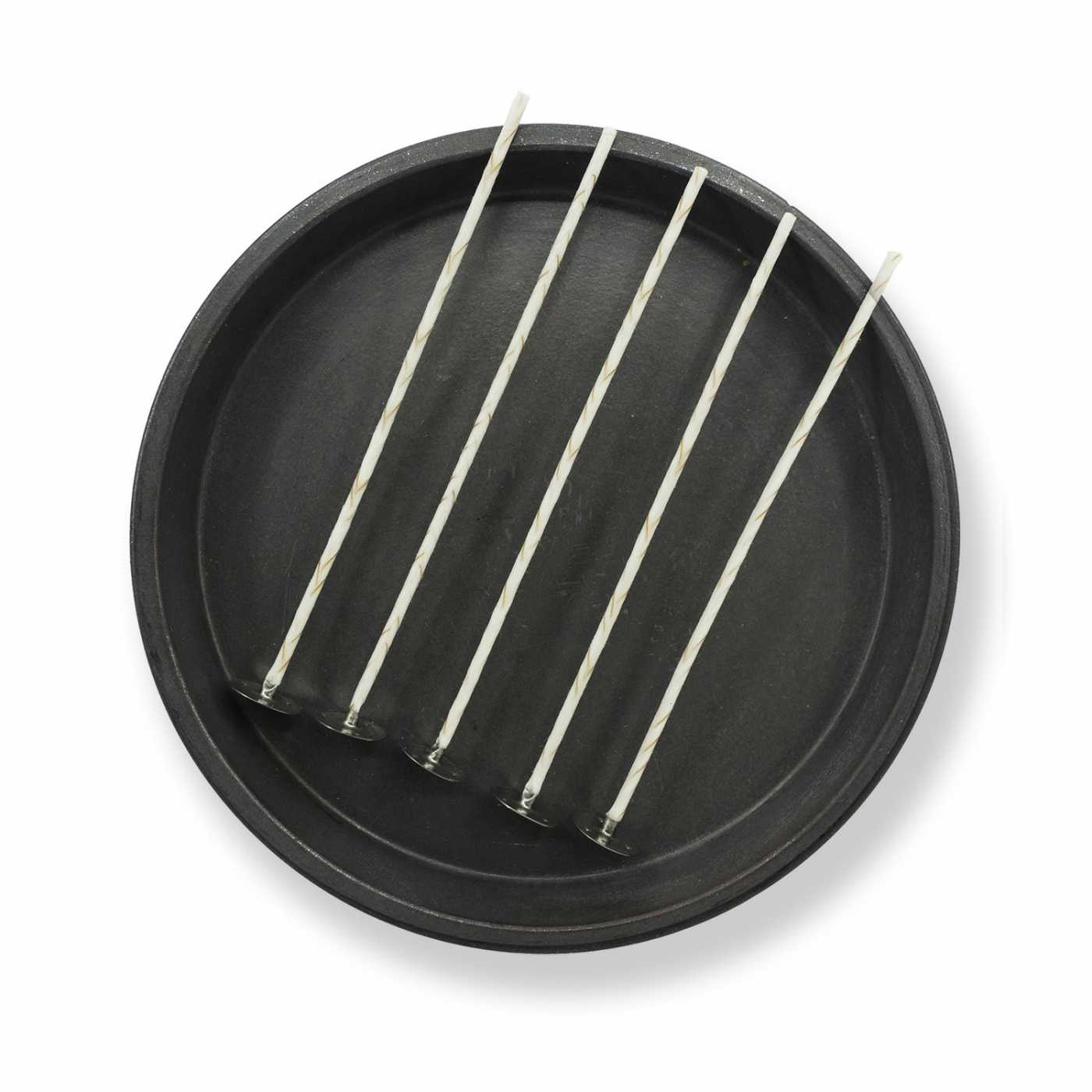
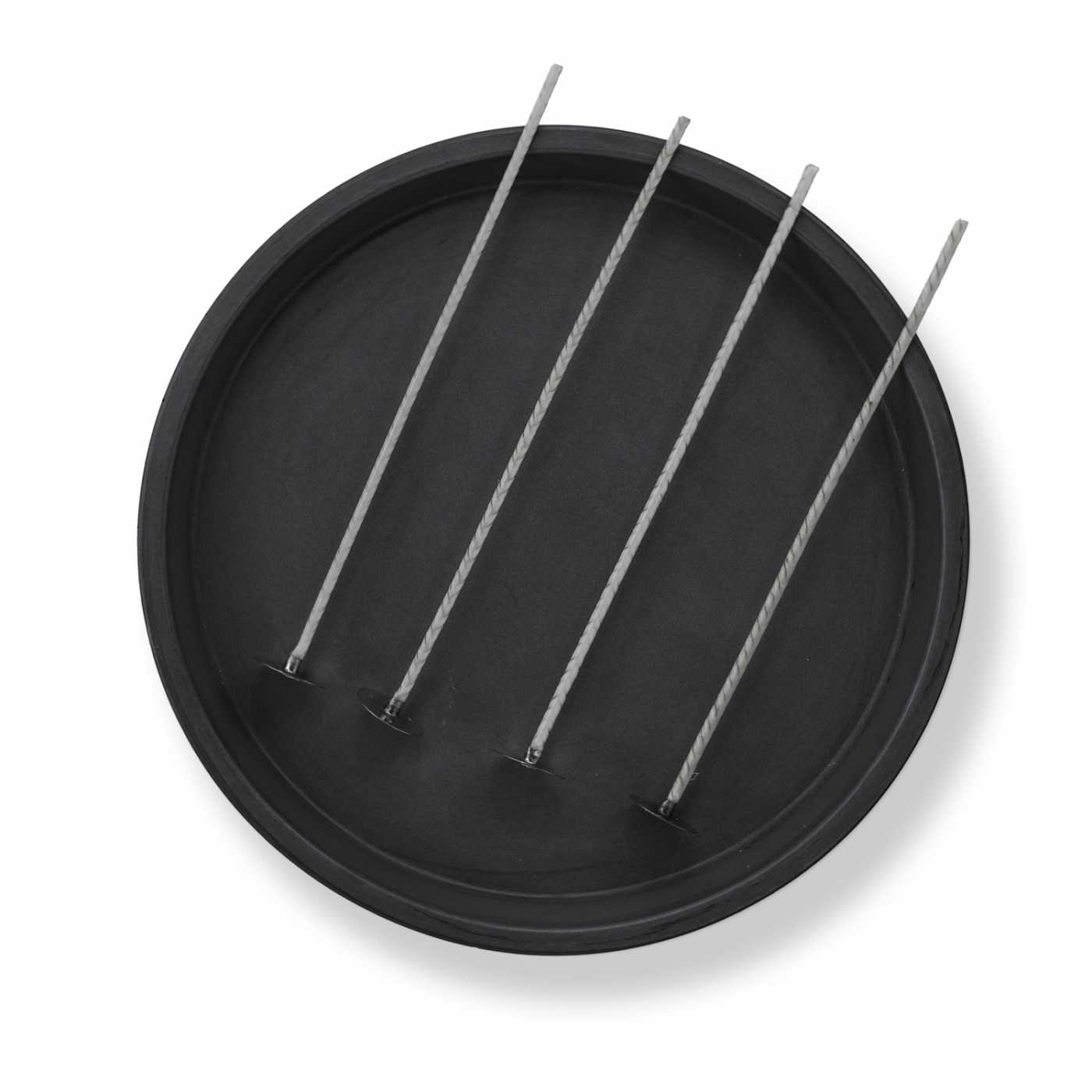
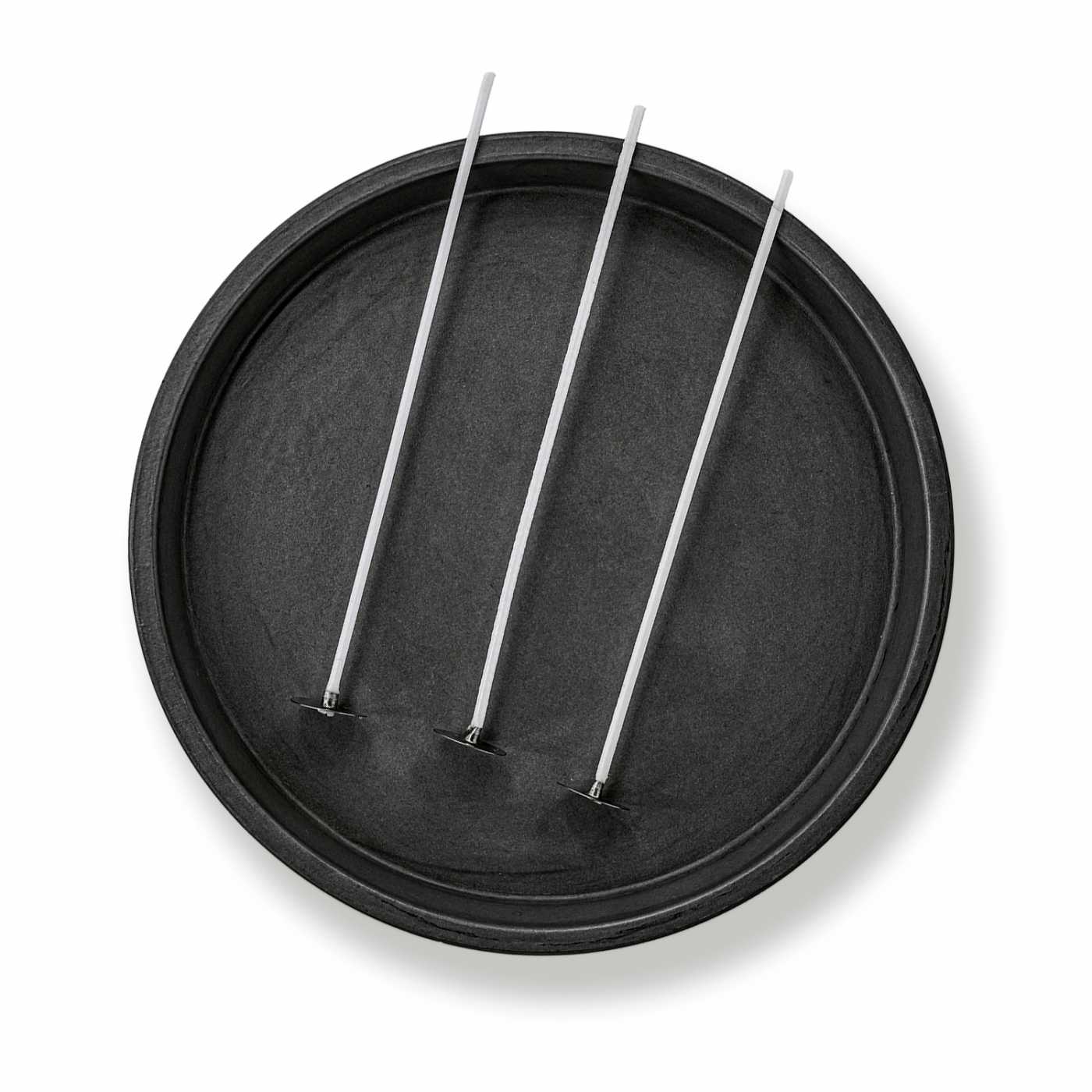
WEDO Cotton Wick, Eco-14

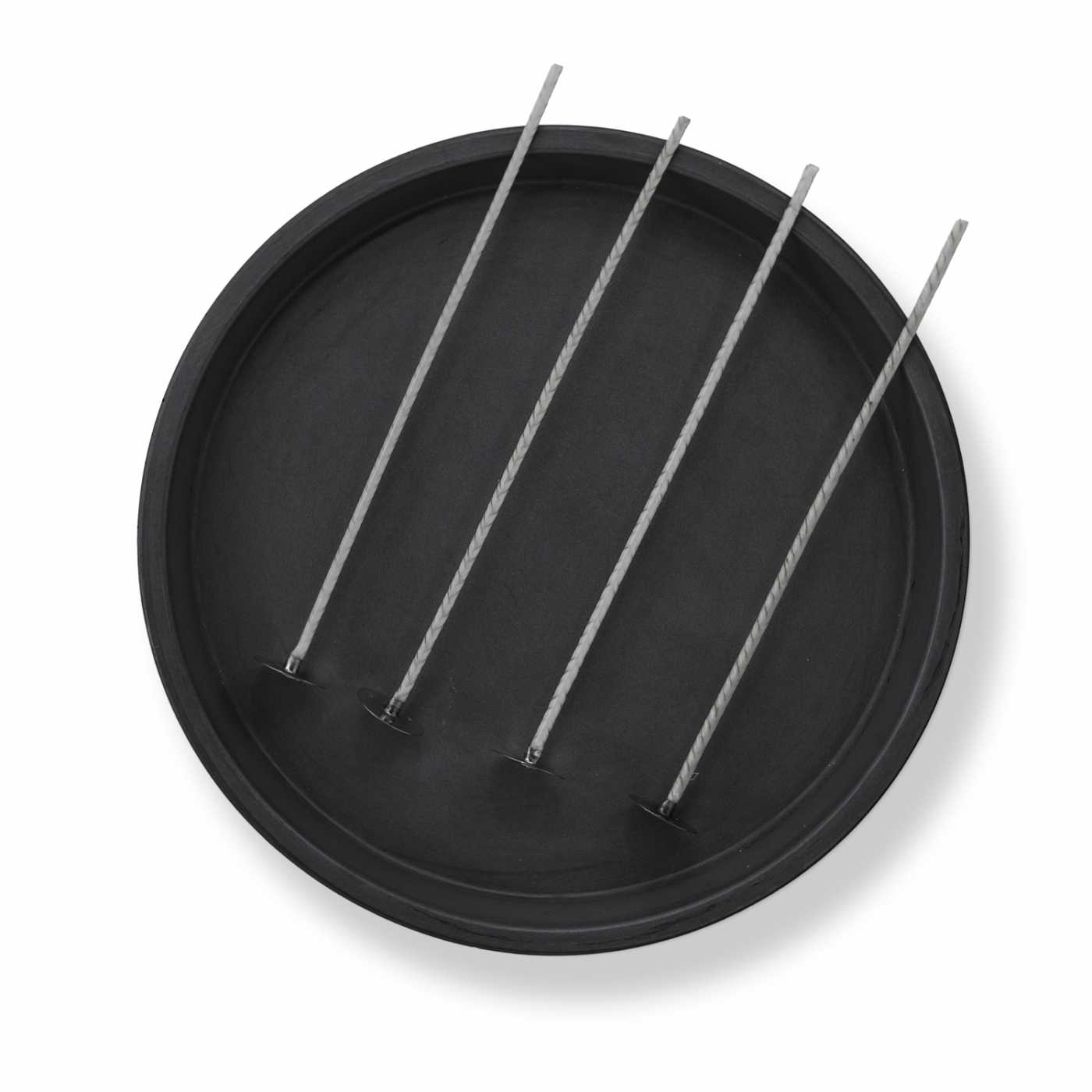
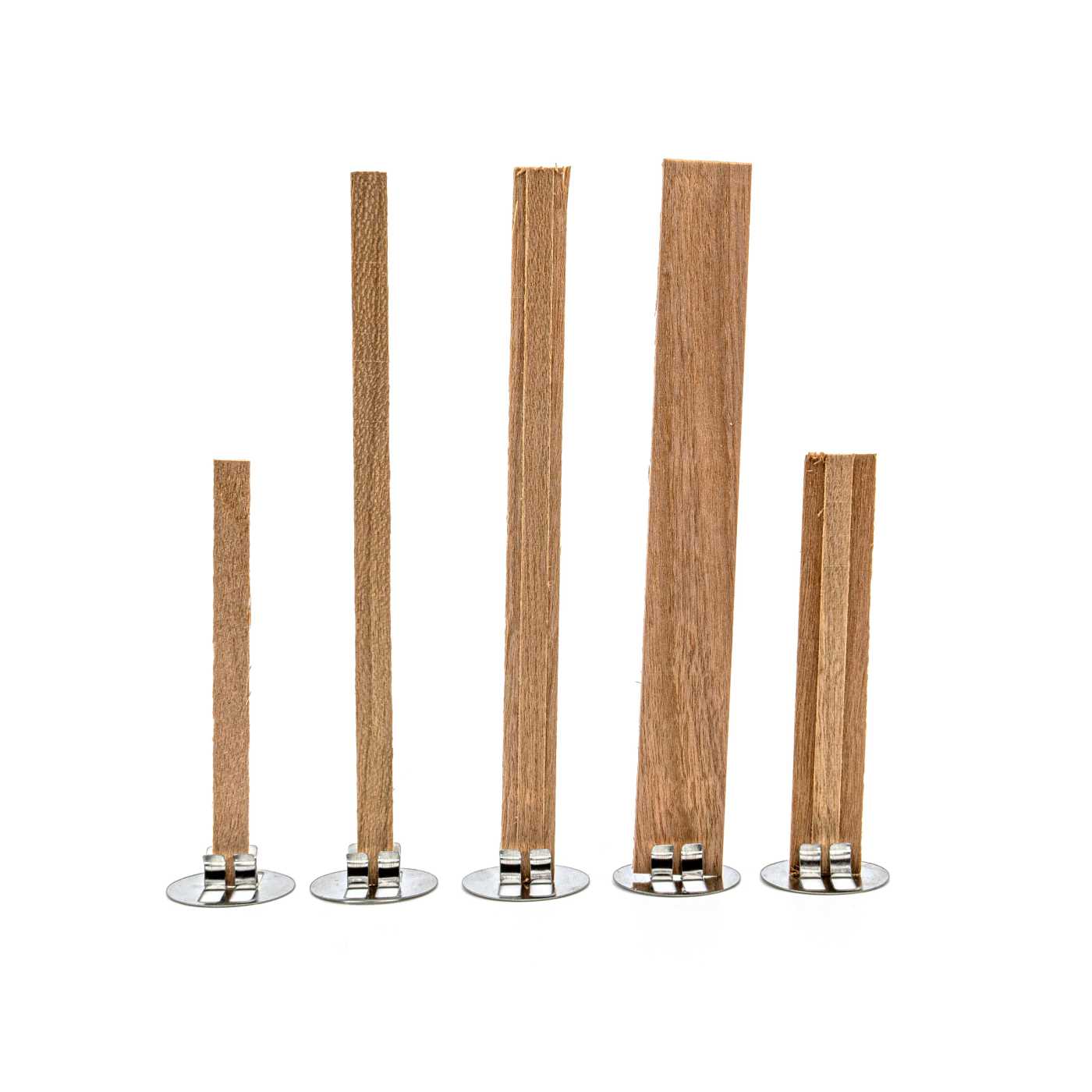
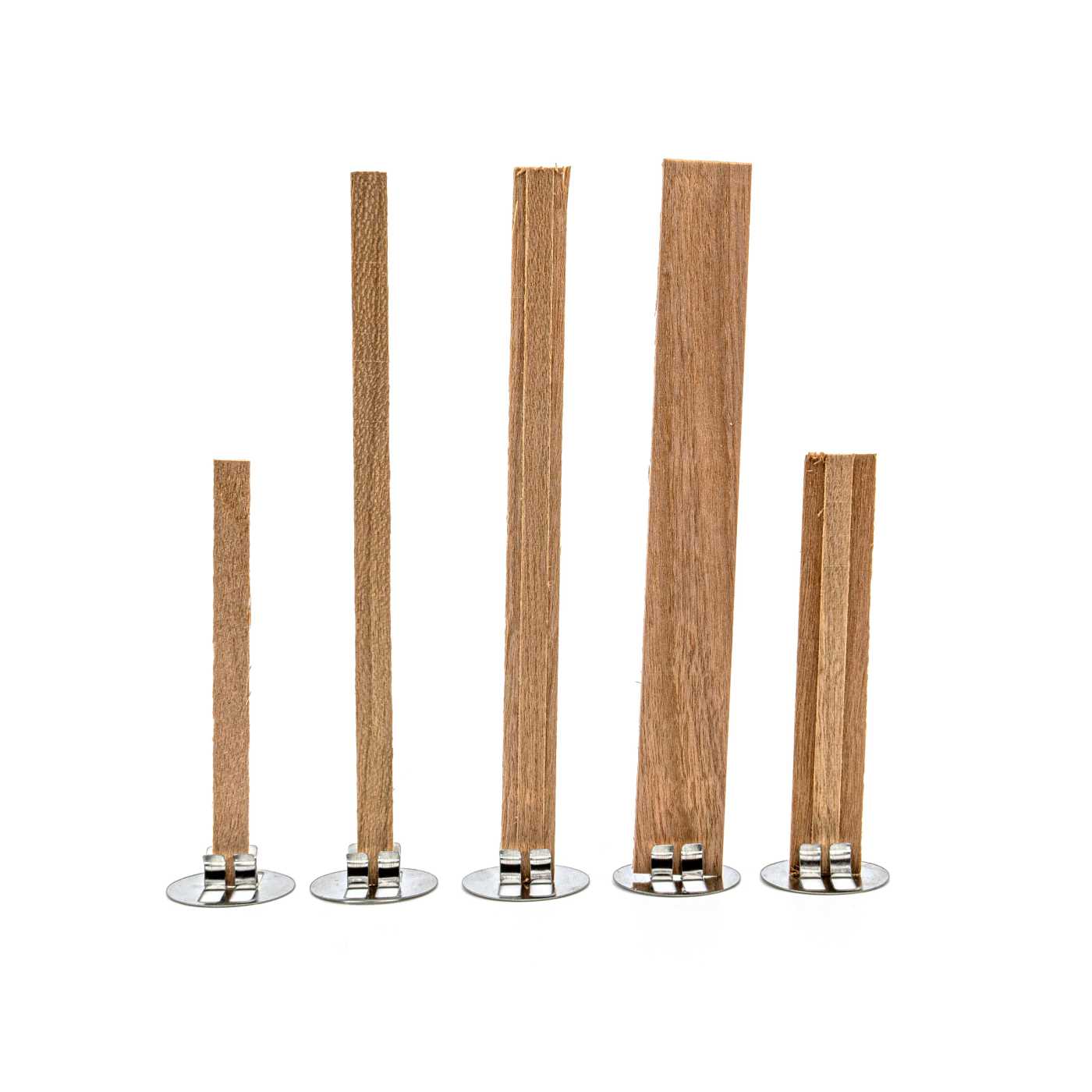
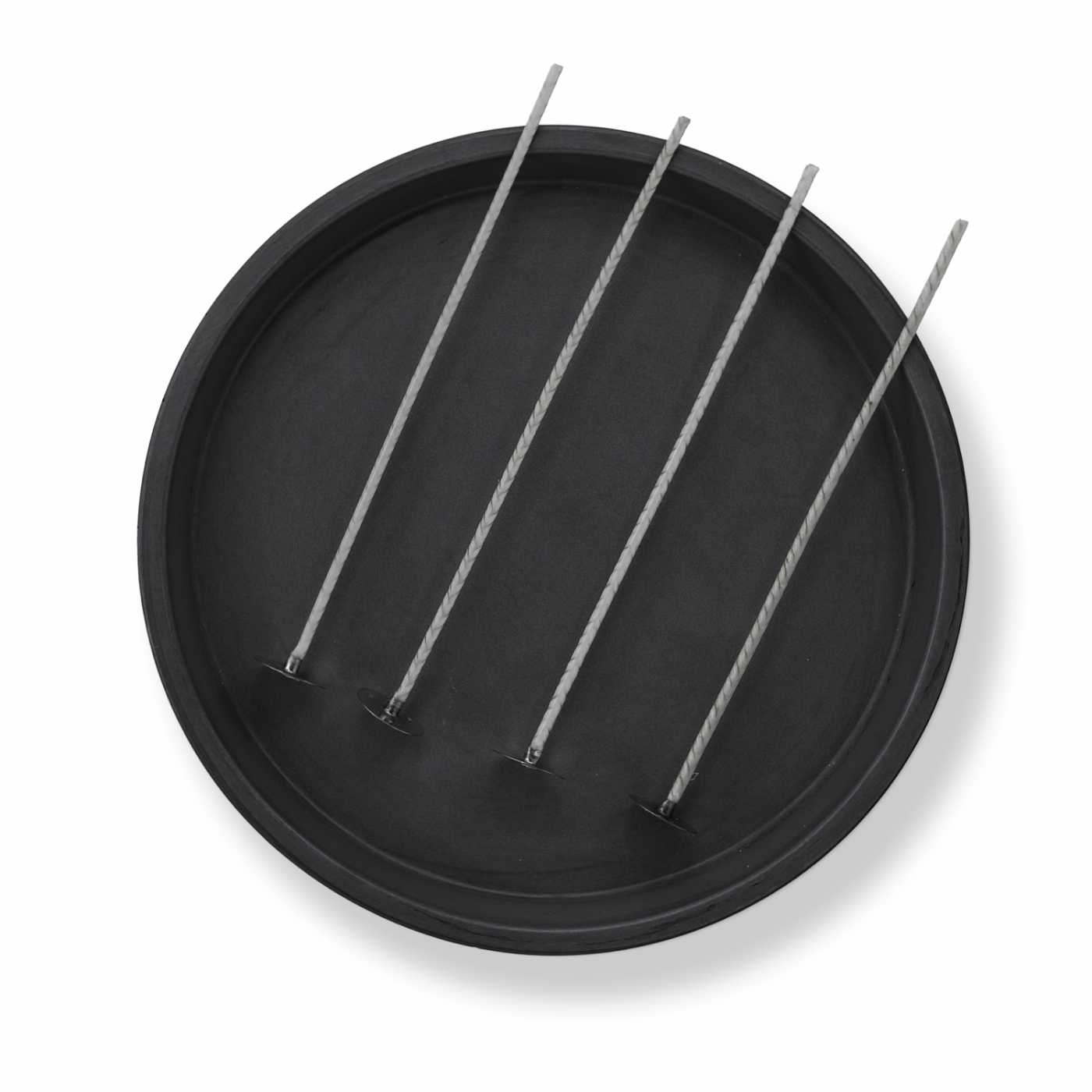
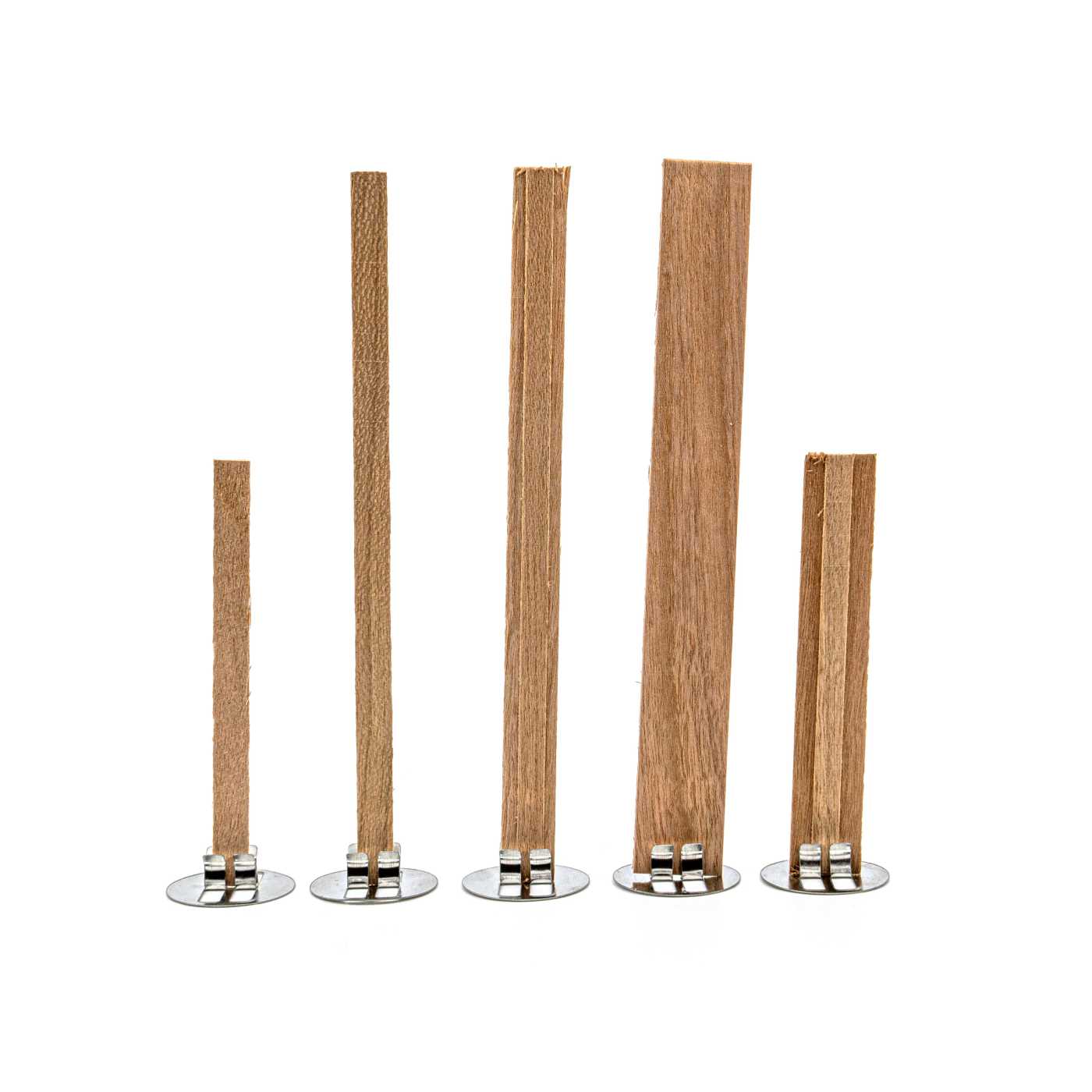
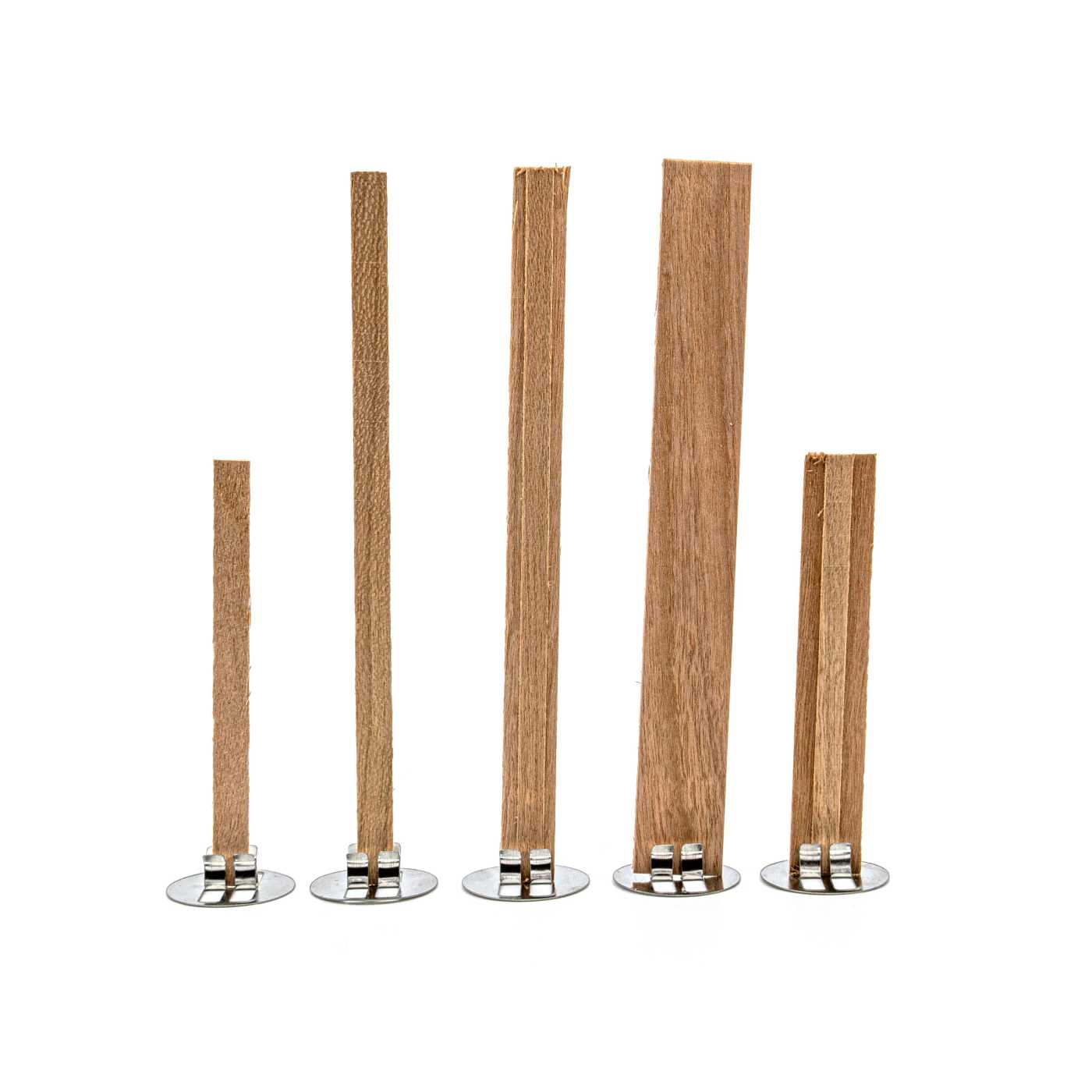
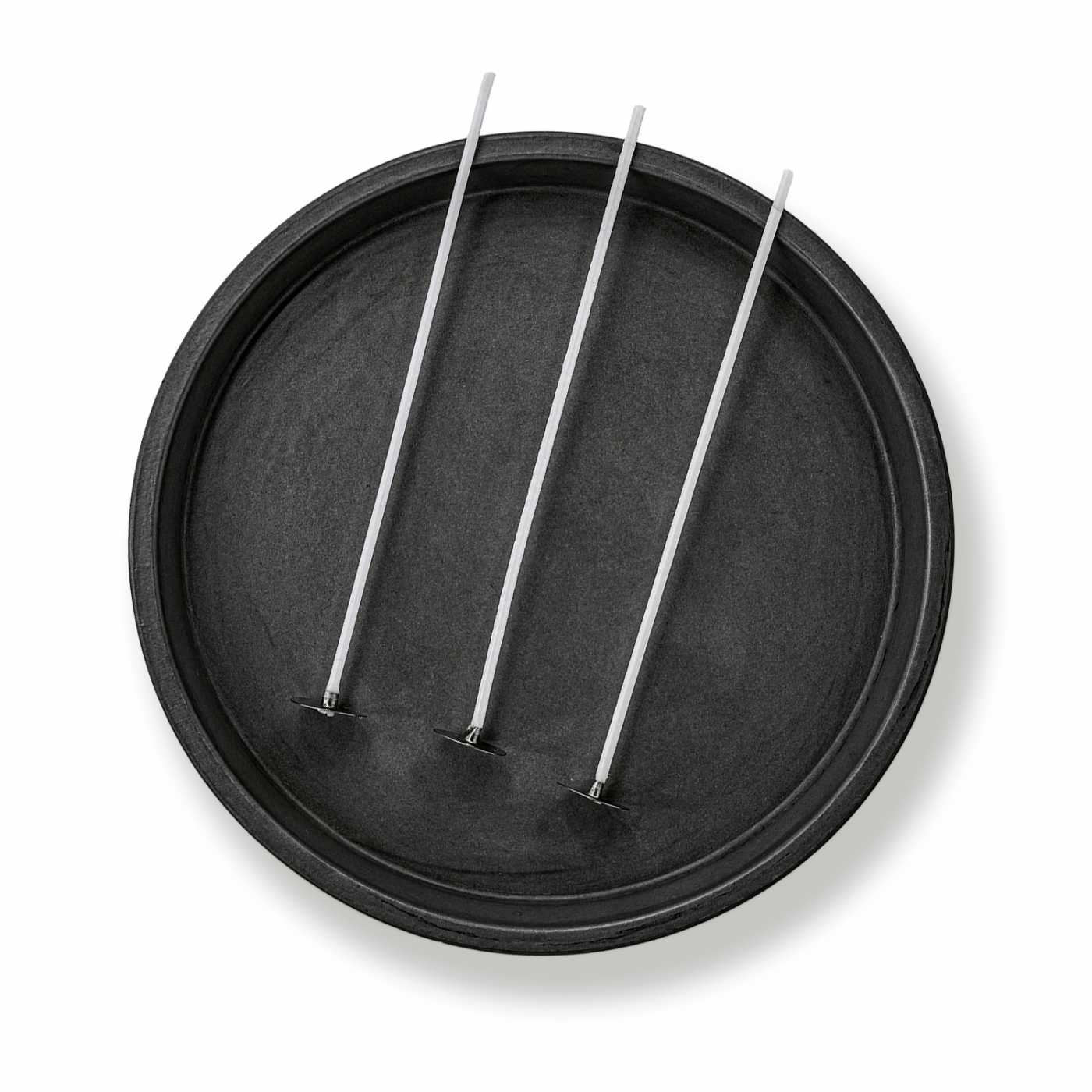
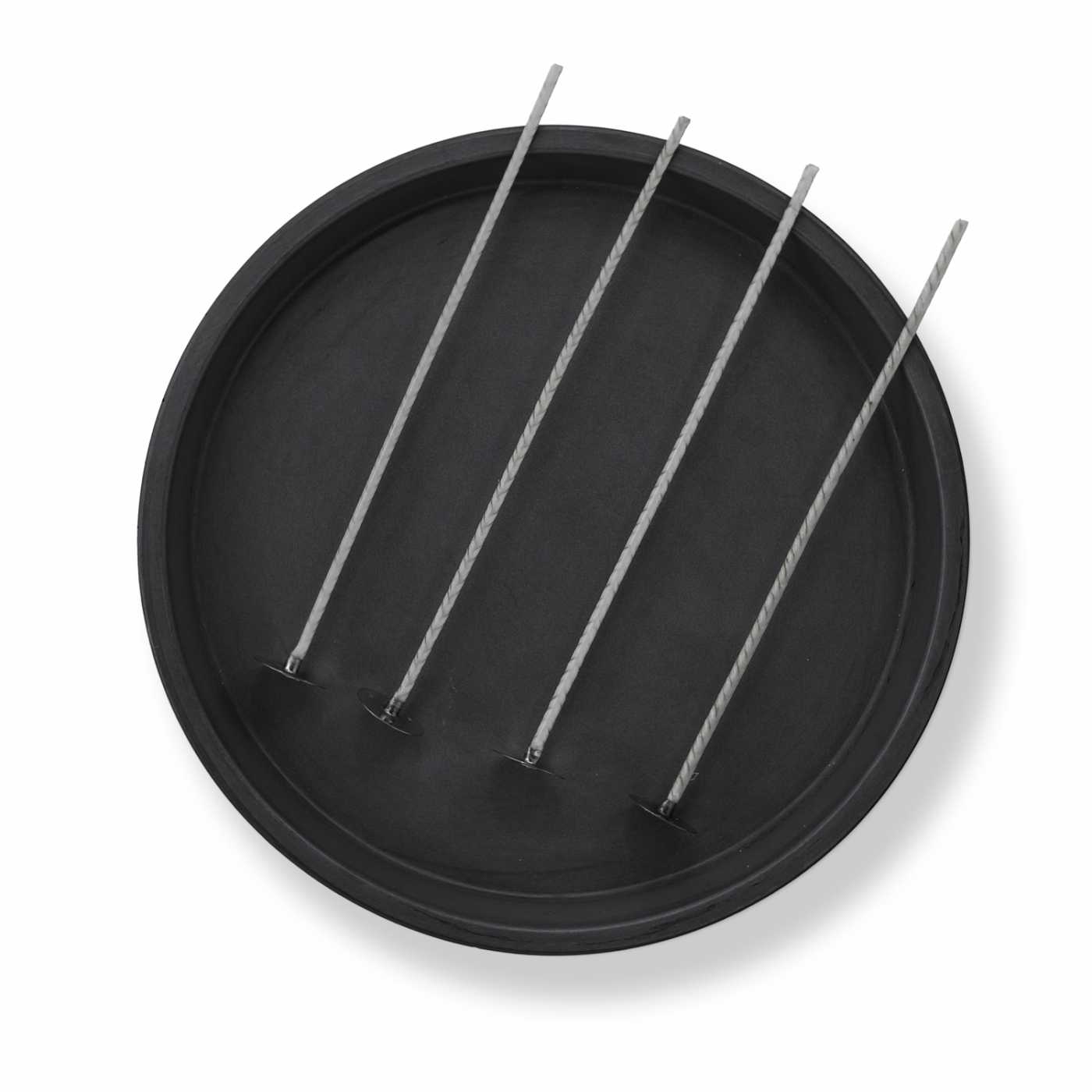
Eko-14 cotton wick The Eko-14 cotton wick is a cotton wick made in Europe for candle making, primarily for jar candles made from vegetable and blended waxes. full description

AvailabilityIn stock · 6537 pcs
Product codeSVKEKO14
€0.26incl. VAT

Lowest price in the last 30 days: €0.26

Product description

Eko-14 cotton wick

The Eko-14 cotton wick is a cotton wick made in Europe for candle making, primarily for jar candles made from vegetable and blended waxes. Its job is to draw melted wax to the flame evenly, so the candle burns calmly, forms a full melt pool and produces as little smoke as possible. It is suitable for both home and small-batch candle making.

The number in the designation indicates the wick size within the Eko range: a higher number means a thicker wick, suitable for candles of a larger diameter. Always check the right size for your specific wax and jar with a test burn.


Why choose a cotton wick

  • Even burning – the cotton structure absorbs and delivers melted wax steadily, which helps keep the flame stable without noticeable flickering.
  • Suited to vegetable waxes – soy wax, rapeseed wax and blended waxes have a different viscosity from paraffin, and a cotton wick is commonly used with them.
  • Easy to work with – the wick is easy to fix in place, centre and trim, which beginners in candle making will appreciate.

How to choose the right wick size

Wick size is chosen according to the diameter of the candle, the type of wax and the proportion of fragrance oil or dye. The same wick behaves differently in soy wax than in paraffin, and each fragrance composition slightly changes the way the wax burns. A recommendation from a chart therefore cannot replace a practical test.

With a new recipe, pour two to three test candles with wicks of neighbouring sizes and let them burn over several cycles. A correctly chosen wick forms a melt pool across the full width of the jar within two to three hours, and the flame stays calm, without soot.

If the candle burns only in the centre and unmelted wax remains on the walls of the jar, the wick is too thin. If the flame flares, smokes and a carbon “mushroom” forms at the tip of the wick, the wick is too thick or there is too much fragrance oil in the wax.


Working with the wick when making a candle

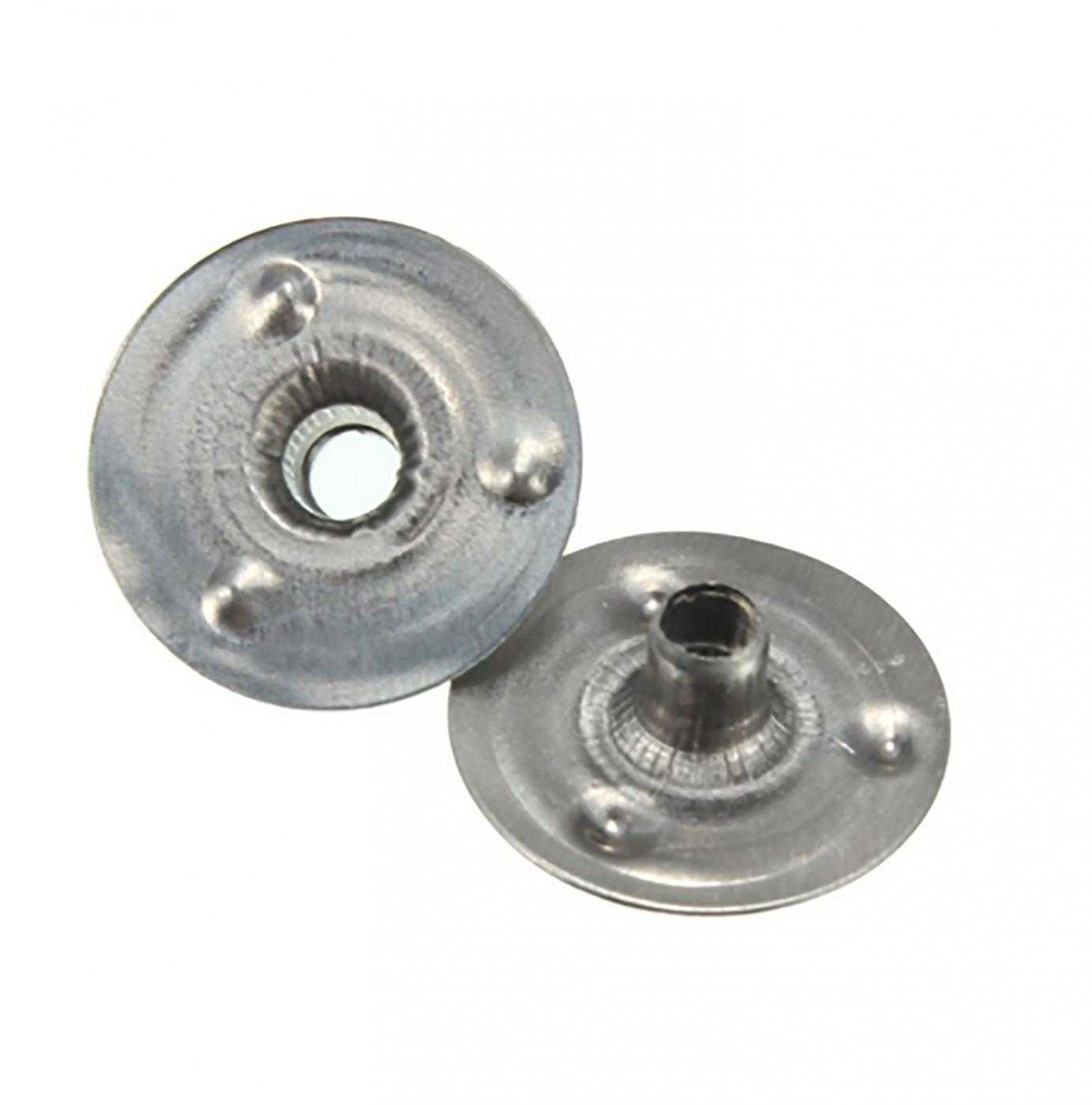
Before pouring, the wick is fixed to the bottom of the jar, most often with a metal wick sustainer with an adhesive pad or with hot glue. At the top it is centred with a wick holder, a skewer or a clip. The wax is poured at the temperature recommended for the given type of wax, and the candle is left to cool slowly at room temperature so that the wick does not shift while the wax sets.

Before the first lighting, the wick is trimmed to approximately 5 mm. A longer wick produces a tall flame and soot, while one that is too short may drown in the melted wax. Trimming before each further lighting improves the burn quality throughout the life of the candle.


Suitable for products such as

  • Candles in glass jars made from soy wax, rapeseed wax or coconut blend wax.
  • Scented candles with fragrance oils, where it is worth adjusting the wick size to the fragrance content.
  • Candles in tins and ceramic jars, where the tin or jar heats up during burning and a calm flame is required.
  • Massage and cosmetic candles based on vegetable waxes and cosmetic butters, where a low melt pool temperature is an advantage.

Good to know

A cotton wick is sensitive to moisture. A damp wick burns unevenly and spits, so do not store it in a humid environment and take care that no water gets into the wax while you work.

Harder waxes, for example beeswax or blends with a high proportion of stearin, usually require a larger wick size than soft vegetable waxes at the same candle diameter. Dyes and a higher proportion of fragrance oil make burning more difficult and may call for going up one size.

The wick is only one part of the burning system. A change of wax, fragrance or jar can completely change the behaviour of the candle, so test every new combination before you include it in production or sale.

Frequently asked questions

What candle diameter is the Eko-14 cotton wick suitable for?
The suitable candle diameter for the Eko-14 cotton wick is verified by a test burn in your target wax and jar. In the Eko range, a higher number means a thicker wick for a wider candle. When choosing, also take into account the type of wax and the proportion of fragrance oil, which change the required size.
Is the Eko-14 cotton wick suitable for soy wax?
Yes, cotton wicks are commonly used in jar candles made from soy wax and other vegetable waxes. Vegetable wax has a lower melting point and a higher viscosity than paraffin, so the specific wick size is always verified by a test burn in the target jar.
Why does a candle with a cotton wick tunnel?
Tunnelling means that the wick is too thin for the given diameter and wax and cannot melt the wax all the way to the walls of the jar. The solution is to move up to a larger wick size or, on the first burn, to let the candle burn long enough for the melt pool to spread across the full width.
Why does a carbon mushroom form at the tip of the wick and the candle smoke?
The mushroom and soot form when the wick delivers more wax to the flame than it can burn cleanly. The most common cause is a wick that is too thick, too much fragrance oil or an untrimmed wick. Trimming to approximately 5 mm before each lighting or choosing a smaller wick size helps.
How long should a candle with a cotton wick burn the first time it is lit?
On the first lighting, let the candle burn until the melt pool spreads across the full width of the jar, which with a correctly chosen wick usually takes two to three hours. The wax “remembers” the first burn: if you extinguish it too early, the pool will not spread on later lightings and the candle will start to tunnel.

Parameters

Country of origin
Germany
Solubility
Water-insoluble
Manufacturer's certificate
ISO 9001RAL-GZ 041

Product documentation

TDSTechnical Data Sheet
Physical parameters and processingPDF ↓
Download all (ZIP)

1 PDF file in one archive

Catalin M.28 Oct 2026EN

Verified purchase