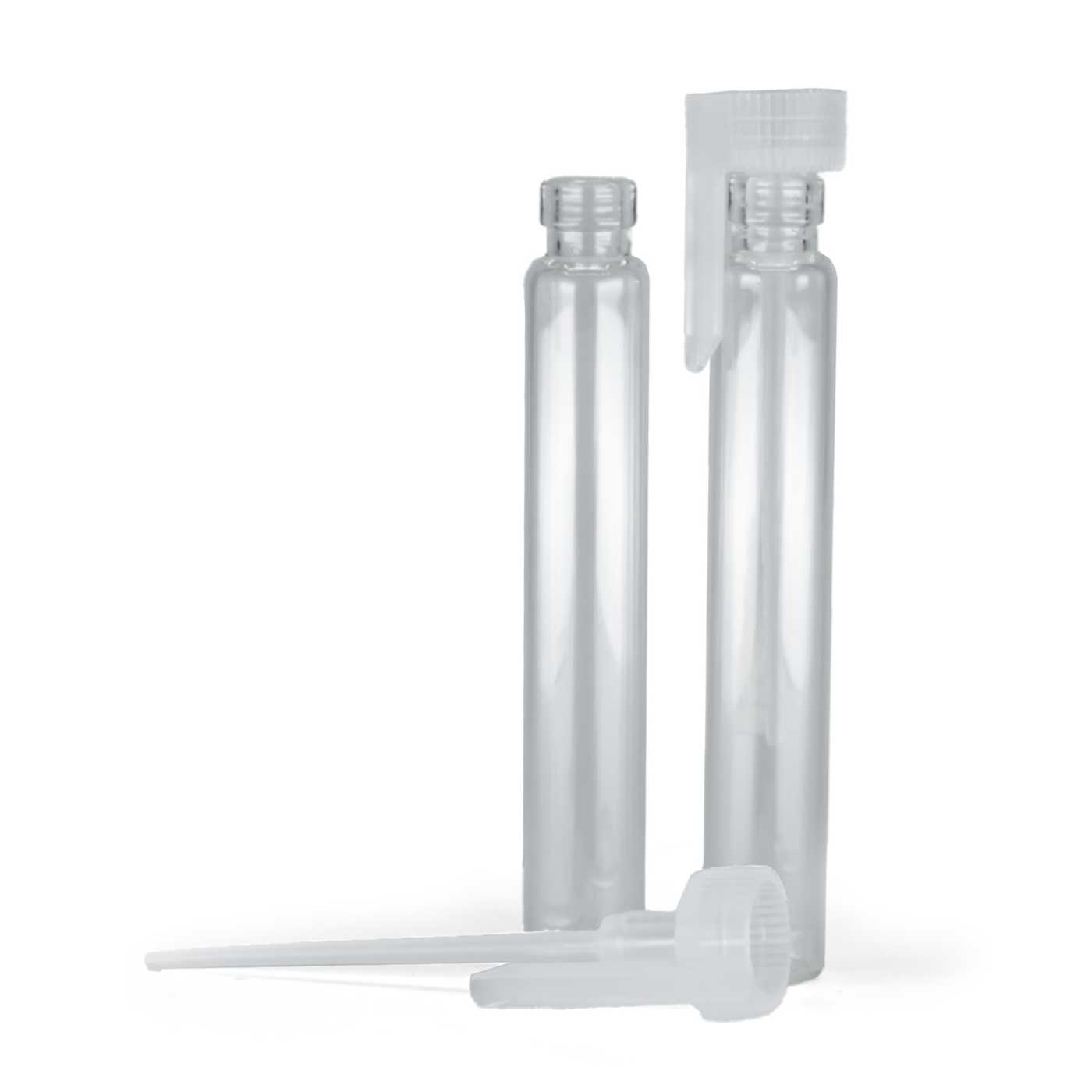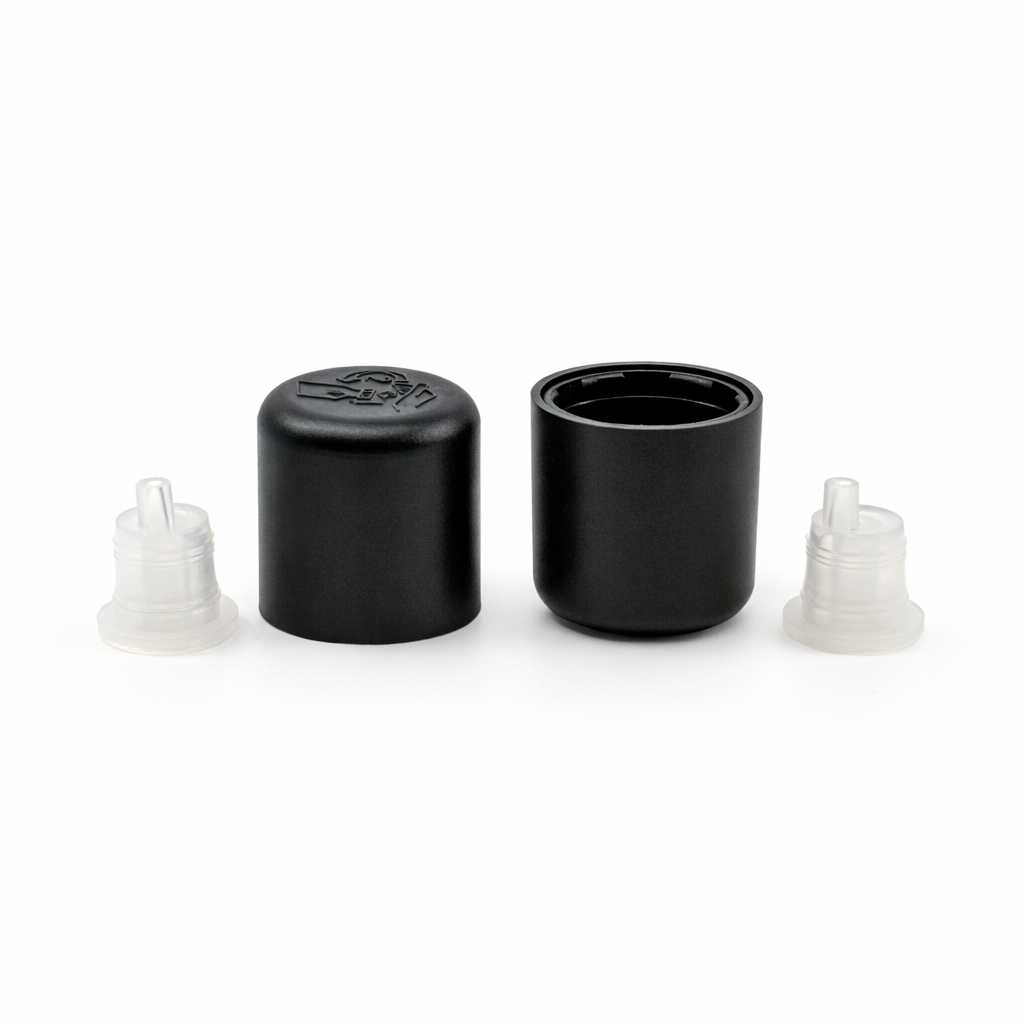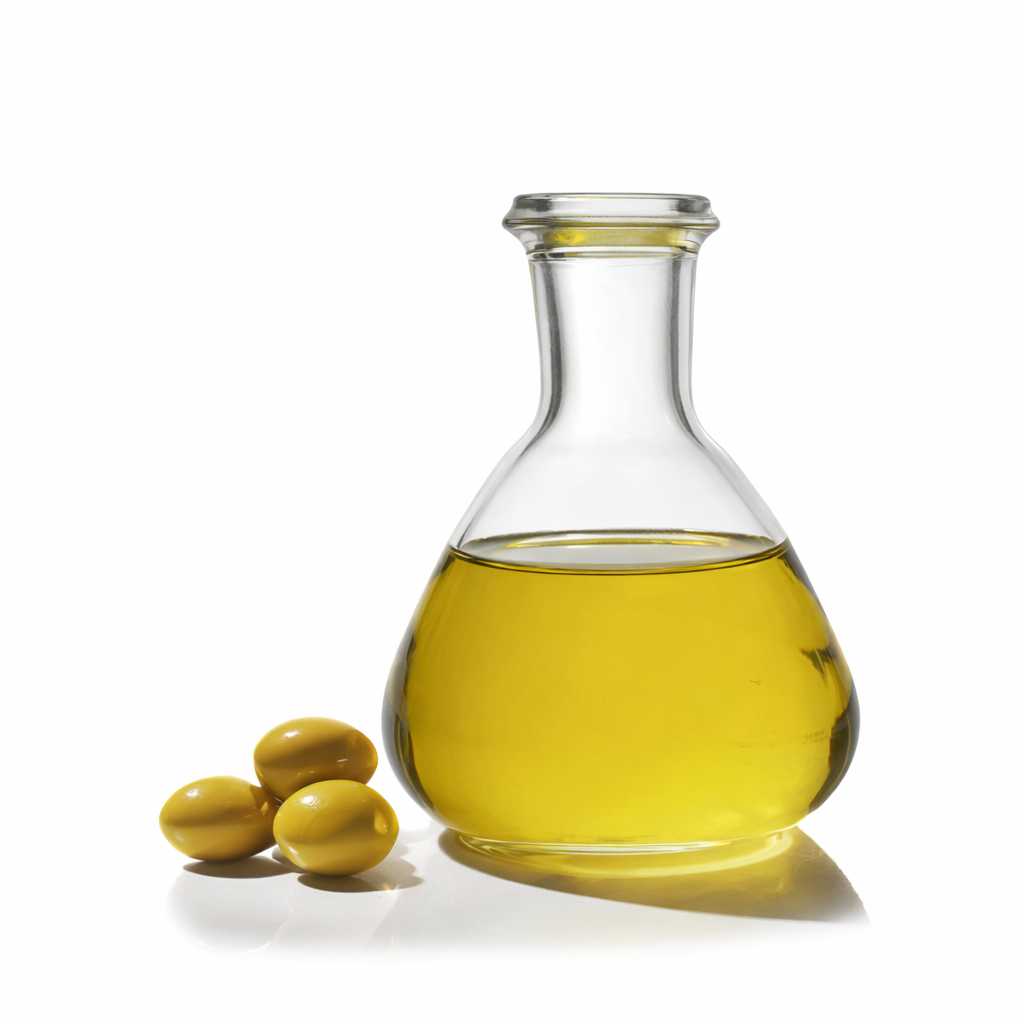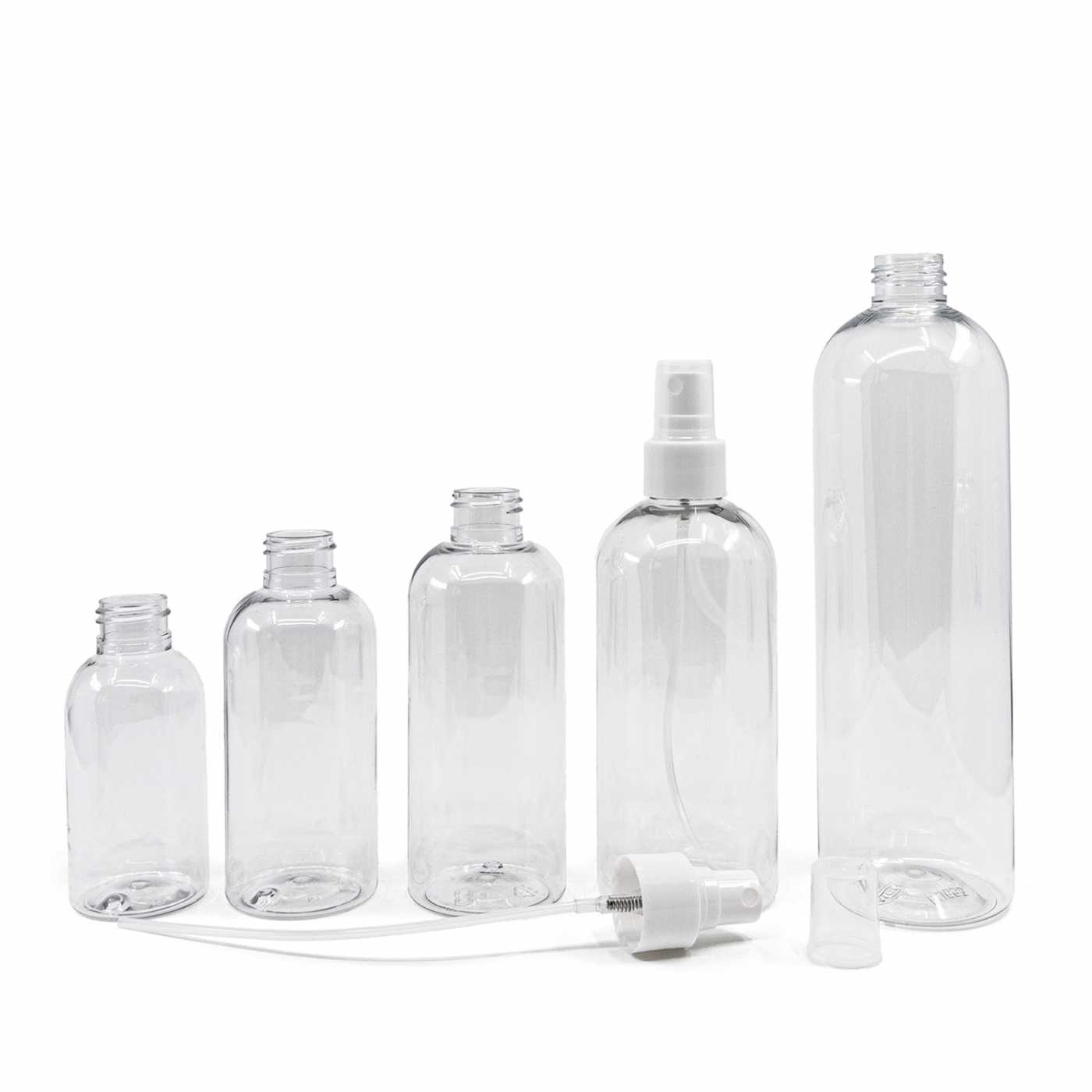
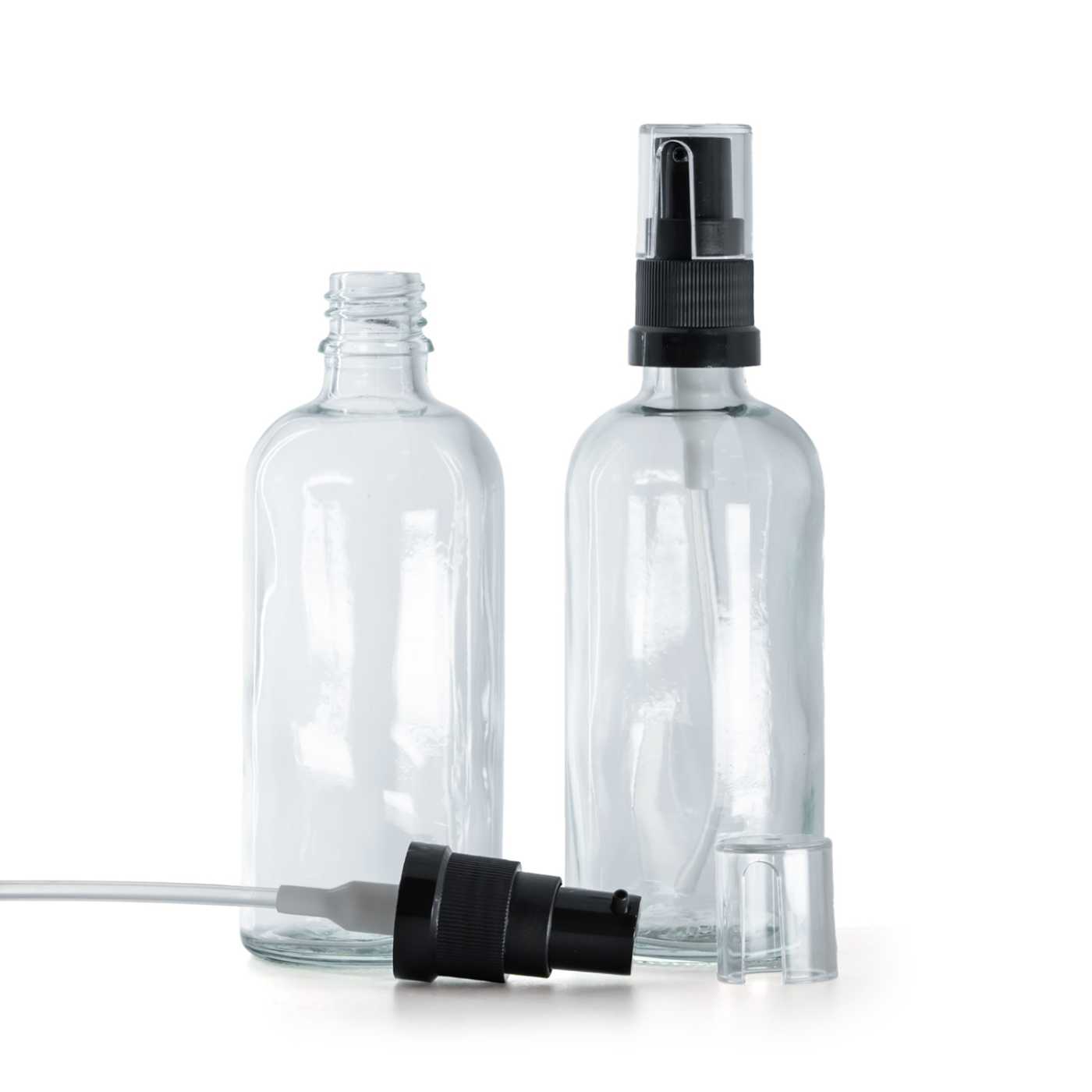
Glass bottle, clear, oil dispenser, 100 ml
Pre-order€1.72

Candle fragrance oils
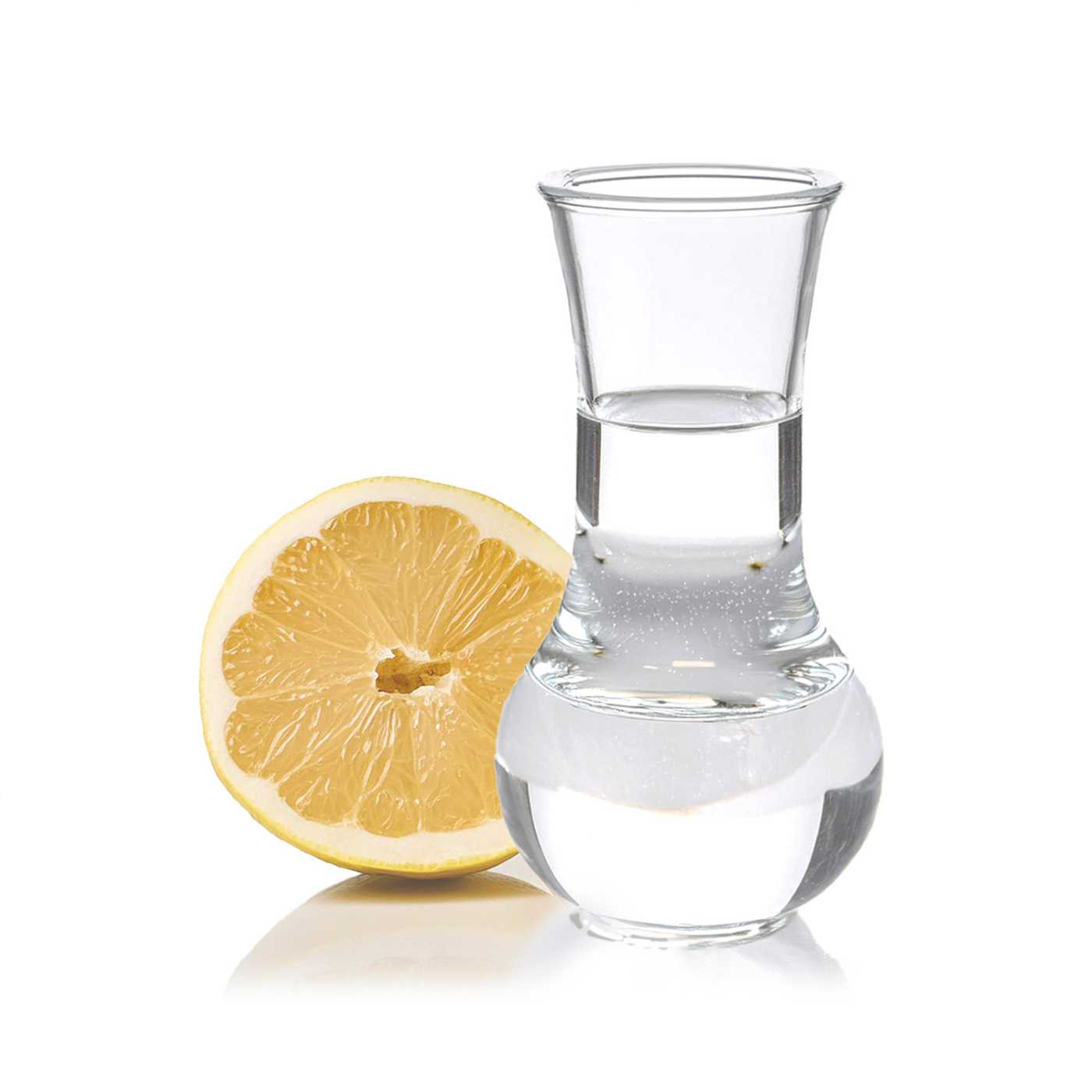
White grapefruit essential oil is cold-pressed from grapefruit peel and brings a fresh citrus fragrance to cosmetics, together with an astringent and cleansing effect . full description
Lowest price in the last 30 days: €30.96
White grapefruit essential oil is cold-pressed from grapefruit peel and brings a fresh citrus fragrance to cosmetics, together with an astringent and cleansing effect. It is used mainly in products for oily skin and blemish-prone skin, in cleansing products, shampoos and bath products, where it adds a clean, fresh grapefruit fragrance.
The ingredient contains only oil from the peel, undiluted. After mechanical pressing it is only filtered. It comes from North America and holds the Vegan certificate. It is handled in the same way as other citrus essential oils.
Its main strength is its tightening effect. Astringent components help reduce the feeling of oiliness and visually refine pores, which is why the oil appears in cleansing gels, toners and masks for oily and combination skin. The same principle works on the scalp, where it helps remove excess sebum and residues of styling products.
The effects stated are based on the manufacturer’s documentation and are cosmetic. The oil is not a medicinal product, and products containing it do not replace care for skin conditions.
The oil dissolves in oils and alcohol and does not dissolve in water. It is added to the oil or alcohol part of the formulation, or to the finished emulsion. A purely water-based product, such as a toner or facial lotion, needs a solubiliser, otherwise the oil will float on the surface.
It belongs in the cooling phase. Add it at a temperature below 40 °C so that the volatile fragrance components do not evaporate and the fragrance is preserved in the product. In anhydrous products, such as body oils, balms or scrubs, it is stirred into the cooled mixture at the end.
There is no single universal usage rate. The maximum amount in the finished product is determined by the IFRA limit for the product category. Lip balms (category 1) have one limit, soaps and shampoos (category 9) another, and candles and air fresheners (category 12) yet another. You will find the limits for all categories in the IFRA certificate in the Product documentation section. In supplier formulations the oil is commonly used in the range of 0.1–1%, most often around 0.3%. Deodorants usually have lower rates of 0.1–0.2%, shower gels the highest, around 1%. These values are indicative and must always be checked against the IFRA limit for the specific product.
In formulations it is most often combined with Tocopherol and sunflower oil, and further with oat flour, Allantoin, lecithin, light emollients (alkanes, coconut esters) and with other essential oils, for example Moroccan chamomile.
It is worth adding Tocopherol to a formulation with grapefruit essential oil. It slows the oxidation of limonene, the main component of citrus oils, and both the fragrance and the tolerability of the product stay stable for longer.
Pressed grapefruit oil contains furocoumarins (bergapten, bergamottin, epoxybergamottin), and white grapefruit oil has a relatively high proportion of psoralen, which is among the most phototoxic substances. Skin treated with such an oil may react with irritation or pigment spots after exposure to the sun.
In leave-on products for skin exposed to the sun, observe the IFRA limit and do not increase the rate. This also applies to after-sun products.
The second risk is oxidation. On contact with air, limonene turns into hydroperoxides, which are significantly stronger allergens than fresh oil. In patch tests, around 5% of patients reacted to oxidised limonene, and pigmented dermatitis from deodorants has also been described. A product should therefore contain only fresh oil with a fresh grapefruit fragrance; an antioxidant slows oxidation.
Fragrance allergens from the oil are listed in the ingredients of the finished product under Regulation (EU) 2023/1545 if they exceed 0.001% in leave-on products and 0.01% in rinse-off products.
The oil is a flammable liquid with a flash point of 45 °C and is subject to CLP classification (GHS02, GHS07, GHS08, GHS09). Keep it away from open flames and hot surfaces when working with it. It must not come into contact with strong acids, alkalis or oxidising agents; it does not react with water. Details on safe handling are in the safety data sheet.
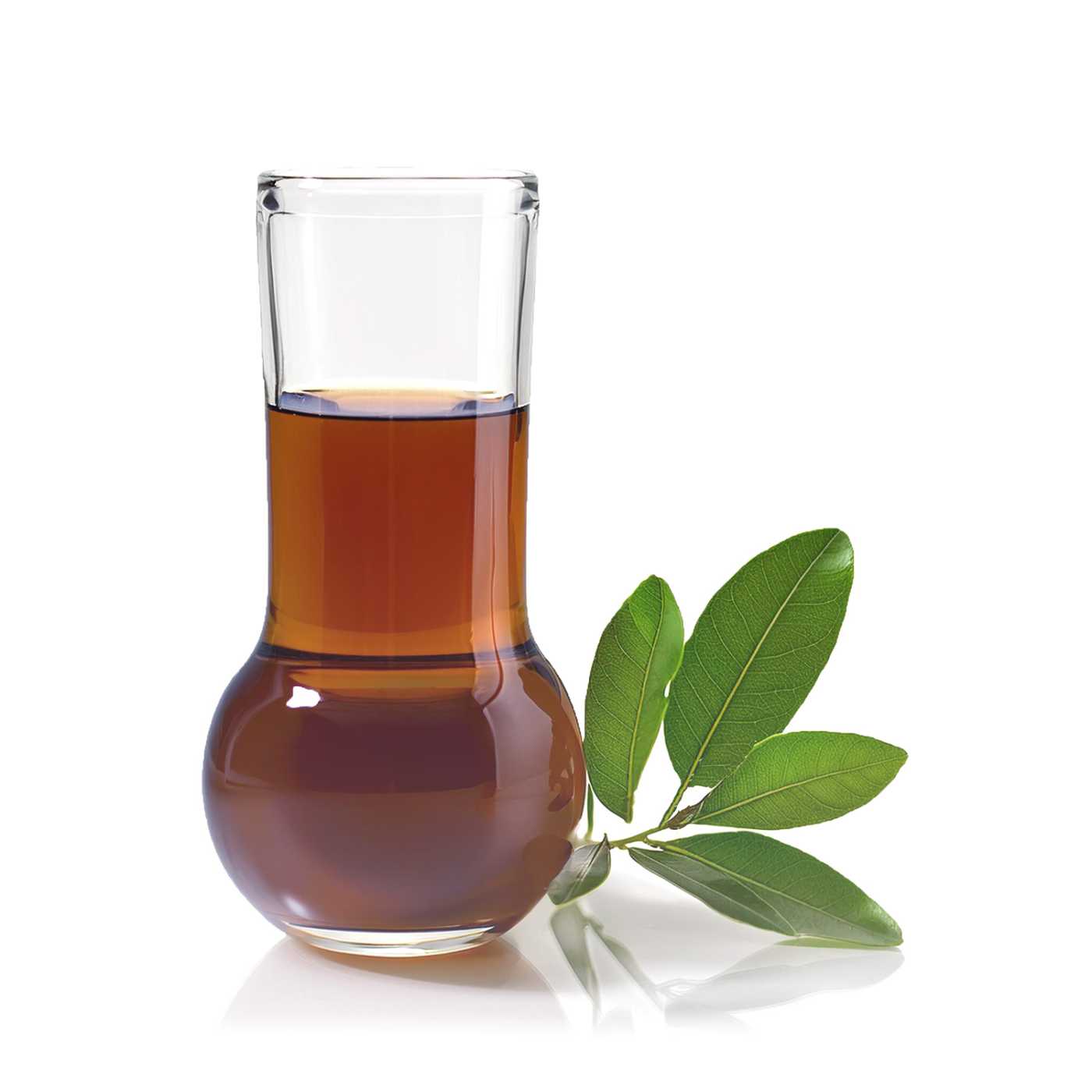
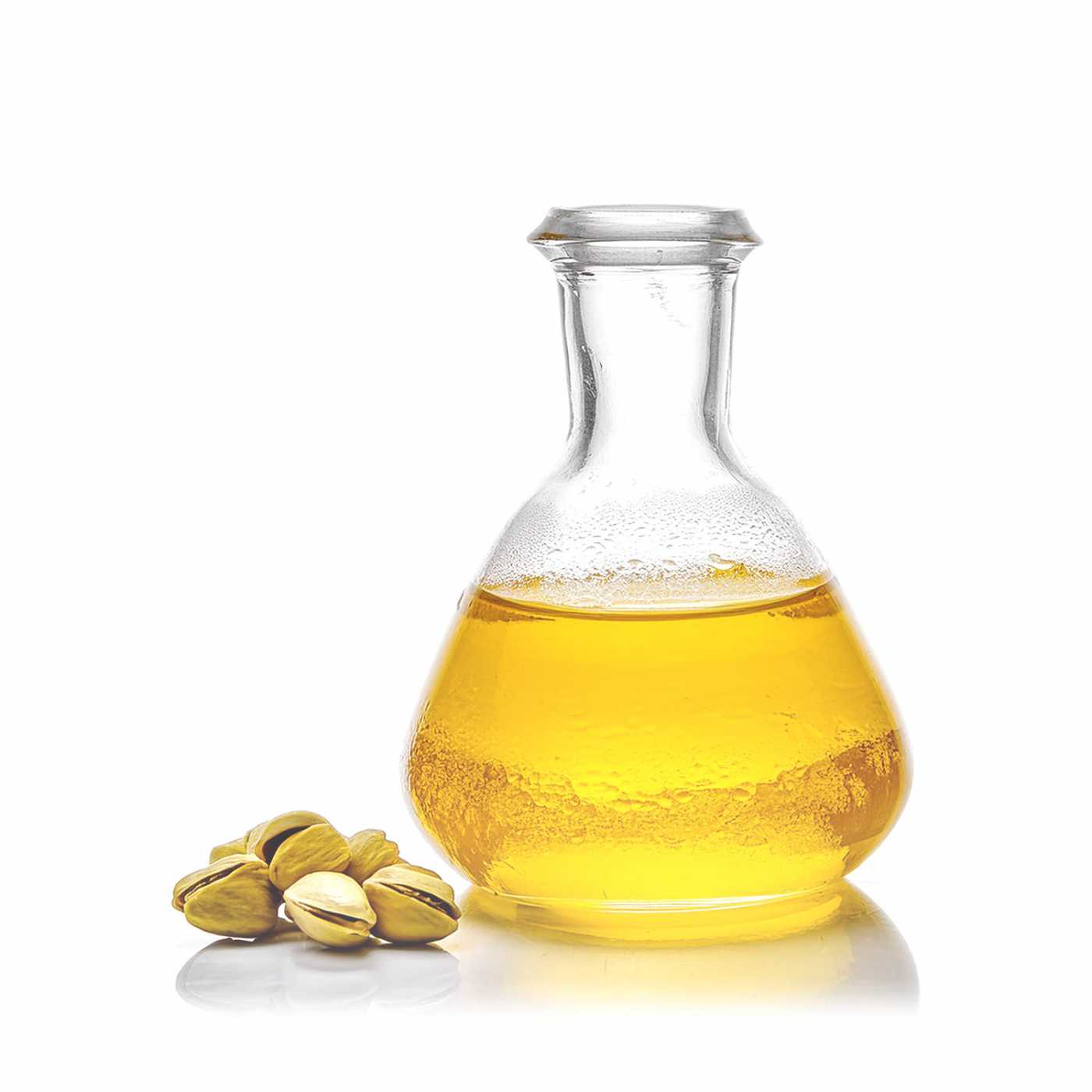
Depending on the batch, the colour ranges from colourless to dark yellow. This difference is within the specification and is not a sign of spoilage; the deciding factor is the fragrance, which should be fresh and grapefruit-like.
Only customers with a delivered order can write reviews.