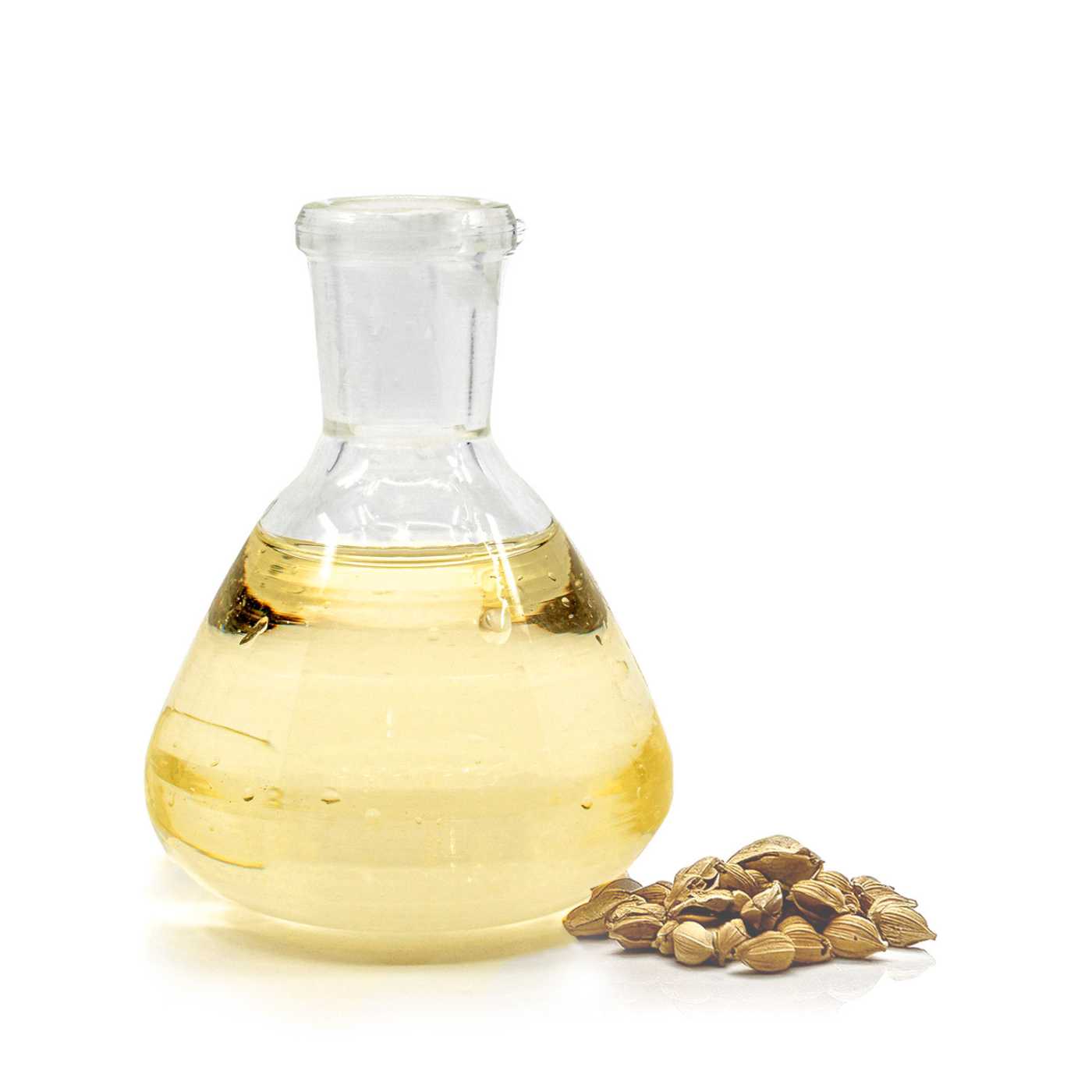
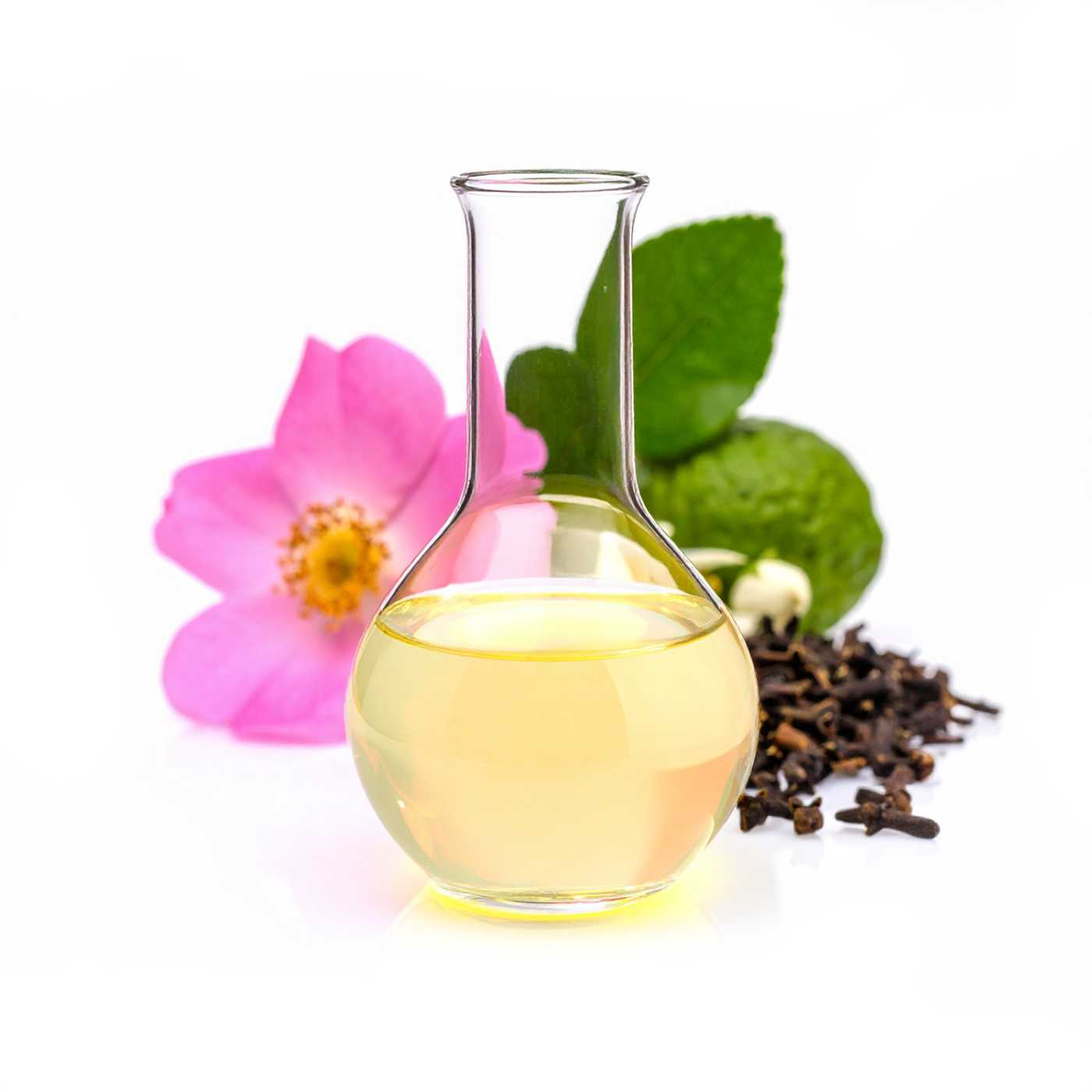
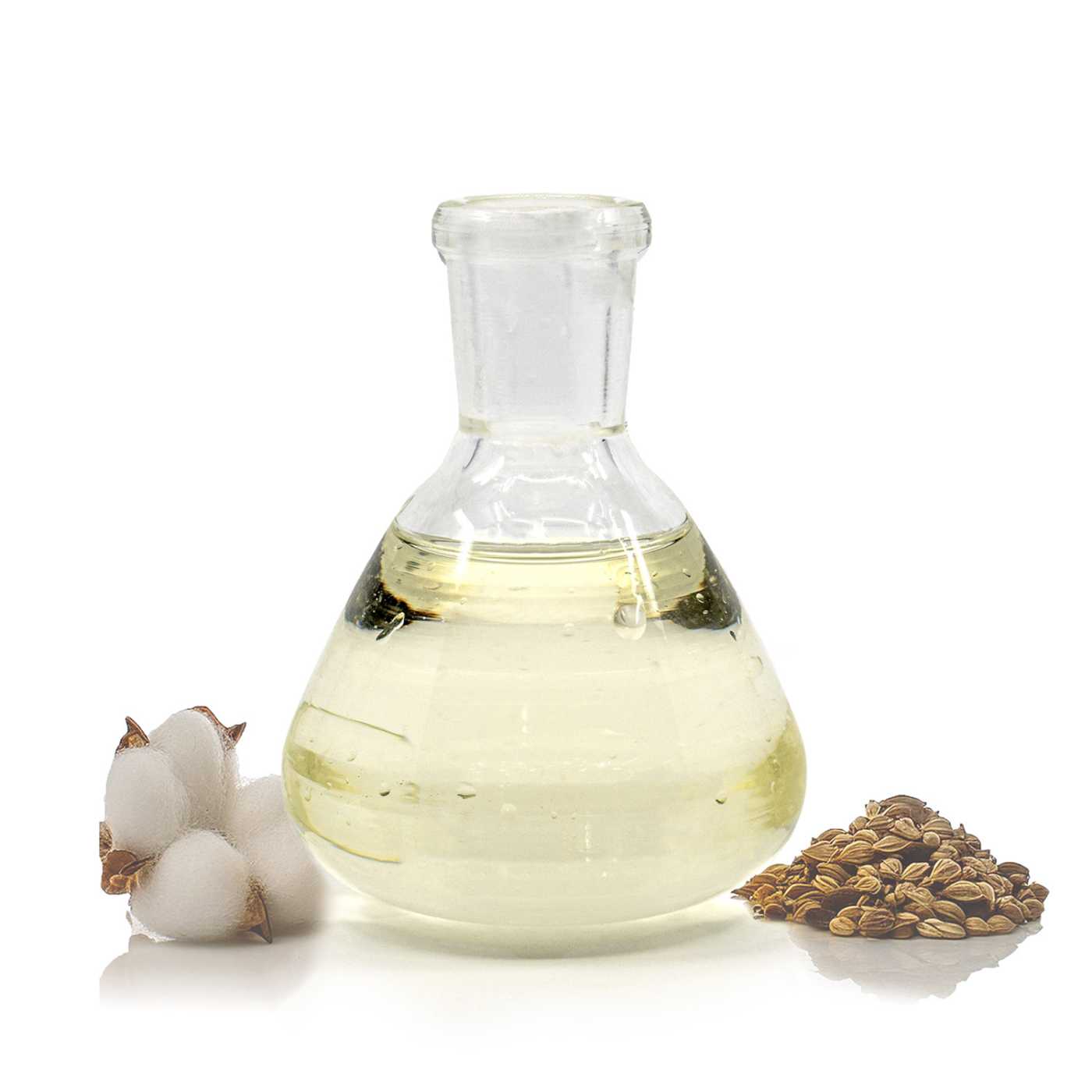
Argan oil cold-pressed from the kernels of the Moroccan Argania spinosa tree softens the skin, replenishes its own lipids, and helps reduce water loss. Compared to heavier oils, it absorbs more quickly and does not leave a pronounced greasy film. This deodorised organic quality is free of the natural nutty scent, so it will not affect the perfumation of the finished product and is suitable for fragrance-free products or those with a delicate scent. Cold pressing and filtration preserve the oil's accompanying compounds, in particular tocopherols and phytosterols.
Key benefits
- Skin softening and smoothing – oleic and linoleic acid, which make up the majority of the oil, replenish the skin's lipid layer and improve its elasticity. After application, skin feels smoother and without a tight sensation.
- Lightweight feel on the skin – compared to olive or avocado oil, it absorbs more quickly and leaves a less greasy film, making it suitable for daily creams and facial oils for combination skin.
- Antioxidant protection – naturally present tocopherols (vitamin E) protect the oil and other lipids in the formulation from oxidation and help skin stressed by sun or wind.
- Hair conditioning – smooths the cuticles, adds shine, and makes combing easier. Used in oil treatments, masks, conditioners, and leave-in serums for the ends.
- Neutral scent – free of the nutty to roasted note of unprocessed argan oil, which often interferes with finished products.
Use in formulation
The oil belongs in the oil phase. In emulsions it is heated together with the other lipids and the emulsifier; the recommended processing temperature is up to 80 °C. Prolonged heating or repeated melting stresses the unsaturated fatty acids, so heat the oil phase only for as long as it takes to melt the waxes and emulsifiers. In anhydrous products and oil serums it is incorporated cold.
Dosage depends on the product type. In emulsions it is typically dosed at 2 – 10 %; in facial and hair oils it can be the main or sole ingredient, i.e. up to 100 %. In balms and butters it is combined with harder fats that provide consistency, as argan oil itself is liquid at room temperature. The ranges given are indicative.
Argan oil contains a significant proportion of linoleic acid, which is susceptible to oxidation. For formulations with a longer shelf life, add an antioxidant, for example Tocopherol at a dose of 0.1 – 0.5 %, and fill the finished product into packaging that protects against light.
The oil is miscible with other vegetable oils, esters, waxes, and butters. It does not mix with water and can only enter water-based products through an emulsifier or solubiliser. It is therefore not suitable for tonics and water-based sprays.
Suitable for
- Facial oils and serums – on their own or blended with lighter oils (jojoba, grape seed) for combination skin, or with heavier ones (avocado) for dry and mature skin.
- Face and body creams and emulsions – as the main emollient that absorbs well and does not leave a greasy film.
- Hair treatments, masks, and end serums – for shine, smoothing, and protection during heat styling.
- Lip, hand, and cuticle balms – in combination with waxes and butters.
- Beard and moustache care – the deodorised version does not mask the product's scent.
- Cold-process soap – usually in a smaller proportion as a superfatting oil for a gentler lather and skin care. We recommend verifying behaviour in soap with a test batch.
Good to know
Deodorised and non-deodorised argan oil share the same origin and basic composition; they differ only in scent. Deodorisation removes the volatile compounds that carry the scent and has no significant effect on the oil's conditioning properties. If the finished product is to be fragrance-free or if the chosen fragrance composition is to stand out, choose the deodorised version.
The yellow colour of the oil can slightly affect the shade of light creams and balms at higher doses. At typical concentrations up to 10 %, the effect is negligible.
Organic certification applies to the raw material. Whether the finished product can also be labelled as organic depends on the full formulation and on the certification scheme you use.
The oil contains no water, so it does not require a preservative on its own. As soon as you incorporate it into an emulsion or other product with a water phase, preservation of the entire product is essential.
In hair cosmetics, higher doses in leave-in products will weigh down fine hair. Start at the lower end of the range and adjust the amount according to hair type.
Frequently asked questions
Is deodorised argan oil as effective as non-deodorised?
Yes, deodorised argan oil is equally effective. Deodorisation removes only the volatile fragrant compounds; the fatty acids and most of the accompanying compounds responsible for the conditioning effect remain in the oil. The oil retains its ability to soften skin, support its elasticity, and condition hair. However, it does not introduce the nutty scent into the product that would mask the perfumation.
Is argan oil suitable for oily or acne-prone skin?
Yes, argan oil can be used on combination and oily skin as well. It absorbs quickly and has a low tendency to clog pores. It is best used at lower doses in light emulsions or blended with lighter oils. Skin response is individual; for problematic skin we recommend testing the product on a small area first.
Can I heat argan oil when making a cream?
Yes, argan oil can be heated together with the oil phase; the recommended processing temperature is up to 80 °C. Heating should last only until the waxes and emulsifiers have melted; keeping it at a high temperature for too long accelerates oxidation of the unsaturated fatty acids. If the formulation allows, add the oil to the slightly cooled emulsion.
Does argan oil need a preservative?
Argan oil on its own does not need a preservative, as it contains no water in which micro-organisms could proliferate. A product with a water phase, such as a cream, emulsion, or hair mask, always requires a preservative. For pure oil and anhydrous products, protection against oxidation is more important; this is ensured by an antioxidant such as Tocopherol and packaging that protects against light.
How is argan oil used on hair?
Argan oil is used on hair neat as a pre-wash oil treatment or in a small amount as a leave-in serum for the ends. For the treatment, apply to the lengths and ends, leave on for at least 30 minutes, then wash the hair with shampoo. In conditioners and masks it is added to the oil phase, typically at 1 – 5 % depending on hair type.
What is the difference between argan oil and jojoba oil?
Argan oil is a triglyceride oil with a high proportion of oleic and linoleic acid; it nourishes and softens the skin. Jojoba oil is chemically a liquid wax whose structure resembles sebum; it is more stable and leaves a lighter film. In formulations they are often combined: argan brings nourishment and antioxidants, jojoba improves stability and lightness of the blend.