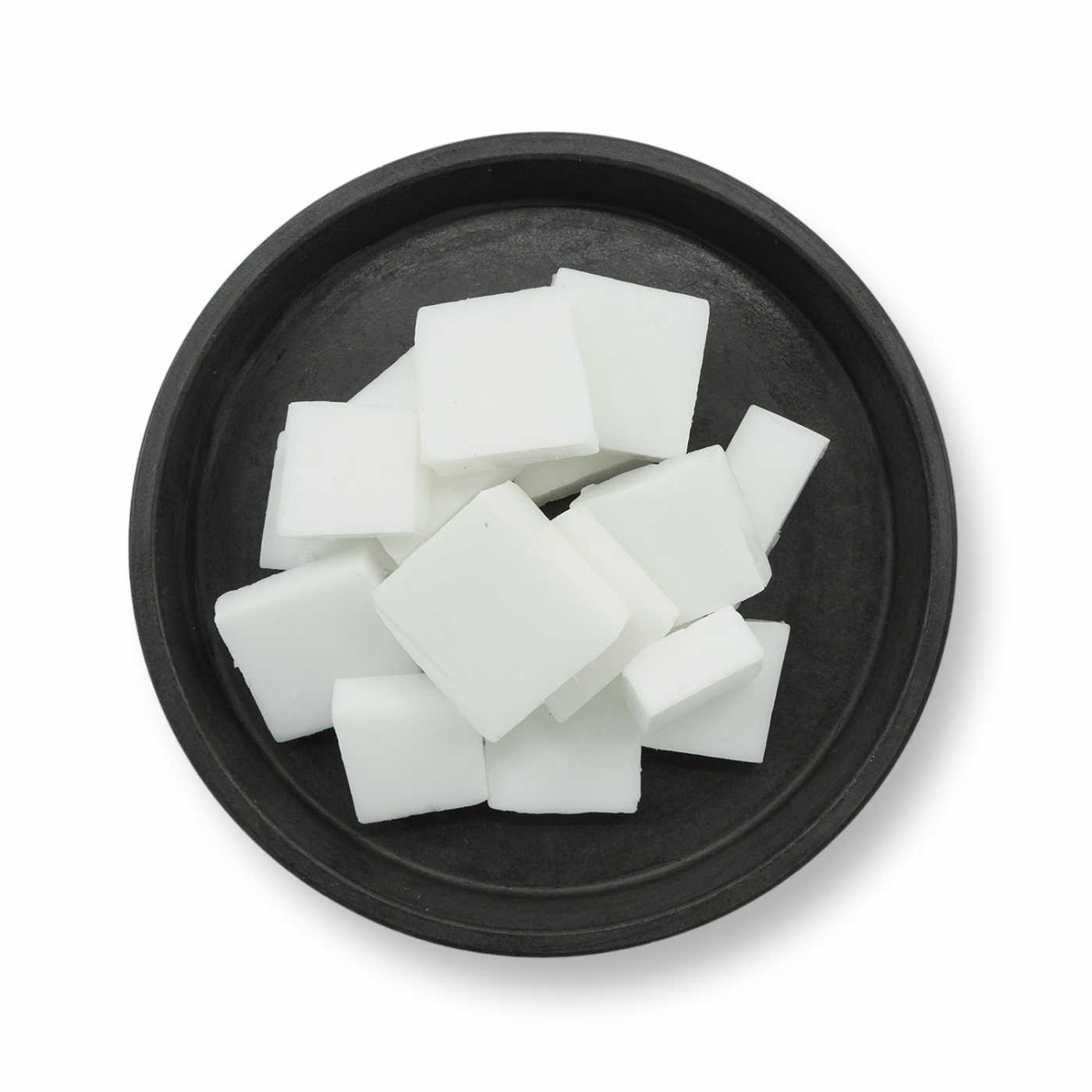
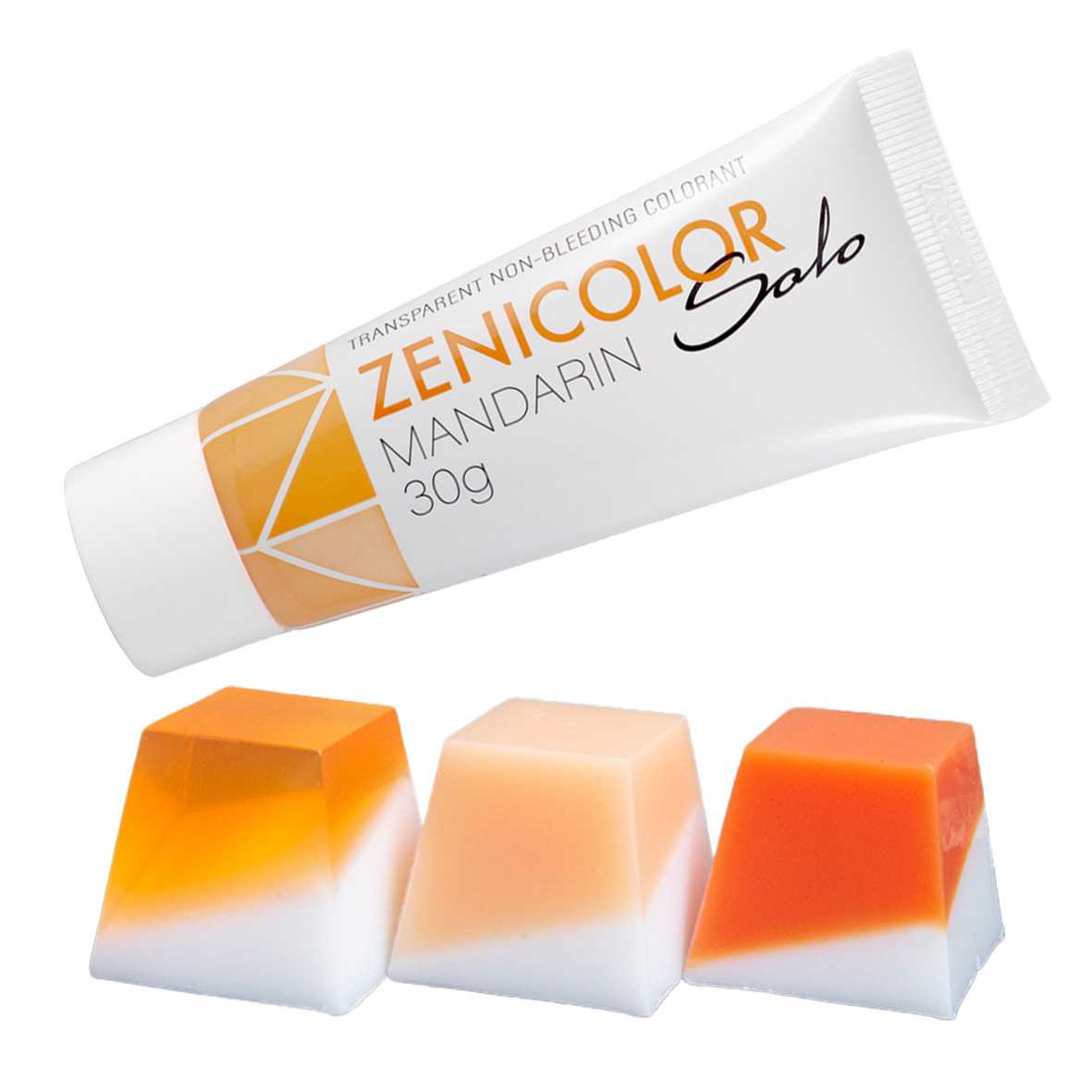
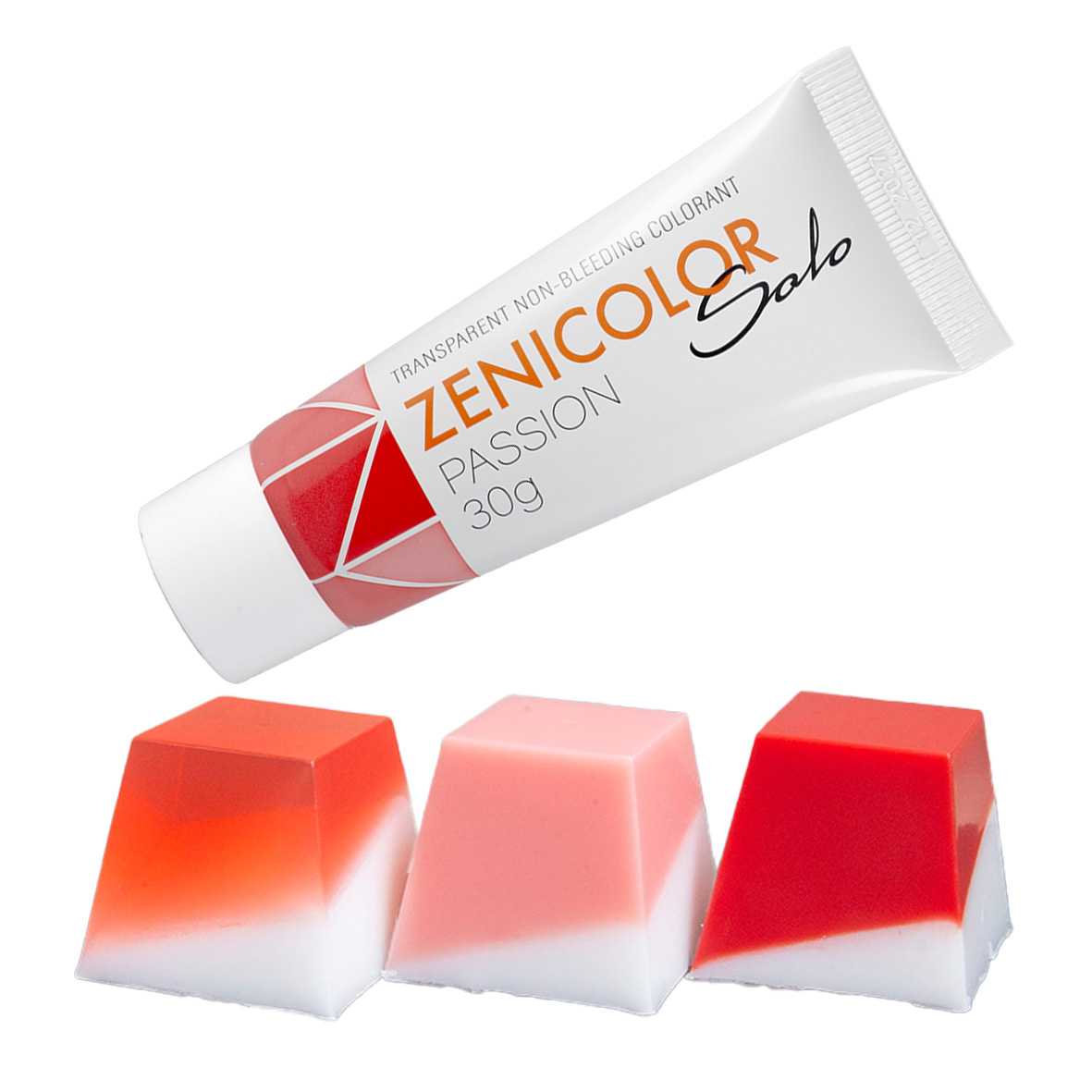
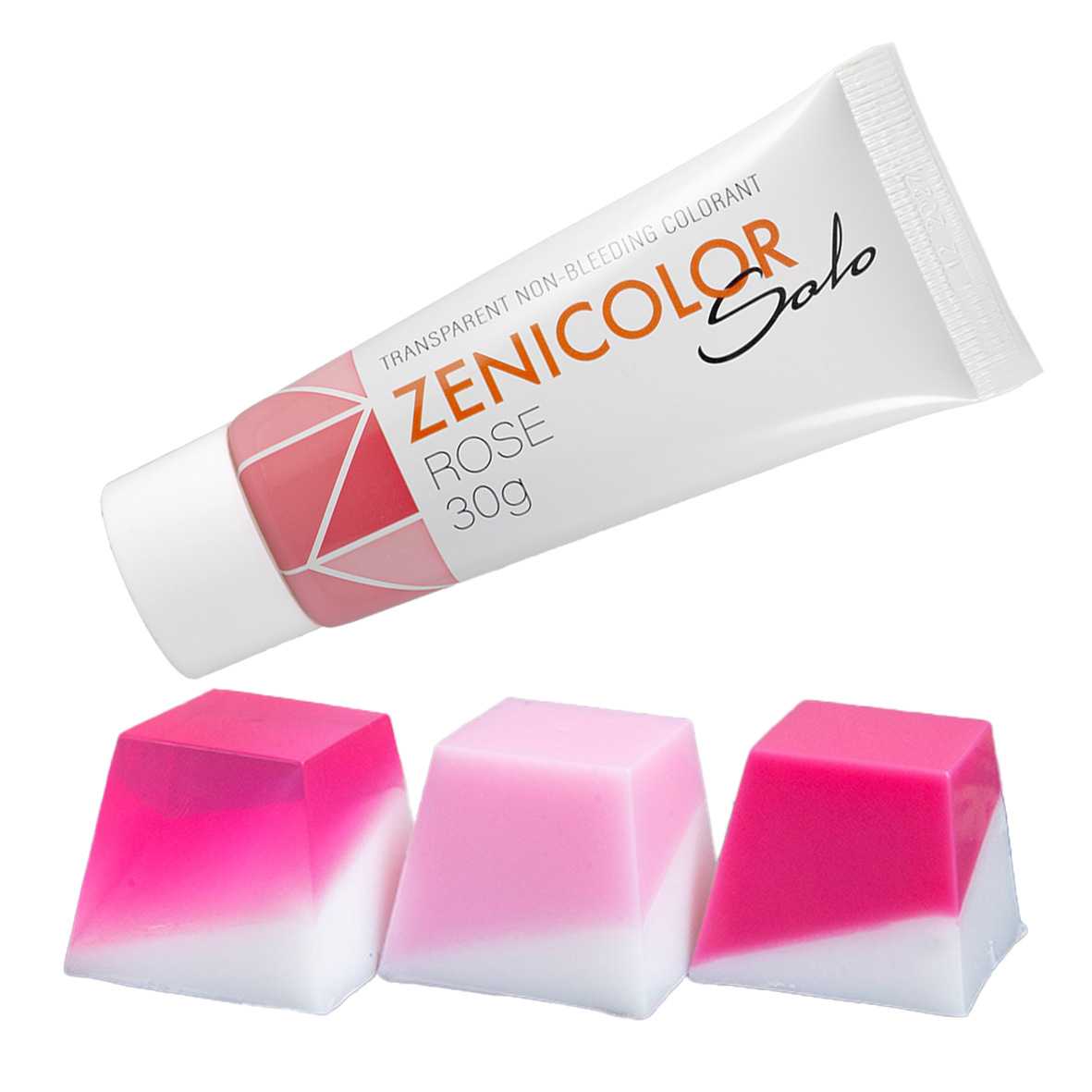
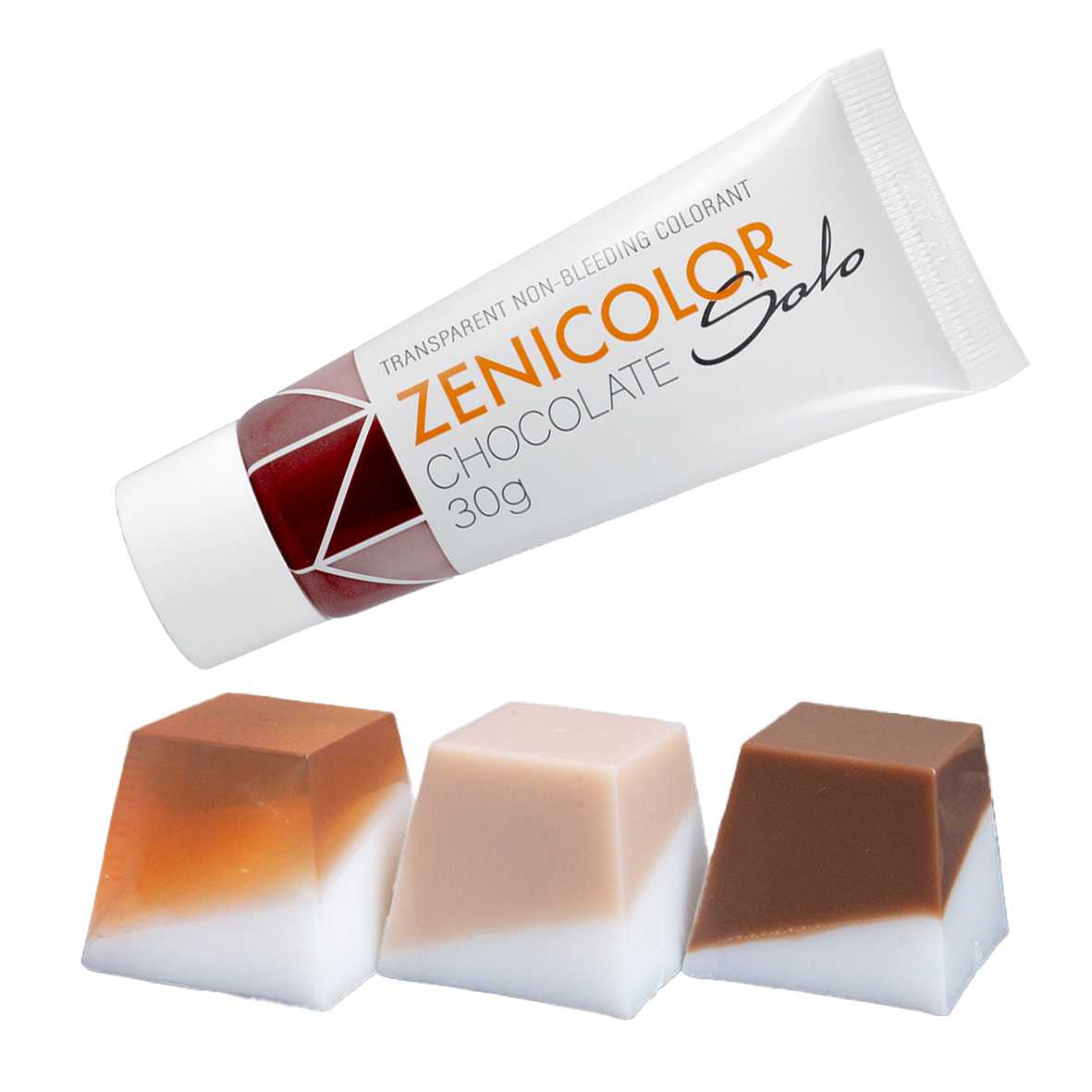
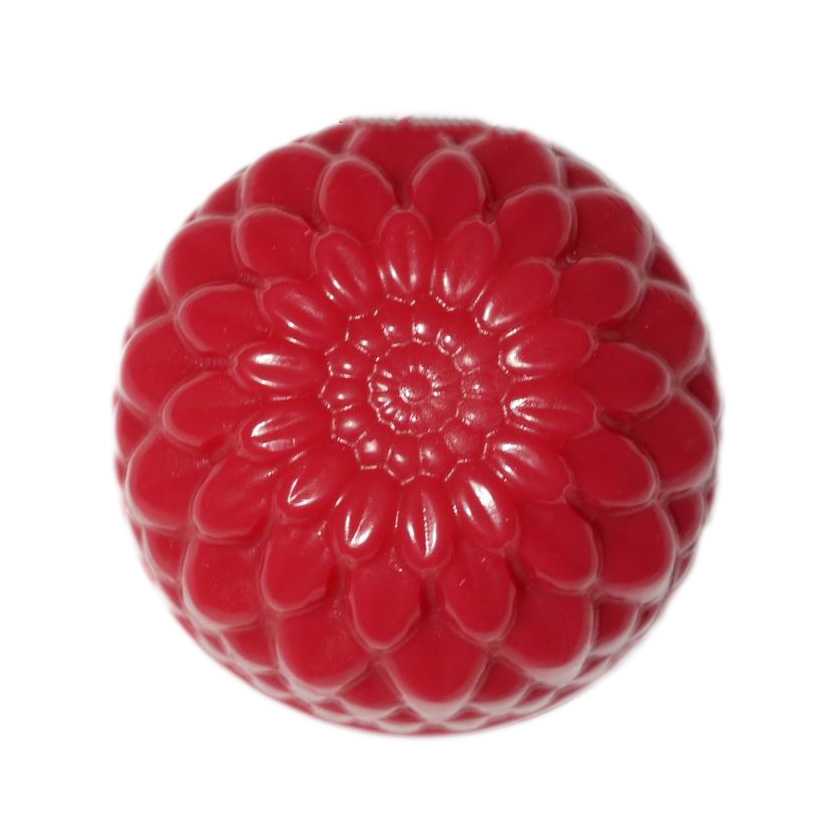
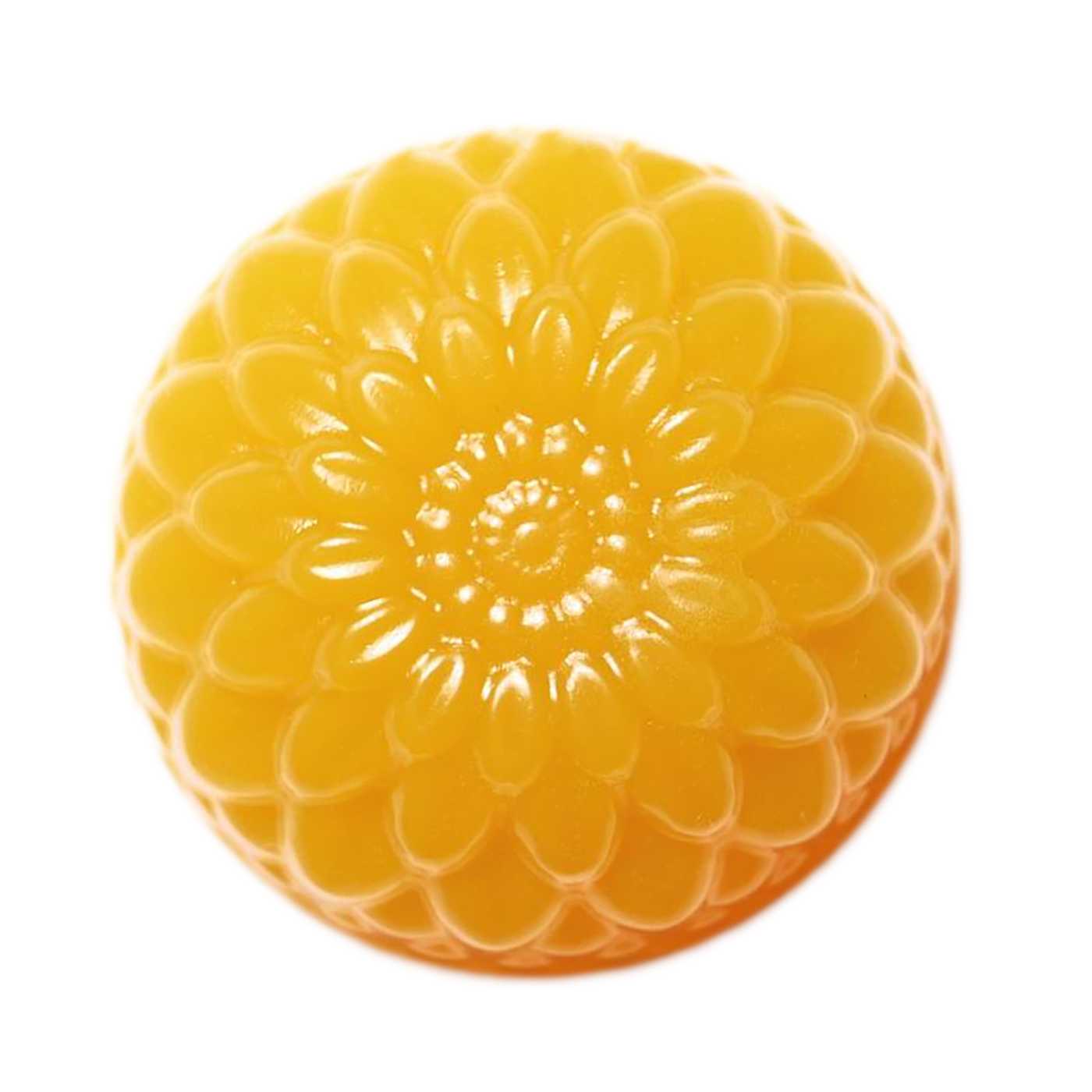
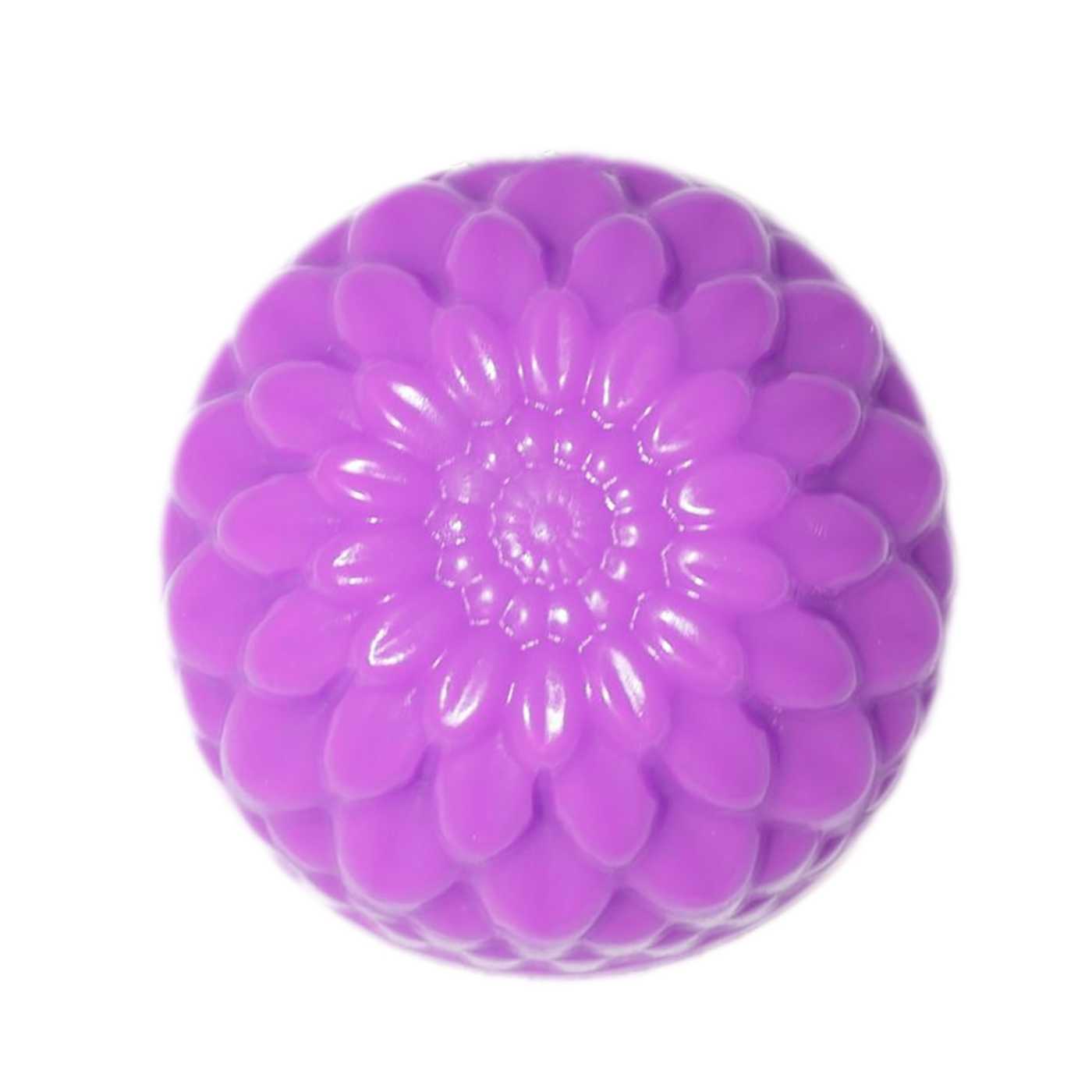
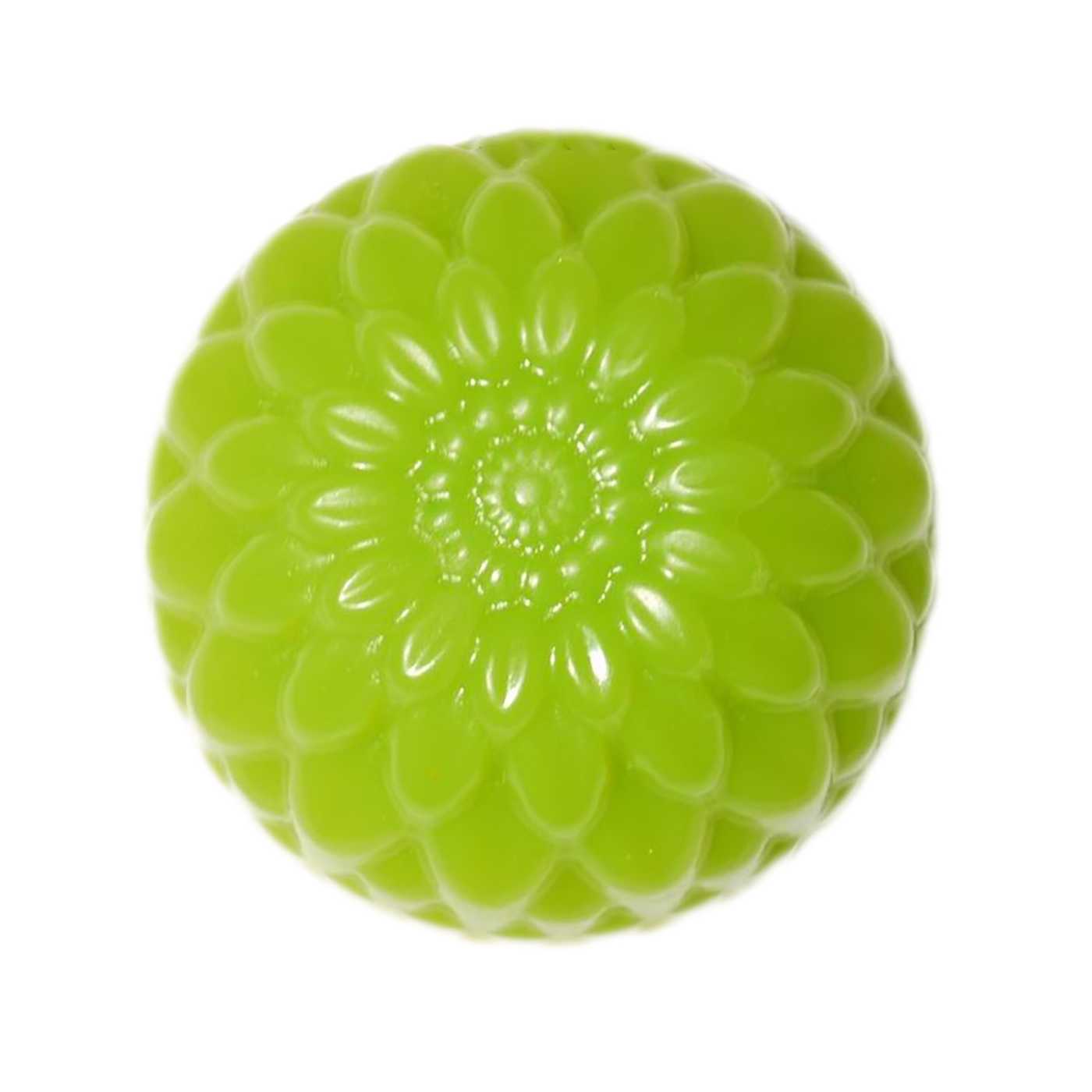
White soap base for making melt-and-pour soaps: the ready base is melted, coloured, scented and poured into a mould. Soap made from it can be used as soon as it sets, with no lye handling and no weeks of curing. The 10 kg pack is intended for workshops and makers who pour soaps in larger batches or on a regular basis.
The base is sweat-free. In a warm or humid environment, far fewer moisture droplets form on the surface of the finished soap than with ordinary glycerine bases, which you will appreciate when storing finished soaps, at markets and when selling them unwrapped.
What it is suited for
- Soaps poured into moulds – single-colour as well as multi-layer bars, soaps with embedded objects, toys or dried flowers.
- White layers and contrasts – the opaque white stands out next to transparent base and, once colour is added, gives pastel shades.
- Soaps with additives – powdered goat milk, clays, poppy seeds, coffee grounds, oat flakes or exfoliating particles.
- Creative workshops and courses – quick processing without lye makes it possible to work with children and beginners too.
- Gift and promotional soaps – the low tendency to sweat allows soaps to be displayed longer and wrapped in transparent film.
What the base contains and how it behaves
The base consists of sodium salts of fatty acids, i.e. the soap itself, supplemented with glycerín, sorbitol, sugar and propylene glycol. These humectant ingredients give the base smoothness and shine. The opaque white shade is provided by titanium dioxide. Lathering is boosted by added surfactants, so the soap foams quickly and richly.
The base is supplied as a solid block that is cut into cubes with a knife. Once melted it is liquid and can be coloured, scented and poured. The sweat-free treatment does not mean the soap will not take up moisture at all. If left unwrapped in the bathroom for a longer time, the surface of this base can become slightly damp too.
Processing procedure
Cut the block into cubes of roughly the same size so they melt evenly. It is melted in a water bath or in a microwave in short intervals, stirring the base between them. The base must not be boiled or overheated. Overheated base thickens and loses its smooth surface.
Colourants, fragrance oils, essential oils and additives are added only once the base is melted, just before pouring, stirring gently without whipping. Rapid stirring forces air into the base and the soap is then full of bubbles. After pouring into the mould, the surface is lightly sprayed with alcohol, which breaks up the bubbles. With multi-layer soaps, each layer is left to set before the next is poured and sprayed with alcohol so the layers bond together.
For fragrance and essential oils, follow their supplier's recommendation for soaps and the IFRA limits. With every new additive, pour a test bar first.
The soap is easiest to remove from the mould once it has cooled completely. With silicone moulds it is enough to gently flex the wall; hard plastic moulds are helped by a short spell in the freezer.
Good to know
- Additives and settling – heavier particles (seeds, coffee grains) sink to the bottom in the liquid base. It helps to let the base cool for a while before pouring, until it thickens slightly.
- Wet ingredients – fresh herbs, fruit or larger amounts of liquids shorten the soap's shelf life and can soften it. Dried and powdered additives are more suitable.
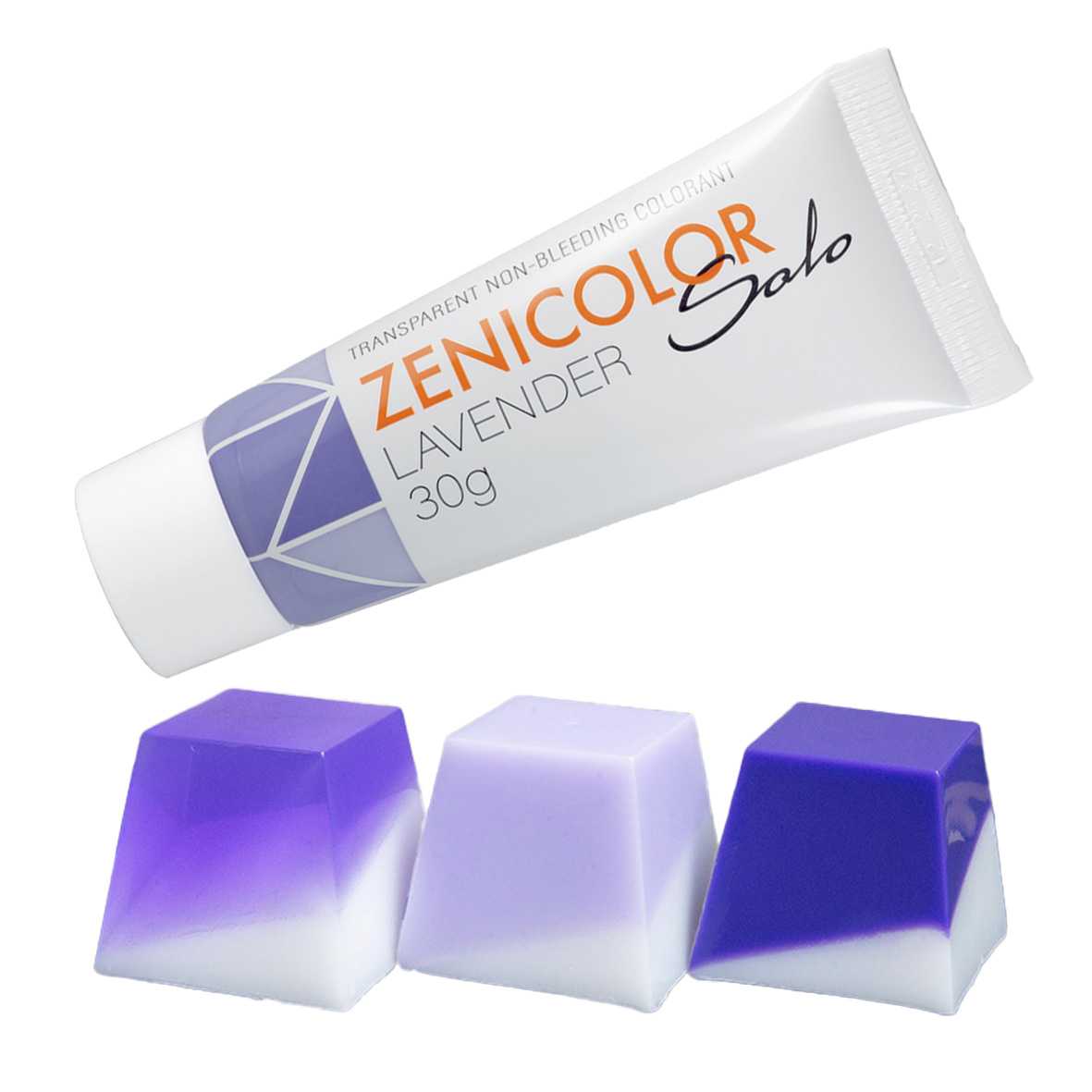
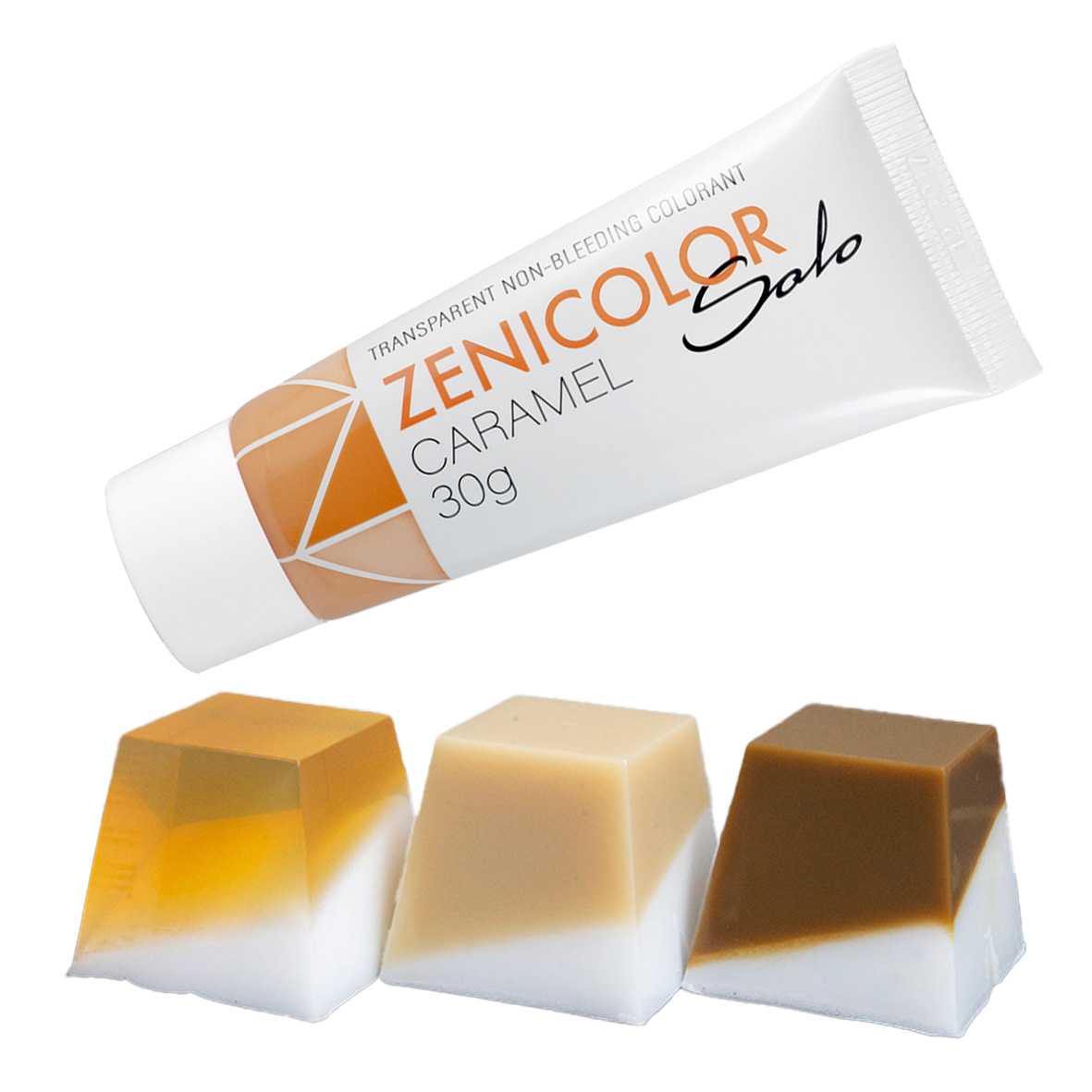
- Colouring – with pigments and liquid colourants the white base gives pastel shades. For vivid colours expect a higher dosage than in transparent base.
- Repeated melting – leftovers and failed bars can be remelted, but every further heating degrades the base. Melt it as few times as possible.
- Wrapping finished soaps – even with a sweat-free base it is recommended to wrap finished bars in film once set, especially before longer storage or selling in a warm space.
Melted base is hot and sticks to the skin. When working with children, melt and pour the base yourself and let the children decorate and remove the soaps from the moulds.
Frequently asked questions
What does sweat-free soap base mean?
Sweat-free soap base is a base treated so that as few moisture droplets as possible form on the surface of the finished soap. Ordinary glycerine bases attract water from the air and „sweat“ in humid or warm conditions. This treatment greatly reduces sweating, but does not eliminate it entirely, which is why soaps intended for longer storage are still wrapped.
Can the white ZENISOAPBASE soap base be coloured?
Yes, white soap base is coloured with liquid colourants, pigments and pearlescents (mica) mixed into a little glycerine or alcohol. The white base lightens the shades, so the result is pastel. For a more vivid colour a higher dosage is needed than in transparent base, or a combination of a white and a transparent layer in one soap.
How to melt soap base without ruining it?
Soap base is melted slowly in a water bath or in a microwave in short intervals with stirring. It must not boil or be overheated for long, otherwise it thickens and loses its smooth shine. It is advisable to cover the container so that water does not evaporate from the base.
Is soap made from this base suitable for children and creative workshops?
Yes, soap base is processed without lye and the finished soap can be used as soon as it sets, which is why it is often used at courses and when crafting with children. Melting and pouring the hot base should be done by an adult; children can pick out moulds and colours, decorate and take out the set soaps. The base is not subject to classification under CLP.
Can I add a fragrance oil or essential oil to the base?
Yes, both fragrance and essential oils are added to the melted base just before pouring and stirred in briefly. Dosage follows the fragrance supplier's recommendation for soaps and the IFRA limits. Some fragrances cloud or slightly colour the base, so it is worth pouring a test bar first.
What is the difference between soap base and cold-process soap?
Soap base is finished soap that is merely melted, adjusted and poured, with no lye and no curing. Cold-process soap is created by saponifying oils with sodium hydroxide; it requires protective equipment, accurate weighing and several weeks of curing. The base is faster and safer for beginners, while cold-process soap gives greater freedom in choosing oils.