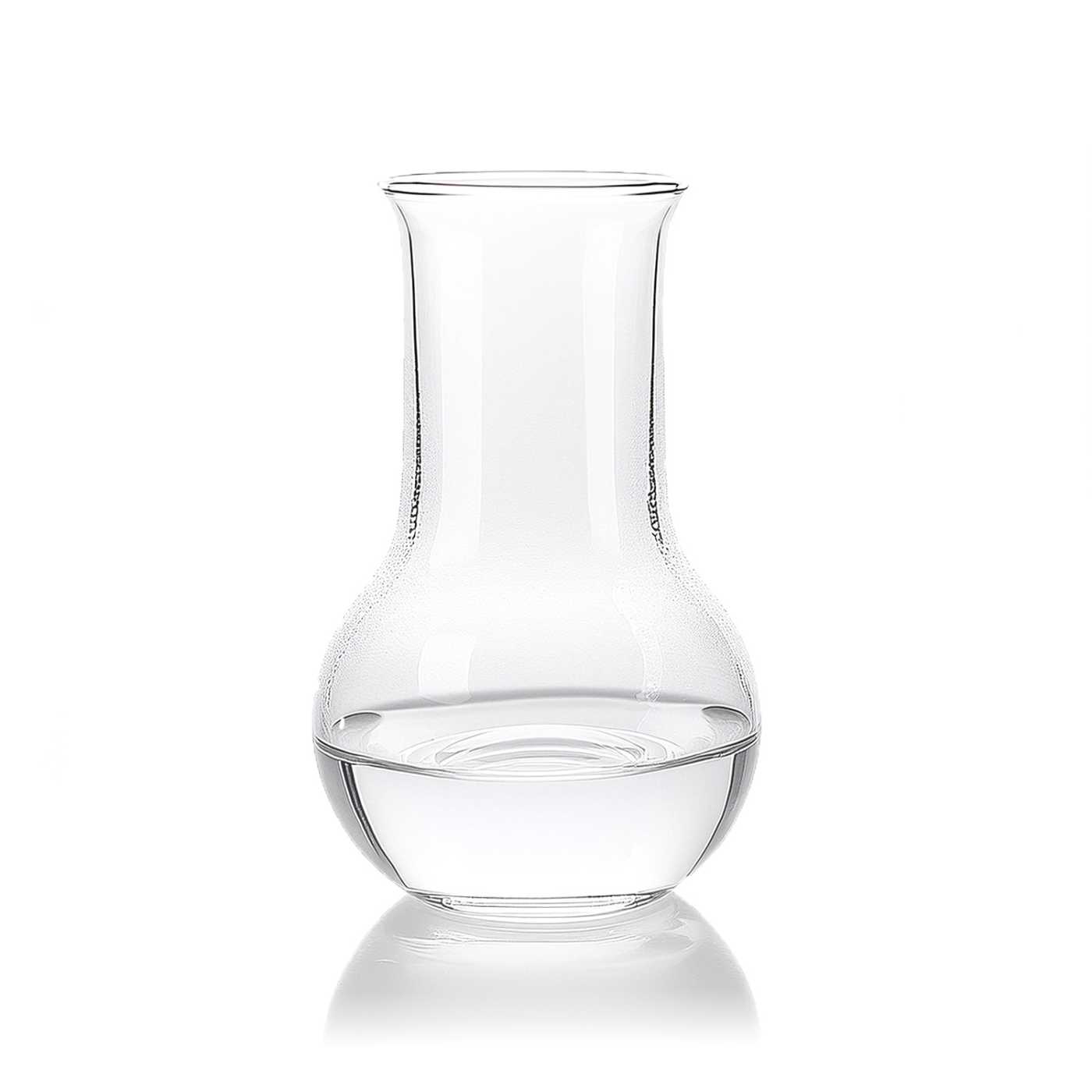
IPA 99%, Isopropyl Alcohol, 1 l
Pre-order€6.99(€6.99/l)

SOAP BASES 10 kg
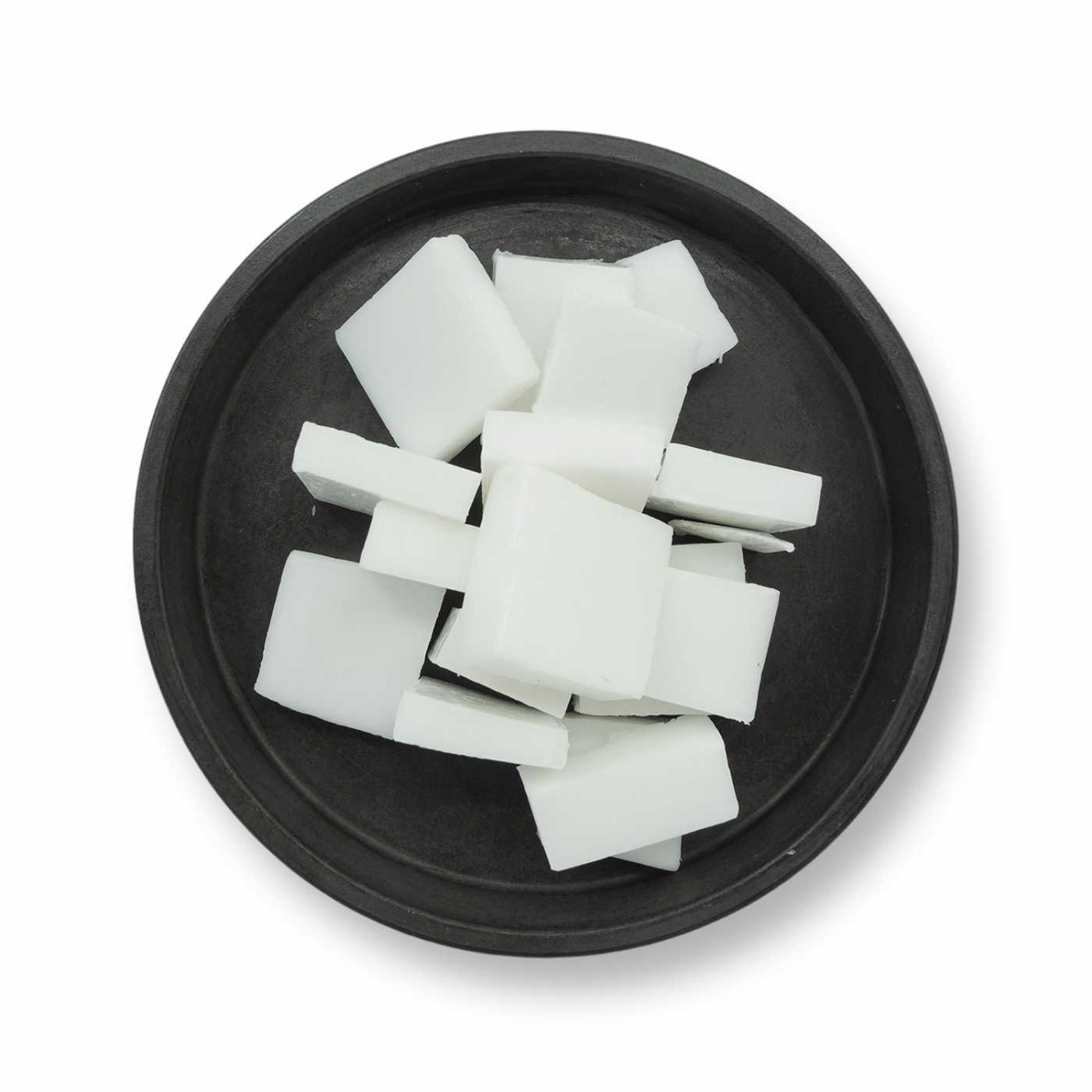
Soap base ZENISOAPBASE White, white White soap base for making soaps by melting and pouring . It is cut up, melted, scented, optionally dyed and poured into a mould. full description
Lowest price in the last 30 days: €75.77
White soap base for making soaps by melting and pouring. It is cut up, melted, scented, optionally dyed and poured into a mould. It does not require working with sodium hydroxide or waiting for the soap to cure; once set, the finished soap is removed from the mould and can be used. It is suitable for bar soaps for the hands, body and face that are rinsed off the skin.
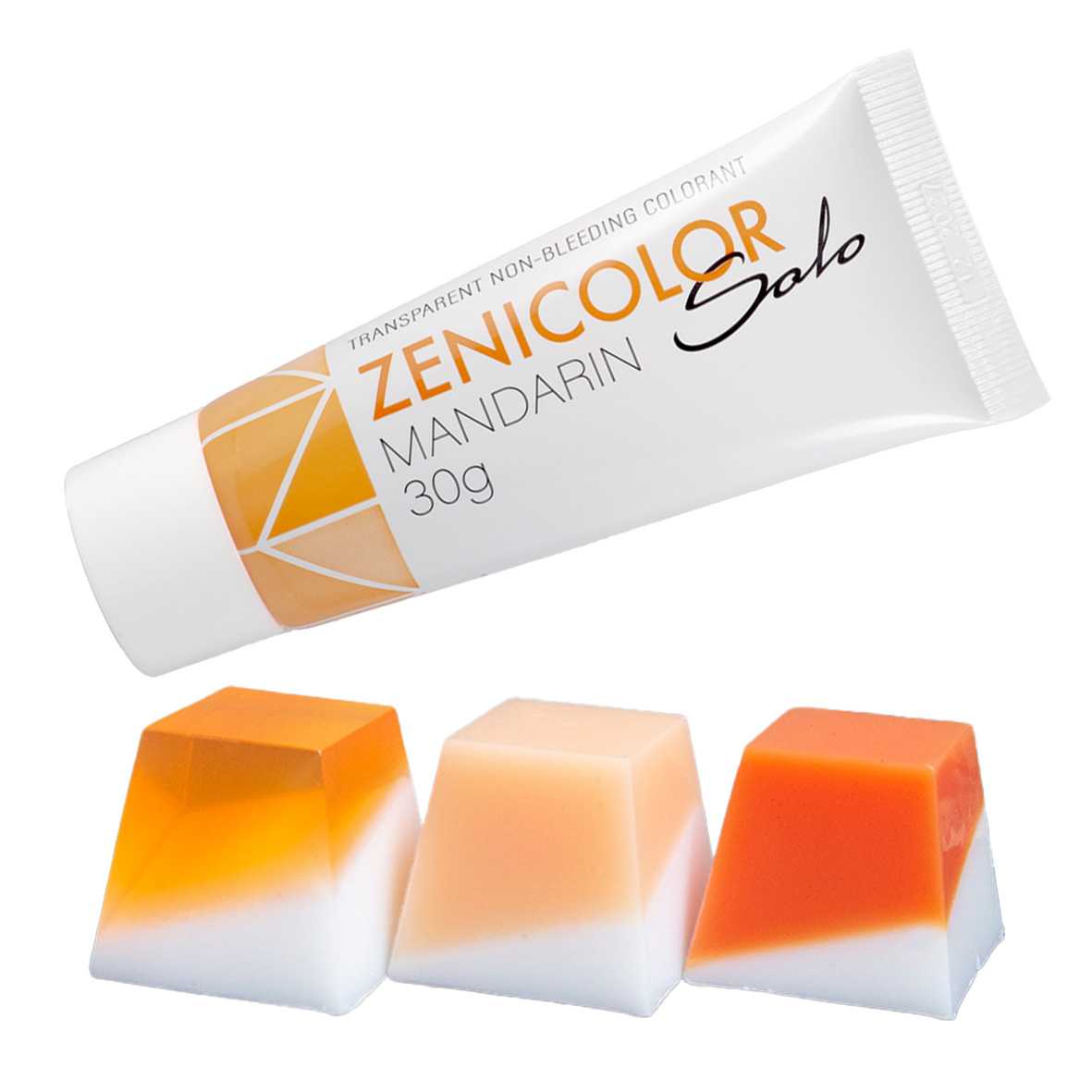
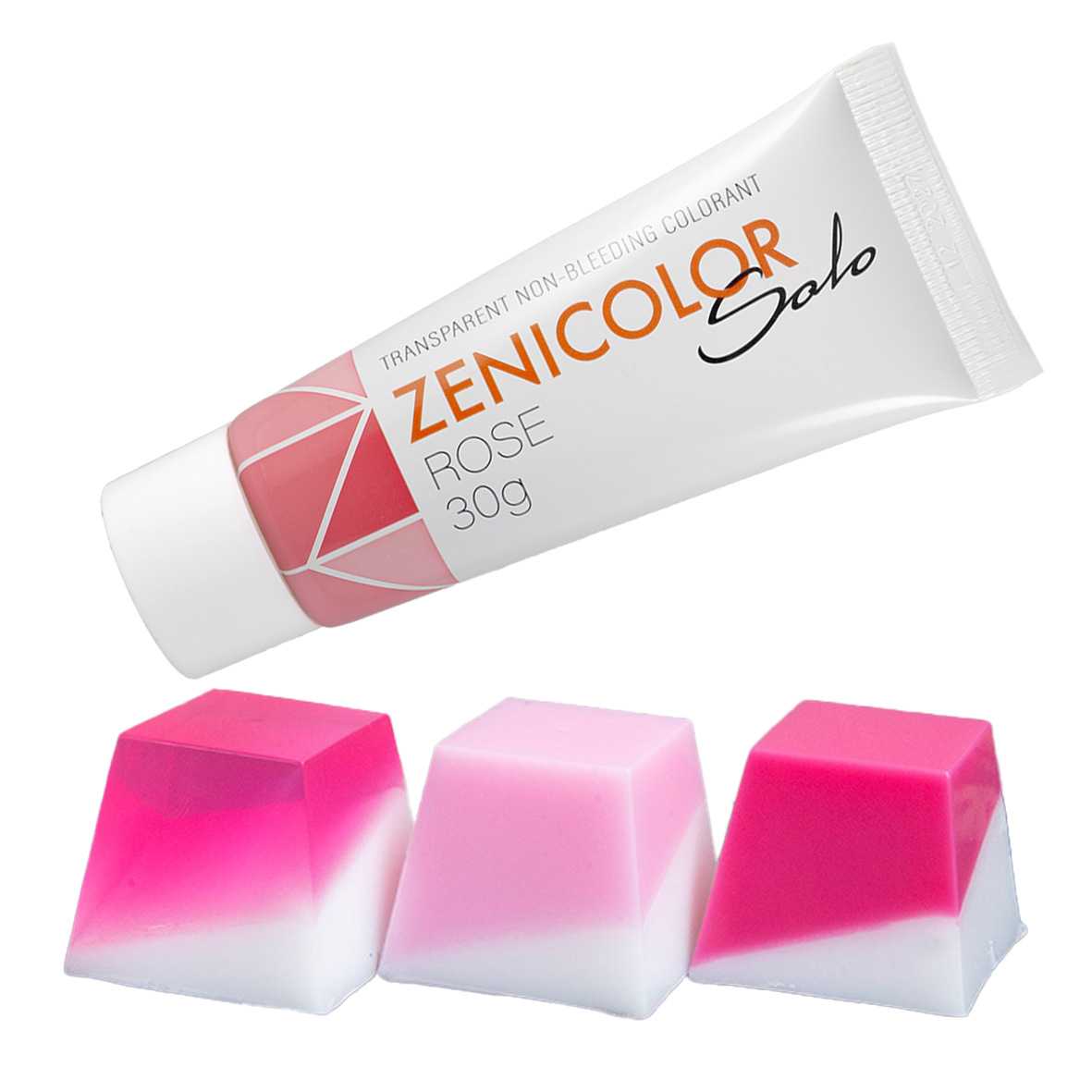
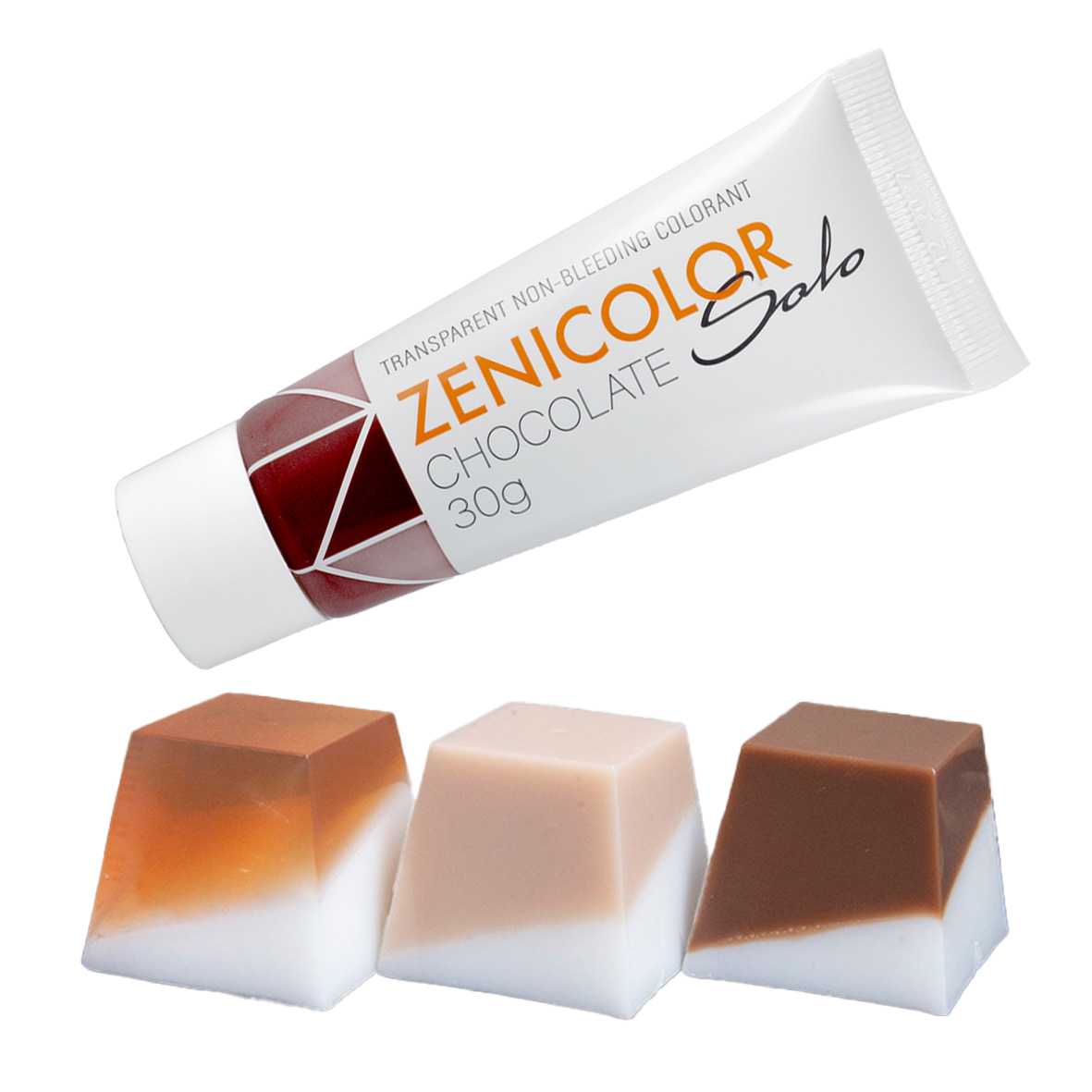
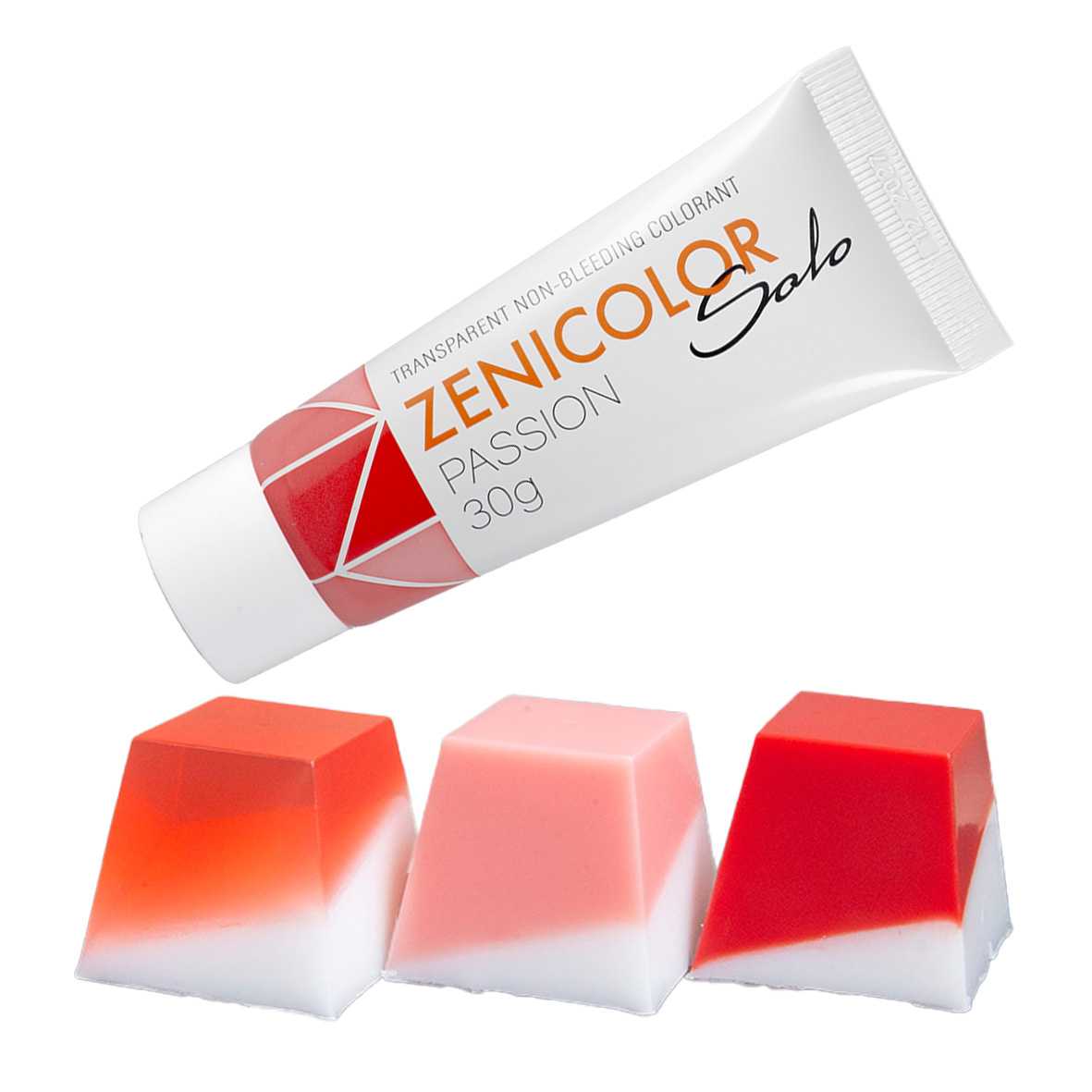
The opaque white colour is essential to this base. When dyed, it gives pastel shades and combines well with clear soap base when layering or embedding shapes. It contains glycerine and sorbitol, the foaming is provided by surfactants and the white colour by the pigment Titanium Dioxide. It is made in the European Union.
The 10 kg pack is intended for those who make larger batches: for courses, workshops, wedding favours or small-scale commercial production.
Cut the base into cubes of roughly equal size so that it melts evenly. Melt it in a water bath or in a microwave in short intervals, stirring occasionally. The recommended processing temperature is 65–75 °C. At this temperature the base is liquid and additives are easy to work into it.
Do not overheat the base and do not let it boil. Keep to the range of 65–75 °C and check the temperature with a thermometer.
Once melted, let the base stand for a while to cool slightly, and only then add the fragrance oil or essential oils and the dye. Stir briefly, do not whisk, so that not too much air gets into the base, and pour it into the mould. Bubbles on the surface are removed after pouring by spraying with isopropyl alcohol from a sprayer. When layering, the lower set layer is also sprayed with alcohol so that the layers bond. Leave the soap to set at room temperature.
The usage rate of fragrance oils and dyes follows the recommendation of the manufacturer of the particular fragrance or soap dye. Check the result on a small test batch.
Scrub ingredients, clays or poppy seeds settle at the bottom of the mould in thin hot base. Add them only when the base starts to set at the edges, and stir it just before pouring.
The base is water-soluble and is intended for rinse-off products. Do not leave the finished soap standing in water; place it on a soap dish with drainage. Once fully set, wrap the finished pieces in cling film or shrink film so that they do not absorb moisture from the air.
The base tolerates alkaline pH and is compatible with anionic surfactants. Vegetable oils or butters are added to it only in small amounts. Check the compatibility of a particular additive, especially pH-sensitive dyes and fragrance oils prone to precipitation, on a test piece.
The base is not classified as hazardous under the CLP Regulation and does not require a safety data sheet. It contains no silicones, parabens, alcohol, formaldehyde or formaldehyde donors, nanomaterials, intentionally added microplastics or materials of animal origin. It has not been tested on animals.
Only customers with a delivered order can write reviews.