+421 950 333 113info@handymade.storeHandymade Days: −10 % on all ready-made productsShop now

ACTIVE INGREDIENTS

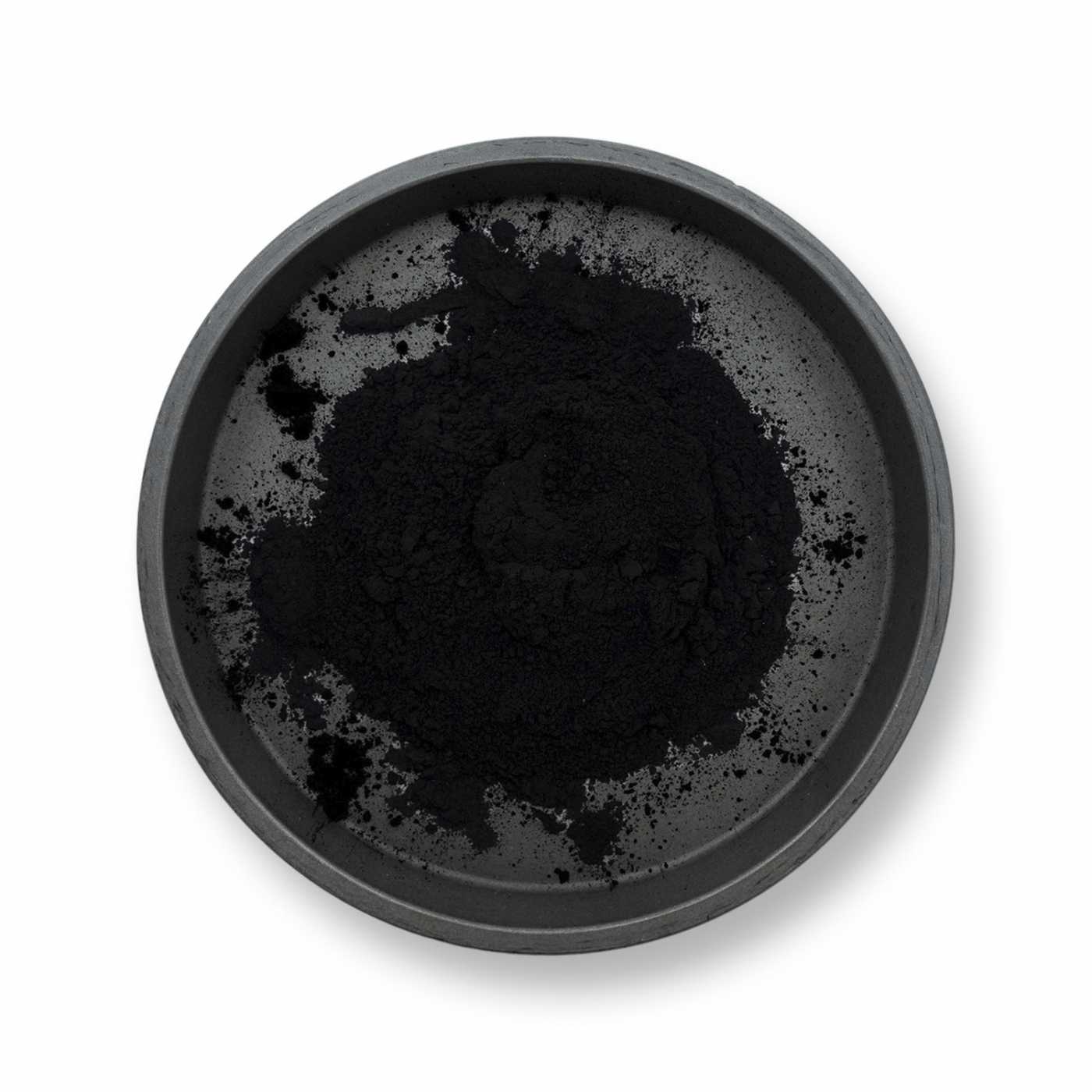
Activated Charcoal, 5 kg

Pack size50 g100 g1 kg5 kg

Activated charcoal colours cosmetics a deep black while binding impurities, excess sebum and odours on its surface. full description

AvailabilityIn stock · last 3 packs
Product codeAD090_5
Batch904327
Best before02/2029
€102.06incl. VAT€20.41/kg

Lowest price in the last 30 days: €102.06

Product description

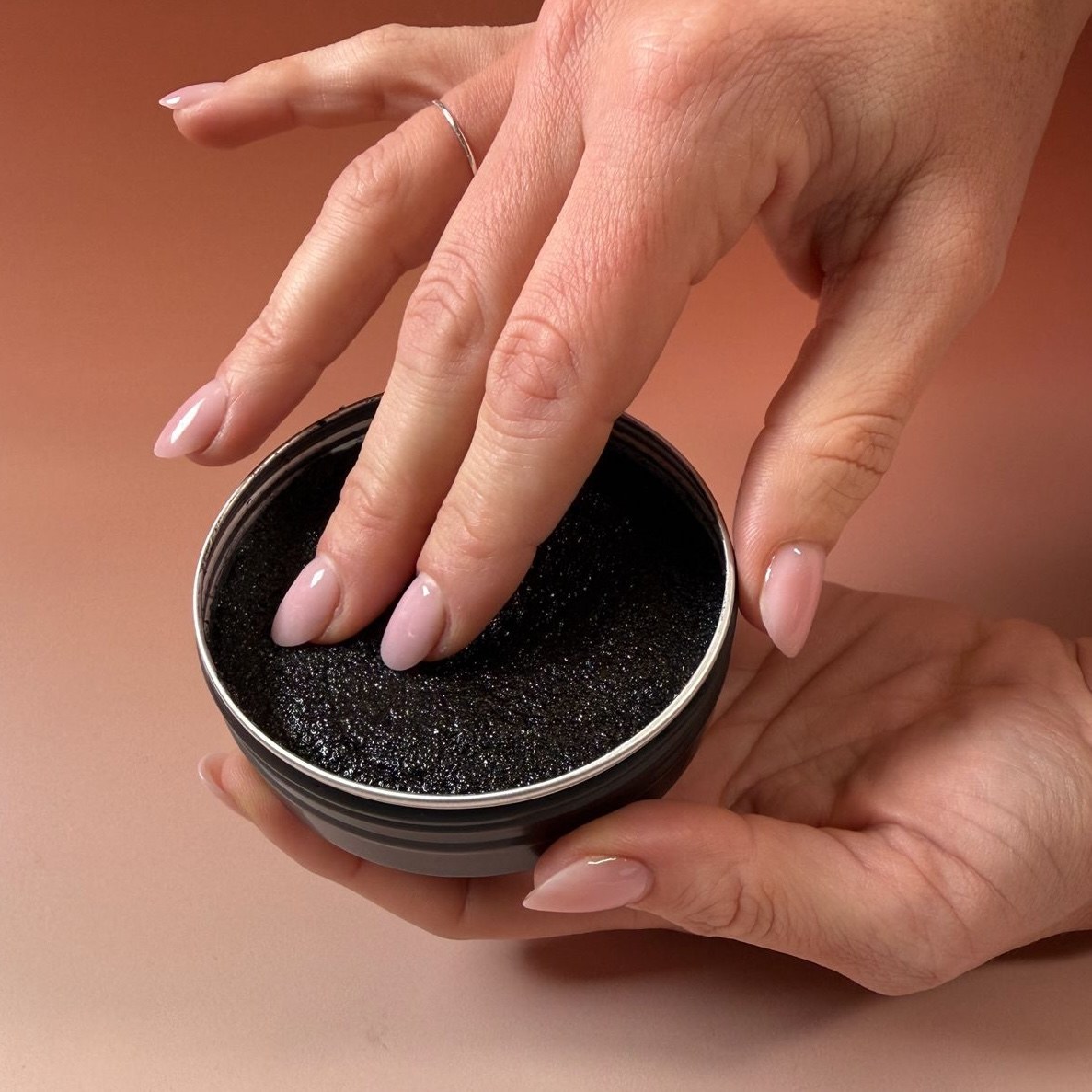
Activated charcoal colours cosmetics a deep black while binding impurities, excess sebum and odours on its surface. This plant-based powder is simply dispersed in the formulation and gives a black colour even at low usage rates. It is used mainly in cleansing products, masks, scrubs and soaps for oily, problem and acne-prone skin, and in hair products for hair prone to greasiness.

This ingredient of European origin is made by grinding and calcining plant material. It is of cosmetic, food and pharmaceutical grade, so it also belongs in oral care products such as tooth powders and toothpastes.


How activated charcoal works

Calcination gives the charcoal a porous structure with a large surface area. Substances that come into contact with the powder bind to this surface: sebum, impurities settled on the skin and odour molecules. When rinsed off, they leave together with the charcoal. In cleansing products and masks it therefore supports more thorough cleansing of oily skin and visibly cleaner pores.

The powder also exfoliates gently. Its particles mechanically loosen dead cells from the skin surface during washing, so a cleansing product with charcoal also works as a gentle physical scrub. The ability to bind odours is used in soaps and body cleansing products.


Use in formulations

Activated charcoal is insoluble in water and in oil. In a formulation it behaves like a pigment and disperses into fine black particles. The powder must be mixed thoroughly into the phase so that it disperses evenly and the product has a uniform colour.

It is added in the cool-down phase or afterwards to the finished base, at a temperature below 80 °C. Do not add it to a hot oil phase or water phase.

The recommended usage rate is 1–10%. For a black colour in gels and cleansing products, less is enough: formulations commonly use 0.2–5%, most often around 0.4%. Higher rates belong in masks and cleansing products, where binding of sebum and impurities is also intended. Mix the powder in gradually and increase the rate only when you want to make use of its cleansing action.

An aqueous suspension of the charcoal has a pH of 7–11. At higher rates it may shift the pH of the finished product into the alkaline range, so check the pH after incorporation and adjust it if necessary.

Compatibility is unrestricted. In formulations it is commonly combined with Glycerin, Carbomer, glycols and common preservatives. It is suitable for both rinse-off and leave-on products.


Suitable for products such as

  • Cleansing gels and foams – black appearance and support for cleansing oily and acne-prone skin.
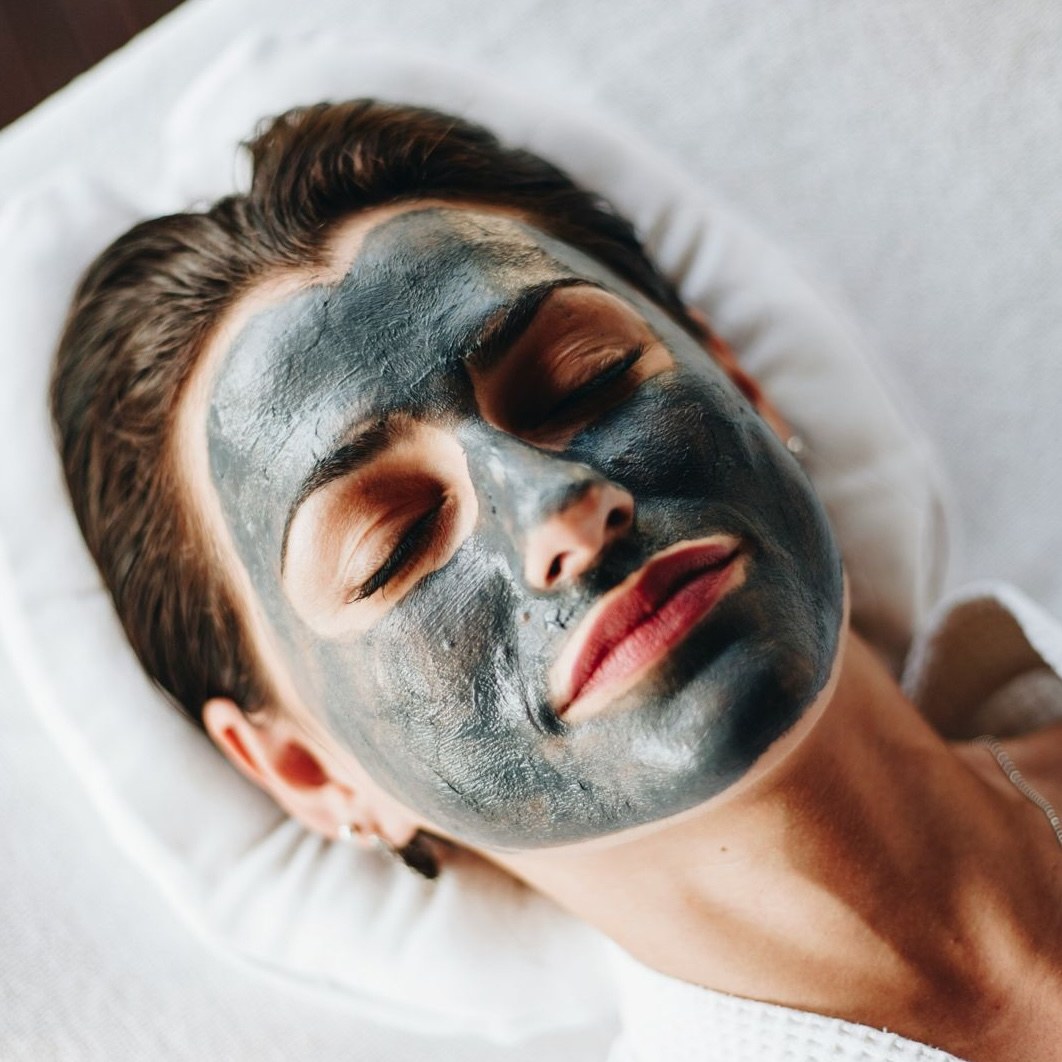
  • Face masks – the charcoal binds sebum and impurities from the skin surface.
  • Scrubs and face polishes – a dye and a mild physical exfoliant at the same time.
  • Cleansing balms and oils – black cleansing products to which an emulsifier is added for easier removal.
  • Soaps – colouring the soap base black or creating contrasting patterns.
  • Shampoos and hair products – for hair and scalp prone to greasiness.
  • Tooth powders and toothpastes – an ingredient of pharmaceutical and food grade suitable for the oral cavity.
  • Decorative cosmetics – a black pigment of plant origin.

Good to know

A product with activated charcoal will be black. Use it only when a black colour is intended, and take it into account when choosing the packaging.

It is not recommended for bath bombs and bath salts. The charcoal leaves black deposits on the bath and sink, which have to be scrubbed off after every bath.

Avoid raising dust when handling the powder. Fine dust dispersed in the air can form an explosive mixture; use a respirator if ventilation is poor. According to CLP, the ingredient is not classified as hazardous.


Frequently asked questions

Is activated charcoal soluble in water?
No, activated charcoal is insoluble in both water and oil. In a formulation it behaves like a pigment, which disperses evenly in a gel, emulsion, balm or soap base after thorough mixing. The dispersed particles are rinsed off during washing together with the impurities bound to them.
How much activated charcoal should I add to a cleansing gel or mask?
The recommended usage rate of activated charcoal is 1–10%, although formulations commonly use 0.2–5%. About 0.4% is enough for a black colour in a cleansing gel. Masks and cleansing products, where the charcoal is meant to bind sebum and impurities, take more. At higher rates, check the pH of the finished product.
When should I add activated charcoal to an emulsion?
Activated charcoal is added in the cool-down phase or afterwards to the finished product, at a temperature below 80 °C. The powder is mixed into the base and thoroughly dispersed so that the product has a uniform black colour. Do not add it to a hot oil phase or water phase.
Can I use activated charcoal in bath bombs?
Activated charcoal is not recommended for bath bombs and bath salts. It does not dissolve in water and after the bath it leaves black deposits on the bath and sink, which have to be scrubbed off. It suits soaps, scrubs, masks and cleansing products better, where it is rinsed directly off the skin.
Does activated charcoal leave black marks on the skin?
From gels, foams and soaps, activated charcoal rinses off with water together with the product. In oil-based cleansing balms, an emulsifier such as lecithin or a gel-to-milk type emulsifier is added for easier removal. The balm can then be wiped off with micellar water or rinsed off, and the charcoal does not stay on the skin as black traces.
Is activated charcoal suitable for toothpaste?
Yes, activated charcoal is of cosmetic, food and pharmaceutical grade and is also used in oral care products. In tooth powders and toothpastes it acts as a black dye and binds odours. The ingredient is not a nanomaterial and contains no materials of animal origin.

Parameters

INCI
Charcoal Powder
CAS No.
7440-44-0
EC number
231-153-3
Product colour
Black
Country of origin
Germany
Processing method
MillingCalcination
Appearance
Powder
Function in formulation
Odour absorptionColorant
Recommended processing temperature
< 80 °C
Recommended usage rate
1 – 10 %
Solubility
Insoluble
Application type
Leave-onRinse-off
Biodegradability
Not applicable
Natural Index (NI ISO 16128)
1,00
Natural Origin Index (NOI ISO 16128)
1,00

Product documentation

CoACertificate of Analysis
batch M-258PDF ↓
batch 904327PDF ↓
TDSTechnical Data Sheet
Physical parameters and processingPDF ↓
SDSSafety Data Sheet
Available for purchased products —
Download all (ZIP)

3 PDF files in one archive

Learn how to work with it

From our blog
Nyilas E.6 Oct 2026HU

Verified purchase

Variant: Aktívne uhlie, 50 g

A great pore cleanser, with a little glycerin.

Translated automatically

Nikoleta P.11 Nov 2026SK

Verified purchase

Jana Z.18 Oct 2026CS

Verified purchase

MICHAELA K.30 Sept 2026CS

Verified purchase

Variant: Aktívne uhlie, 100 g
Kristýna-Anna R.17 Sept 2026CS

Verified purchase

(5 reviews)