Spend over €100 for discounted shipping!

+421 950 333 113[email protected]

AMBER GLASS BOTTLES DIN28

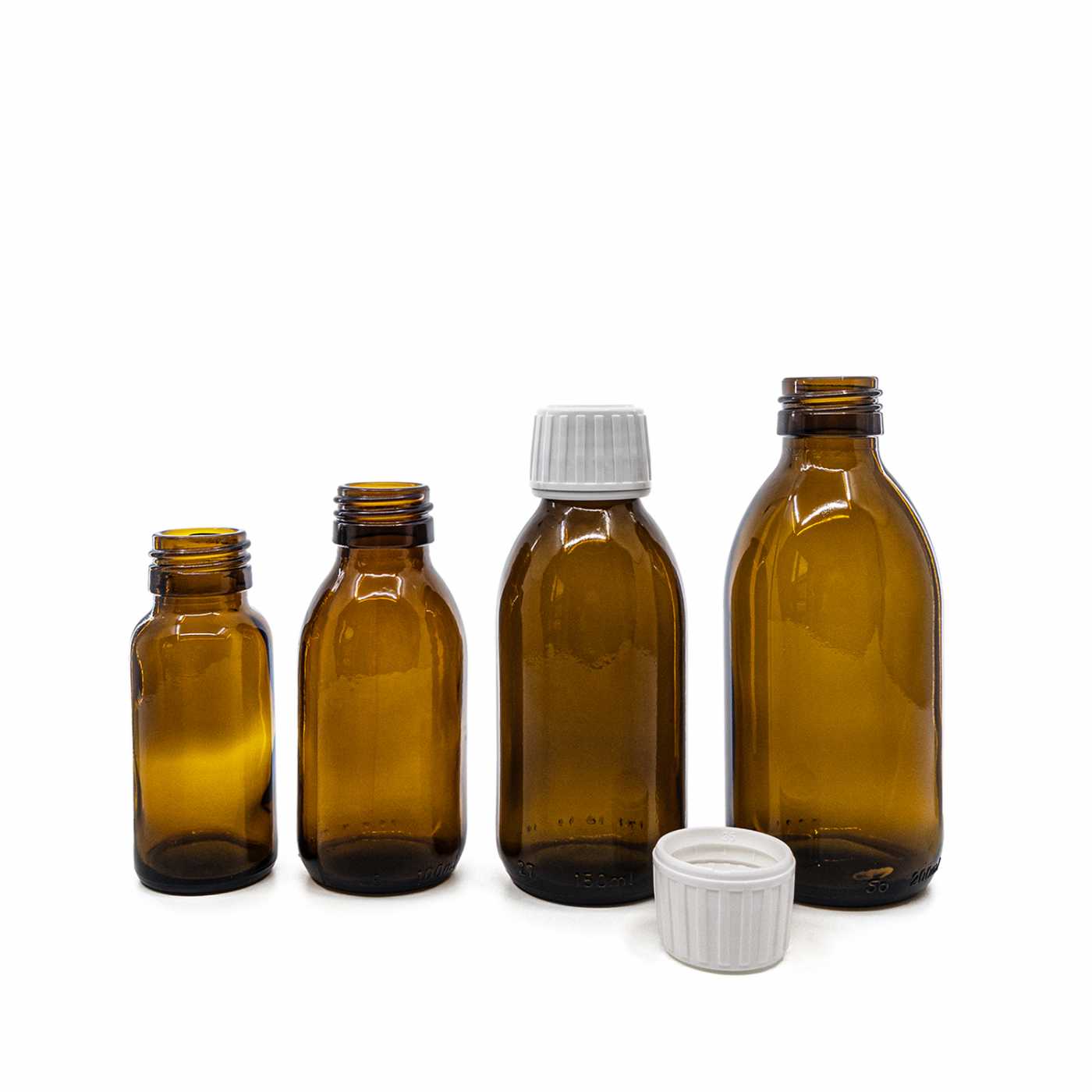
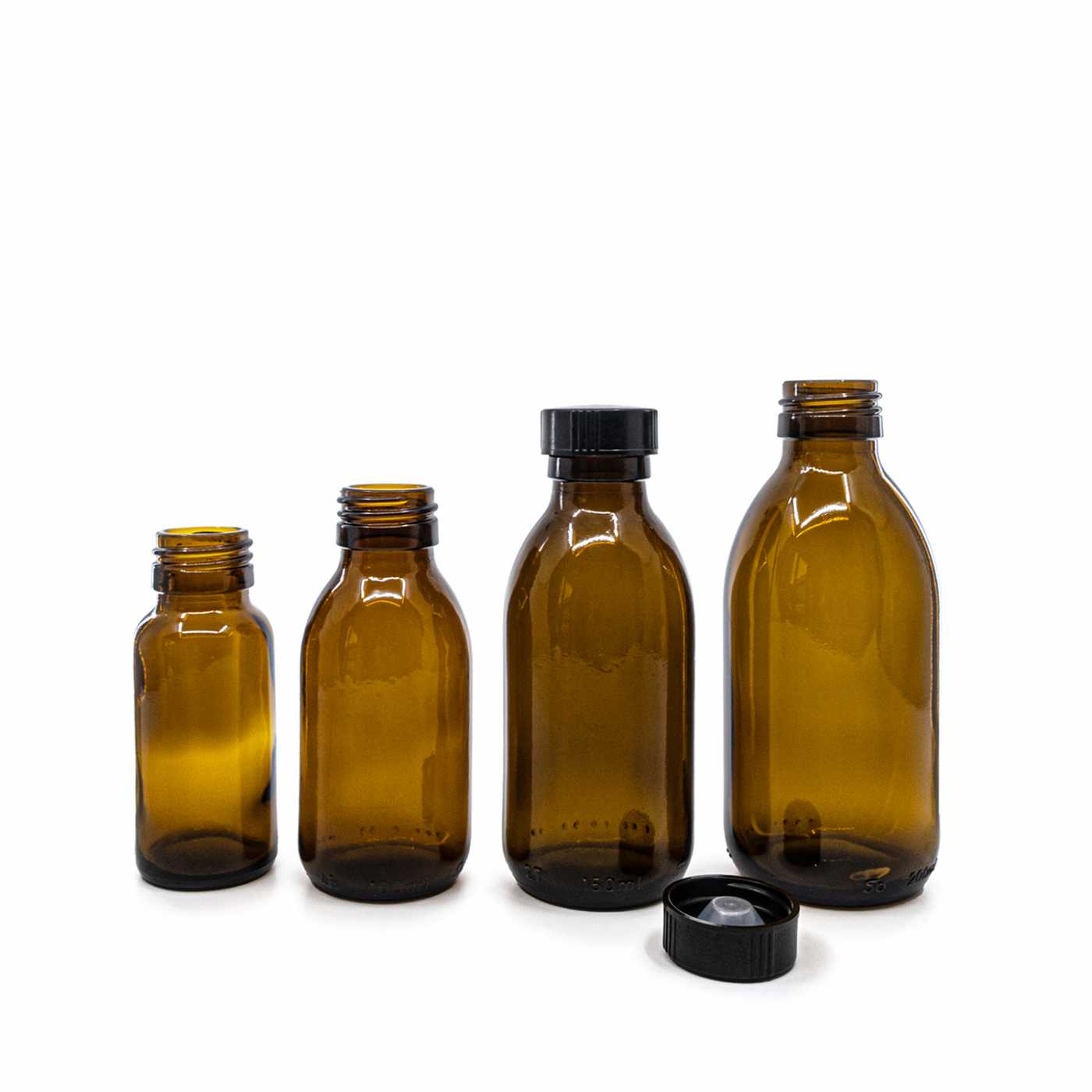
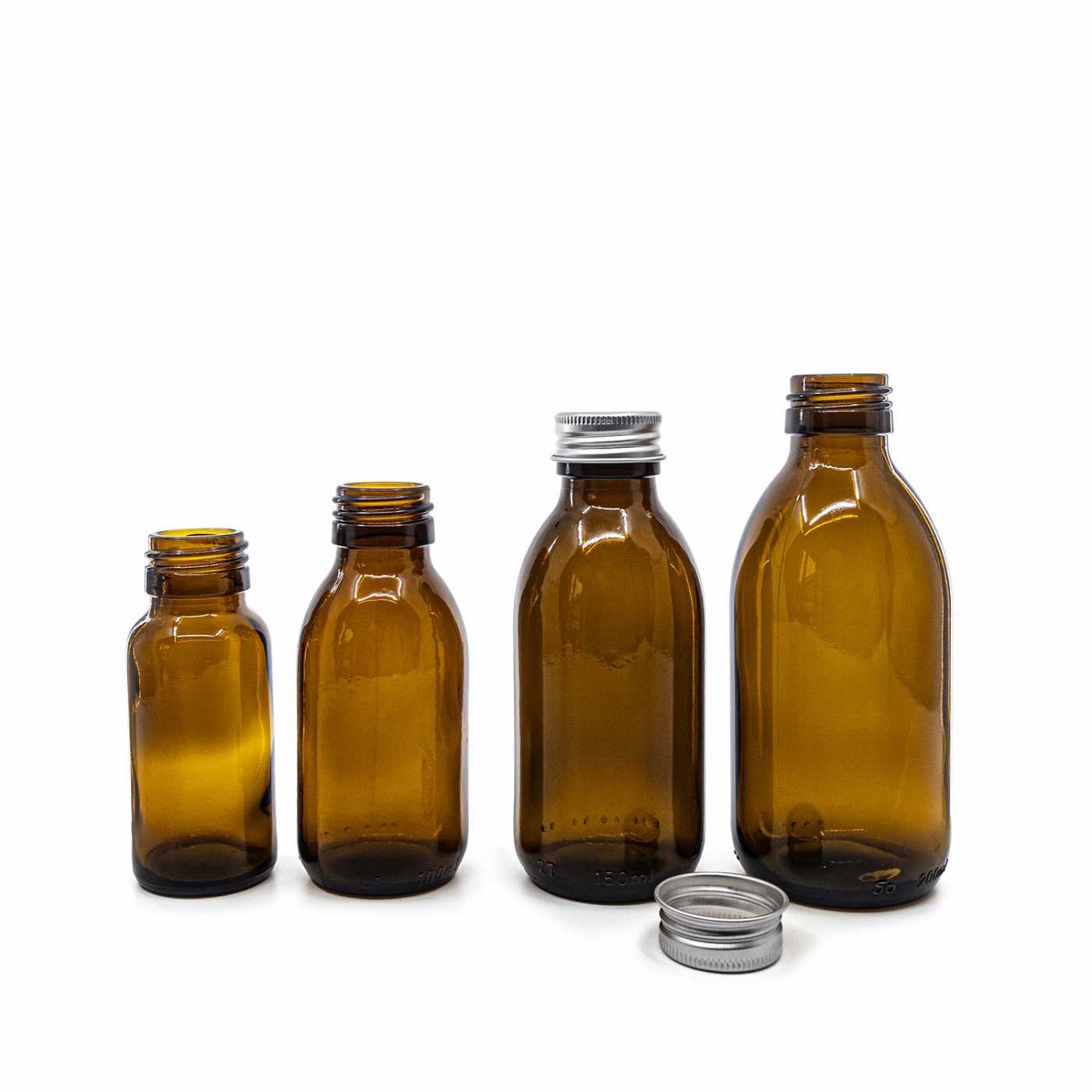
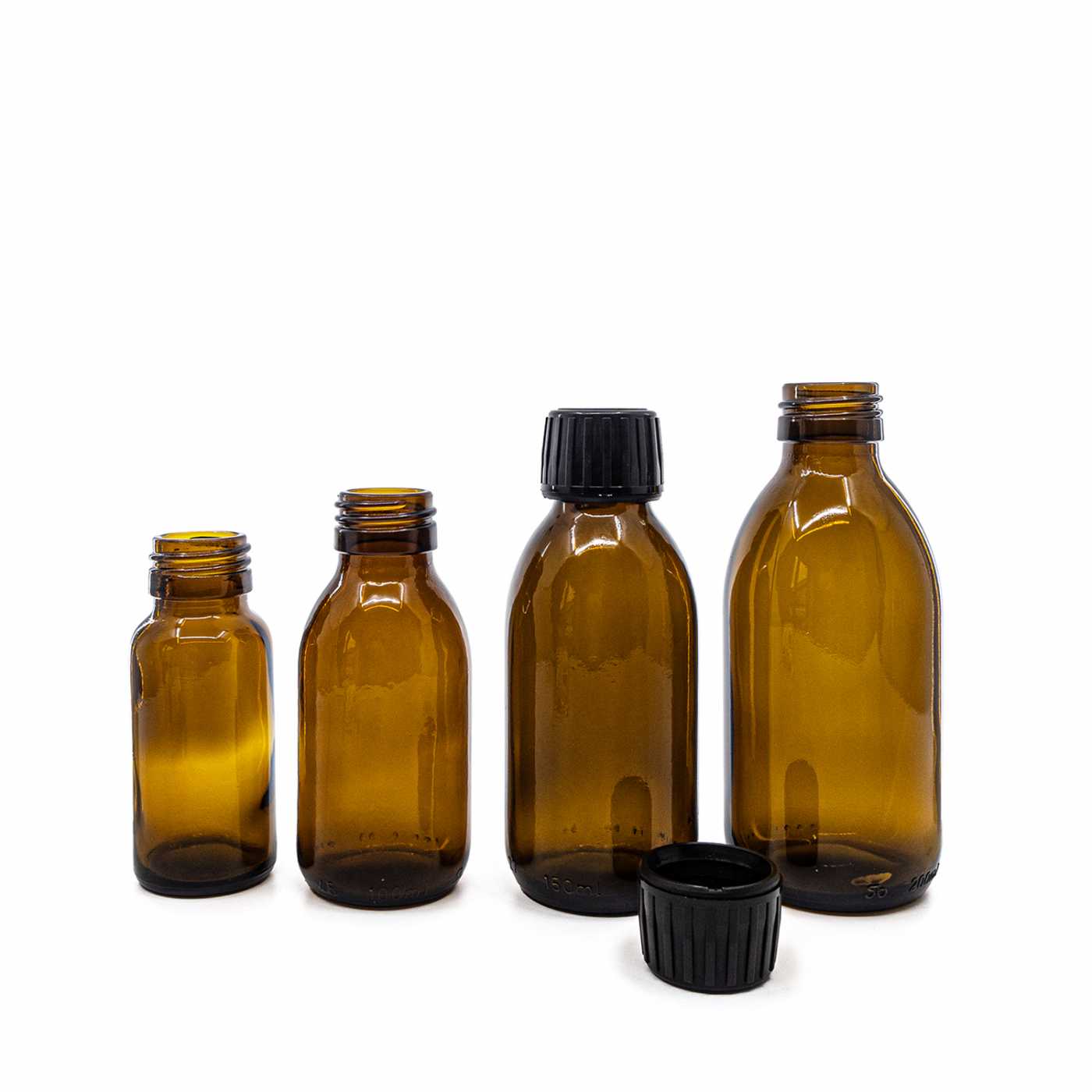
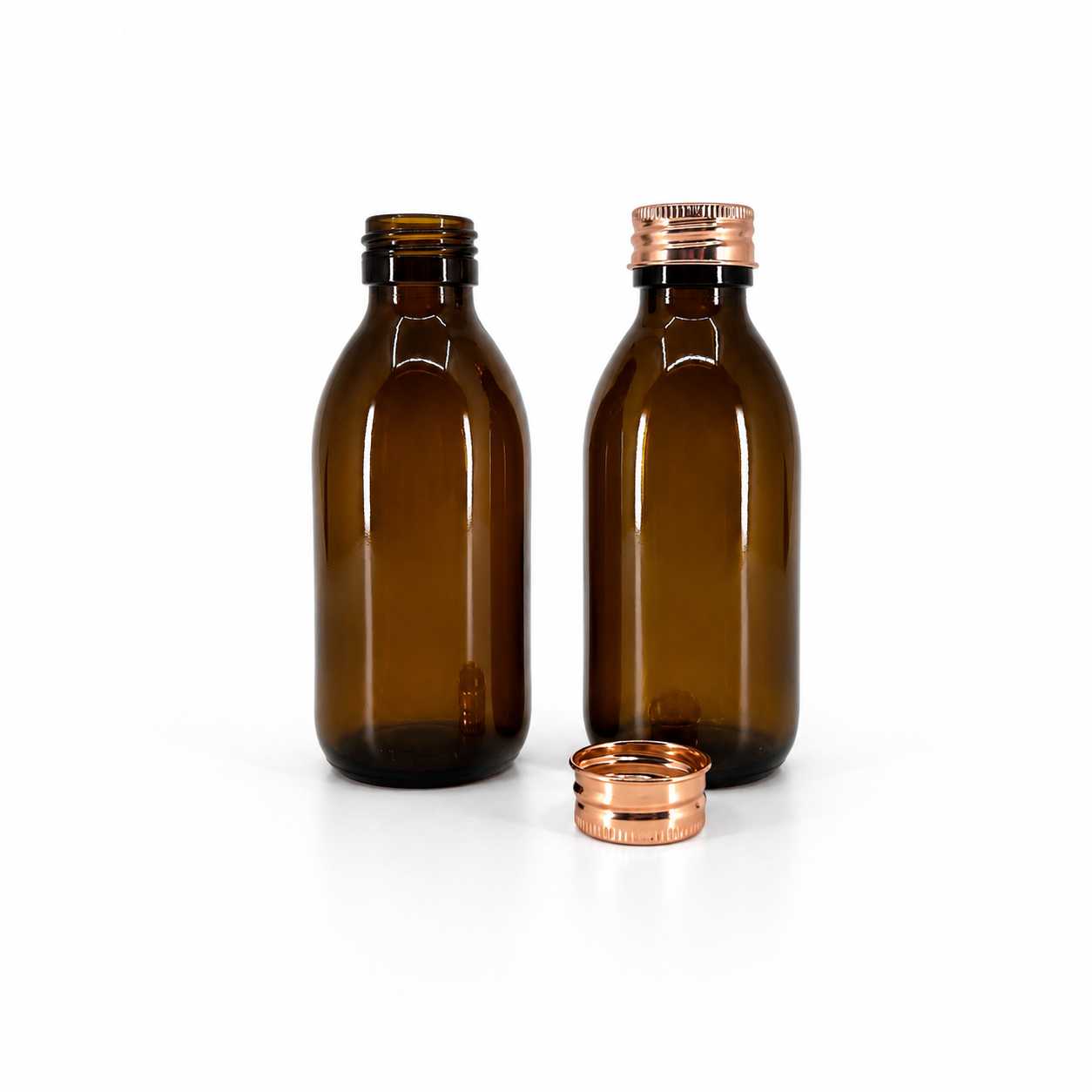
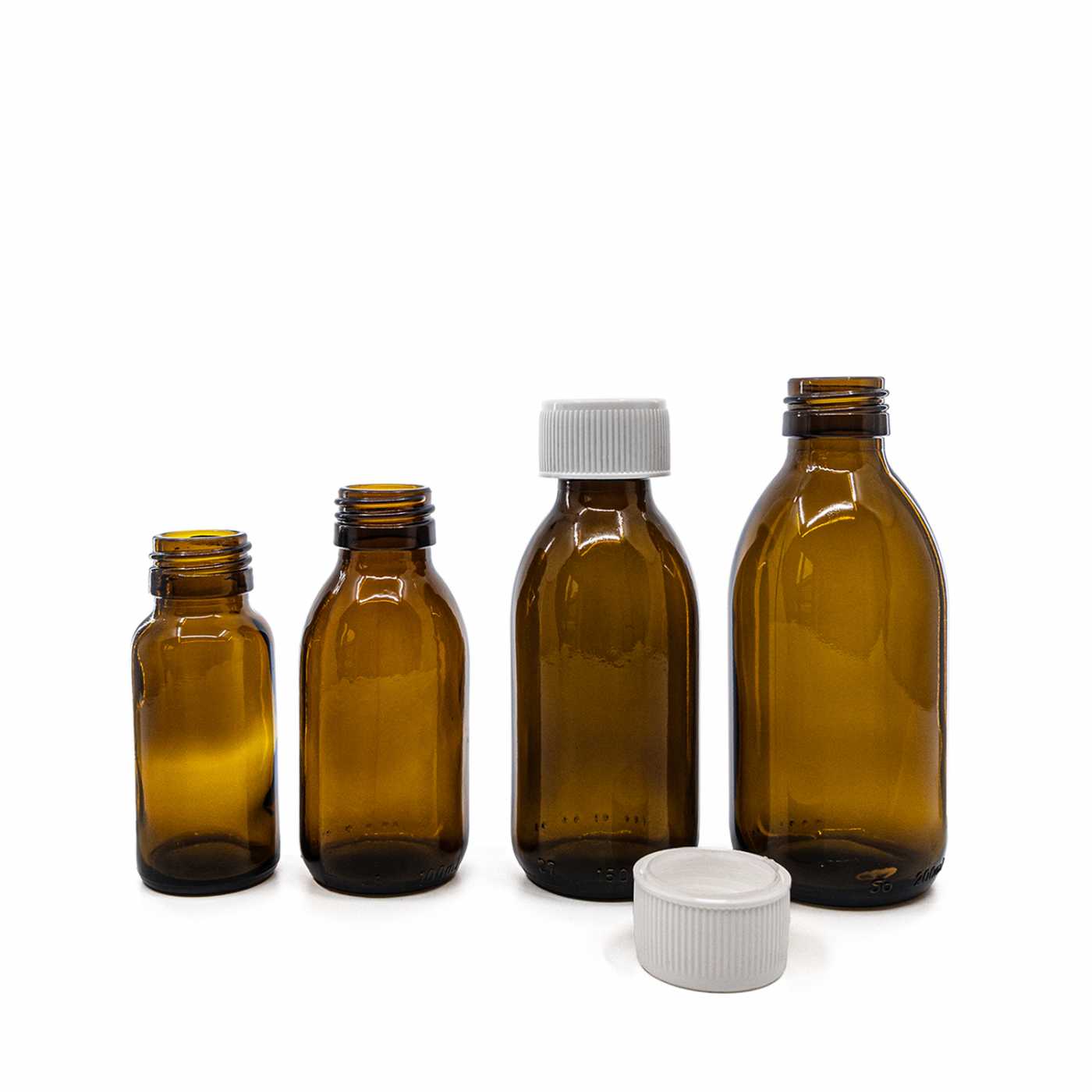
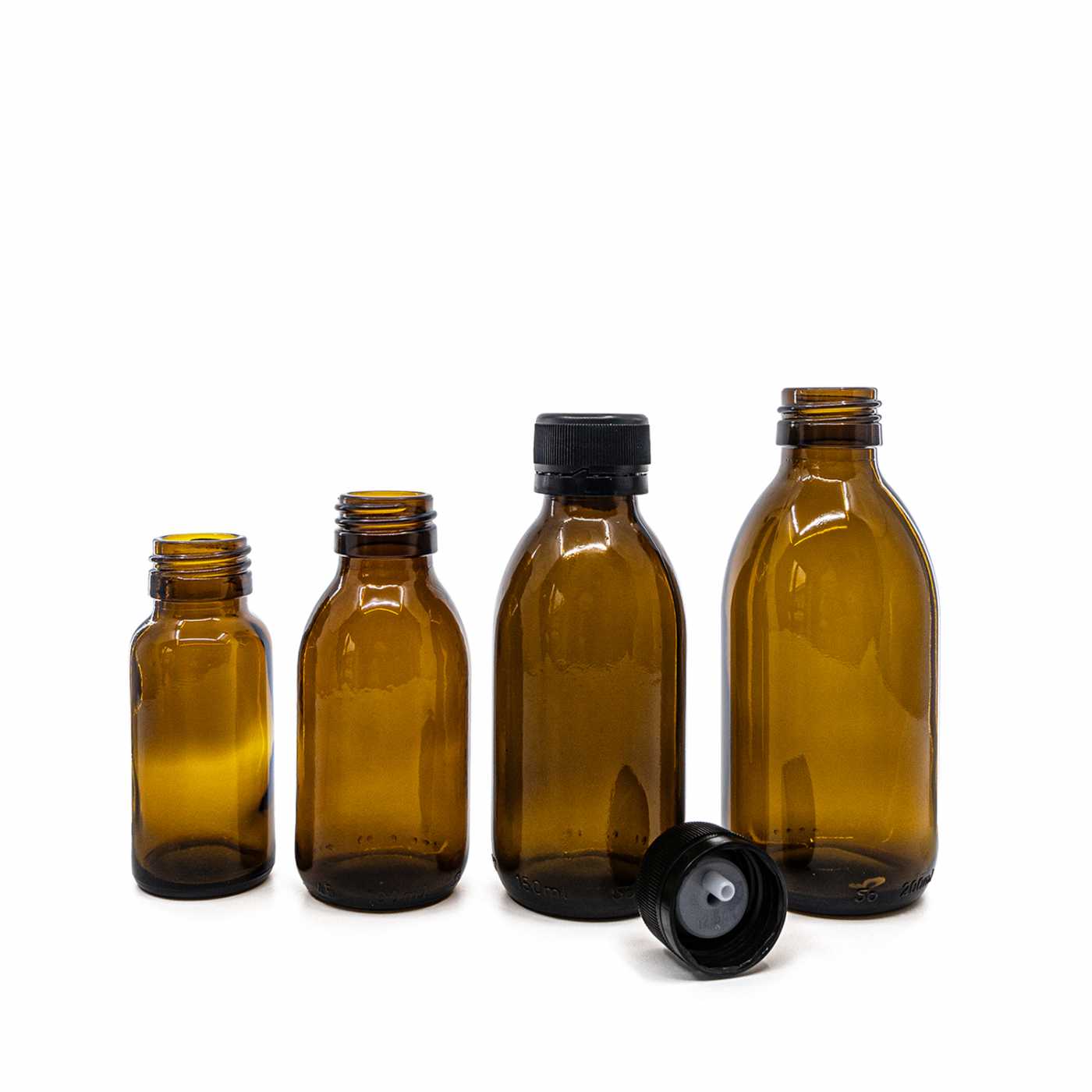
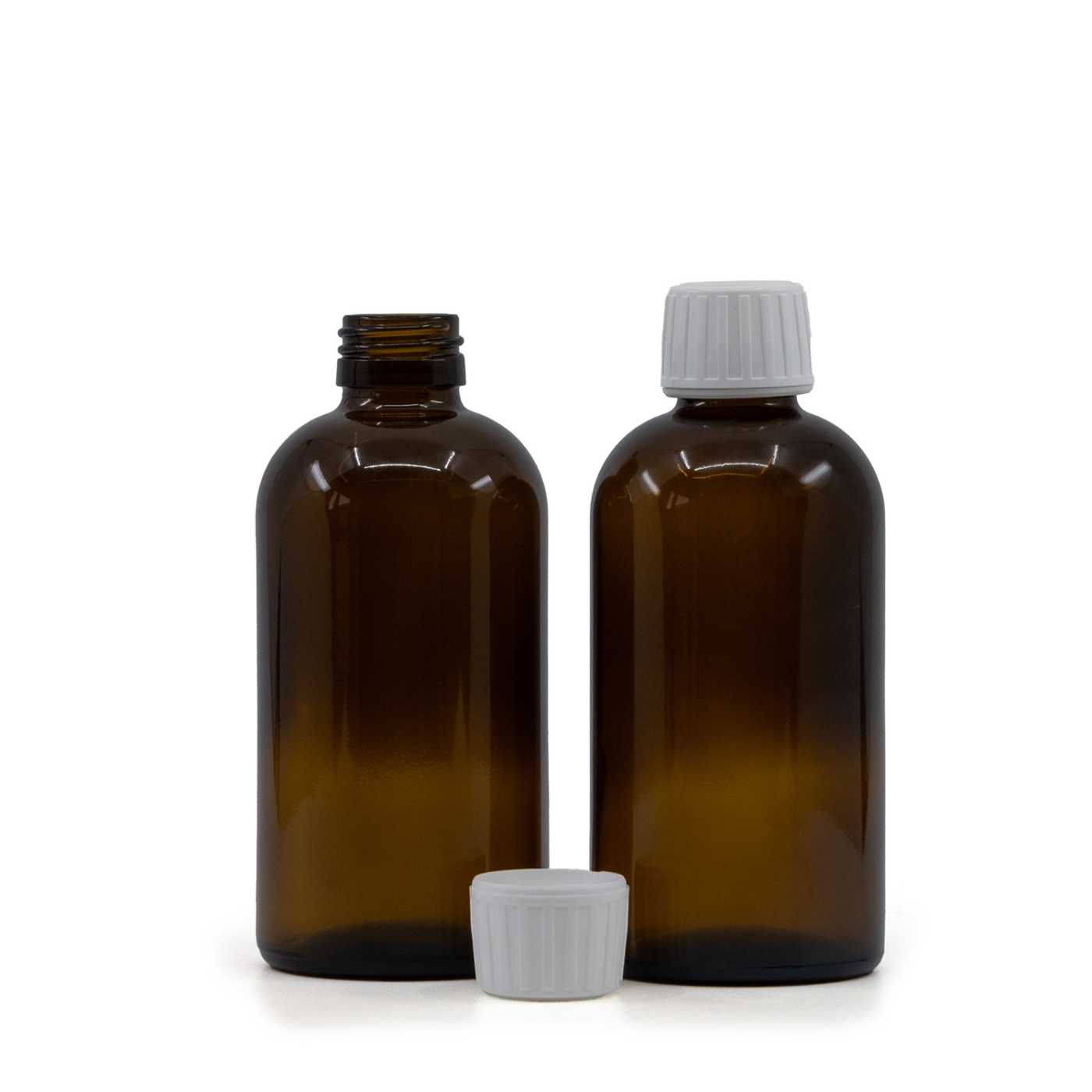
Amber Round Sirup Glass Bottle, PP28, White Cap, 150 ml

Pack size50 ml100 ml150 ml200 ml250 ml300 ml500 ml1 l

This amber glass pharmaceutical bottle with a volume of 150 ml and a tall white cap serves as closed packaging for cosmetic preparations that need protection from light. full description

AvailabilityPre-order
Product codeO28SH150-OVV28PB3
€0.81incl. VAT

Lowest price in the last 30 days: €0.81

Pre-orderThis variant is currently out of stock — your order will be a pre-order and delivery may take longer.
Volume pricing
1–87 pcs€0.81Your price
88–1055 pcs€0.77−5 % · 1× plato
1056–5015 pcs€0.69−15 % · 12× plato
from 5016 pcs€0.61−25 % · 57× plato

Total for 1 pcs: €0.81

Quantities add up across all combinations of this bottle.

Add 87 more pcs and the price drops to €0.77/pc.

Product description

This amber glass pharmaceutical bottle with a volume of 150 ml and a tall white cap serves as closed packaging for cosmetic preparations that need protection from light. Amber glass dampens both daylight and artificial light, so it is filled mainly with facial and body oils, massage blends, tonics, hydrolates, alcohol tinctures and herbal extracts intended for cosmetics. The cap only closes the bottle and does not dispense. The set is therefore suitable where the contents are poured or measured out separately: in the workshop, for storing semi-finished products, for larger quantities of oils and for transferring finished preparations.

The entire set, that is the bottle and the cap, is declared suitable for contact with cosmetic products. You will find the declaration of conformity with the product.


What the set is suitable for

  • Vegetable and macerated oils – a volume of 150 ml suits both home and smaller workshop batches, and amber glass slows the effect of light on oils prone to oxidation.
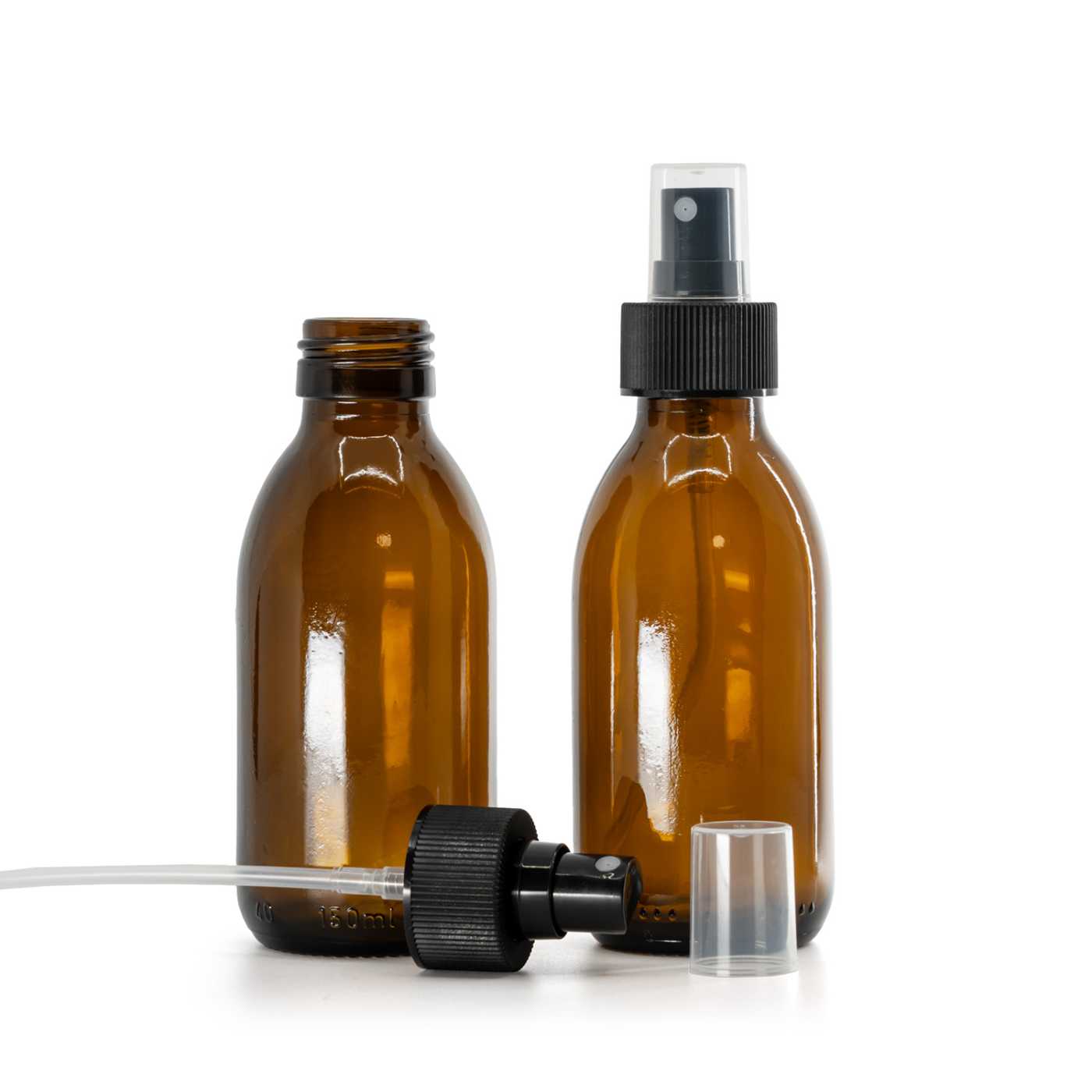
  • Tonics and hydrolates – glass does not react with the water phase or with the preservative. The contents are dispensed by pouring or after decanting into a smaller bottle with a fine mist sprayer.
  • Tinctures and alcohol extracts – glass withstands alcohol without any change in appearance or scent, and the thread and cap allow the bottle to be opened repeatedly during steeping.
  • Semi-finished products and stock – blends of essential oils in a carrier oil, prepared water phases or finished preparations waiting to be decanted into retail packaging.

Volume and filling

The bottle states a nominal volume of 150 ml. This is the quantity the packaging is designed for in normal filling. The brimful volume, that is the physical volume up to the neck, is slightly larger and can be found in the product parameters. The difference between the two values is a reserve for the cap and for the expansion of the contents when the temperature changes. Fill to the nominal volume, not to the brim. Otherwise the contents will be pushed out by the cap when closing, or will get onto the thread and impair the seal.

Fill oils and alcohol-based preparations at room temperature. Warm contents contract as they cool and create a vacuum under the cap, while hot contents may damage the glass through thermal shock.


Cap and seal

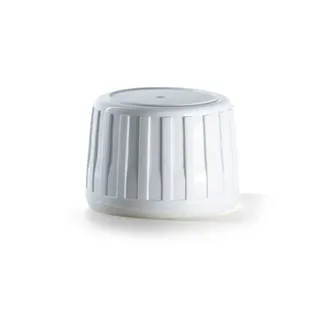
The tall white LDPE cap screws onto the thread of the bottle. Tighten it by hand, as excessive force is more likely to deform the soft plastic than to improve the seal. Before dispatch or transfer, we recommend turning the filled bottle upside down as a test and checking the thread. Concentrated essential oils and some solvents may soften or discolour soft plastic over time. With such contents, test the behaviour of the cap on a single sample before filling the whole batch.

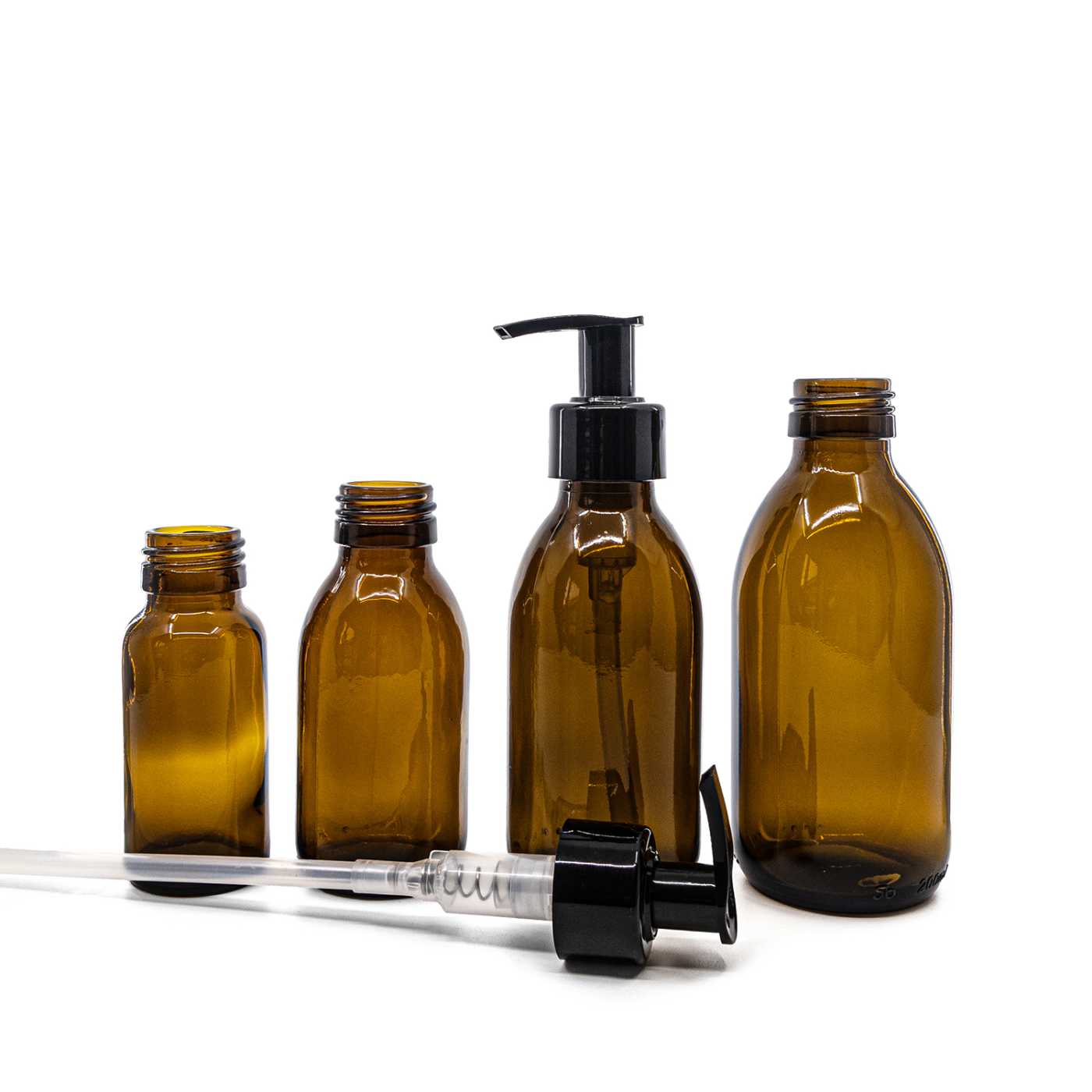
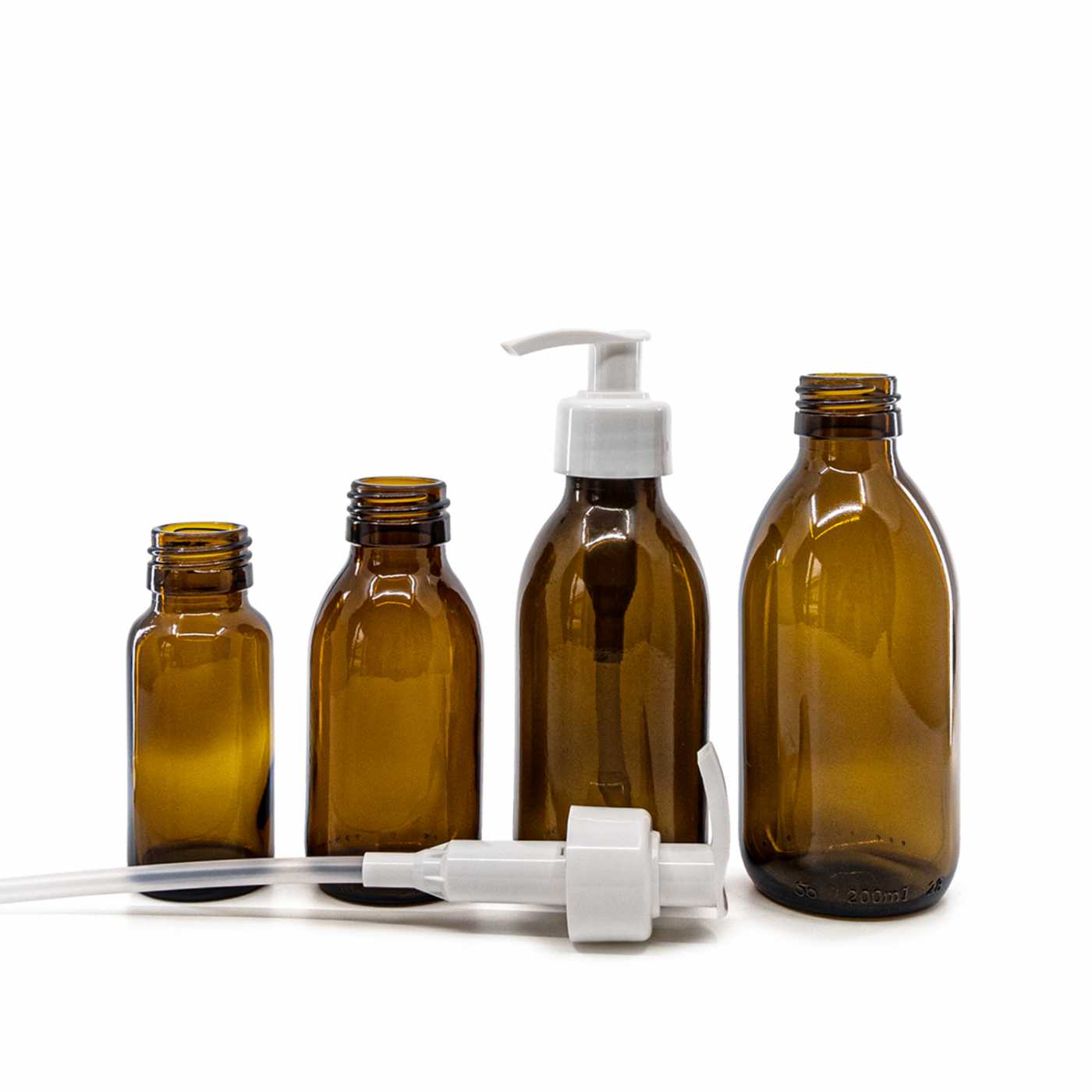
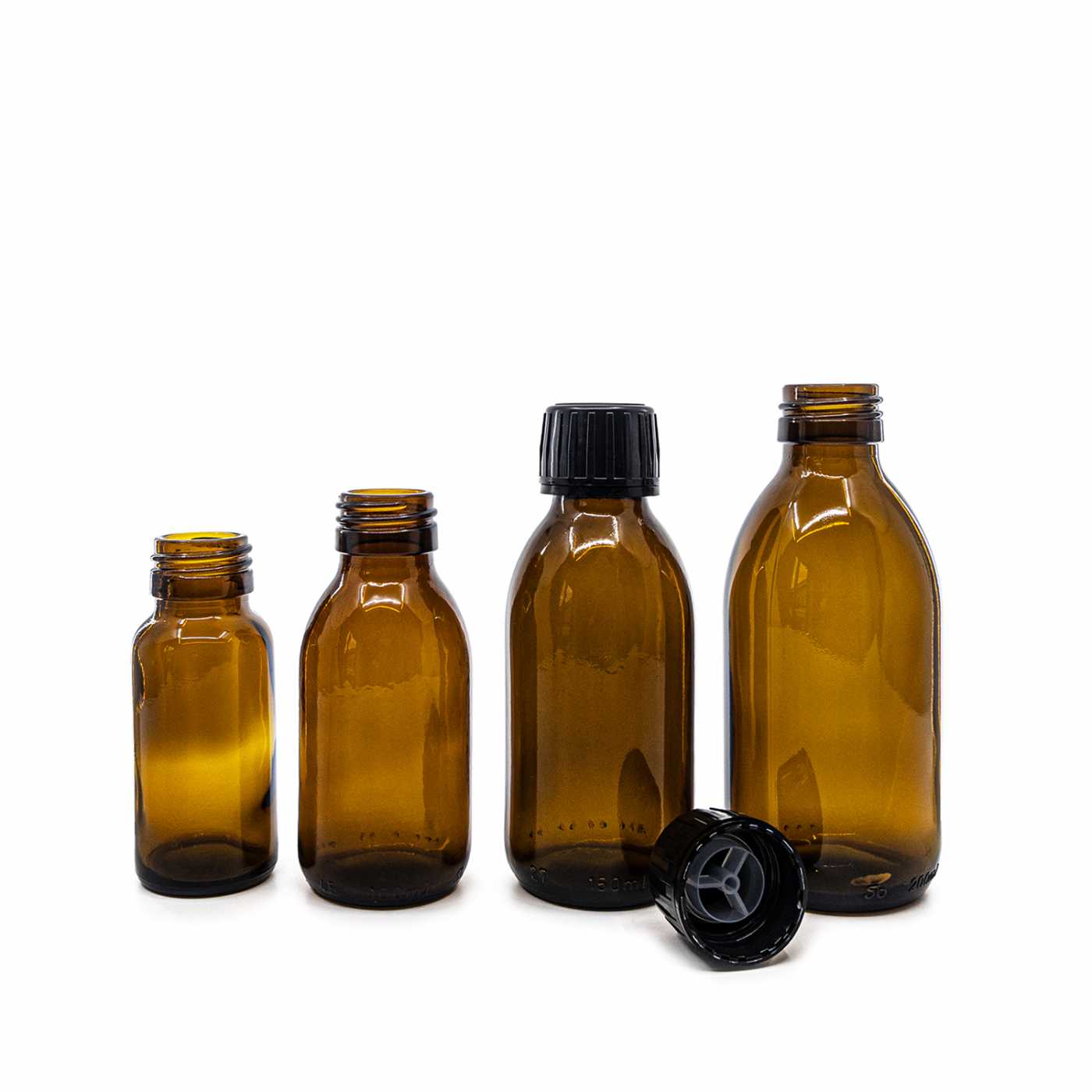
Closures with the same neck type and ready-made combinations of bottle plus closure can be found in the Handymade range. If you are making your own combination, check the seal and the behaviour of the packaging with your specific formulation.


Good to know

Before the first filling, wash the bottle and the cap, disinfect them with isopropyl alcohol or ethanol and leave them to dry completely. Residual water in an oil-based preparation shortens its shelf life and has no place in an anhydrous product. The glass pharmaceutical bottle can be reused, but check the cap with each new filling and replace it if the thread is deformed.

Amber glass hides the colour of the contents. When you need to monitor cloudiness, sediment or the colour of an extract, pour a sample into a small clear container. After use, the glass belongs in glass recycling and the cap in plastics recycling.

Only the glass bottle has a separate certificate for direct contact with food. The white cap does not have one, so the set as a whole is not approved for food and is intended for cosmetics.


Frequently asked questions

Does the 150 ml amber glass pharmaceutical bottle protect the contents from light?
Yes, amber glass absorbs a substantial part of the light that accelerates the oxidation of oils and the breakdown of sensitive ingredients. However, it does not replace the other storage conditions. Keep the bottle with oils, tinctures or serums away from heat and direct sunlight. Amber glass slows the effect of light, but it does not eliminate it entirely.
How much does a 150 ml pharmaceutical bottle actually hold?
With normal filling it holds 150 ml, which is the nominal volume of the packaging. The physical volume up to the brim is larger and is stated in the parameters. This difference serves as a reserve for the cap and for the expansion of the contents when the temperature changes. Filling to the brim is not recommended, as the contents would get onto the thread and impair the seal.
Is the pharmaceutical bottle set with a white cap suitable for food?
No, the set as a whole is not approved for contact with food. Only the glass bottle has a separate certificate for direct contact with food, while the white LDPE cap does not have one. The set is declared suitable for contact with cosmetic products, and that is what it is intended for.
Can the 150 ml pharmaceutical bottle be reused?
Yes, glass can be washed, disinfected and refilled repeatedly without any change in its properties. Before each new filling, wash the bottle, disinfect it with alcohol and leave it to dry. Check the cap with each use. Soft plastic may become deformed through repeated tightening or exposure to essential oils, in which case replace it with a new one with the same thread.
Is the 150 ml pharmaceutical bottle suitable for both water-based and oil-based preparations?
Yes, glass is neutral towards water, alcohol and oils, so you can fill it with tonics, hydrolates, tinctures and pure oils. With concentrated essential oils and solvents, it is the LDPE cap rather than the glass that needs watching, as some substances may soften it. Water-based preparations without a preservative will not last long in any packaging, and glass does not solve their stability.
Which closure fits a pharmaceutical bottle with a PP28S neck finish?
Closures with the same neck type as stated in the product parameters fit the bottle. In this set it is a tall white 28/410 cap. Other closures with this neck and ready-made combinations can be found in the Handymade range. If you are making your own combination, check the seal and the dispensing with your formulation before filling the whole batch.

Parameters

Glass bottle, vial, PP28S, 150 ml

Product color
Amber
Country of origin
European Union
Nominal capacity
150
Brimful capacity
158 ml
Diameter
51,6 mm
Thread type
PP28S
Height
122,8 mm
Product material
Glass

White Plastic Cap, 28/410

Product color
White
Country of origin
China
Diameter
32,3 mm
Thread type
28/410
Height
23,3 mm
Product material
PlasticLDPE
Adam V.11 Oct 2026SK

Verified purchase

Variant: Sklenená fľaška, liekovka, 28 mm, biely vrchnák, 150 ml