+421 950 333 113info@handymade.store−10 %Shop now

THICKENERS

Aristoflex AVC, 10 g

Pack size10 g50 g100 g500 g1 kg

ManufacturerClariant

Aristoflex AVC is a synthetic gel-forming polymer that thickens aqueous systems and O/W emulsions and, at the same time, keeps the oil component dispersed in the water phase even without a conventional emulsifier. full description

AvailabilityIn stock · 1,485 packs
Product codeSTA051_10
BatchESD0905832
Best before06/2029
€3.55incl. VAT€355.00/kg

Lowest price in the last 30 days: €3.55

Product description

Aristoflex AVC is a synthetic gel-forming polymer that thickens aqueous systems and O/W emulsions and, at the same time, keeps the oil component dispersed in the water phase even without a conventional emulsifier. It is pre-neutralised, so after swelling it does not require pH adjustment with an alkali, as is usual with common carbomers. It is most often used in light cream gels, clear aqueous and alcoholic gels, and in emulsions that are meant to absorb quickly and leave a dry, non-sticky feel.

Formulations with it tolerate acidic pH, a higher proportion of ethanol and intensive homogenisation.


Key properties

  • No neutralisation – it is supplied as an ammonium salt; simply disperse it and let it swell.
  • Thickens and stabilises – the cross-linked structure gives the formulation a yield point, that is, the minimum force that must be applied for the product to start flowing. Oil droplets or pigments thus remain “trapped” in the water matrix and the emulsion does not separate, even without an additional emulsifier.
  • Sensory profile – emulsions are glossy, spread well and absorb quickly. The manufacturer states low tackiness and a dry feel on the skin, which makes it suitable for light textures.
  • Wide pH range – it works in the range of pH 4.0–9.0 and holds O/W emulsions even at low pH, such as that required by AHA acids.
  • Tolerates alcohol and high shear – it is compatible with both ethanol and acetone, enabling clear hydroalcoholic gels with more than 50% ethanol. It is stable against UV radiation and high mechanical stress during homogenisation.

Use in formulations

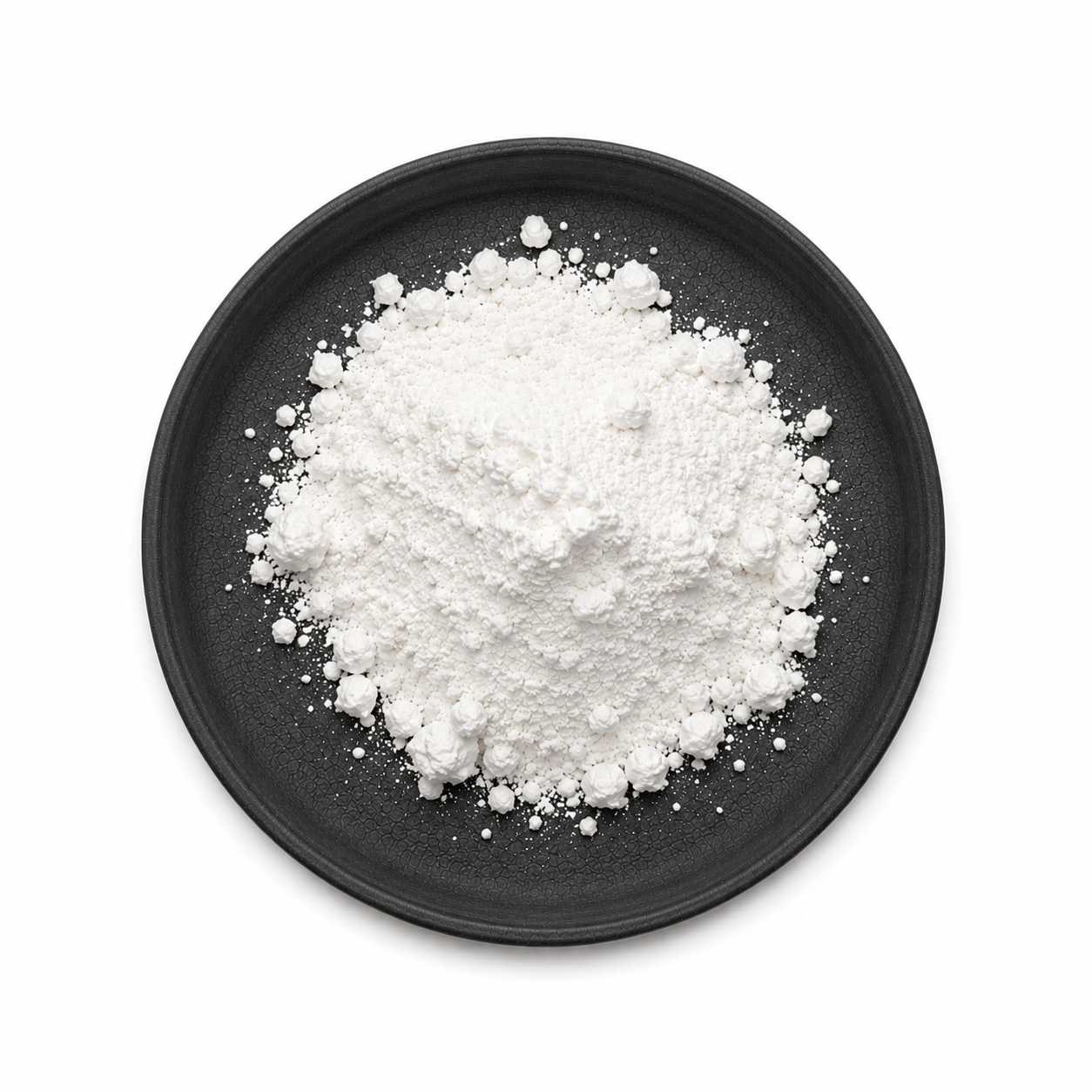
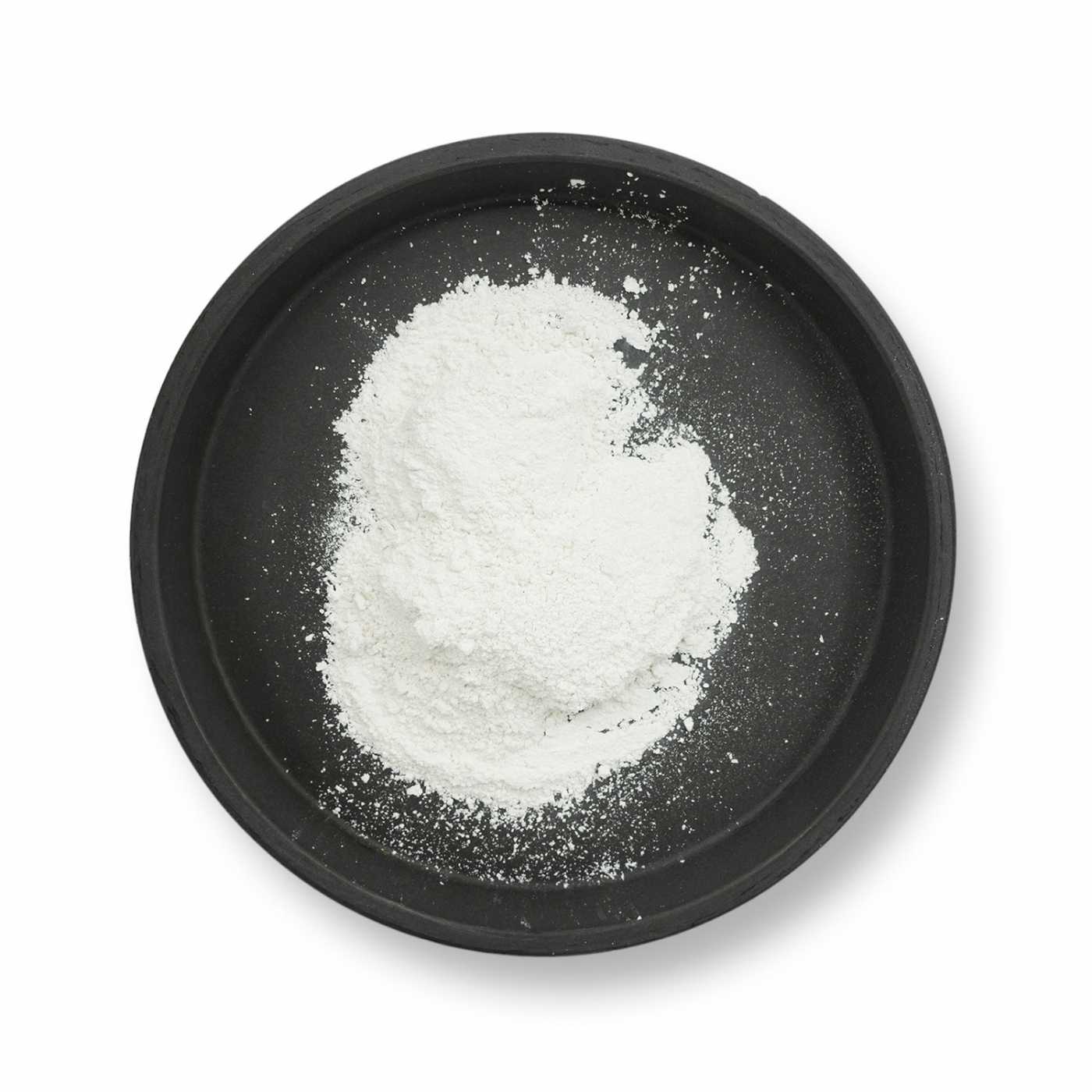
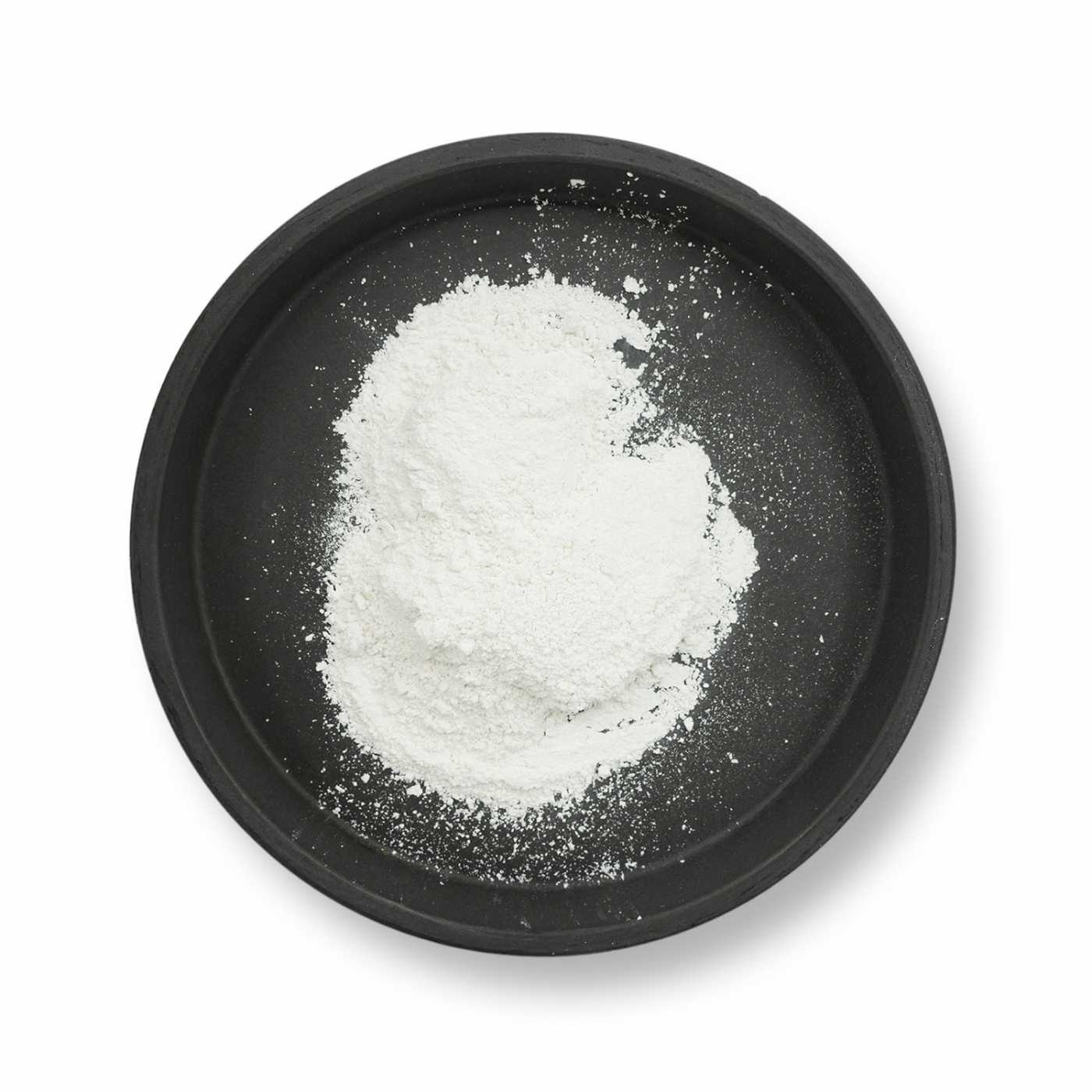
The recommended usage rate in cosmetics is 0.5–1.2%. The raw material is a white powder that swells in water. A 1% dispersion in deionised water has a viscosity of 48 000–65 000 mPa·s and a pH of 4.0–6.0. It can be processed cold or hot; the temperature during production should not exceed 80 °C.

O/W emulsions. The powder is usually mixed into the oil phase together with the emollients and any emulsifier. Gentle stirring makes dispersion easier, and small lumps break up with light mixing. Both direct emulsification (oil phase into water phase) and inverse emulsification (water phase into oil phase) work, depending on what the equipment allows. Finally, the emulsion is homogenised at high shear.

The vessel and the stirrer must be completely dry before the powder is added. If the polymer comes into contact with residual water before it is dispersed in the oil, it starts to swell prematurely and clumps together.

Cream gels without an emulsifier. The oil is dispersed directly in the polymer matrix, forming a so-called pseudo-emulsion. The texture is creamy rather than jelly-like, as is typical of traditional thickeners. The result is light and well tolerated by the skin.

Aqueous gels. For hair gels or facial gels, the procedure is the opposite of that for emulsions: the water phase is added to the powder with thorough stirring. A clear gel forms from a concentration of 1%. A slightly cloudy gel can be clarified by adding approximately 5% glycerine or another polar solvent. Demineralised or deionised water gives the best clarity; metal ions in the water reduce it.

Hydroalcoholic gels. An aqueous gel is prepared first, and only then is a solution of the active ingredient in ethanol mixed into it, preferably with a slow anchor stirrer so that no air bubbles are incorporated into the gel. Ethanol dissolves fragrance oils, oil-soluble UV filters, bisabolol and film-forming substances, so there is no need for a solubiliser such as PEG-40 Hydrogenated Castor Oil or Polysorbate 20. With a high ethanol content, according to the manufacturer, no additional preservation is required.


Suitable for products such as

  • Light facial and body O/W emulsions – creams and lotions with fast absorption, including those containing AHA acids.
  • Cream gels without an emulsifier – moisturising cream gels for the face, hands and body with a light texture.
  • Clear aqueous gels – gels for hair and scalp, facial gel serums.
  • Hydroalcoholic gels – fragrance gels, gels with oil-soluble UV filters or active ingredients dissolved in ethanol.

The raw material is intended for leave-on products for the face, body, hands, hair and scalp.


Good to know

Like other polyelectrolytes, the polymer is sensitive to electrolytes. It is not suitable for thickening shampoos, shower gels and other systems with a larger amount of salt. When adding active ingredients that contain salts, we recommend checking the viscosity of the finished product.

Above pH 9.0, ammonia is released from the ammonium salt, so the upper pH limit must be observed. If the formulation has to tolerate electrolytes, a more suitable choice is the polymer Polyacrylate Crosspolymer-6, which is more resistant to salts.

The raw material is purely synthetic in origin, free of ingredients of animal origin, and the production plant holds Halal certification. The polymer is not biodegradable; however, as a raw material it does not fall under the definition of synthetic polymer microparticles according to Regulation (EU) 2023/2055.


Frequently asked questions

Is Aristoflex AVC soluble in water?
Aristoflex AVC disperses in water and swells into a gel; it is soluble in alcohol. When preparing an aqueous gel, the water is added to the powder with thorough stirring. In an emulsion, the powder is first dispersed in the oil phase and swells only after it is combined with the water phase. It also tolerates acetone and other polar organic solvents, so alcoholic gels can be prepared from it as well.
Does Aristoflex AVC need to be neutralised?
No, Aristoflex AVC is supplied already neutralised as an ammonium salt. After swelling in water, the dispersion has a slightly acidic pH of approximately 4.0–6.0 and can be used directly, without adding sodium hydroxide or triethanolamine. The finished product can be in the pH range of 4.0–9.0.
Can Aristoflex AVC be used in shampoo or shower gel?
No, Aristoflex AVC is not suitable for thickening shampoos and shower gels. The polymer is sensitive to electrolytes and cannot thicken systems with a larger amount of salt. It is intended for leave-on products such as creams, cream gels, hair gels and alcoholic gels.
How is Aristoflex AVC added to an emulsion?
Aristoflex AVC is usually mixed into the oil phase together with the emollients, where it is dispersed with gentle stirring. The vessel must be dry, otherwise the powder swells prematurely and forms lumps. The water phase and the oil phase are then combined, cold or hot up to 80 °C, and the emulsion is finished by homogenisation at high shear.
Why is a gel with Aristoflex AVC cloudy?
Cloudiness is caused by a low polymer concentration or by metal ions in the water. A clear gel forms at a usage rate of 1% or more, and a slightly cloudy gel can be clarified by adding approximately 5% glycerine. Using deionised or demineralised water also helps.
Can an alcoholic gel be prepared from Aristoflex AVC?
Yes, clear hydroalcoholic gels, even with more than 50% ethanol, can be prepared from Aristoflex AVC. An aqueous gel is prepared first, and an ethanol solution of fragrance oil, UV filter or active ingredient is slowly mixed into it. Ethanol acts as the solvent here, so a separate solubiliser is not needed.

Parameters

INCI
Ammonium Acryloyldimethyltaurate/vp Copolymer
CAS No.
335383-60-3
EC number
680-850-2
Product colour
White
Country of origin
Spain
Appearance
Powder
Formulation phase
Water phaseOil phase
Application area
FaceHairScalpBodyHands
Recommended processing temperature
< 80 °C
Recommended usage rate
0,5 – 1,2 %
Recommended formulation pH range
4,0 – 9,0
Application type
Leave-on
Biodegradability
Non-biodegradable
Manufacturer's certificate
Halal
Natural Index (NI ISO 16128)
0,00
Natural Origin Index (NOI ISO 16128)
0,00

Product documentation

CoACertificate of Analysis
batch ESD0905832PDF ↓
TDSTechnical Data Sheet
Physical parameters and processingPDF ↓
SDSSafety Data Sheet
Available for purchased products —
Download all (ZIP)

2 PDF files in one archive

REVIEWS

Verified by customers.

No reviews yet.

Only customers with a delivered order can write reviews.