Spend over €100 for discounted shipping!

+421 950 333 113[email protected]

SOLVENTS

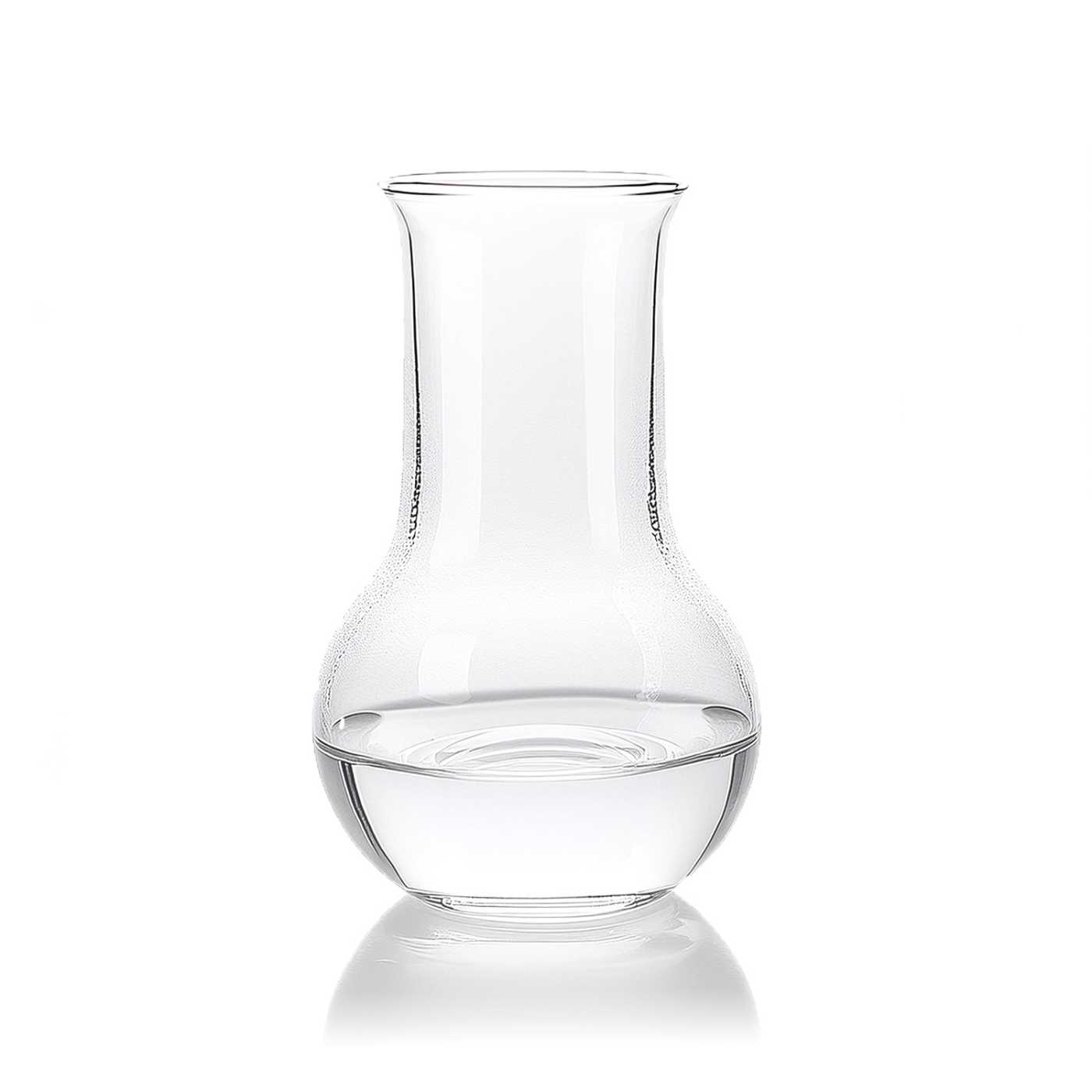
Isopropyl Myristate, IPM 98%, 1000 ml

Pack size100 ml500 ml1 l5 l

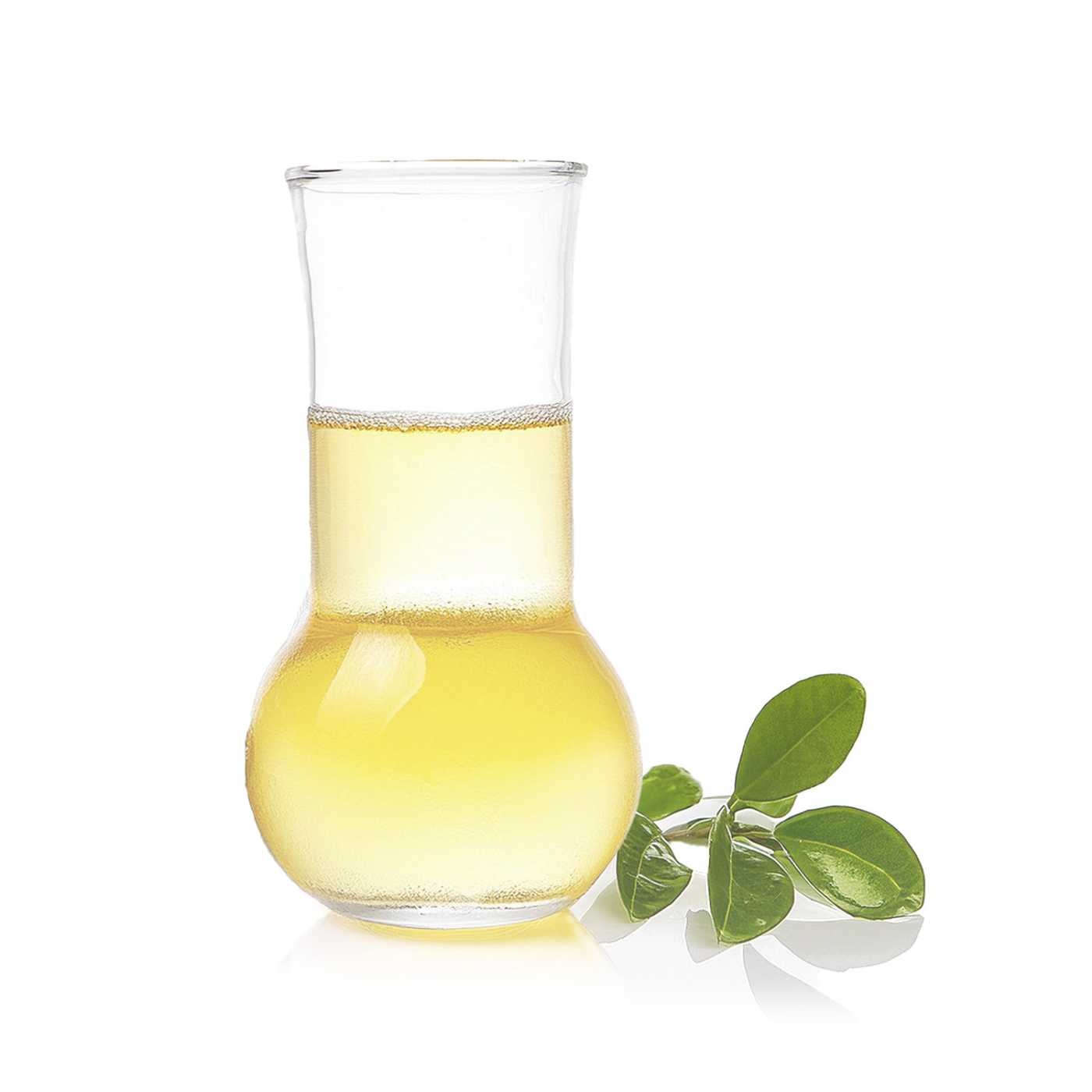
Isopropyl Myristate (IPM 98 %) Isopropyl Myristate is a light ester for the oil phase that reduces the greasy film in creams, lotions and oils and speeds up absorption. full description

AvailabilityIn stock · 126 packs
Product codeALK005_1000
BatchM250551N
Best before05/2027
€11.54incl. VAT€11.54/l

Lowest price in the last 30 days: €11.54

Product description

Isopropyl Myristate (IPM 98 %)

Isopropyl Myristate is a light ester for the oil phase that reduces the greasy film in creams, lotions and oils and speeds up absorption. In formulations it acts as an emollient and carrier: it softens the skin, spreads easily and dissolves oil-phase components that would otherwise be harder to incorporate.

The ester of myristic acid and isopropyl alcohol has a low viscosity and belongs to the basic raw materials for adjusting the skin feel of creams, lotions and body oils. It is supplied in cosmetic and pharmaceutical grade with a purity of 98 %.


Key benefits

  • Drier skin feel – reduces the heavy, greasy impression of vegetable oils and butters, making it suitable for products intended for quick absorption.
  • Spreadability – low viscosity makes it easier to apply cream or oil over a larger body area.
  • Carrier for oil-phase components – miscible with oils and alcohol, helping to incorporate fragrance compositions, essential oils and oil-soluble actives.
  • Easy processing – added directly to the oil phase without pre-mixing or special preparation.
  • Wide range of applications – rinse-off and leave-on products, from face creams to deodorants to shower oils.

Use in formulation

Added to the oil phase at a usage level of 1 – 20 %. The lower end of the range acts as a skin-feel modifier in creams and lotions, replacing part of the vegetable oil and lightening the texture. The upper end makes sense in body and massage oils, dry spray oils or deodorants where fast absorption is required.

The processing temperature should remain below 80 °C, which corresponds to standard hot emulsification. For anhydrous products it is blended in cold.

Isopropyl Myristate is insoluble in water. It cannot be incorporated into the water phase of a toner or gel without an emulsifier or solubiliser; otherwise it will separate.

To lighten an existing cream formulation, replace a few percent of the vegetable oil with Isopropyl Myristate and leave the rest of the recipe unchanged. The difference in skin feel is noticeable even at a small dose.

In hair care it acts as a carrier in oil serums for hair ends and scalp treatments, where the lighter texture weighs hair down less. In decorative cosmetics it is used in liquid foundations, lip balms and makeup removers, where it helps dissolve pigments and waxy components.


Suitable for products such as

  • Creams and body lotions – lighter texture, faster absorption.
  • Body and massage oils – reduced greasiness, better glide during massage.
  • Deodorants and antiperspirants – carrier in sticks and roll-on products with an oil base.
  • Lip balms – softening the texture of wax-based balms.
  • Cleansing oils and balms – dissolving decorative cosmetics.
  • Shower oils and bath preparations – rinse-off products with an oil phase.
  • Hair serums and oils – light carrier for hair-end care.

What is good to know

Isopropyl Myristate belongs to the polar esters, so it dissolves many oil-phase components better than triglyceride oils. In anhydrous products this helps keep fragrance compositions and lipophilic actives evenly dissolved. At higher usage levels the viscosity of the oil phase decreases, which in creams can be compensated by adjusting the amount of consistency agents such as cetyl alcohol or Glyceryl Stearate.

In combination with waxes and butters, the ester softens the final texture. In balms and sticks it is therefore recommended to check hardness and melting point on a small test batch before producing a larger quantity.

Compared to Isopropyl Palmitate, Isopropyl Myristate has a slightly lower viscosity and a lighter feel; otherwise they are used similarly and are often interchangeable. The choice depends on the desired skin feel and how long the product should remain perceptible on the skin.

The ingredient is readily biodegradable, suitable for normal and dry skin and for both rinse-off and leave-on products.


Frequently asked questions

Is Isopropyl Myristate soluble in water?
No, Isopropyl Myristate is insoluble in water. It mixes with oils and alcohol, so it belongs exclusively in the oil phase of an emulsion or in anhydrous products. It can only be incorporated into a toner, hydrogel or water-based spray via a solubiliser or emulsifier; otherwise it will separate.
How much Isopropyl Myristate is added to a cream?
The recommended usage range for Isopropyl Myristate is 1 – 20 %. In creams and lotions the lower end of the range is sufficient to lighten the texture and speed up absorption. Higher usage levels make sense in oils, deodorants and sprays where a nourishing character is not required.
Can Isopropyl Myristate be added hot?
Yes, processing is possible up to 80 °C, which covers standard hot emulsification. It is added together with the other oil-phase components before combining with the water phase. In anhydrous products it is worked in cold, where it is simply blended with the other oils.
Is Isopropyl Myristate suitable for anhydrous products?
Yes, Isopropyl Myristate is well suited for anhydrous products such as body oils, balms, sticks and cleansing oils. It improves spreadability, reduces the greasy feel and dissolves fragrance and oil-phase components. In balms with wax it softens the final texture, which should be taken into account when setting the wax quantity.
What is the difference between Isopropyl Myristate and Caprylic/Capric Triglyceride?
Isopropyl Myristate is drier, lighter and absorbs faster; triglycerides are more nourishing and stay on the skin longer. Isopropyl Myristate is used to lighten texture and as a carrier for fragrance materials, while Caprylic/Capric Triglyceride serves as a stable base oil in creams and serums. In a single formulation they are often combined depending on the desired skin feel.
Does Isopropyl Myristate affect the colour or scent of the product?
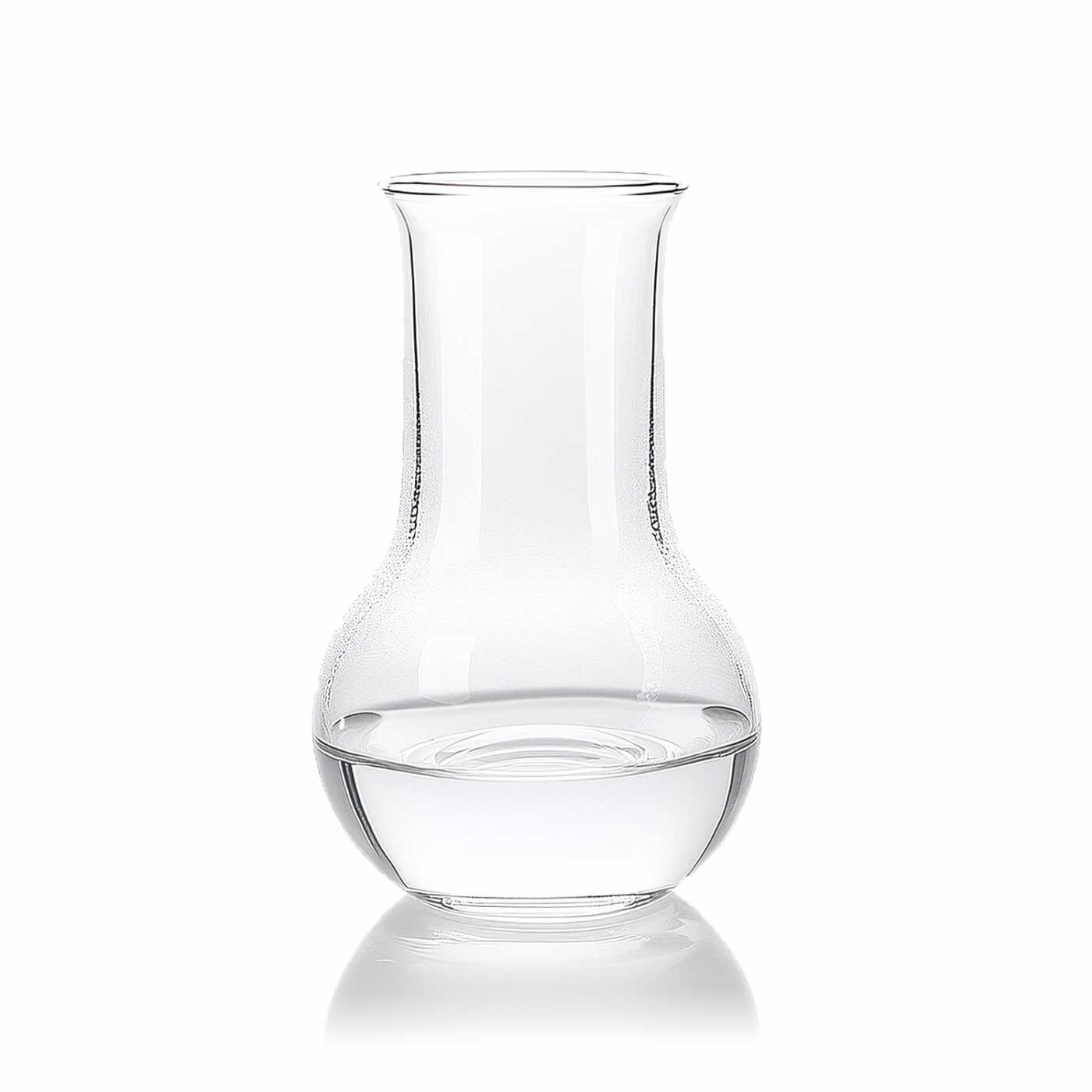
No, Isopropyl Myristate is colourless and has no pronounced odour of its own, so it does not affect the shade or scent of the finished product. This is precisely why it is used as a carrier for fragrance compositions and essential oils in perfumed oils and deodorants, where the scent should remain clean.

Parameters

INCI
Isopropyl Myristate
CAS No.
110-27-0
EC number
203-751-4
Product color
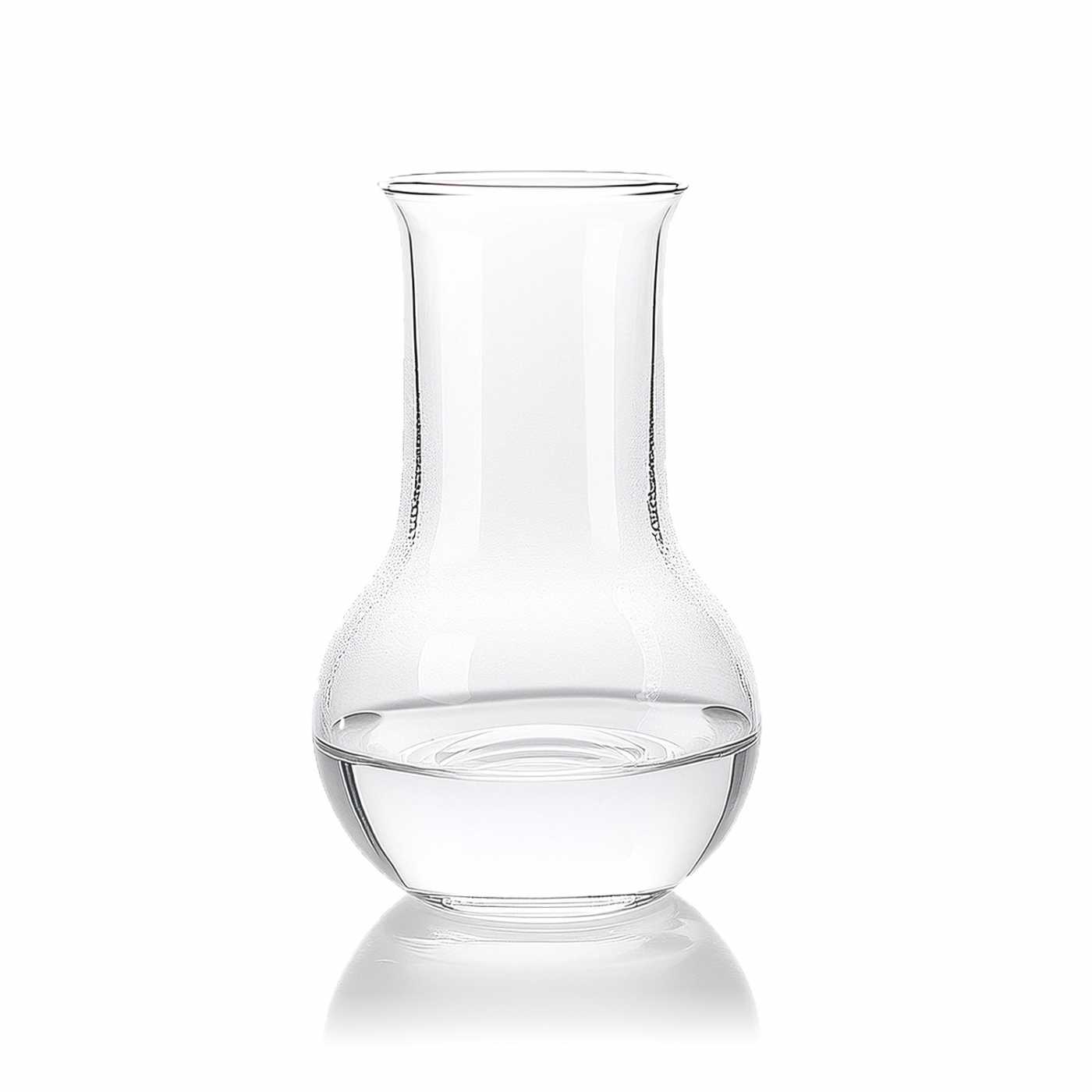
Colorless
Appearance
Liquid
Formulation phase
Oil phase
Function in formulation
EmollientCarrier
Recommended processing temperature
< 80 °C
Recommended dosage range
1 – 20 % %
Application type
Leave-onRinse-off
Natural Index (NI ISO 16128)
0,00
Natural Origin Index (NOI ISO 16128)
1
Volume
1000 ml

Product documentation

CoACertificate of Analysis
batch M250551NPDF ↓
TDSTechnical Data Sheet
Physical parameters and processingPDF ↓
MSDSSafety Data Sheet
Available for purchased products —
Download all (ZIP)

2 PDF files in one archive

Greta T.21 Sept 2026IT

Verified purchase

Excellent for modifying skin feel and reducing the heaviness of richer oil phases. Very useful for sensory experimentation.

Translated automatically

Aleš Č.13 Oct 2026CS

Verified purchase

Variant: Izopropylmyristát, IPM 98%, 500 ml

Ida23 Sept 2026SK

Verified purchase

(3 reviews)