+421 950 333 113info@handymade.store10% off all active ingredientsShop active ingredients

ACTIVE INGREDIENTS

Aurafirm N, Skin Probiotic, 10 ml

Pack size10 ml100 ml500 ml1 l

Aurafirm N is an oat ferment with non-viable lactobacilli that helps firm, plump and hydrate the skin and maintains the balance of its microbiome. full description

AvailabilityIn stock · 384 packs
Product codeAD018_10
BatchWO0125AAURN
Best before01/2027
€5.59incl. VAT−30 %Original price €7.99€559.00/l

Lowest price in the 30 days before the discount: €7.19

Product description

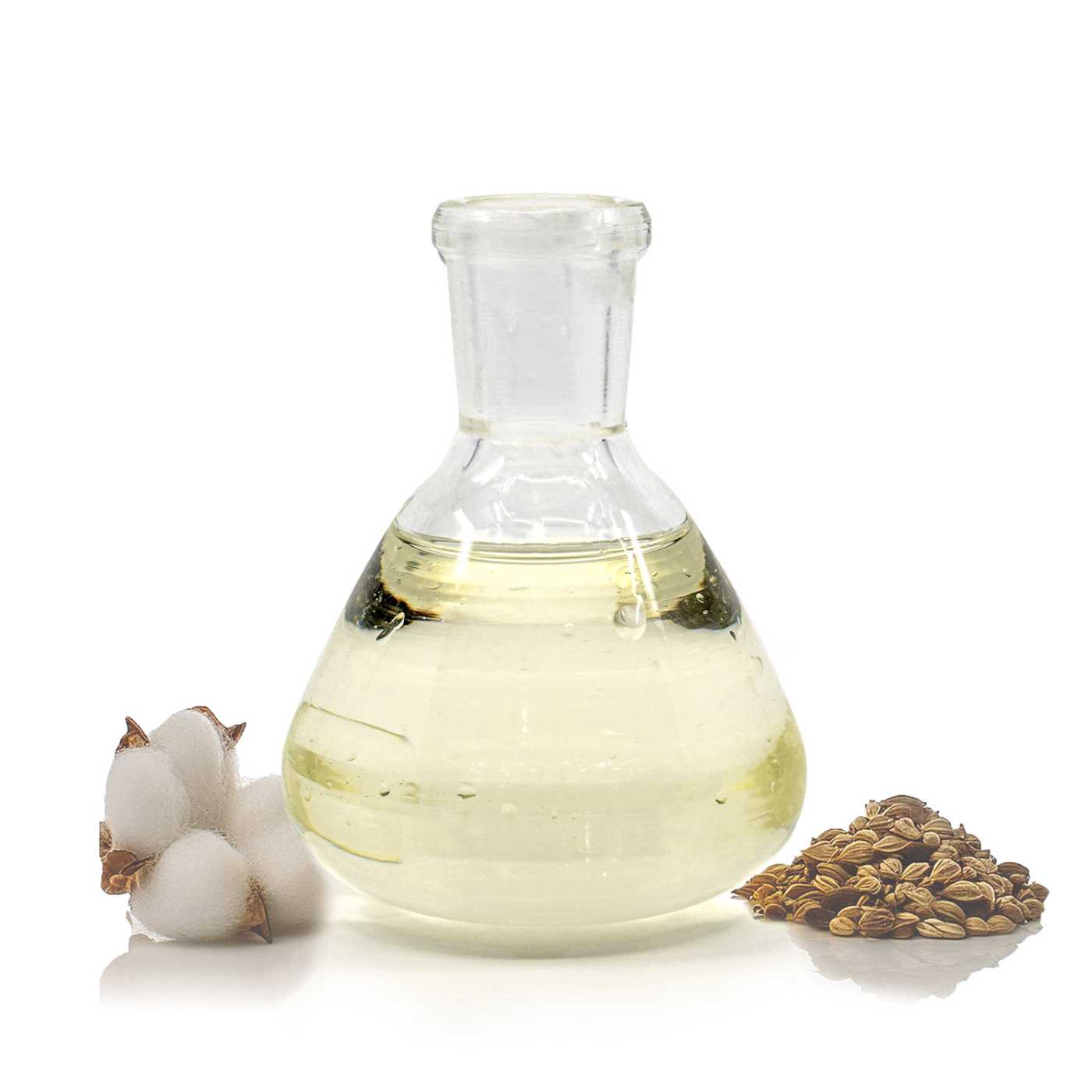
Aurafirm N is an oat ferment with non-viable lactobacilli that helps firm, plump and hydrate the skin and maintains the balance of its microbiome. It is produced by fermenting colloidal oat with a blend of Lactobacillus strains.

It dissolves in water and is mixed into creams, masks or conditioners only at the end of production, in the cold phase. It is suitable for the care of mature and sensitive skin, body, hair and scalp.


How it works on the skin

The effect is based on what is formed during the fermentation of oats. The lactobacilli convert the oat base into organic acids, mainly lactic acid. The ferment also contains amino acids, ectoine and the bacteria themselves in a non-viable form. The raw material does not contain live cultures, which is why it is described as an active ingredient with an effect similar to probiotics.

Lactic acid helps keep the skin at its naturally acidic pH and thus supports a healthy skin microbiome. Ectoine helps the skin manage its water balance, so the skin is smoother and more supple.

The typical content is approximately 130 000 non-viable lactobacilli per 1 ml, 1% amino acids and 5 000 mg/kg organic acids. These are indicative values. The properties of the raw material may vary slightly depending on the oat harvest.


What the manufacturer’s studies showed

The efficacy was tested at a usage rate of 2%.

  • Firming and plumping – a 10% higher firming effect after only 7 days and a 50% higher plumping effect compared with placebo. All users agreed that the appearance and feel of their skin had improved.
  • Skin thickness – the thickness of the epidermis increased within 5 days. In an ex vivo test, a slight increase was visible after only 24 hours.
  • Hydration – in the same ex vivo test, the raw material supported skin hydration and performed better than a commercial anti-ageing cream used for comparison.
  • Microbiome – after 10 days of use, the natural proportions of the skin microbiome were preserved and the skin pH was balanced. In an in vitro test, the raw material reduced the adhesion and growth of Corynebacterium and P. aeruginosa bacteria.
  • Tolerance – a repeated patch test (HRIPT) on 52 adults aged 20 to 78 showed no irritation or sensitisation.

Based on the tolerance test, the raw material may be declared as hypoallergenic, non-irritating and dermatologically tested. It is vegan, approved for natural cosmetics under the COSMOS (Ecocert) and NATRUE standards, and meets Halal and Kosher requirements.


Use in a formulation

The recommended usage rate is 1–5%. In formulations, 2% is used most often, for example in clay masks, and around 1% in conditioners.

The raw material belongs in the water phase. In emulsions, it is added during the cooling phase below 40 °C with constant stirring. It is stable up to 45 °C in various types of products; higher temperatures are not recommended.

The ferment itself has a pH of 3.5–4.5. The finished product can be formulated in the range of pH 3.0–6.0. The pH of the formulation is adjusted only after the ferment has been added, for example with citric acid.

No incompatibility with common facial cosmetics ingredients has been found. In formulations, it is often combined with xanthan gum, glycerine, clays (bentonite, kaolin), oat flour, barley powder and lecithin.

Shake the raw material thoroughly before weighing. It contains an insoluble fraction and flakes may occasionally appear in it. This is not a defect; it is enough to homogenise it mechanically.


Suitable for products such as

  • Face creams and emulsions – especially for firming and hydrating mature skin and for the care of sensitive skin.
  • Face masks – including clay masks. The clay is first left to hydrate in water, xanthan gum is dispersed in glycerine, the powders are mixed in and the ferment is added only at the end.
  • Hair conditioners and scalp care – both rinse-off and leave-in.
  • Shampoos – if they are thick enough.
  • Body lotions and creams.
  • Intimate hygiene products – in terms of composition (lactic acid, acidic pH, good tolerance), the raw material meets the requirements of this category, but it has not been tested separately in intimate hygiene products.

Good to know

In a clear system, it causes cloudiness. A gel or toner will stay translucent, but it will not be clear. The cloudiness can be masked with a pearlescent agent or an opacifier. In an alcohol gel, a small amount of titanium dioxide is sufficient.

In thin products, the insoluble fraction may settle to the bottom. A shampoo should be thick enough to keep it in suspension. If sediment does appear, a polymer with a yield value, for example Carbomer, will help.

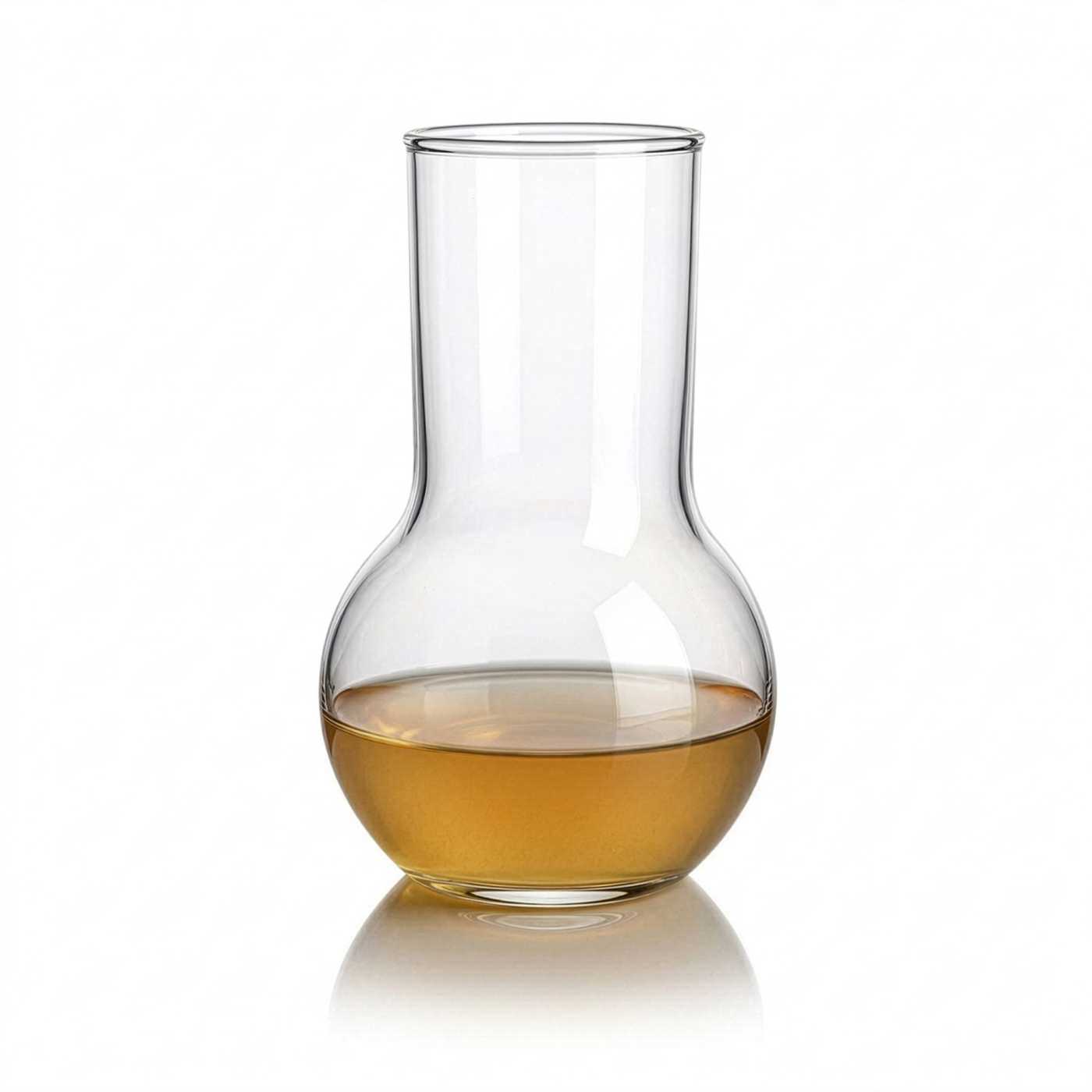
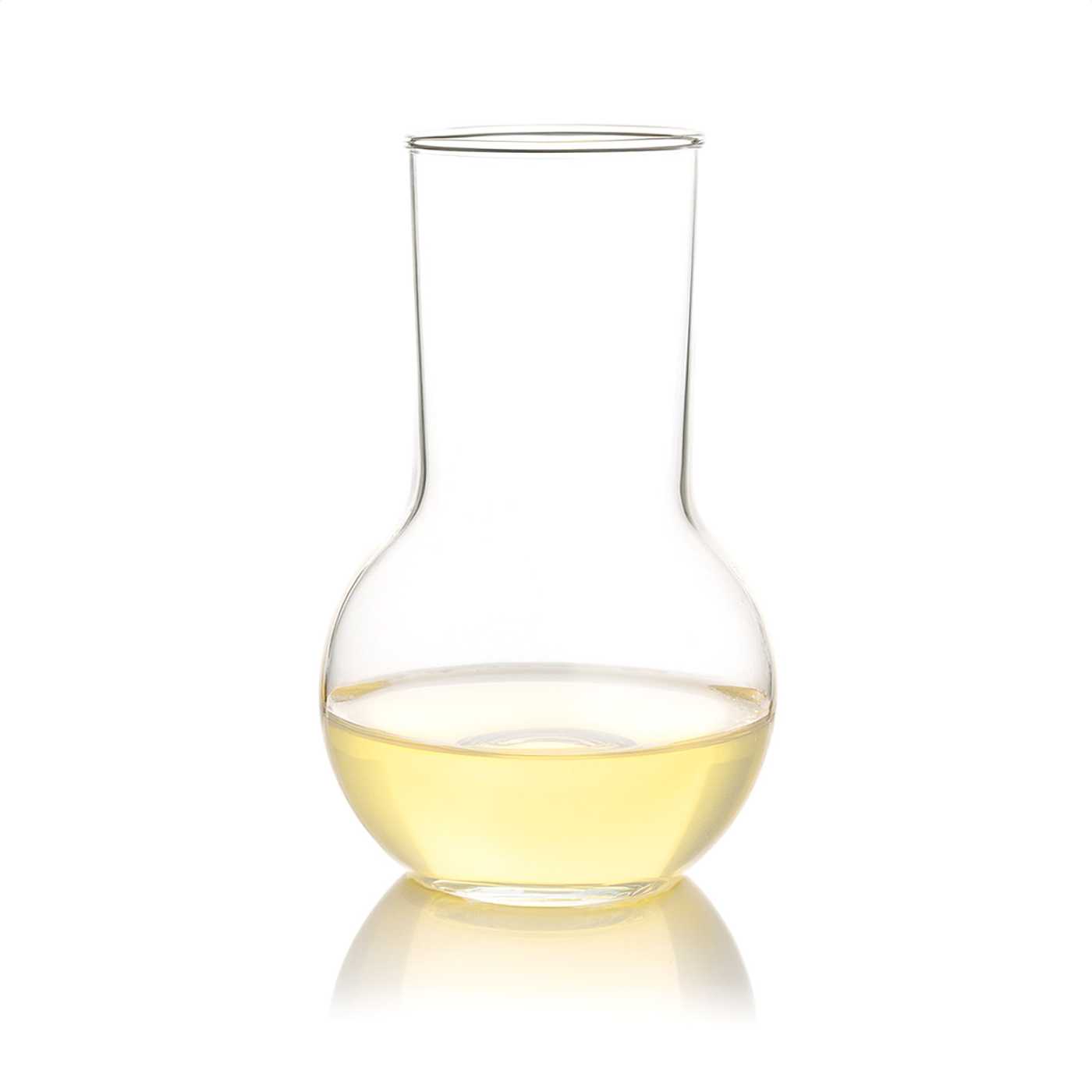
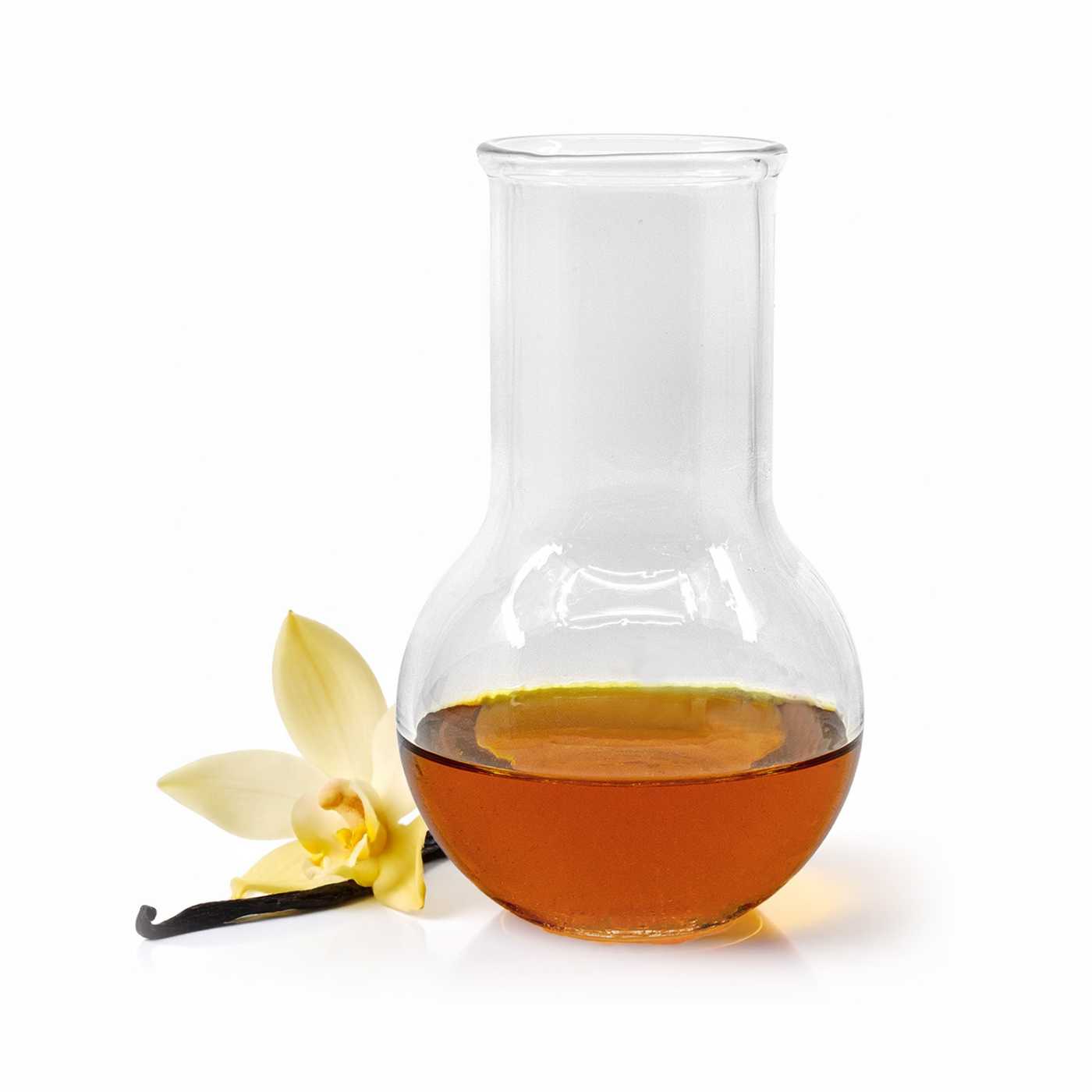
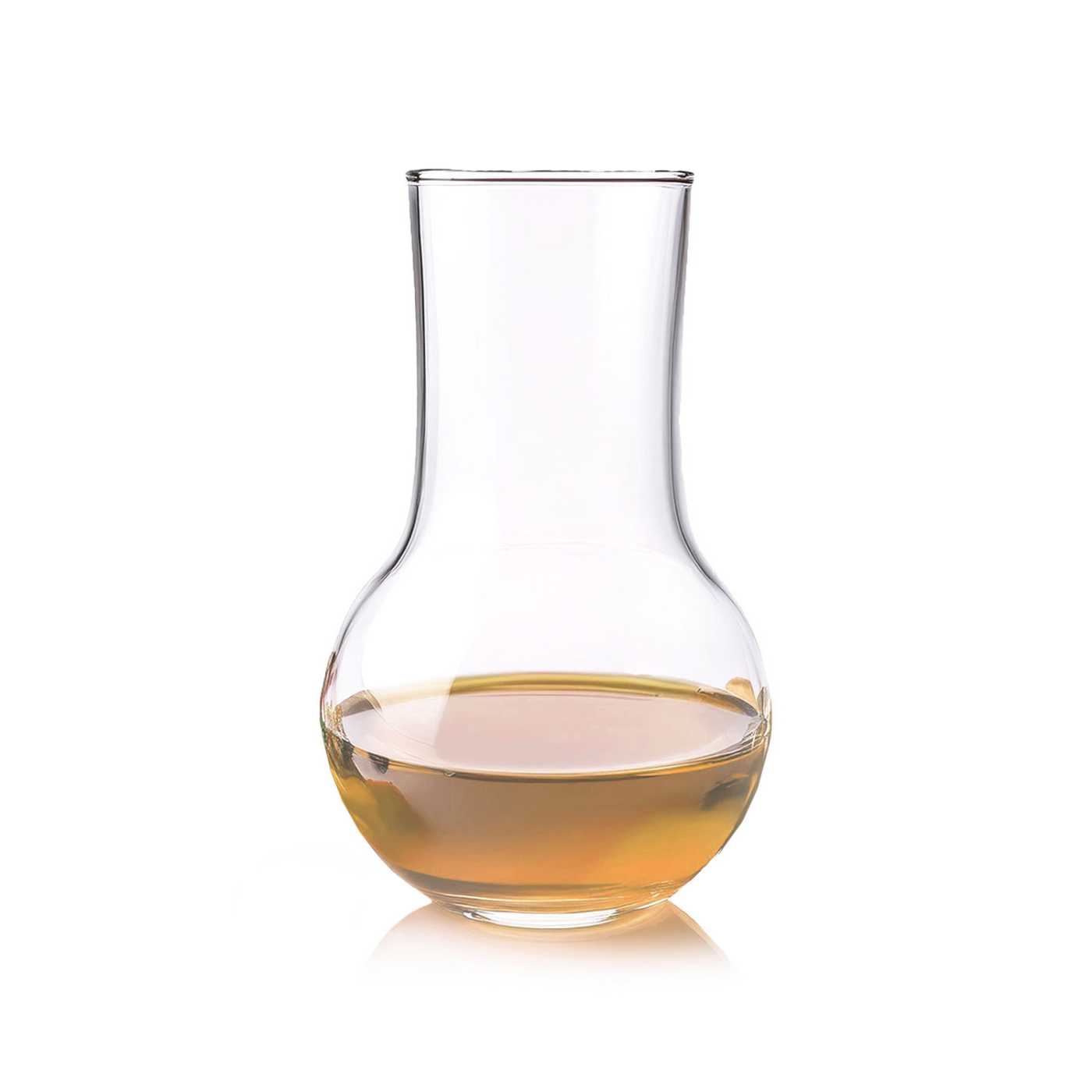
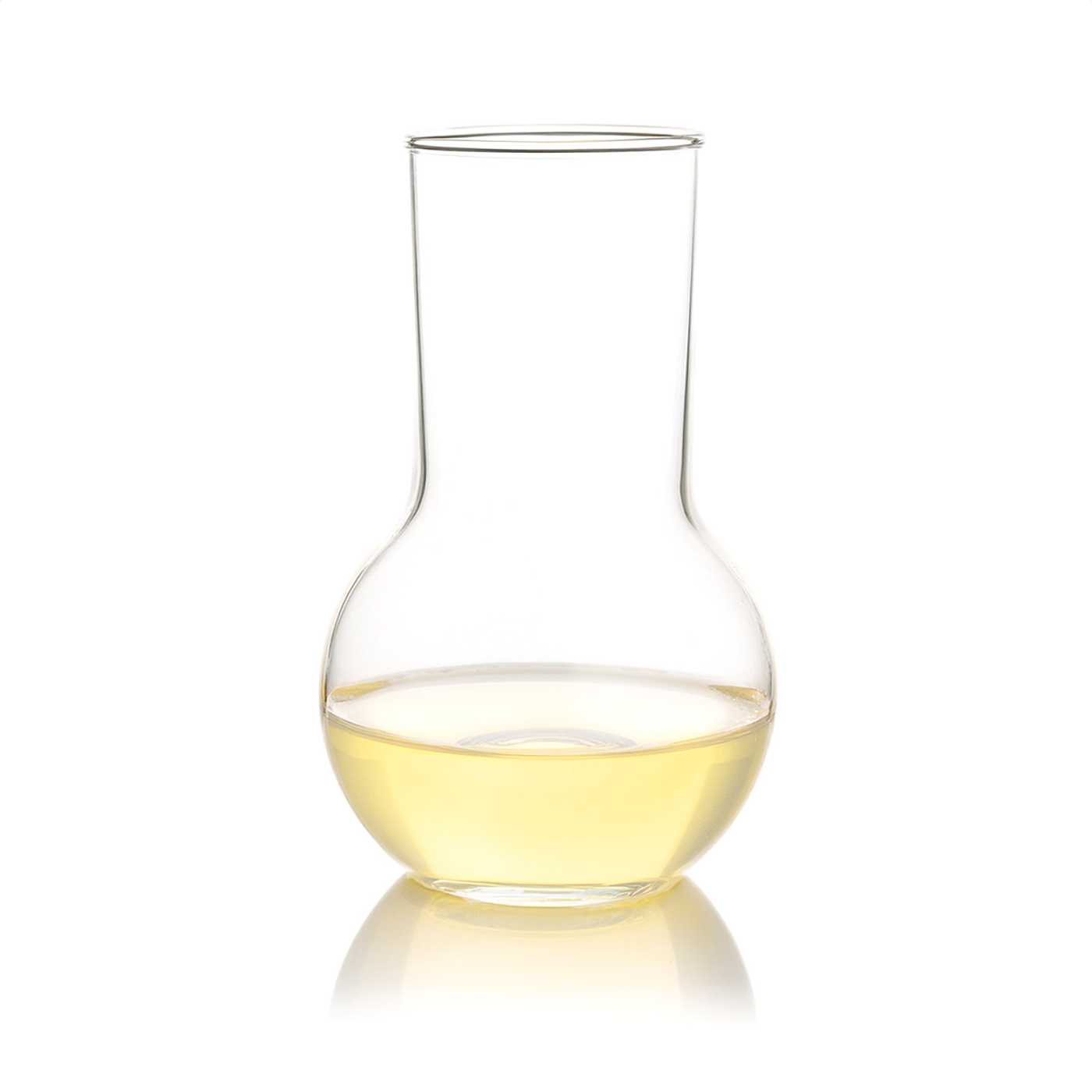
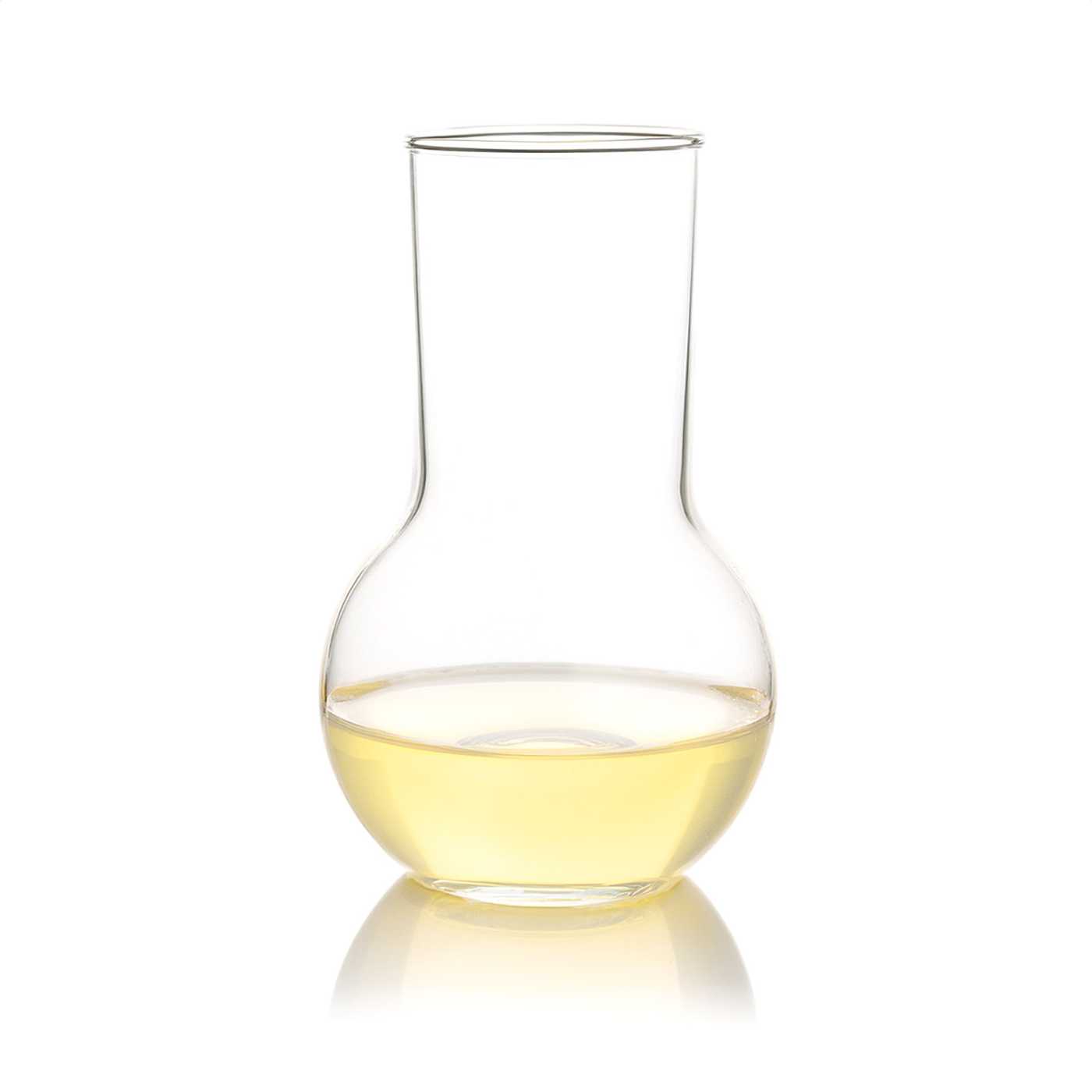
The ferment also brings its own colour and odour into the formulation. It is a pale brown, cloudy liquid with a viscosity similar to water and a characteristic fermented odour.

The raw material is itself preserved with sodium benzoate (0.20%) and potassium sorbate (0.10%). This is not enough to protect the finished product; the formulation needs its own preservative, and Phenoxyethanol with Ethylhexylglycerin is often used. Benzoate and sorbate work better at a lower pH; at a pH close to 6, do not rely on them.


Frequently asked questions

Does Aurafirm N contain live probiotic cultures?
No, Aurafirm N contains lactobacilli in a non-viable form. The ferment also contains the substances formed during the fermentation of oats: lactic acid and other organic acids, amino acids and ectoine. On the skin, it helps maintain an acidic pH and the balance of the microbiome. It is therefore described as an active ingredient with an effect similar to probiotics.
What is the usage rate of Aurafirm N in a cream or mask?
Aurafirm N is used at a rate of 1–5%. The manufacturer’s efficacy studies were carried out at 2%, and this is also the rate used most often in creams and clay masks. Around 1% is added to hair conditioners. At a higher usage rate, expect more noticeable cloudiness in the product.
How is Aurafirm N added to an emulsion?
Aurafirm N is added to the finished emulsion during the cooling phase, at a temperature below 40 °C and with constant stirring. In products without an oil phase, it is mixed directly into the water phase. It must be shaken thoroughly before weighing, and the pH of the finished product should be adjusted only after it has been added.
Can Aurafirm N be used in a clear gel or toner?
It can be used, but the product will not stay clear. Aurafirm N is a cloudy liquid with an insoluble fraction and it creates cloudiness in a clear system. In thin products, this fraction may sediment. Thickening with a polymer with a yield value, for example Carbomer, will help, and the cloudiness can be covered with a pearlescent agent or an opacifier.
Is Aurafirm N suitable for sensitive skin?
Yes, Aurafirm N is also suitable for sensitive skin. In the manufacturer’s repeated patch test (HRIPT) on 52 adults, it caused no irritation or sensitisation and may be declared as hypoallergenic and dermatologically tested. It does not contain fragrance allergens. The tolerance of the finished product depends on the whole formulation, and we recommend verifying it.
Does a product with Aurafirm N need to be preserved?
Yes, a product with Aurafirm N needs its own preservative system. Sodium benzoate and potassium sorbate protect only the raw material itself and are not sufficient for preservation once diluted in the formulation. Choose the preservative according to the pH of the product, which is formulated with this raw material in the range of 3.0–6.0, and verify its efficacy in the finished product.

Parameters

INCI
Aqua, Lactobacillus Ferment, Avena Sativa Kernel Extract, Sodium Benzoate, Potassium Sorbate
CAS No.
84012-26-0
EC number
281-672-4
Product colour
Brown
Country of origin
FinlandGermany
Processing method
Fermentation
Appearance
Liquid
Free from
parabens
Function in formulation
Active ingredient
Recommended processing temperature
< 40 °C
Recommended usage rate
1 – 5 %
Recommended formulation pH range
3,0 – 6,0
Solubility
Water-soluble
Application type
Leave-onRinse-off
Suitable for
Sensitive skin
Biodegradability
Readily biodegradable
Certifications
Vegan
Natural Origin Index (NOI ISO 16128)
0,99
Volume
10 ml

Product documentation

CoACertificate of Analysis
batch WO0125AAURNPDF ↓
TDSTechnical Data Sheet
Physical parameters and processingPDF ↓
SDSSafety Data Sheet
Available for purchased products —
Download all (ZIP)

2 PDF files in one archive

PDFMarketing materials
Aurafirm N PresentationPDF ↓
Aurafirm N SummaryPDF ↓
Aurafirm N Intimate CarePDF ↓
Aurafirm N Data PackPDF ↓
Aurafirm N Formulation AdvicePDF ↓

Learn how to work with it

From our blog
REVIEWS

Verified by customers.

No reviews yet.

Only customers with a delivered order can write reviews.