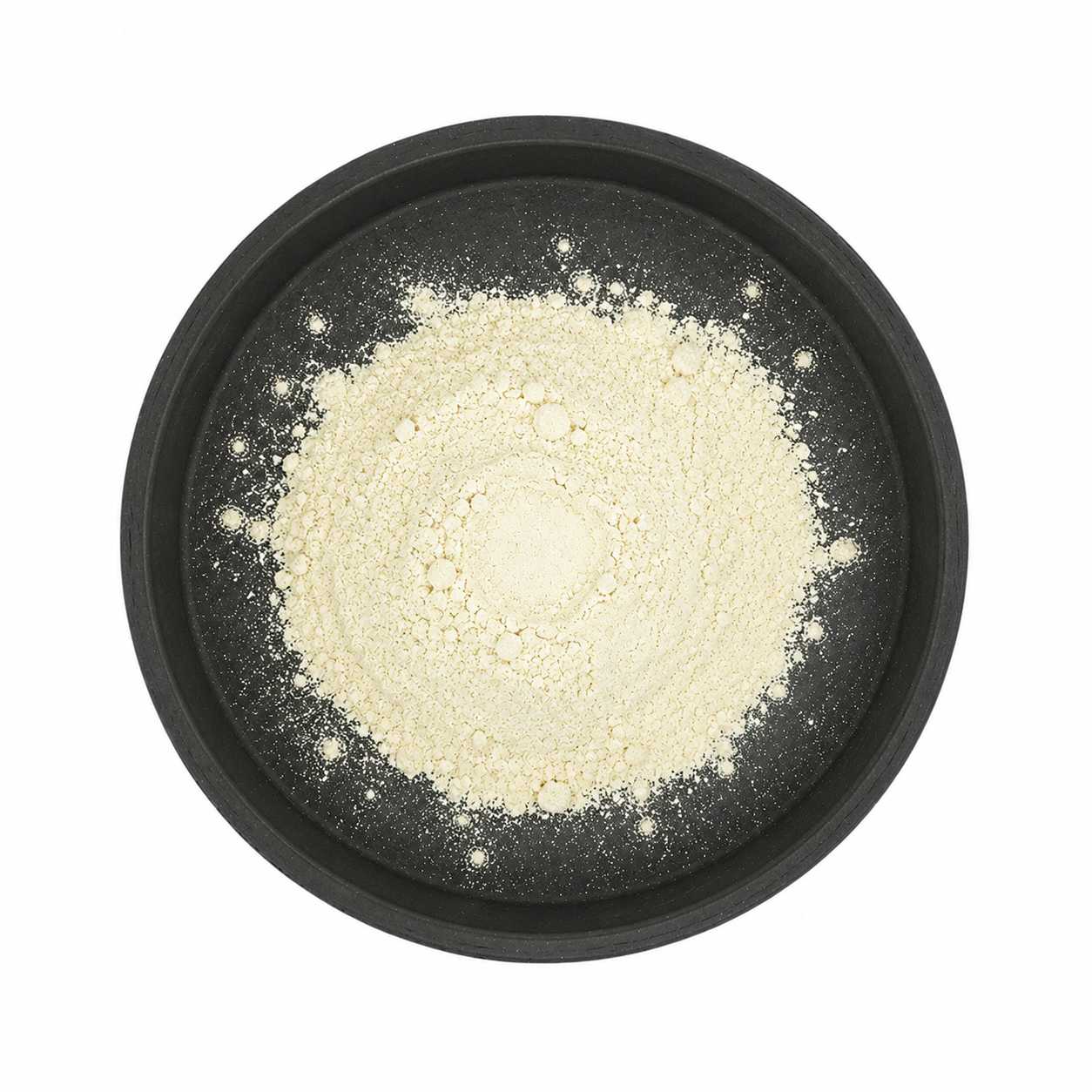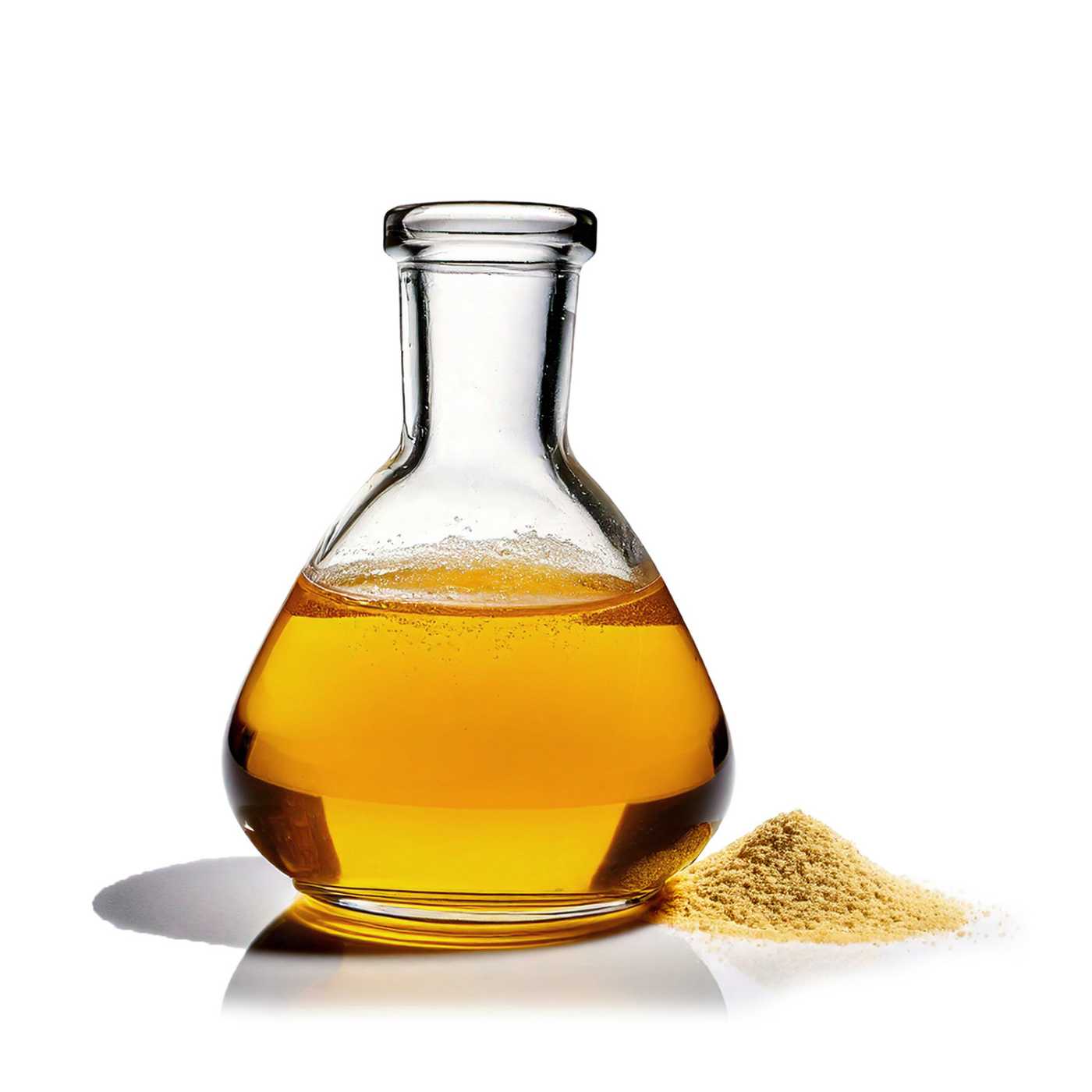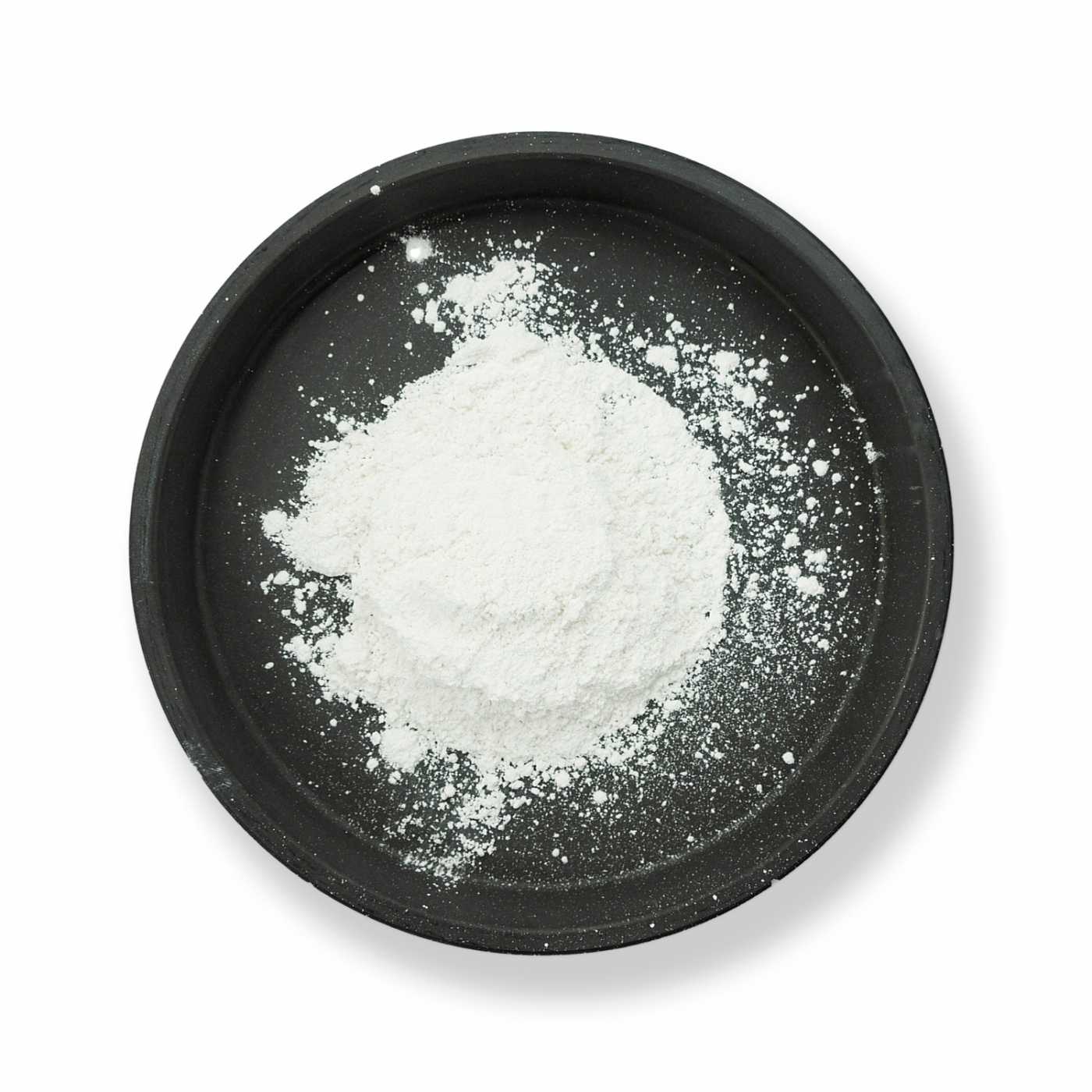
PhytoCellTec Goji Exosomes, 1 g
Pre-order€6.69(€6,690.00/kg)

EMOLLIENTS
Hemisqualane is a plant-derived emollient used to lighten creams, serums, facial oils and hair care products. full description
Lowest price in the last 30 days: €7.49
Hemisqualane is a plant-derived emollient used to lighten creams, serums, facial oils and hair care products. It spreads quickly and effortlessly on the skin, leaves no greasy film, and once absorbed the surface stays dry to the touch. In natural cosmetics it replaces isohexadecane, cyclomethicone and light mineral oils wherever a formulation needs a “silicone” feel without silicone.
It is produced by fermenting sugar from sugar cane, followed by hydrogenation and distillation. The result is a fully saturated hydrocarbon with fifteen carbon atoms, chemically unreactive and free of double bonds, so it does not oxidise. It is supplied in cosmetic grade with ECOCERT Approved certification.
Hemisqualane belongs to the oil phase. It dissolves in oils, esters, silicones and alcohol, and does not mix with water. It is added cold or during heating of the oil phase; the recommended processing temperature is up to 80 °C. It requires no special handling during emulsification; the required HLB is 6.
Dosage ranges from 1 to 100 % depending on what the ingredient is meant to do in the formulation. In creams and lotions it is enough to replace part of the oil phase with it to reduce stickiness and the greasy feel. In serums and facial oils it serves as the main carrier, diluting heavier plant oils and speeding up absorption. In cleansing oils and balms it forms the base that dissolves waterproof mascara and long-lasting make-up. In leave-in hair products and sprays it works even at a low proportion.
If you are formulating a cream with a high proportion of butters or a sunscreen with organic UV filters, replace part of the oil phase with hemisqualane. It reduces the sense of heaviness, softens the greasy feel of the filters and helps dissolve even crystalline organic filters.
Its low viscosity and non-polar nature also predestine it for anhydrous systems: dry body oils, oil serums, hair oils, stick deodorants and antiperspirants, where it lightens the waxy base. In colour cosmetics (lipsticks, liquid foundations, tinted creams) it ensures smooth and even application of pigments.
Both ingredients are saturated hydrocarbons from sugar cane and both are chemically stable. The difference lies in the size of the molecule. Squalane has thirty carbon atoms, feels richer on the skin, stays on the surface longer and suits nourishing creams for dry skin. Hemisqualane is half the molecule, so it is thinner, spreads faster and leaves a drier, lighter feel. In a formulation they complement each other: squalane provides nourishment, hemisqualane lightens and speeds up absorption.
The ingredient is chemically inert, does not react with active ingredients or preservatives and does not change the pH of the formulation. You can combine it with silicones, esters and plant oils without restrictions. It is colourless and almost odourless, so it will not affect the fragrance or the shade of the product.
Hemisqualane is not volatile. Unlike cyclomethicone it does not evaporate from the skin but remains on it as a very thin, non-sticky film. When replacing cyclomethicone in a formulation, therefore allow for slightly different drying behaviour, especially in sprays and antiperspirants.
The pure raw material is subject to classification under the CLP Regulation (GHS08 pictogram). In the finished cosmetic at the recommended dosage this is not a problem, but handle the concentrated raw material according to the instructions in the safety data sheet and keep it out of the reach of children.
Hemisqualane is inherently biodegradable according to OECD 302, produced without GMO and without materials of animal origin.

Variant: Hemiskvalán, 30 ml
Perfect for hair care
Translated automatically
Variant: Hemiskvalán, 100 ml
Perfect for hair care
Translated automatically

a hydrating booster for the skin!
Translated automatically

One of my favourite oils, I put it in almost everything!
Translated automatically

Variant: Hemiskvalán, 100 ml