# Horse chestnut active aqueous extract, organic
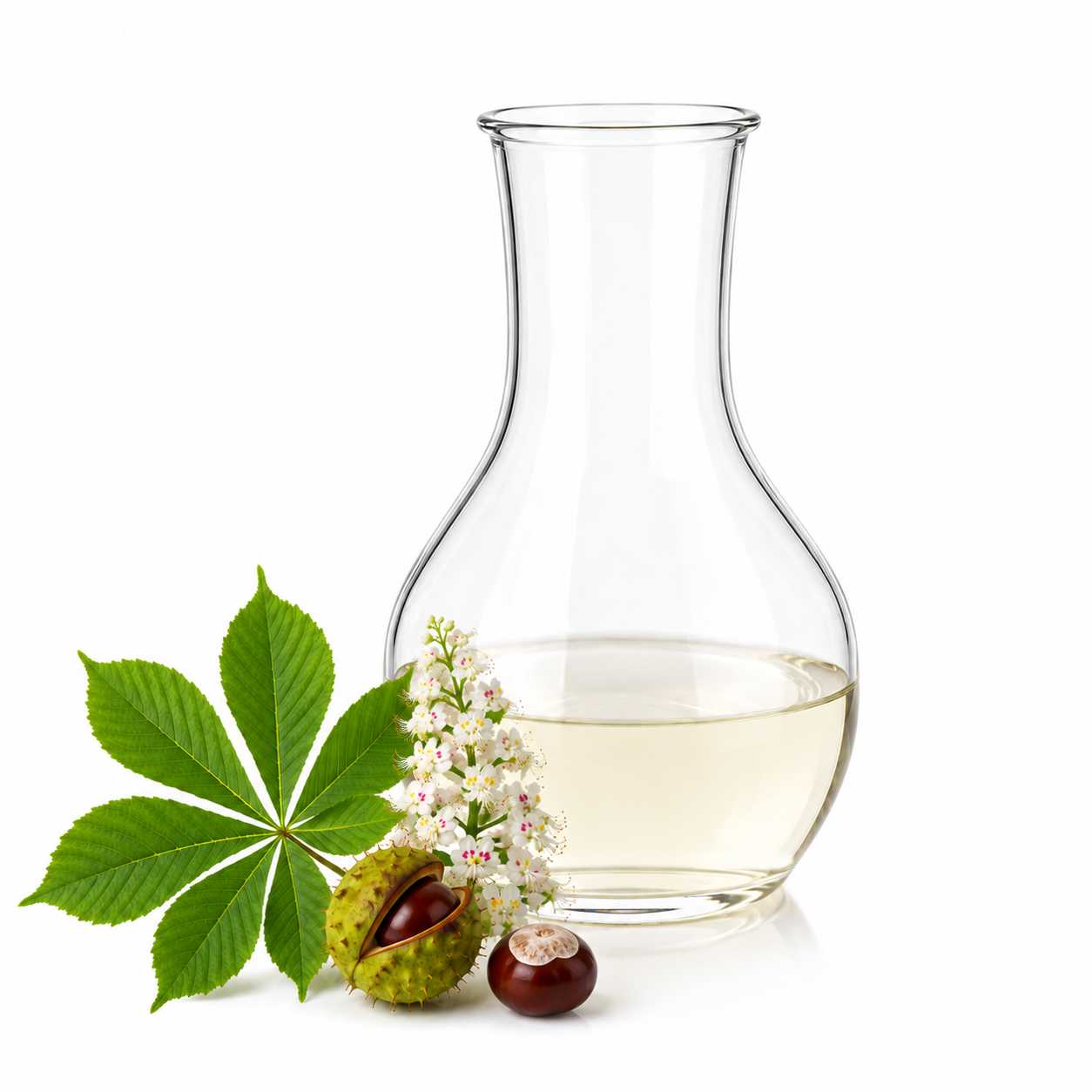
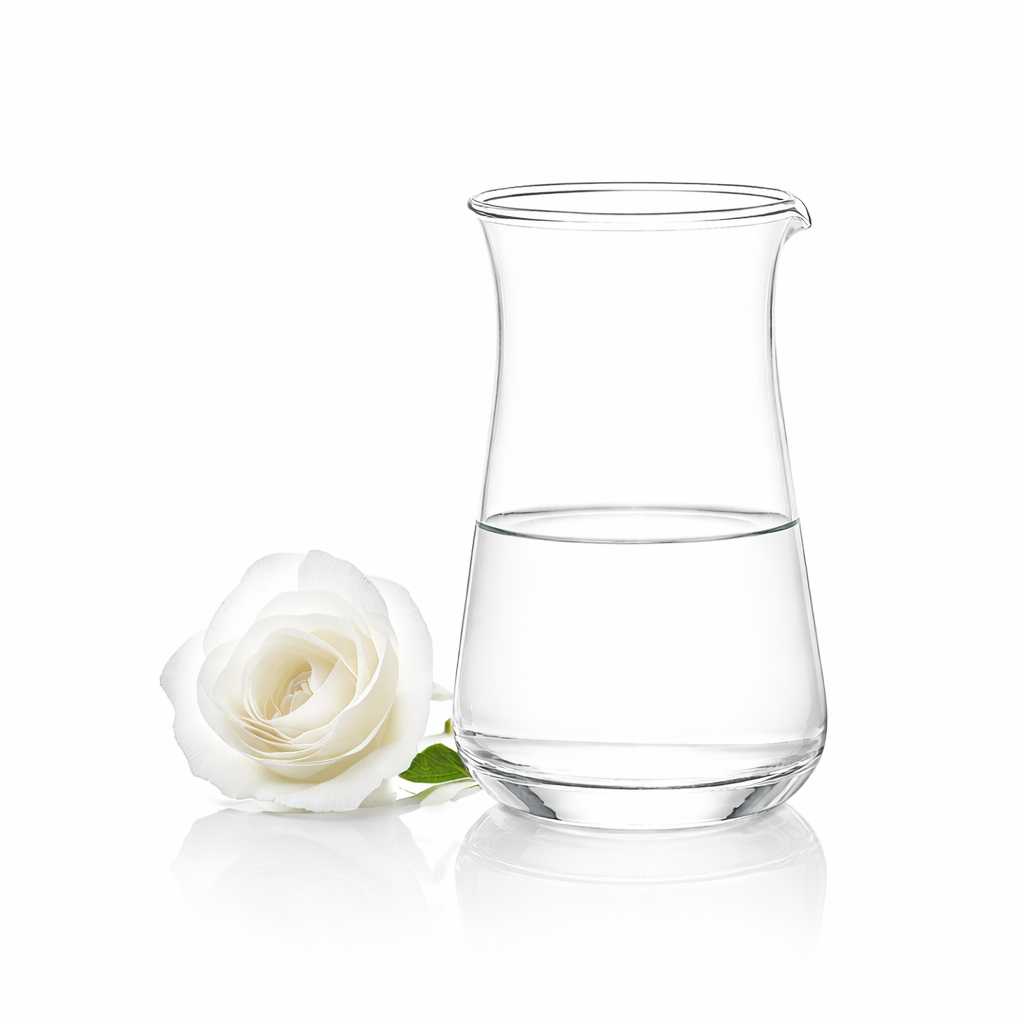
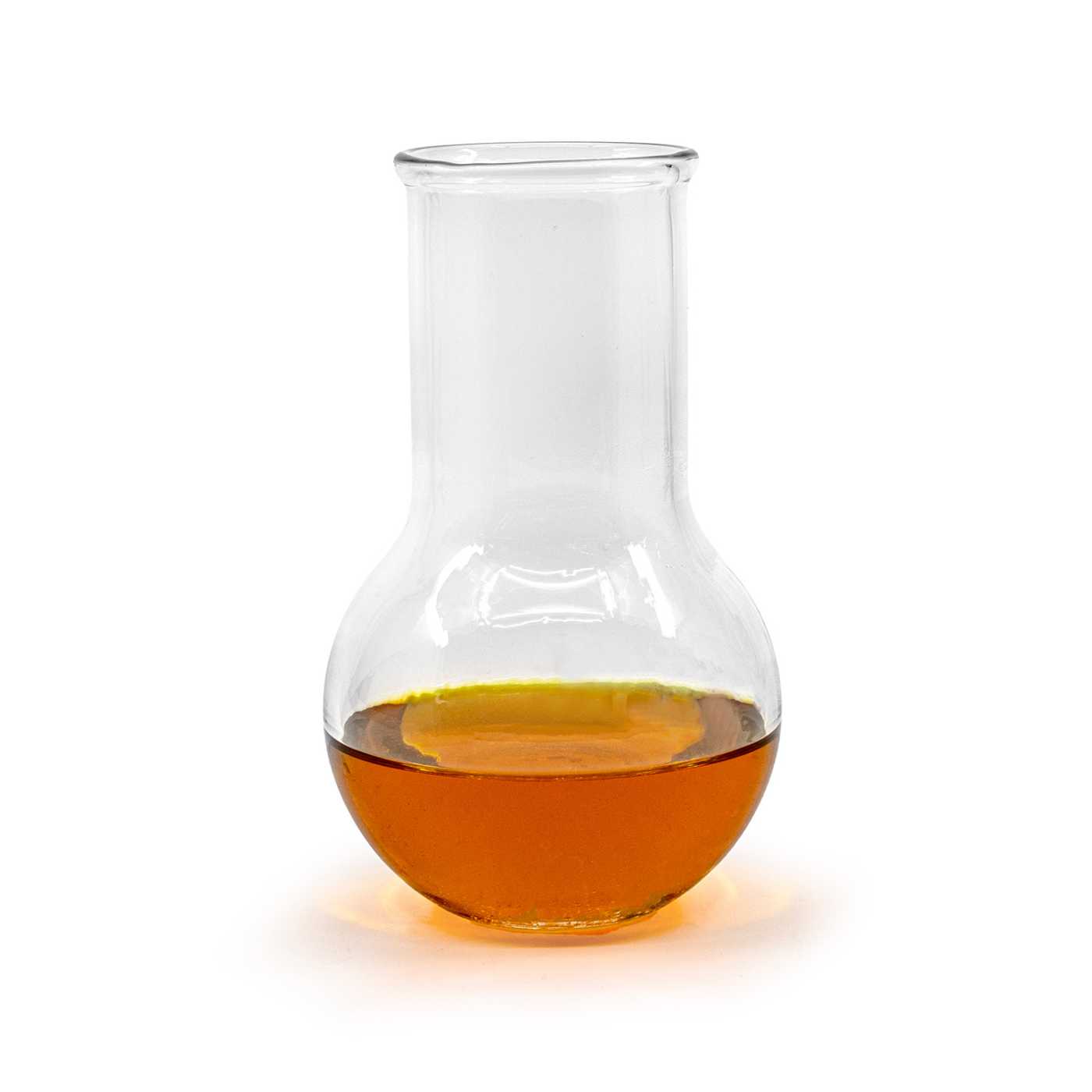
Horse chestnut active aqueous extract, organic, brings horse chestnut seed extract (Aesculus hippocastanum) into the water phase of your formulation. In cosmetics, this ingredient is used mainly in foot care products and in eye area care. It is supplied as a ready-made, water-soluble extract with COSMOS Organic certification. It is added cold to serums, toners, gels and creams, as well as to rinse-off body and hair products.
The extract is intended for products for sensitive, problematic and mature skin and is equally suitable for leave-on and rinse-off products. The manufacturer lists it for the face, body, feet and the eye area.
Key features
- Foot care products – horse chestnut is a staple ingredient of foot gels and creams; the extract is dosed into the water phase and does not weigh down the texture with an oil component.
- Eye area – the manufacturer states that it is suitable for the eye area too, so the extract can be used in light eye serums and gels.
- Water-based – it is added directly to the water phase without pre-mixing, without a solubiliser and without heating.
- Compatibility with surfactants – it tolerates anionic, non-ionic and amphoteric surfactants, so it suits shampoos, shower gels and bath products.
- Organic certification and biodegradability – COSMOS Organic certificate, readily biodegradable (OECD 301), free from raw materials of animal origin, not tested on animals.
Use in formulations
The recommended usage rate is 1–10% of the formulation weight. The lower end is enough to enrich a facial toner or a shampoo. A higher usage rate is used in targeted foot care products or eye gels, where horse chestnut is meant to be the main active ingredient.
The extract is processed at a temperature of up to 40 °C. In an emulsion, therefore, add it only to the cooled cream, while stirring continuously. In serums and toners, mix it straight into the water phase cold. In gels, add it only after the gelling agent has fully swollen, so that the structure of the gel is not disturbed.
The finished product should have an acidic to neutral pH, which is the range in which the compatibility of the extract has been verified. No data are available for alkaline systems, so its behaviour in them must be tested.
The extract is acidified with citric acid. When using it near the upper limit of 10%, we recommend measuring the pH of the finished product after adding it and adjusting it if necessary.
Suitable for products such as
- Foot gels and creams – the most typical use, where the extract is dosed at a higher percentage.
- Eye serums and gels – light water-based textures for the eye area without an oil component.
- Facial toners and serums – leave-on care for sensitive and problematic skin.
- Shower gels, bath products and shampoos – tolerance of common surfactants allows its use in rinse-off body and hair formulations too.
- Body lotions and light emulsions – as a supporting active ingredient in the water phase.
Good to know
The extract is preserved, but the preservatives in it protect only the raw material itself. The finished water-based product must be preserved separately according to its composition and pH.
The extract is not suitable for anhydrous and purely oil-based formulations, because it is an aqueous solution.
The effect on the colour, odour and clarity of the finished product depends on the usage rate and on the rest of the formulation. Before making a larger batch, we recommend preparing a test sample and checking its stability, especially in combination with other plant extracts and the preservative system.
Do not exceed the processing temperature of 40 °C. Do not add the extract to the hot water phase before emulsification, but only to the cooled emulsion.
Frequently asked questions
Is horse chestnut active aqueous extract water-soluble?
Yes, the extract is fully soluble in water and is added directly to the water phase of the formulation. It does not require a solubiliser, a glycol or pre-mixing with another ingredient. It does not dissolve in oil, so it is not intended for anhydrous products such as oil serums, balms or massage oils.
How do you add horse chestnut extract to a cream?
Add it to the cream only after the finished emulsion has cooled below 40 °C, while stirring continuously. The usage rate is 1–10% of the total weight. After mixing it in, we recommend checking the pH of the cream, because the extract contains citric acid and may lower the pH slightly at a higher usage rate.
How much horse chestnut extract should you put in a foot gel?
The manufacturer recommends a usage rate of 1–10%. In a foot gel, where horse chestnut is the main active ingredient, the higher part of this range is usually used. Mix the extract into the water phase after the gelling agent has swollen, at a temperature of up to 40 °C. Then check the pH and the consistency of the gel.
Is horse chestnut extract suitable for shampoo or shower gel?
Yes, the extract is suitable for rinse-off products, including shampoos, shower gels and bath products. It is compatible with anionic, non-ionic and amphoteric surfactants, so it can be used in common surfactant bases. Add it cold at the end of production, at an acidic to neutral pH.
Does a product with horse chestnut extract need to be preserved separately?
Yes, every water-based product containing this extract needs its own preservative system. The extract contains Sodium Benzoate and Potassium Sorbate, but these protect only the raw material in its packaging, not the whole formulation after it has been diluted to 1–10%. Choose the preservative for the finished product according to its pH and product type.
Is horse chestnut extract suitable for sensitive skin and the eye area?
Yes, according to the manufacturer, the extract is intended for sensitive and problematic skin as well, and it can be used in products for the eye area, face, body and feet. It is not classified as hazardous under the CLP Regulation and does not contain fragrance allergens. The tolerance of the finished product is also affected by the other ingredients, so we recommend testing the final formulation.