


The handymade learning centre
Homemade cosmetics academy
Recipes, ingredient profiles and regulations in one place. Learn step by step — and add the ingredients of any recipe to your cart in one click.
Learning paths
Getting started with homemade cosmetics
First steps in making your own cosmetics: measuring pH, preservation, working with actives and essential oils. The parts build on each other, but each one also stands alone.
Level II · 5 partsMineral make-up from A to Z
A complete series on home-made mineral make-up: powder foundation, a cream version in five shades and liquid make-up, including how to mix your own shade.
Level III · 6 partsCosmetics legislation for makers
INCI names, correct product labelling, IFRA standards and cosmetic certificates — a learning path for everyone who wants to make cosmetics properly and legally.
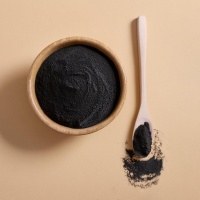
ACTIVATED CHARCOAL AND ITS USES
Activated charcoal is charcoal that has undergone a heating process and thanks to this treatment is safe for medical use. Its main property is its adsorption capacity, which allows it to penetrate into the porous surface and capture a large amount of toxins and chemicals.
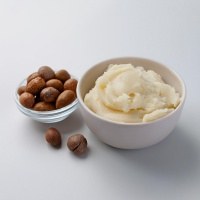
PLANT BUTTERS IN COSMETICS
What is plant butter? What can plant butter contain? What different attributes can it have and what are the most common forms of processing?

Vitamins in cosmetics
In the winter period our body demands doses of vitamins more than ever, ones that are not available in their natural form as in other periods. Read about the best-known vitamins used in cosmetics.
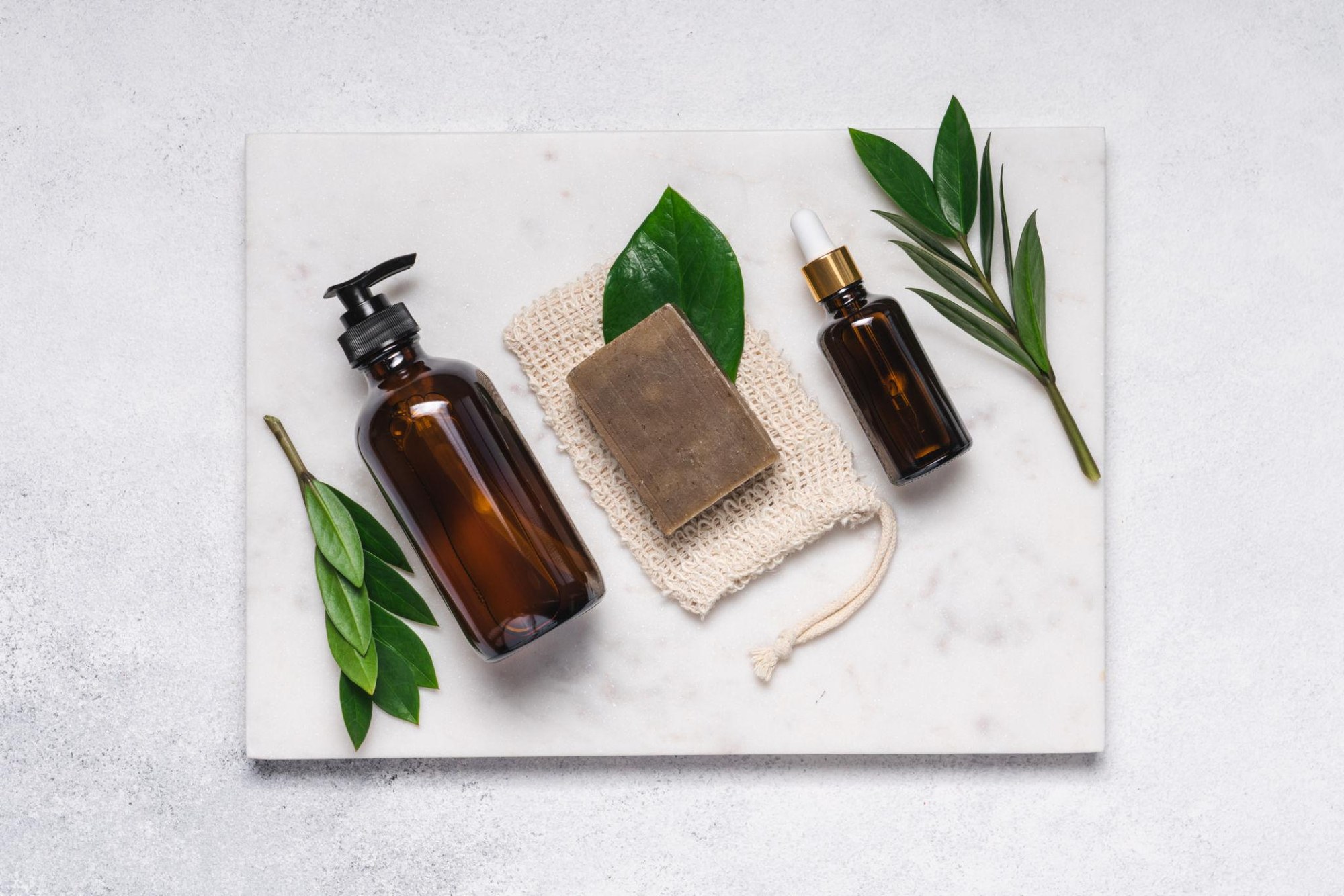
Cosmetic Preservatives
Preservatives are substances that prevent the multiplication of bacteria, yeasts, fungi and moulds by disrupting the cells and spores where they germinate, and thus make their growth impossible, thereby extending the shelf life of your product, on average by 2 to 3 months. Read more about them on our blog.
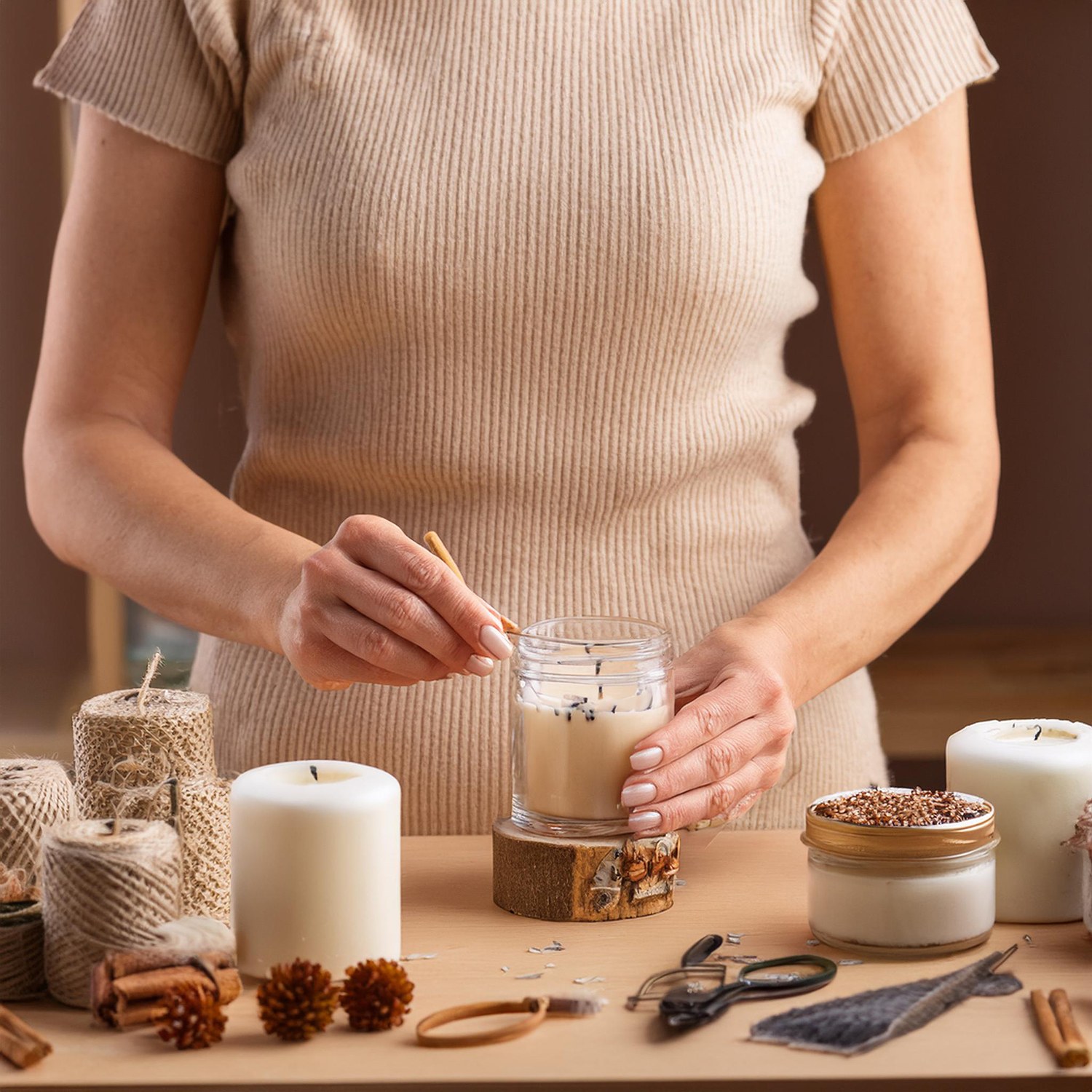
How to make candles? Tips, tricks and overview of waxes
With the growing interest in vegan cosmetics, recipe makers are replacing classic beeswax in their formulations with vegan alternatives. How are vegan waxes actually made? How do you choose the right soy wax and go about making a natural candle at home?

Skin and hair care in winter - an overview of oils
Autumn, but especially winter, can leave a significant mark on your skin. In this article we present several carrier oils that will perfectly nourish your skin.
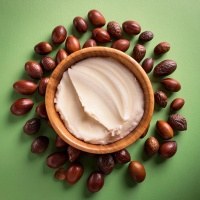
Have you heard of CUPUACU BUTTER?
An article on the characteristics, effects and use of cupuacu butter in natural cosmetics.
Essential oils and their use in natural cosmetics
An article on the effects, storage and use of essential oils.
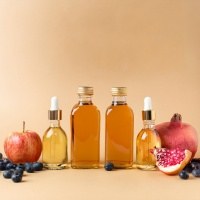
CO2 extracts and their use in natural cosmetics
Essences obtained by CO2 extraction are among the purest essences, with a higher proportion of the individual chemical components than are contained in essential oils obtained by steam distillation, as they contain no solvent residues, inorganic salts, heavy metals or bacteria capable of reproduction.

Proteol apple - natural surfactant
Proteol APPLE is a purely natural, extra gentle surfactant with an excellent foaming ability, used in almost all foaming formulations.

POLYAQUOL 2W - natural emulsifier
An article about the natural emulsifier Polyaquol 2W, which is easy to combine and able to create anything from light viscous emulsions to thick creamy consistencies.

SLSA Sodium Lauryl Sulfoacetate and natural cosmetics
Sodium lauryl sulfoacetate (SLSA) is one of the tensides. It is used mainly in the production of shampoos, gels and conditioners.
Showing 12 of 40 articles